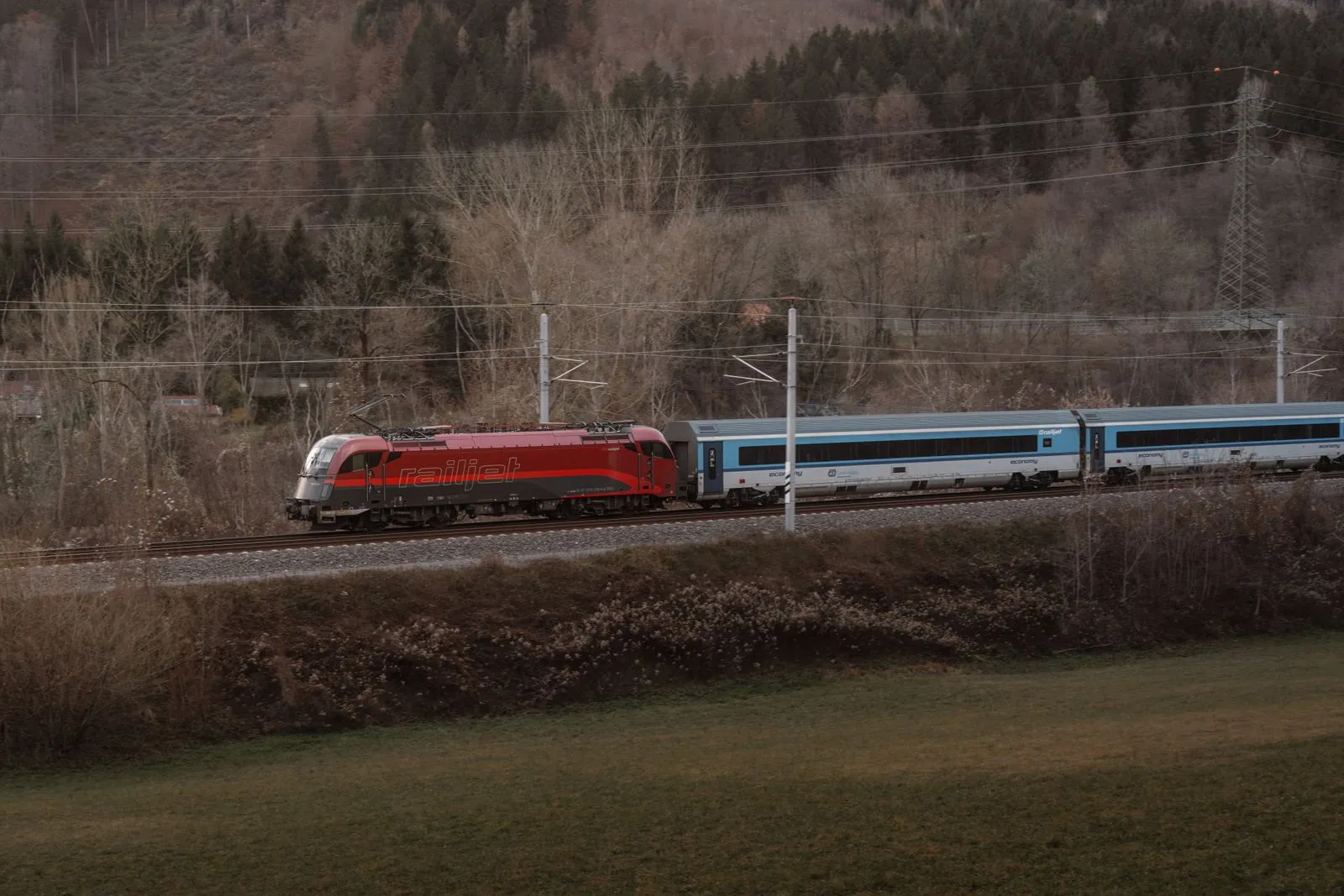
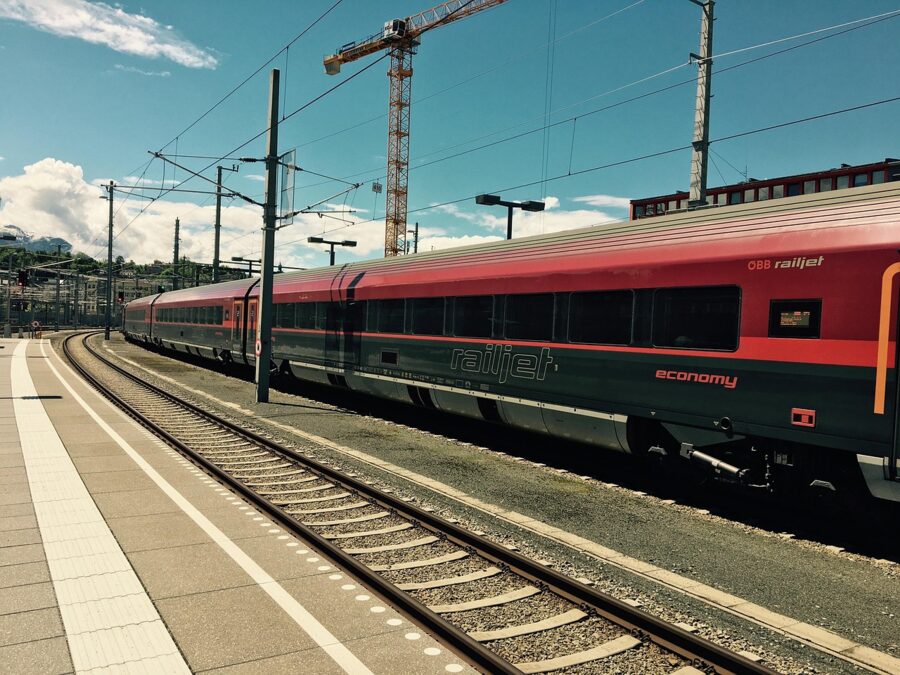
Hand your phone to the conductor on a Railjet out of Vienna and what gets scanned is a day ticket from the Rail Planner app: one barcode covering every train you added for that date. Until September 2026 that ticket said Eurail if you lived in Ohio and Interrail if you lived in Utrecht. Now it says Interrail for both of you, because the two passes have become one product, sold at one price, on one website.
Nothing else about riding Europe on a pass has changed. A 7-day Global Pass in second class costs $427 as of late 2026, which works out to $61 a travel day before a single seat reservation, and on the fast trains of France, Italy and Spain almost every seat needs one. Whether the pass pays has less to do with how many countries you see than with which trains you ride and how far ahead you would otherwise book them.
I would buy one for a loose month through Germany, Austria, Czechia and the Alps, where you can still walk onto most trains, and skip it for a fixed ten days of Frecciarossa hops between Milan and Naples. Which of those two trips you are planning decides everything below.
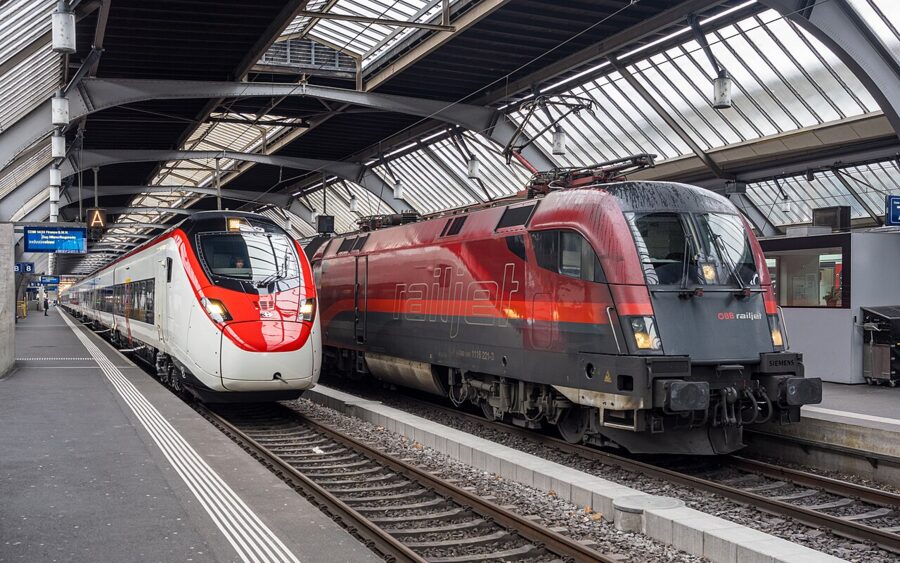
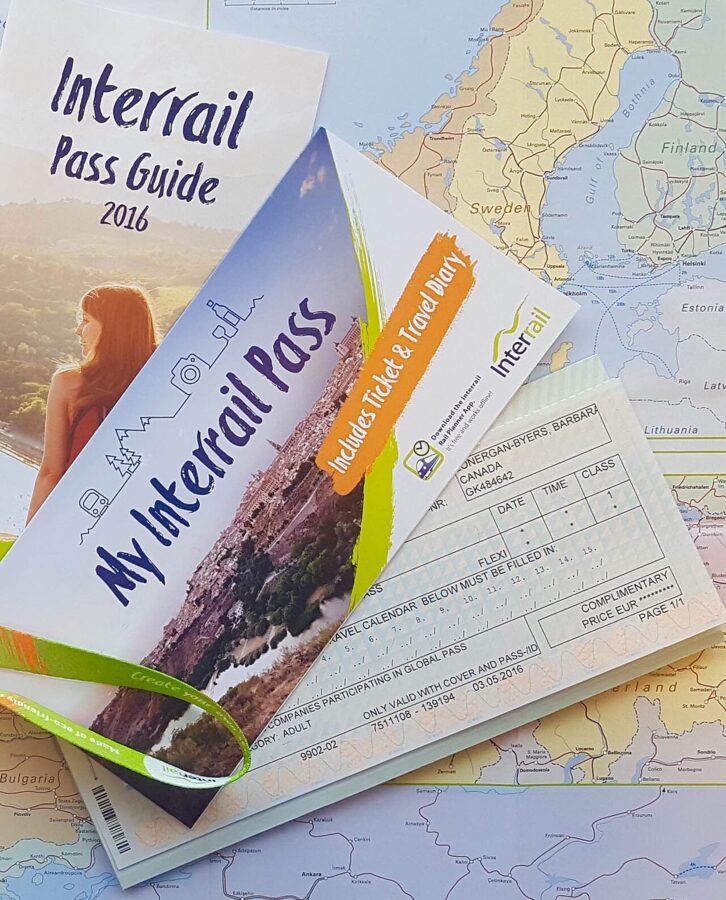
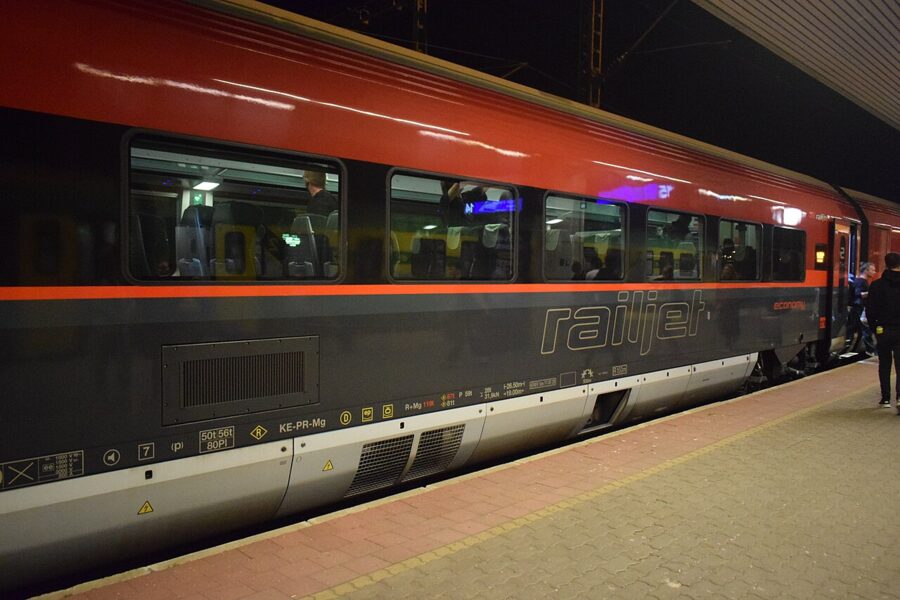
Stops in this article9
- 01Eurail is now Interrail: who can buy which
- 02Global Pass, One Country Pass or Plus Pass
- 03First or second class
- 04How many travel days to buy
- 05Seat reservations: which trains need them, and what they cost
- 06The Rail Planner app and the mobile pass
- 07Worked examples: when a pass beats tickets
- 08Night trains, Eurostar and the exceptions
- 09Buying, sales and refunds
Eurail is now Interrail: who can buy which
The Eurail Pass was created in 1959 for travelers from outside Europe, and the Interrail Pass followed in 1972 for Europeans. In September 2026 the two merged into a single Interrail Pass, and eurail.com now forwards to interrail.com. If you live in the United States, you choose “Outside Europe” as your country of residence on that site and pay in US dollars.
A Eurail Pass bought before the change needs nothing done to it. Mobile and paper passes issued under the old name keep the Eurail branding and stay valid on the terms they were sold under, including the older refund policy.
Residence still matters in two places. People who live in one of the 33 pass countries get only two journeys in their home country on a Global Pass, one out and one back, and those rules do not apply to you if you live in the US or Canada. The other limit runs the opposite way: the Switzerland and Great Britain One Country Passes are sold only to residents of Europe, so an American who wants a pass for just one of those two countries looks at the Swiss Travel Pass or buys a Global Pass.
The pass covers trains, and some ferries, in 33 countries: Austria, Belgium, Bosnia and Herzegovina, Bulgaria, Croatia, Czechia, Denmark, Estonia, Finland, France, Germany, Great Britain, Greece, Hungary, Ireland, Italy, Latvia, Lithuania, Luxembourg, Montenegro, the Netherlands, North Macedonia, Norway, Poland, Portugal, Romania, Serbia, Slovakia, Slovenia, Spain, Sweden, Switzerland and Türkiye. City metros, trams and buses are not included.
Global Pass, One Country Pass or Plus Pass
The Global Pass works in all 33 countries. Most people buy a flexi version, a set number of travel days to use whenever they like inside a window of one or two months, and the rest buy a continuous pass that lets you ride every day for 15 days, 22 days, or one, two or three months. These are the regular adult prices for residents outside Europe, as of late November 2026:
| Global Pass, adult | 2nd class | 1st class | Cost per travel day (2nd) |
|---|---|---|---|
| 4 days within 1 month | $317 | $411 | $79 |
| 5 days within 1 month | $356 | $463 | $71 |
| 7 days within 1 month | $427 | $554 | $61 |
| 10 days within 2 months | $501 | $651 | $50 |
| 15 days within 2 months | $619 | $804 | $41 |
| 15 days continuous | $533 | $692 | $36 |
| 22 days continuous | $656 | $852 | $30 |
| 1 month continuous | $780 | $1,012 | about $26 |
| 2 months continuous | $925 | $1,202 | about $15 |
| 3 months continuous | $1,071 | $1,391 | about $12 |
The continuous figures assume you ride every single day, which nobody does. On a three-week trip with eight or nine travel days, the 10-day flexi pass is usually a better buy than 22 days continuous, and it leaves you a spare day.
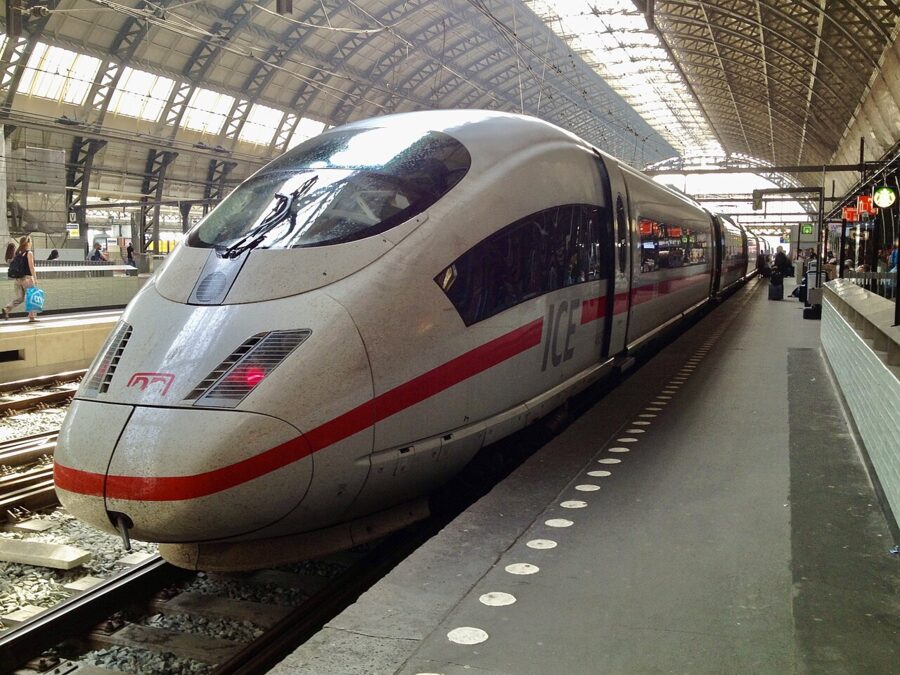
One Country Passes
A One Country Pass gives you three to eight travel days in one month in a single country (up to 15 days in Germany), and Benelux, the Nordic countries and the Greek islands are sold as one-country passes too. Prices for the countries Americans ask about most, adult second class, as of late November 2026:
| One Country Pass, adult 2nd class | 3 days | 4 days | 5 days | 8 days |
|---|---|---|---|---|
| Italy, France, Austria | $185 | $220 | $250 | $327 |
| Spain | $216 | $250 | $280 | $356 |
| Germany (German Rail Pass) | $250 | $284 | $315 | 7 days $365 |
| Benelux | $153 | $185 | $214 | $290 |
Look at the gap. Five days in Italy alone cost $250, five days across all 33 countries $356, so a single crossing into a second country is often enough to make the Global Pass the better buy.
The Plus Pass, which includes reservations
The newest product, still labeled beta, is the Plus Pass: a normal pass with most seat reservation fees built in, booked through Interrail’s own timetable. The Global Plus Pass costs $467 for 5 days or $538 for 7 days in a month in second class ($573 and $665 in first), and it comes with three credits for the trains where demand is highest. Eurostar costs one credit, and so do international TGVs from France, the ICE between Germany and France, and the EuroCity between Switzerland and Italy.
A German Rail Plus Pass costs $328 for four days in second class, against $284 for the plain version, and there is an Italy Plus Pass on the same pattern. Plus Passes do not cover sleeping berths on night trains, must be activated within three months of purchase rather than eleven, and stop being refundable once you book any included seat.
First or second class
First class costs about 30% more: $554 against $427 for seven days. A first-class pass is valid in both classes, a second-class pass only in second, and the reservation fee is usually the same for both, so the extra money buys space rather than access.
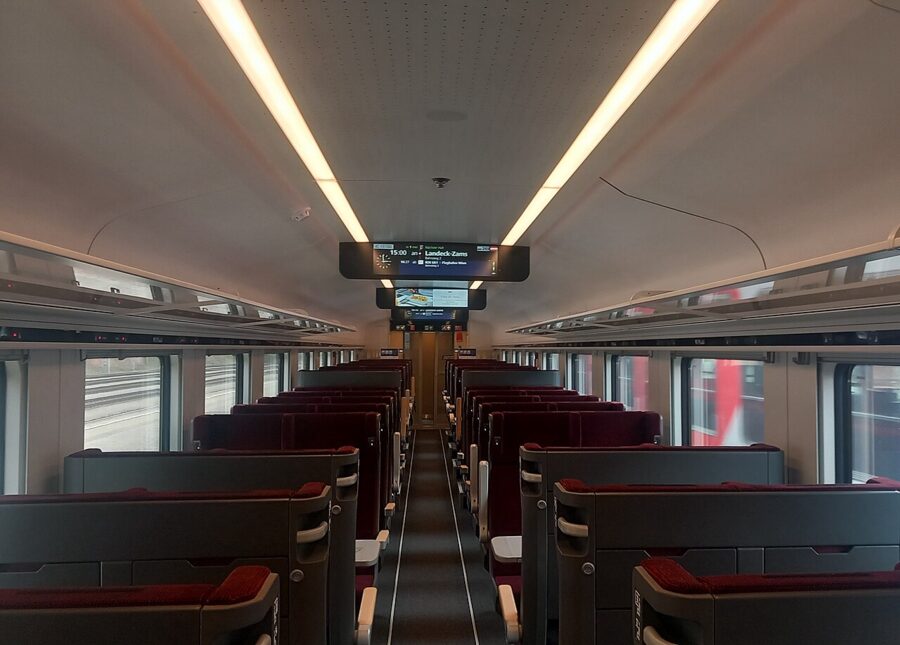
Where it shows is on the long day trains of Austria, Switzerland and Germany, which you can board without reserving, and in a few extras. First-class pass holders can ride Eurostar in Plus for €40 (about US$44) instead of Standard at €35 (US$38), and can buy a Business Class upgrade on Railjets for €15 (US$17). No pass gets you into Eurostar Premier.
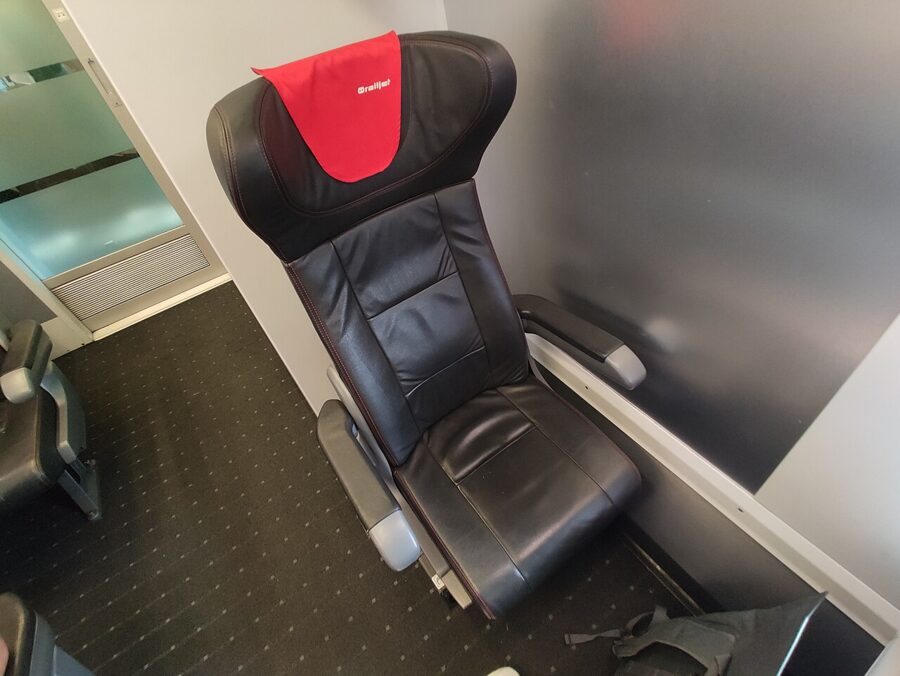
In Spain the reservation decides the seat. On an AVE, first-class pass holders can reserve Elige Confort for €13 or Premium for €23.50 (about US$26), which includes a meal. My rule: buy first class for a slow, scenic trip through the German-speaking countries, and second class for a trip built on Italian and French high-speed trains.
Youth, senior and child prices
Travelers aged 12 to 27 on the day the pass starts pay about 25% less: a 7-day second-class Youth Pass costs $320. Seniors, 60 and over, get 10% off, so $384. Children aged 4 to 11 travel free on a Child Pass, up to two per paying adult, and children under 4 need no pass at all. Seat reservations are not free for children, so a family of four pays four reservation fees on every train that needs one.
How many travel days to buy
A travel day runs from midnight to 11:59 p.m. local time, and on it you can take as many covered trains as you like. Count the days on which you will move between cities, then add one for a day trip you have not planned yet.
Night trains use only one travel day, the day they leave, as long as you do not change trains after midnight, and you cannot start a night train on the last day of the pass. Crossing a time zone can cost you an hour, since the day ends at 11:59 p.m. wherever you are. In the app you can cancel a travel day you have not used until midnight the night before.
The per-day cost in the table above is the number to carry into your planning. With a 7-day pass, each travel day has to save you about $61 in tickets; with a 15-day pass, about $41. A morning Railjet from Vienna to Salzburg and an evening train to Munich on the same day clears that easily, and a single 90-minute regional ride does not.
Seat reservations: which trains need them, and what they cost
This is where most pass plans go wrong. The pass gets you onto the train, but many fast and night trains also require a seat reservation, which you buy separately and which is limited in number. Book through Interrail’s own system and a €2 (about US$2) booking fee per person per train is added; buy at the station or on the railway’s own site and that fee may not apply.
Interrail publishes domestic reservation fees and international reservation fees by country. These are the ones you are most likely to pay, second class and first class, as listed in late 2026:
| Train | Reservation | Fee (2nd / 1st) |
|---|---|---|
| Frecciarossa and Frecciargento, Italy | Compulsory | €13 / €13 |
| Italian Intercity | Compulsory | €3 / €3 |
| TGV INOUI, France | Compulsory | €10–€20 / €10–€20 |
| AVE, Spain (domestic) | Compulsory | €10 / €13 (Premium €23.50) |
| ICE and IC, Germany (domestic) | Optional | €5.50 / €6.90 |
| Railjet, Austria | Optional | €3 / €3 |
| TGV Paris–Barcelona | Compulsory | €35 / €35 |
| TGV Paris–Turin–Milan | Compulsory | €31 / €45 |
| TGV Lyria, Paris–Switzerland | Compulsory | €25–€29 / €35–€39 |
| ICE and TGV, Paris–Germany | Compulsory | €19 / €19 |
| EuroCity, Switzerland–Italy | Compulsory | €13–€17 |
| Eurostar, London–Paris or Brussels | Compulsory | €35 / €40 |
France, Italy and Spain
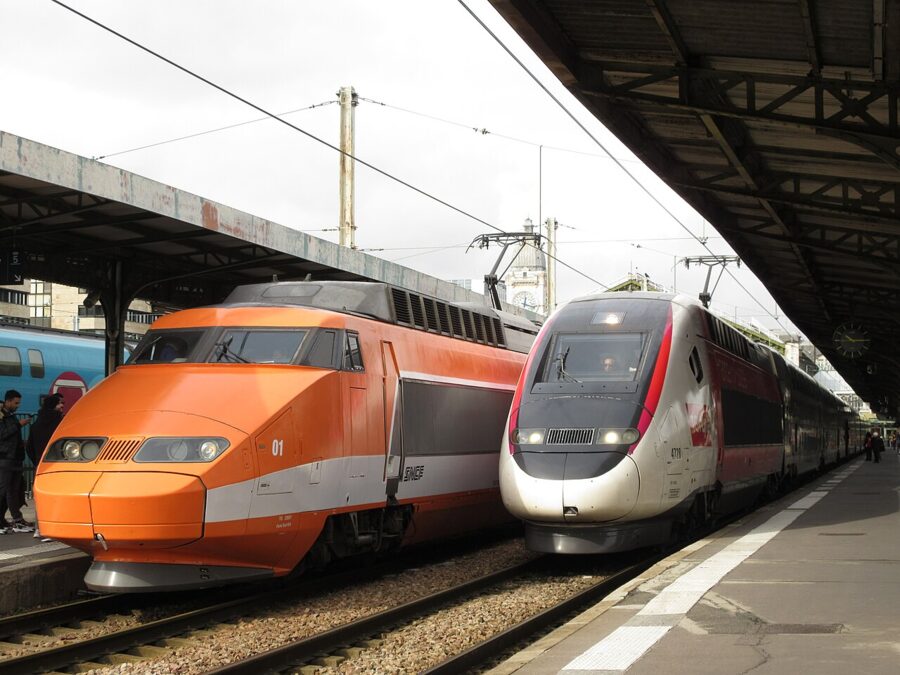
Assume every fast train needs a reservation. Pass seats on TGVs run out on busy days, and Interrail calls the direct Paris to Barcelona TGV perhaps the busiest route in Europe and often the first to sell out. Reserve these the day you fix your dates, and if a train is full, Interrail’s own busy routes page suggests a TGV to Perpignan and a regional train over the border, or the Intercités night train to Latour-de-Carol.
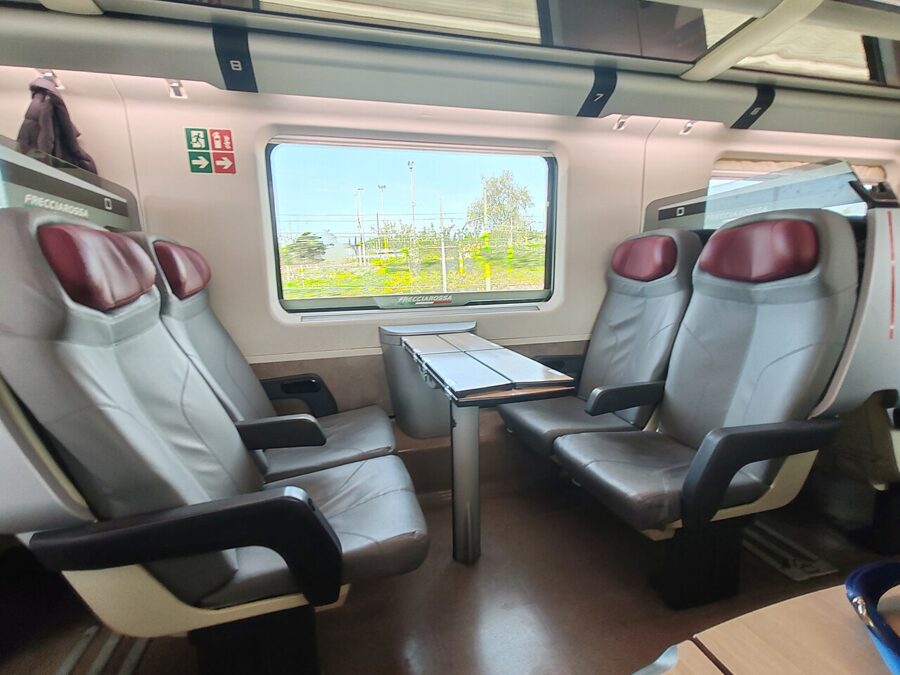
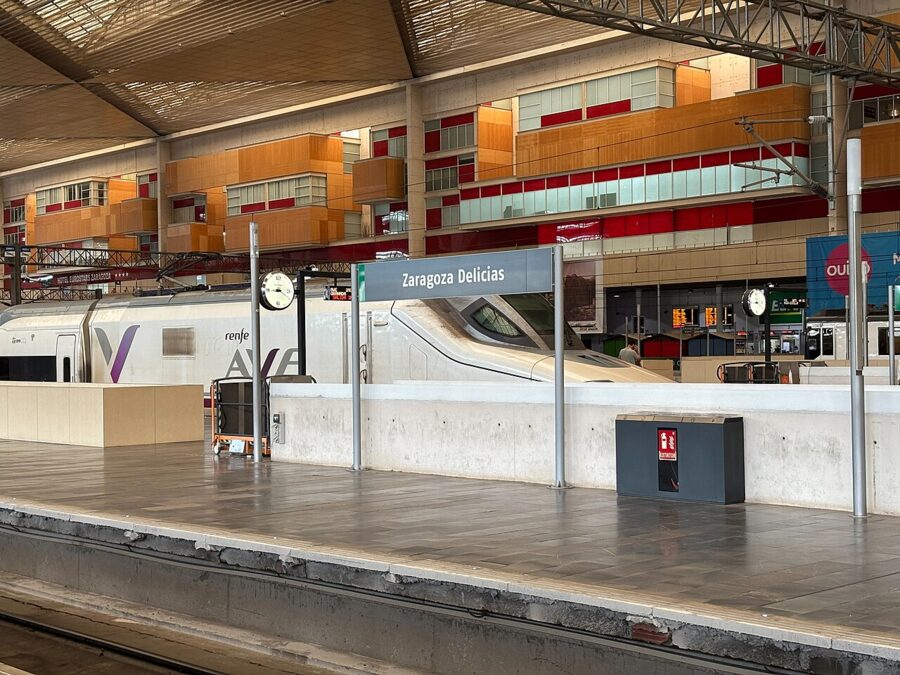
Italy is simpler and cheaper to reserve: €13 (about US$14) on any Frecciarossa or Frecciargento, €3 on Intercity trains, nothing on regional trains. Spain charges €10 for an AVE seat in Elige, the standard class, and €6.50 on Alvia, Euromed and Intercity trains. Reservations for Portugal’s Alfa Pendular and Intercity trains, €5, can only be bought locally.
Germany, Austria, Czechia and the Alps
This is pass country. Reservations on German ICE and IC trains are optional at €5.50, on Austrian Railjets €3, and on Czech EuroCity and Railjet trains €3. In summer a few busy cross-border routes switch to compulsory reservations, among them Amsterdam to Frankfurt (June 26 to August 31) and Hamburg to Copenhagen (from June 26 into August). Two supplements catch people: the EuroCity and Railjet trains over the Brenner Pass into Italy charge a compulsory €10 to €15, and Poland’s EIP express trains charge €10.
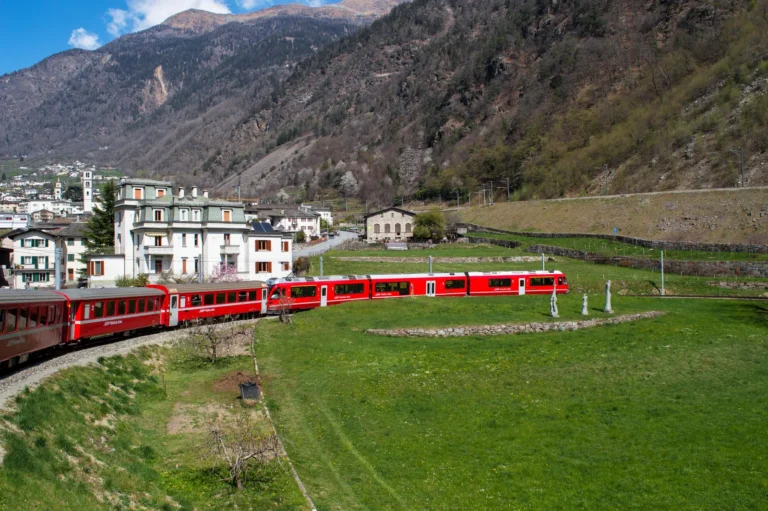
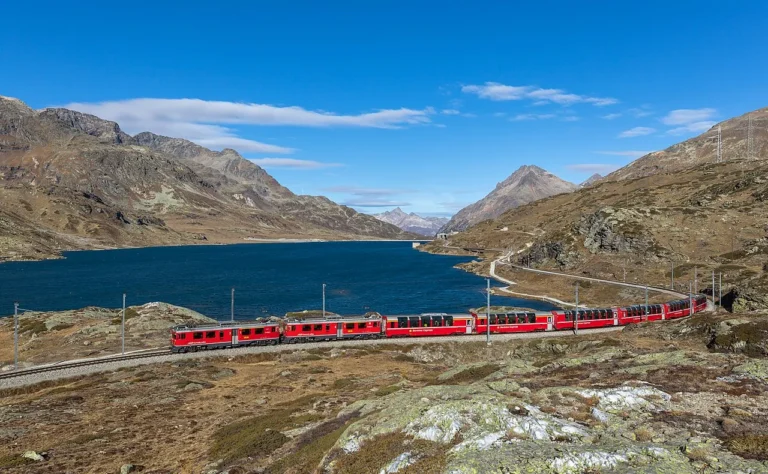
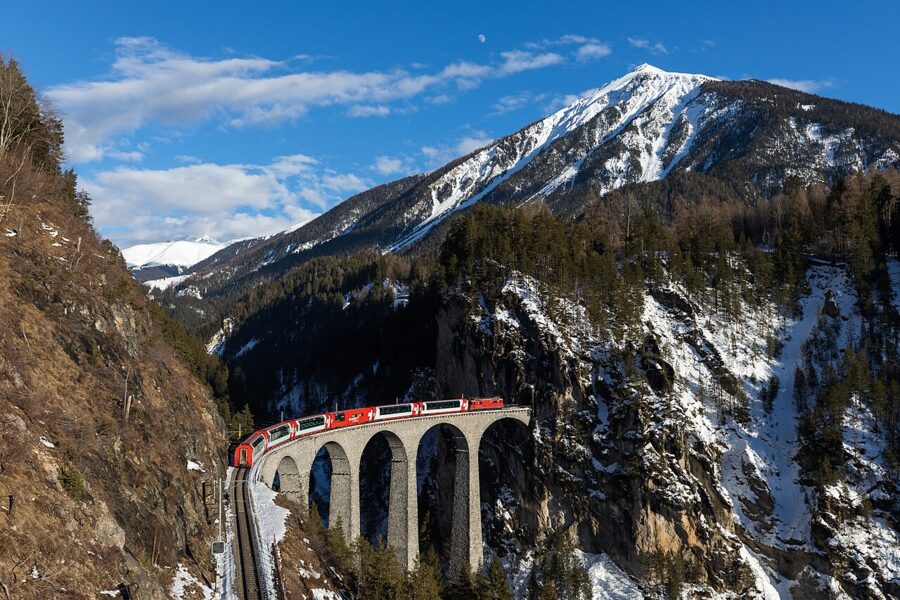
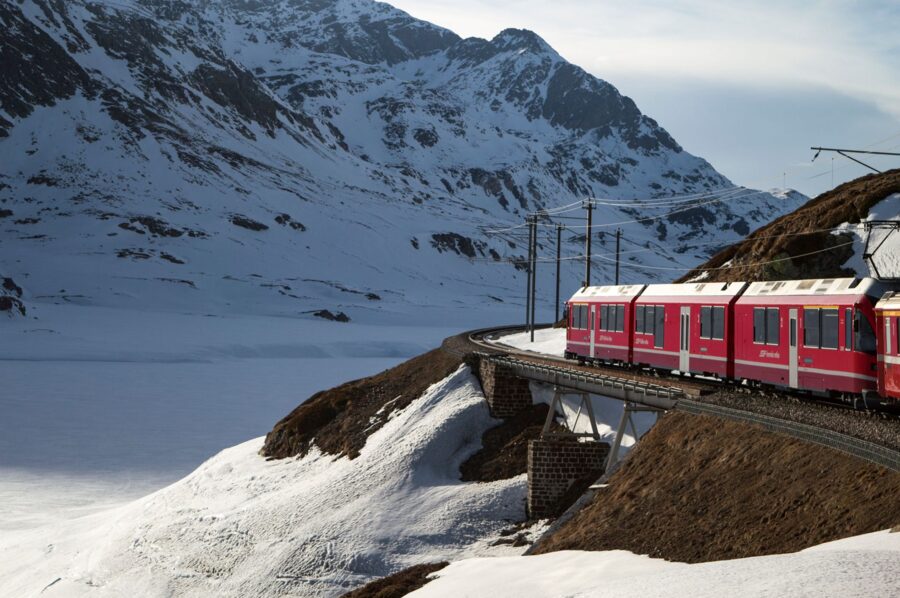
The famous Swiss scenic trains are covered, but with their own fees. The Glacier Express charges pass holders €53 (about US$58) for the full route and €37 for a section, and the Bernina Express €34 in low season and €39 from May to October for Chur to Tirano. Reservations on the GoldenPass line, home of the GoldenPass Express, run from €4.40 to €24.40, and Norway’s Flåm Railway gives pass holders a 30% discount rather than free travel.
When you can skip the reservation
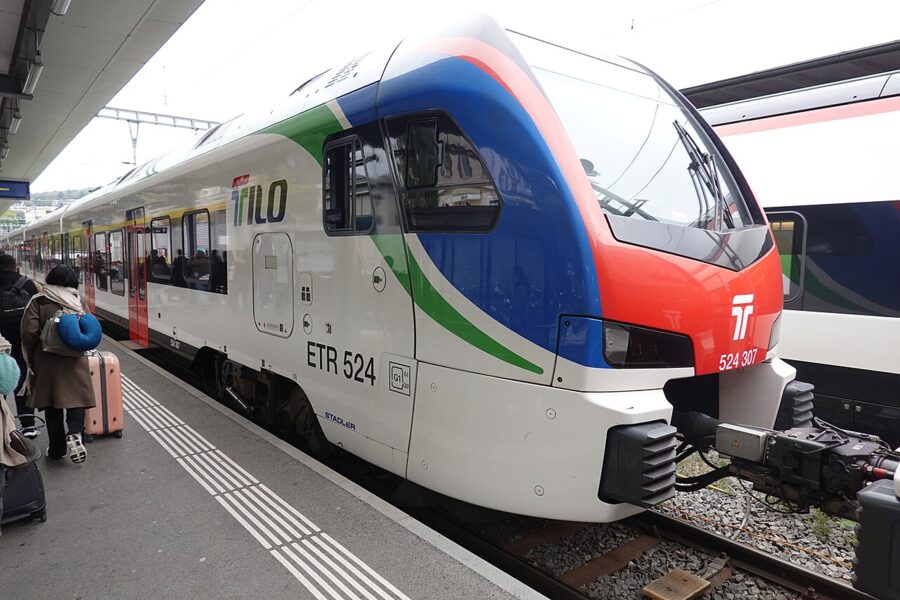
Almost every reserved train has a slower, reservation-free alternative, and Interrail’s timetable has a filter for exactly that. Their busy-routes page suggests Milan to Zurich via Lugano, which takes almost the same time as the direct EuroCity, Brussels to Paris on regional trains through Maubeuge, and Innsbruck to Verona with one change at Brennero instead of the Brenner EuroCity.
The Rail Planner app and the mobile pass
Nearly everyone now uses the mobile pass, which lives in the free Rail Planner app. When you buy, you get a pass number by email; in the app you add the pass with your last name and that number, confirm a six-digit code, and connect it to a “trip”. Activation, where you enter your passport number and choose a start date, can wait until the day you start, up to 11 months after purchase, but you need to be online to do it.
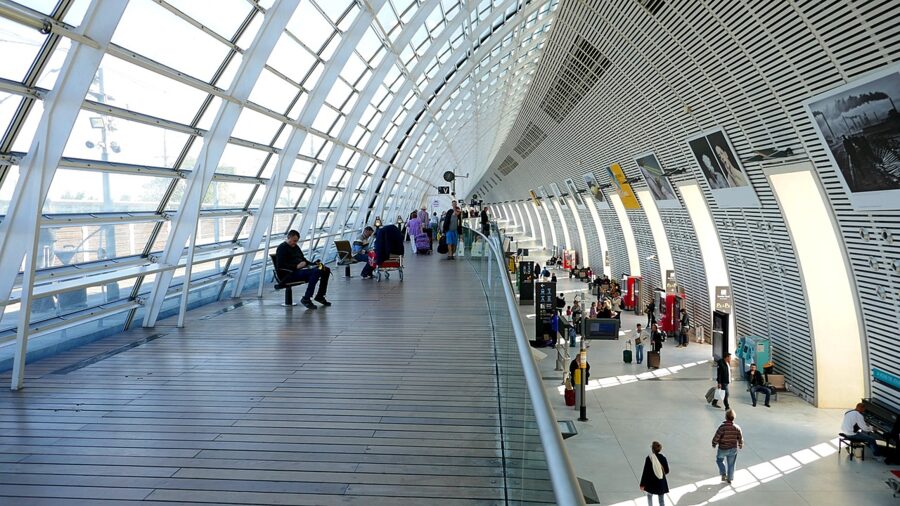
On a travel day, the routine is short. Search the train in the app’s planner, save it to your trip, then add it to your pass, which is the moment the app asks whether to use one of your travel days. On board, tap “Show ticket”: the inspector scans a barcode listing every train you added that day and may ask to see your passport.
Reservations are separate documents. Book them on Interrail’s site, on the railway’s own website or at a station, and keep each one on your phone next to the pass. Several passes can sit on one phone, but then everyone on them has to travel together, and a lost phone gets you a free replacement pass.
Worked examples: when a pass beats tickets
Every figure below comes from the operators’ own fares, checked in late November 2026, converted at about $1.10 to the euro. Your dates will give different numbers, and that is the point: run the same sum for your own route before you buy.
Four Italian cities on fast trains: buy tickets
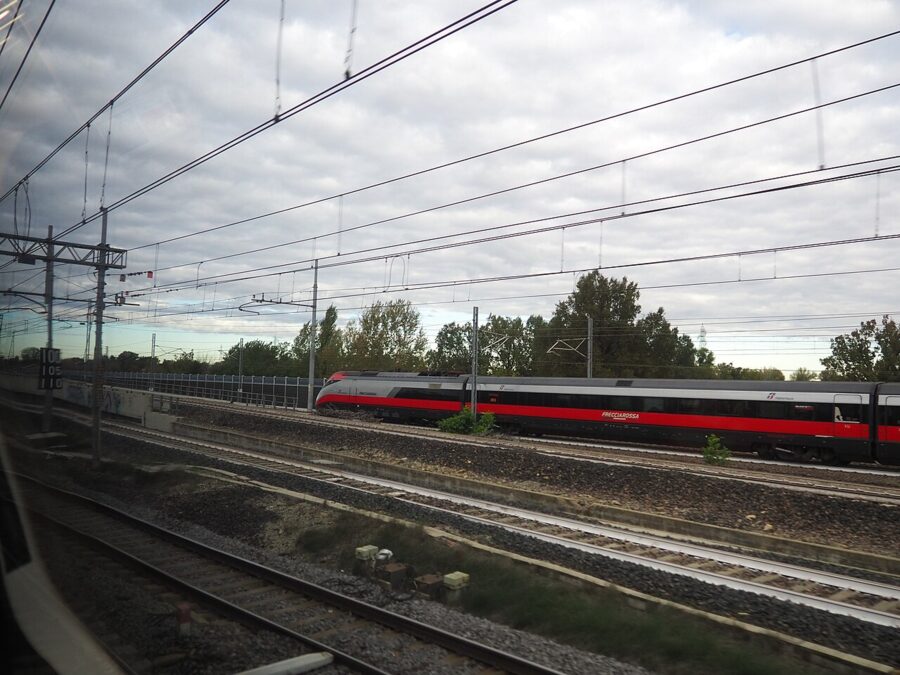
Take a week of Frecciarossa hops, Milan to Venice and on through Florence and Rome to Naples, in mid-May 2027. Trenitalia’s flexible Base fares, refundable with a deduction and changeable before departure, come to €204 (about US$224). The cheapest fares on sale for the same trains came to €100.60 (about US$110).
| Frecciarossa, mid-May 2027 | Time | Base fare | Cheapest fare found |
|---|---|---|---|
| Milan–Venice | 2 hr 28 min | €49 | €19.90 |
| Venice–Florence | 2 hr 13 min | €57 | €37.90 |
| Florence–Rome | 1 hr 35 min to 1 hr 41 min | €50 | €23.90 |
| Rome–Naples | 1 hr 10 min to 1 hr 13 min | €48 | €18.90 |
| Total | €204 | €100.60 |
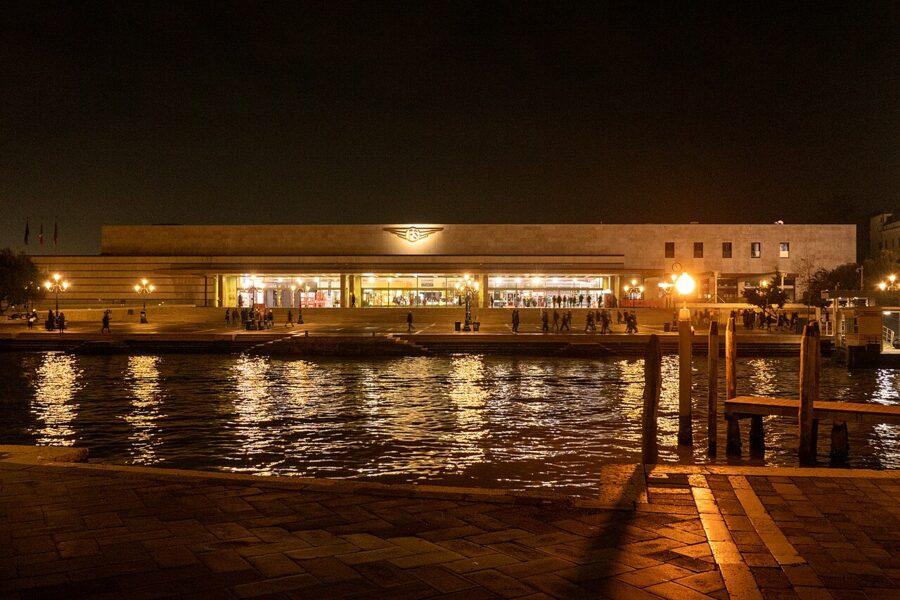
The Italy pass for four days costs $220 in second class, and then you pay four reservations at €13, about $57 more, plus €8 in booking fees if you reserve through Interrail. That is $277 to $286, more than the fully flexible fares and about $170 more than booking early. Even at the winter sale price of $165, the pass only draws level with the flexible tickets. For four Italian cities on fixed dates, Italy by train on advance tickets beats any pass.
The same trains, booked a few days out: the pass wins
Now search Milan to Rome four days out. On the four Frecciarossas leaving between 9:10 and 10:10 on the morning of December 1, 2026, the cheapest fares on sale were €79.90 and €94.90 (about US$88 to $104), with the Base fare at €95. A pass day costs $55 to $61 plus a €13 reservation, about $70 to $75. The pass is insurance against the price you pay for deciding late, and it pays off only if you really will decide late.
Prague to Vienna: neither, take the cheap train
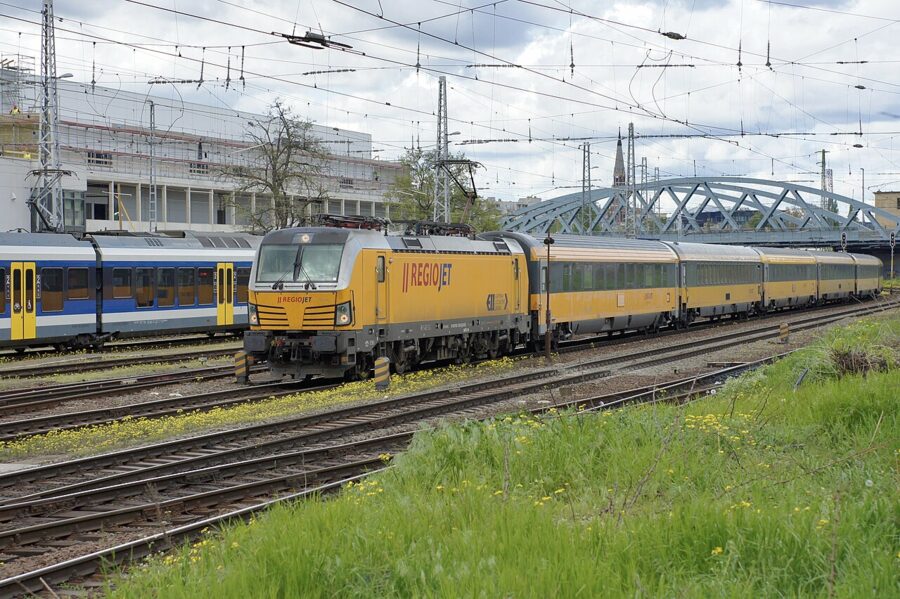
Some routes have private operators that undercut both. RegioJet’s Prague to Vienna trains, four hours and twenty minutes, were selling from €16.90 (about US$19) for a date a few days out in late November 2026. RegioJet does take the pass, with a reservation of €1.30 to €2.80, but spending a $61 travel day to save $19 is poor value. Keep the pass for the long day and buy the cheap ticket.
London, Paris, Barcelona, Milan, Zurich: the Plus Pass earns its keep
Picture a seven-day loop with the expensive reservations: Eurostar to Paris (€35), the TGV to Barcelona (€35), and later two Frecciarossas in Italy (€26) and a EuroCity from Milan to Zurich (about €15). On a regular 7-day Global Pass that is $427 plus about €111 in reservations, roughly $550. The 7-day Global Plus Pass costs $538 and covers all of it, with the Eurostar, the TGV and the EuroCity each using one of your three credits.
So the Plus Pass wins at regular prices, by a little, and saves you paying for each seat separately. In the winter sale, though, the regular 7-day pass drops to $319, and $319 plus the reservations comes to about $440, which is cheaper. Plus Passes are not part of the sale.
A loose month in central Europe: the pass at its best
Amsterdam, Berlin, Prague, Vienna, Salzburg, Munich and Zurich, with no fixed dates, is the trip the pass was made for. On a 10-day pass ($501, or $50 a day) your reservations might total nothing at all, since ICE, Railjet and EuroCity seats on these routes are optional most of the year. A pass costs the same whether you decide a month ahead or that morning, so a trip planned one day at a time is where each travel day earns its keep.
Night trains, Eurostar and the exceptions
Night trains are covered, but you always pay for the bed. On ÖBB’s Nightjets, the reservation for a pass holder runs from €4.90 to €24.90 for a seat, €19.90 to €64.90 for a bunk in a six-berth couchette, €29.90 to €94.90 for a four-berth couchette or a Mini Cabin, and from €69.90 a person for a double sleeper, depending on route and season. The night train fee list covers EuroNight and European Sleeper trains too, the rest of the night trains in Europe.
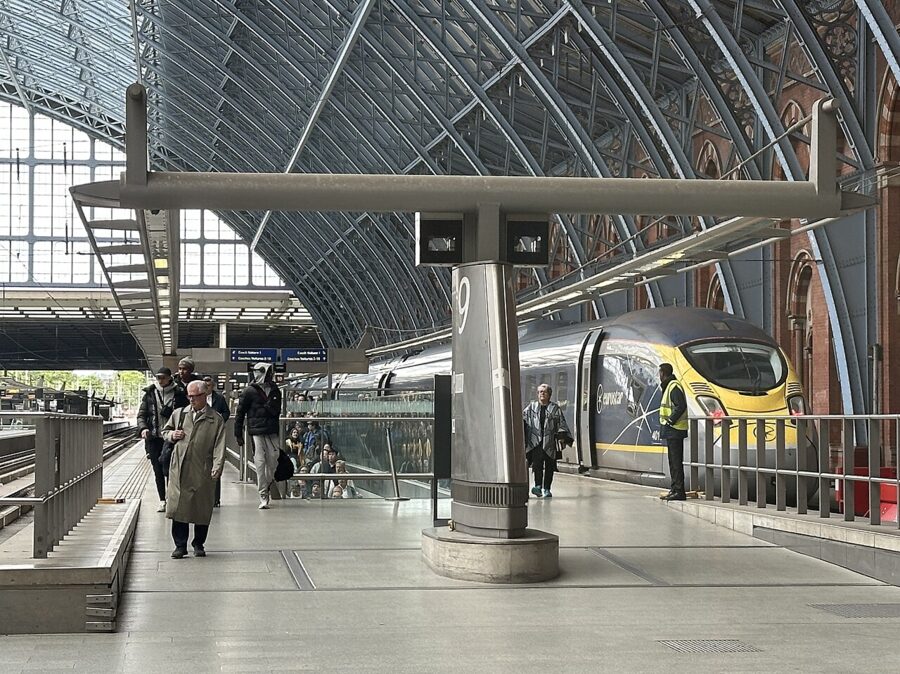
The Eurostar is the only train across the Channel, and the pass covers it with a compulsory pass-holder fare: €35 in Standard and €40 in Plus between London and Paris or Brussels, €35 and €43 to Amsterdam. Pass seats are a limited share of each train and can sell out months ahead in summer, so book the Eurostar before anything else. On the continent-only Eurostars, formerly Thalys, the fee is €27 to €32 between Paris and Brussels and €22 to €27 between Brussels and Amsterdam.
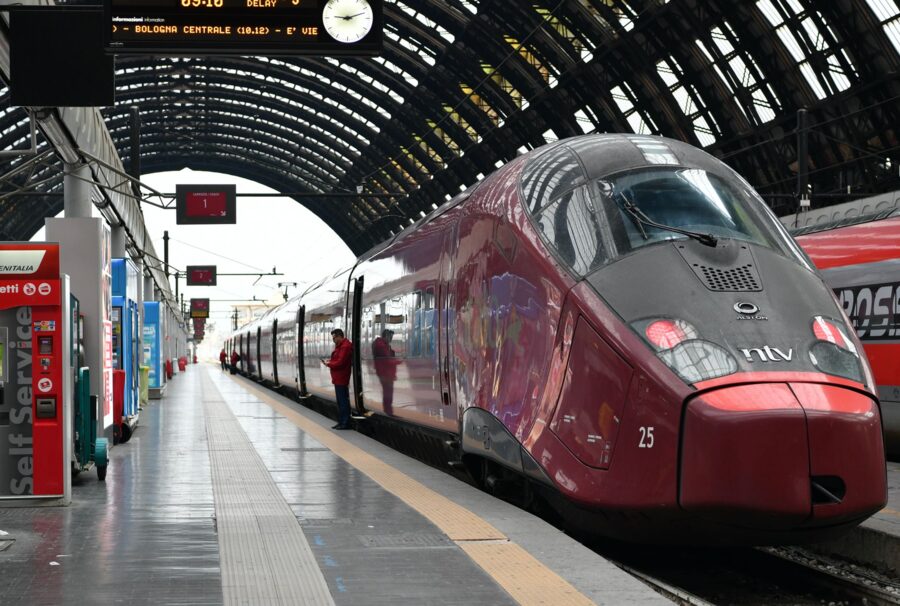
Some trains are not covered at all, and they are worth knowing before you plan around them. Italy’s private Italo high-speed trains are out, and so is the Malpensa Express between Milan and its main airport. In Germany, Flixtrain is excluded; in Spain, OUIGO; in France, the Paris RER and Métro and the Corsica railway; in Zurich, three S-Bahn lines. Eurostar’s seasonal ski trains are excluded too, and the Great Britain pass does not cover Eurostar.
One last trap: a German S-Bahn ride counts as a travel day. If you hop on one on a day you had not activated, the fine is €60, and the railway companies list sets out what is and is not included, country by country.
Buying, sales and refunds
Buy on interrail.com, choosing “Outside Europe” as your residence, and watch for its sales. The current winter sale runs to 9:59 a.m. Central European Time on December 15, 2026 and takes 25% off Global and One Country Passes. Since you can activate a pass up to 11 months after buying it, a sale pass bought in December covers a trip as late as the following autumn.
The catch is the refund. A regular mobile pass can be returned in full within seven days of purchase, and for 90% of the price, or exchanged for a €25 fee, at any time before you activate it. A sale pass is refundable only within the first seven days and not at all after that, so buy it only once your dates are firm. Plus Passes follow their own shorter rules, described above.
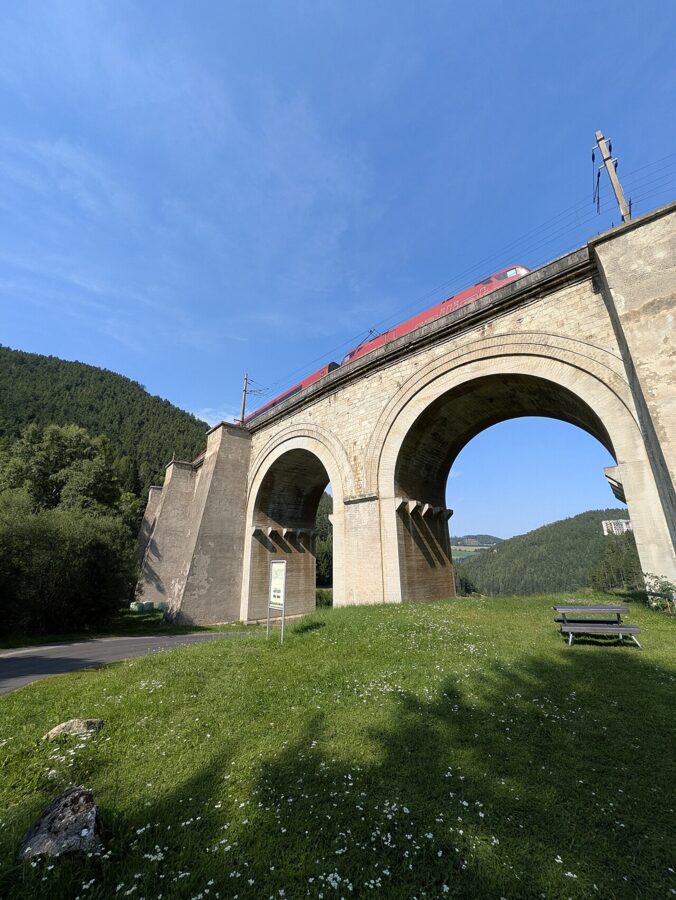
For a more scenic route on the same pass, the tourist trains of Europe are worth a travel day or two, and several of them charge no reservation at all.
So check the two trips against each other one last time. If you are booking Milan, Florence and Rome on set dates, buy Frecciarossa tickets the day sales open and leave the pass alone. If you want to wake up in Vienna and decide over coffee whether tonight is Salzburg or Budapest, buy a 10-day Global Pass in the December sale, reserve your Eurostar first, and keep the Rail Planner app on your home screen.