Frecciarossa 9516 leaves Roma Termini at 8:05 a.m. and reaches Florence at 9:46. For Wednesday, March 10, 2027, a Standard seat on it costs €23.90 (about US$27) if you buy it today, as of late November 2026. Put off buying until the week before and the cheapest seat on the same train is €39.90 (about US$45), and the flexible Base fare was €50 (about US$57) on both dates.
That spread is most of what you need to know about Italian trains. The fast ones are priced like airline seats. The slow ones cost the same every day of the year, but a missing stamp on a paper ticket is still the classic way for a visitor to earn a fine.
Italy has two high-speed operators on the same tracks, Trenitalia’s Frecciarossa and the private Italo, plus a dense web of regional trains run mostly by Trenitalia. For a trip in 2027 the job is to know which journeys to book months out, which to buy on the platform, and what to do on the day a strike is called.
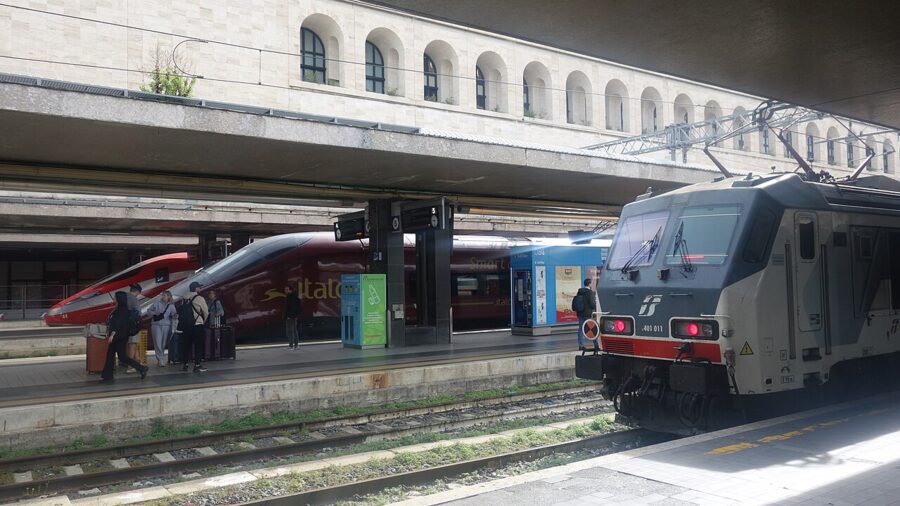
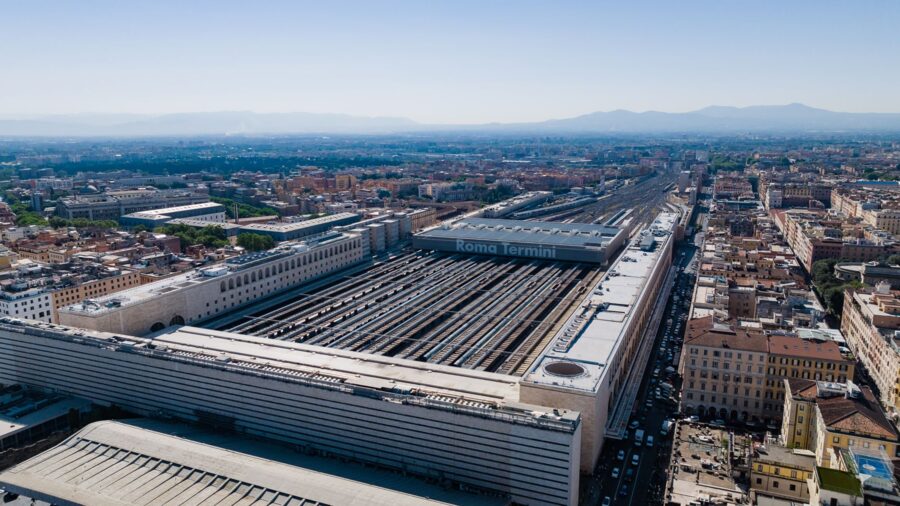
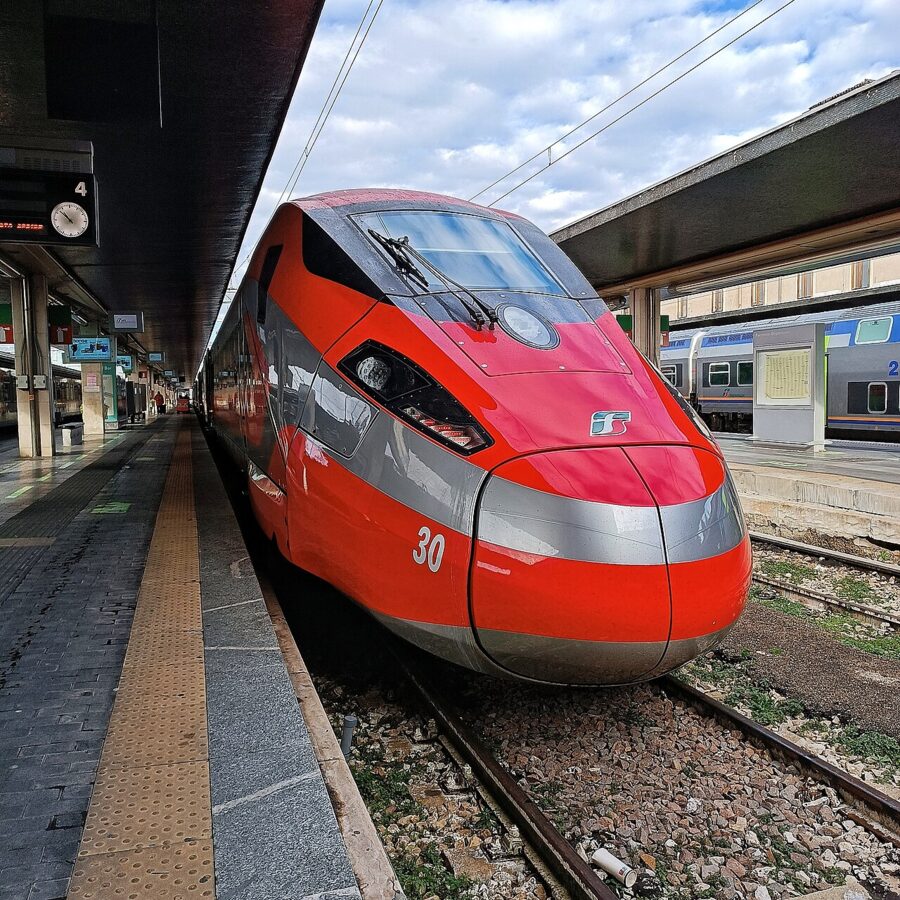
Two companies on one fast railway
The high-speed lines run from Turin and Milan through Bologna and Florence to Rome, Naples and Salerno, with a branch east from Milan to Verona, Padua and Venice. Both operators use them. Neither sells the other’s tickets, and a ticket for one is worthless on the other, so a missed Italo train cannot be fixed by boarding the next Frecciarossa.
Trenitalia: the Frecce
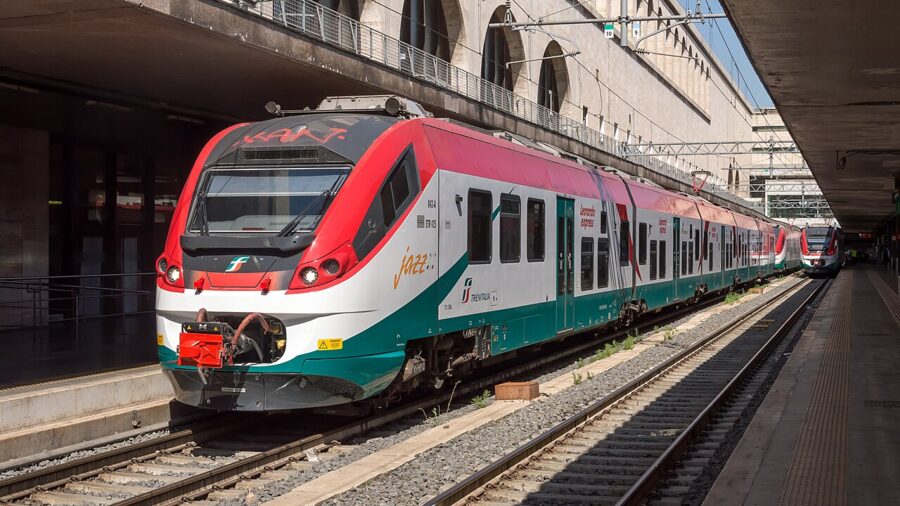
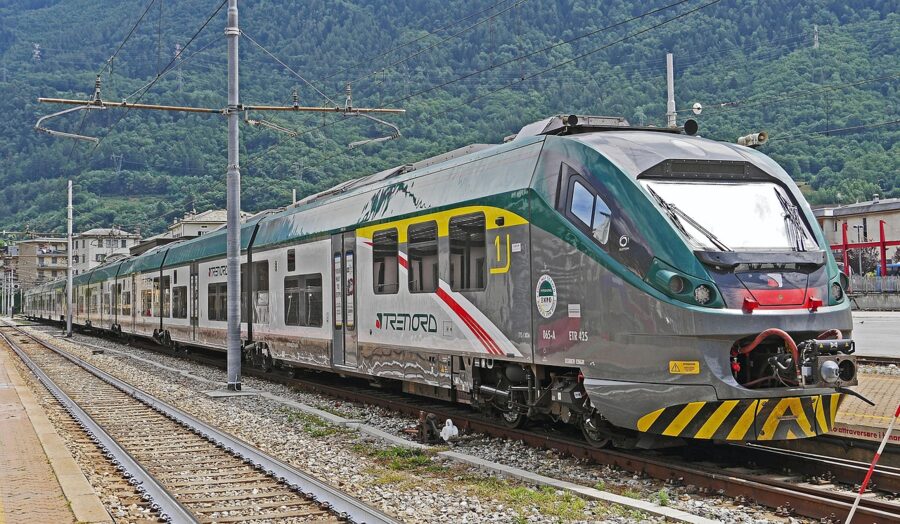
Trenitalia is the state operator, and its fast trains are called the Frecce, the arrows. The Frecciarossa (red arrow) is the one you will use most: the Frecciarossa 1000 and the older ETR 500 both run at up to 186 mph (300 km/h), while the ETR 600 and ETR 700 top out at 155 mph (250 km/h) and also work slower conventional lines, according to Trenitalia’s fleet page.
The size of the timetable is Trenitalia’s real advantage. On Wednesday, March 10, 2027, the booking system shows 48 direct Frecce from Rome to Florence, the first at 5:06 a.m., and 46 from Rome to Naples. The same company runs most of the regional trains, so a ticket from Rome to Lucca or from Venice to the Dolomites can be one booking with a protected connection.
Italo: the private competitor
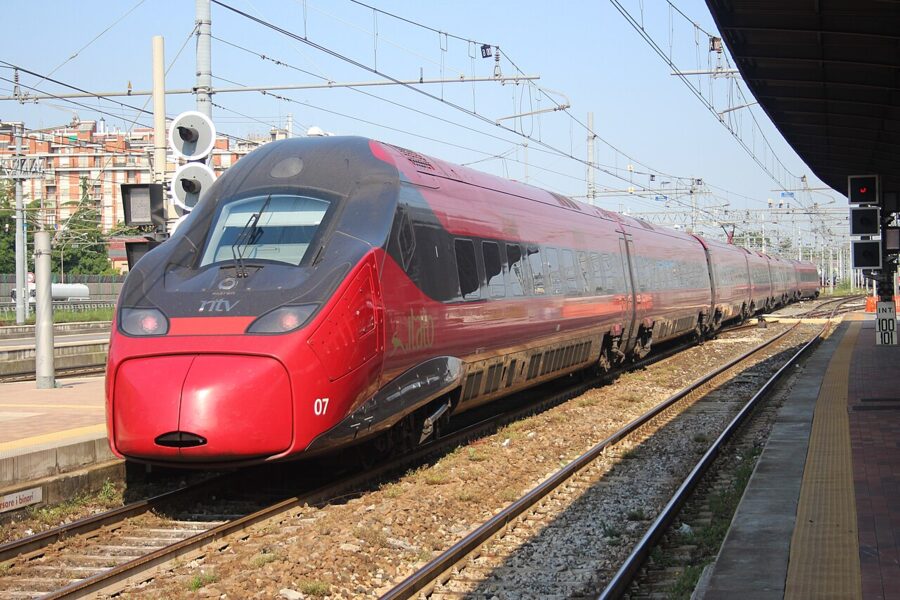
Italo started running in 2012 with red Alstom AGV trains, later joined by the shorter EVO trains. Its own site says it serves 51 cities and 58 stations, all on or near the high-speed network, and it runs no regional trains at all. On Rome to Florence it schedules 32 trains a day, and on Milan to Venice just 7.
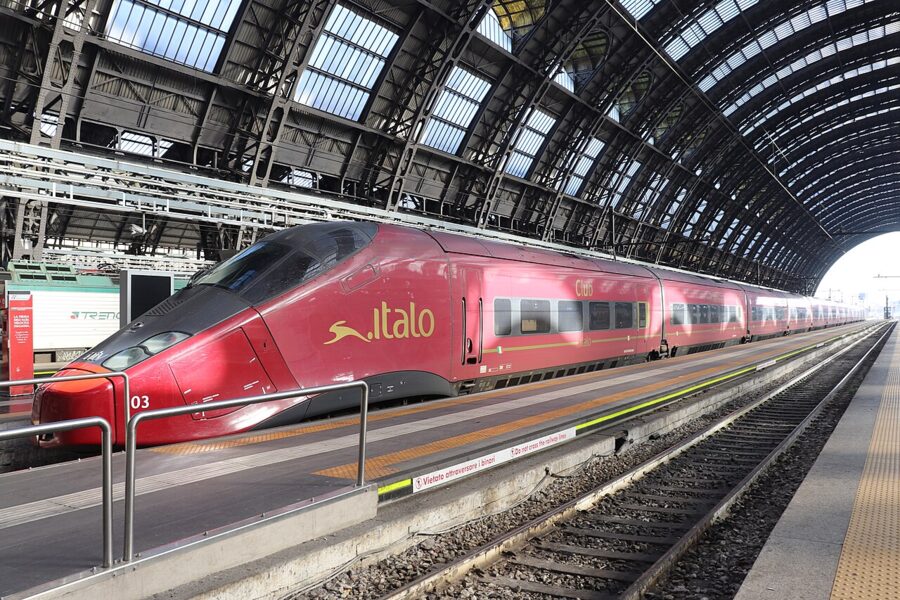
| Trenitalia Frecciarossa | Italo | |
|---|---|---|
| Network | High-speed lines plus Intercity, night and regional trains nationwide | High-speed corridors only, with some stops beyond them |
| Classes | Standard, Premium, Business, Executive (the last on ETR 500 and 1000 only) | Smart, Prima Business, Club Executive, Salotto |
| Cheapest fares | Super Economy, on sale until the 9th day before travel | Low Cost and promotions |
| Rome to Florence, daily direct trains | 48 (March 10, 2027) | 32 |
| Rail passes | Eurail, Interrail and the Trenitalia Pass, with a reservation | Not on the pass reservation lists |
| Luggage limit | No set size, if it fits the racks and spaces | 30 x 21 x 12 in. (75 x 53 x 30 cm) per bag in Smart |
Which one to book
On the trunk routes the trains are close enough in speed and comfort that I book whichever has the better time and price, segment by segment. There is no reason to stay loyal to one company for a whole trip.
The exceptions point one way. If your trip ends off the high-speed network, if you hold a rail pass, or if you need a connection to a regional train, book Trenitalia. Miss an Italo connection into a regional train and the two companies are not obliged to help each other.
A third operator was due in 2027. SNCF, the French railway, planned domestic TGVs in Italy from that September, but in September 2026 it moved the start to the second quarter of 2028, as Ulysse reported. For 2027 trips there are still two choices.
Regional trains, and the ticket that gets people fined
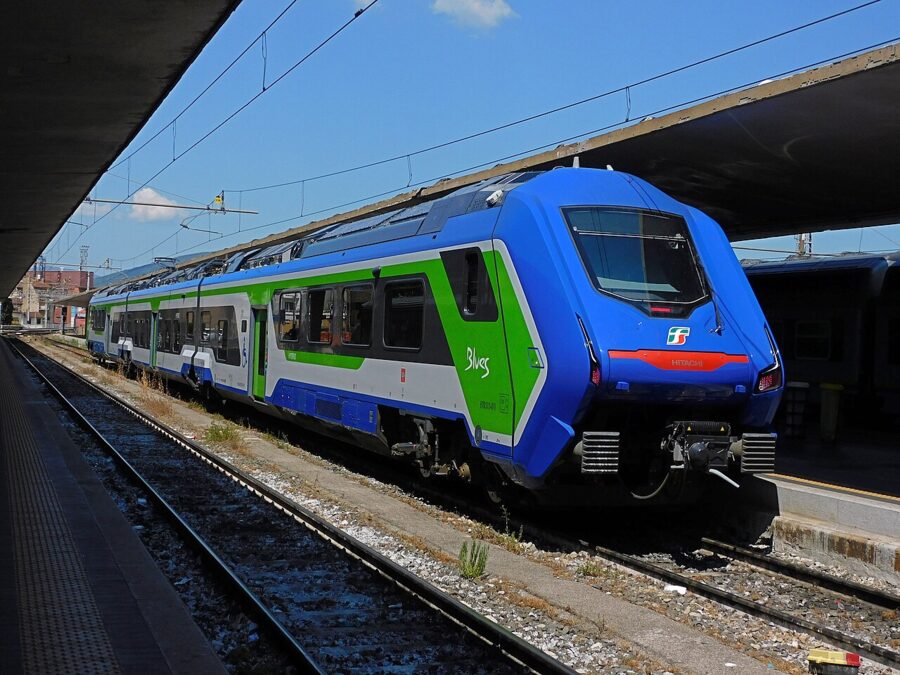
Regionale (R) and Regionale Veloce (RV) trains go everywhere the fast trains don’t: Pisa, Lucca, Siena, Verona from Venice, the Cinque Terre, the lakes. Seats are unreserved and the fares are fixed by distance. Florence to Pisa costs €9.80 (about US$11) and takes about an hour, and Florence to Siena costs €10.80 (about US$12) and takes an hour and a half, as of December 2026.
These are the trains to buy on the day: the price will not change, and there is no seat to lose. The thing to get right is the ticket, which comes in three forms with three sets of rules.
Paper, digital and tap-and-go
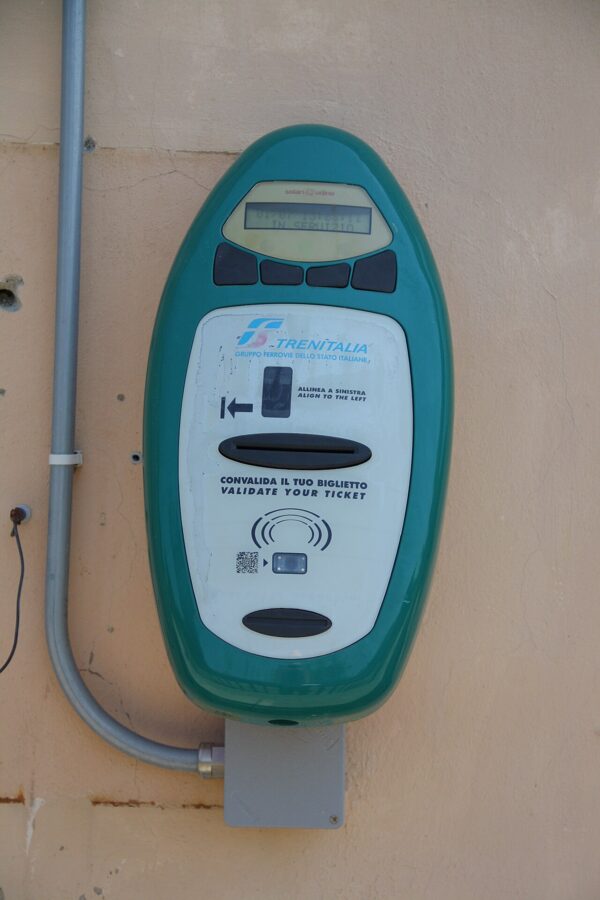
Paper tickets from a machine or ticket window are not tied to a train. You must stamp one in a validating machine at the departure station before you board, and from that moment it is good for four hours, according to Trenitalia’s rules for regional trains. An unstamped paper ticket counts as no ticket.
Digital regional tickets, bought on the Trenitalia site or app, are tied to the train you pick. They switch on by themselves at that train’s scheduled departure, so there is nothing to stamp, and you can change the time as often as you like until departure. The catch is the reverse of the paper ticket: if you board a different train without changing the booking first, you are traveling without a ticket.
Tap&Tap is the newest option. On many lines you can touch a contactless Visa or Mastercard, a physical American Express card, or a phone wallet, on a validator marked TAP&TAP at the start and again at the end, and the system charges the ordinary adult second-class fare. The Tap&Tap FAQ (valid from June 6, 2026) lists nearly every regional line in Tuscany, Veneto, Piedmont and Sardinia, the main lines in Liguria, Campania, Puglia, Sicily, Friuli Venezia Giulia and the Marche, and a single line in Lazio.
Tap&Tap has two traps. One card covers one person, so a couple needs two cards. And if you forget to tap out, you pay the region’s maximum fare: €18.10 (about US$20) in Tuscany, €17.40 in Liguria, €15.10 in Veneto. It also does not yet cover Lombardy, where Trenord runs the regional trains, or most of the Rome area.
What a missing stamp costs
Without a valid ticket you pay the full fare plus a fine, and the fine is set by regional law, so it varies from region to region. There is no surcharge only in narrow cases: the station had no open ticket office, no working machine and no shop selling tickets within about 1,150 feet (350 m), or there was no working validator for your paper ticket. In those cases, find the conductor as soon as you board, before they find you.
My habit: a digital ticket for any regional trip already planned, and a paper ticket stamped at once for the ones that aren’t.
Classes, fares and three worked examples
Trenitalia sells each Frecciarossa seat in one of four service levels, and then at one of several fares. The level is the seat; the fare is the price and the rules. The cheapest fare in a higher level can undercut the flexible fare in Standard.
| Level | What you get |
|---|---|
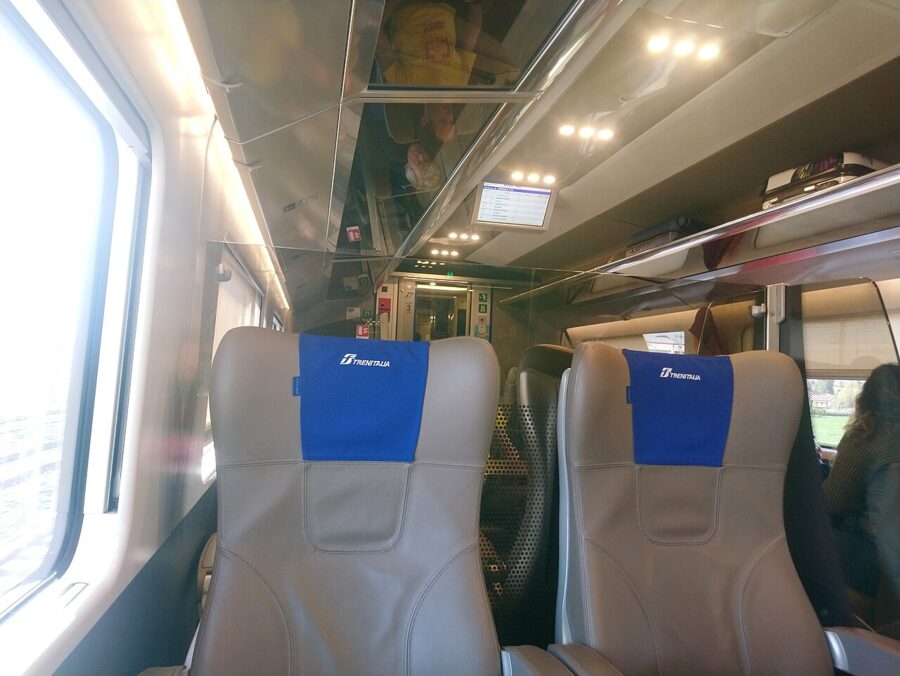
| Standard | Second class, four across, mostly facing seats; power sockets, free Wi-Fi, a café car |
| Premium | Leather seats, more room, a table |
| Business | First class, three across; also sold as a quiet car (Area Silenzio) and a four-seat compartment (Salottino) |
| Executive | About ten big seats at the front of the train, meal included; ETR 500 and Frecciarossa 1000 only |
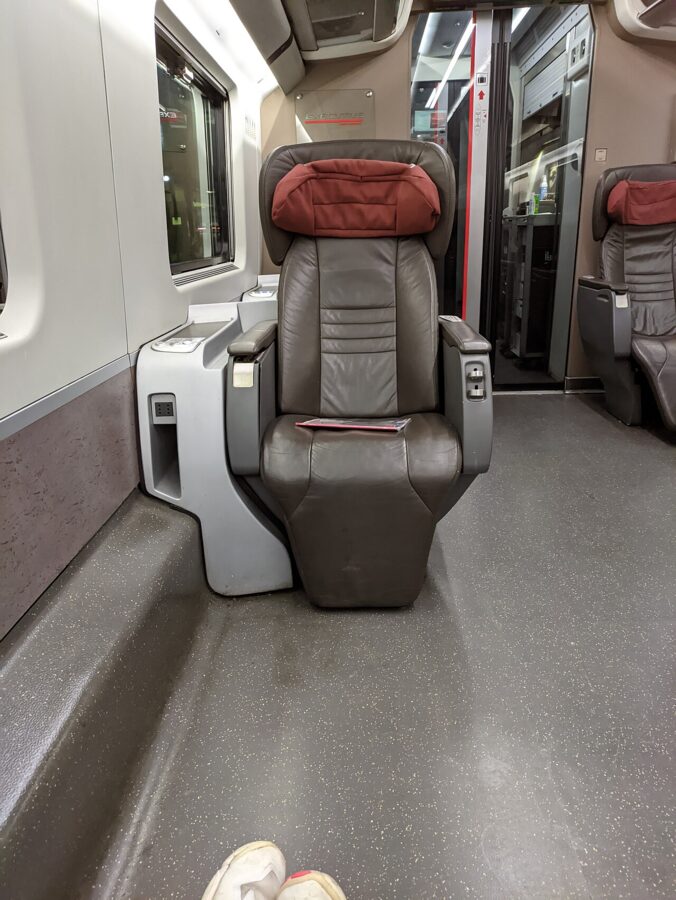
Italo’s classes work the same way. Smart has leather seats with footrests, power and free Wi-Fi. Prima Business adds wider seats in a single row, a snack and drink at your seat and Fast Track entry at the station, and Club Executive adds lounge access and catering, with the four-seat Salotto compartment on top, as Italo describes its classes.
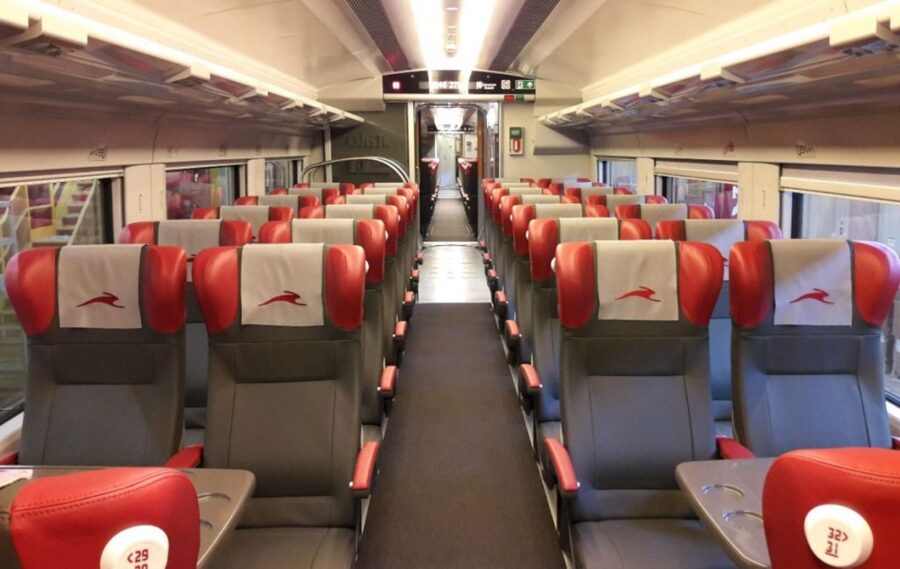
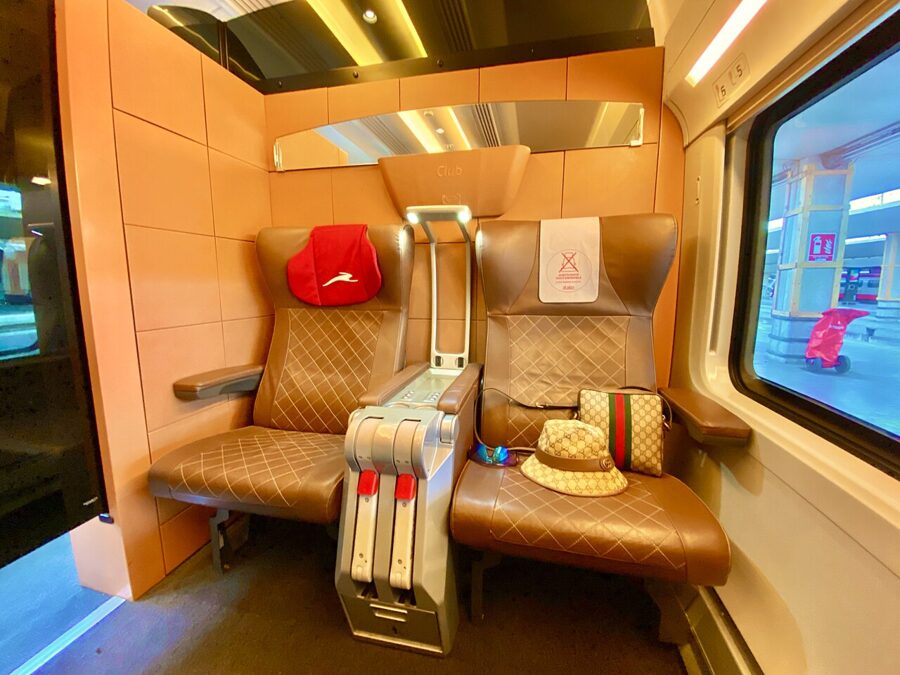
The examples below are real one-way fares for one adult on Wednesday, March 10, 2027, read from Trenitalia’s booking system on November 27, 2026. Italo advertises each of these routes from €14.90 (about US$17) as of late 2026; its prices move the same way.
Rome to Florence
Frecciarossa 9516, 8:05 a.m. to 9:46 a.m., one hour 41 minutes. Most trains that day take between 1 hour 36 and 1 hour 46.
| Level | Base (flexible) | Economy | Super Economy |
|---|---|---|---|
| Standard | €50 (US$57) | €39.90 (US$45) | €23.90 (US$27) |
| Premium | €60 (US$68) | €42.90 (US$48) | €27.90 (US$32) |
| Business | €71 (US$80) | €52.90 (US$60) | €32.90 (US$37) |
| Executive | €145 (US$164) | €122.90 (US$139) | not sold |
Several other trains that morning were cheaper still, at €19.90 (about US$22) in Standard on a FrecciaDAYS fare. Book a week out instead and Super Economy has gone from the menu, leaving €39.90 as the floor on the same train. A regional alternative exists, but it takes four and a half hours and costs €25.75: skip it.
Milan to Venice
Frecciarossa 9709, 8:14 a.m. to 10:42 a.m., two hours 28 minutes. Standard was €49 Base, €37.90 Economy and €22.90 Super Economy; Business was €64 Base and €29.90 Super Economy. There is no Executive on this train.
Here the slow train is a real option. A pair of regional trains, changing at Verona Porta Nuova, takes three hours 26 minutes for €22.40 (about US$25), with no booking needed and no price rise on the day. Track work matters on this line too: a new high-speed stretch between Brescia and Verona, about 30 miles (48 km) long, was due to enter service in the first quarter of 2027, Teleborsa reported in June 2026.
Rome to Naples
Frecciarossa 9505, 9:20 a.m. to 10:33 a.m., one hour 13 minutes; the fastest train that day did it in one hour 8 minutes. Standard was €48 Base, €36.90 Economy and €22.90 Super Economy, and Executive was €130 (about US$147).
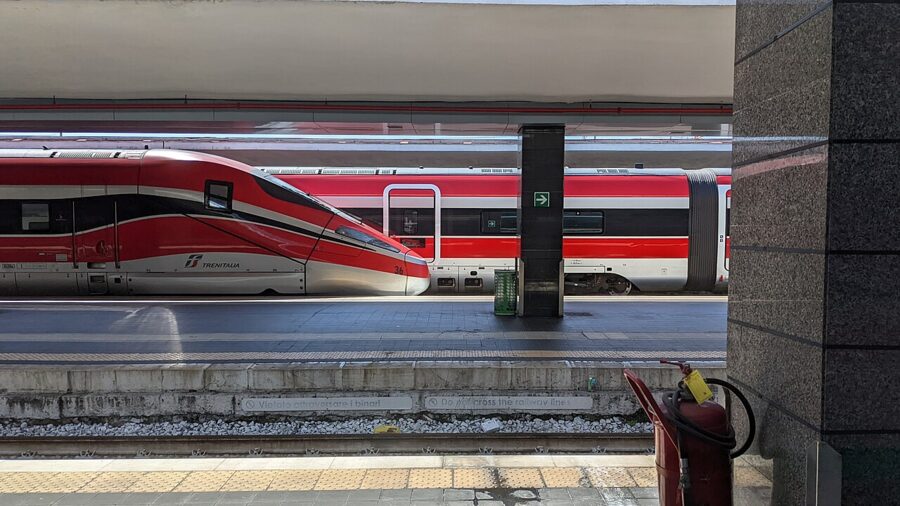
Intercity 551 left at 9:26 a.m. and took two hours 7 minutes for €9.90 (about US$11), with a reserved seat. If you are not in a hurry, that is less than half the cheapest Frecciarossa fare for under an hour more.
When to book, and where
Trenitalia opens seat reservations twelve months ahead for Frecciarossa, Frecciargento and Frecciabianca, and six months ahead for Intercity and the Intercity Notte night trains, under its conditions of carriage updated November 4, 2026. In late November 2026, Rome to Florence for November 2027 was already on sale.
The cheap fares have their own cutoffs. Super Economy on the Frecce can be bought only until midnight on the ninth day before travel, Economy until the third day before, and the FrecciaDAYS fares until the 21st day before. If you are under 30 or over 60, the FrecciaYOUNG and FrecciaSENIOR fares are on sale until the 11th day before, but only with a free CartaFreccia membership number.
- Book ahead: any Frecciarossa or Italo trip whose date you know, Intercity Notte sleepers, and anything on a Friday or Sunday afternoon or around Easter and August.
- Buy on the day: regional trains, the Cinque Terre line and short hops where a later train costs the same.
The rules on changes decide how early you dare to book. A Trenitalia Base ticket can be changed as often as you like until departure, once more up to an hour after, and refunded before departure minus 20 percent. Economy and Super Economy cannot be changed, but the tiRimborso add-on, €1 on Economy and €3 on Super Economy, makes them refundable less 10 percent until midnight two days before the train, per Trenitalia’s tiRimborso page. At €3 it is the best insurance on the network.
Italo’s fare rules are different. Flex allows changes until three minutes before departure and refunds 80 percent; Economy allows changes for a 20 percent fee plus any difference and refunds 40 percent; Low Cost can be changed only until 72 hours before, for 60 percent of the price. Italo also sells Extra Time, €10 plus any fare difference to take the next train within an hour if you miss yours.
Book on trenitalia.com or italotreno.com, or their apps. Both work in English and put the ticket on your phone, and buying direct gets you each operator’s own change rules and help desk.
Coming from London, there is no Eurostar to Italy. Take the Eurostar to Paris, then a direct TGV INOUI or Frecciarossa from Paris through the Alps to Turin and Milan, a day’s ride in itself.
Rail passes
A Eurail pass or Interrail pass works on Trenitalia, but every Frecce trip needs a reservation: €13 on Frecciarossa and Frecciargento, €10 on Frecciabianca and €3 on Intercity, per Interrail’s reservation fee list. Italo is not on that list. Trenitalia also sells its own Trenitalia Pass to visitors living outside Italy, from €139 (about US$157) for three trips in seven days with free reservations, but it does not cover regional trains.
Do the arithmetic. With Super Economy fares of €20 to €30 on the big routes, a pass rarely pays on a trip you can plan; it wins only if you refuse to fix dates.
The big stations
Italian stations often post the platform (binario) only 10 to 20 minutes before departure, so wait near the departure boards, not in a café at the far end of the hall. At four of the busiest, you need a ticket just to reach the trains.
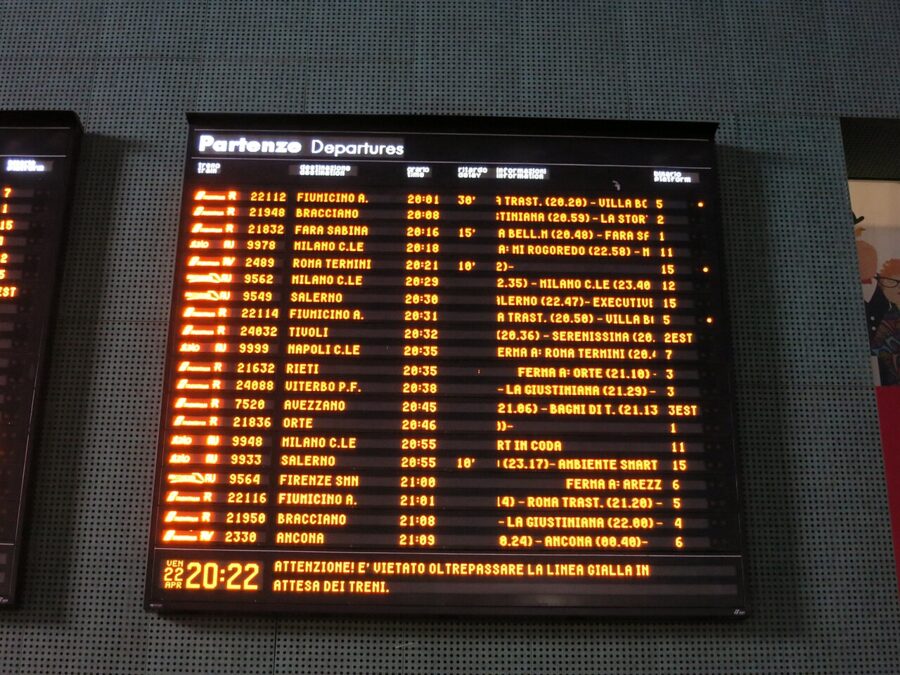
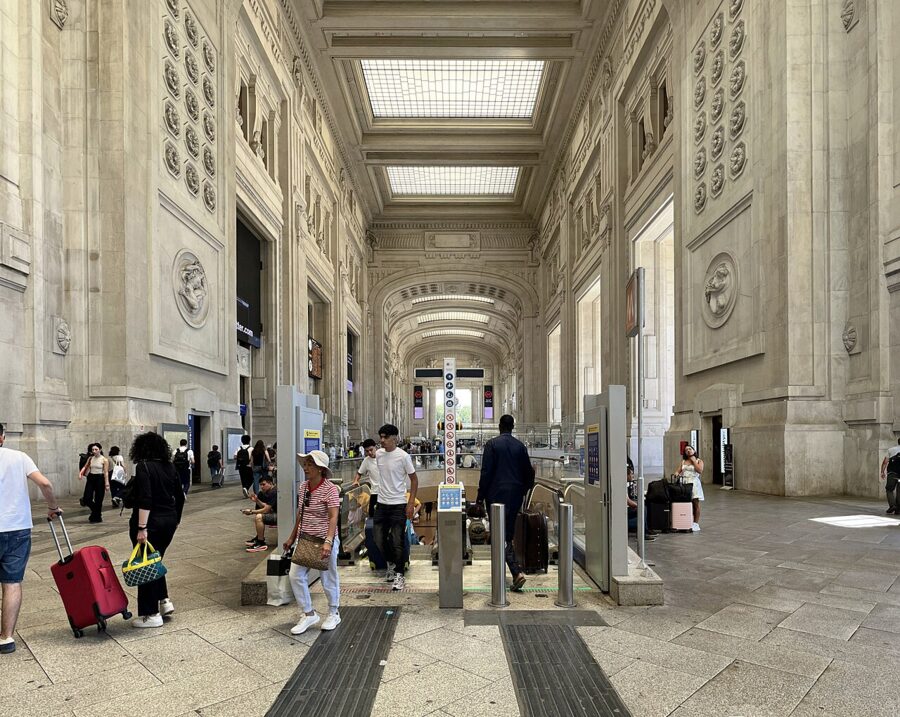
Roma Termini, Milano Centrale and Torino Porta Nuova have automatic gates in front of the platforms, and since November 1, 2026 so does Napoli Piazza Garibaldi, the underground station beneath Napoli Centrale, according to RFI, the network company. Each gate lets one person with a valid paper or digital ticket through at a time. Friends seeing you off say goodbye in the concourse.
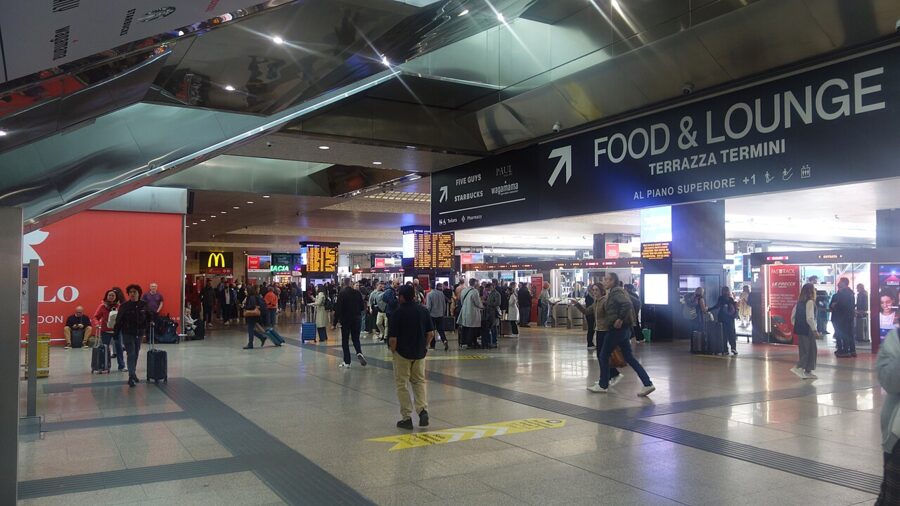
Roma Termini
Rome’s main station is the hub for every operator. Both metro lines, A and B, meet underneath, and the Leonardo Express to Fiumicino airport leaves from here, 32 minutes nonstop for €14 (about US$16) as of December 2026. Some Frecce and Italo trains use Roma Tiburtina instead, east of the center on metro line B: check before you pay for a cheap fare there.
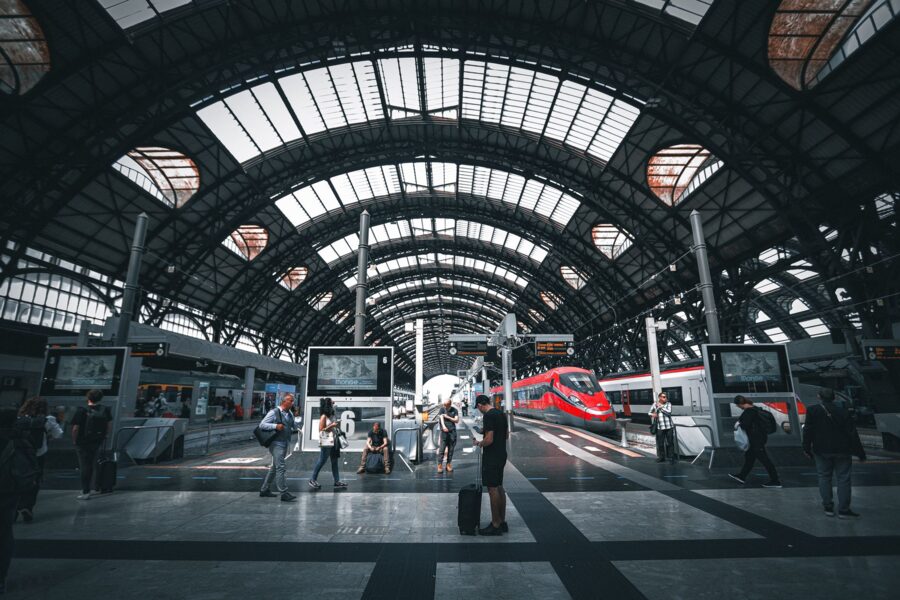
Milano Centrale
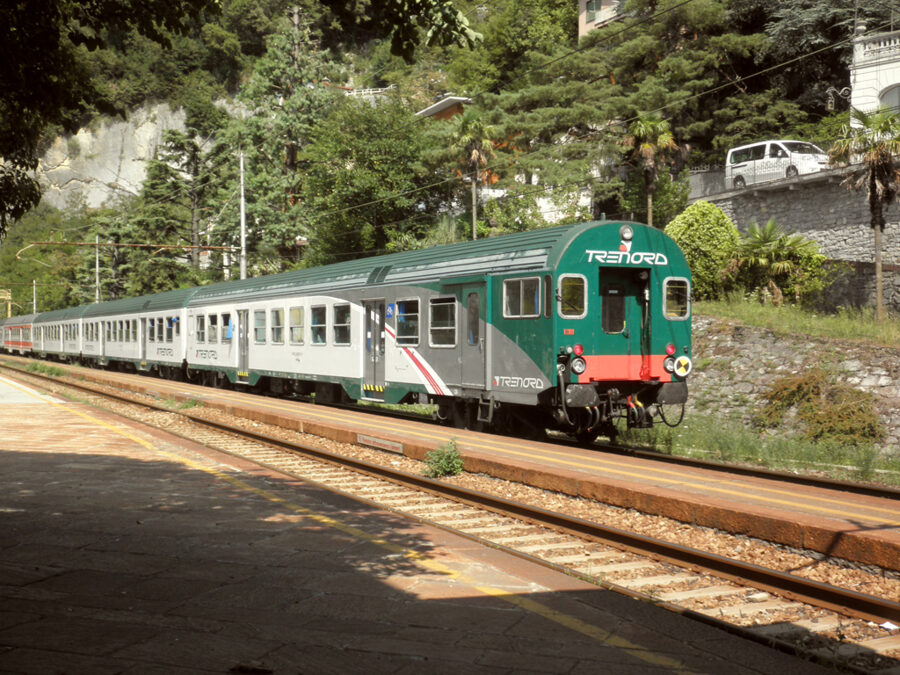
Milan’s central station is a building to arrive in. The trains stand under a huge iron and glass shed, and the entrance hall, the Galleria delle Carrozze, was built for carriages to drive into. Many Frecce to Rome also stop at Milano Rogoredo, on the southeast side of the city, and the regional trains to Lake Como and the Alps are run by Trenord, not Trenitalia.
Florence, Venice and Naples
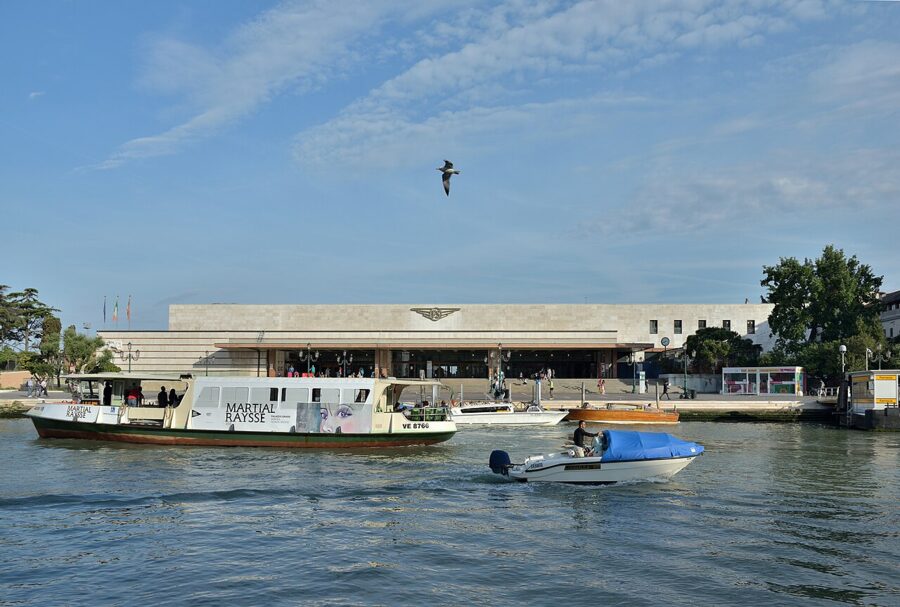
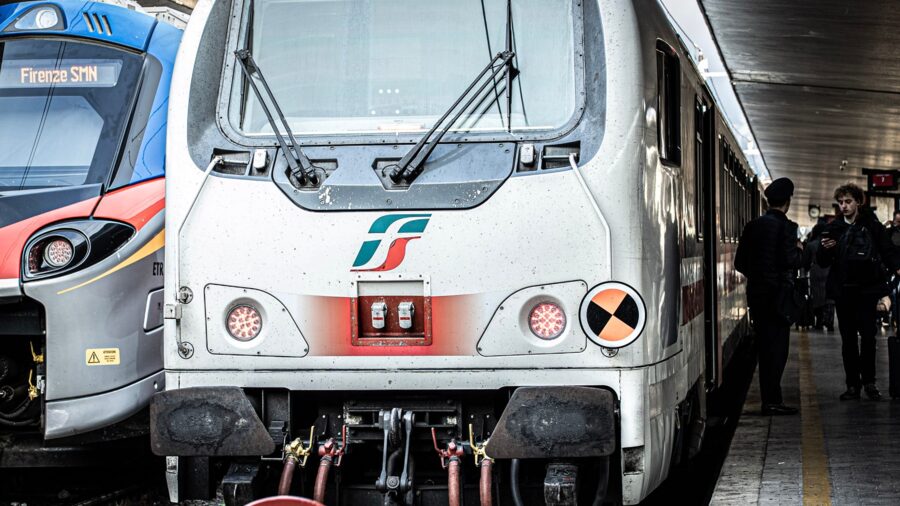
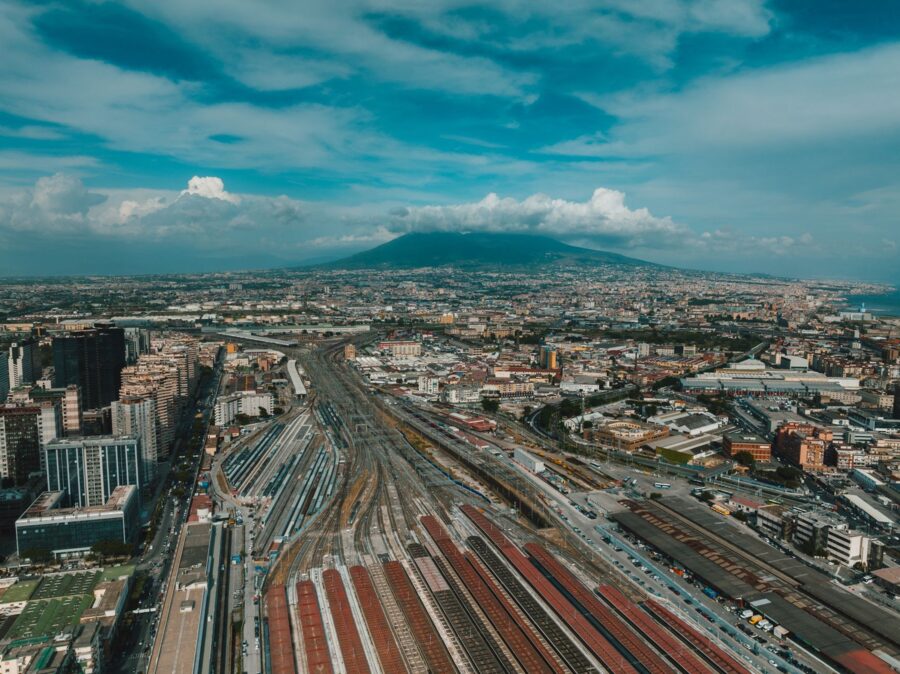
Firenze Santa Maria Novella is small, low and in the middle of town, a short walk from the cathedral. Venezia Santa Lucia opens straight onto the Grand Canal, with the vaporetto stops in front; trains to Santa Lucia stop first at Venezia Mestre on the mainland, so do not get off early. In Naples, the Frecce and Italo use Napoli Centrale, and some Italo trains also stop at Napoli Afragola, north of the city.
Luggage
Trenitalia sets no size limit. Its conditions let you take bags free as long as they go in the racks and luggage spaces and do not block the aisle. In practice, one big suitcase and one small bag each is what a full train can absorb.
Italo is stricter in its base class. In Smart, each bag must be no larger than 30 x 21 x 12 inches (75 x 53 x 30 cm), the overhead racks take up to 21 inches (53 cm) high and 16.5 inches (42 cm) deep, and bigger bags go in the racks at the ends of the car, per Italo’s luggage rules. Prima Business and Club Executive passengers can bring larger bags. Bulky items and ordinary bicycles are not allowed.
Regional trains are the hard ones: double-deck cars have steps at every door, and on summer weekends the Cinque Terre trains fill to standing. Move between towns with big bags on a weekday morning.
Strikes and track work
Italian rail strikes are announced in advance and listed on the strike calendar of the Ministry of Infrastructure and Transport. National strikes usually run for up to 24 hours, often from 9 p.m. one evening to 9 p.m. the next. They are not general stoppages: by law some trains run.
On regional trains, Trenitalia guarantees service from 6 a.m. to 9 a.m. and 6 p.m. to 9 p.m. on weekdays, and from 7 a.m. to 10 a.m. and 6 p.m. to 9 p.m. on holidays, according to its guaranteed-train page. For the Frecce and Intercity there are no time bands, only a published list of trains that will run. A train already moving when a strike starts continues if it can reach its destination within an hour; otherwise it may stop short.
If a strike falls on your travel day, book a guaranteed train, move the trip, or hold a Base or Flex ticket you can change. Italo publishes its own list of trains that will run.
Track work does more damage than strikes, because it lasts for weeks, and summer is when Italy’s network operator closes lines. For a July or August trip, leave slack between a train and a flight.
Scenic lines worth riding
The fast trains spend much of the way in tunnels. The views are on the slower lines, and three of them are worth building a day around. The best of them rank among Europe’s great scenic train rides, and the sleepers that run the length of Italy to Sicily are some of the longest night trains in Europe.
The Cinque Terre
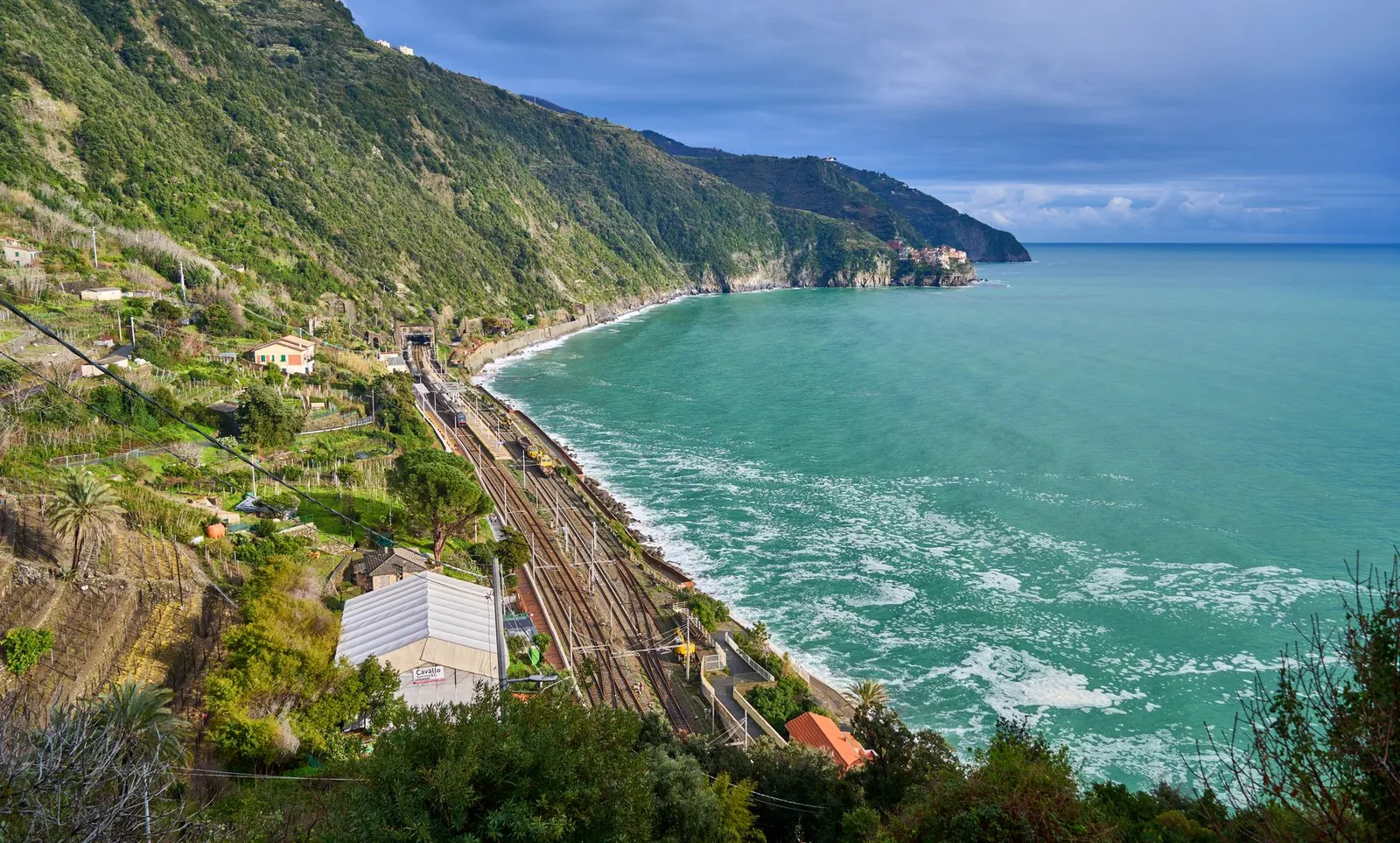
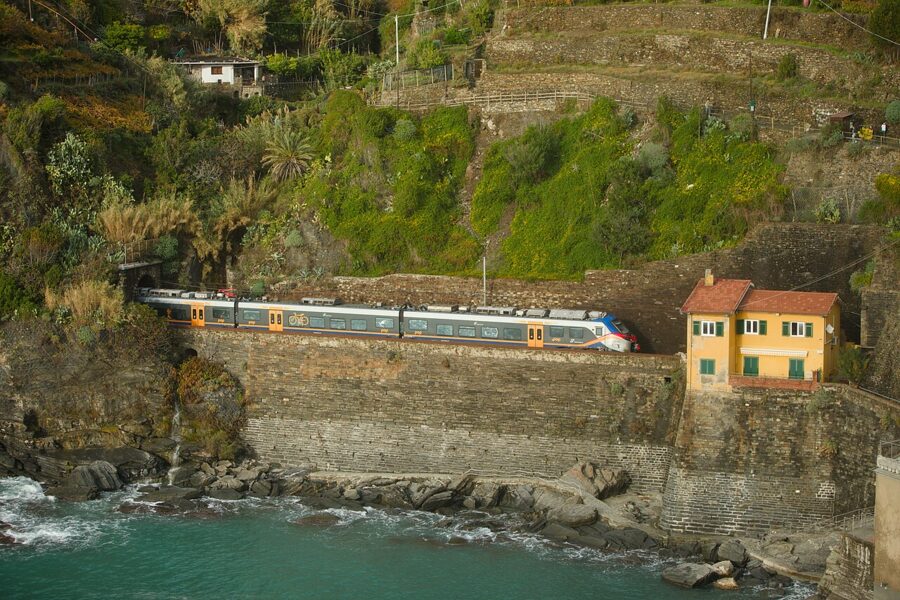
The Genoa to La Spezia line runs through the five villages of the Cinque Terre, mostly in tunnels, coming out for a few seconds of sea at each station. In season, Trenitalia runs the 5 Terre Express between Levanto and La Spezia about every half hour, 46 extra trains a day in 2026, according to its March 2026 announcement.
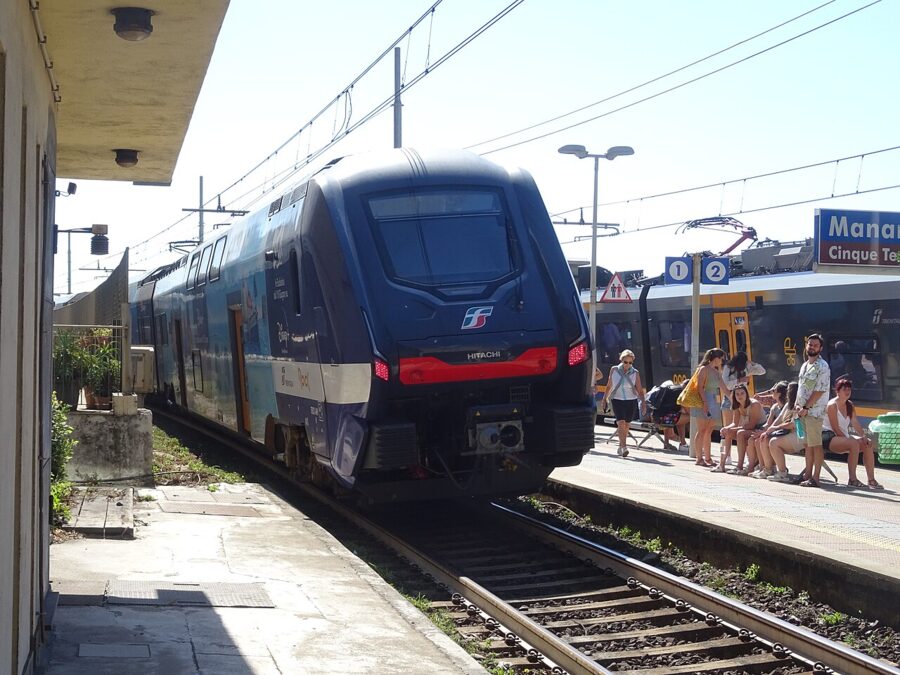
The fare is the trap. From March 14 to November 1, 2026, a single ride between the villages cost €5, €8 or €10 (about US$6 to US$11) depending on how busy the day was expected to be, on a published calendar. Off season it reverts to the ordinary regional fare: La Spezia to Monterosso was €3.50 in December 2026. According to Trenitalia’s Cinque Terre page, regular tickets apply until March 19, 2027, and tickets for journeys up to 31 miles (50 km) are valid for only 75 minutes after stamping.
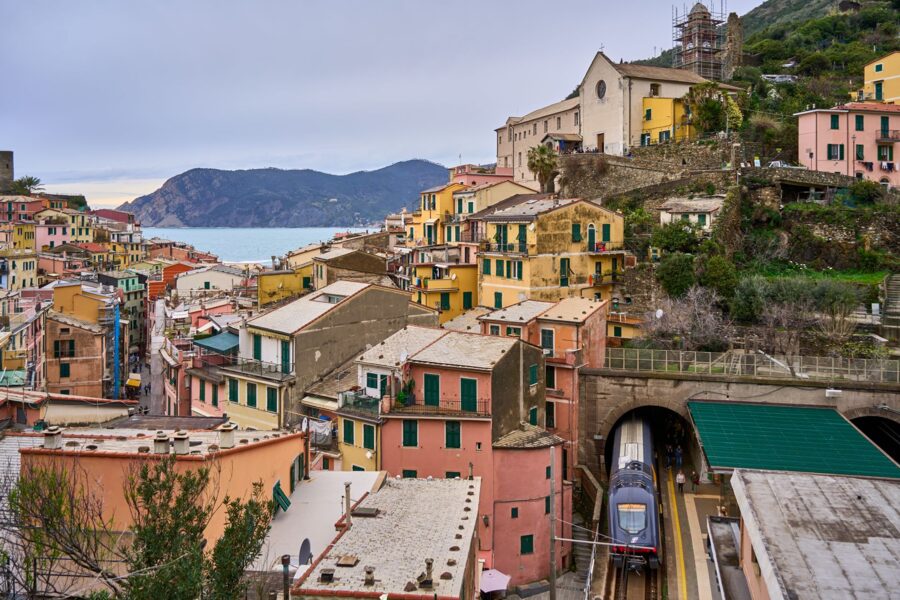
If you plan to hop between villages all day, the Cinque Terre Treno MS Card covers unlimited regional travel between Levanto and La Spezia plus the national park’s services, priced on the same busy-day calendar. I would base myself in Levanto or La Spezia, where the trains start empty.
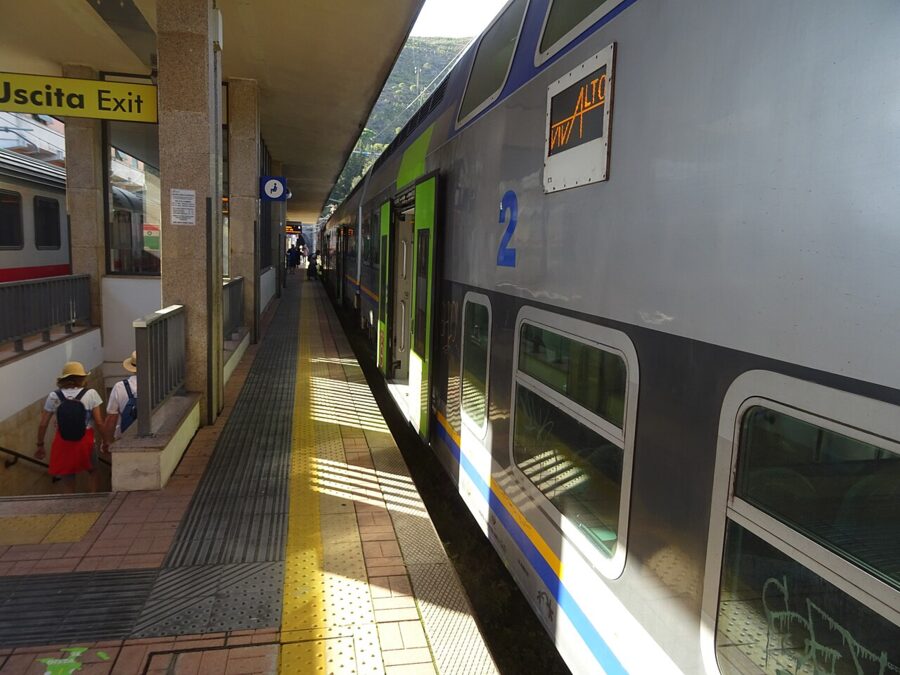
Up to Tirano for the Bernina
The Bernina Express is a Swiss train, but it ends in Italy, in the streets of Tirano, and Milan is the easy way to reach it. Trenord’s regional trains leave Milano Centrale for Tirano hourly at 20 minutes past through the morning, take two hours 32 minutes and cost €13 (about US$15), as of December 2026. The line follows the east shore of Lake Como for a stretch: sit on the left heading north.
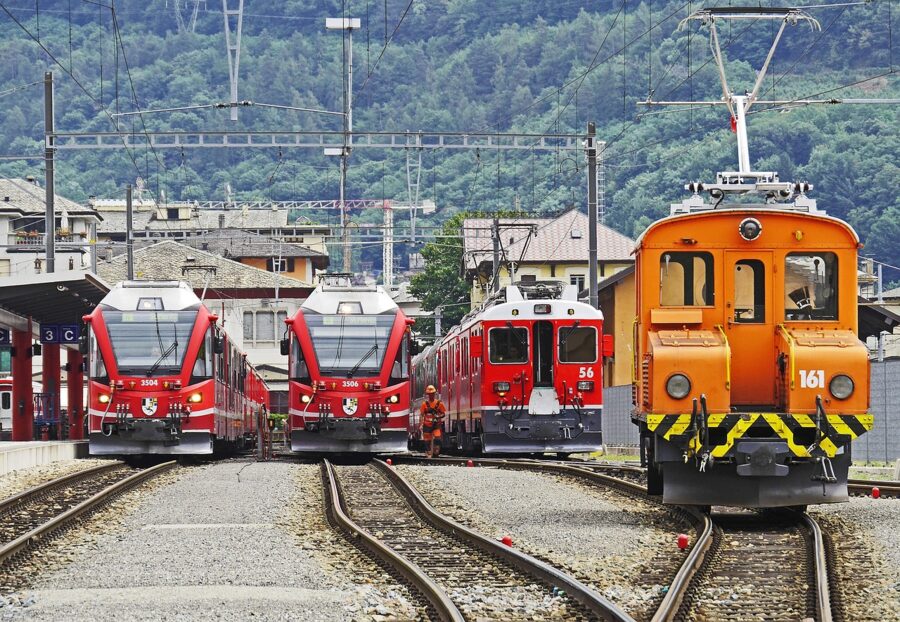
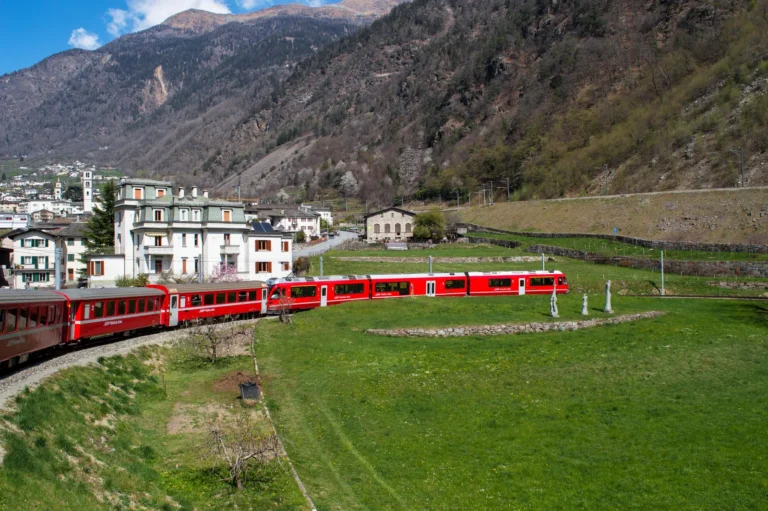
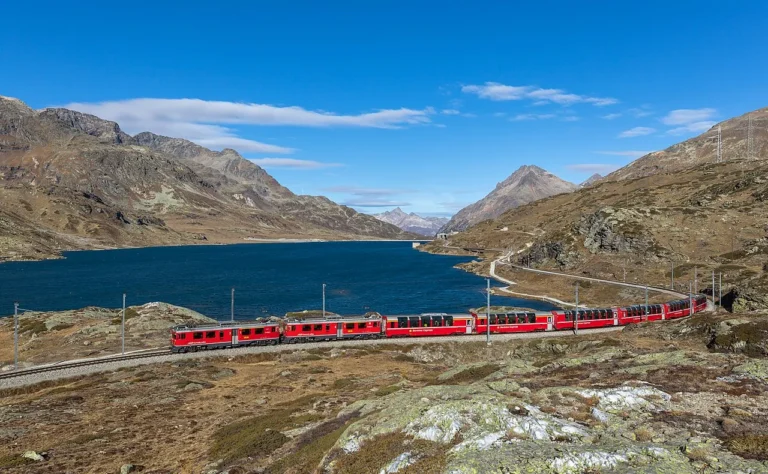
From Tirano the Bernina line climbs over the Alps to St. Moritz, and the panoramic Bernina Express needs a paid seat reservation on top of the fare. The ordinary red regional trains on the same line need none.
Sardinia’s Trenino Verde
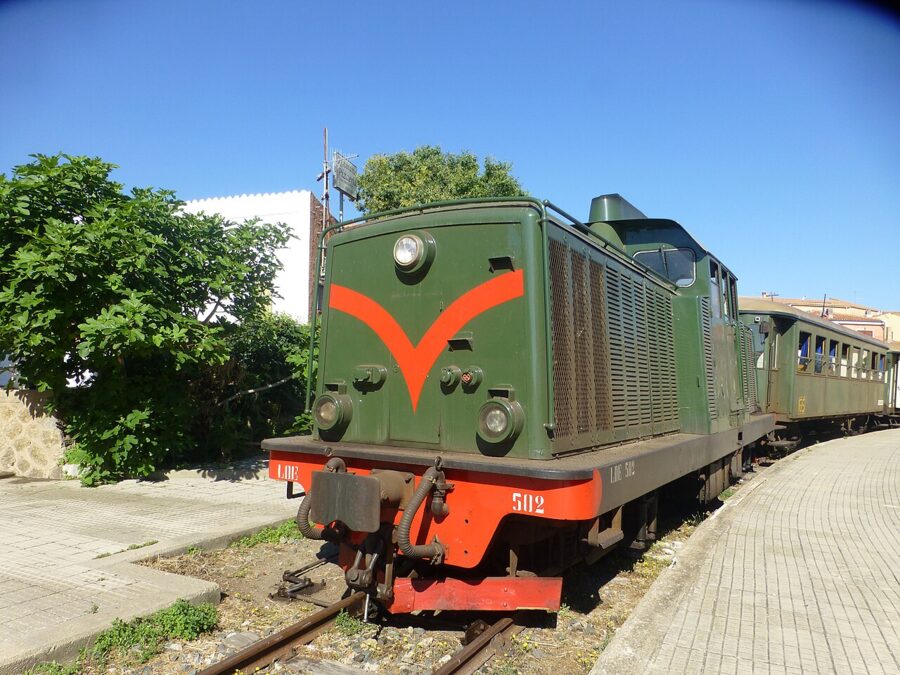
Sardinia’s narrow-gauge Trenino Verde is a tourist service run by ARST, the island’s transport company, mostly on lines with no regular trains. The Trenino Verde site lists five routes: Tempio Pausania to Luras, Macomer to Bosa Marina, Mandas to Laconi, Mandas to Sadali and Arbatax to Lanusei. It does not run every day, so build the trip around its calendar, not the other way round.
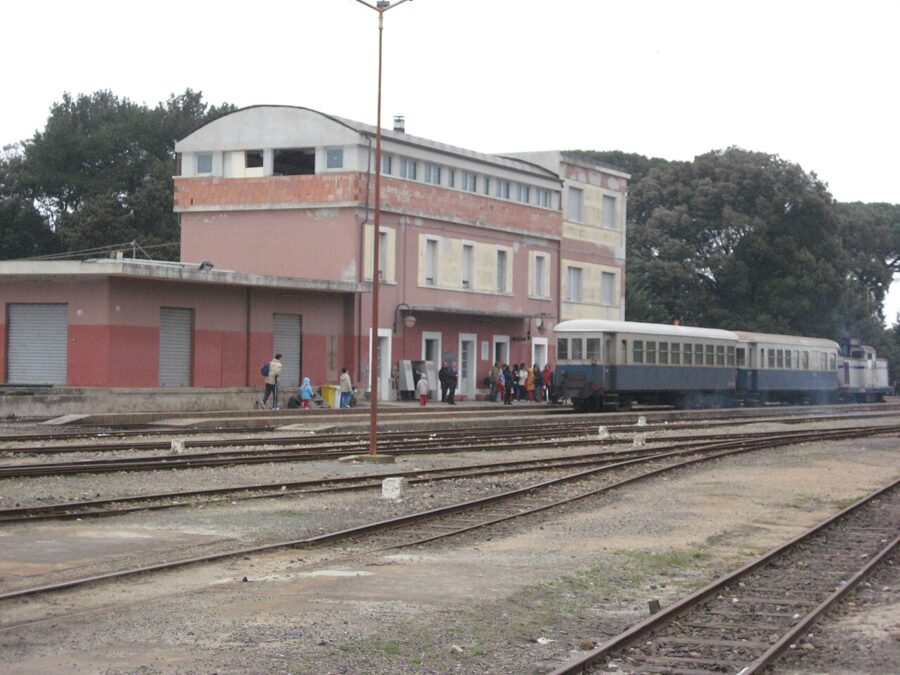
Tickets are personal and good only for the day and run printed on them, under the 2026 travel conditions. Cancel at least seven days ahead for a full refund, or between the seventh and third day for 30 percent; after that you lose it. Bring only a small bag: bicycles are not carried. For getting around the rest of the island, Trenitalia’s regional trains cover the main lines, and nearly all of them take Tap&Tap.
So for that March morning in Rome: book the 8:05 to Florence now, at €23.90, with the €3 refund option if your plans might move. Leave the train to Pisa, the hop to Lucca and the ride along the Cinque Terre for the day itself, and stamp the paper ticket before you climb aboard.