A three-day Swiss Travel Pass costs CHF 254 (about US$305) in second class. A Swiss Half Fare Card costs CHF 150 (about US$180) and lasts a whole month. Most first trips to Switzerland come down to which of those two numbers you pay before you board anything, and plenty of people choose the pass because it sounds like the simpler answer.
The pass sells freedom from tickets: you step onto a train, a lake boat, a PostBus or a Zurich tram and show one QR code. The card sells arithmetic. It halves almost every fare in the country, including the mountain railways where the pass only takes off a quarter or a half, but you still buy a ticket for every ride.
I would buy the pass for a week of long rides from one end of the country to the other, and the Half Fare Card for four or five days based in one region with a big mountain day in the middle. The difference between the two on the same trip can run past CHF 100 either way, so it is worth ten minutes with a fare table before you buy.
Stops in this article6
What the Swiss Travel Pass covers
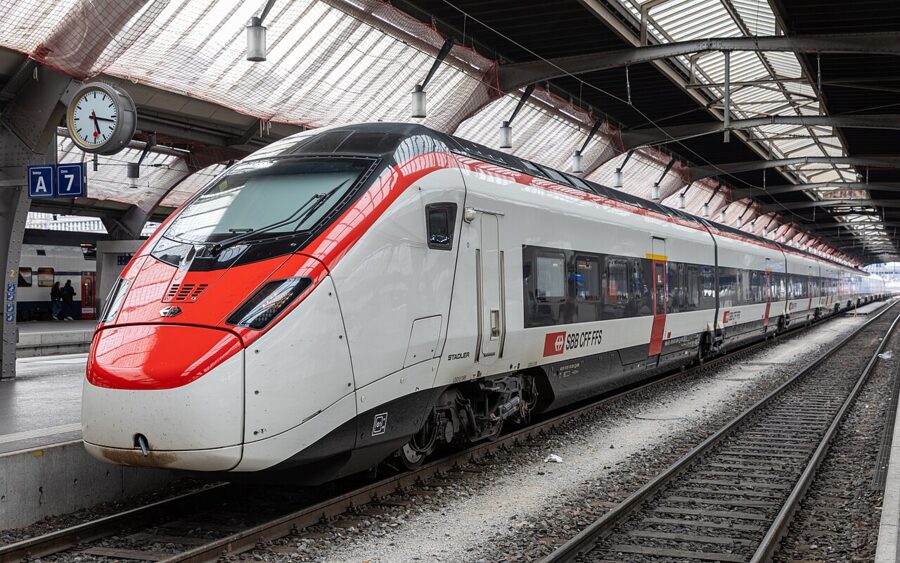
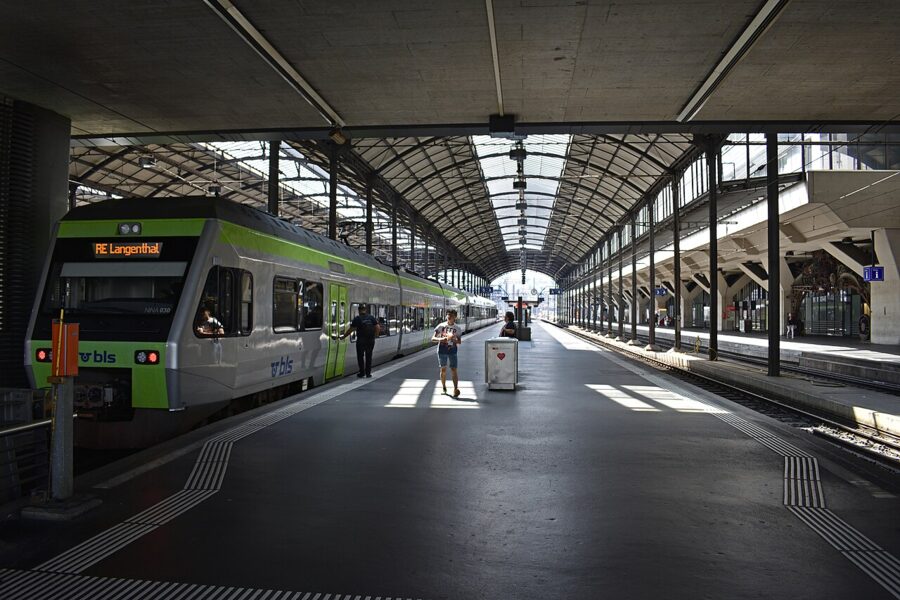
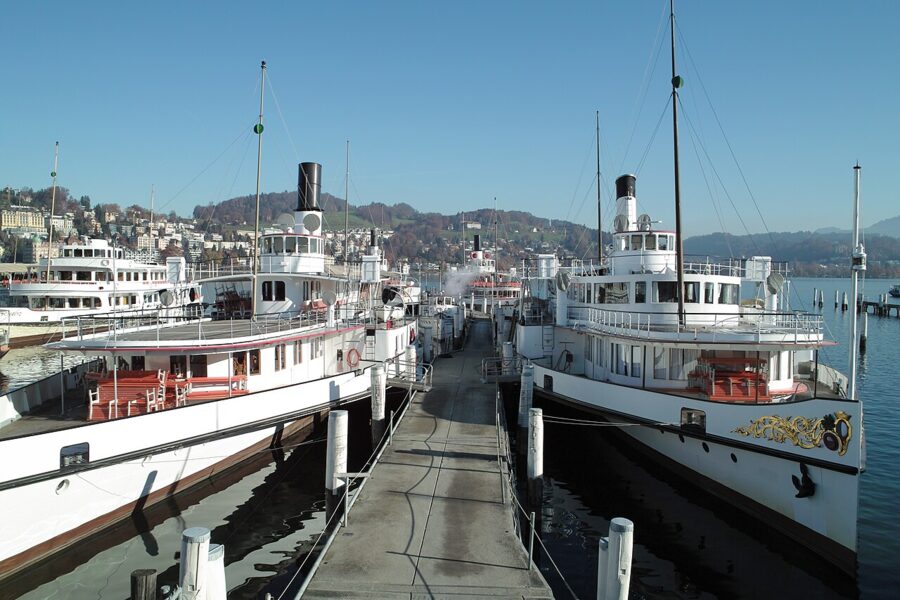
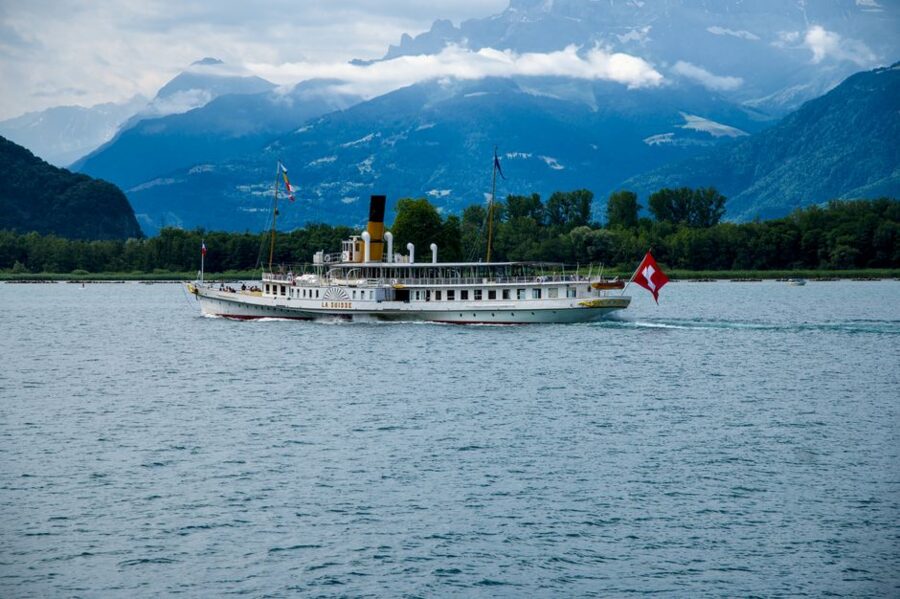
The pass is sold by the Swiss Travel System, and SBB, the federal railway, is where most people buy it. It gives unlimited travel by train, bus and boat on the national network for its days of validity, plus the trams and buses of more than 90 towns and cities. That last part matters more than it sounds: Zurich, Geneva, Basel, Bern and Lucerne all have zone fares, and a day of hopping around a city adds up quickly.
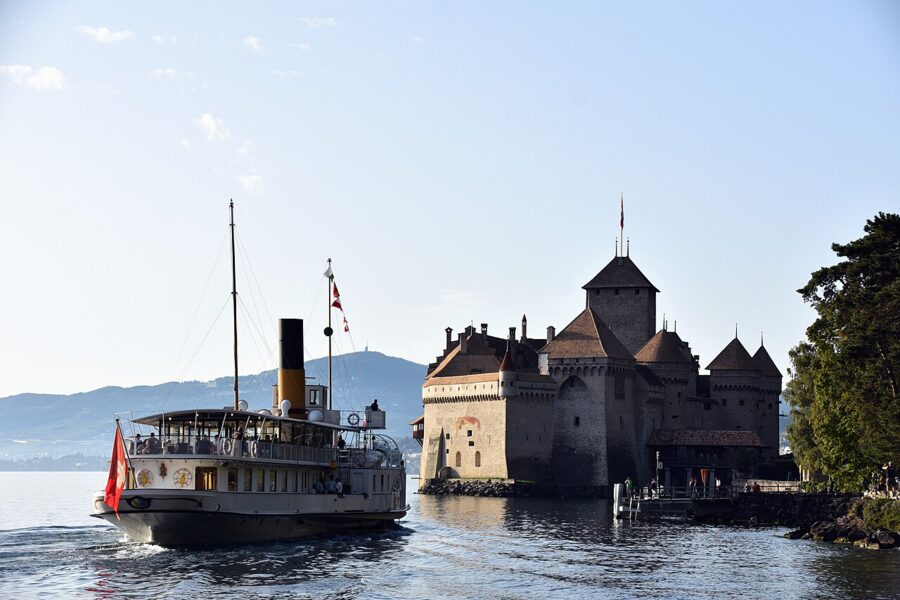
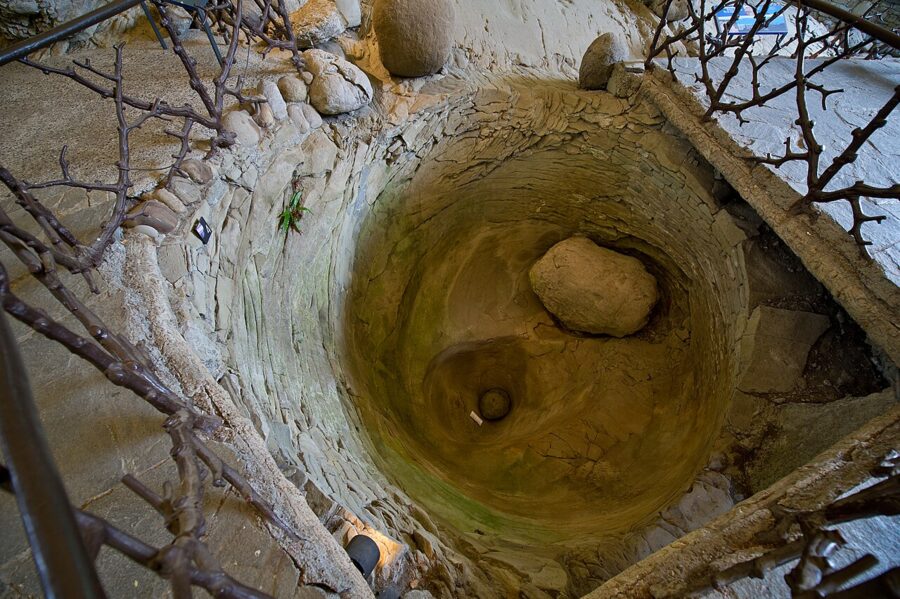
It also gets you into more than 500 museums at no charge, which is the perk most people forget to use. SBB lists Chillon Castle on Lake Geneva and the Glacier Garden in Lucerne among them. A rainy afternoon in a pass city is cheaper than it looks.
The premium panoramic trains are included too, in the sense that the pass pays the fare. The Glacier Express, Bernina Express, GoldenPass Express and Gotthard Panorama Express all add a seat reservation or a supplement on top, and nobody gets that for free. There is more on those below.
The pass is for visitors: you must live outside Switzerland and Liechtenstein to buy it. Children aged 6 to 15 travel free with a parent who holds a pass, using the free Swiss Family Card, and children under six travel free anyway. If you are under 25, the Swiss Travel Pass Youth costs 30 percent less, as of 2026.
The mountain railways it includes
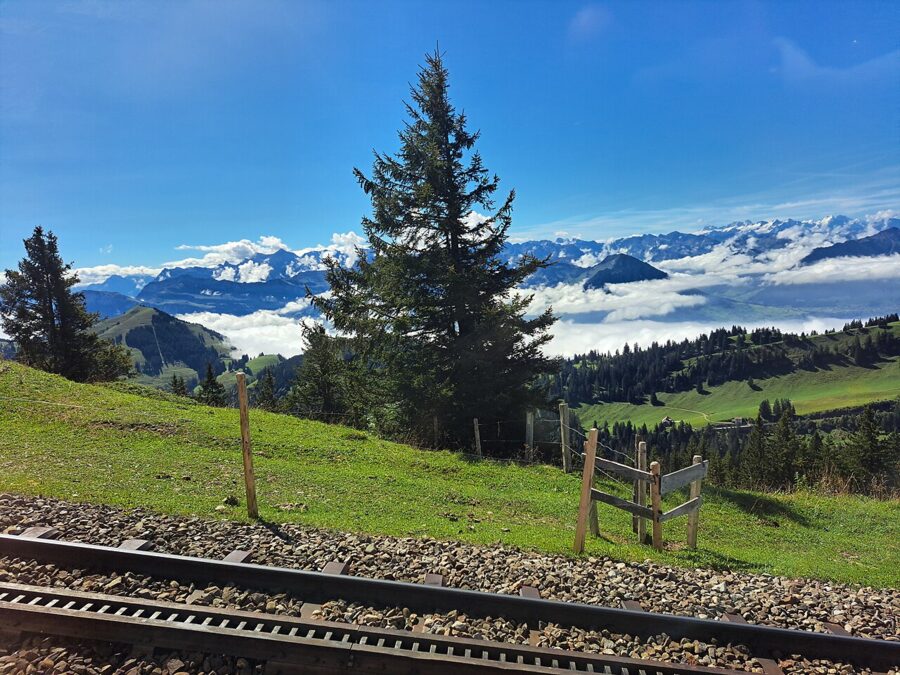
Three mountains are fully included as of 2026: the Rigi, the Stanserhorn and the Stoos. All three sit around Lake Lucerne, which is one reason Lucerne makes such a good base for a pass holder.
The Rigi is the one to plan a day around. The classic loop runs by boat from Lucerne to Vitznau, up the cog railway to Rigi Kulm, down the other side to Arth-Goldau and back to Lucerne by train. On SBB’s fare table for a December 2026 date, Lucerne to Rigi Kulm costs CHF 65.60 one way at full fare, so a round trip is worth about CHF 131 to a pass holder in a single day.
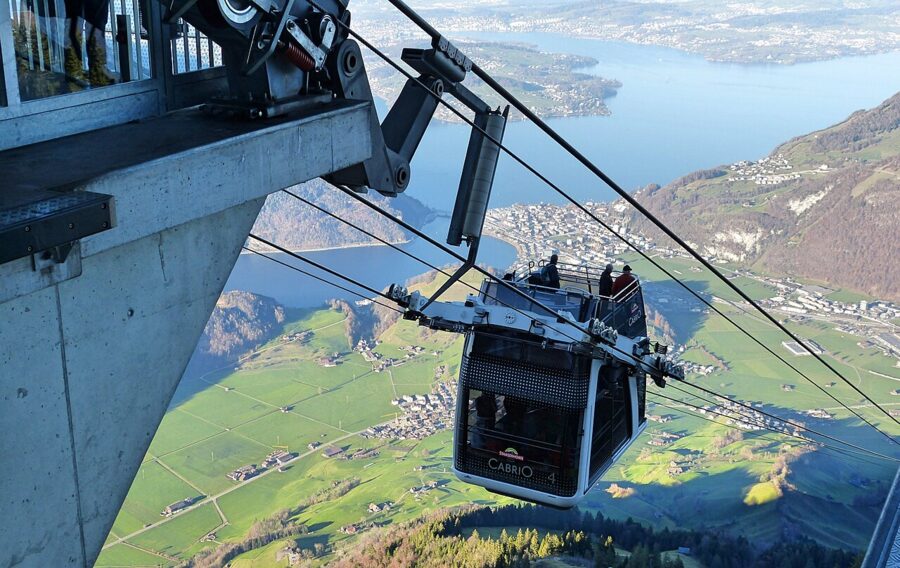
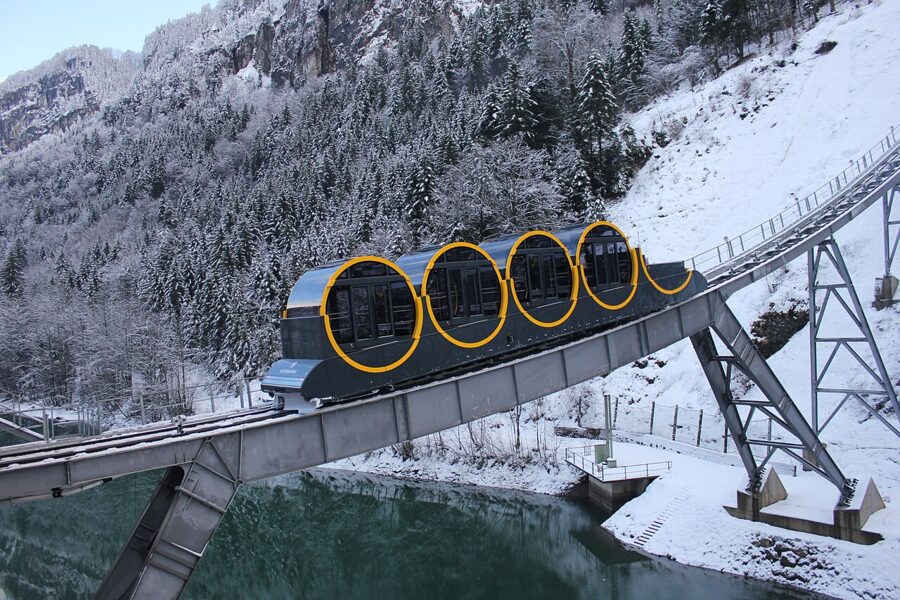
The Stanserhorn is reached from Stans by an old funicular and then the CabriO, a double-deck cable car with an open roof on the top deck. The Stoos is reached from Schwyz by one of the steepest funiculars in the world, with barrel-shaped cars that rotate to keep the floor level. Both are a short trip from Lucerne.
The mountain railways it only discounts
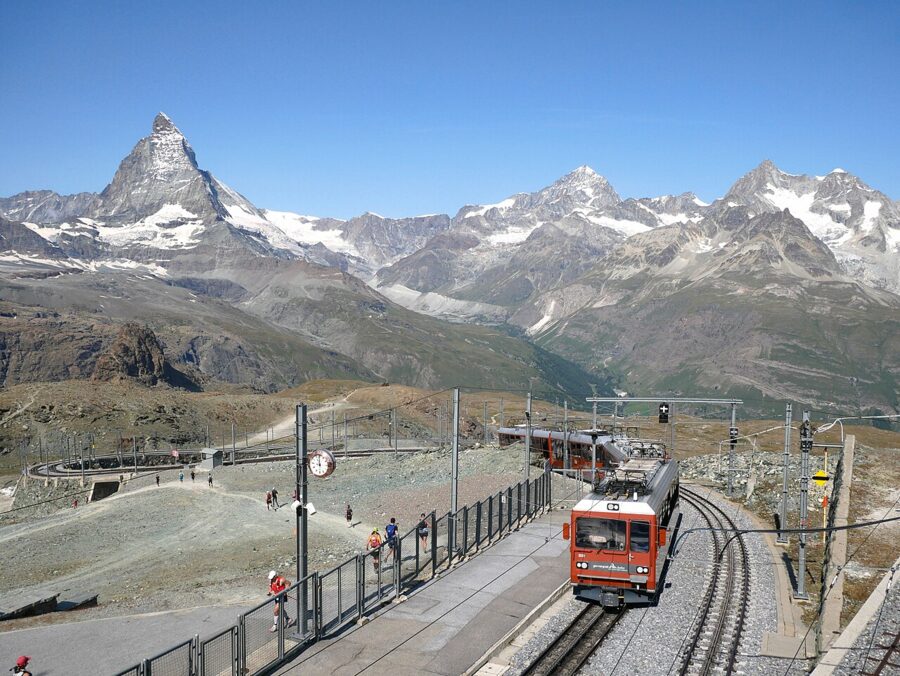
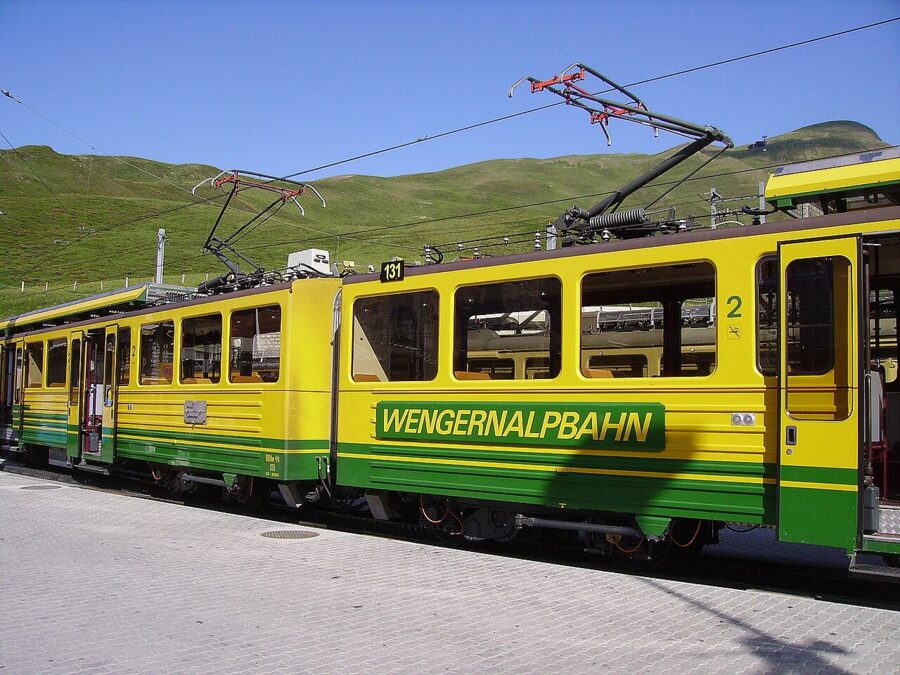
Here is where the pass gets more expensive than it looks. Most of the famous summits are discounted, not included, and the discount varies by mountain. As of 2026, SBB lists 50 percent off Pilatus and Titlis, the Gornergrat Railway in Zermatt gives pass holders 50 percent, and the Jungfraujoch gets only 25 percent off the journey up.
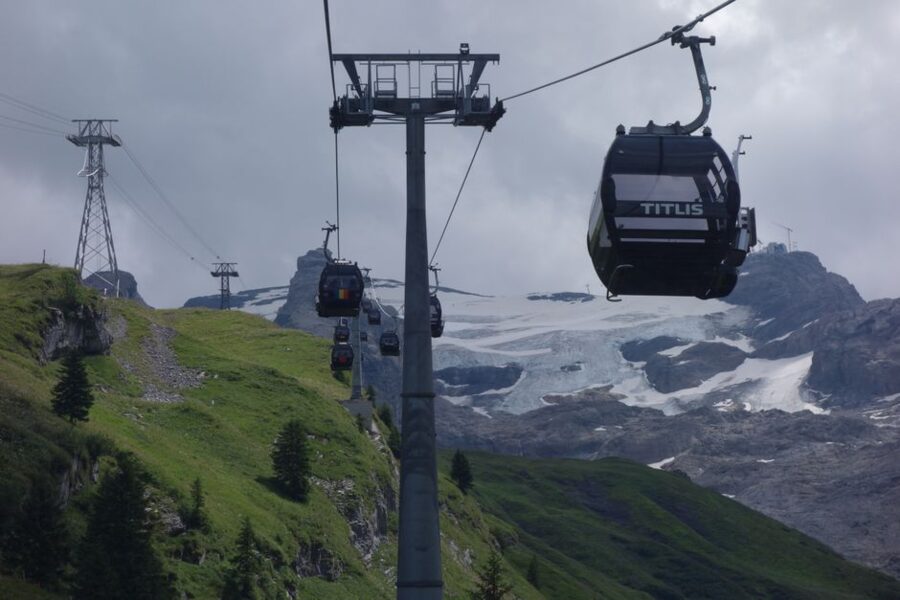
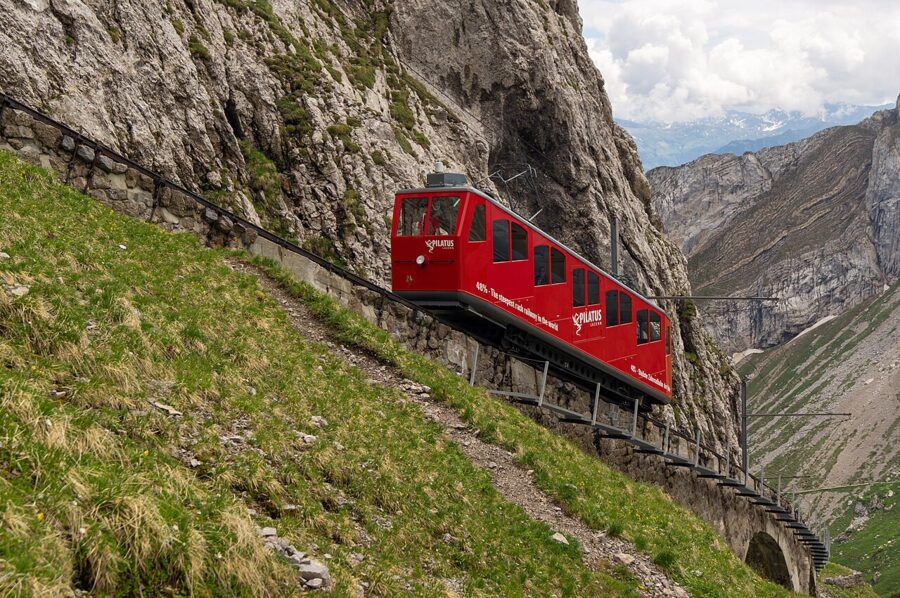
The Half Fare Card halves the same mountain fares. On the Gornergrat it makes no difference which product you hold: SBB charged CHF 51 one way at full fare on a December 2026 date and CHF 25.50 with the Half Fare Card, and the pass gives the same half. With the pass, though, the train from Visp to Zermatt is already paid for.
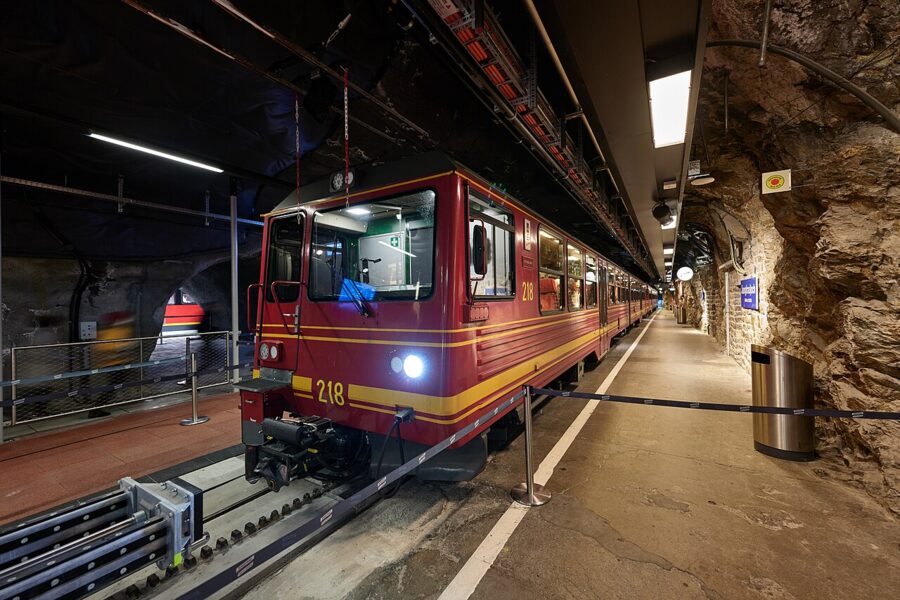
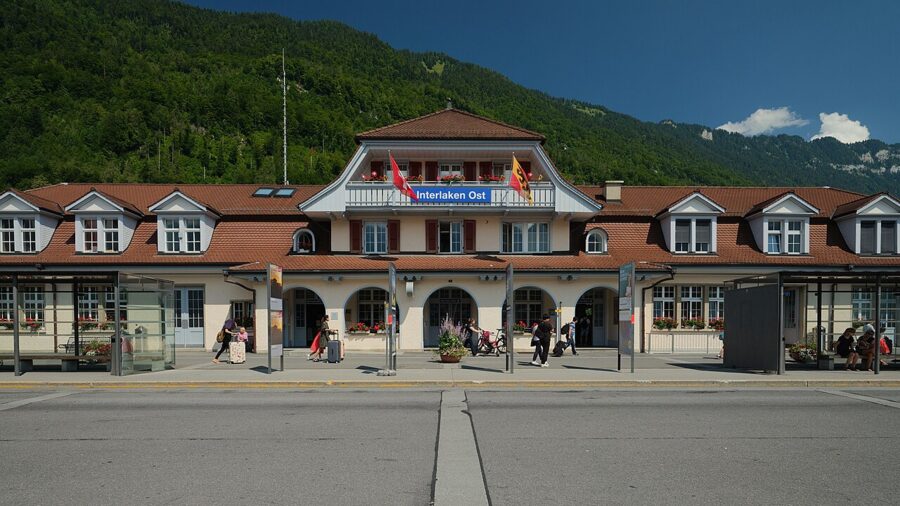
The Jungfraujoch is the mountain that decides more Swiss trips than any other. On SBB’s fares for December 2, 2026, Interlaken Ost to the Jungfraujoch costs CHF 112.20 one way at full fare and CHF 56.10 with the Half Fare Card. The pass takes a quarter off instead of half, so a pass holder pays noticeably more for this one excursion than a Half Fare Card holder does, and summer fares are higher than December ones.
Swiss Travel Pass prices for 2026, and the Flex version
The pass comes in 3, 4, 6, 8 and 15 consecutive days, in first or second class. These are the adult prices SBB sells at, valid for travel until December 31, 2026. SBB had not yet published prices for travel in 2027 in late November 2026, so check the shop before you budget a summer trip.
| Days | 2nd class | 1st class | Flex, 2nd class | Flex, 1st class |
|---|---|---|---|---|
| 3 | CHF 254 (about US$305) | CHF 405 | CHF 289 | CHF 461 |
| 4 | CHF 309 (about US$370) | CHF 492 | CHF 349 | CHF 555 |
| 6 | CHF 399 (about US$480) | CHF 634 | CHF 424 | CHF 674 |
| 8 | CHF 439 (about US$525) | CHF 697 | CHF 459 | CHF 729 |
| 15 | CHF 499 (about US$600) | CHF 787 | CHF 519 | CHF 819 |
The Youth pass, for anyone under 25, runs from CHF 179 for three days to CHF 356 for 15 days in second class, as of 2026. A child under 16 traveling without a parent pays half the adult price. Dollar figures here are rounded at about US$1.20 to the franc, and your card will charge in francs.
Look at the shape of that table before you look at the numbers. The fourth day costs CHF 55, days five and six cost CHF 45 each, and days nine through fifteen cost about CHF 9 each. The longer the pass, the cheaper each day, which is why it rewards a long trip that keeps moving and punishes a short one that stays put.
First class costs about 60 percent more. On the busy lines between Zurich, Bern and Lucerne it buys a seat when second class is standing room, and on the lake steamers it buys the upper deck. On a 15-day trip in July I would consider it; on three days in spring I would not.
Consecutive days or Flex
The Flex version gives the same number of travel days, used whenever you like within one month. It costs CHF 20 to CHF 40 more in second class, and it pays when your trip has days off the network: a hiking day from your hotel door, a day in one city on foot, a day across the border in Italy.
Each Flex day has to be activated before your first journey that day, at activateyourpass.com, where a QR code on your purchase receipt fills in your details. You can change or cancel an activated day until 11:59 p.m. the night before, never on the day itself. The museum entry, the mountain discounts and the city transport only work on activated days, so a non-travel day in Lucerne is a day of buying bus tickets.
The alternatives: Half Fare Card, Saver Day Pass and regional passes
The Swiss Half Fare Card
The Swiss Half Fare Card costs CHF 150 and runs for one month, as of 2026, up from CHF 120 the year before; a lot of older advice still quotes the old price. It halves or reduces fares on trains, buses and boats, on the panoramic trains, on most mountain railways and cable cars, and on public transport in more than 90 towns, in first or second class. It is also for visitors only, and it is only valid with your original passport or ID card, not a photo of it.
With the card you still buy a ticket for every ride, in the SBB Mobile app or at a machine, at half price. It also halves Supersaver tickets and Saver Day Passes, which can take a long journey well below half of the full fare. Children aged 6 to 15 travel free with a parent who holds a Half Fare Card too, on the same free Swiss Family Card.
The simple test: the card pays for itself once your full-fare travel passes CHF 300, because half of CHF 300 is the CHF 150 the card costs. Below that, buy plain tickets and look for Supersaver fares.
The Saver Day Pass
The Saver Day Pass gives a whole day of unlimited travel anywhere the national network runs, until 5 a.m. the next morning. As of 2026 it starts at CHF 29 in second class with a Half Fare Card and CHF 52 without one, or CHF 49 and CHF 88 in first class. It is sold from six months to one day ahead, in limited numbers at each price, so the cheap ones go first.
The starting price is the exception, not the rule. On the SBB shop in late November, a second-class Saver Day Pass without a Half Fare Card for a mid-December date was CHF 88 on one day and CHF 97 on another. Still, a Saver Day Pass bought early for your longest day, such as Zurich to Zermatt and back, can beat any version of the Swiss Travel Pass for that day.
The Jungfrau Travel Pass and other regional passes
If your trip is mostly one region, a regional pass can beat the national one. The Jungfrau Travel Pass covers the trains, mountain railways and Lake Thun and Lake Brienz boats around Interlaken for 3 to 8 days. As of 2026 it costs CHF 210 to CHF 330 for adults, or CHF 165 to CHF 255 at the reduced price for holders of a Half Fare Card or a Swiss Travel Pass.
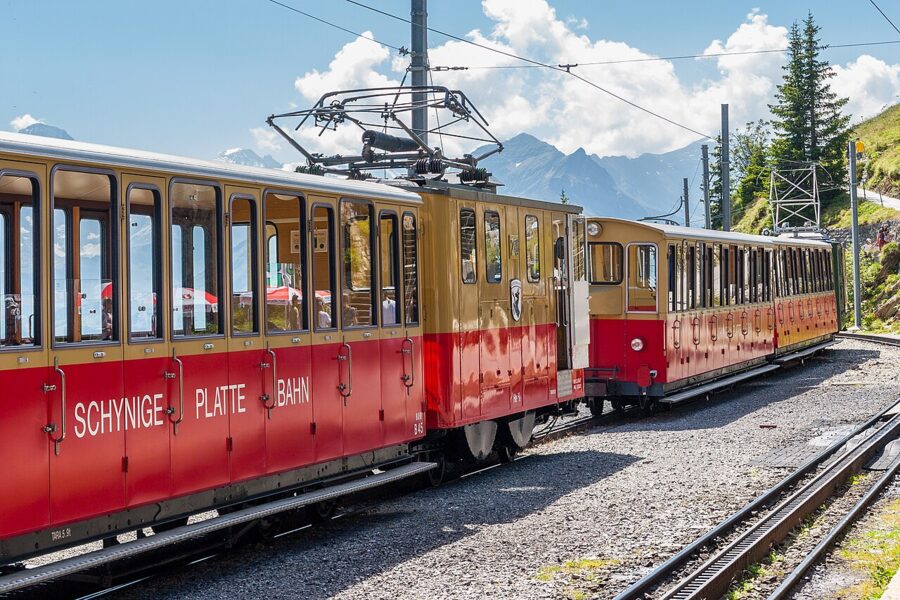
Its highlights include Harder Kulm, Schynige Platte, Grindelwald-First and the Lauterbrunnen valley, but it stops short of the top of the Jungfraujoch. For that, holders buy a connecting ticket from Eigergletscher, which the Jungfrau Railways list from CHF 63, or CHF 89 between May 1 and October 31, 2026. Other regions sell passes of their own; the Swiss Travel System lists them on its regional passes page.
Worked examples: when the pass pays and when it does not
The fares below are SBB’s full second-class adult fares, one way, as the SBB shop quoted them in late November 2026 for travel in December 2026. Summer fares on the mountain railways run higher, which only widens the Jungfraujoch gap. Seat reservations are left out, because every product pays them.
Start with the break-even points. The pass beats buying full-fare tickets once your fares pass its price. It beats the Half Fare Card once your full fares pass twice the gap between the two prices, since the card costs CHF 150 and then halves the rest.
| Pass (2nd class) | Price as of 2026 | Full fares needed to beat the Half Fare Card |
|---|---|---|
| 3 days | CHF 254 | CHF 208 |
| 4 days | CHF 309 | CHF 318 |
| 6 days | CHF 399 | CHF 498 |
| 8 days | CHF 439 | CHF 578 |
| 15 days | CHF 499 | CHF 698 |
That table ignores two things. Mountains the pass only discounts count against it, and city transport and museums count for it. The three trips below put real fares through the sums.
Four days, Lucerne and the Jungfrau: the Half Fare Card wins
Day one, Zurich Airport to Lucerne (CHF 31). Day two, the Rigi and back (CHF 131.20).
Day three, the Luzern-Interlaken Express to Interlaken Ost (CHF 34) and a return to Grindelwald (CHF 23.60). Day four, Interlaken Ost to the Jungfraujoch and back (CHF 224.40). The full fares add up to CHF 444.20.
With the Half Fare Card the trip costs CHF 150 plus CHF 222.10, so CHF 372.10. With a four-day pass it costs CHF 309 plus the Jungfraujoch at a quarter off, roughly CHF 168, so about CHF 477. The card wins by about CHF 105, and it would still be valid if you stayed longer.
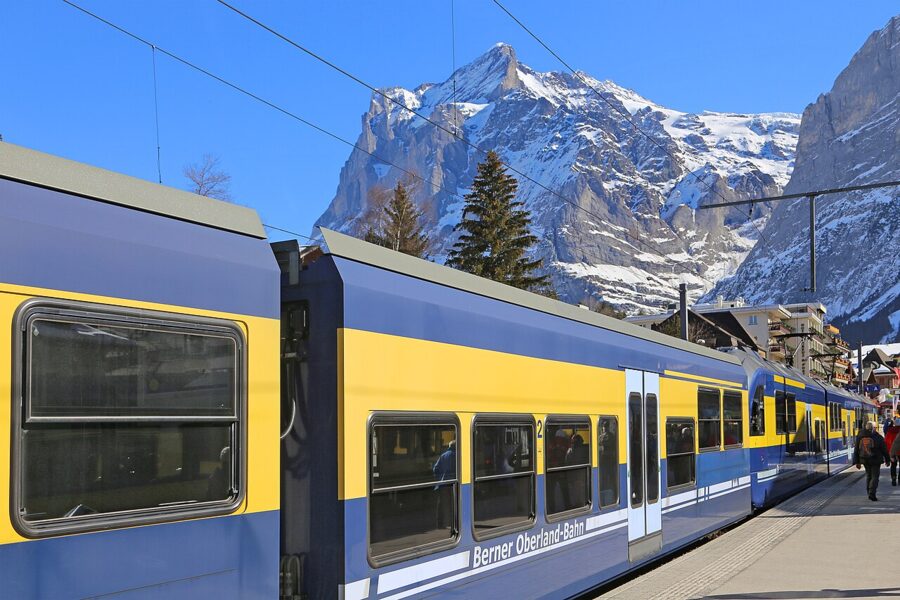
Take the Jungfraujoch out and the answer changes again. The full fares fall to CHF 219.80, below the CHF 300 the card needs, and plain tickets with a Supersaver or two are the cheapest way to make this trip.
Eight days, Zermatt to Lucerne by panoramic train: the pass wins
Zurich Airport to Zermatt (CHF 141), the Gornergrat and back (CHF 102), the Glacier Express from Zermatt to St. Moritz (CHF 166, the train’s own published fare), the Bernina Express from St. Moritz to Tirano and a regional train back (CHF 70), St. Moritz to Lucerne (CHF 92), the Rigi (CHF 131.20) and Lucerne to Zurich Airport (CHF 31).
The full fares come to CHF 733.20 over eight days.
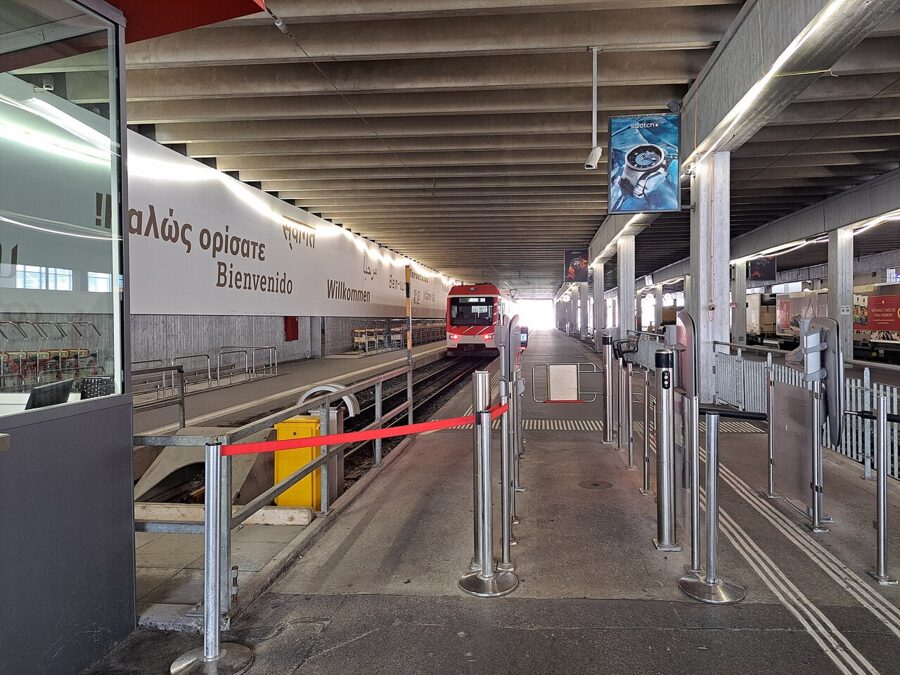
The Half Fare Card makes that CHF 516.60. The eight-day pass makes it CHF 439 plus half the Gornergrat, CHF 490, about CHF 27 less, before counting a single tram ride in Zermatt or Lucerne or a museum on the wet day. Both still pay the CHF 54 Glacier Express reservation and the Bernina Express reservation.
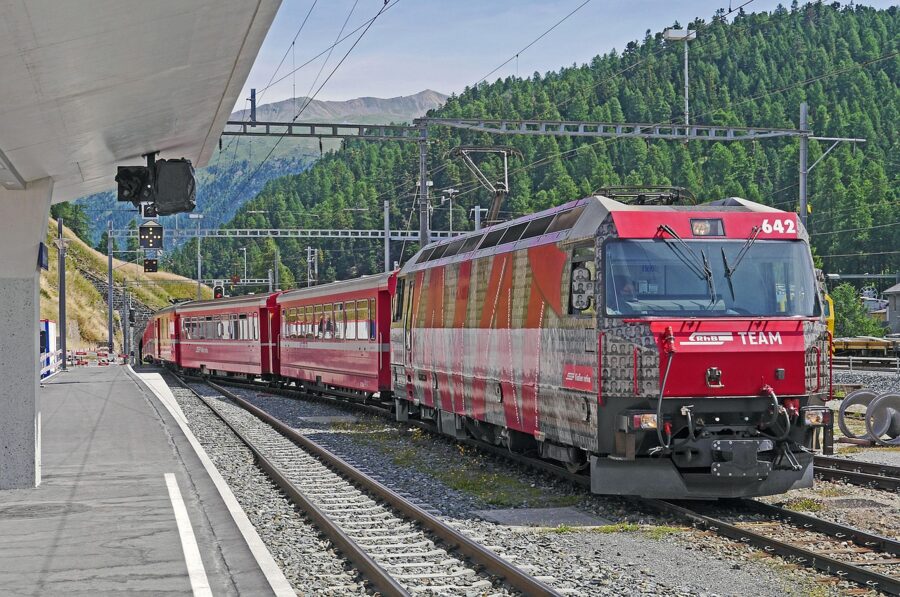
This is the trip the pass was made for: long rides on most days, several regions, a mountain that is free and another at half price. Add the Jungfraujoch to it and the two finish within about CHF 30 of each other, with the card just ahead. At that point the trams, the museums and never buying a ticket decide it, and I would take the pass.
A week based in Zurich with two day trips: buy neither
Zurich to Lucerne and back is CHF 54 at full fare, and Zurich to Interlaken Ost and back is CHF 146. That is CHF 200 of travel, which is less than either product costs. Buy Supersaver tickets for those two days, or a Saver Day Pass early for the long one, and use a city ticket for Zurich itself.
Panoramic trains and seat reservations
The pass pays the fare on all four premium panoramic trains, and the Half Fare Card halves it. Neither covers the reservations, and on three of the four those are compulsory. Book them as soon as your dates are firm, because in summer the good departures fill first.
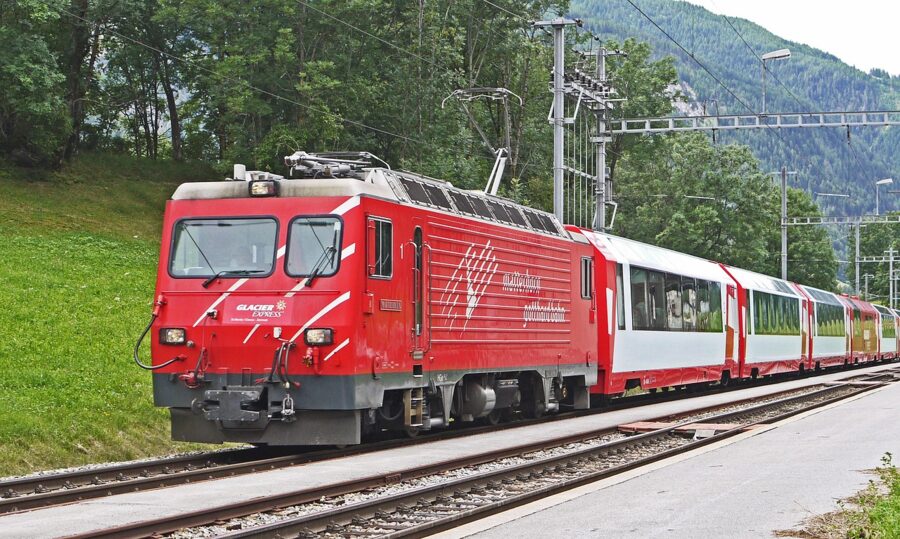
The Glacier Express reservation costs CHF 54 in first or second class, or CHF 590 for Excellence Class, which also needs a first-class ticket, as of late 2026. Seats in first and second class open 93 days ahead. A pass holder books the seat alone by ticking the option for a passenger who only needs a reservation.
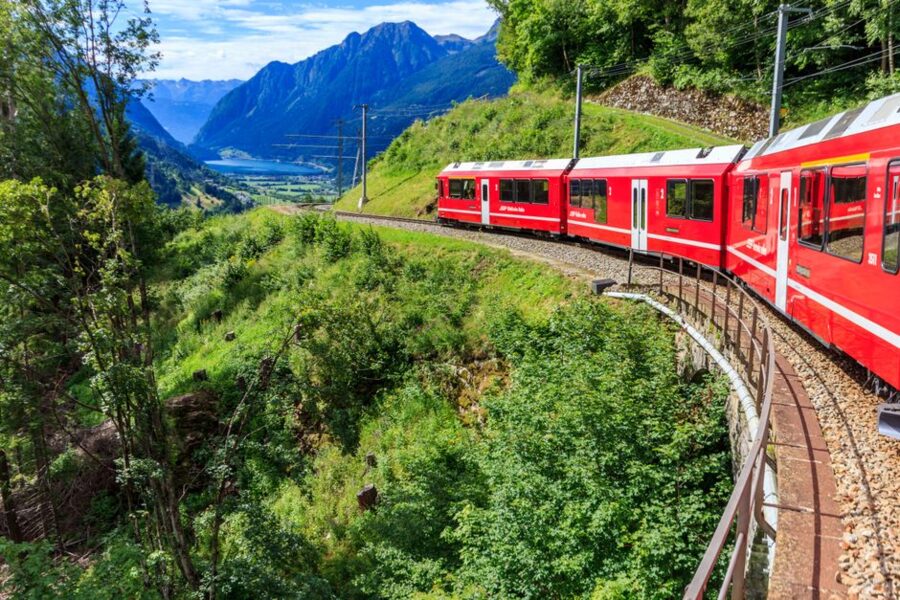
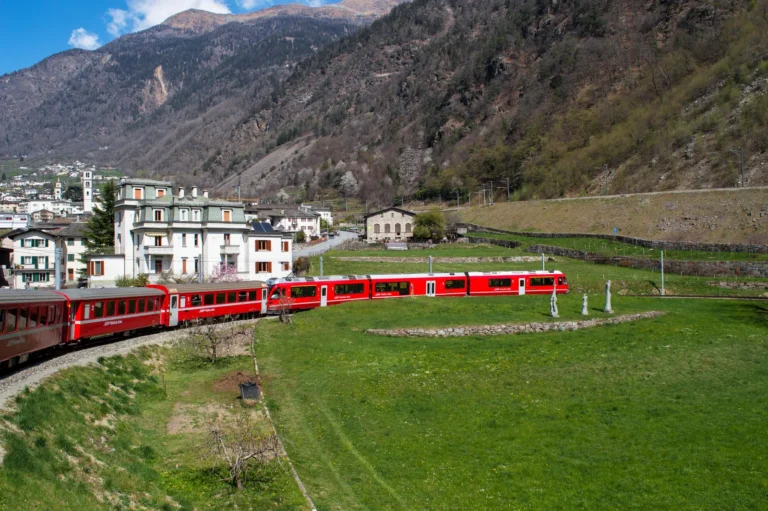
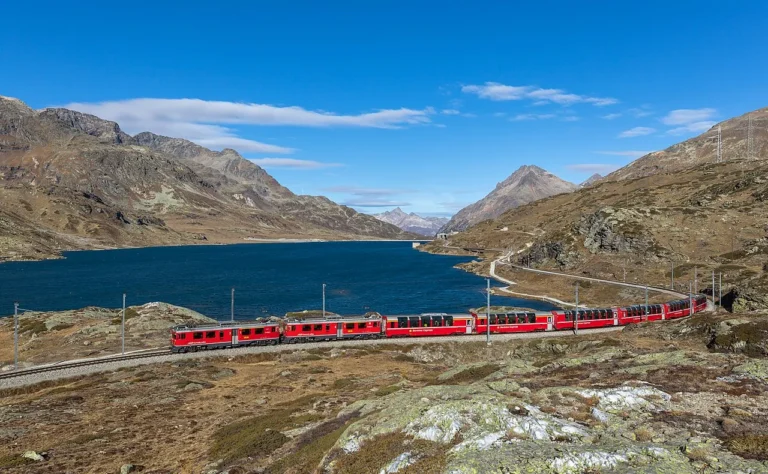
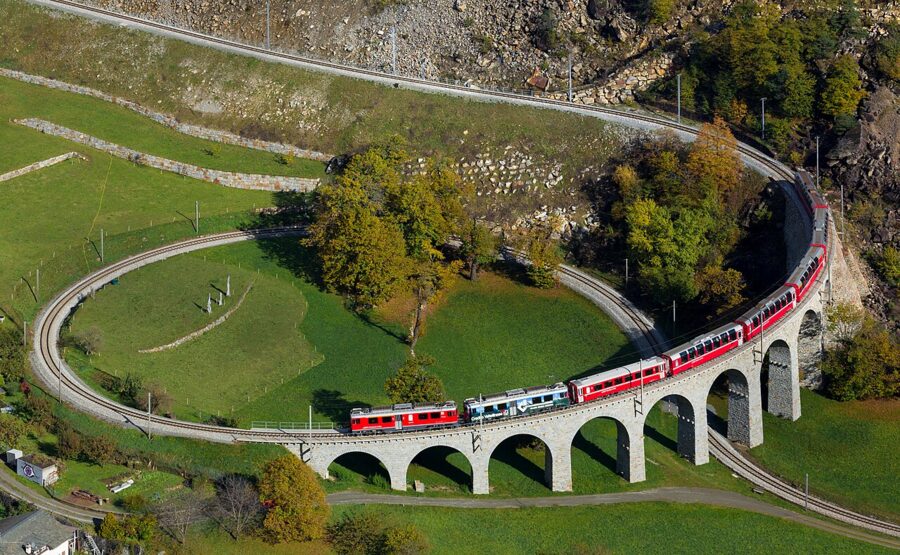
The Bernina Express reservation is required on the panorama cars and varies by season; SBB quoted CHF 40 for a December 2026 departure from Chur. The regional trains on the Bernina line cover the same rails and the same Brusio spiral, with windows that open, and need nothing but the pass.
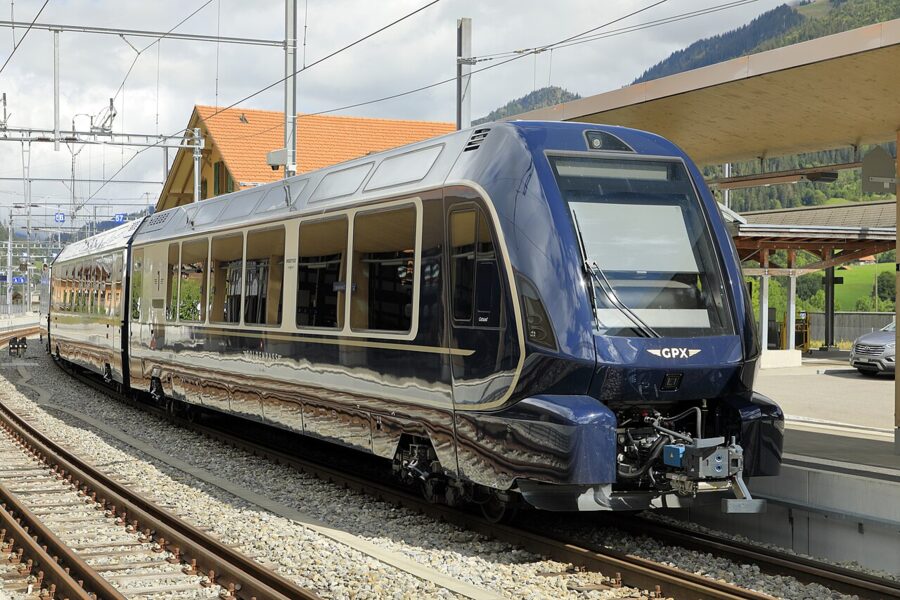
The GoldenPass Express runs from Interlaken to Montreux in just over three hours, and SBB’s full fare is CHF 58. A reservation is mandatory in Prestige class and recommended in first and second; SBB quoted CHF 20 for a standard seat in December 2026, and MySwitzerland lists Prestige reservations from CHF 49 through February 2027.
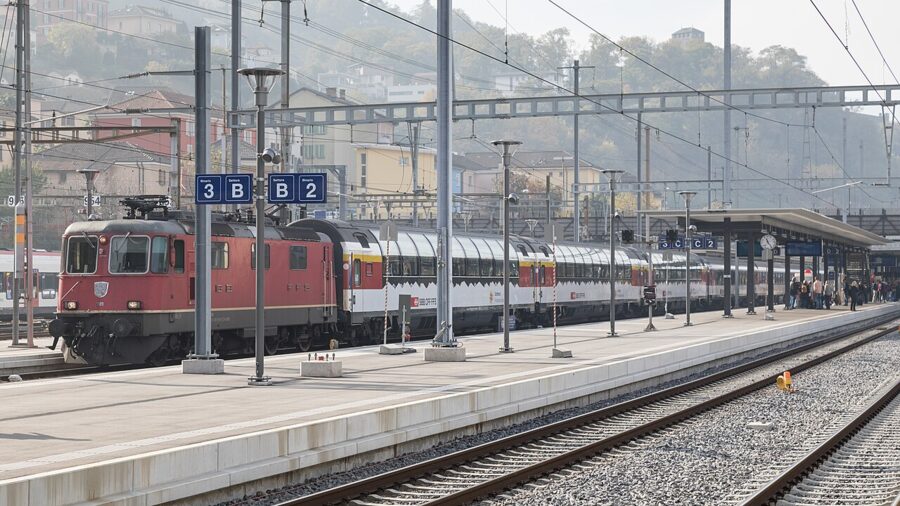
The Gotthard Panorama Express combines a Lake Lucerne boat with a first-class panorama train between Flüelen and Lugano. SBB sells no second class on the train, so a second-class pass holder needs an upgrade as well as the compulsory reservation. The train is on its winter break and runs again from April 17, 2027, with seats on sale from January 2027.
The Luzern-Interlaken Express needs no reservation, but SBB sells one for CHF 12 if you want a guaranteed seat in summer. For the rest of Europe’s scenic lines, start with Europe’s great scenic rides.
Buying and using the pass
Buy from SBB’s Swiss Travel Pass shop or through MySwitzerland, up to 11 months before the first day. Staffed ticket offices at Swiss stations sell it too, and they are the place to go if something is wrong with an e-ticket on arrival.
If you buy while signed in to a SwissPass login on SBB, the pass sits in the SBB Mobile app under Tickets and Travelcards, alongside your seat reservations. Buy as a guest and you get a QR code by email instead, which works for inspection but will not show in the app. Either way, keep your passport with you.
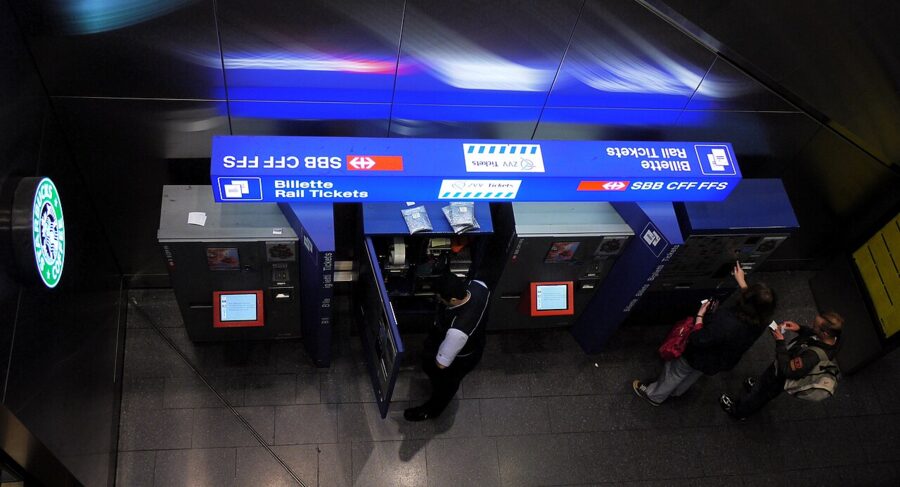
The Flex pass works differently: activate each day at activateyourpass.com before you travel, and each activated day produces its own ticket. Families should add children aged 6 to 15 during a signed-in purchase, which issues the free Swiss Family Card automatically.
A few questions come up every time. The SwissPass is the red card for people who live in Switzerland, not the visitor pass; you only meet the name as the login for SBB’s shop. The GA Travelcard is the annual resident version of unlimited travel and makes no sense for a visit. If Switzerland is one stop on a longer European trip, compare a Eurail pass, and if you are coming from London, the Eurostar to Paris connects with the TGV Lyria to Geneva, Lausanne, Basel and Zurich.
So, CHF 254 or CHF 150? Count your full fares, mark the mountains, and look at how many days you will actually sit on a train. If it is most of them, buy the pass and never queue at a ticket machine; if the trip turns on the Jungfraujoch and a few short hops, buy the card and the half-price ticket to the top.