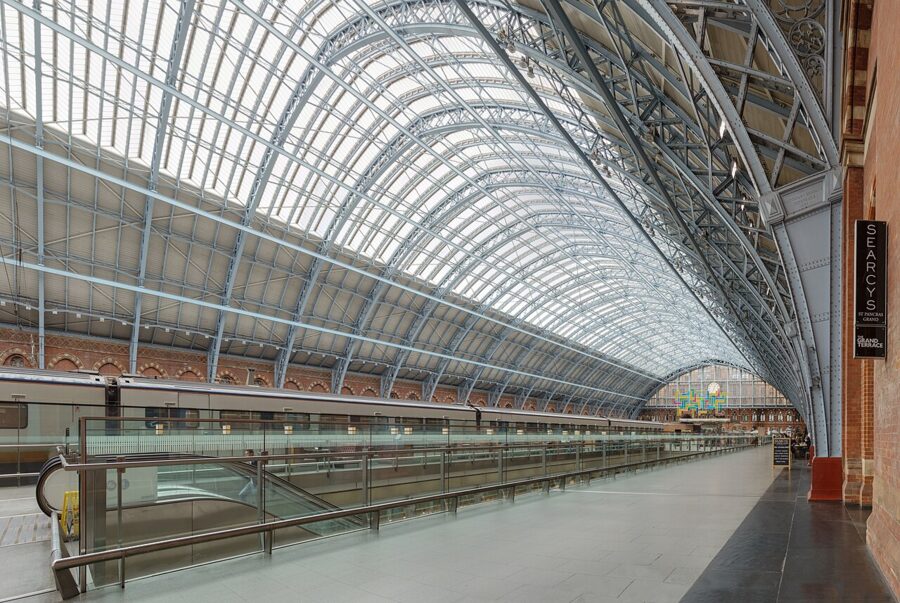
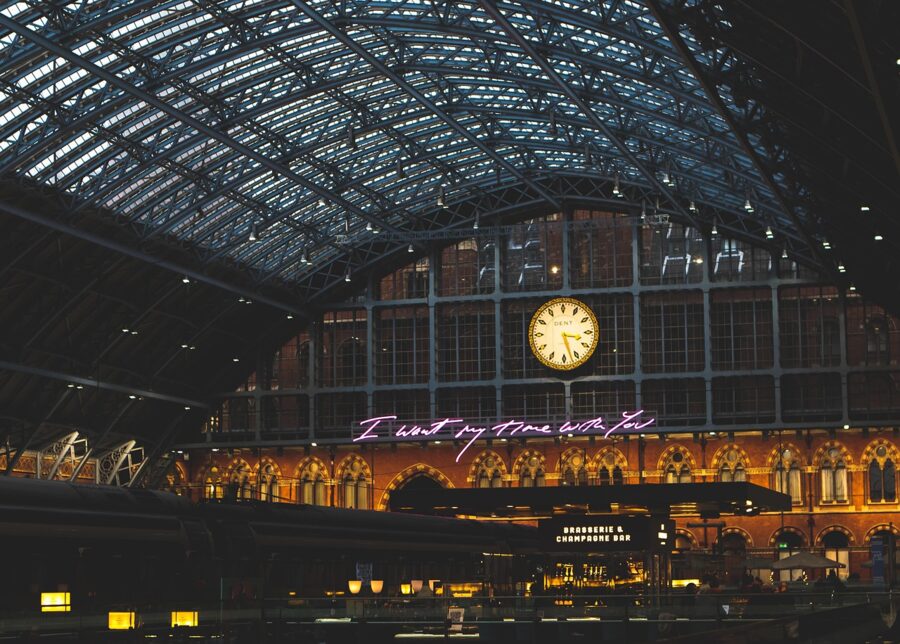
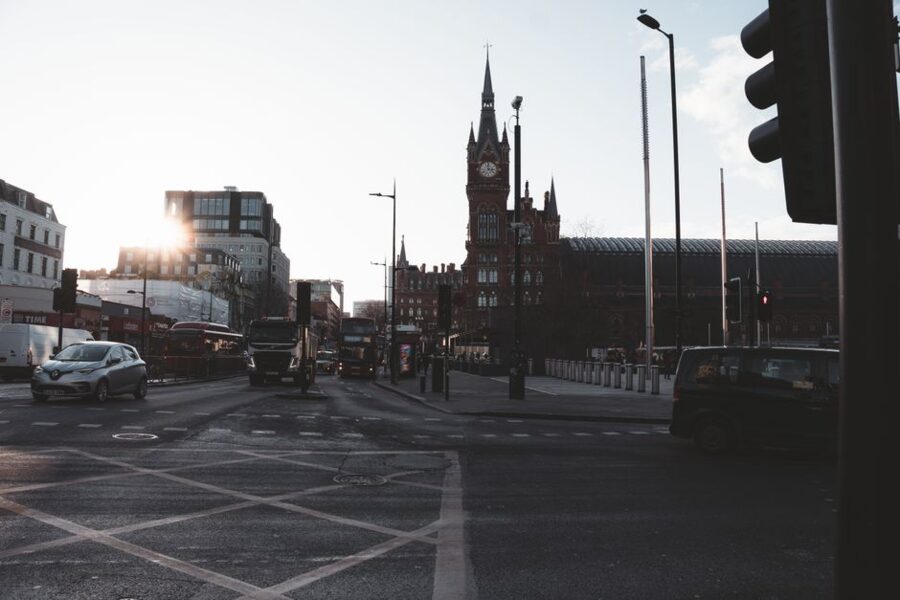
The ticket gates for a Standard-class Eurostar at London St Pancras close 30 minutes before the train leaves, and Eurostar wants you standing in front of them 45 minutes before that. Seventy-five minutes at the station for a train that reaches Paris in two hours and twenty: that trade sits under every Eurostar decision. In 2026 it is a real 75, too. The new European border checks have slowed the hall, and in November the people who run St Pancras admitted the departure process had become “too close to the airport experience.”
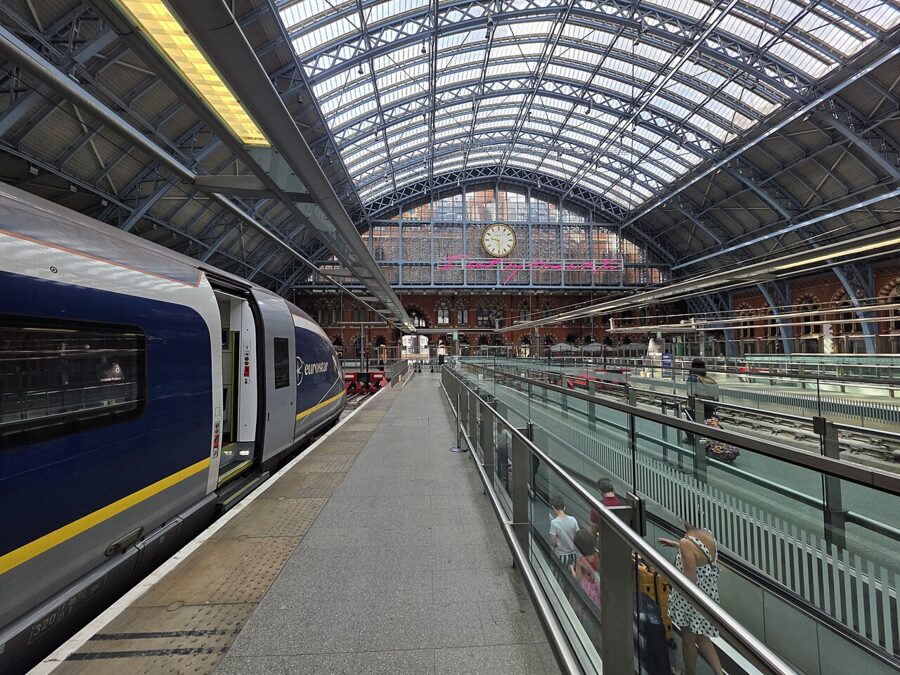
What fills those minutes is short to describe. You scan your ticket at the gate, put your bags through a security scanner that does not care about liquids, show your passport to a British officer and then to a French one, and wait in the departure lounge until boarding is called, about 20 minutes before departure, for one of platforms 5 to 10. All the checks happen before you board. At Gare du Nord you step off the train and walk into Paris like someone arriving from Lille.
I would take that trade over a flight on every Eurostar route except the long one to Amsterdam, and even there it is closer than it looks.
Where Eurostar goes now
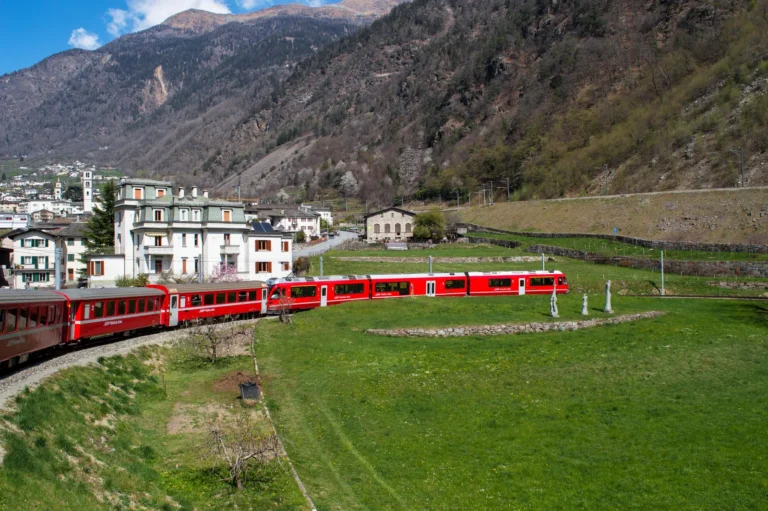
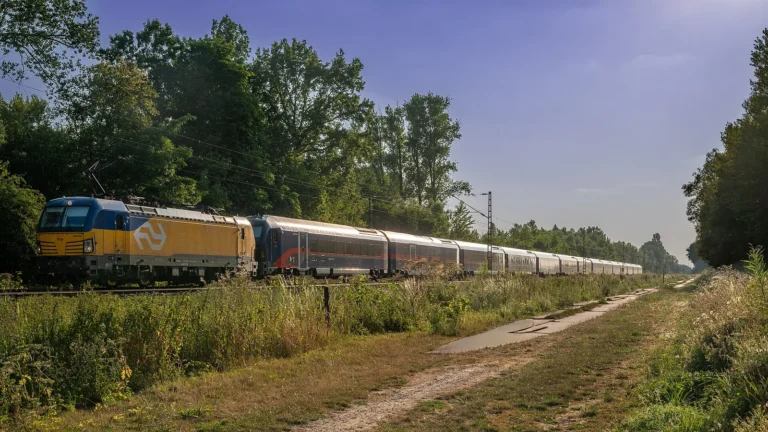
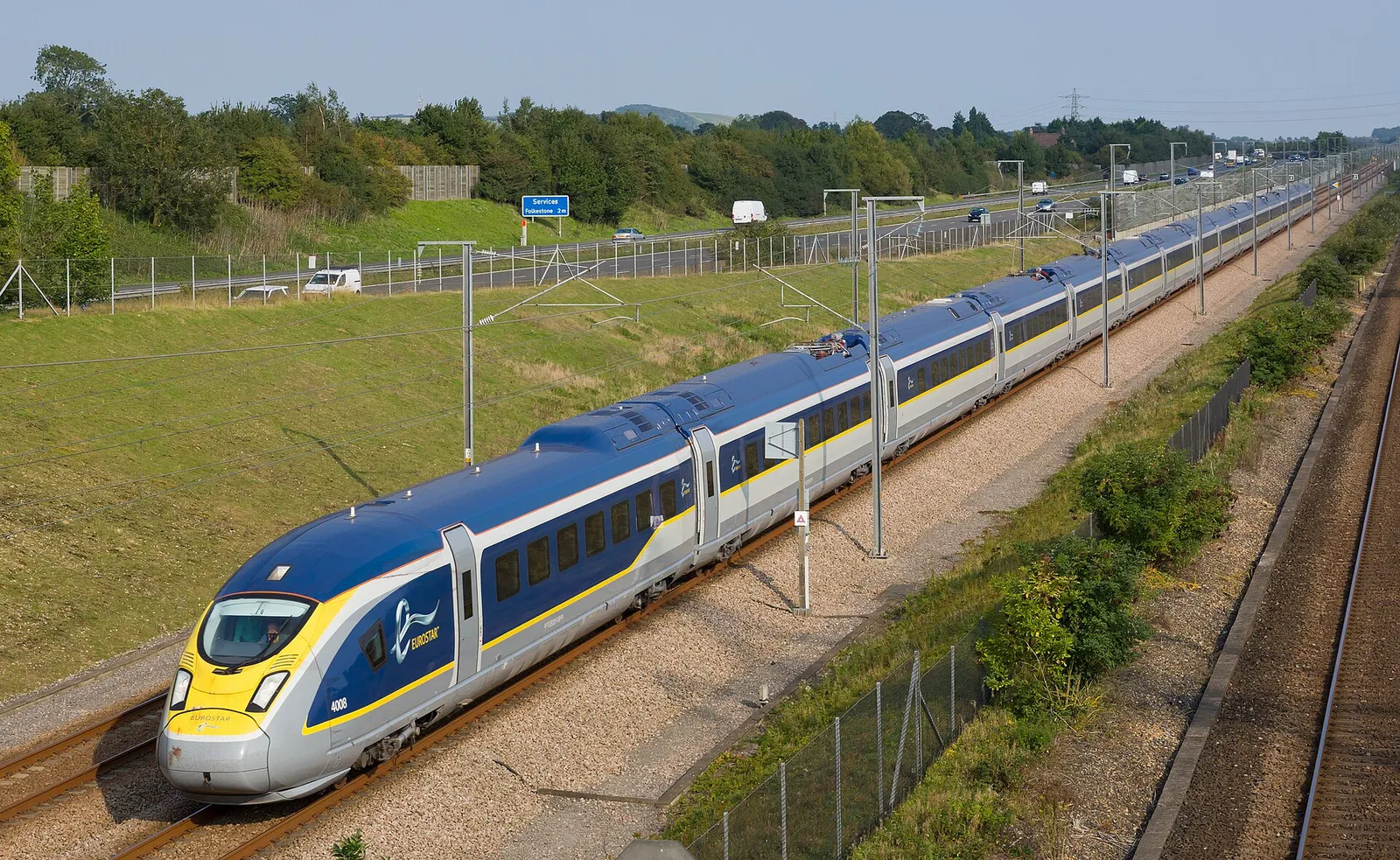
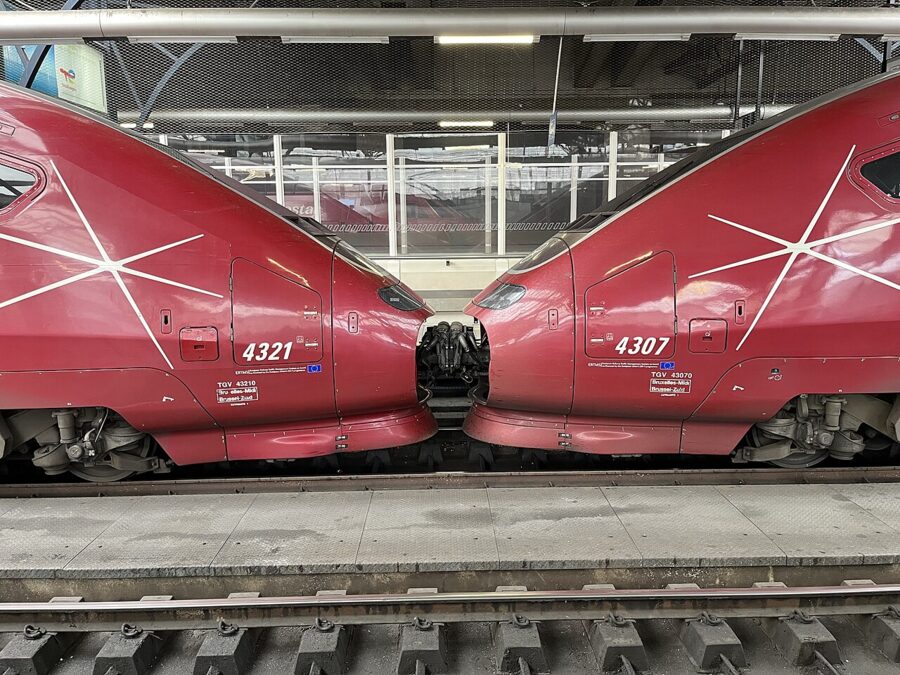
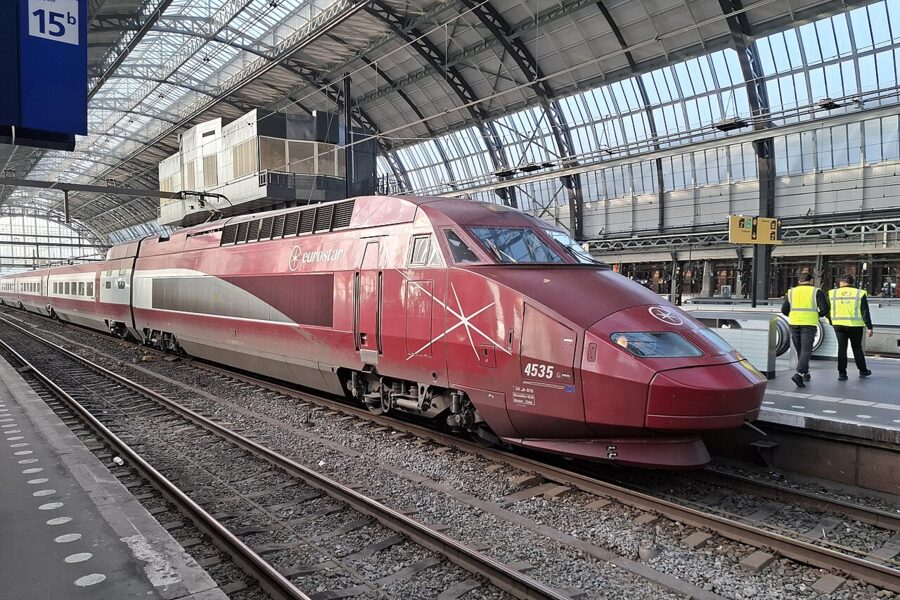
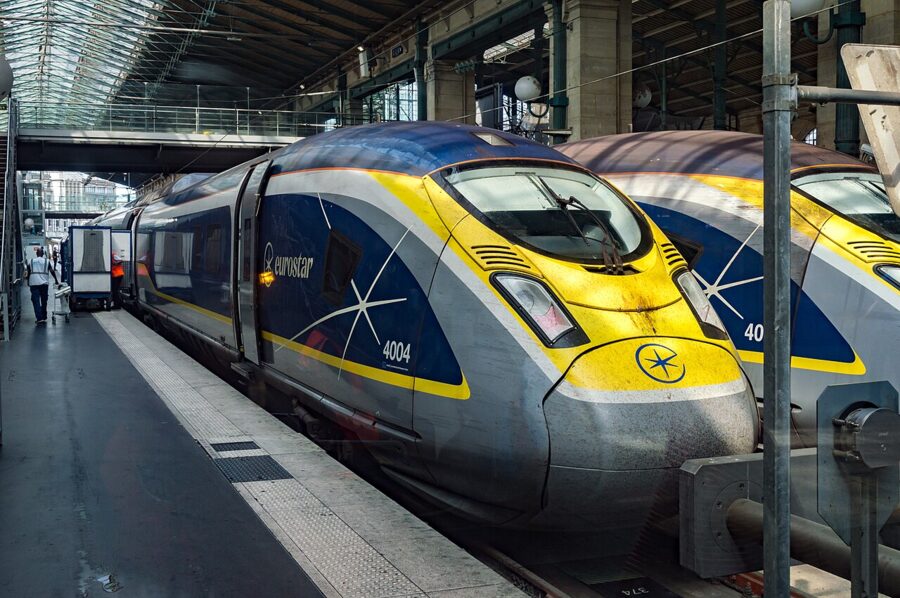
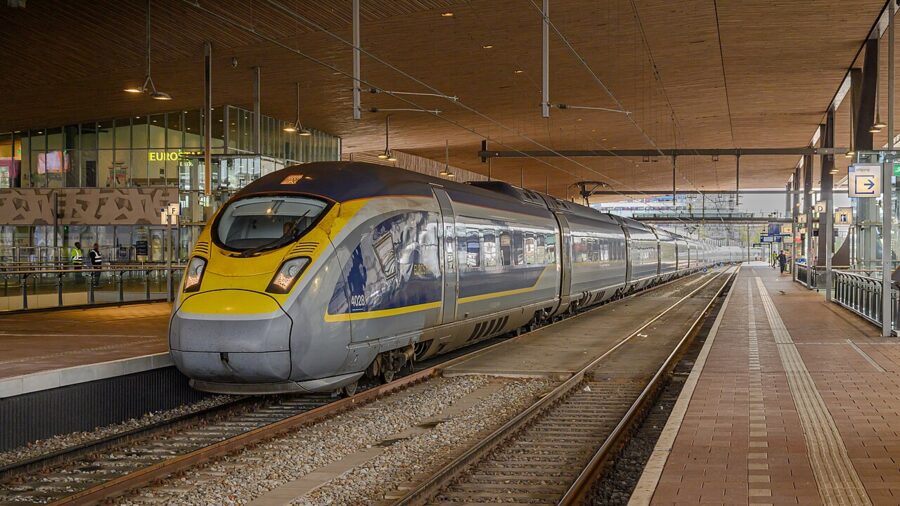
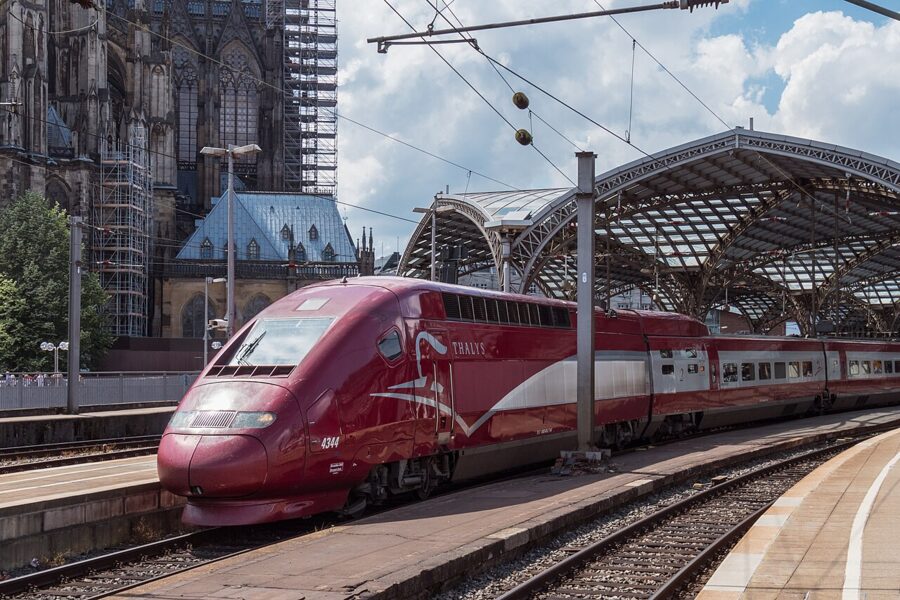
There are really two networks under one name. The first runs through the Channel Tunnel from London St Pancras to Paris Gare du Nord, Lille Europe, Brussels-Midi, Rotterdam Centraal and Amsterdam Centraal, mostly on the blue-and-yellow e320 trains built by Siemens. The second is the old Thalys network: red trains linking Paris, Brussels, Antwerp, Rotterdam, Amsterdam and Cologne, with some continuing deeper into Germany. Eurostar and Thalys merged in 2022, and the Thalys name disappeared on October 1, 2023.
The two halves still behave differently. London trains have airport-style checks, assigned arrival times and border controls before boarding. The red trains run inside the Schengen area, so you walk onto the platform about 20 minutes before departure with no passport check at all. Between them they carried a record 20 million passengers in 2025.
Two gaps are worth knowing. There is currently no direct train from London to Disneyland Paris; Eurostar sells the trip with a change at Lille, usually four months ahead. And the Eurostar Snow trains to the French Alps run only in the ski season, with tickets usually going on sale in July.
Journey times and trains a day
These come from Eurostar’s own timetable for a weekday, Thursday, November 26, 2026. Times are on the train, with the one-hour clock change on the London routes taken out. Frequencies drop at weekends and shift with the European timetable change each December, so check your date on the Eurostar timetable search.
| From | To | Fastest time | Trains a day (weekday, as of 2026) |
|---|---|---|---|
| London St Pancras | Lille Europe | 1 h 22 min | 7 |
| London St Pancras | Brussels-Midi | 1 h 57 min | 9 |
| London St Pancras | Paris Gare du Nord | 2 h 20 min | 17 |
| London St Pancras | Rotterdam Centraal | 3 h 16 min | 5 |
| London St Pancras | Amsterdam Centraal | 4 h 04 min | 5 |
| Paris Gare du Nord | Brussels-Midi | 1 h 23 min | about 26 |
| Paris Gare du Nord | Amsterdam Centraal | 3 h 26 min | 12 |
| Paris Gare du Nord | Cologne Hbf | 3 h 21 min | 6 |
| Brussels-Midi | Cologne Hbf | 1 h 49 min | 6 |
| Brussels-Midi | Amsterdam Centraal | 1 h 57 min | 13 |
Eurostar advertises London to Paris in 2 hours 16 minutes; on the day above the quickest train in the timetable took 2 hours 20. The London trains that pass through Brussels and Rotterdam cannot be booked just for the hop between Brussels and Amsterdam. That leg belongs to the red trains, and every Paris to Amsterdam departure calls at Brussels on the way.
Standard, Plus or Premier
The class names changed with the merger. What used to be Standard Premier on the London trains is now Eurostar Plus, and Business Premier is now Eurostar Premier; on the red trains, Comfort became Plus and Premium became Premier. The rules are mostly shared across both networks, and the details are on Eurostar’s travel classes page.
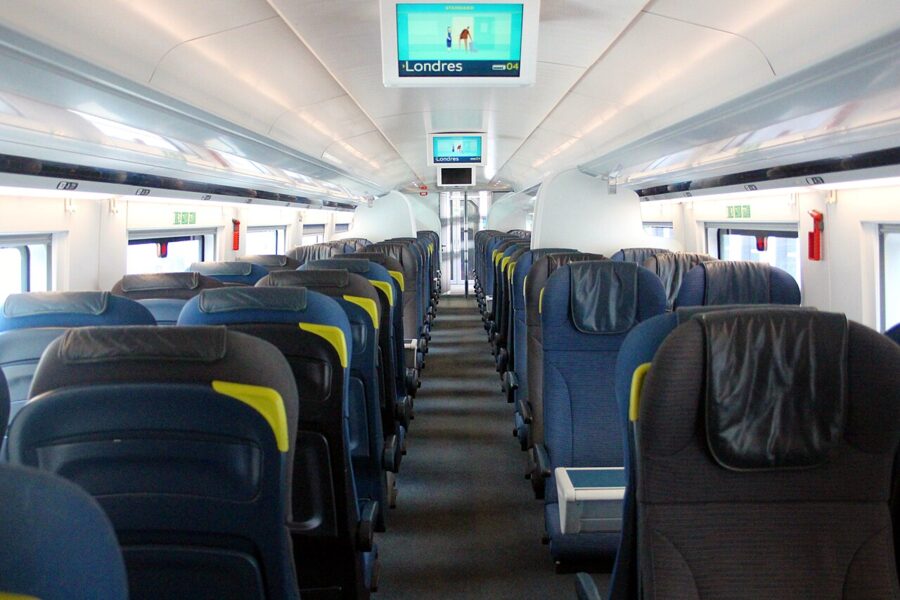
Eurostar Standard
Two pieces of luggage plus a small daypack, free wi-fi, a plug socket, and food from the Eurostar Café bar if you want it. You can change the date or time as often as you like until an hour before the original departure, paying any fare difference. A refund costs £25 or €25 per leg if you ask seven days or more before travel (the US-dollar version of the site lists $40), and after that the ticket is non-refundable.
Eurostar Plus
A more spacious seat, with the same change and refund rules as Standard. On trains to and from London it adds a meal and drinks at your seat: breakfast on departures until 10:14 a.m., then a choice of two dishes with wine, beer or a soft drink, plus tea or coffee. On the red trains between Paris, Brussels, Amsterdam and Cologne, Plus is the seat only and the café is your kitchen.
Plus is the class I would book on a London morning train when the gap over Standard is small, because breakfast at your seat and a wider chair make the early start easier. On the continental trains I would rarely pay for it.
Eurostar Premier
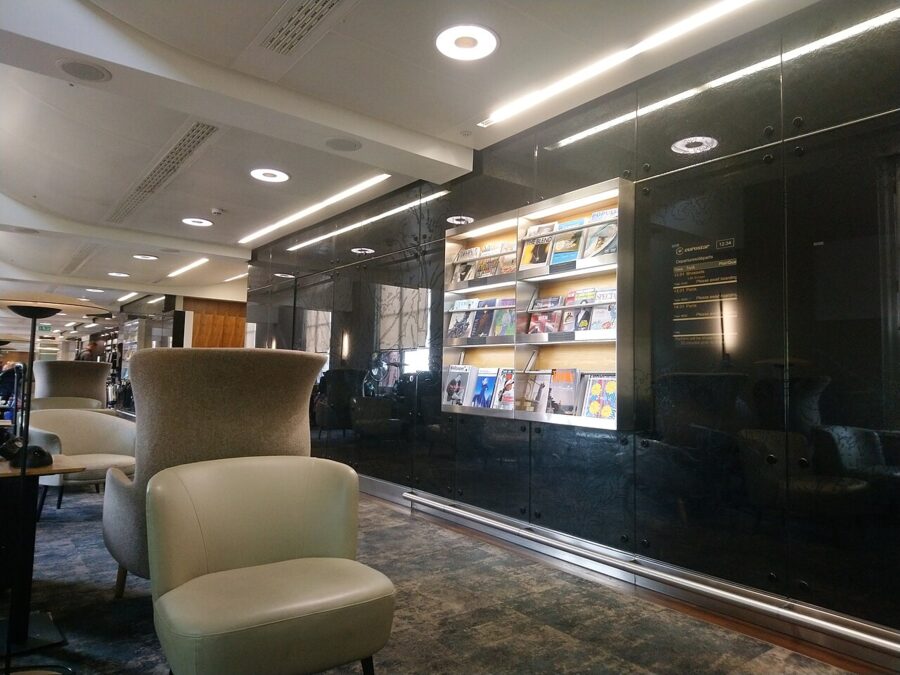
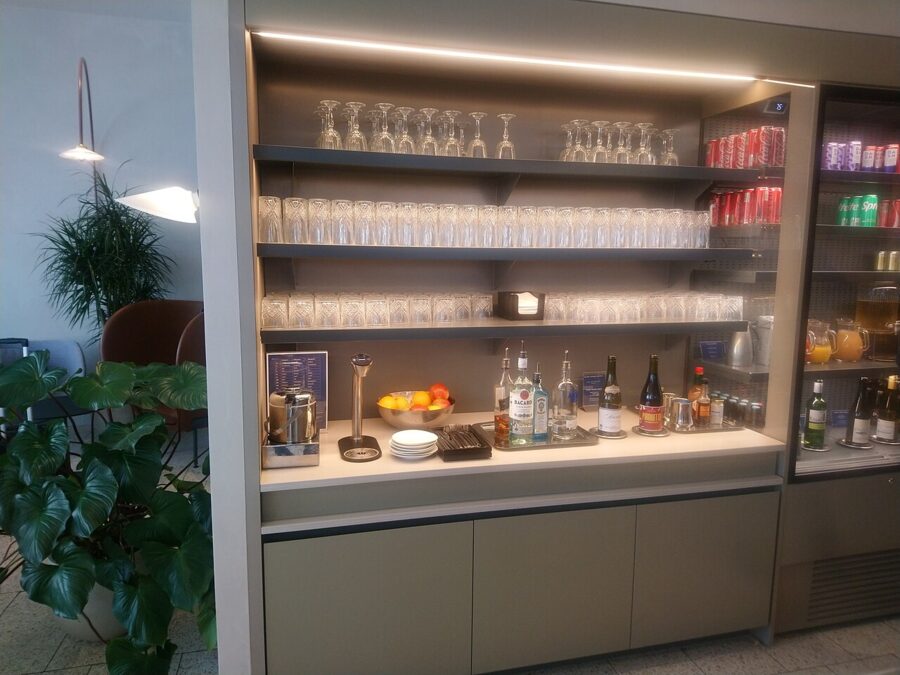
Premier is about flexibility and the station, not the seat. You can exchange or refund for free until 48 hours after your train has left, and the boarding guarantee lets you take any other train that day with space at no extra charge. You get three bags, a chef-designed menu on selected routes, lounge access, and on London routes the priority gates, which close only 15 minutes before departure. London-route lounges are in London, Paris and Brussels; on the continental routes they are in Paris, Brussels, Amsterdam and Rotterdam.
From £245 (about US$320) one way to Paris, against £39 in Standard, it is a business ticket. The one leisure case in 2026 is the queue: if you are traveling on a peak Friday and the gate time is what worries you, the priority lane is the thing you are paying for.
Seats are assigned on every ticket. You can choose one when you book in Standard, Plus or Premier, but not on Snap fares, and pass holders get whatever the reservation gives them. If the gate prints a new ticket when you scan, your seat has changed: keep it, because that slip now holds your seat number.
Fares, and when the cheap seats go
Eurostar prices like an airline. Every route opens for sale at the same moment, now 10 to 11 months ahead, and the cheapest seats on each train go first. These are the lowest one-way prices Eurostar lists on its fares and fees page (as of 2026), the London ones based on buying a return; dollar figures are rounded at late-November 2026 rates.
| Route | Standard | Plus | Premier |
|---|---|---|---|
| London to Paris | from £39 (about US$51) | from £70 (US$91) | from £245 (US$320) |
| London to Brussels or Lille | from £39 (US$51) | from £70 (US$91) | from £209 (US$273) |
| London to Amsterdam or Rotterdam | from £39 (US$51) | from £70 (US$91) | from £229 (US$299) |
| Paris to Brussels | from £25.50 (US$33) | from £52.50 (US$69) | from £113 (US$148) |
| Paris to Amsterdam | from £30.50 (US$40) | from £65.50 (US$86) | from £139 (US$182) |
| Brussels to Cologne | from £16.50 (US$22) | from £41 (US$54) | from £78 (US$102) |
Those “from” fares are a limited number of seats on each train, and they go first on the busiest days. So the cheapest time to buy is as soon as your dates are fixed, or in one of Eurostar’s sales. Children aged 4 to 11 pay roughly 30% less at peak times and up to 50% less off-peak on the London routes, about half on the continental ones, and children under 4 ride free on a lap.
Two fees are worth avoiding. Booking by phone or at a station costs £12 (about US$16) per transaction in Standard and Plus, and arriving after the gates close in those classes means paying £44 (about US$57) to be moved to the next train with space, if there is one.
Eurostar Snap
Eurostar Snap still exists, and it is the one real last-minute deal. You pick a date and a morning or afternoon slot, and Eurostar picks the train and emails the time at least 48 hours before you travel. Fares run up to 50% off the Standard price a week out, bookable between 10 days and one day before travel. Snap covers London to Paris, Brussels, Lille, Amsterdam and Rotterdam, and links Paris with Brussels, Amsterdam, Rotterdam and Cologne.
The catches are firm: Standard class only, no exchange or refund, no seat choice, no bikes, adults 16 and over only, and up to three companions who may not sit with you. For two adults with a free weekend it is excellent. For a family, or anyone with a dinner reservation in Paris, skip it.
Eurail and Interrail passes
A pass gets you onto Eurostar but not for free. To and from London you must reserve a seat and pay a pass-holder fee, listed on the Eurail reservation fee table at €35 (about US$38) in Standard and €40 (US$44) in Plus as of 2026, €43 in Plus to Amsterdam. Pass seats are a limited quota on each train, so reserve the Eurostar leg before anything else in your plan. A second-class pass puts you in Standard, a first-class pass in Plus, and no pass works in Premier.
On the red trains it works differently. You buy a special pass fare, which includes the reservation, from €27 Paris to Brussels, €22 Brussels to Amsterdam and €27 Brussels to Cologne. Eurostar’s pass page says these sell only at the international counters of NS, SNCB and SNCF stations or by phone, can be changed once, are non-refundable, and are not valid on the Snow trains.
Check-in, border control and the Entry/Exit System
The arrival time printed on your ticket is the one that counts; download the ticket close to travel, because Eurostar updates it. The general guidance on its check-in page, as of November 2026:
| Station (London trains) | Arrive: Standard and Plus | Arrive: Premier | Gates close |
|---|---|---|---|
| London St Pancras | 75 min | 45 min | 30 min (Premier 15) |
| Paris Gare du Nord | 75–90 min | 45–60 min | 30 min (Premier 15) |
| Brussels-Midi | 45–60 min | 30–45 min | 30 min (Premier 15) |
| Amsterdam Centraal | 75–90 min | 30 min | 30 min (Premier 15) |
| Rotterdam Centraal | 45–60 min | 30 min | 30 min (Premier 15) |
| Lille Europe | 60 min | 30 min | 30 min (Premier 15) |
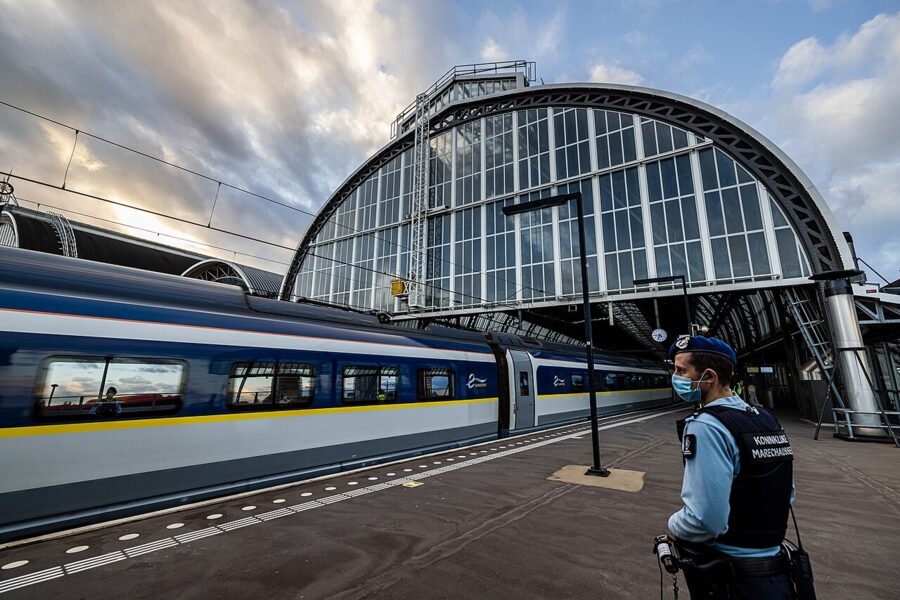
The border works the same way at every terminal: both countries check you before you board. Leaving London, a UK officer checks you out and a French officer checks you into the Schengen area. Leaving Paris, Brussels or Amsterdam, the order is reversed and the second check is UK Border Force, where a biometric passport may get you through the ePassport gates.
The Entry/Exit System
The EU’s Entry/Exit System, or EES, replaces passport stamps for non-EU citizens on short stays (up to 90 days in any 180), which means Americans, Canadians and the British. It began rolling out on October 12, 2025, and the European Commission declared it fully operational at external borders on April 10, 2026. The first time you enter, it records your passport, a face image and fingerprints (children under 12 give no fingerprints). It is free, and there is nothing to apply for in advance.
For Eurostar, the French check at St Pancras is the Schengen border, so that is where EES happens on the way out. The Channel crossings have been the slowest places to switch it on. Eurostar installed self-service kiosks, and its EES help page says Premier passengers and top-tier Club Eurostar members may be invited to pre-register at them, opposite the priority gates. But reporting by The Local, updated in November 2026, says EES checks at St Pancras are still mostly done by hand by border officers, with the full switch to kiosks waiting on approval from the French interior ministry.
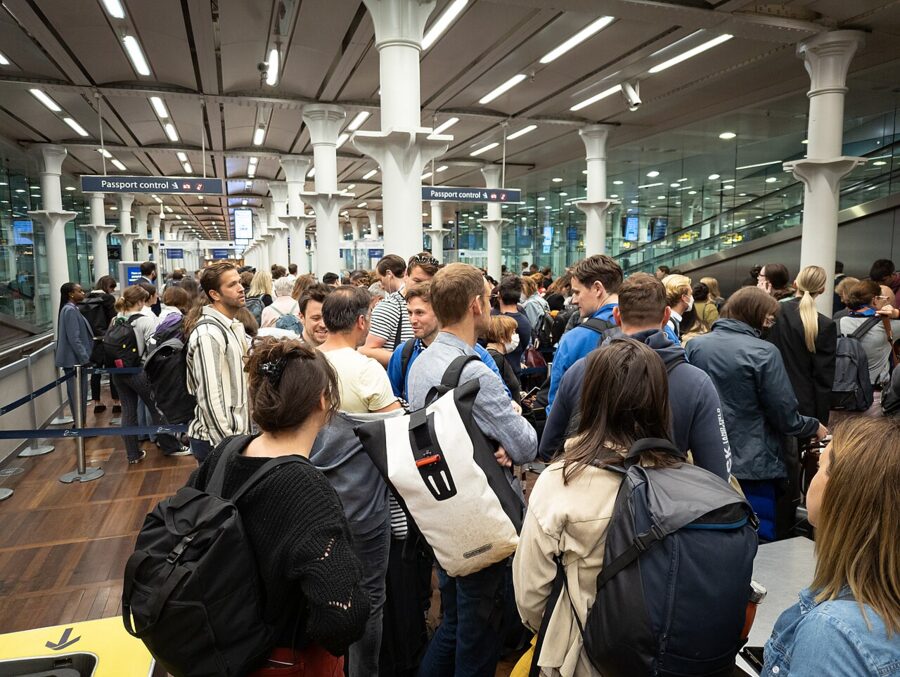
The effect is longer queues and a smaller lounge, which gave up space for border kiosks. The station currently handles about 2,000 international passengers an hour, and a redesign of the departures area aims for around 5,000 by 2029. Until then, arrive at the ticket time, and on a first trip allow a little more.
ETIAS, and the UK’s own permit
ETIAS, the EU’s online travel authorization for visa-free visitors, is not running yet. Its official site says no applications are being taken and that the EU will announce the start date several months before launch; an earlier aim of late 2026 has passed without one. When it comes, Americans will need it to enter France, Belgium or the Netherlands.
Going the other way, the UK already has its own: an Electronic Travel Authorisation costs £20 (about US$26) per person, babies included, and visitors from the US need one before boarding a Eurostar to London. Apply before you leave home, not in the queue at Gare du Nord.
The stations, terminal by terminal
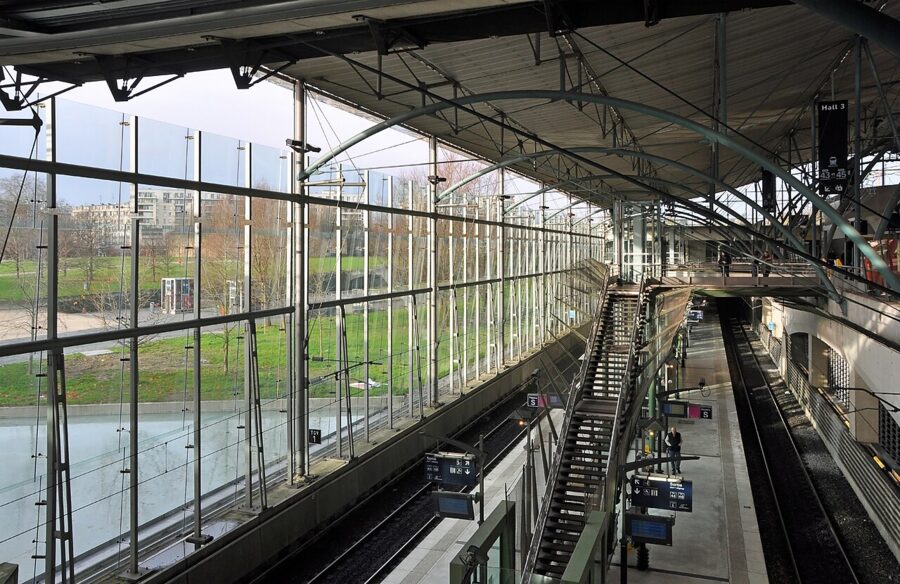
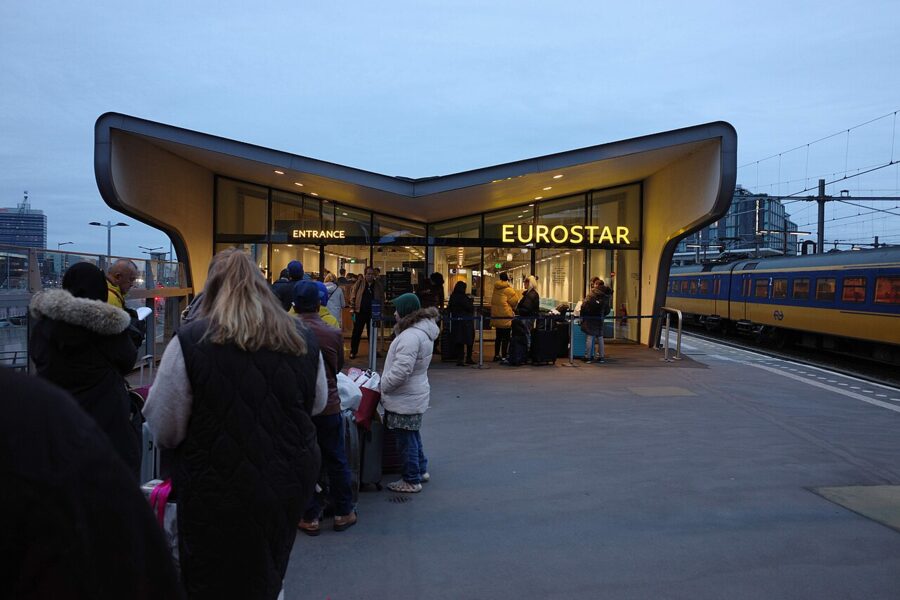
At St Pancras, follow signs for Eurostar Departures; the Premier priority lanes are on the far right as you face the gates. At Gare du Nord, the London trains leave from Hall 2: follow the signs with a UK flag to the first-floor balcony, reached by the escalators opposite platform 17, and boarding is called about 30 minutes before departure from platforms 3 to 6. At Brussels-Midi, the Channel Terminal is under platforms 1 and 2, and its lounge is being rebuilt, so expect fewer seats for now.
Luggage
This is where the train wins outright. The allowance in Standard and Plus is two cases plus one small bag, and three plus one in Premier; children get one plus one. On London routes each case can be up to 85 cm (33.5 inches) long, 75 cm on the continental routes. There is no weight limit as long as you can lift the bag yourself, and no liquids rule beyond some limits on alcohol, so toiletries go in whichever bag you like.
Extra bags on London routes start at £35 (about US$46) each, bikes at £45 in a sealed box or bag (fully assembled road bikes only between London and Brussels or Amsterdam), and they must be booked ahead and travel on specific trains. On the continental trains you just turn up and pay €30 per extra item. Skis and snowboards count as one of your two pieces.
Under the Channel
The tunnel itself is the least eventful part of the trip. It is 31.4 miles (50.45 km) long, 23.5 miles (37.9 km) of it under the sea, and at its deepest about 246 feet (75 m) below sea level. There are three bores: one rail tunnel each way and a service tunnel between them. Eurostar slows to about 100 mph (160 km/h) inside, against 186 mph (300 km/h) on the open high-speed lines, so you are underground for roughly 20 minutes.
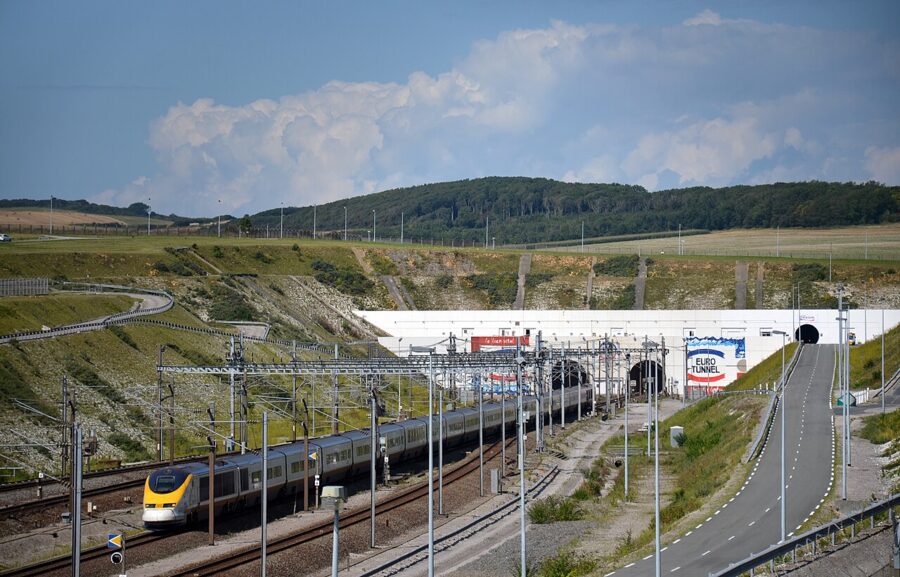
Eurostar does not own it. The tunnel belongs to Getlink, which also runs the LeShuttle car trains between Folkestone and Calais, and Eurostar is its biggest customer. That matters when things go wrong. On December 30, 2025, a power fault in the tunnel and a failed LeShuttle train stopped every Eurostar to and from London in the middle of the holiday rush.
Strikes are the other risk; Eurostar canceled several London to Paris trains for one on November 5, 2026. If your train is canceled, Eurostar emails or texts you, and you can exchange or claim a refund through Manage Booking. On any trip with a fixed onward connection, leave a buffer of hours, not minutes.
Changing trains in Paris and Brussels
Eurostar’s own network stops at Cologne, but most of Europe is one change away. In Paris, Gare du Nord is the terminus, and everything south means crossing town. Eurostar’s Gare du Nord guide gives these times:
- Gare de Lyon, for the south of France and Switzerland: RER D south, about 30 minutes.
- Gare de l’Est, for Strasbourg and Reims: a 10-minute walk, or one stop on Métro line 4.
- Montparnasse, for Bordeaux and the west: Métro line 4, about 45 minutes.
- Charles de Gaulle Airport: RER B north, 30 to 40 minutes.
- Disneyland Paris: RER B to Châtelet-Les Halles, then RER A to Marne-la-Vallée-Chessy, 45 to 60 minutes.
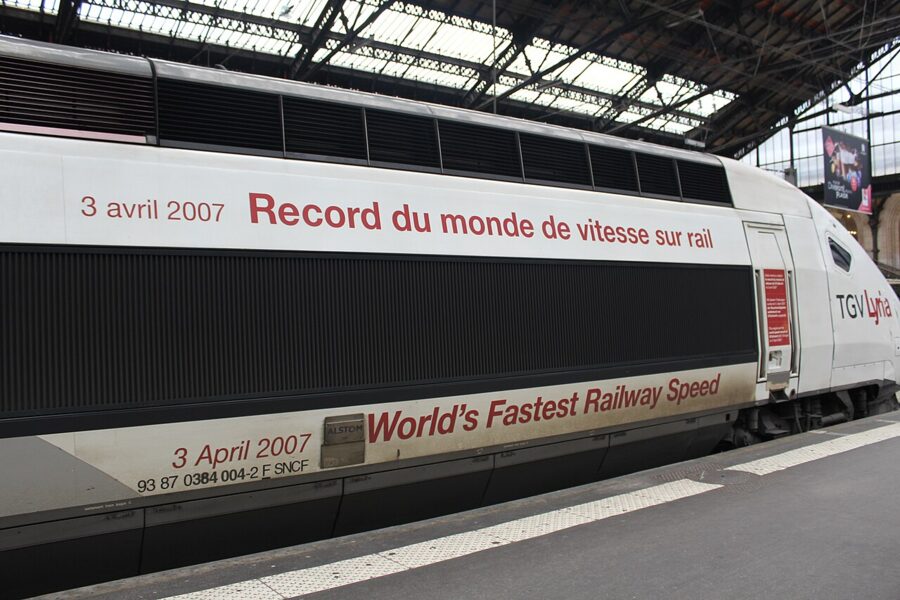
I would allow at least 90 minutes between a London arrival and a TGV from Gare de Lyon, and more on a Friday evening. On two separate tickets, a missed connection is usually your loss, so book through Eurostar where it sells the onward train.
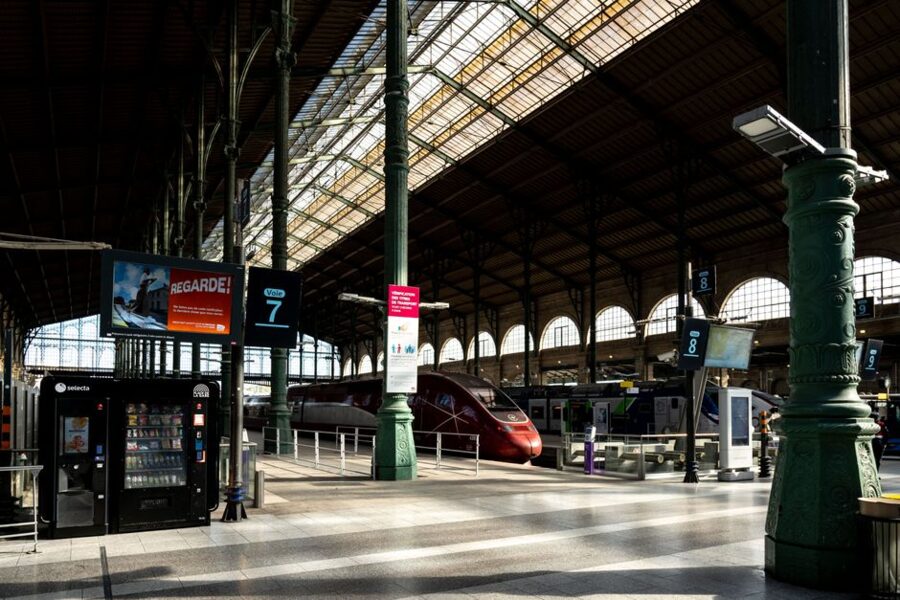
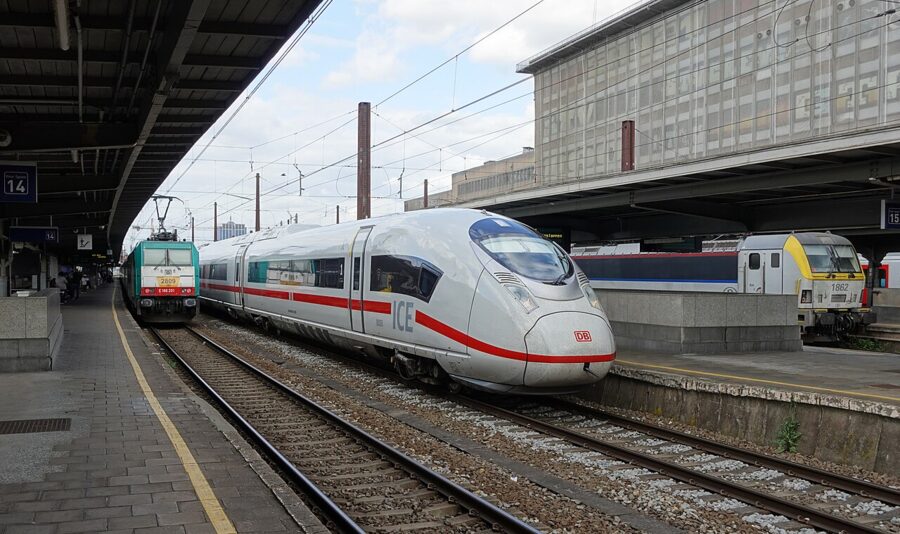
Brussels-Midi is the easier place to change. Arriving from London, you take the exit on the Eurostar platform down into the main station; the red Eurostars and the Deutsche Bahn ICE trains to Germany usually leave from platforms 3 to 6, and there can be ticket and bag checks before trains to Germany and the Netherlands. Trains to Brussels Airport take about 20 minutes. The slower, scenic side of the continent, from the Swiss panoramic trains to the Norwegian mountain lines, starts from the same stations: Europe’s great scenic train rides.
Onward legs open later than Eurostar’s own trains: TGV INOUI and TGV Lyria connections usually 120 days ahead, ICE connections about 90 days, according to Eurostar’s booking-window page.
Rivals, and the double-deckers
Eurostar has had the tunnel to itself since 1994, and the tunnel runs at about half its capacity. That is about to change. In August 2026 the Office of Rail and Road pre-approved Virgin’s track access for up to 20 daily return trains linking London with Paris, Brussels and Amsterdam, starting in October 2030. Virgin won space at the Temple Mills depot in east London in October 2025, but it still needs trains and safety approvals.
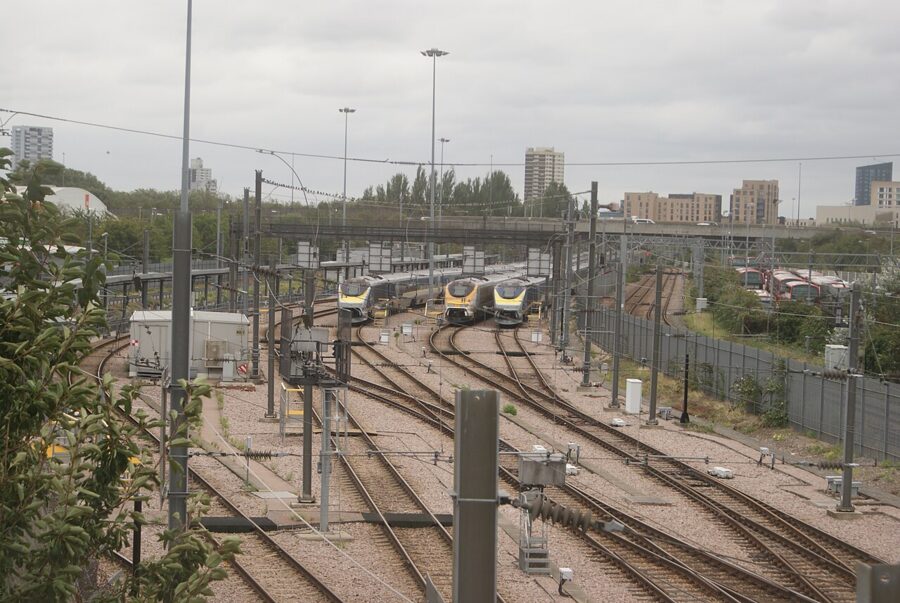
Italy’s Trenitalia is aiming for 10 London to Paris round trips by 2029, with trains maintained at a new depot near Paris, and the Spanish-backed Evolyn also wants the route. None of them sells a ticket yet. For a trip in 2026 or 2027, Eurostar is the only train through the tunnel.
Eurostar’s answer is a new fleet. In October 2025 it ordered 30 double-deck Alstom trains, with options on 20 more, branded Eurostar Celestia. Each 200-meter set will seat about 540, or about 1,080 when two run together, and the first six are due in passenger service in May 2031. They are meant to open new routes: Eurostar names Frankfurt and Geneva, and it signed agreements on direct London to Germany trains with Deutsche Bahn in December 2025 and on London to Switzerland trains in May 2026.
When the train beats flying
To Paris, Brussels and Lille the train wins on almost every count. You leave from central London and arrive in the center of the city, with no airport train at either end. The 75 minutes at St Pancras compares well with an airport once you add the ride out to Heathrow or Gatwick. Your bags have no weight limit, your shampoo stays in your bag, and Eurostar puts its emissions at 5.8 g of CO2 per passenger-kilometer.
Whether it is cheaper depends on when you book. A £39 Standard fare bought months ahead is hard for any flight to beat once you add bags and airport transfers; a £200 fare bought the week before on a Friday evening may not be. Price both, door to door, with the bags you are actually bringing.
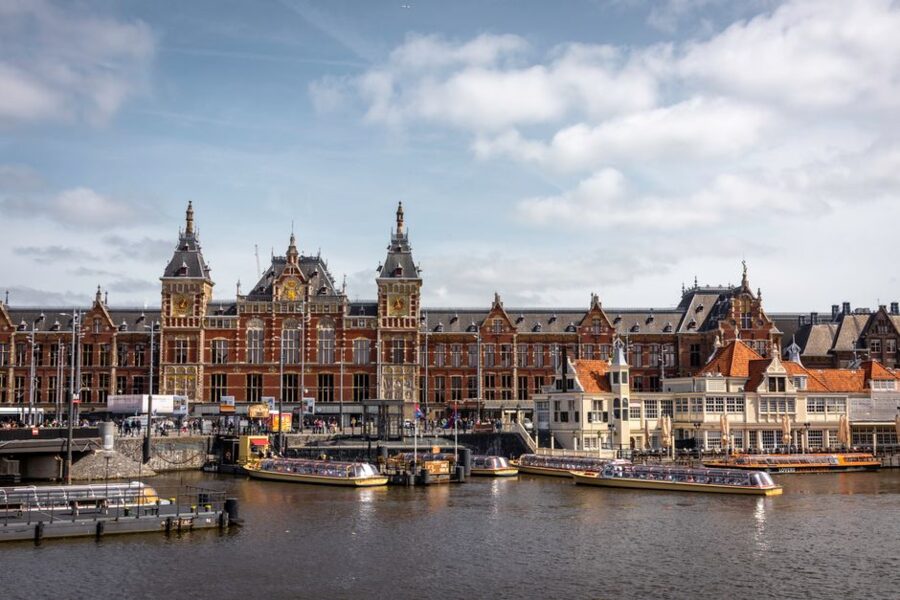
Amsterdam is the close call. Four hours on the train, plus up to 90 minutes at the station on the way home, is long enough that a flight can match it door to door, and there are only five direct trains a day. I would still take the train for the bags, the seat and the arrival at Centraal, but I would not argue with anyone who flies. Frankfurt and anything further are better done as Eurostar to Brussels and a change, or as a flight.
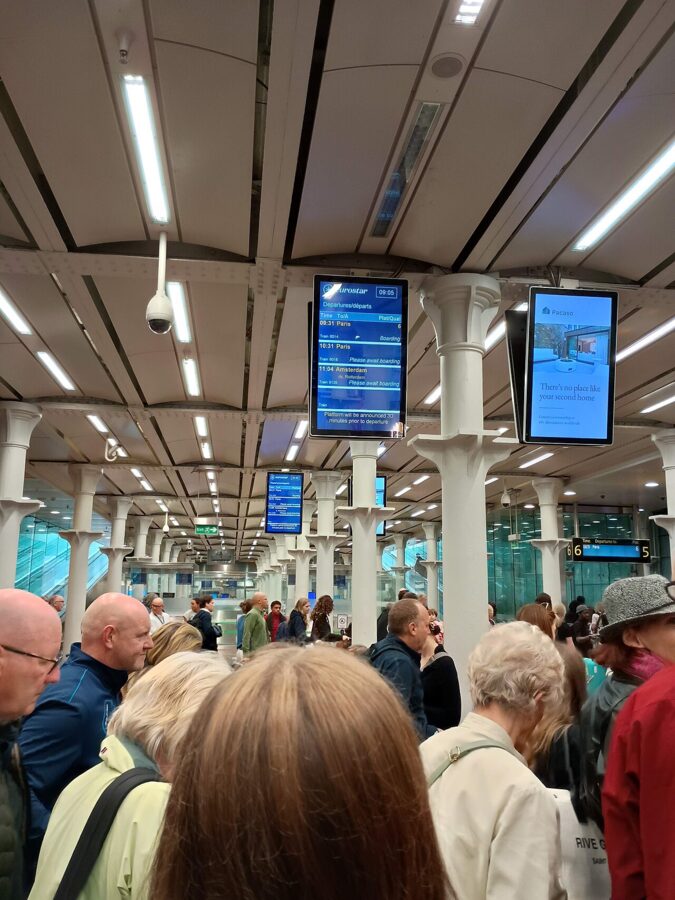
So book as soon as your dates are certain, take Standard unless a London morning Plus is nearly the same price, get your UK ETA before you fly in, and be at the St Pancras gates at the time printed on the ticket, not the time they close. Paris is two hours and twenty minutes on the other side of the queue.