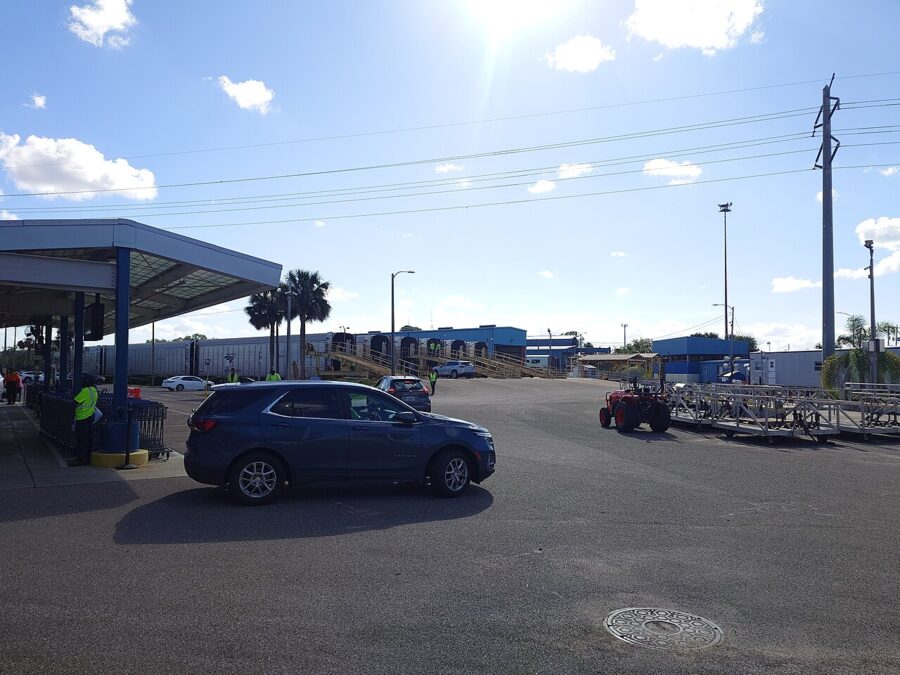
The vehicle gates at Lorton open at 11:30 in the morning, and by noon on a busy day the cars are queued back from the check-in lanes: minivans with the third row folded flat and packed to the roof, a pickup with Florida plates heading home, a couple of motorcycles waiting to be strapped down. At the lane, a number goes on your driver’s door, someone notes the dents, and you hand over the keys. That is the last you see of the car until the next morning in Florida.
The clock that matters is the one on your dashboard before you get there. Motorcycles, oversize vehicles and cars booked for priority offloading must be checked in by 2:00 p.m.; every other car has until 2:30 p.m. Amtrak makes no exceptions, and the Washington Beltway does not care that you have a train to catch. The train leaves at 4:00 p.m. and is due at Sanford, outside Orlando, at 8:59 the next morning.
So the choice is not only train or car. It is whether you can reach Lorton by early afternoon, whether a reclining seat will do or you want a roomette and a dining car, and whether the fare for you, your passengers and your car beats two days and a motel night on Interstate 95.
Stops in this article10
- 01What the Auto Train is
- 02Check-in, cutoffs and what your vehicle can be (as of 2026)
- 03The stations at Lorton and Sanford
- 04Coach, roomette, bedroom or family bedroom
- 05Dining: Traditional Dining for rooms, the cafe for coach
- 06Fares: the car, the people and the room
- 07The night and the morning: unloading and priority offload
- 08How often it runs on time
- 09Train or drive: a worked comparison
- 10Who it suits, and who should skip it
What the Auto Train is
The Auto Train is the only train in the United States that carries you and your vehicle: one train a day each way between Lorton, Virginia, and Sanford, Florida, with no passenger stops in between. Train 53 runs south and Train 52 north. Both leave at 4:00 p.m. and both are timetabled at 16 hours 59 minutes in the Amtrak timetable printed for late November 2026; Amtrak’s other pages round it to 17 or 17.5 hours.
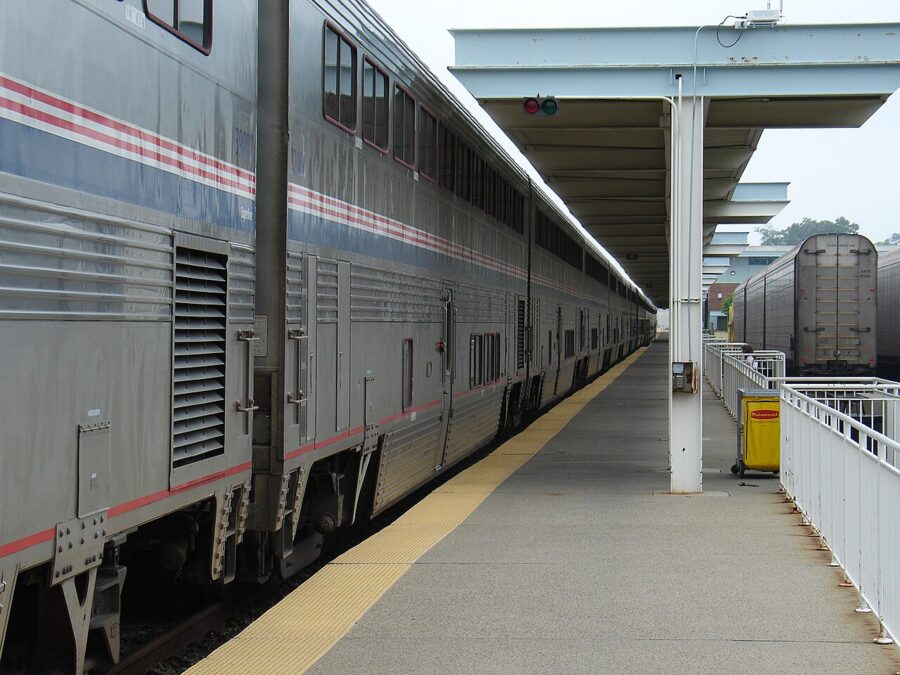
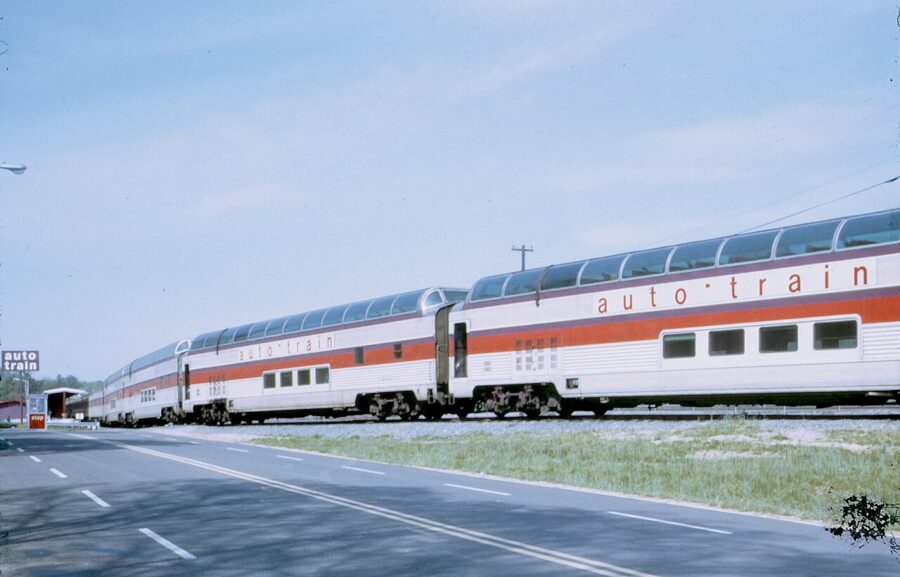
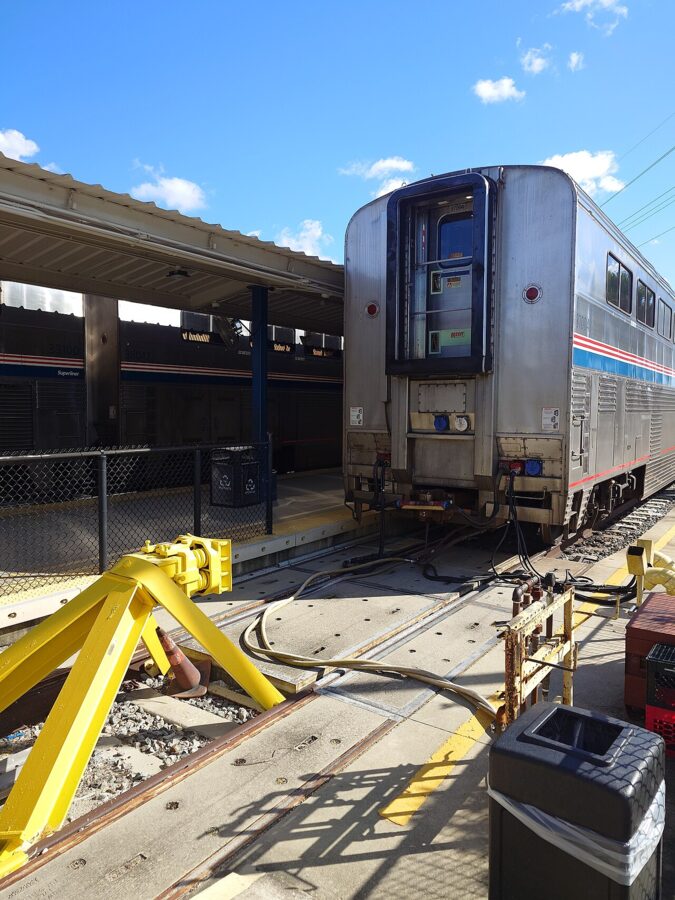
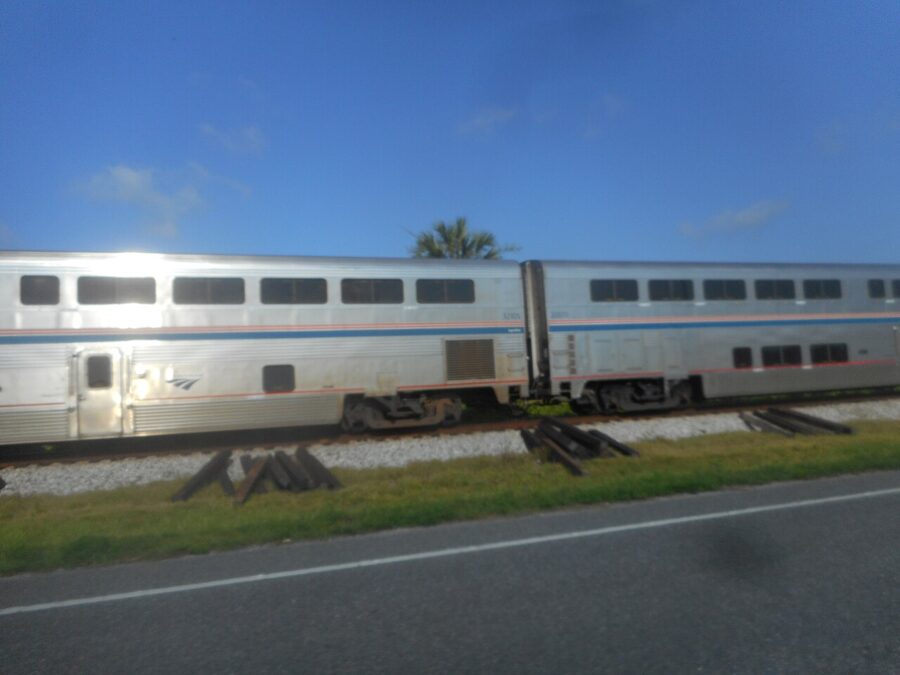
The front of the train is an ordinary Amtrak long-distance train of bi-level Superliner cars: sleepers, a dining car, a lounge, coaches and a cafe. Behind them come the autoracks, enclosed two-deck freight cars for the vehicles, up to about 340 of them. The whole train runs to around three quarters of a mile. Around midnight it pauses at Florence, South Carolina, for fuel and a new crew; nobody gets on or off.
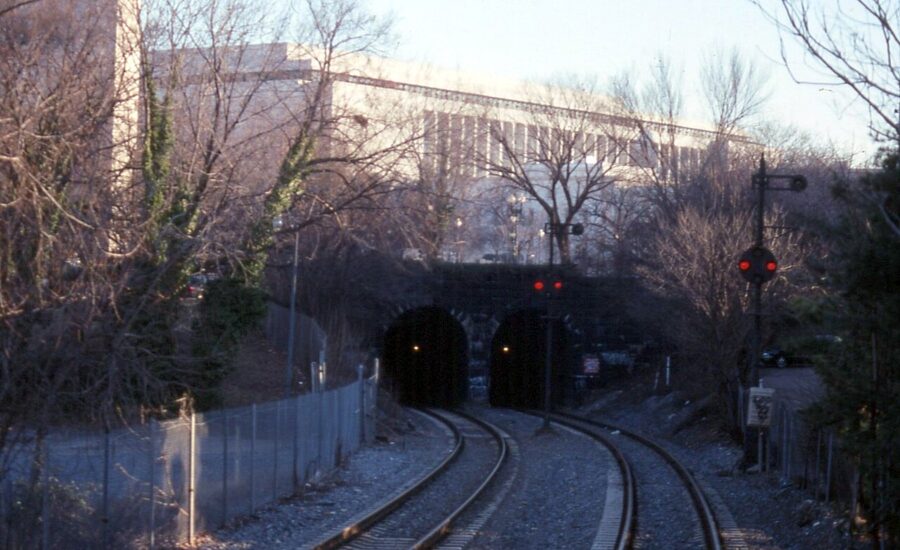
Lorton is the northern end, rather than Washington Union Station, because the autoracks are too tall for the First Street Tunnel into the capital. Sanford, on Lake Monroe, is about half an hour’s drive north of Orlando.
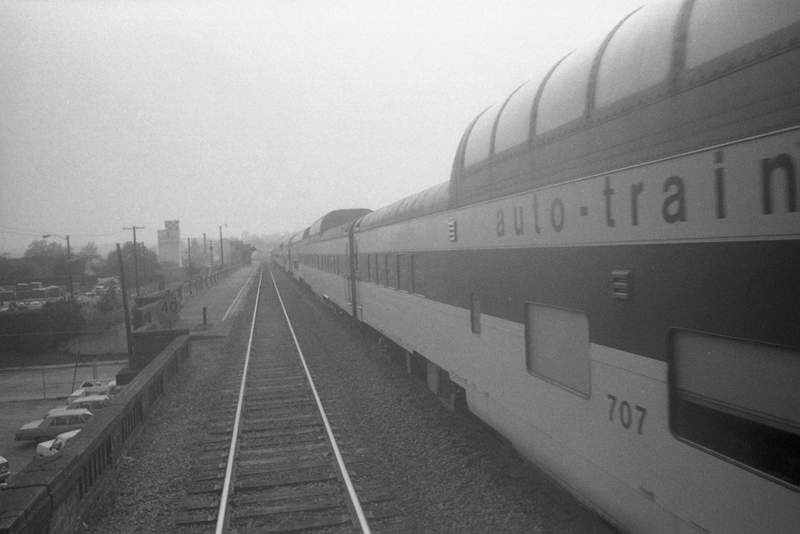
A private company, the Auto-Train Corporation, started the Lorton to Sanford run in December 1971. It did well until a second route from Louisville brought derailments and bad track, and it shut down in April 1981. Amtrak bought the terminals and some equipment and restarted the service in October 1983, three days a week at first and daily a year later.
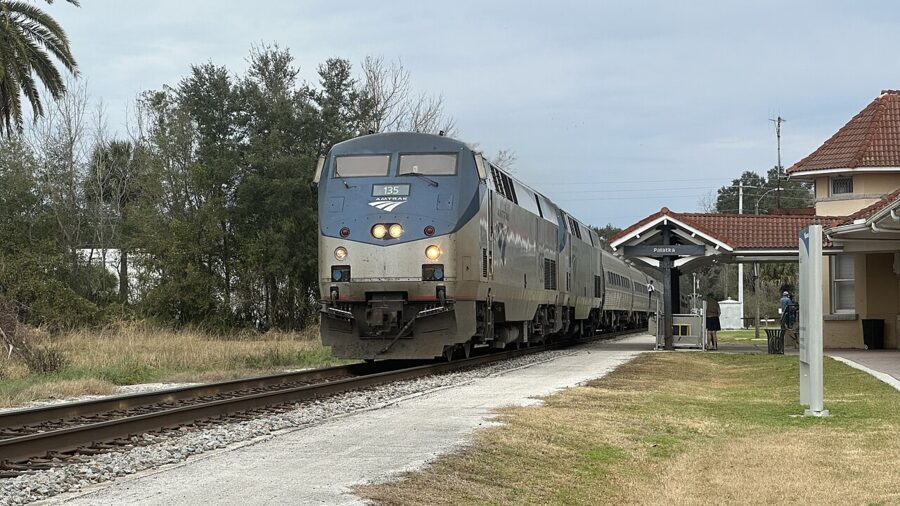
Without a car, this is not your train: Amtrak’s Silver Meteor and Floridian run from Washington to Miami with stops along the way, two of Amtrak’s long-distance trains.
Check-in, cutoffs and what your vehicle can be (as of 2026)
Read Amtrak’s Auto Train boarding and vehicle requirements before you book. You reserve the vehicle space with your seats or room, and the vehicle type sets your check-in cutoff.
The day of departure
Check-in opens at 11:30 a.m. The 2:00 p.m. cutoff covers motorcycles, oversize vehicles, trailers, special vehicles and priority offloading; standard and extended vehicles close at 2:30 p.m. Amtrak asks you to check your reservation on the day for drop-off times, which matters if weather or track work has moved the schedule.
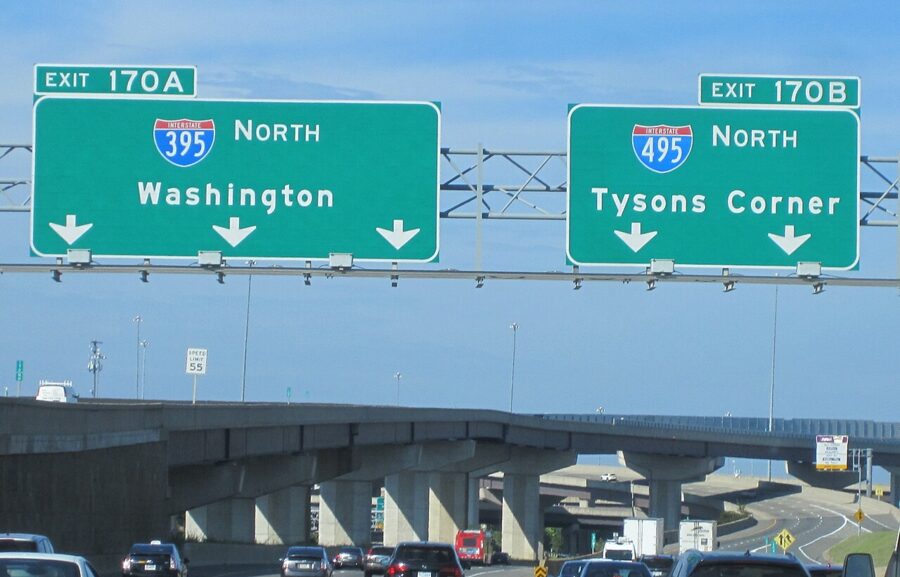
I would aim to be in the lane by 1:00 p.m. Lorton is an easy run down I-95 from Washington on a clear morning and a slow one on a Friday. Before you hand over the keys, switch off the car alarm: one that goes off in a sealed autorack can leave you with a dead battery in Florida.
Size limits by vehicle type
Amtrak takes factory-model cars, extended vehicles (trucks, vans and three-row SUVs) and two-wheel motorcycles. Measure, including any rack.
| Type | Check in by | Max length | Max height | Max width | Ground clearance |
|---|---|---|---|---|---|
| Standard vehicle | 2:30 p.m. | 192 in (16 ft), with racks | 85 in | 84 in, with mirrors | 4 in or more |
| Extended vehicle | 2:30 p.m. | 216 in (18 ft), with racks | 85 in | 84 in, with mirrors | 4 in or more |
| Two-wheel motorcycle | 2:00 p.m. | 102 in | 72 in | 51 in | 5 in or more |
Car tires can be no more than 14.5 inches wide; motorcycle tires no more than 7 inches wide and 2.5 inches deep. Anything over 18 feet is oversize and needs a second vehicle space and a second payment, booked by phone. Amtrak names the Ford F-150, Ford Excursion, Chevrolet Silverado and Chevrolet Suburban as examples.
Width catches people out. If your mirrors take you past 84 inches, at least one has to come off before loading, and staff will not do it for you. Dual-rear-wheel trucks and cars with gull-wing or scissor doors are refused, as are Can-Am motorcycles, Rewaco trikes and the Polaris Slingshot. A few special vehicles (limousines, jet skis, trikes, choppers) may be accepted by phone booking, sometimes for an extra fee.
Roof boxes, bike racks and what stays in the car
A factory-installed roof rack can stay on if it is empty. A temporary luggage rack or rooftop cargo box has to come off and ride inside the car. Bike racks are allowed on the back only, count toward your length and width, and need a signed damage waiver.
The reason most people take this train is that you can pack the car like a suitcase. There is no checked baggage and no access to the car on the way, so your overnight things go in your two carry-on bags per person, under the usual baggage policy limits. Leave valuables out of the car; Amtrak takes no responsibility for its contents.
Two smaller rules surprise people. A booking cannot have more passengers than the vehicle has seat belts, motorcycles excepted. And Amtrak will only consider damage to your car if you report it to an Amtrak representative before you leave the terminal.
Pets and firearms
Amtrak’s small-pet program (up to 20 pounds with the carrier, on trips of up to seven hours) does not cover the Auto Train, according to the Amtrak pets page, so a 40-pound dog stays home. Service animals travel, and can be walked at the Florence stop if you tell the conductor.
Under Amtrak’s firearms rules, guns and ammunition can travel unloaded in a locked hard-sided case inside your vehicle, never in coach or a sleeper. You must be 18 or over, reserve at least six hours ahead, and declare them in person at least two and a half hours before departure.
The stations at Lorton and Sanford
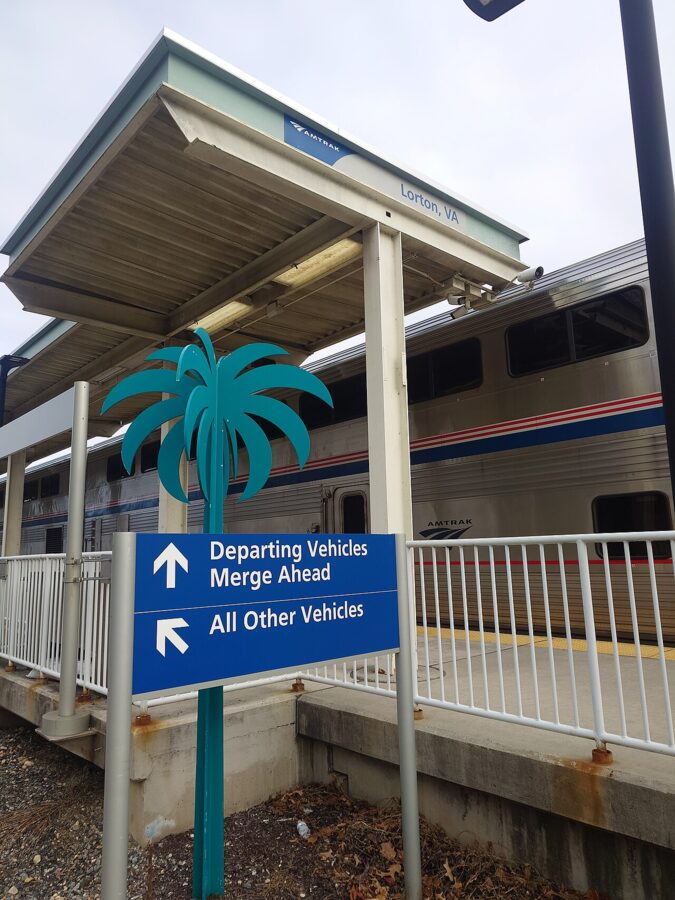
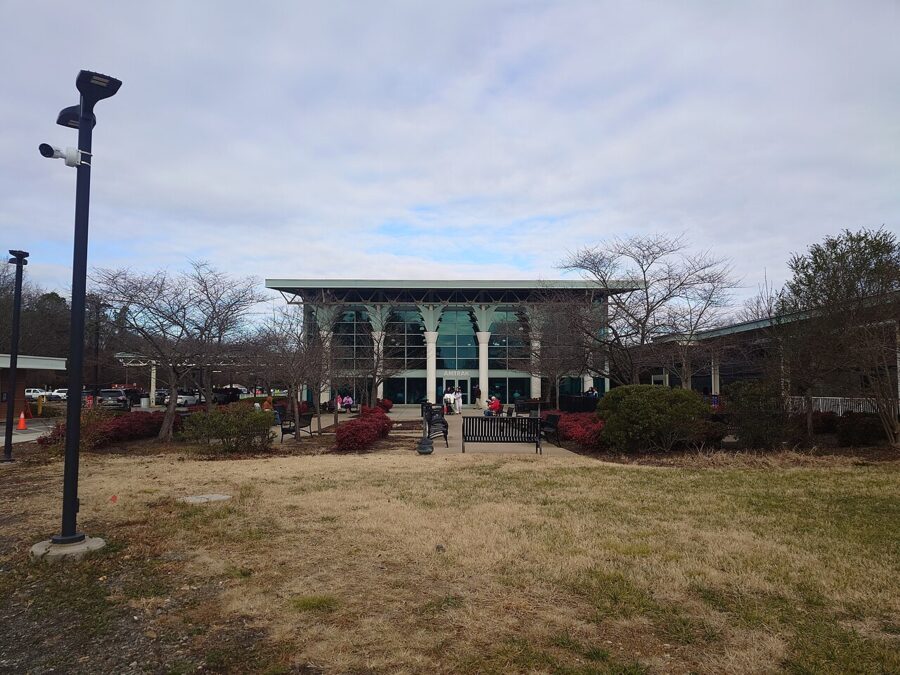
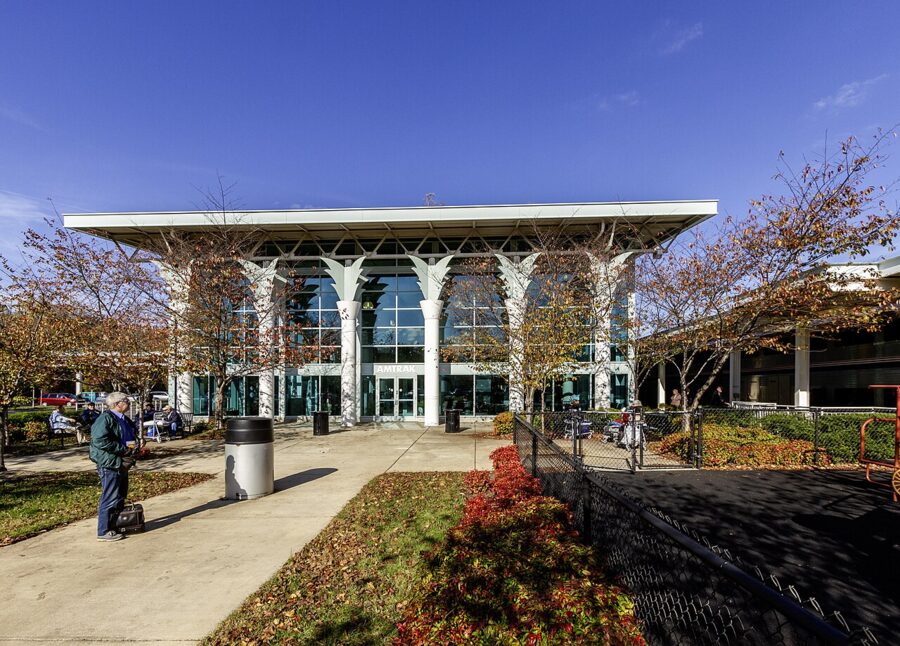
Lorton station, at 8006 Lorton Road just off I-95, opened in 2000 and puts you in a Florida mood early: columns topped with stylized palm fronds and a floor inlaid with suns and seagulls. There is no overnight parking, including for a truck that towed a motorcycle; Amtrak points to local storage businesses.
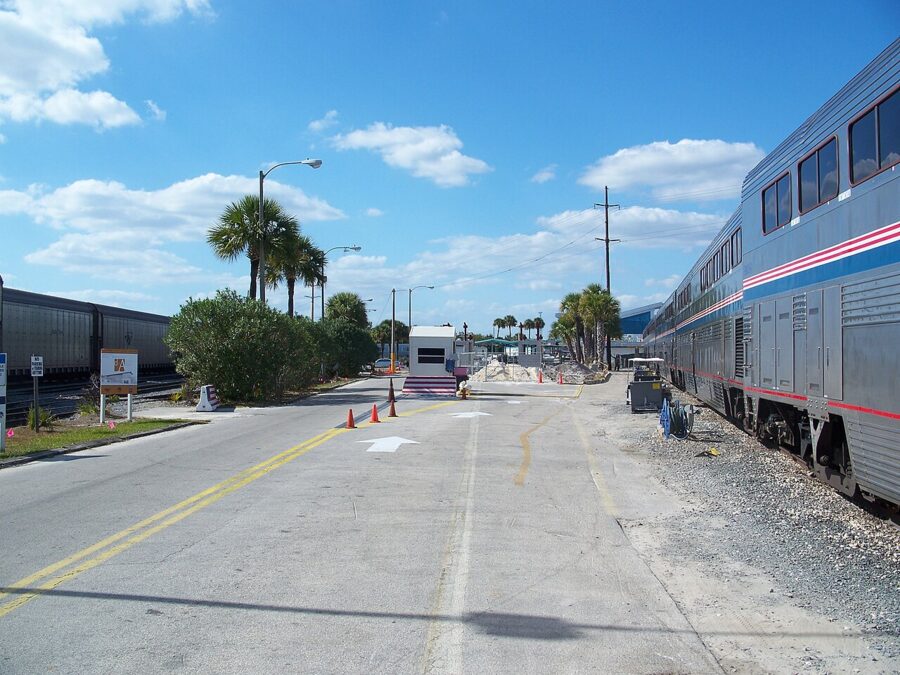
Sanford station, at 600 South Persimmon Avenue, has a large waiting room behind a curving glass wall, with a cafe and a gift shop. Its platforms are short, so the train is split in two there and boards from two tracks.
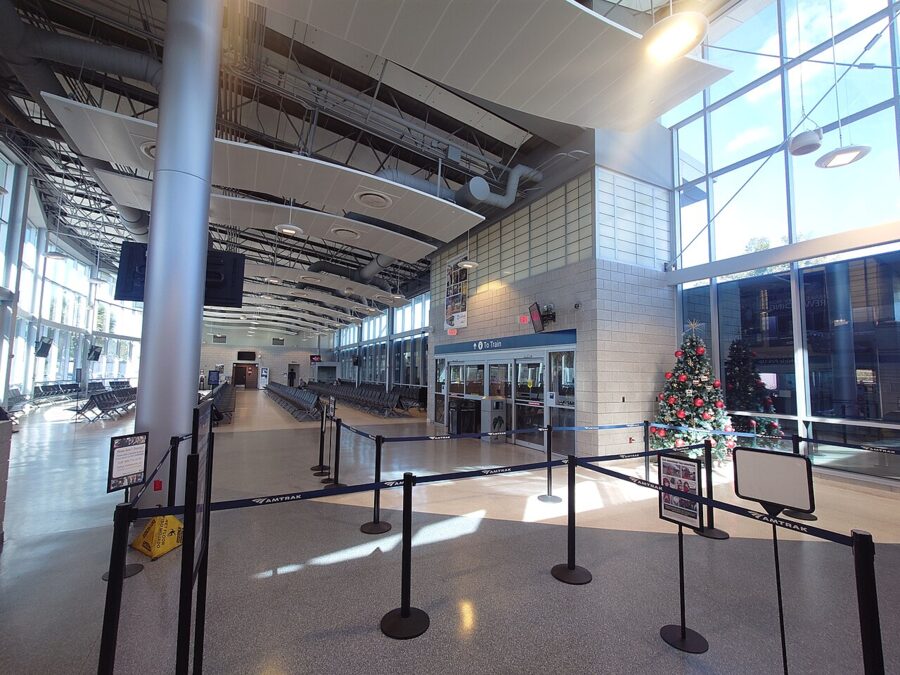
Neither terminal has one of Amtrak’s Metropolitan Lounges, which are in Boston, Chicago, Los Angeles, New York, Philadelphia, Portland and Washington. Sleeping-car passengers get priority boarding instead, then a First Class lounge car on the train. Free basic Wi-Fi covers both stations and the train.
Coach, roomette, bedroom or family bedroom
The Auto Train route page lists upper- and lower-level coach seats, roomettes, bedrooms, the bedroom suite, the family bedroom and the accessible bedroom. You board at 4:00 p.m. and spend the evening, the night and breakfast in the same space, so the choice matters.
Coach
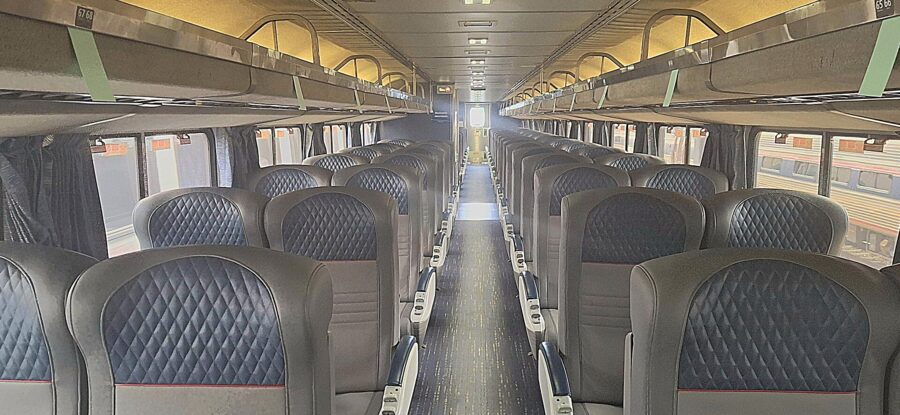
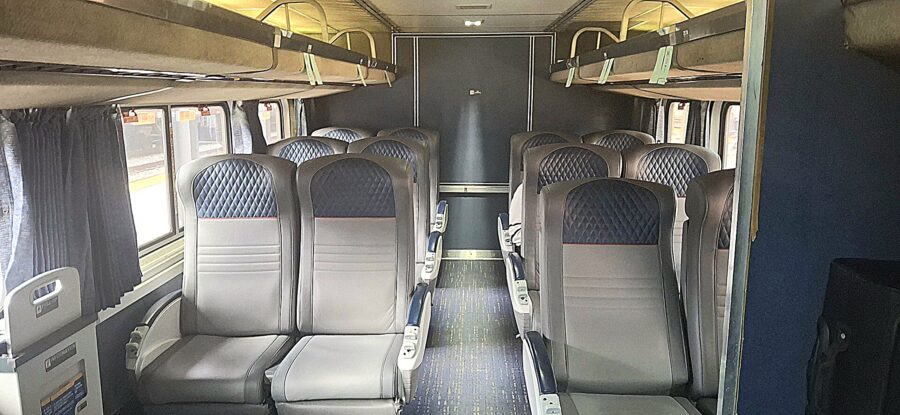
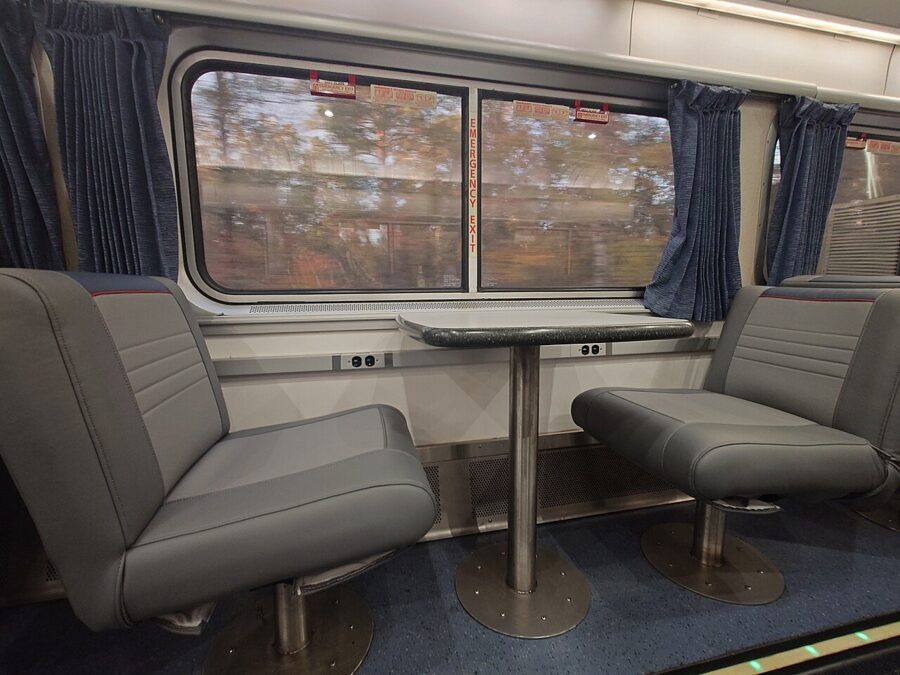
Coach seats are wide and recline a long way, with generous legroom, no middle seat, a tray, a reading light and an outlet, and Amtrak has refreshed the cushions, carpets and curtains. Coach passengers buy food in the cafe and get a free continental breakfast before arrival. I would book coach for adults who sleep anywhere, and skip it for anyone who needs a flat bed before a day that starts with a drive.
Roomette
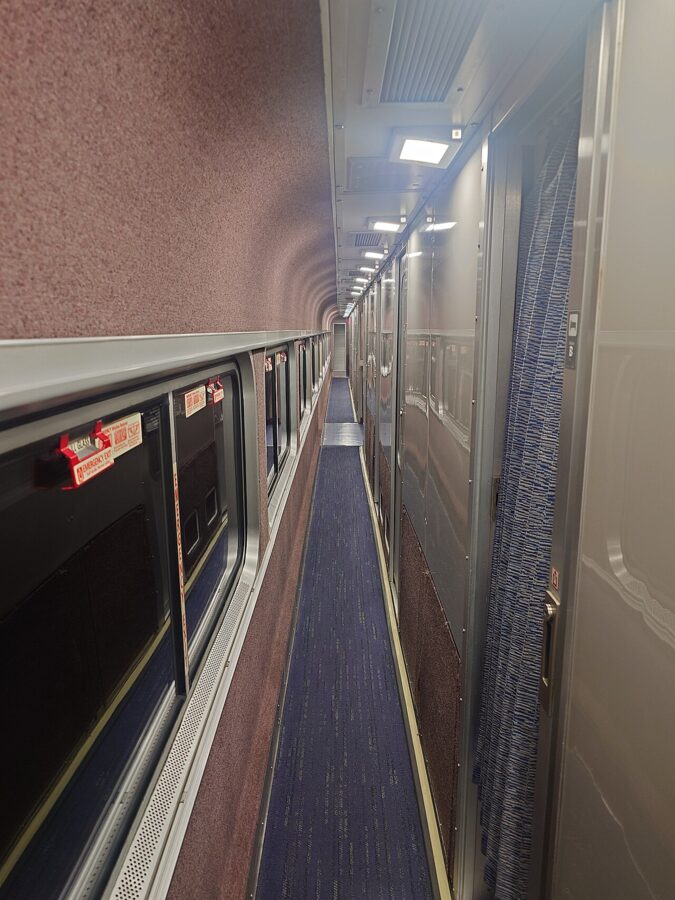
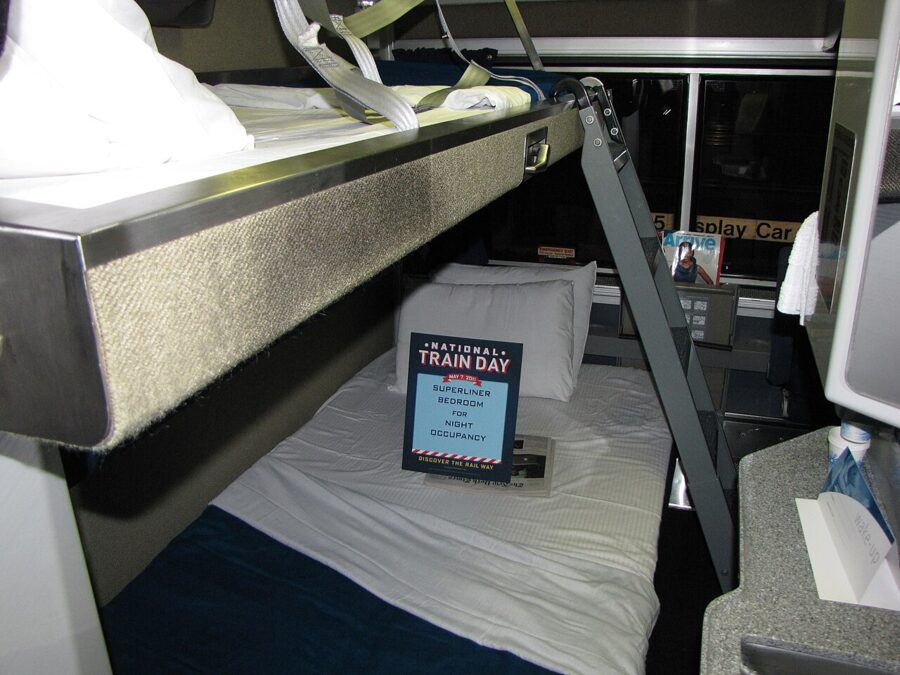
A roomette is two facing seats by day that become an upper and a lower bunk at night, with a big window, fresh bedding, and shared restrooms and a shower down the corridor. It is snug for two adults and roomy for one, and it buys a flat bed, dinner and breakfast in the dining car, and an attendant who makes up the beds. It is the same room as on every Superliner train (Amtrak sleeper cars).
Bedroom, bedroom suite and accessible bedroom
A bedroom has twice the space of a roomette, a sofa and a separate chair by day, two bunks at night, and its own sink, toilet and shower; Amtrak gives the Superliner bedroom at about 6’6″ to 6’8″ by 7’1″ to 7’6″. The bedroom suite joins two bedrooms for four people and is booked by phone. The accessible bedroom is on the entry level, with room for a wheelchair.
Family bedroom
The family bedroom spans the width of the car, roughly 5’2″ by 9’5″, with seats for four by day, four beds at night, two windows and shared restrooms. It is meant for two adults and two children aged 2 to 12, and there is only one per sleeping car. For a family with young children and a car packed for a month in Florida, this is the room I would book first, and early.
Every room, roomette included, comes with priority boarding, dinner and a hot breakfast, the First Class lounge car, and an attendant for turndown and bags. Rooms are assigned automatically, and your ticket shows the car and room number.
Dining: Traditional Dining for rooms, the cafe for coach
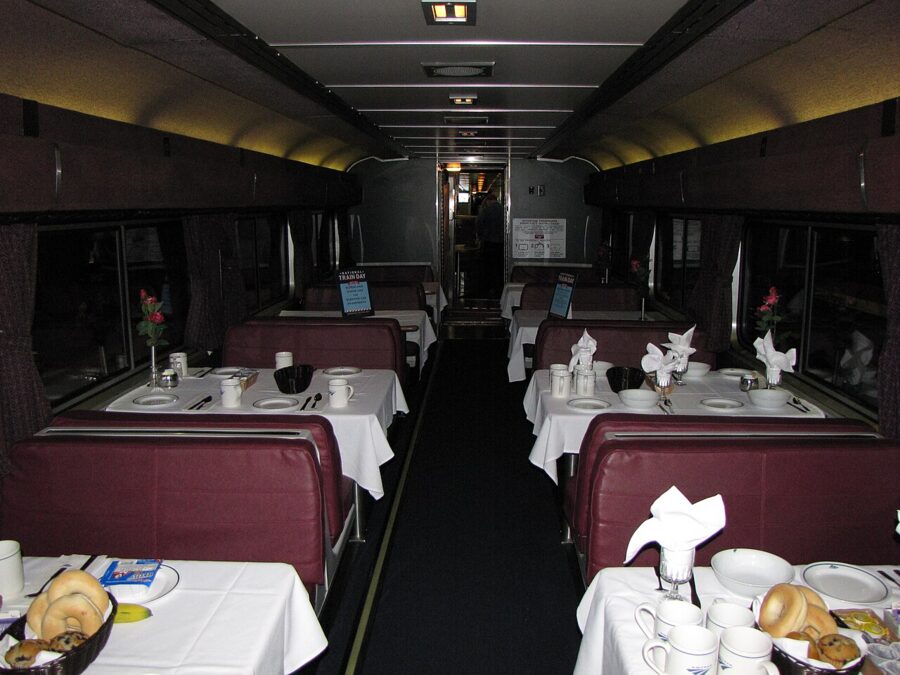
The Auto Train has Amtrak’s Traditional Dining: meals cooked on board by a chef from seasonal menus, white tablecloths and table service, with your first alcoholic drink at dinner included and a children’s menu. It shares the service with the California Zephyr, the Coast Starlight, the Empire Builder, the Floridian, the Silver Meteor, the Southwest Chief, the Sunset Limited and the Texas Eagle west of San Antonio.
On this schedule room passengers get two meals, dinner and a hot breakfast, both in the room price. Coach passengers buy meals, snacks and drinks in the cafe, get the free continental breakfast, and can bring their own food on board.
Fares: the car, the people and the room
An Auto Train booking has three parts: a rail fare for each passenger, a fare for the vehicle, and for a sleeper a charge per room, not per person. All three move with demand, and the cheapest go first.
As of 2026, Amtrak advertises passenger fares from $95 plus your vehicle. Vehicle charges quoted in August 2026 were about $155 for a motorcycle, $285 for a standard car and $325 for an extended vehicle, with priority offloading at $125; busy dates cost more. The senior discount takes 10% off most rail fares from age 65 (there is no 50% senior fare), and under the children’s discount ages 2 to 12 pay half the adult rail fare and one infant per adult rides free on a lap.
When it is cheapest
The Auto Train follows the snowbirds. Southbound trains fill in autumn and before the holidays, northbound trains in spring when the season ends. The cheap seats are on the train running against that flow.
Amtrak’s 2026 flash sales showed where it needed help. A February sale offered coach at $39, a roomette from $239 for one or $339 for two, and a bedroom from $439 or $539, plus the vehicle, for northbound trips from February 4 to March 13 and southbound trips from March 8 to July 31. A March sale repeated those prices southbound from April 6 to July 31. The February sale’s blackout dates, including southbound from March 27 to April 3 before Easter, mark the trains that sell themselves.
Sale fares allowed no changes and carried a 50% cancellation fee on coach and 25% on rooms, so if your dates might move, pay for a flexible fare. Book on Amtrak’s website, the app or by phone; fares open about 11 months ahead, and the bedroom suite, oversize vehicles and special vehicles are phone bookings only.
The night and the morning: unloading and priority offload
The train leaves at 4:00 p.m. In the evening you see Virginia and, in summer, North Carolina in daylight, and the rest in the dark. The Florence stop comes around midnight.
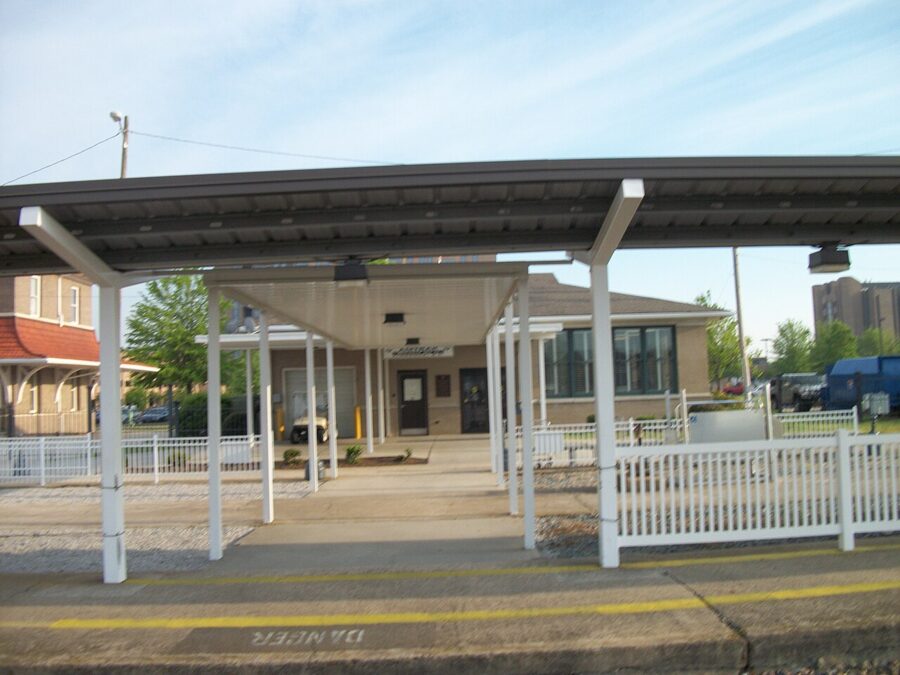
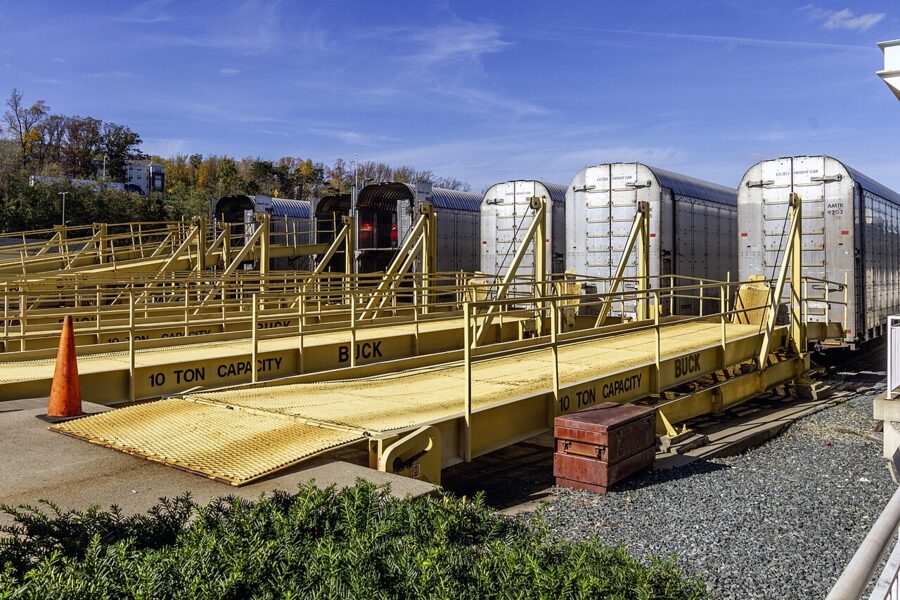
The morning is what sets this train apart. On arrival the autoracks are uncoupled first, and at Sanford the passenger cars are split too, so you may wait on board after the train stops. Then everyone walks to the claim area.
Cars do not come off in the order they went on. Staff drive each one down a ramp and call its number. Unloading a full train normally takes about an hour, longer on a late, busy morning, so the last cars can come off after 10:00 a.m. even when the train is on time.
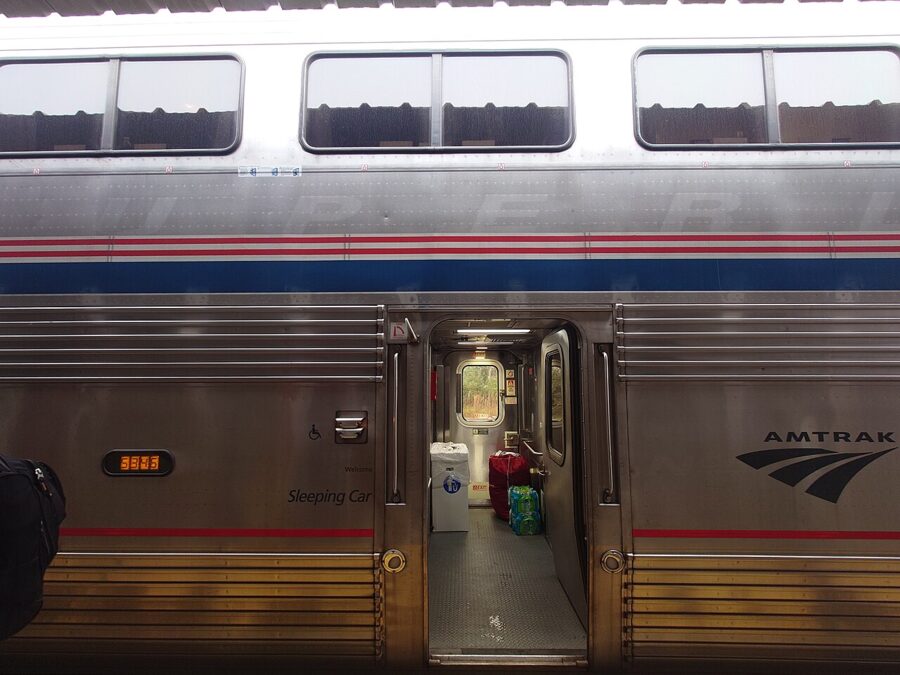
Priority offloading puts your vehicle among the first 30 off. You can add it when you book or at check-in, subject to availability, and it moves your cutoff to 2:00 p.m. At $125 (as of 2026) I would pay only with a reason: a long drive on to Miami or the Keys, a flight that day, or small children. Otherwise, get a coffee and let the numbers come.
How often it runs on time
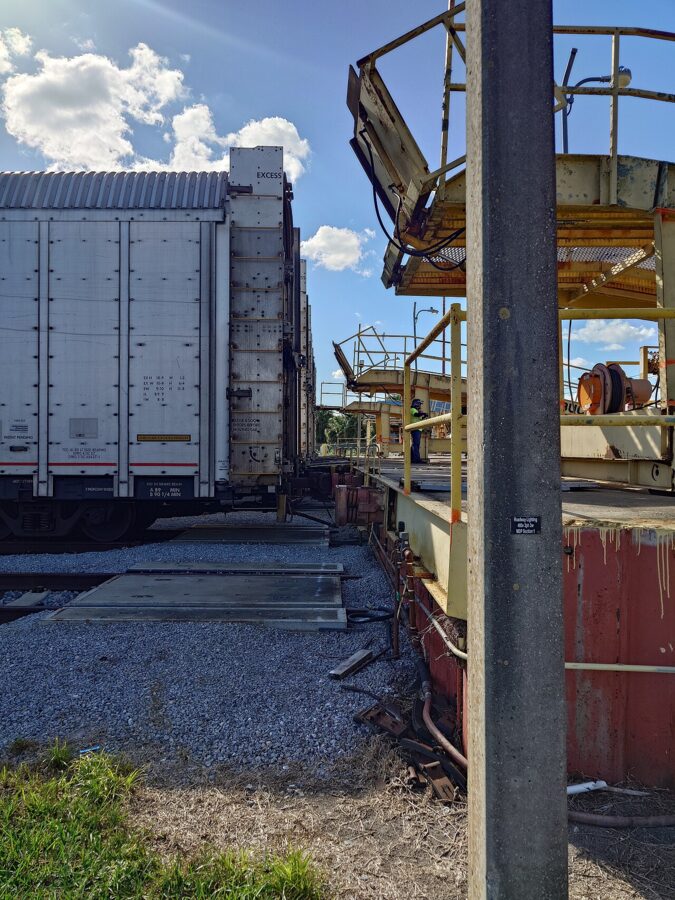
Almost the whole route is CSX freight track, and the Auto Train shares it with freight trains that are often in the way. It still does better than most of Amtrak’s long-distance trains. In Amtrak’s preliminary host railroad report for the twelve months to June 2026, 66.3% of its passengers arrived on time, against 57.0% for the long-distance trains as a group. June 2026 alone managed 58.4%, and late passengers that year averaged 83 minutes late.
That is still short of the federal standard of 80%. Freight train interference was the largest cause of the train’s delays on CSX in June 2026, and a mechanical failure can cost hours. Do not plan anything for the arrival morning that cannot slide to the afternoon.
Train or drive: a worked comparison
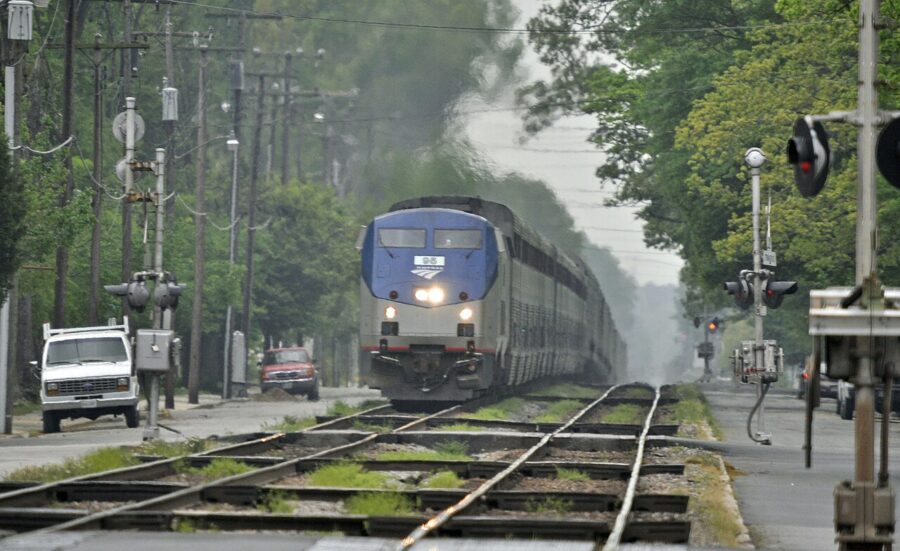
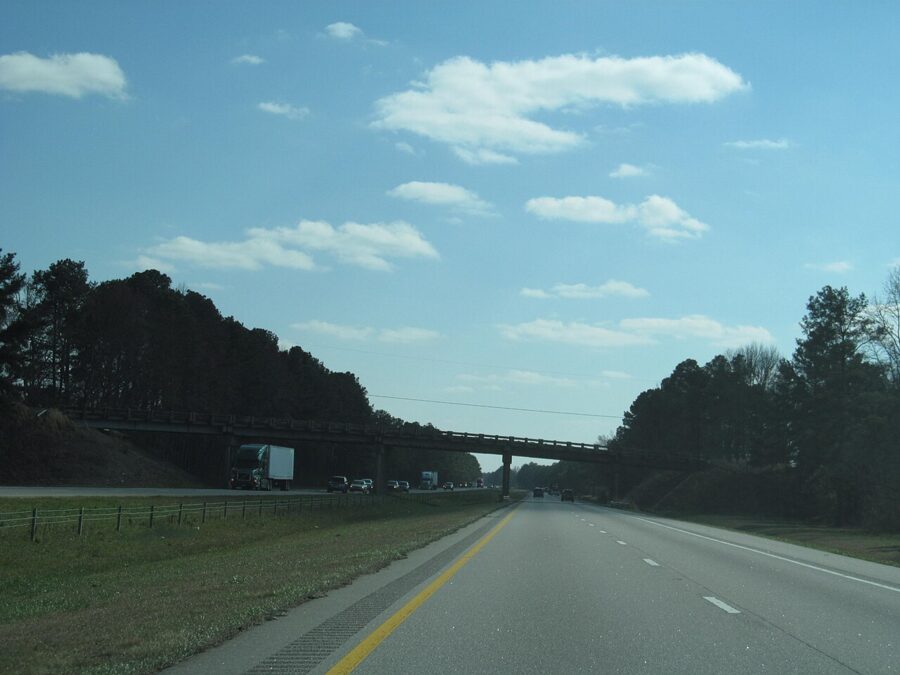
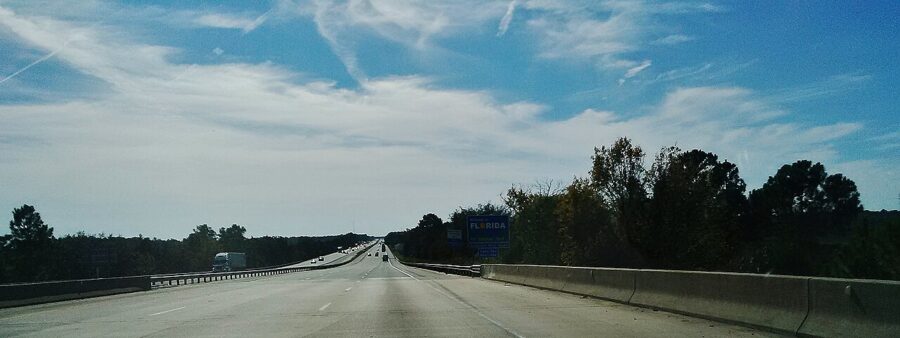
The drive from Lorton station to Sanford station is about 815 miles, almost all on I-95 before a last stretch on I-4. That is at least 12 hours at the wheel on a good day, so most people split it with a motel night in the Carolinas or Georgia.
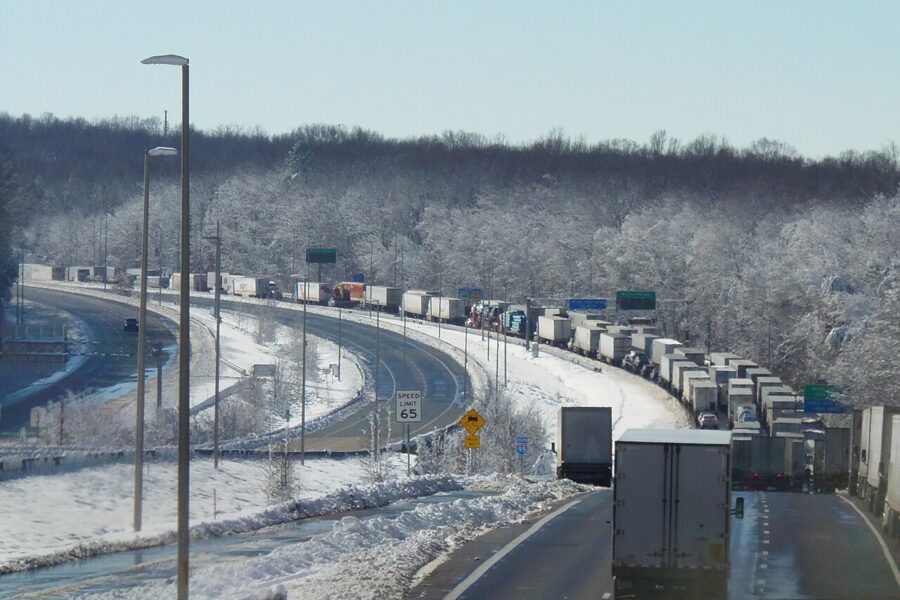
Take two adults with a standard car going south on a quiet date. The car does 28 miles per gallon, and regular gas in the Lower Atlantic states averaged $3.31 in the EIA survey for the week of November 23, 2026. For the motel I use the federal standard lodging rate for fiscal 2027, $113 a night. For the full cost of putting 815 miles on your own car, the IRS 2026 business mileage rate of 72.5 cents a mile covers fuel, wear, insurance and depreciation.
| Two adults, one standard car, southbound | Cost (as of 2026) | Time |
|---|---|---|
| Drive: fuel plus one motel night | about $96 + $113 = $209 | two days, 12 to 14 hours driving |
| Drive: full car cost at 72.5 cents a mile, plus motel | about $591 + $113 = $704 | two days |
| Auto Train coach, lowest advertised fare | 2 x $95 + $285 car = $475 | check in by 2:30 p.m., car back around 10 a.m. if on time |
| Auto Train roomette, 2026 sale price | $339 for two + $285 car = $624, meals included | same as coach |
| Priority offloading | +$125 | car among the first 30 off |
On cash alone the drive wins, $209 against $475 for coach before road meals. Count wear and depreciation, though, and coach comes out cheaper while a roomette on sale lands close to the drive. Peak-date fares push the train’s figures well up, so price your own dates.
Time is closer than it looks. The train costs you an afternoon at Lorton and an hour in the Sanford lot, but you sleep through the miles and arrive with your whole first day. For a lone driver it removes the hardest part: 12 hours alone at the wheel.
For a week in Orlando, a flight and a rental car can beat the Auto Train. For a month or a whole winter, the rental adds up quickly, and the train brings the car you already own and everything you can fit in it.
Who it suits, and who should skip it
The Auto Train suits snowbirds taking a car south for the winter, retirees done with two days on I-95, and families with young children and a car full of beach gear. It suits anyone who wants their own car, bikes or motorcycle in Florida without the 800-mile ride.
Skip it if you travel alone with a small, economical car on a peak date, if your vehicle breaks the size rules, or if your dog travels with you. And think twice from farther north: from New York you still drive about four hours to reach Lorton by 2:30 p.m.
Be in the Lorton or Sanford lane by early afternoon, with the car packed like a suitcase and the toothbrush in your carry-on. Book on Amtrak’s site or app, watch for the flash sales that run against the snowbird season, and buy priority offloading only if the morning has somewhere to be.