Train 9 leaves Krung Thep Aphiwat, Bangkok’s big new terminal, at 6:40 in the evening. Some time after the city lights thin out, an attendant works down the car pulling the facing seats together into beds, snapping on sheets and hanging the curtains. When you wake, the train is in the hills past Lampang, and Chiang Mai is not far off.
That is the whole appeal of the Bangkok to Chiang Mai train: 467 miles (751 km) of the State Railway of Thailand’s Northern Line, a real bed, and a city-center arrival with breakfast still ahead of you. The choices are where people go wrong. There are four overnight trains, two kinds of sleeper, upper and lower berths at different prices, a day train that sells far fewer seats, and a booking window that matters more than any of it.
My short answer: take train 9 for the newer cars, or train 13 if you want the mountains in daylight, and book a lower berth the day your travel date opens on SRT’s own site. A lower berth in second class costs about 1,040 baht (about US$31) on train 9, as of 2026.
Stops in this article8
The trains, and which one to take
Five trains a day run the full length, four of them overnight, and the train number matters more than the departure time. The timetable below is the published pattern as of late 2026; SRT shifts times by a few minutes when it changes timetables, so confirm the exact minute in the booking screen.
| Train | Type | Leaves Krung Thep Aphiwat | Arrives Chiang Mai | What you can book |
|---|---|---|---|---|
| 7 | Special express (diesel railcar) | Morning | Early evening, about 10½ hours later | Air-conditioned seats only |
| 109 | Rapid | 2:15 p.m. | About 4:05 a.m. | Second-class sleepers, seats |
| 9 (Uttarawithi) | Special express | 6:40 p.m. | 7:15 a.m. | First- and second-class sleepers |
| 13 | Special express | 8:05 p.m. | About 8:45 a.m. | First- and second-class sleepers |
| 51 | Express | 10:30 p.m. | About 11:40 a.m. | Second-class sleepers, seats |
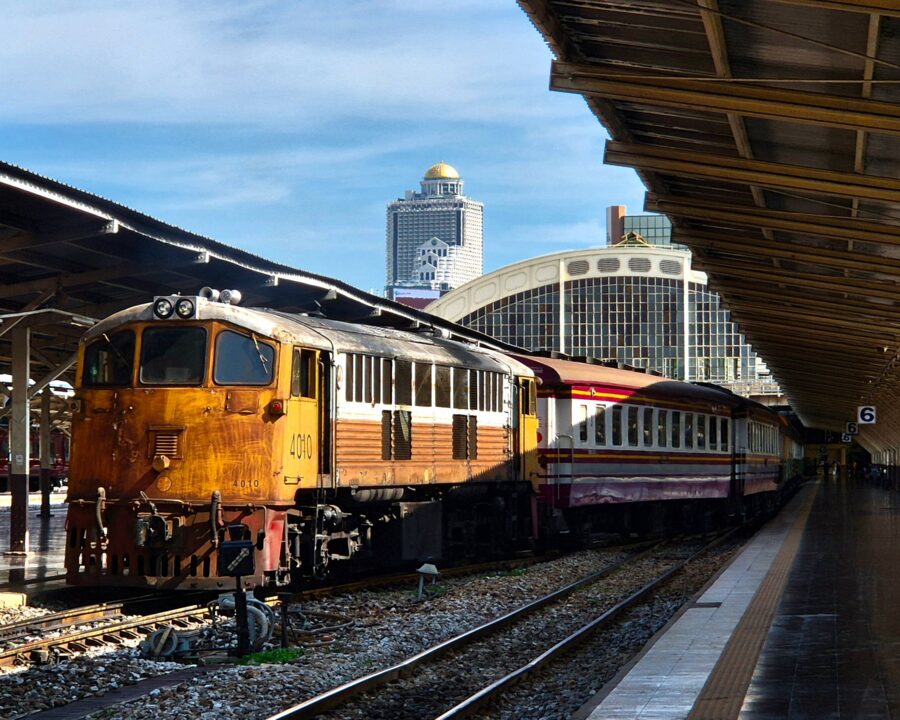
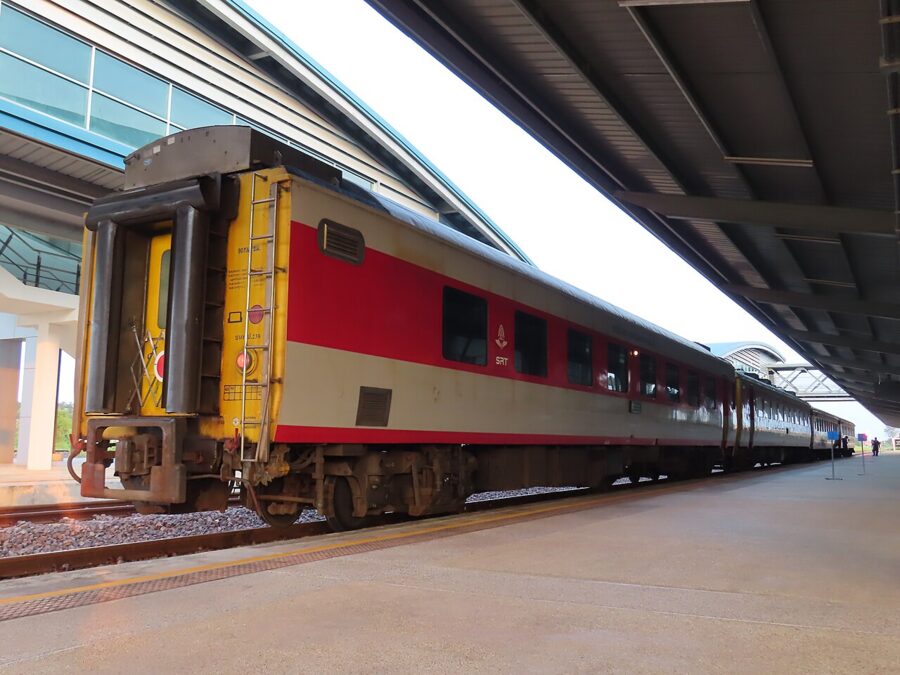
Train 9, named Uttarawithi, is the one most people mean when they talk about the Chiang Mai sleeper. It runs with the stainless steel sleeper cars SRT bought from China in 2016, which are still the newest sleepers SRT runs. The run takes about 12½ hours, and train 9 is usually the first to sell out.
Train 13 leaves an hour and a half later with older air-conditioned cars, first and second class, and a restaurant car. The cars are older and the fares are lower. Its real advantage is the clock: arriving around 8:45, it reaches the mountain section after sunrise in every season, while train 9 can reach it in half-light.
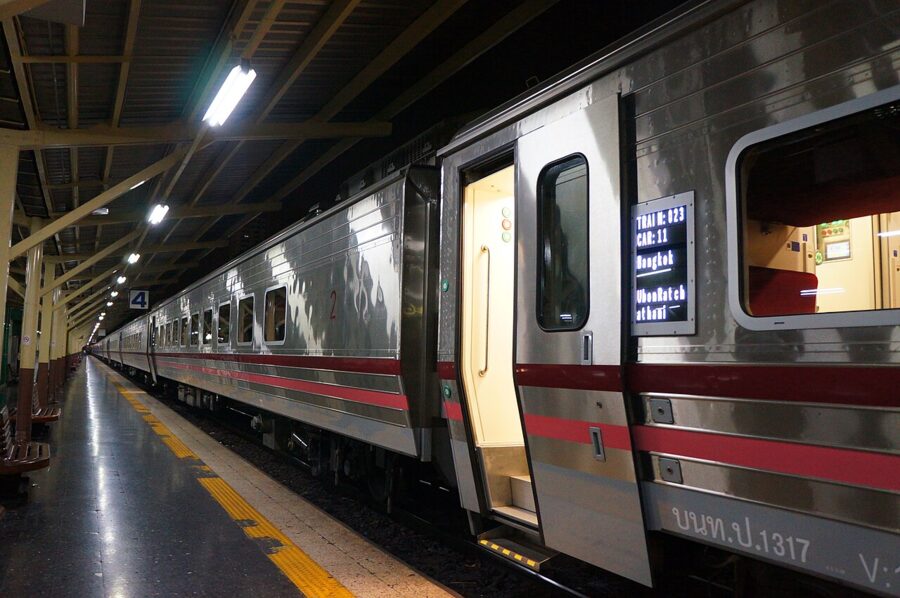
Train 51 is the late option: it leaves at 10:30 p.m. and reaches Chiang Mai close to noon, which is fine if you want a full evening in Bangkok and no early alarm. Train 109 I would skip for this trip, since it puts you on the Chiang Mai platform around four in the morning. Both carry second-class sleepers alongside cheaper seated cars.
Train 7 is the day train: a three-car air-conditioned railcar with seats only and no food service, taking about ten and a half hours. It is the way to see the whole line. Its departure has moved between the early and mid morning in recent timetables, so check the time on the day you book, and bring lunch.
Coming back, as of late 2026, train 10 leaves Chiang Mai at 6:20 p.m. and reaches Krung Thep Aphiwat at 6:30 a.m., train 14 leaves at 5:05 p.m. and arrives at 5:55 a.m., and train 52 leaves at 3:30 p.m. for a 5:10 a.m. arrival. Train 8 is the morning railcar south, and the same booking rules apply to all of them.
First class or second class sleeper
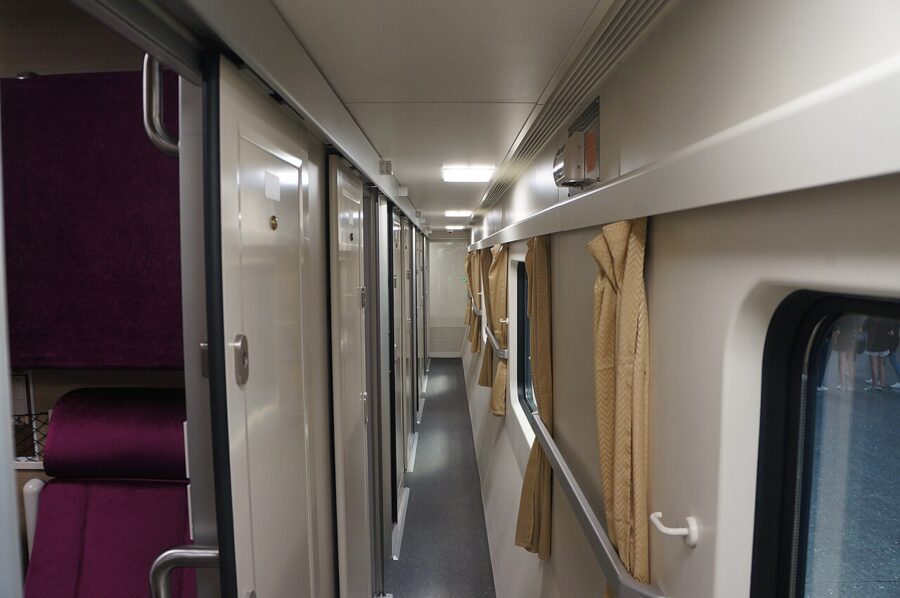
Both classes are air-conditioned and include bedding. The difference is a door: second class is an open car with berths along both sides of the aisle; first class is a corridor of two-berth compartments that lock.
Second class: the one most people book
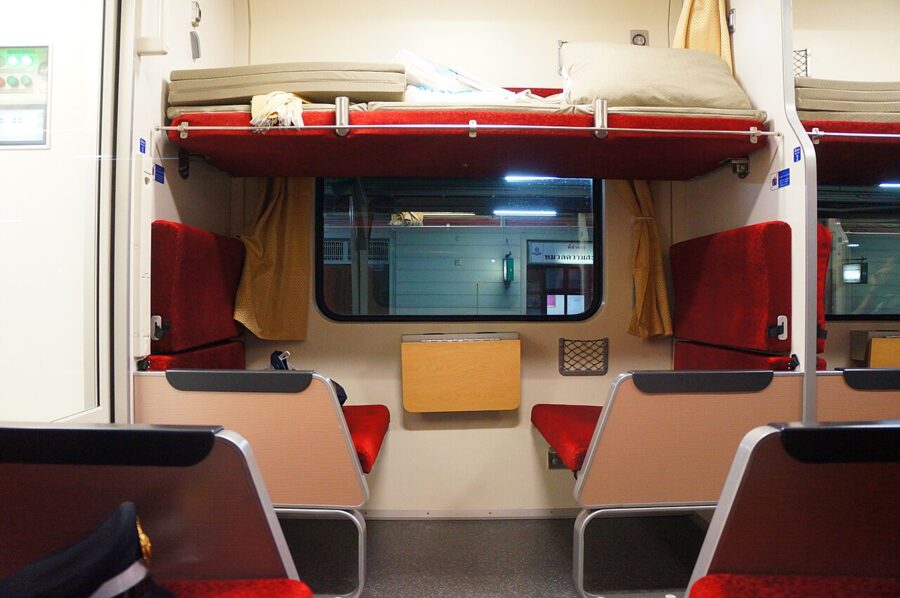
By day a second-class car is pairs of wide facing seats. After dinner, the attendant pulls each pair together into a lower berth and folds down an upper berth from the wall, then hangs a curtain along each one. You get a pillow, a sheet and a blanket, and you will want the blanket: the air conditioning on Thai trains runs cold all night.
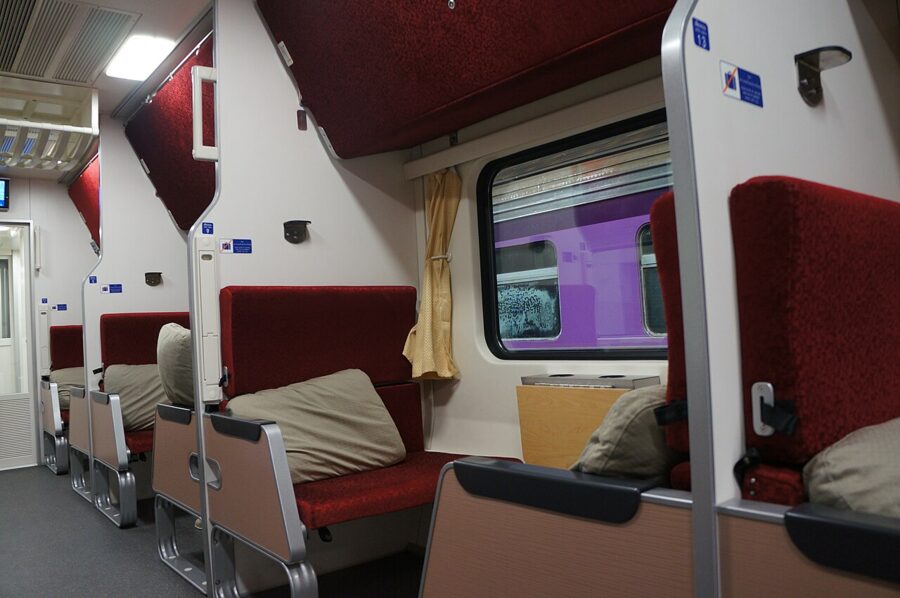
The lower berth is wider, gets the window and costs about 100 baht more. It is worth every one of them. The upper berth is narrower and the window belongs to the bed below, so I take an upper only when the lowers are gone.
Fares on train 9, as of 2026, run about 940 baht (about US$28) for an upper and 1,040 baht (about US$31) for a lower. On the older cars of trains 13, 51 and 109, second-class sleepers cost about 730 to 800 baht (US$22 to $24) upstairs and 830 to 900 baht (US$25 to $27) below. SRT prices each berth separately, so you will see the two numbers side by side when you book.
First class: a compartment with a door
A first-class compartment holds two berths, one up and one down, with a sliding door you can lock. On the CNR cars of train 9 each compartment has its own washbasin and a power socket, and the car has a hot shower at the end; on train 13 the compartments are older, with a small sink, and the showers run cold. With nine compartments to a car, first class fills first in high season.
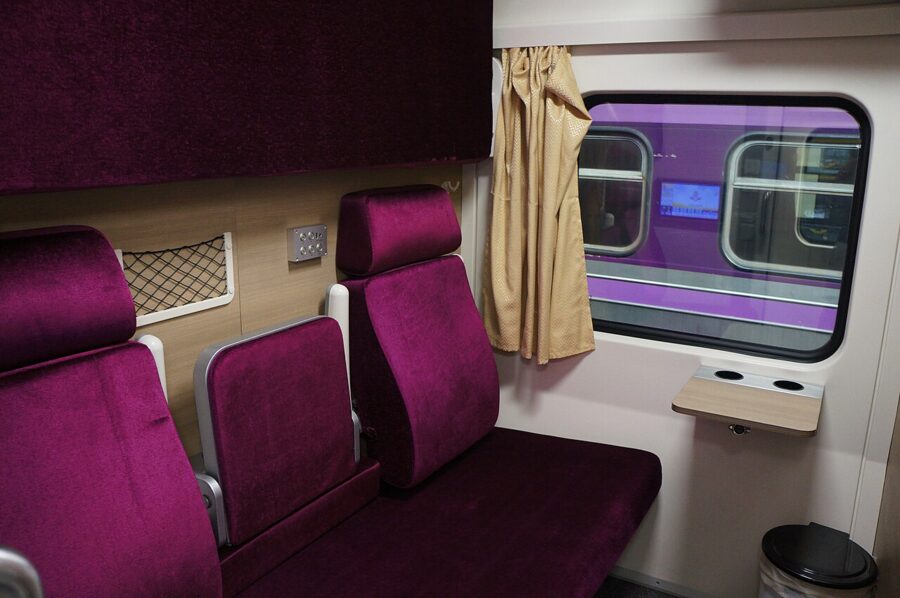
On train 9, a first-class upper berth costs about 1,450 baht (about US$43) and a lower about 1,650 baht (about US$49), as of 2026. Book one berth on your own and you may share the compartment with a stranger; book the whole compartment for one person and it runs about 2,450 baht (about US$73). Two people traveling together should simply buy one upper and one lower, which costs less than two lowers and gets the same private room.
If you know the Amtrak sleeper car, think of first class here as a roomette without the included meals: two beds and a door, for a fraction of the price. For a solo traveler I think second class lower is the better buy on train 9; for two people, first class is worth the extra for the door alone.
Food, drink and the night itself
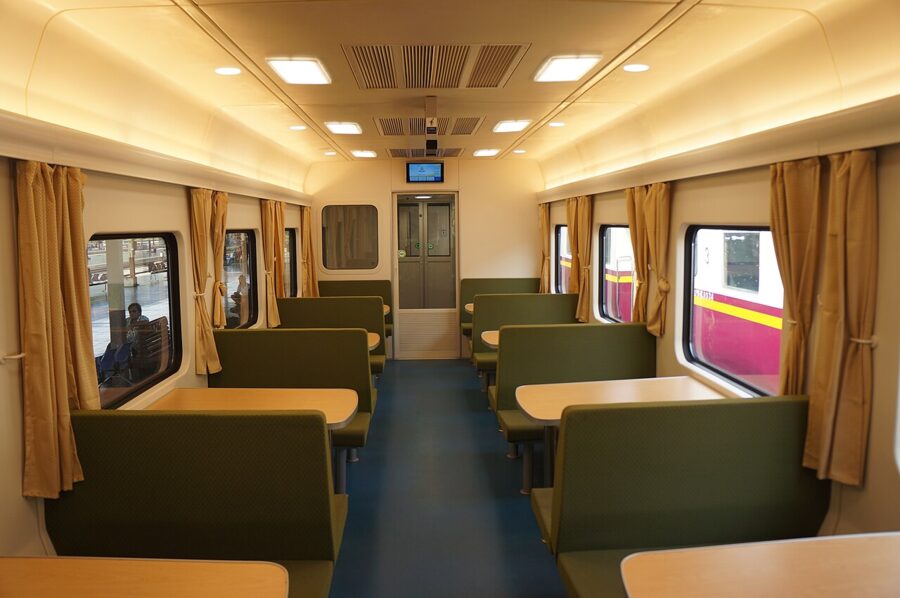
The overnight trains carry a restaurant car, and staff also walk the cars taking orders for dinner and breakfast delivered to your seat. Set meals run roughly 150 to 210 baht (about US$4.50 to $6). They are fine and nothing more; I would board with dinner from the station food court and save the restaurant car for morning coffee.
No alcohol is sold on SRT trains; the ban has been in place since 2014, and the restaurant car offers alcohol-free beer instead. Pack a warm layer, socks, earplugs and an eye mask, since the aisle lights stay on low all night. Big bags slide under the lower berth.
How to book: SRT online, agents, or the station
The cheapest and most direct way is SRT’s own booking site, D-Ticket, which has an English version and a seat map. You create an account, choose the train and the exact berth, enter the real name and passport number of each passenger, and pay in full by credit or debit card or by Thai PromptPay QR. Every ticket is tied to the passenger’s name, and names cannot be changed later.
SRT’s booking terms, as of November 2026, let you book express, special express, rapid and CNR trains up to 180 days ahead and until three hours before departure. Ordinary, commuter and local trains cannot be booked online at all. The terms also ask you to print the ticket, and I would carry a paper copy alongside the one on your phone.
Shorter journeys on the same train are released later. A trip covering only part of the route opens about a month before departure, so on opening day the full Bangkok to Chiang Mai run gets the pick of the berths. If you want a lower berth on train 9 at New Year or around Songkran in April, be online the day your date comes into range.
Changes are allowed as many times as you like, for a fee set by how close you are to departure: 20 percent of the fare three days out, 30 percent two days out and 50 percent the day before, as of November 2026. Refunds on card payments go back to the same card, minus a cancellation fee, as long as you cancel at least three hours before the train leaves. Tickets paid by PromptPay can only be refunded at a station.
Agents, online or at Bangkok travel desks, buy the same SRT tickets and add a fee. They help if your foreign card fails on D-Ticket, which happens, but they cannot get a berth before SRT releases it.
At the station, any SRT ticket office sells tickets for any train; bring your passport.
Krung Thep Aphiwat and the old Hua Lamphong
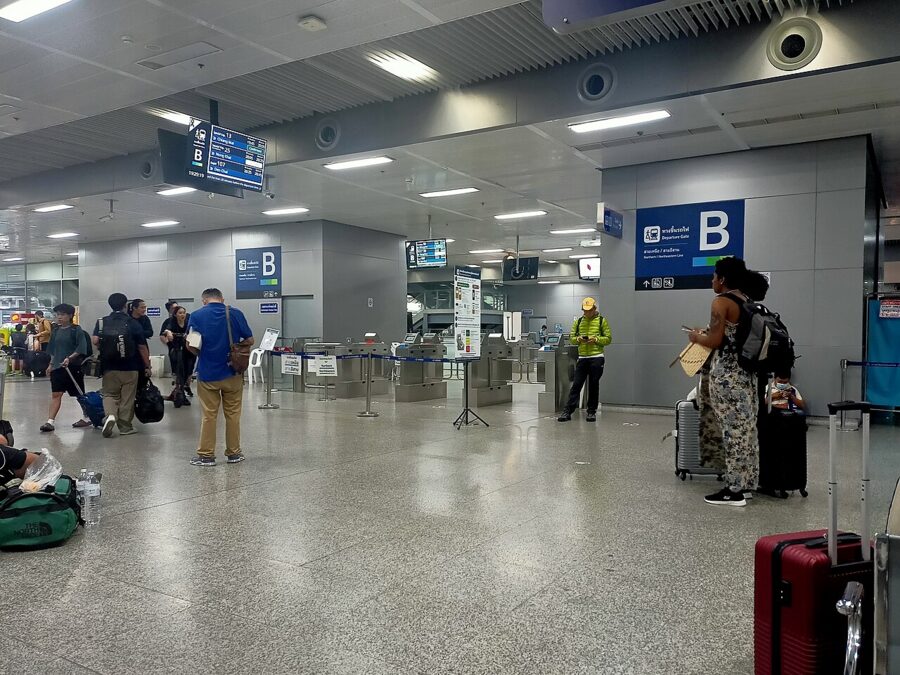
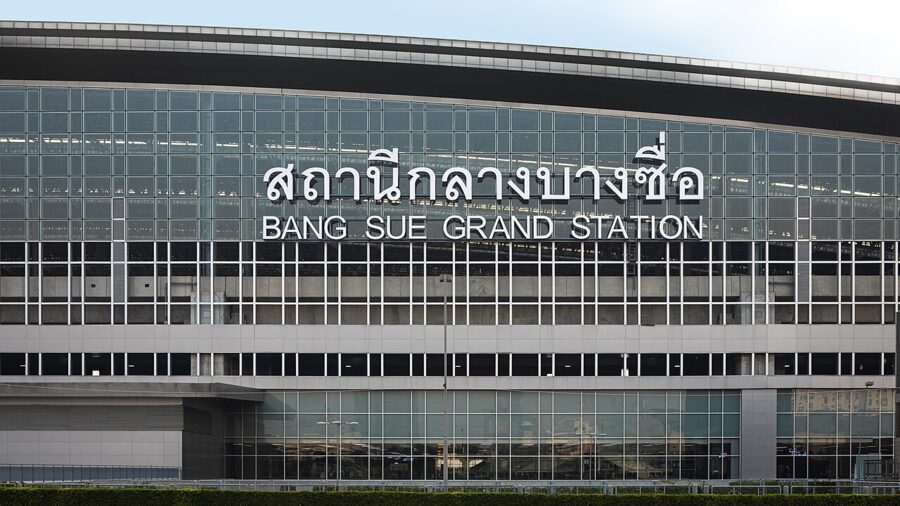
Since January 19, 2023, every long-distance train in Thailand has started at Krung Thep Aphiwat Central Terminal, the vast station north of the center that was built as Bang Sue Grand Station. The Chiang Mai sleepers no longer leave from Hua Lamphong, whatever an old ticket or guidebook says.
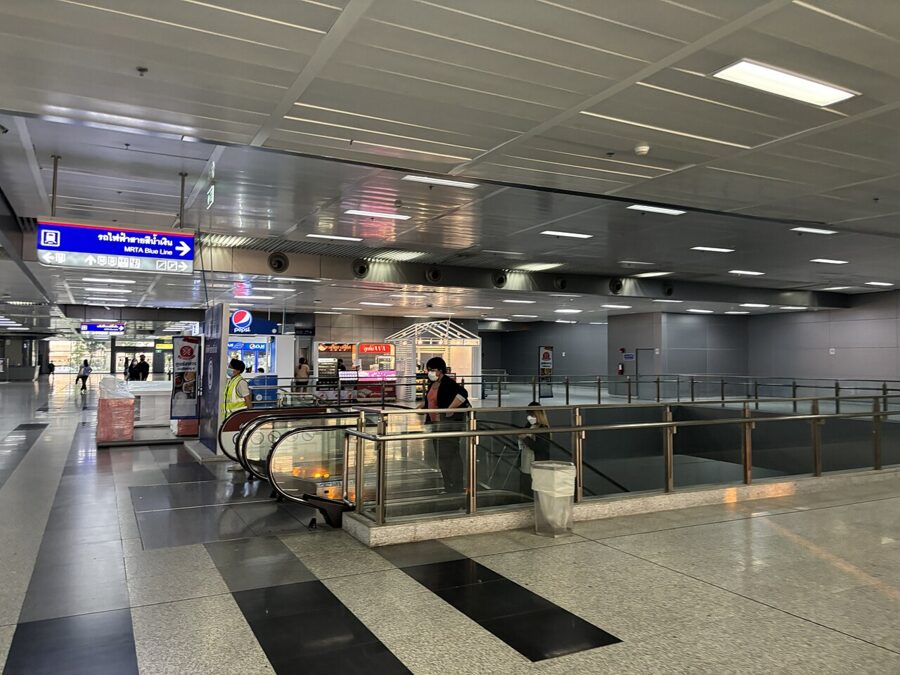
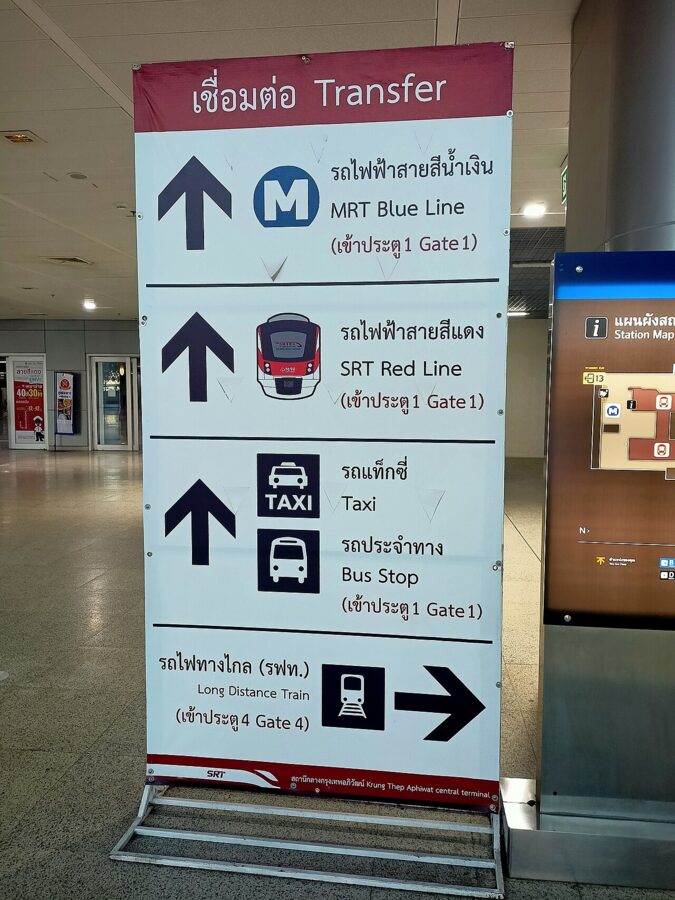
The easiest way in is the MRT Blue Line to Bang Sue station, which opens directly into the concourse. The SRT Red Line commuter trains share the building, and the Dark Red Line runs north past Don Mueang airport, which makes a same-day flight-to-sleeper connection straightforward. A taxi works too, but leave well before the evening rush.
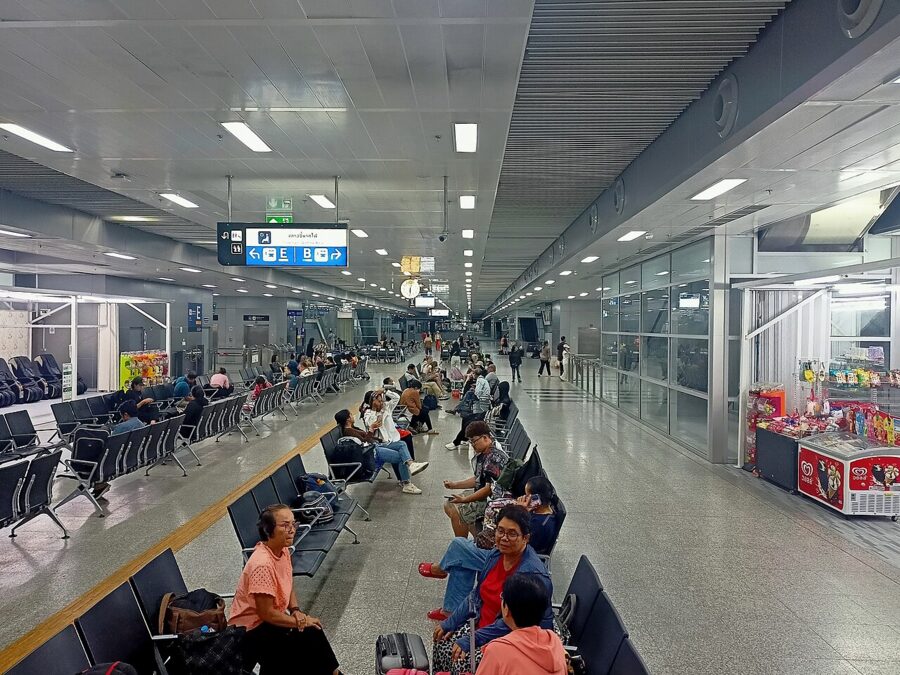
Inside, the long-distance trains depart from the platforms one floor above the concourse, with gates and screens in Thai and English, and there is a food court, convenience stores and plenty of seating on the concourse. SRT asks day-train passengers to wait at the departure gates half an hour before the train leaves, and I would apply the same rule to the sleepers.
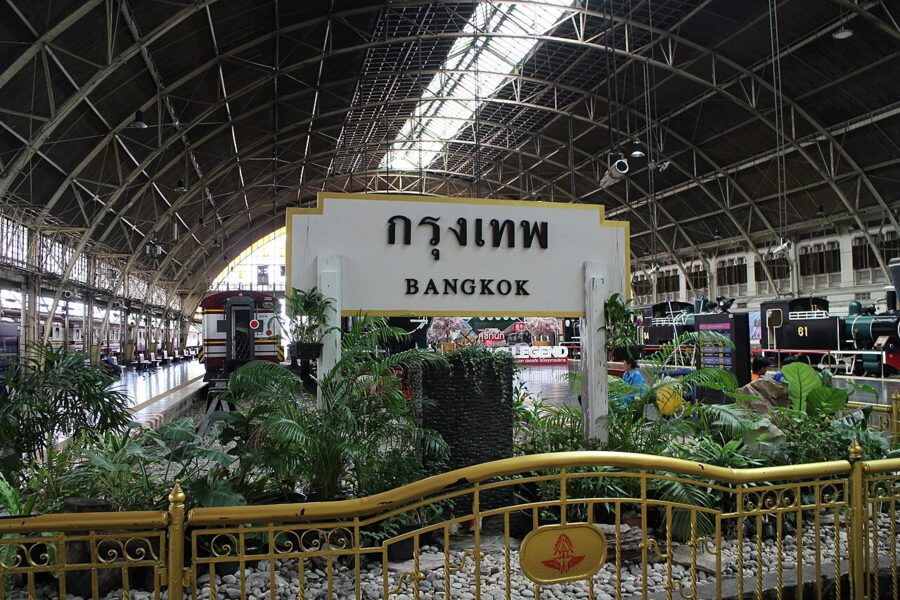
Hua Lamphong, officially Bangkok station, opened in 1916 and sent the Chiang Mai trains on their way for about a century. It still sees some local trains, among them services to Ayutthaya and the weekend excursion railcar to Kanchanaburi, and SRT uses the hall for exhibitions while it decides the building’s long-term future. Go for the arched roof and the old departure hall, not for a northern train.
What you see from the window
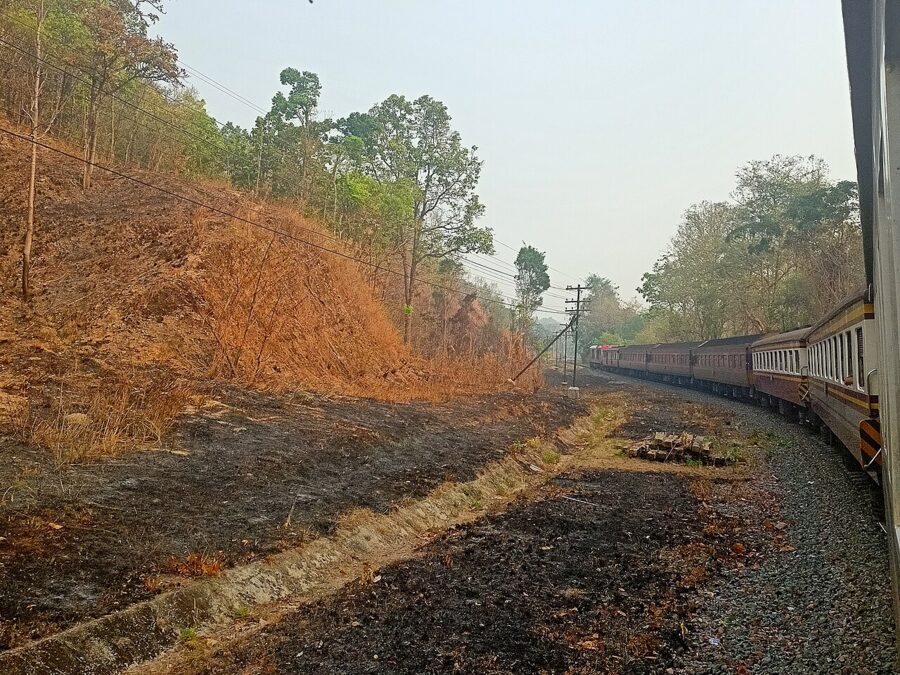
The Northern Line runs up the central plain through Ayutthaya, Lop Buri, Nakhon Sawan and Phitsanulok, then turns into the hills after Uttaradit and Den Chai. Overnight, the plains go by in the dark. What you see depends on how late your train reaches the last 100 miles, from Lampang through the Khun Tan range to Lamphun and Chiang Mai.
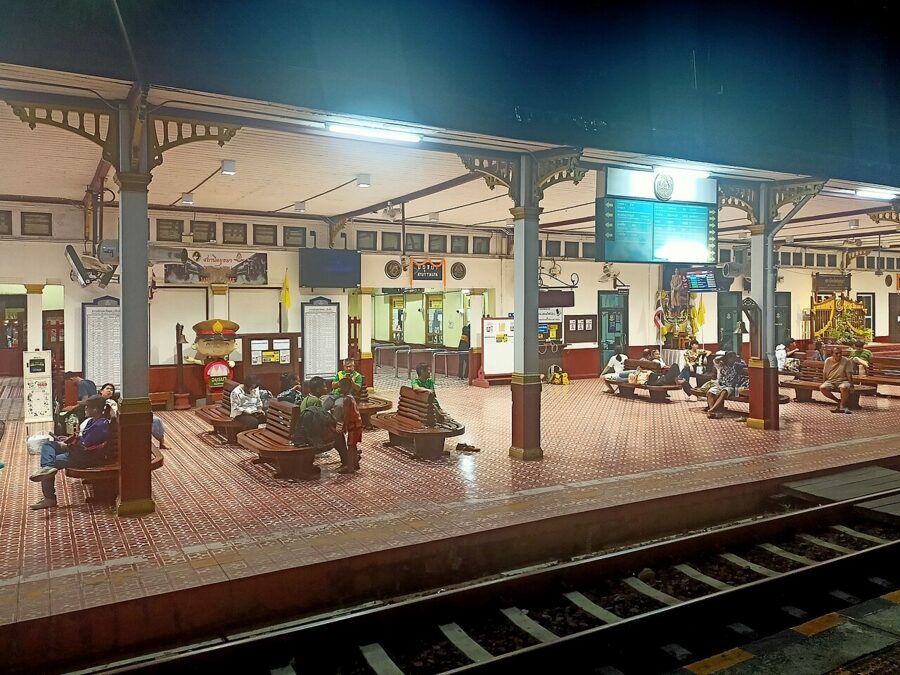
Ride the day train and the plain is the show: rice paddies to the horizon, sugar cane and temple roofs. Ayutthaya’s station sits across the river from the ruins, and I would break the journey there for a day.
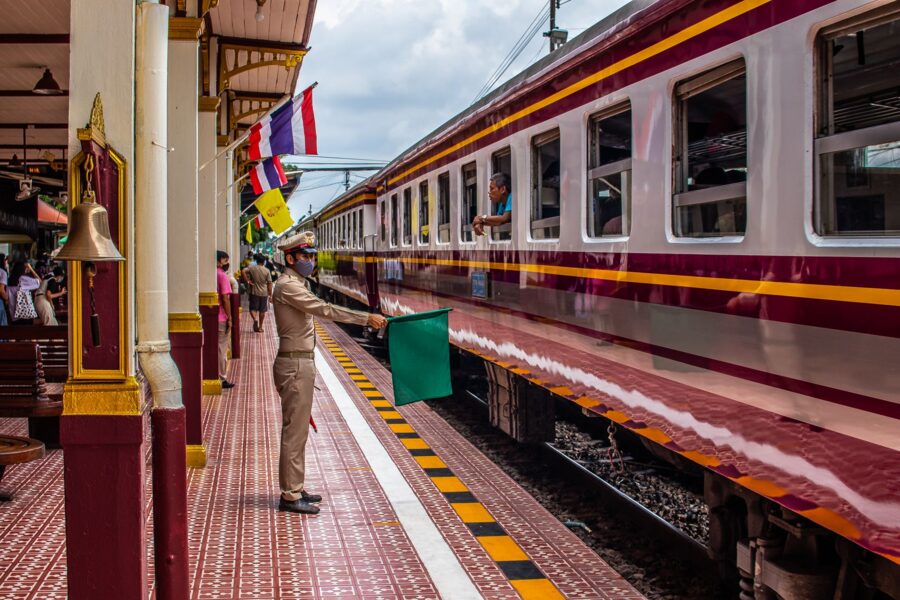
Overnight, the stops after Lop Buri come and go while you sleep. Phitsanulok, the main town of the lower north and the gateway to Sukhothai, arrives in the small hours, and the climb begins after Den Chai, the station for Phrae.
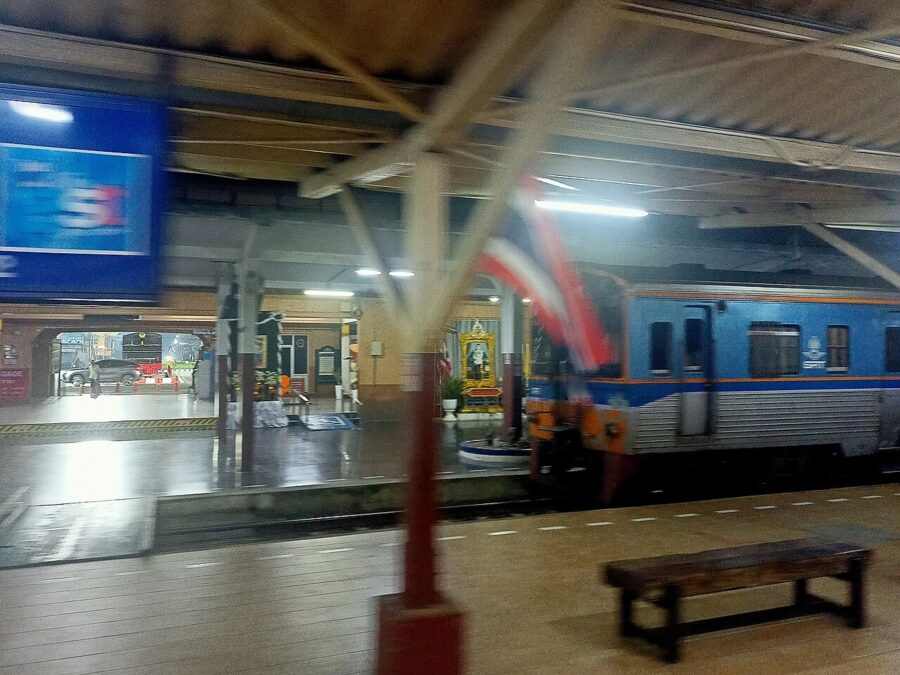
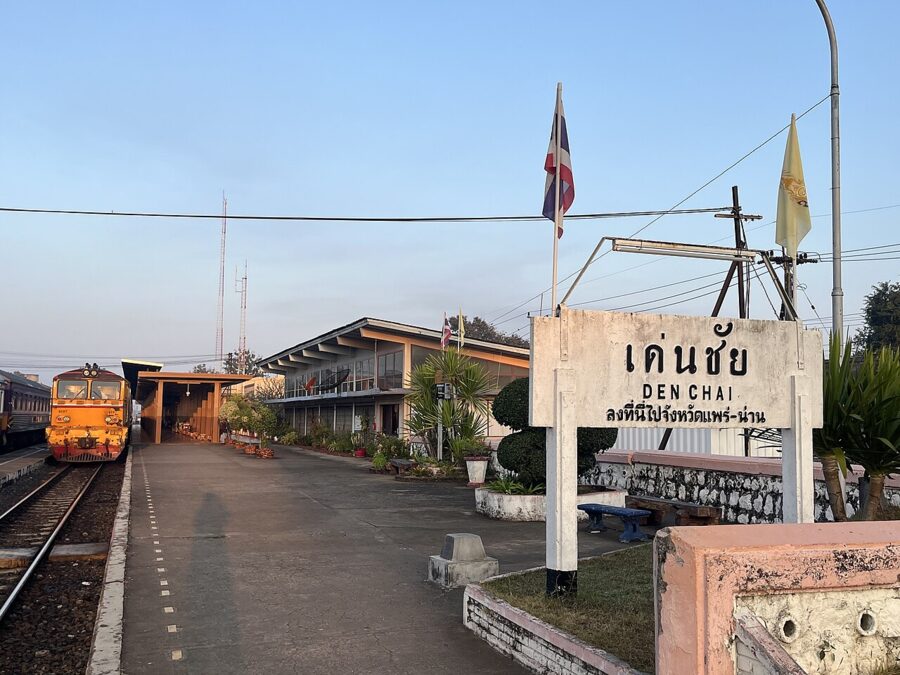
Nakhon Lampang is where the night ends. Trains stand here for a few minutes, and on train 9 it comes around five in the morning, still dark much of the year. From Lampang the line climbs into the Khun Tan range, the stretch everyone hopes to see.
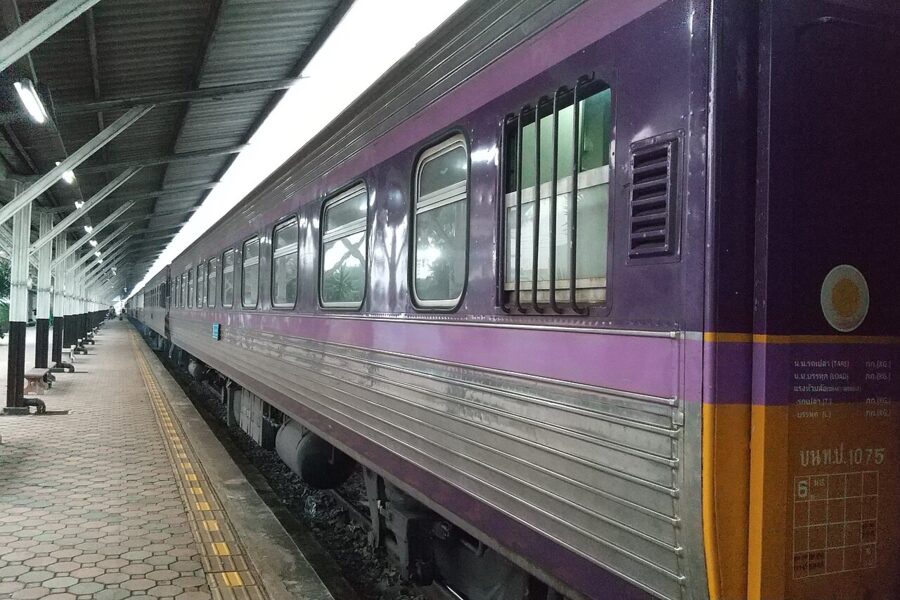
Khun Tan: the highest station and the long tunnel
Khun Tan station sits at about 1,900 feet (578 m), the highest railway station in Thailand, at the edge of Doi Khun Tan National Park. Just past it, the line goes under the ridge through the Khun Tan Tunnel, about 0.85 mile (1,362 m) long. German engineers under Emil Eisenhofer took eleven years to dig it, a job interrupted when Siam entered the First World War and the Germans on the project were interned.
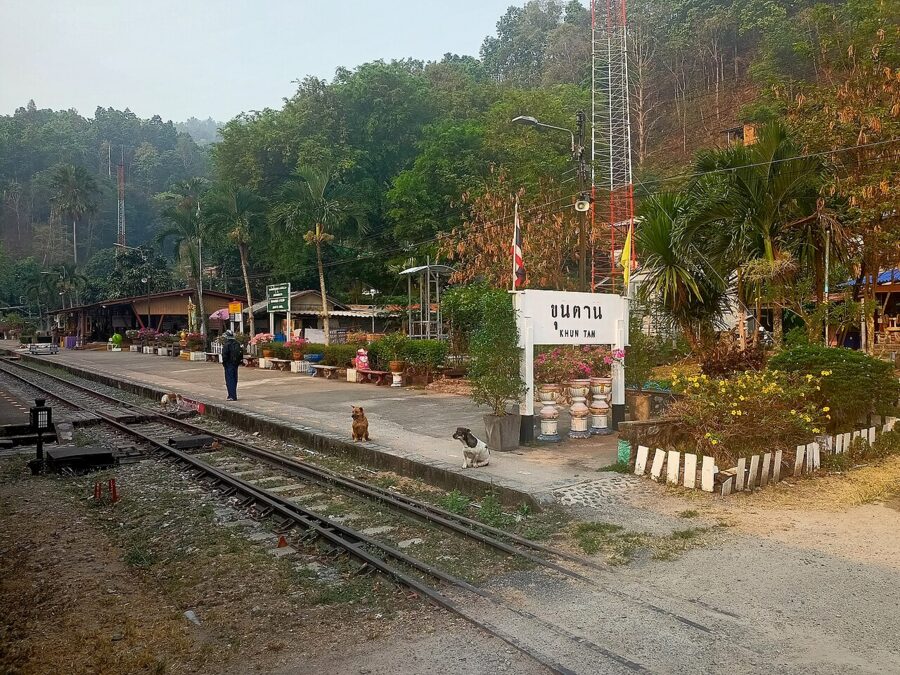
This is why the departure time matters. On a later train like 13, the Khun Tan section passes between half past seven and eight in the morning, light in every month. On train 9 it comes about an hour and a half earlier, which is gray dawn in the cool season and full morning only in the hot months. If the scenery is the reason you are on the train, take 13 and keep the curtain open from Lampang.
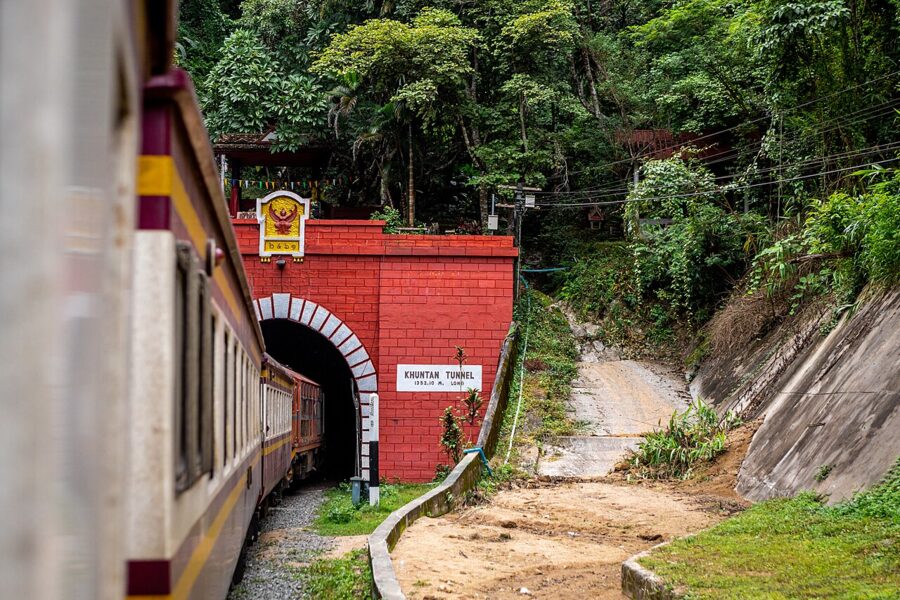
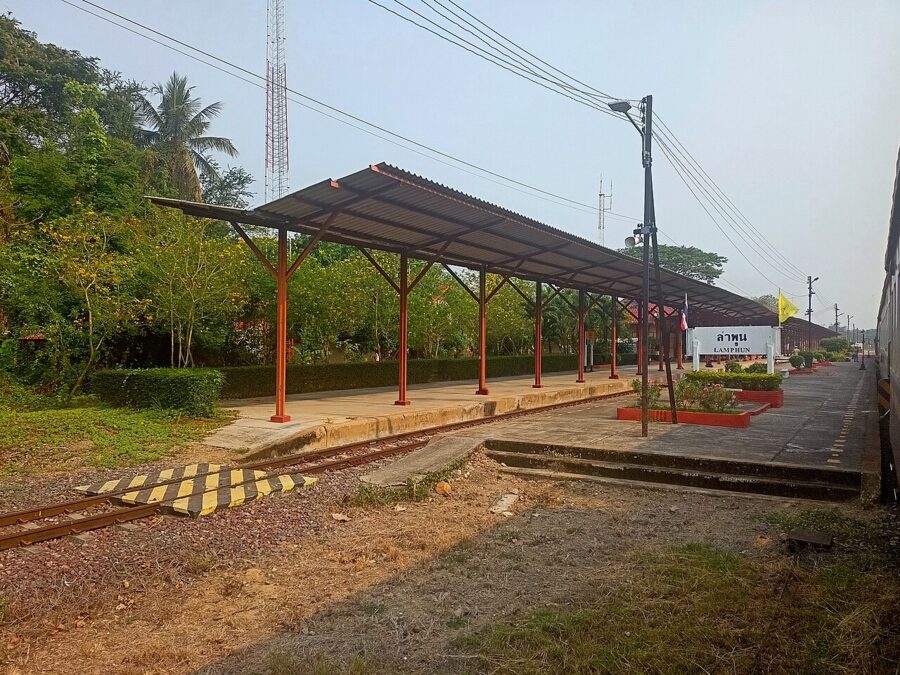
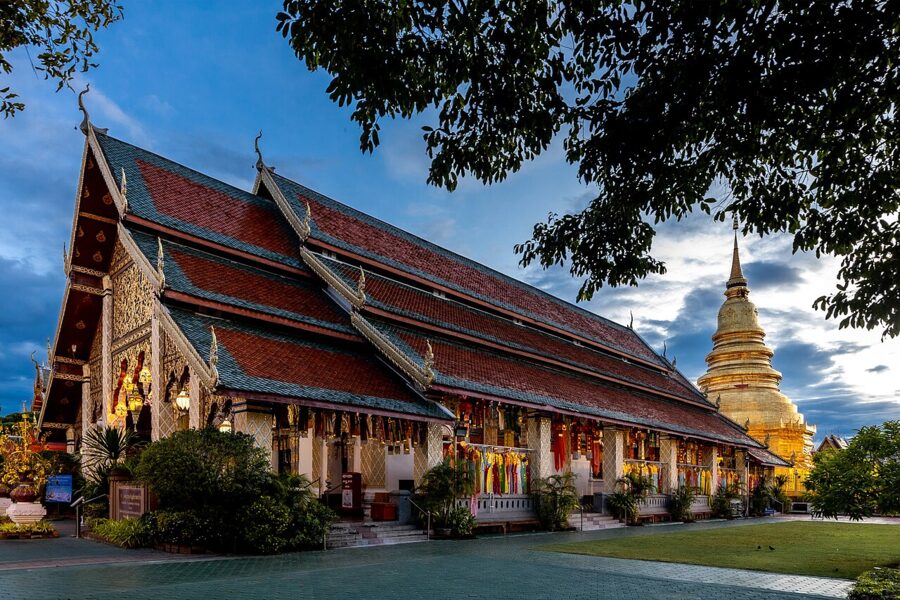
After the tunnel the line drops through forest and small farms toward Lamphun, an old Mon city with its own walled center and a famous temple, Wat Phra That Hariphunchai. From Lamphun to Chiang Mai is the last short run across the Ping valley, about twenty minutes.
Arriving in Chiang Mai
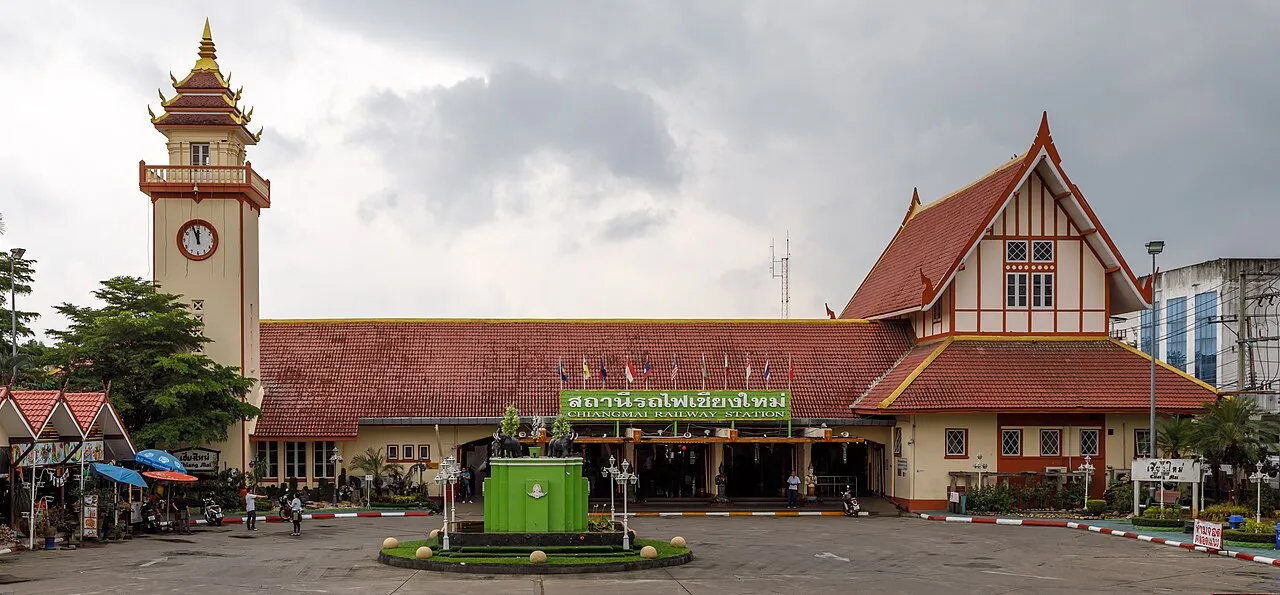
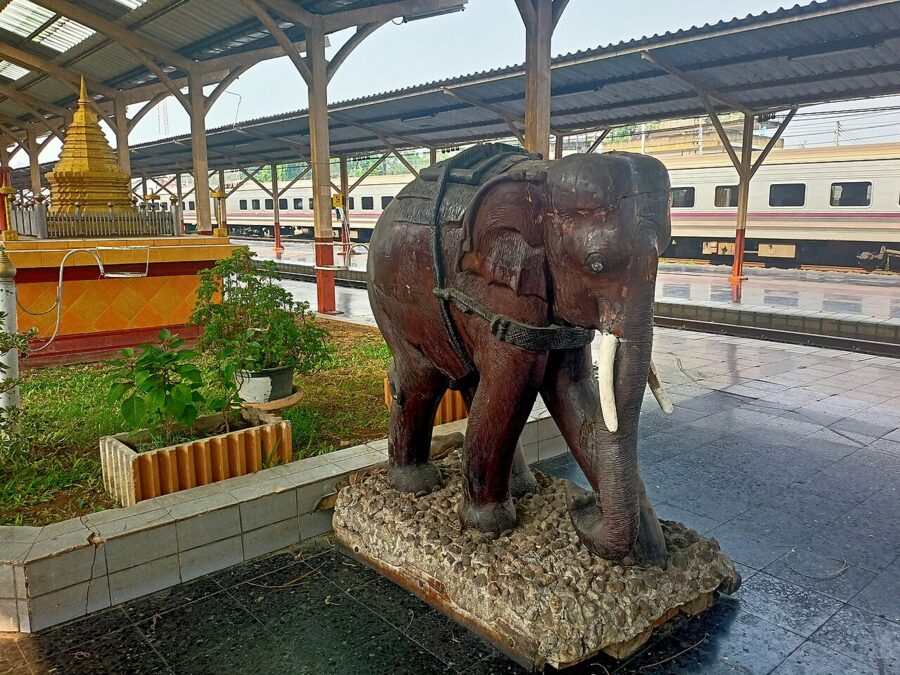
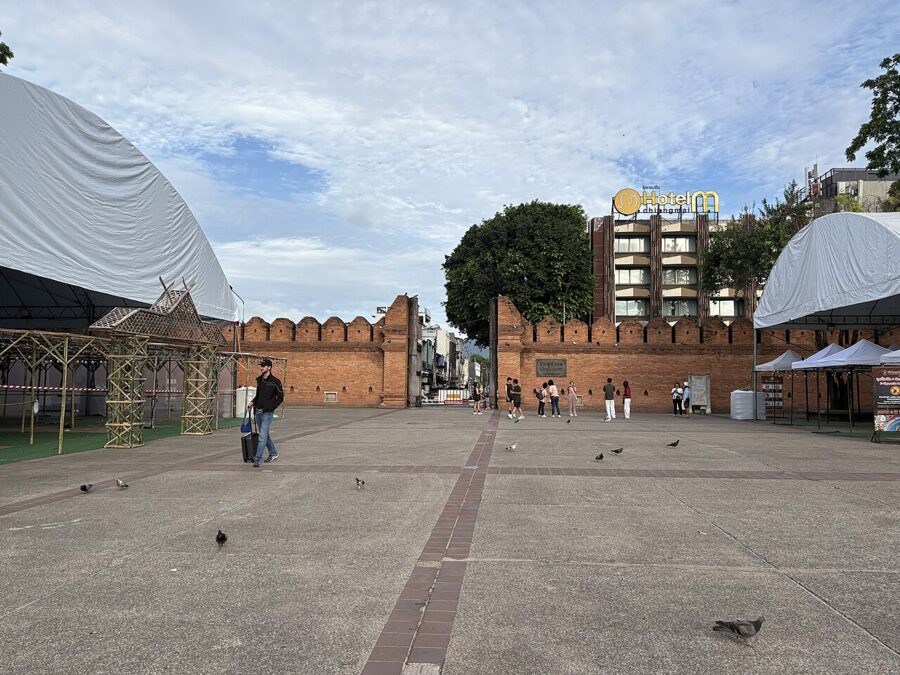
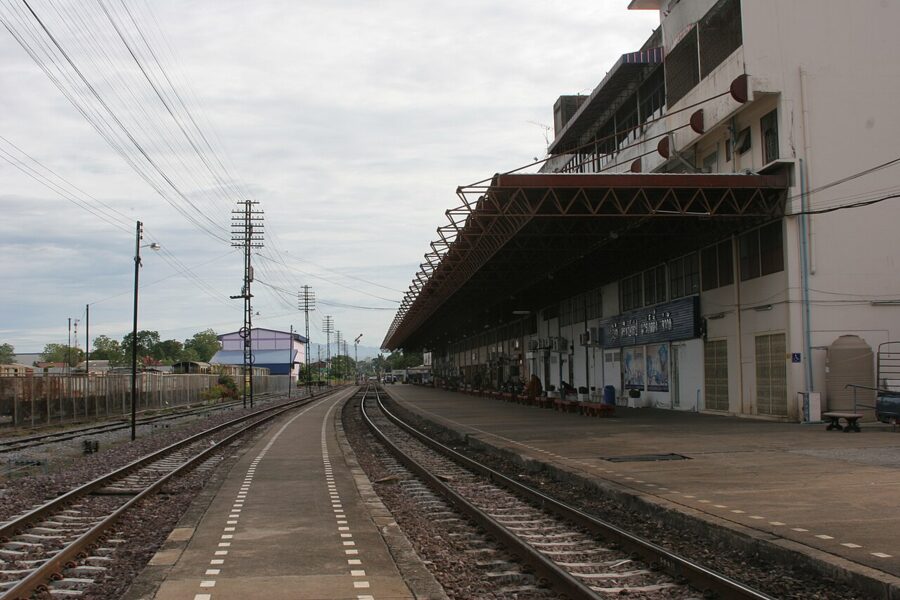
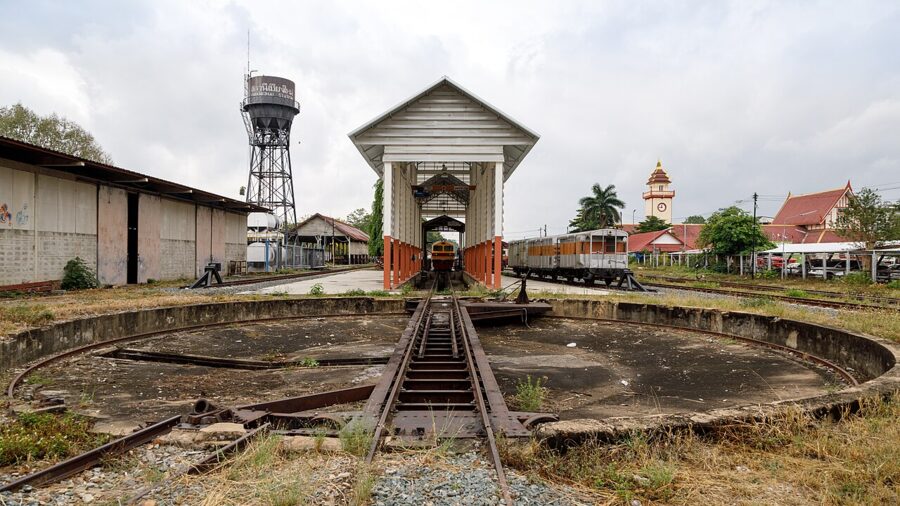
Chiang Mai station is a low building on the east side of the Ping River, about 2 miles (3 km) from Tha Phae Gate and the old city. Trains end here, so there is no rush to get off. The station has a waiting hall, a ticket office for the trip back and an old locomotive turntable beside the tracks.
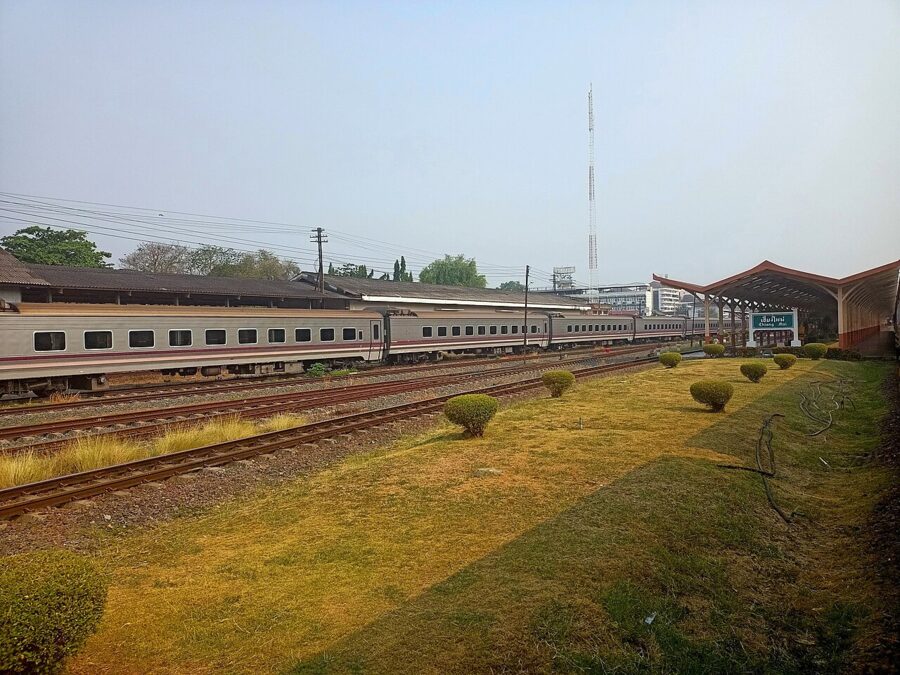
Out front you will find red songthaews, the shared pickup trucks that work as Chiang Mai’s buses, plus tuk-tuks and taxis. Agree the fare before you get in a songthaew, and expect to share it. Ride-hailing apps work well here and take the haggling out of the first morning.
Arriving at 7:15 a.m. on train 9 means your room will not be ready, but most guesthouses hold bags. Head for the old city, eat, and walk the moat while it is cool. If you are going straight on to Pai or Chiang Rai, buses leave from the Arcade bus station, a short ride north of the train station.
What goes wrong, and what to do about it
The Northern Line is long, single track for much of the way north, and exposed to the weather. Running late is routine, and in the rainy season whole sections can close. Build slack into the morning you arrive and the evening you leave.
In late September 2026, floodwater over the track near Hua Ngio, south of Nakhon Sawan, closed the line between Nong Pho and Noen Makok. SRT cancelled nine long-distance trains that night, including trains 9, 10, 13, 14, 51 and 52, and moved day passengers between stations by road. Holders of tickets on cancelled trains got a full refund at any SRT station.
On August 7, 2026, the southbound day railcar, train 8, derailed between Rai Oi and Phichai in Uttaradit Province; passengers finished the trip by road, and the line reopened that evening. Neither is typical, but both are why I would not book a nonrefundable flight out of Chiang Mai on the morning a night train is due.
If your train is cancelled, take the refund at the station and look at buses or a flight the same day. If it is merely late, stay put. The trains do get there.
Other Thai train trips worth taking
Two more trips stand out, one for history and one for crossing a border by rail.
The Death Railway to Kanchanaburi
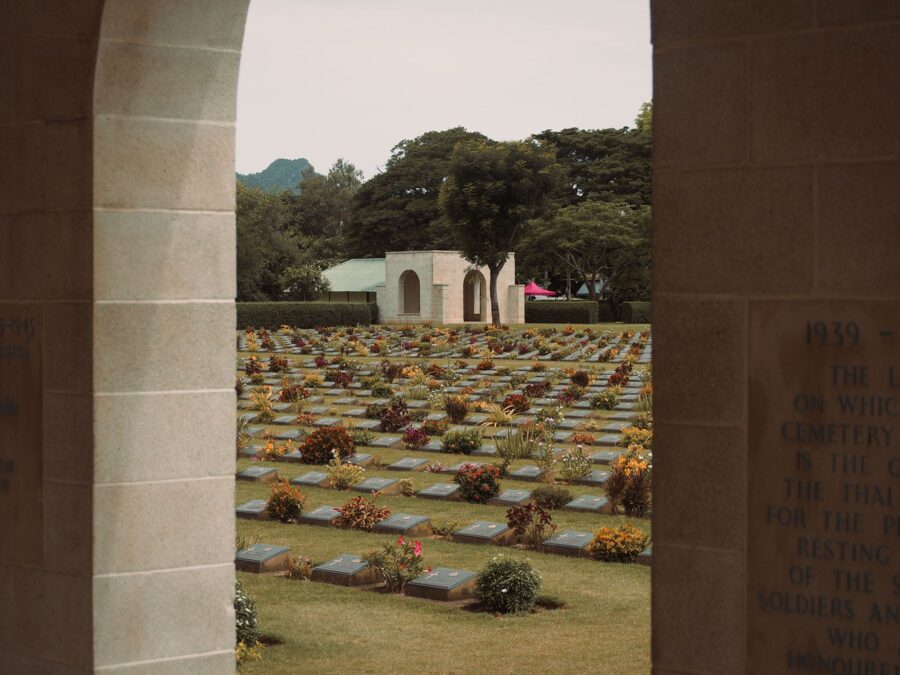
The Death Railway was built in 1942 and 1943 by the Japanese army with Allied prisoners and Asian laborers, tens of thousands of whom died. It ran about 258 miles (415 km) from Nong Pladuk in Thailand to Thanbyuzayat in Burma. Today trains run only on the Thai end, out of Bangkok, across the famous bridge at Kanchanaburi and on to the terminus at Nam Tok.
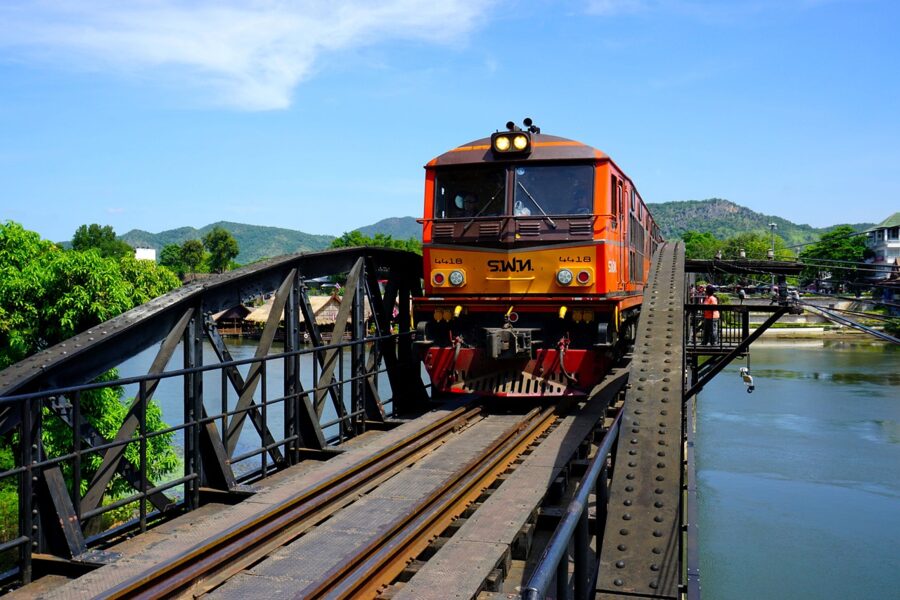
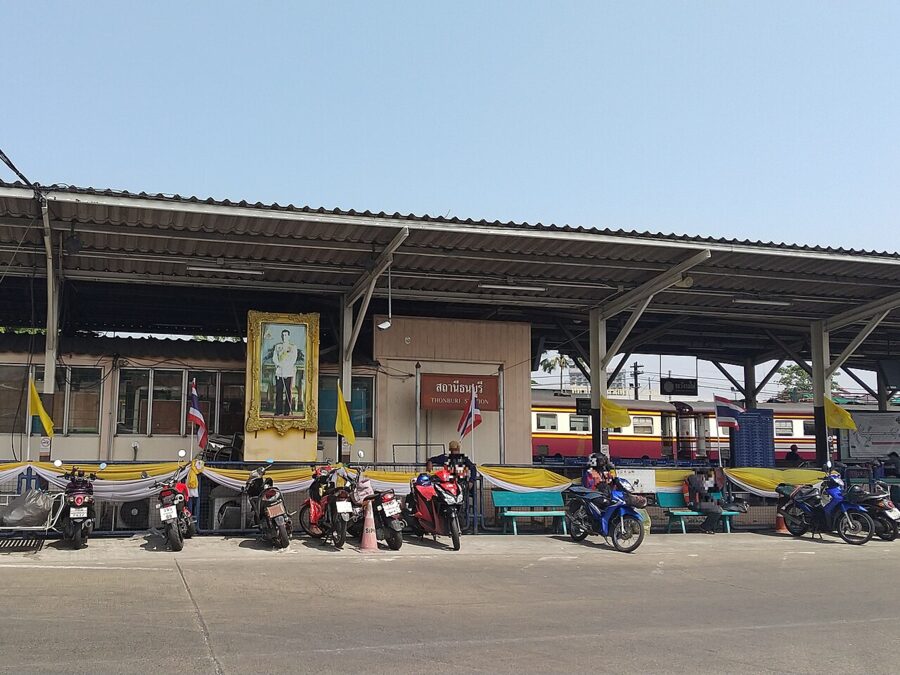
The regular trains leave from Thonburi station, on the west bank of the Chao Phraya, a walk of about ten minutes from Bang Khun Non station on the MRT Blue Line. There are two a day in each direction, they are ordinary third-class trains with fans and open windows, and foreign passengers pay a flat 100 baht (about US$3) as of 2026. They cannot be booked online, so buy the ticket at the station on the day.
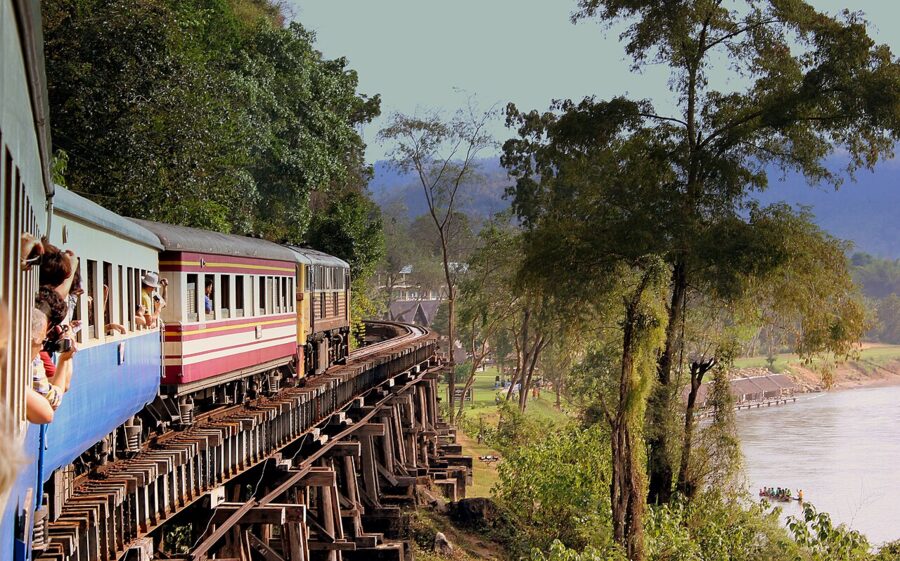
On weekends and holidays SRT also runs an excursion railcar from Hua Lamphong, leaving at 6:30 a.m. and reaching Nam Tok before lunch, and seats on it must be reserved. The best of the line is near the end, where the track runs on a wooden trestle along the cliff above the Khwae Noi River at Wang Pho.
North to Laos via Nong Khai
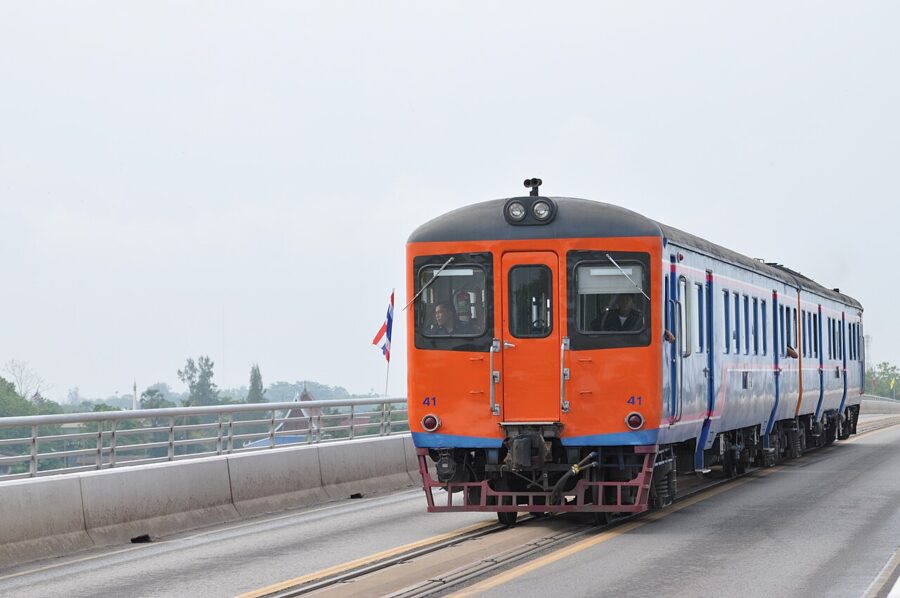
The Northeastern Line runs to Nong Khai on the Mekong, and since July 2024 SRT’s trains 133 and 134 have run straight through to Khamsavath station on the edge of Vientiane. Train 133 leaves Krung Thep Aphiwat at 9:25 p.m., you clear Thai exit formalities at Nong Khai in the morning, and the train crosses the Friendship Bridge into Laos. Second-class air-conditioned sleepers cost about 780 to 880 baht (about US$23 to $26) as of 2026.
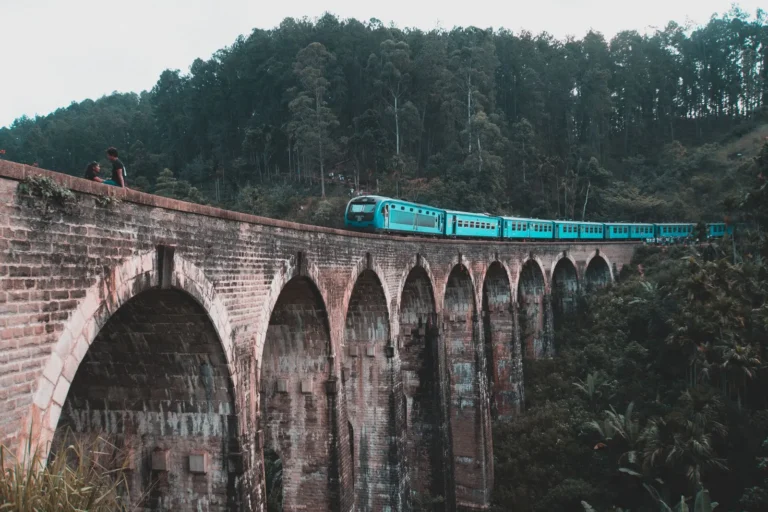
From Vientiane, the Laos-China Railway runs north to Luang Prabang and on into China, where it meets China’s high-speed rail network. Vietnam by train is the other great sleeper trip in the region, and the Kandy to Ella train in Sri Lanka is the hill-country day ride I would put next. The Eastern & Oriental Express is the white-tablecloth version of a Southeast Asian night, and night trains in Europe are the closest cousins of the Thai sleepers.
For the Chiang Mai run itself, the plan is simple. Open D-Ticket the day your date comes into range, take a lower berth on train 9 if you want the newer car and an early start, or on train 13 if you want Khun Tan in daylight, and buy dinner at Krung Thep Aphiwat before you board. Then pull the curtain, and leave it open from Lampang.