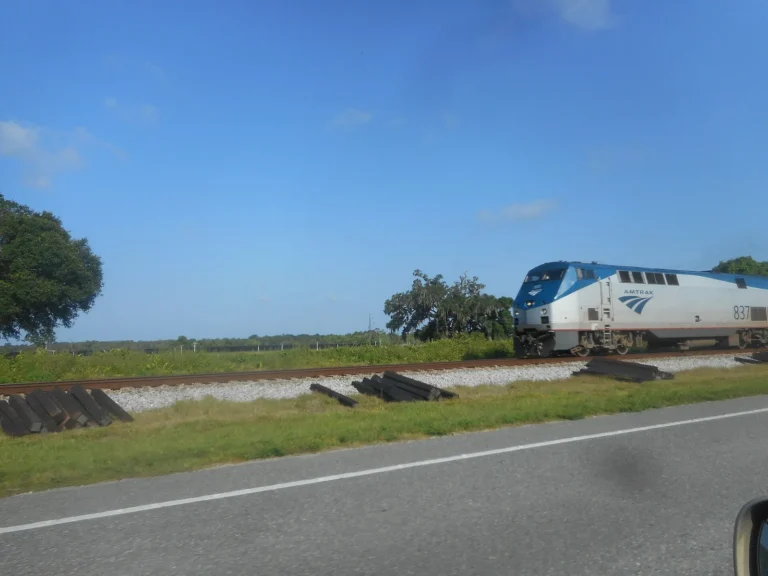
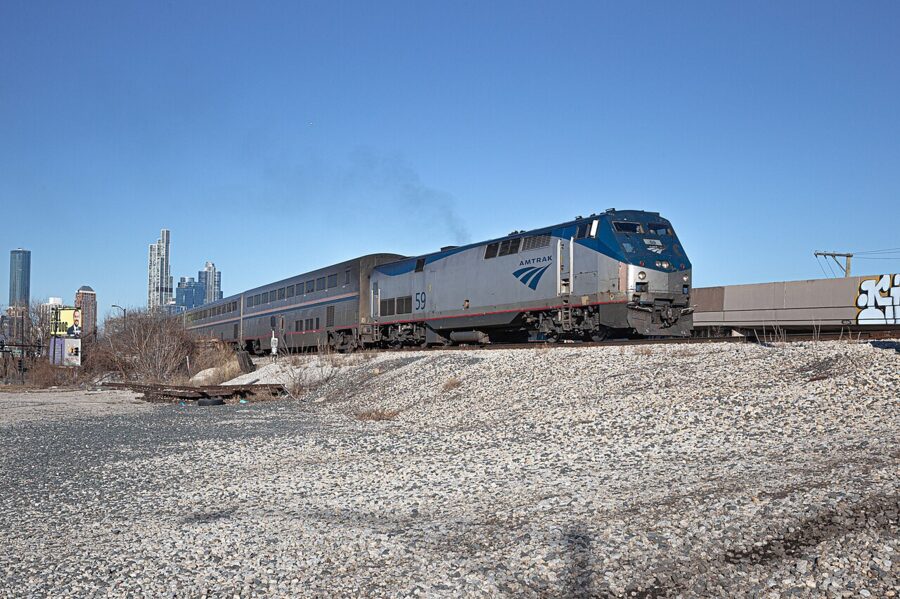
The first long-distance train out of Chicago Union Station each afternoon is the Southwest Chief, at 1:30 p.m., and the last is the Lake Shore Limited at 9:30 at night. In between, the departures board fills with the California Zephyr at 2:00, the Texas Eagle at 2:10, the Empire Builder at 3:05, the Floridian at 6:40 and the City of New Orleans at 8:05, with the Cardinal slotted in at 5:55 three evenings a week. That is eight overnight trains in eight hours, bound for Los Angeles, the Bay Area, Seattle, Portland, San Antonio, Miami, New Orleans, New York and Boston.
That board is Amtrak’s long-distance network at a glance. Of the thirteen overnight trains Amtrak runs in late 2026, eight start or end here, and almost any trip across the country by rail means changing trains in this building.
The decision that matters most is timing. The trains from the East and South roll in between about 8:45 and 10:30 in the morning, the western trains leave between 1:30 and 3:05 in the afternoon, and how much of that gap you trust is the whole craft of crossing America by train.
Stops in this article9
- 01Why the map is a star around Chicago
- 02The western trains
- 03The southern and eastern trains
- 04The trains that never touch Chicago
- 05Every long-distance train at a glance
- 06Classes, dining, fares and the rail pass in 2026
- 07On-time reality, and how to plan around it
- 08The short trains out of Chicago
- 09Booking the network
Why the map is a star around Chicago
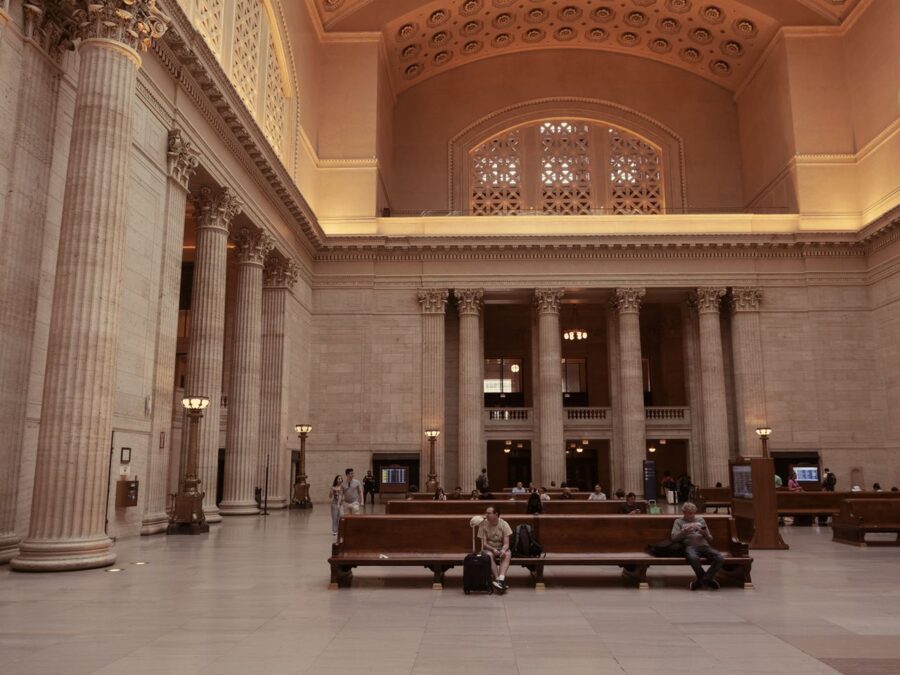
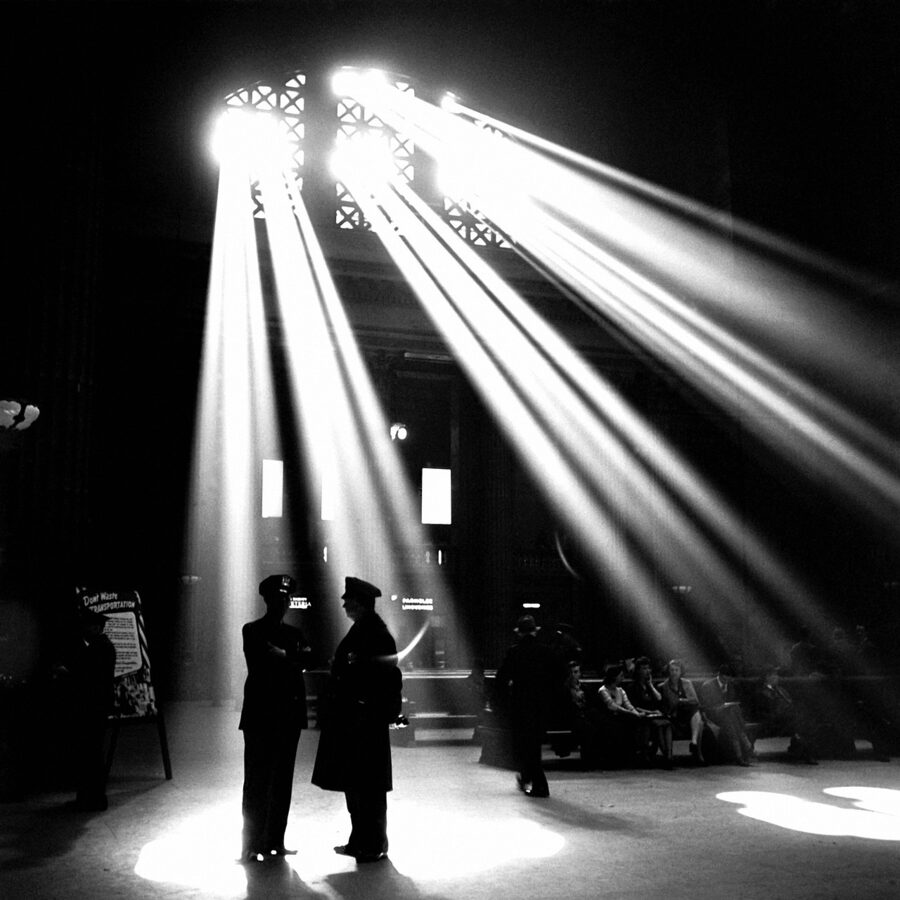
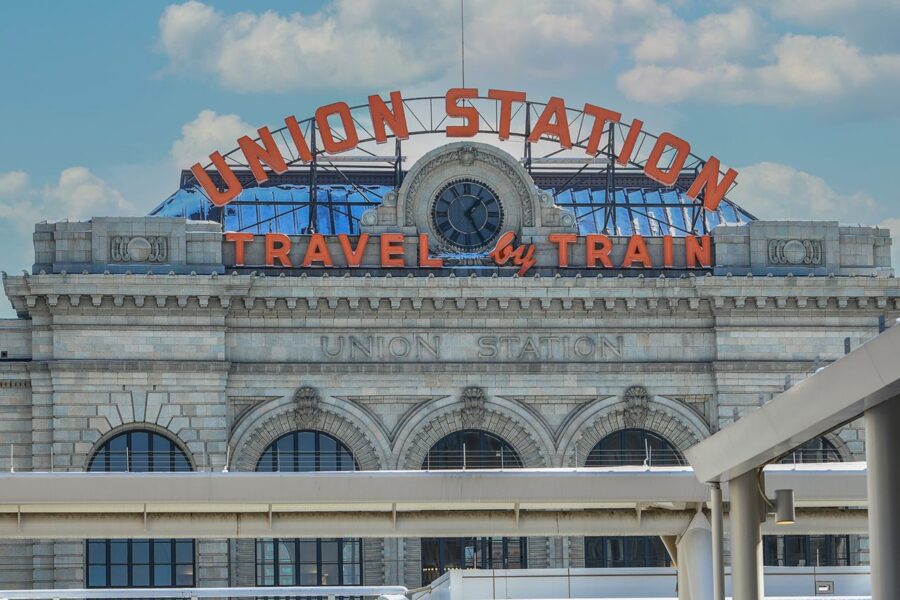
Chicago is where the railroads of the East met the railroads of the West, and for a century almost nobody rode through. You arrived on one company’s train and left on another’s, often from a different station. When Amtrak took over intercity passenger trains in 1971 it inherited that shape and settled the hub at Union Station, which opened in 1925 to a design begun by Daniel Burnham.
The timetable is built around the change. The Floridian arrives at 8:45 a.m., the City of New Orleans at 9:15, the Lake Shore Limited at 10:12 and the Cardinal at 10:25, in time for the western departures after lunch. The arrivals from the West (the Texas Eagle at 1:49 p.m., the Zephyr at 2:39, the Chief at 2:44 and the Builder at 4:45) feed the evening trains east and south.
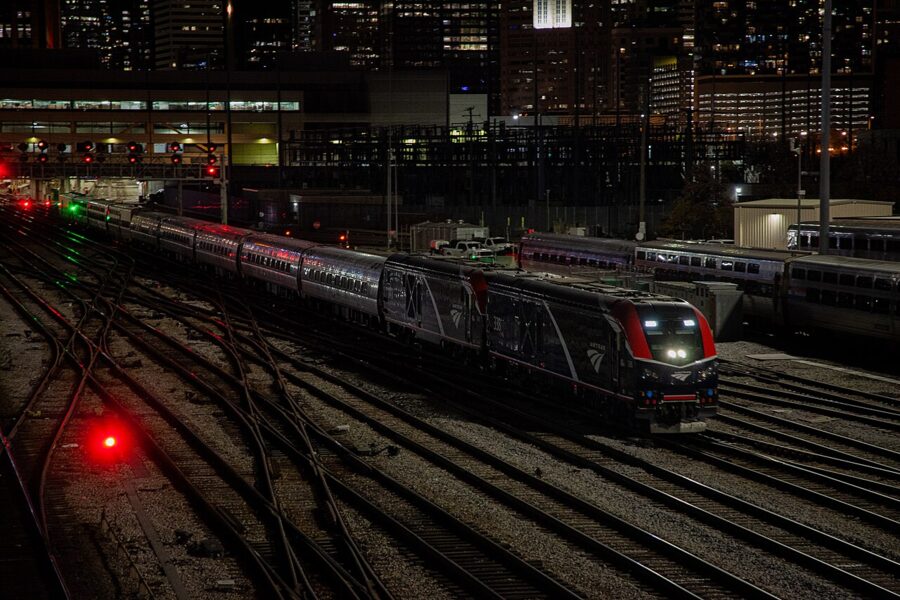
That leaves four to six hours of slack, usually enough and occasionally not. Book both trains on one reservation and Amtrak treats it as a guaranteed connection, rebooking you if the first train is late, though a hotel or meals beyond that are at its discretion. Amtrak says its trains reach more than 500 destinations in 46 states, and the long-distance trains tie most of them together.
The western trains
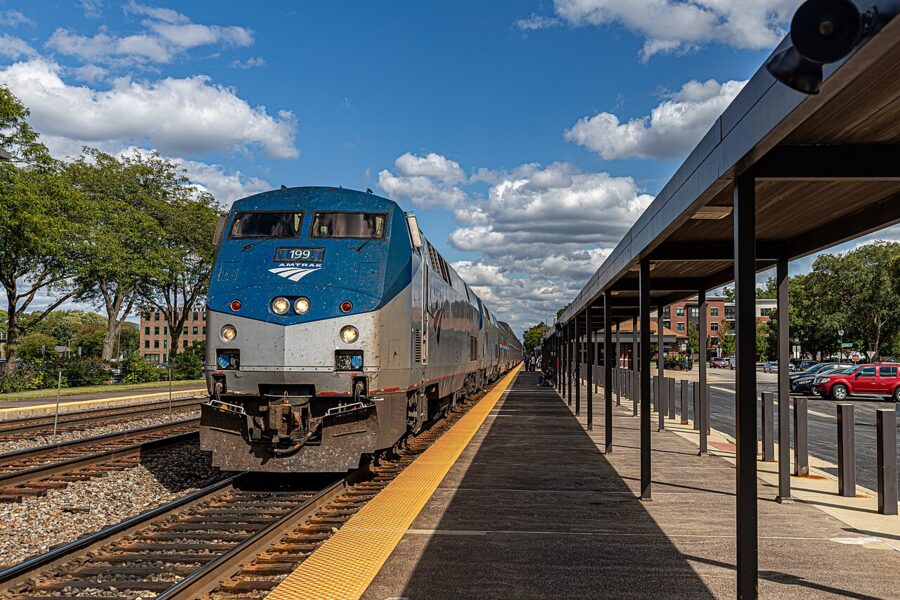
All three leave in the early afternoon, cross the plains in the dark and save their mountains for the second and third days. All three run double-deck Superliner cars with a Sightseer Lounge, whose windows curve up into the roof, and all three serve Traditional Dining, with meals included for sleeping-car passengers.
California Zephyr: Chicago to Emeryville
The Zephyr runs 2,438 miles across Illinois, Iowa, Nebraska, Colorado, Utah, Nevada and California, with an Amtrak bus from Emeryville into San Francisco. Amtrak’s route page gives 51 hours 20 minutes, and its late-November 2026 timetable runs nearer 53. It leaves Chicago daily at 2:00 p.m. and is in Denver the next morning.
Then come the best seven hours on the network. Out of Denver the line climbs the Front Range, goes under the Continental Divide in the Moffat Tunnel, and follows the Colorado River through Gore Canyon and Glenwood Canyon. The westbound train is at Fraser-Winter Park at 10:53 a.m. and Glenwood Springs at 2:43 p.m., in daylight all year; Ruby Canyon, past Grand Junction, needs a summer evening.
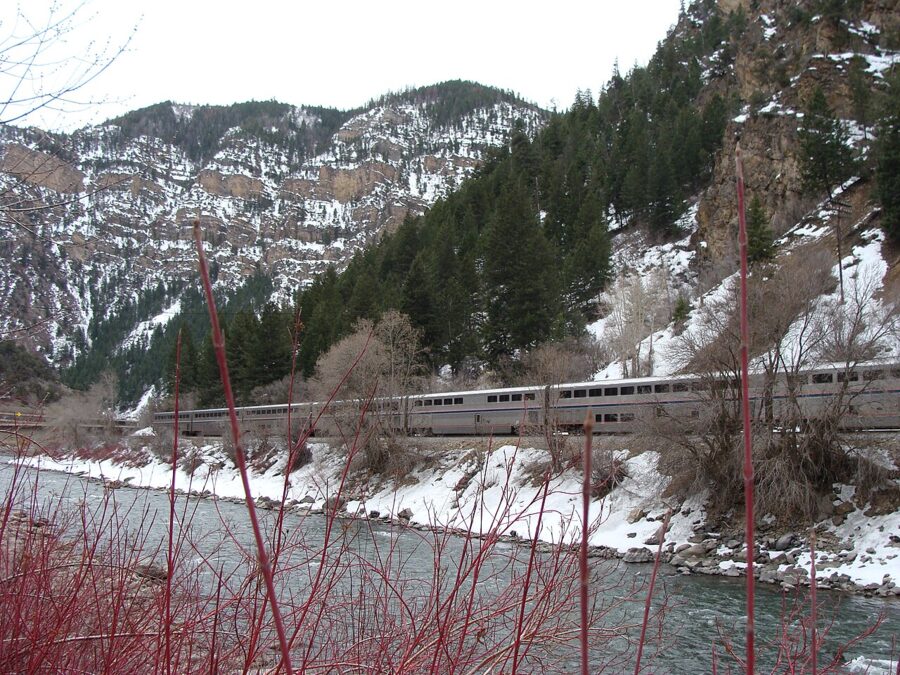
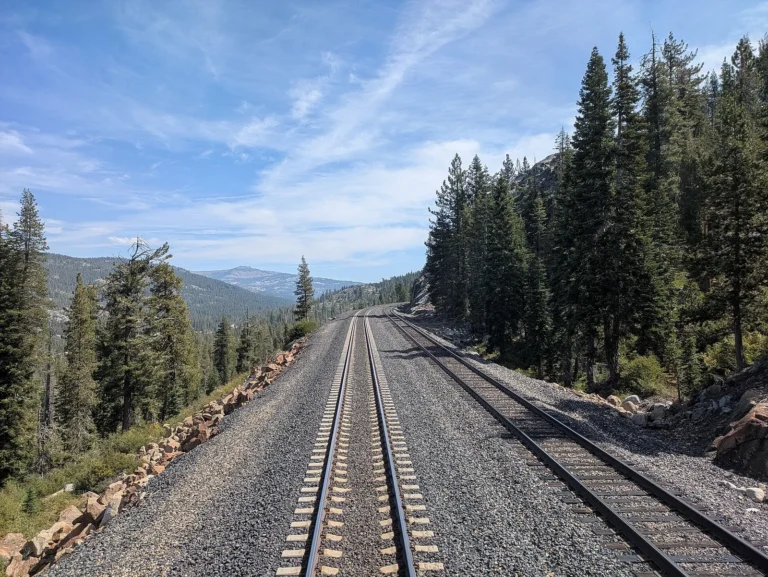
Salt Lake City comes at 11:40 p.m., Nevada passes in the night, and the third morning brings Donner Pass, with Truckee at 10:33 a.m. Eastbound, the train leaves Emeryville at 8:25 a.m., crosses the Sierra around midday and spends its second day in Colorado, Grand Junction at 9:53 a.m. to Denver at 6:59 p.m., which puts Ruby Canyon in daylight all year.
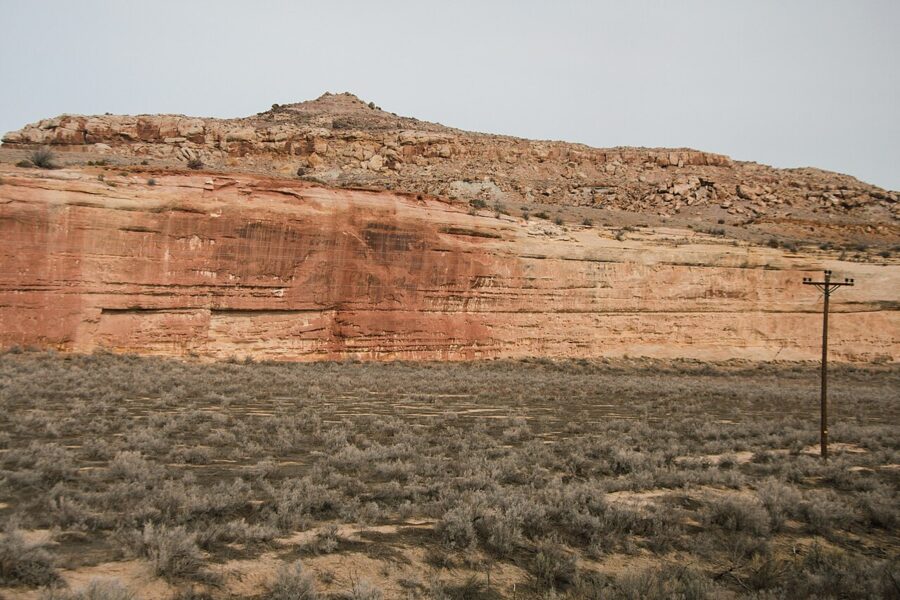
The Zephyr is my pick for the most beautiful Amtrak route, with one warning. Trains magazine reported in November 2026 that it ran with only two coaches through the year, so summer and holiday seats go early, and rooms earlier.
Empire Builder: Chicago to Seattle and Portland
The Builder leaves Chicago daily at 3:05 p.m., reaches St. Paul by 11:13 p.m. and spends its second day crossing North Dakota and the Montana Hi-Line. At Spokane in the small hours it splits: one section crosses the Cascades to Seattle (2,206 miles, arriving 11:29 a.m.), the other follows the Columbia River Gorge to Portland (2,256 miles, 11:17 a.m.), about 46 hours in all.
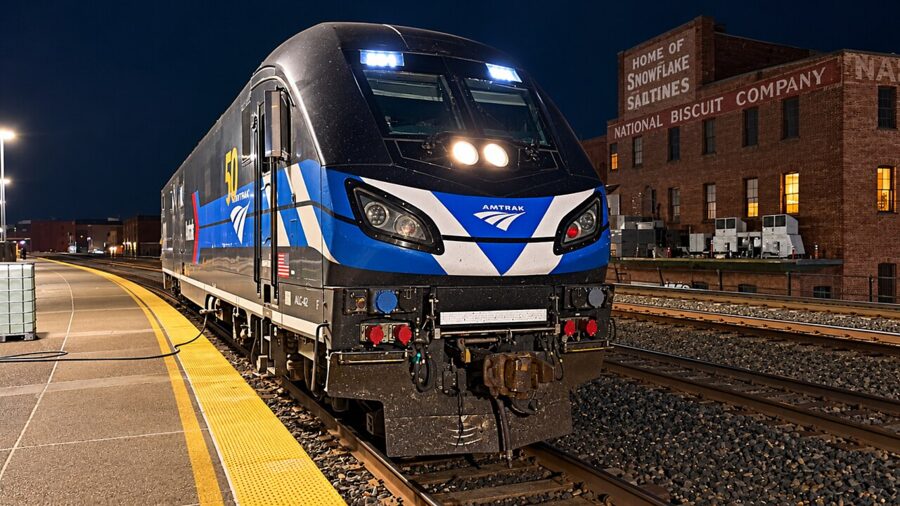
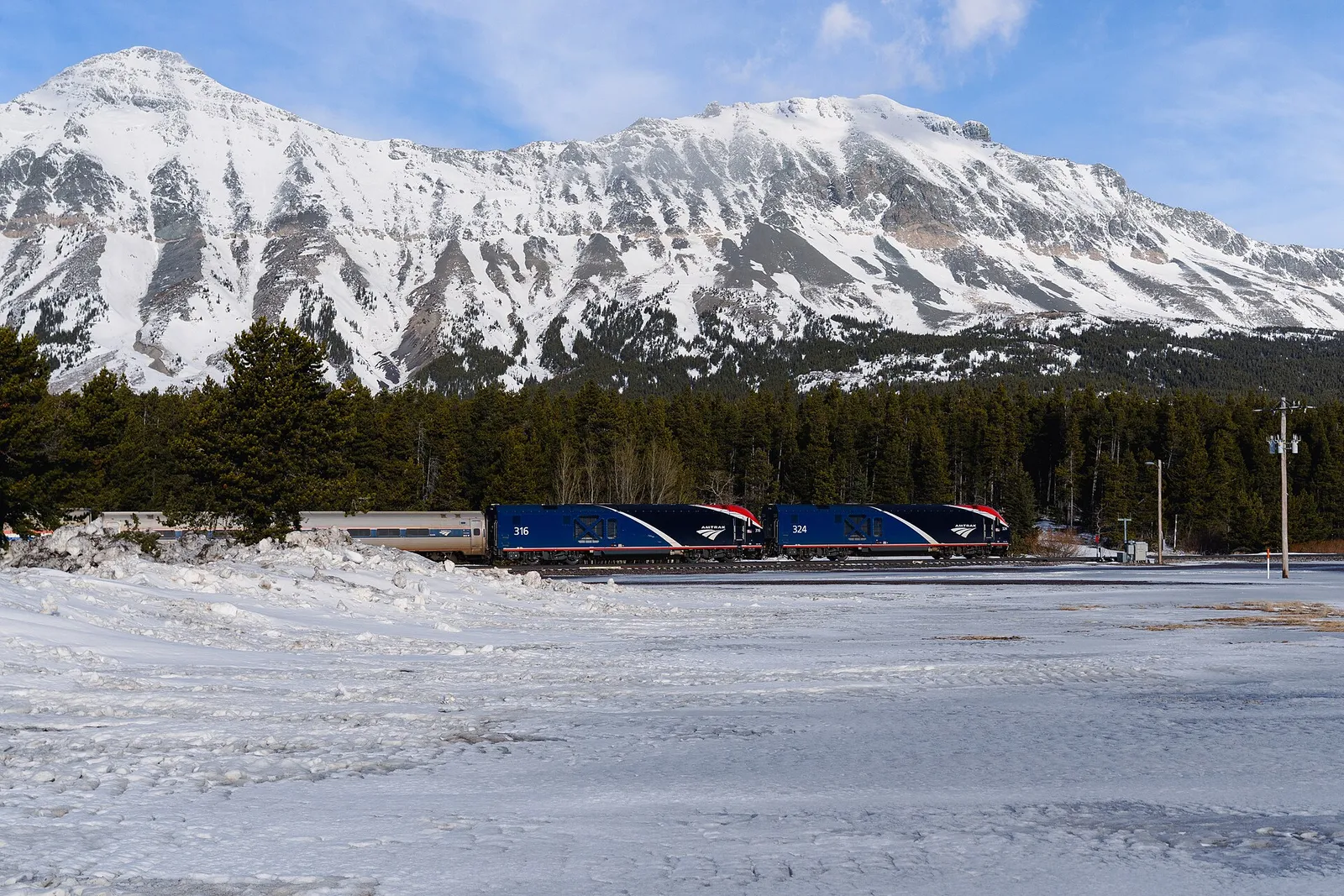
The best stretch is the southern edge of Glacier National Park, over Marias Pass and down the Middle Fork of the Flathead to West Glacier, with the park on the right westbound. Westbound, though, Essex comes at 8:44 p.m. and West Glacier at 9:27, which works only on a June evening. Eastbound, the train is at Whitefish at 7:26 a.m. and Browning by 9:52, so that is the year-round direction for the mountains.
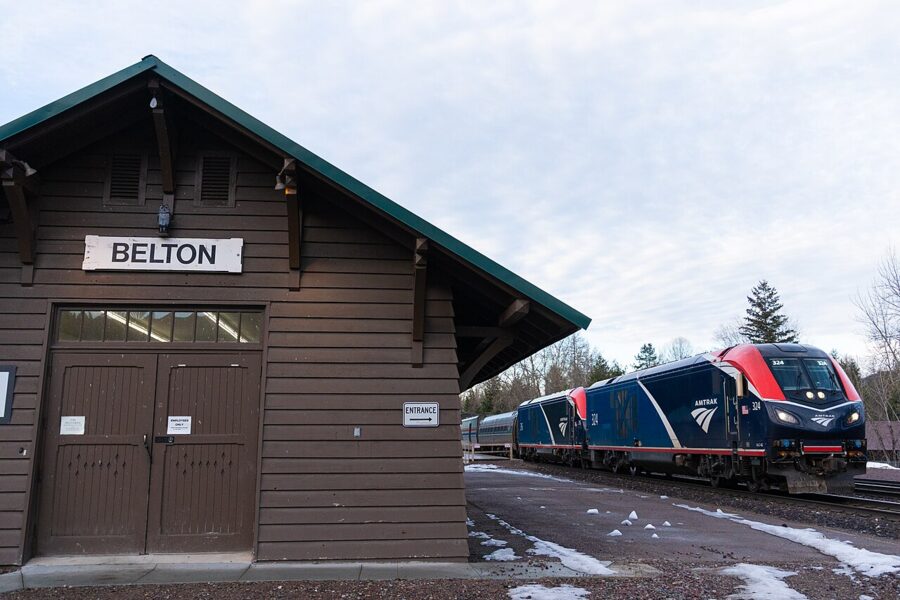
On the Portland section the gorge is on the left heading west, from Wishram at 8:35 a.m. to Vancouver, Washington, at 10:35. Between Spokane and Portland, a short menu of prepared dishes replaces the dining car. Trains magazine found the Builder carried more passenger-miles than the Zephyr in fiscal 2026, even with a single Seattle coach, so book it early.
Southwest Chief: Chicago to Los Angeles
The Chief follows the old Santa Fe main line for 2,265 miles through Kansas City, Albuquerque and Flagstaff. It leaves Chicago daily at 1:30 p.m. in the late-2026 timetable and reaches Los Angeles at about 7:30 a.m. two days later, around 44 hours.
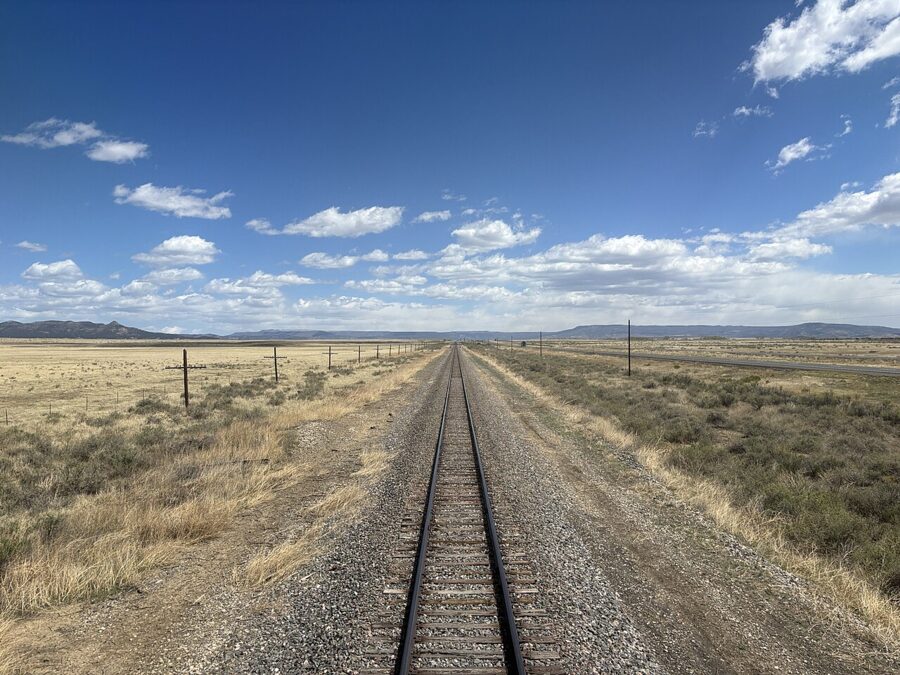
Be awake for the second morning westbound. The train is at La Junta at 6:50 a.m., climbs Raton Pass into New Mexico, crosses open grassland to Las Vegas, New Mexico, then threads Glorieta Pass to Lamy, the stop for Santa Fe, at 12:53 p.m. Eastbound, it leaves Los Angeles at 4:55 p.m. and does the same passes in the afternoon, so both directions see them by day.
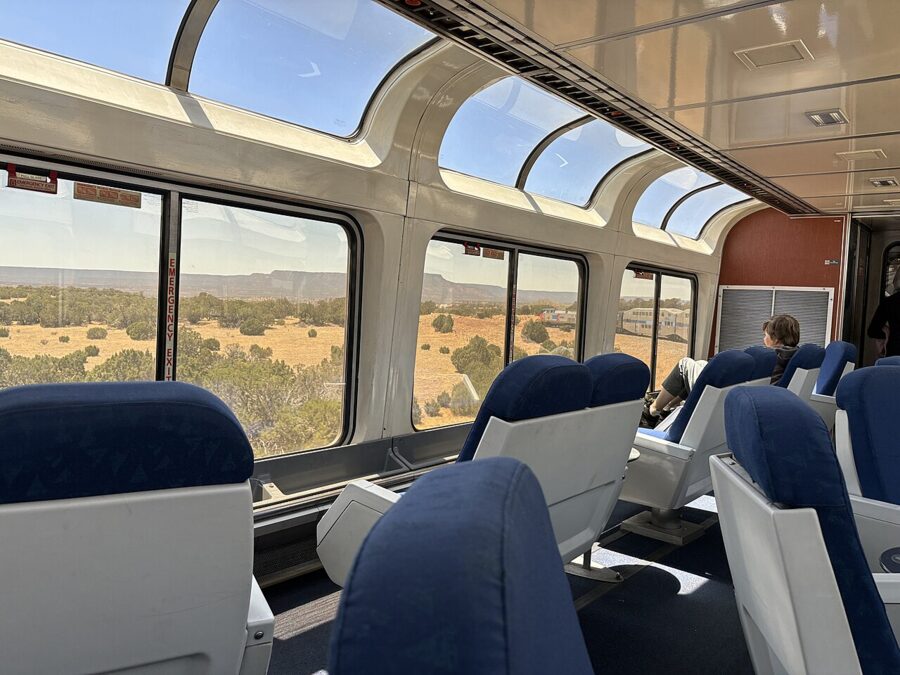
The plain warning: in 2024 the Chief was Amtrak’s least punctual long-distance train, on time for 33 percent of its passengers.
The southern and eastern trains
These five are mostly one-night trips (the Floridian takes two), more about arriving than about the view. The City of New Orleans and the Texas Eagle run Superliners; the Cardinal, the Floridian and the Lake Shore Limited run single-level Viewliner sleepers. All but the Floridian serve Flex Dining instead of a full dining car.
City of New Orleans: Chicago to New Orleans
The City of New Orleans leaves Chicago daily at 8:05 p.m., reaches Memphis at 6:55 a.m. and New Orleans at 3:47 p.m., a little under 20 hours. Northbound, it leaves New Orleans at 1:45 p.m. and is in Chicago at 9:15 the next morning.
Go south. After Memphis the train drops into the cotton country of the Mississippi Delta, with Marks, Greenwood and Yazoo City through the morning. The last stretch into New Orleans crosses the swamps between Lake Maurepas and Lake Pontchartrain, with water close on both sides.
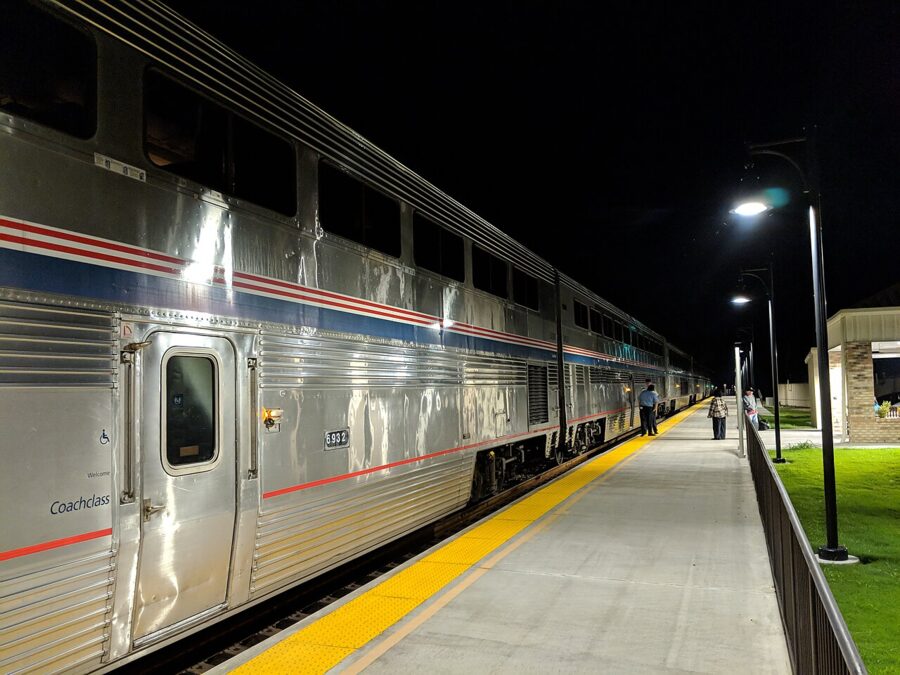
It was also Amtrak’s most punctual long-distance train in 2024, at 79 percent. For a first overnight trip, one night and an afternoon arrival in New Orleans is hard to beat.
Texas Eagle: Chicago to San Antonio, and on to Los Angeles
The Eagle leaves Chicago daily at 2:10 p.m., reaches St. Louis at 8:10 p.m., crosses Arkansas overnight and spends the next day in Texas: Dallas at 12:38 p.m., Austin at 7:22 p.m. and San Antonio at 10:46 p.m., 1,305 miles in about 32 and a half hours. Northbound, it leaves San Antonio at 6:48 a.m. and reaches Chicago at 1:49 p.m. the next day.
Those through cars are attached to the westbound Sunset Limited at San Antonio and reach Los Angeles at 5:35 a.m., 2,728 miles and about 65 hours from Chicago without changing seats. It is the longest ride on Amtrak, and the West Texas desert on the third day is the reason to do it.
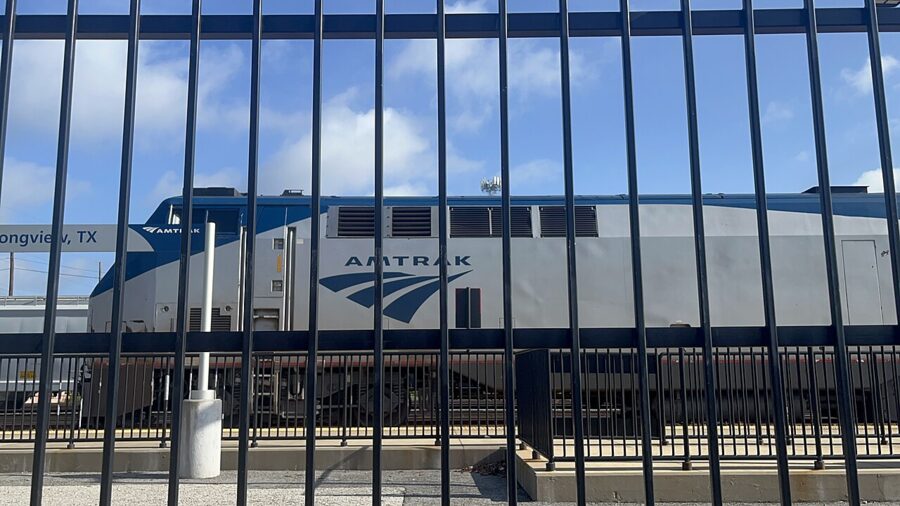
Two cautions. Between Chicago and San Antonio the Eagle serves Flex Dining, and Trains magazine singled out its sleeper food in November 2026. It was also on time for only 56 percent of passengers in 2024.
Cardinal: Chicago to Washington and New York
The Cardinal is the slow, scenic way east: 1,145 miles through Indianapolis, Cincinnati and the mountains of West Virginia and Virginia to Washington and New York, in about 28 hours. It runs three days a week, leaving Chicago at 5:55 p.m. on Tuesdays, Thursdays and Saturdays and New York at 6:40 a.m. on Sundays, Wednesdays and Fridays.
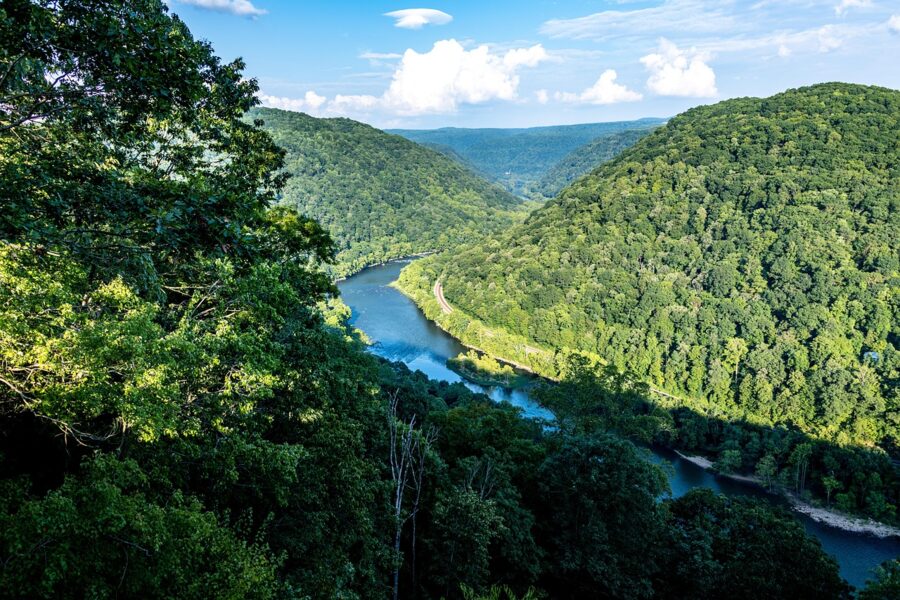
Its best stretch is the New River Gorge, now a national park, where the line follows the river past Thurmond, a stop inside the park. Eastbound you are there in the morning, Charleston at 8:31 a.m. and Hinton at 10:50, with the Alleghenies after. Westbound, the gorge comes between about 6:45 and 9 p.m., daylight only around midsummer.
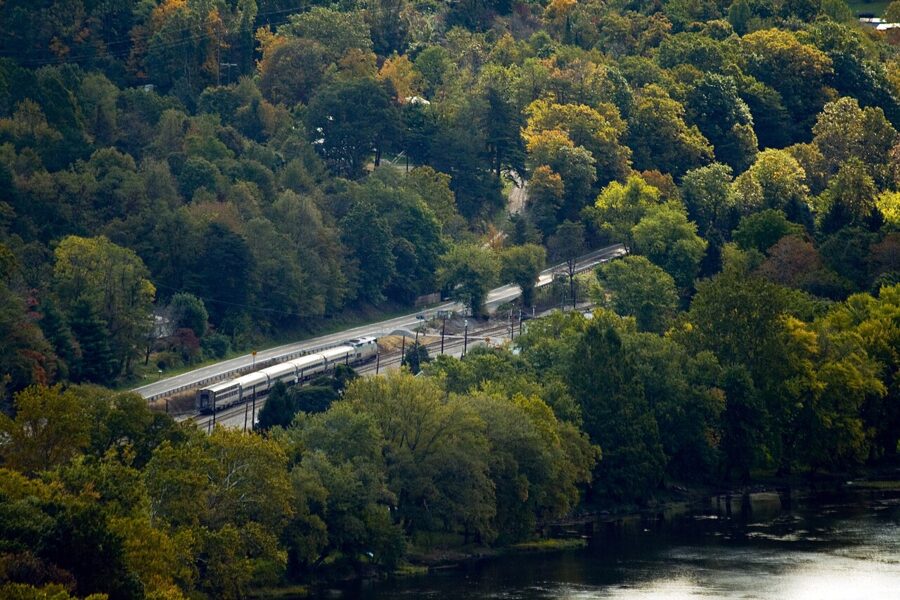
Check the dates before you plan around it. Track and tunnel work in Virginia and Washington cut the Cardinal short or canceled it for weeks at a time in 2026; during the October First Street Tunnel closure it ran only between Chicago and Indianapolis.
Floridian: Chicago to Washington and Miami
The Floridian combined the Capitol Limited and the Silver Star in November 2024 because of tunnel work under New York’s East River. Amtrak calls it temporary and, as of late 2026, has not said when the two trains return. Meanwhile it runs daily from Chicago to Miami without a change: 2,076 miles via Pittsburgh, Washington, Jacksonville, Orlando and Tampa, about 47 hours.
Southbound, it leaves Chicago at 6:40 p.m. and gives you its best stretch the next morning: up the Youghiogheny valley, over the Alleghenies to Cumberland at 9:37 and down the Potomac to Harpers Ferry at 11:36 and Washington at 1:48 p.m. Florida comes the following morning, with Tampa at 12:43 p.m. and Miami at 6:09 p.m. Northbound it leaves Miami at 11:05 a.m. and reaches Chicago at 8:45 a.m. two days later.
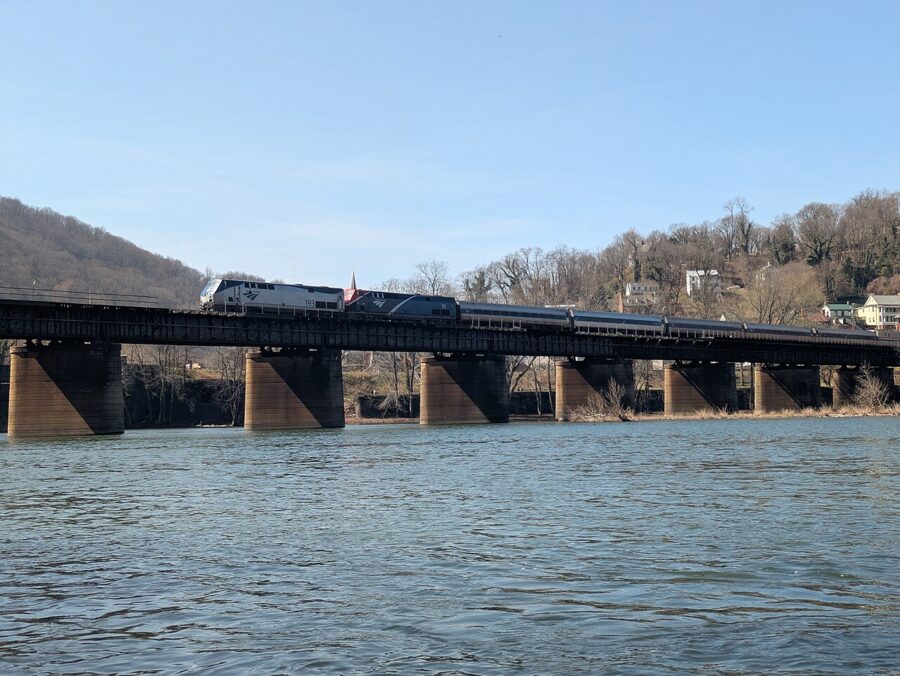
Two nights is a lot of train for a trip most people fly, and the Floridian was on time for only 36 percent of passengers in 2024. It earns its place for anyone who will not fly, and for that morning along the Potomac.
Lake Shore Limited: Chicago to New York and Boston
The Lake Shore Limited is the overnight train to New York: 959 miles via Cleveland, Buffalo and Albany in about 20 hours. It leaves Chicago at 9:30 p.m. daily and reaches New York’s Moynihan Train Hall at 6:42 p.m.; a Boston section splits at Albany. Westbound, it leaves New York at 3:40 p.m. and reaches Chicago at 10:12 a.m.
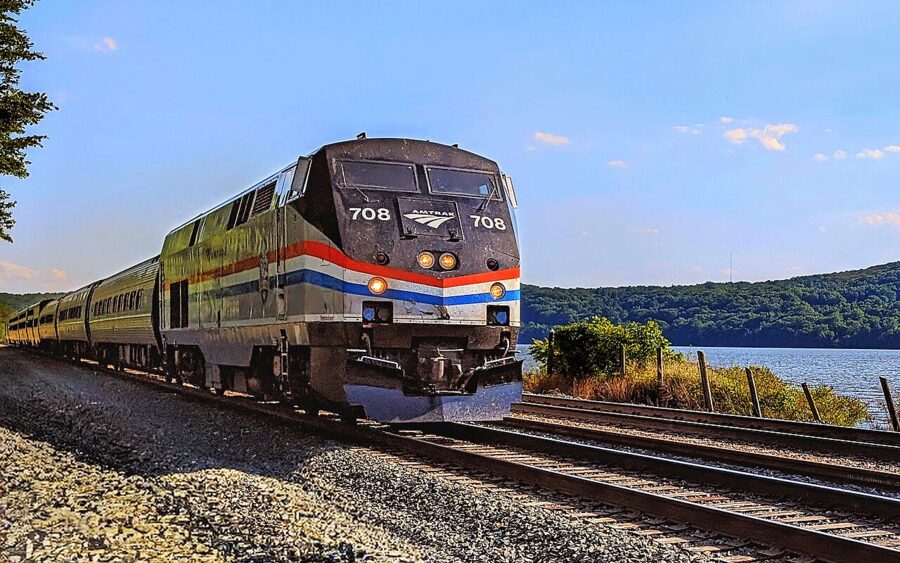
The scenery is the first two and a half hours out of New York, along the east bank of the Hudson; sit on the left westbound. The Boston section is the weak link: Trains magazine reported that most trips cut in fiscal 2026 were Boston to Albany runs replaced by buses.
The trains that never touch Chicago
Five overnight trains run nowhere near Union Station. The Coast Starlight and the Sunset Limited are Superliner trains of the West; the other three serve the East Coast and the South.
Coast Starlight: Seattle to Los Angeles
The Coast Starlight runs daily for about 1,380 miles via Portland, Sacramento and Oakland, in about 35 hours. Southbound it leaves Seattle at 9:55 a.m. and reaches Los Angeles at 9:11 p.m. the next day; northbound it leaves Los Angeles at 9:51 a.m. and reaches Seattle at 7:51 p.m.
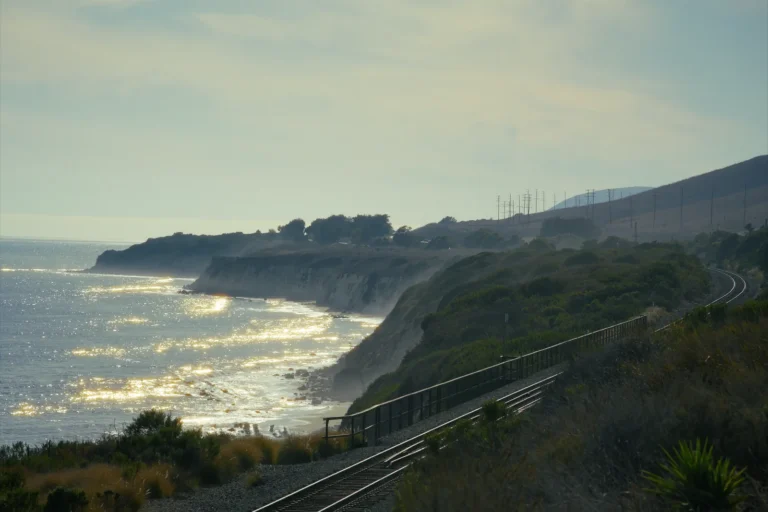
Its best stretch is the Pacific shore between San Luis Obispo and Santa Barbara, along the Gaviota coast, in daylight both ways. Southbound, sit on the right for the water; northbound, on the left. For the Oregon Cascades too, go north: the northbound train passes Klamath Falls at 7:43 a.m., while southbound it is there in the evening.
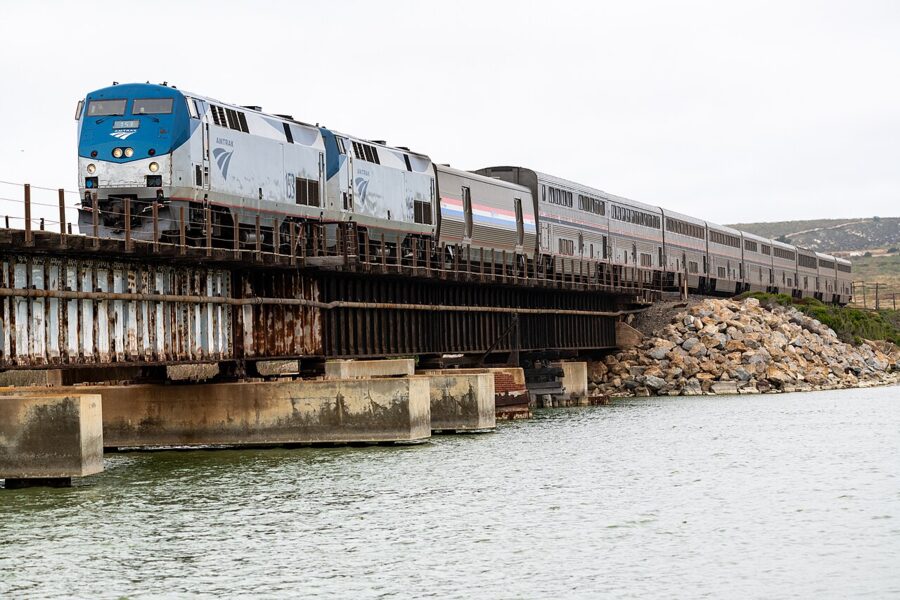
The Starlight meets the Zephyr in Sacramento and Emeryville, the Builder in Portland and Seattle, and the Chief and the Sunset Limited in Los Angeles, so it joins up almost every western loop. Some summer runs carry National Park Service guides under the Trails & Rails program.
Sunset Limited: New Orleans to Los Angeles
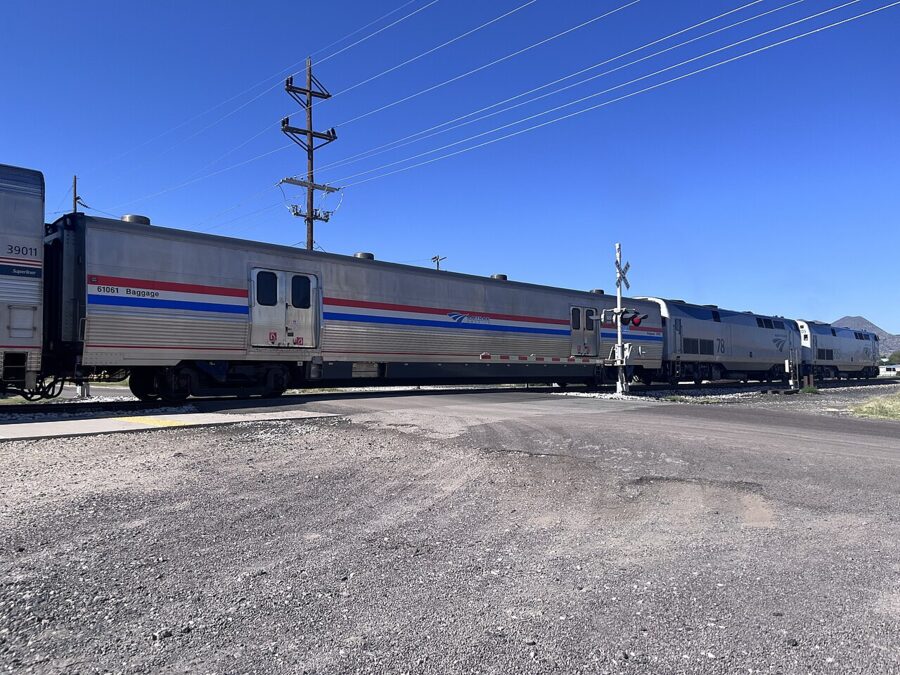
The Sunset Limited is the southern transcontinental: 1,995 miles via Houston, San Antonio, El Paso and Tucson, in about 46 hours. It runs three times a week, leaving New Orleans at 9:00 a.m. on Mondays, Wednesdays and Saturdays and Los Angeles at 10:00 p.m. on Sundays, Wednesdays and Fridays.
Westbound is better. The Louisiana bayous and the Atchafalaya Basin pass on the first morning, then the second day crosses the far West Texas desert: Del Rio at 5:52 a.m., Alpine at 10:41 a.m., El Paso at 1:50 p.m. and on to Tucson in the evening. Eastbound, much of that ground passes at night.
Crescent: New York to New Orleans
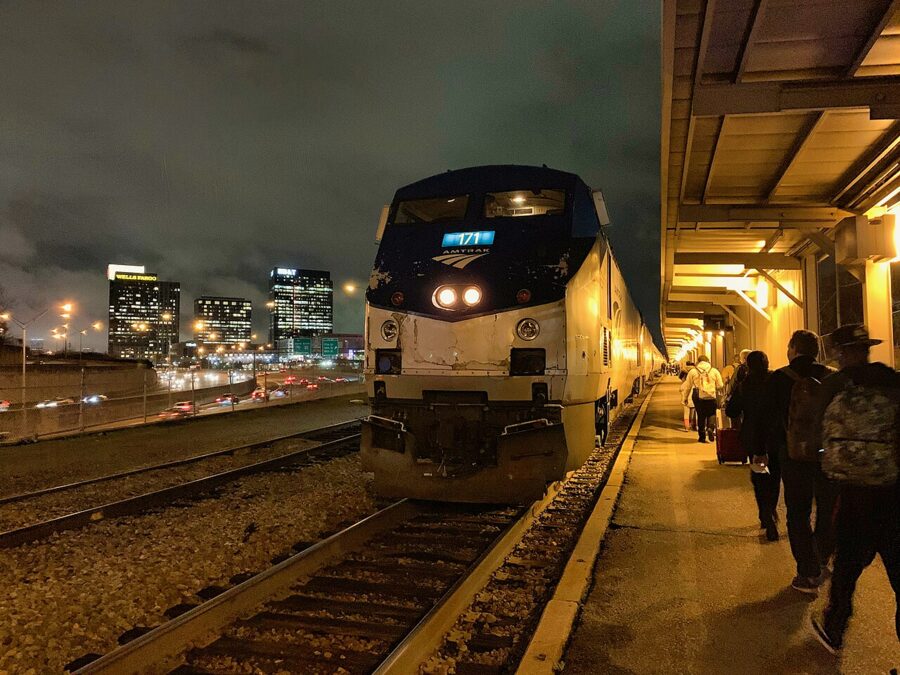
The Crescent runs daily over 1,381 miles via Washington, Charlotte, Atlanta and Birmingham, in about 32 hours. It leaves New York at 2:00 p.m. and reaches New Orleans at 9:12 p.m. the next day; northbound, it leaves New Orleans at 9:10 a.m.
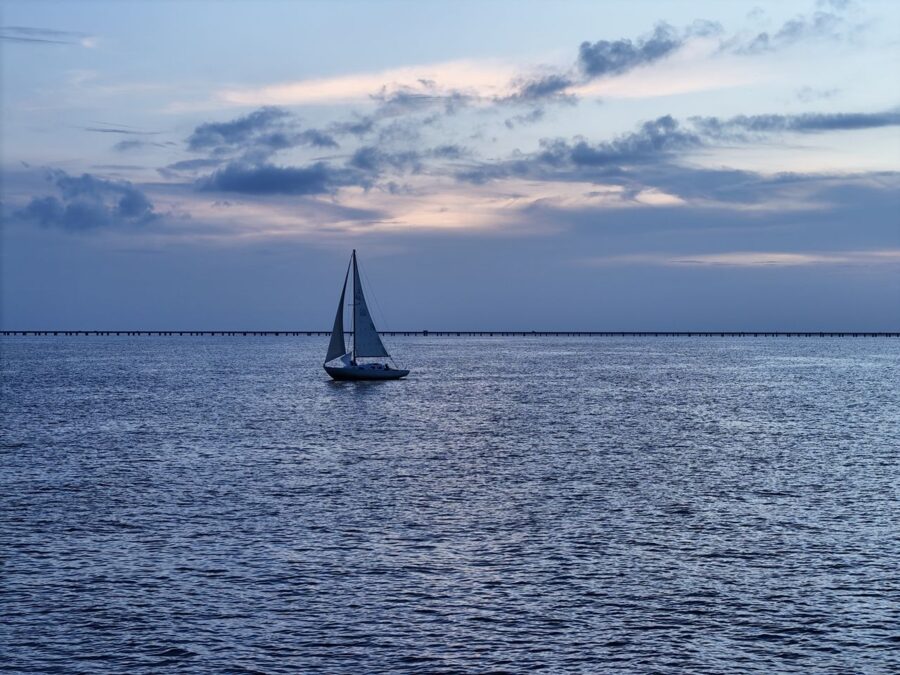
Take it north. Leaving New Orleans in the morning, the train crosses Lake Pontchartrain on a trestle several miles long, with open water on both sides; southbound, the crossing comes after dark. The next morning brings the Virginia Piedmont, Lynchburg at 9:41 and Charlottesville at 10:59.
Silver Meteor: New York to Miami
With the Silver Star folded into the Floridian, the Silver Meteor is the one train from New York to Florida: 1,390 miles via Washington, Savannah and Orlando, about 28 hours, daily. It leaves New York at 2:30 p.m. and reaches Miami at 6:59 p.m. the next day; northbound, it leaves Miami at 7:05 a.m.
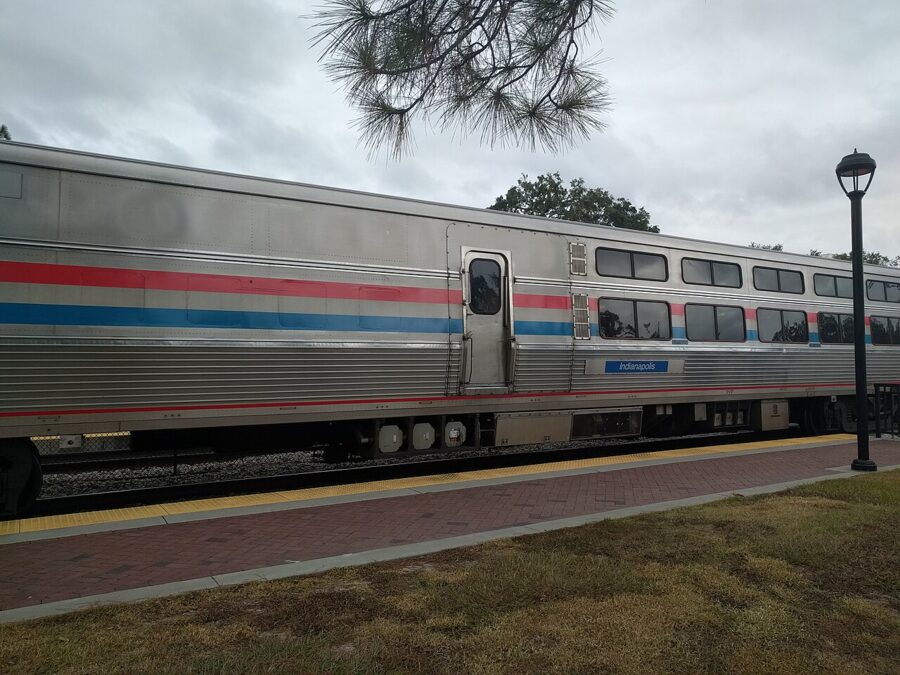
It is a transport train more than a scenic one: the Lowcountry of South Carolina and Georgia passes mostly in the dark. It does keep a full dining car, which on the East Coast only the Floridian and the Auto Train share.
Auto Train: Lorton to Sanford
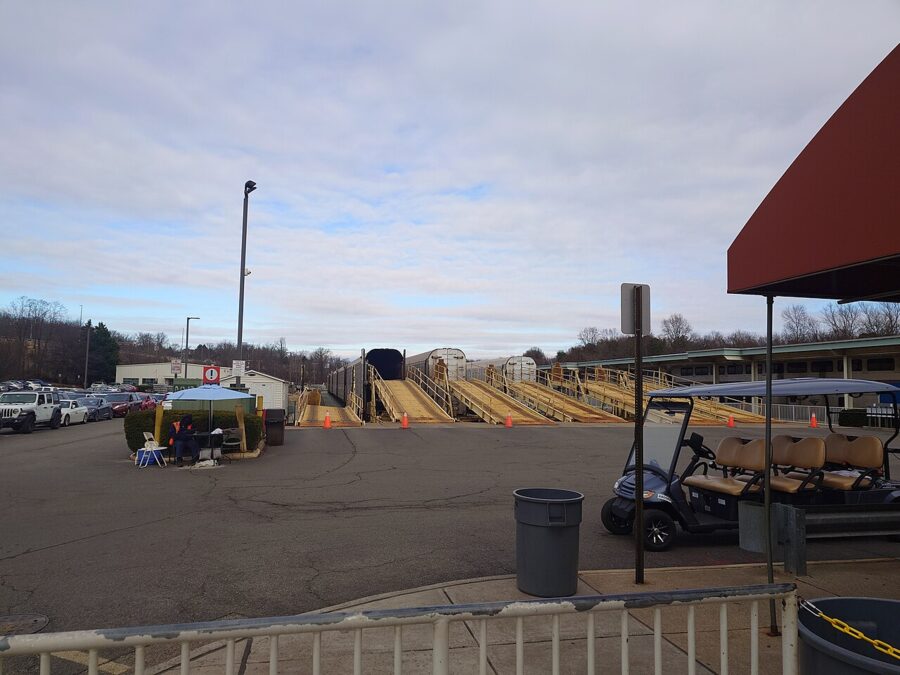
The Auto Train carries you and your car between Lorton, Virginia, near Washington, and Sanford, Florida, near Orlando, with no stops. It leaves both ends daily at 4:00 p.m. and arrives at about 9:00 the next morning. It is the one long-distance train the USA Rail Pass does not cover, and for anyone who would otherwise drive Interstate 95 in two long days, the most practical train Amtrak runs.
Every long-distance train at a glance
Times are from Amtrak’s timetables as printed for late November 2026; they shift with track work, so check yours.
| Train | Route | Hours | Runs | Best stretch |
|---|---|---|---|---|
| California Zephyr | Chicago, Denver, Salt Lake City, Emeryville (2,438 mi) | 51 to 53 | daily | Denver to Glenwood Springs |
| Empire Builder | Chicago, St. Paul, Spokane, Seattle or Portland (2,206 / 2,256 mi) | about 46 | daily | Glacier, eastbound morning |
| Southwest Chief | Chicago, Kansas City, Albuquerque, Los Angeles (2,265 mi) | about 44 | daily | Raton and Glorieta passes |
| City of New Orleans | Chicago, Memphis, Jackson, New Orleans | about 19.5 | daily | Mississippi Delta, southbound |
| Texas Eagle | Chicago, St. Louis, Dallas, San Antonio (1,305 mi); Los Angeles (2,728 mi) | about 32; 65 to Los Angeles | daily; Los Angeles cars 3 a week | West Texas, Los Angeles cars |
| Cardinal | Chicago, Cincinnati, Washington, New York (1,145 mi) | about 28 | 3 a week | New River Gorge, eastbound |
| Floridian | Chicago, Pittsburgh, Washington, Tampa, Miami (2,076 mi) | about 47 | daily | Potomac, southbound morning |
| Lake Shore Limited | Chicago, Cleveland, Albany, New York (959 mi) or Boston | about 20 | daily | Hudson, westbound afternoon |
| Coast Starlight | Seattle, Portland, Oakland, Los Angeles (about 1,380 mi) | 34 to 35 | daily | Pacific shore, both ways |
| Sunset Limited | New Orleans, Houston, El Paso, Los Angeles (1,995 mi) | about 46 | 3 a week | West Texas, westbound |
| Crescent | New York, Washington, Atlanta, New Orleans (1,381 mi) | about 32 | daily | Lake Pontchartrain, northbound |
| Silver Meteor | New York, Washington, Savannah, Miami (1,390 mi) | about 28 | daily | Central Florida by day |
| Auto Train | Lorton VA to Sanford FL, no stops | about 17 | daily | none; it runs overnight |
Classes, dining, fares and the rail pass in 2026
Coach, roomette, bedroom
Coach is a wide reclining seat with a leg rest and plenty of legroom; people sleep in it, but by the second night most regret it. A roomette is two facing seats that become a lower bed, with an upper bed folding down above, for one or two people. A bedroom is twice the size, with a sofa and chair that become two beds and its own sink, toilet and shower.
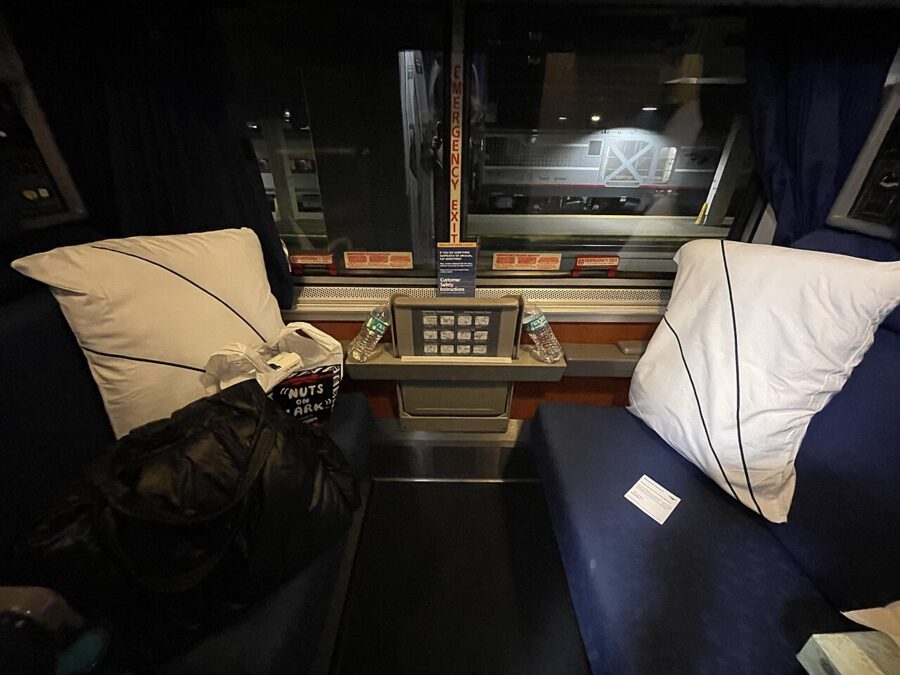
On Superliners, roomette passengers share restrooms and a shower down the hall. On Viewliner trains the older roomettes have a toilet in the room, while the newer Viewliner II cars have only a sink, so ask if it matters. Every private room includes bedding, an attendant, priority boarding, lounge access at major stations and meals on board.
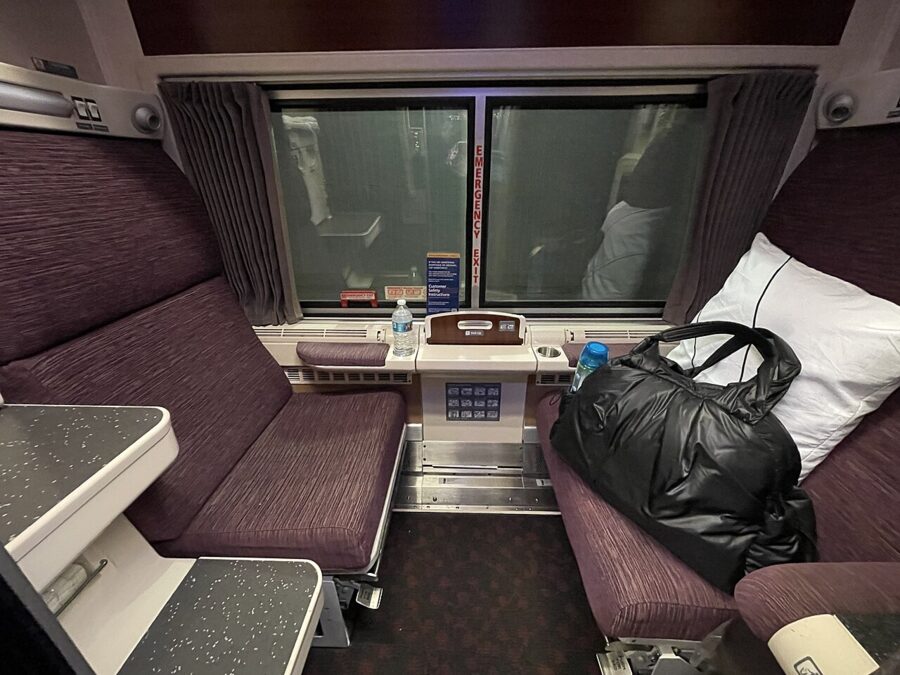
For two nights I would book the roomette on the western trains, and a bedroom only for two adults who want their own shower. On one-night trains such as the City of New Orleans, coach is fine if you sleep sitting up.
What the dining car serves now
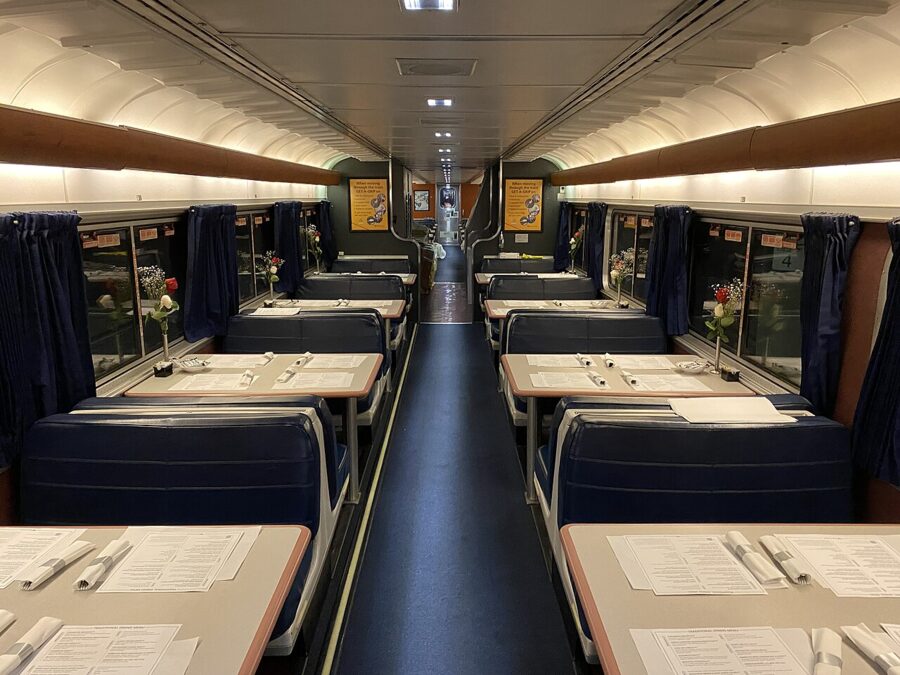
Traditional Dining, a dining car with a chef and table service, runs on the Auto Train, California Zephyr, Coast Starlight, Empire Builder, Floridian, Silver Meteor, Southwest Chief, Sunset Limited and the Texas Eagle west of San Antonio. Sleeping-car passengers eat free, first alcoholic drink at dinner included, and reserve lunch (11:30 a.m. to 2:30 p.m.) and dinner (5:00 to 9:00 p.m.); breakfast runs 6:30 to 9:30 a.m.
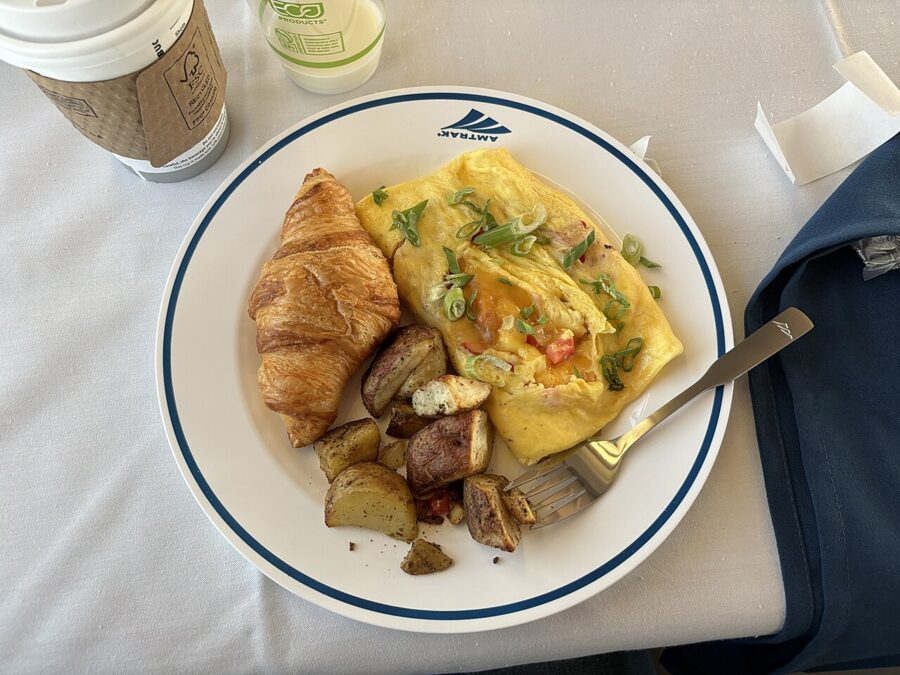
Flex Dining, a short menu of prepared meals heated on board, runs on the Cardinal, City of New Orleans, Crescent, Lake Shore Limited and the Texas Eagle north of San Antonio. Amtrak added lunch choices in February 2026, from a turkey sub to a Greek salad, served in the dining car or your room. It is food rather than a meal out, and on two nights it wears thin.
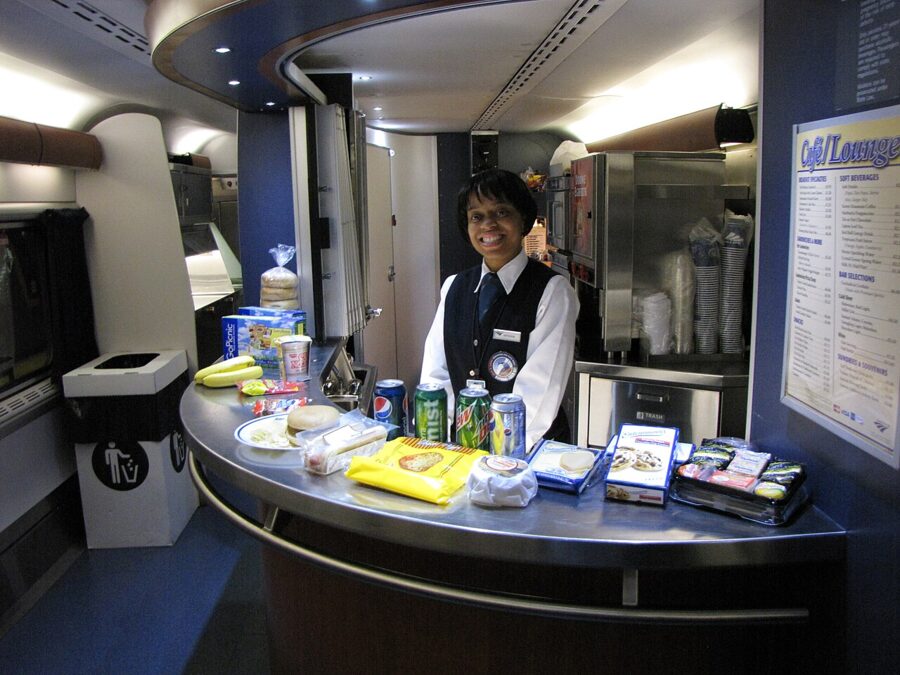
Coach passengers buy from the café car. On some trains the crew sells spare dining-car places to coach once the sleepers are seated, but that depends on the day, so bring food you like and treat a dining-car meal as a bonus.
How fares work
Prices move with demand and the calendar, and you can book up to 11 months ahead. Coach comes as a Value fare, which cannot be changed and loses 30 percent if you cancel, or a Flex fare, refundable and changeable without fees. A room is one price for one or two people and their meals: cancel more than 120 days out and you get it all back, 120 to 15 days out you lose 25 percent, and inside 14 days the rest comes back as an eVoucher, per Amtrak’s guide to fares as of 2026.
Book early: Trains magazine found long-distance fares rising faster than ridership in fiscal 2026 because there are not enough cars. Seniors get 10 percent off most trains, not half. Is it cheaper than flying? In coach, booked early, sometimes; with a room, almost never, though the room is also a bed and every meal.
The USA Rail Pass
The USA Rail Pass costs $499 as of 2026 for 10 one-way segments within 30 days of your first ride, which must start within 120 days of purchase. Each boarding is a segment, so a change in Chicago uses two. It is coach only, with no room upgrades, and excludes Acela, the Auto Train, the Canadian stations of the Maple Leaf and some Thruway buses. Every segment needs a reservation, pass seats on each train are limited, and the same two stations count at most four times.
Amtrak sold it for $250 for one week in January 2026, so watch for a sale. Used well, it is the cheapest way to ride the network: New York to Chicago to Emeryville is two segments, leaving eight for the Starlight, the Chief and the way home.
The Metropolitan Lounge in Chicago
Amtrak’s Metropolitan Lounge sits between the ticket office and the Great Hall, open 8:00 a.m. to 9:30 p.m. daily. You need a same-day ticket plus a room or First Class booking, Guest Rewards Select Plus or Select Executive status, or a lounge pass; business class does not count here. Inside are quiet seats, free soft drinks and snacks, Wi-Fi and staff who handle tickets.

Entry starts three hours before departure, but sleeper passengers connecting on one itinerary are exempt, and anyone whose train is delayed can stay. Coach passengers can buy a Single Visit Pass for $35 as of 2026, or redeem 1,500 Guest Rewards points.
On-time reality, and how to plan around it
Outside the Northeast, Amtrak’s long-distance trains run on freight railroads, which must by law give them preference and often hold them in sidings anyway. Amtrak’s on-time page names this freight train interference the largest cause of delay, and says no long-distance route met the federal 80 percent standard in 2024.
The 2024 figures tell you which trains to trust. The City of New Orleans got 79 percent of passengers in on time and the Lake Shore Limited 75; the Crescent and Sunset Limited managed 62 and 61; the Eagle, Cardinal and Builder sat in the mid-50s and the Starlight and Zephyr near half; the Auto Train reached 48, the Silver Meteor 42, the Floridian 36 and the Chief 33. Amtrak’s host railroad report for the year to June 2026 still found the freight railroads causing about two-thirds of delay minutes on their lines, against 23 percent caused by Amtrak.
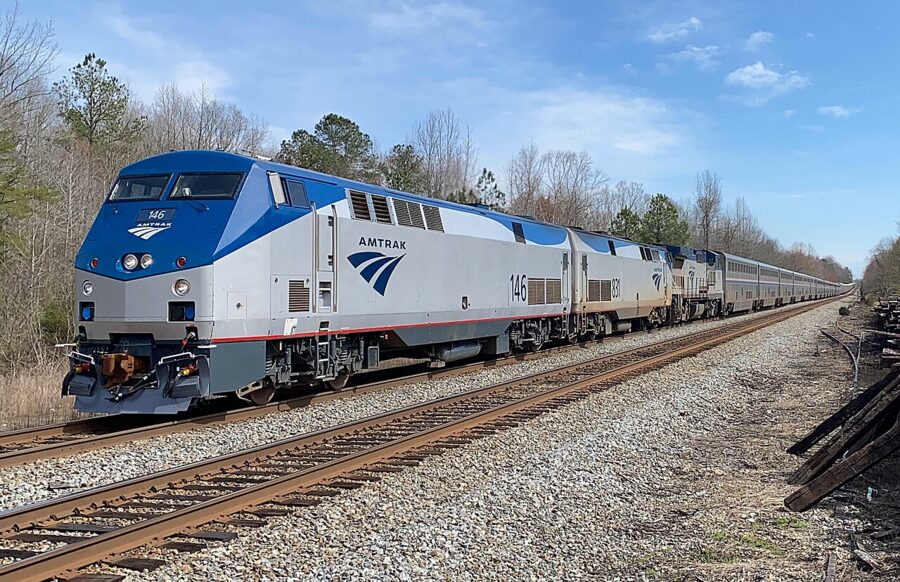
So plan for it. Book connections on one reservation, and put a hotel night between the train and anything you cannot miss, such as a cruise or a flight home. Coming from the East with a must-make western train, a night in Chicago is the safe choice. Carry food and follow your train on the Amtrak app rather than the printed times.
The short trains out of Chicago
Chicago is also the hub for day trains run with the Midwestern states, the easy way to add a city to a long trip.
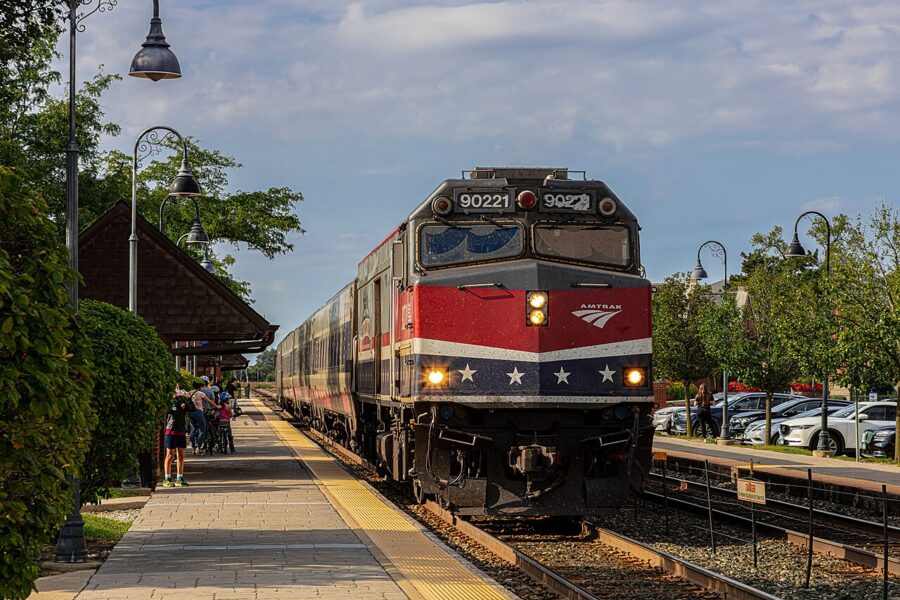
Hiawatha (Chicago to Milwaukee): 86 miles in 1 hour 29 minutes, six or seven round trips a day in the late-2026 timetable. The Borealis continues once a day to St. Paul, about seven and a half hours from Chicago.
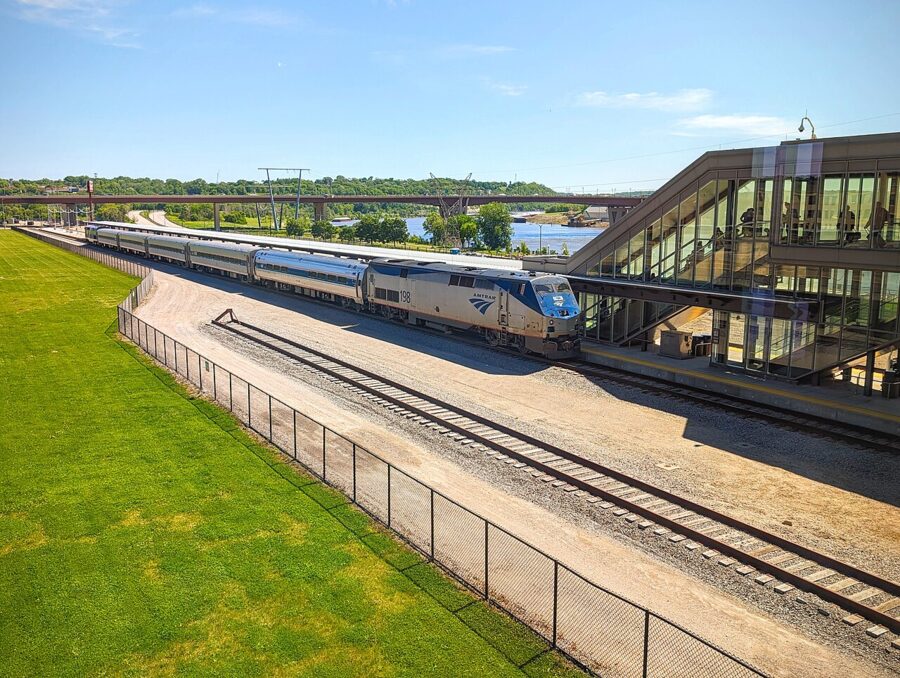
Wolverine (Chicago to Detroit and Pontiac): three round trips a day, about six hours, via Kalamazoo and Ann Arbor, with stretches cleared for 110 mph.
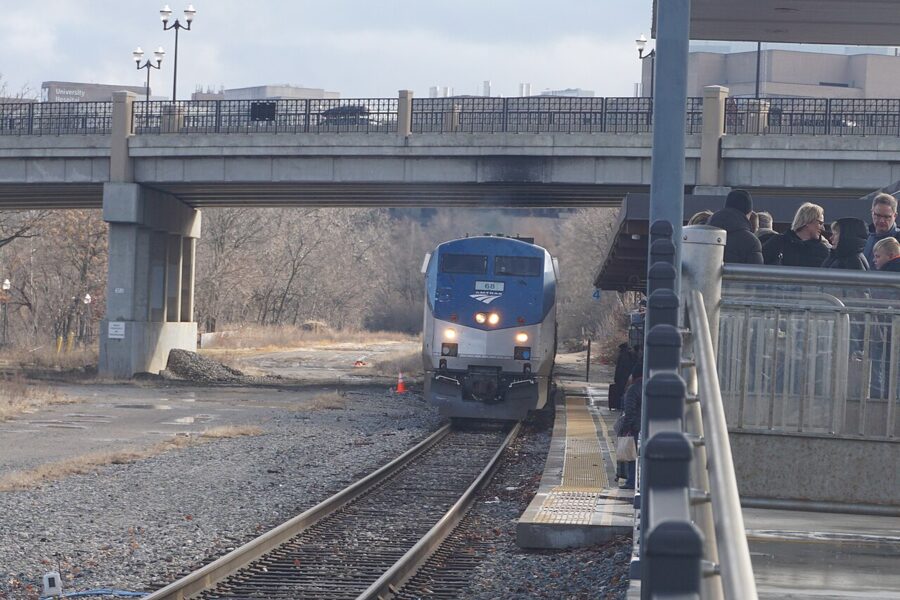
Lincoln Service (Chicago to St. Louis): several trains a day over 284 miles in about five hours, via Bloomington-Normal and Springfield, with sections at 110 mph.
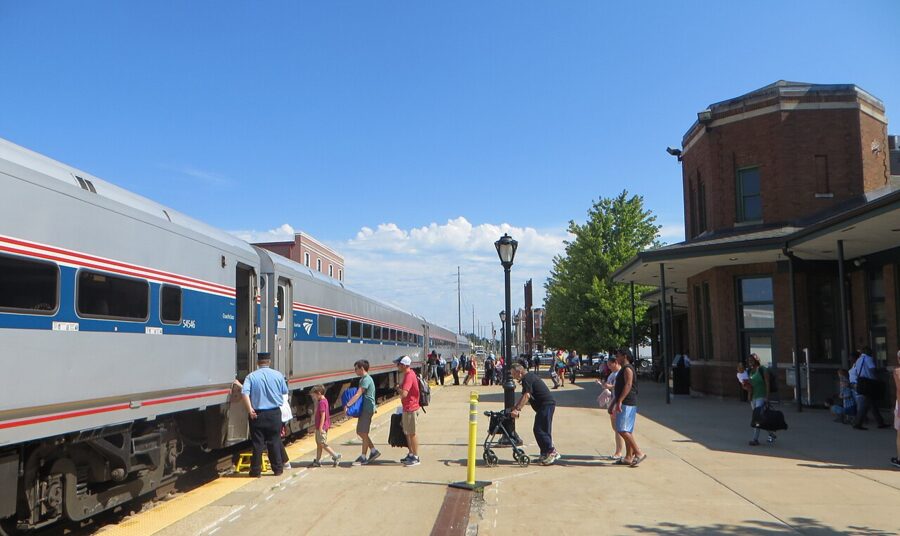
For a ride taken for the ride alone, the heritage lines in tourist train rides in the USA fit better, and in December the Christmas trains and the licensed Polar Express rides run mostly on those lines rather than on Amtrak.
Booking the network
Everything here books with Amtrak, online or in its app, up to 11 months ahead, and each route has a printable timetable worth checking for your dates. Amtrak has asked carbuilders to bid on more than 800 new long-distance cars, with a builder to be named by the end of 2027, so today’s Superliners and Viewliners will carry you for some years yet. Book the western rooms first: they are the scarcest thing on the network.
Back on that afternoon board in Chicago, the choice comes down to this. If you have one trip, take the 2:00 p.m. Zephyr west and stay awake from Denver to Glenwood Springs; if you are coming from the East, arrive on the morning train, spend the gap under the skylight, and give the connection the hours it needs.