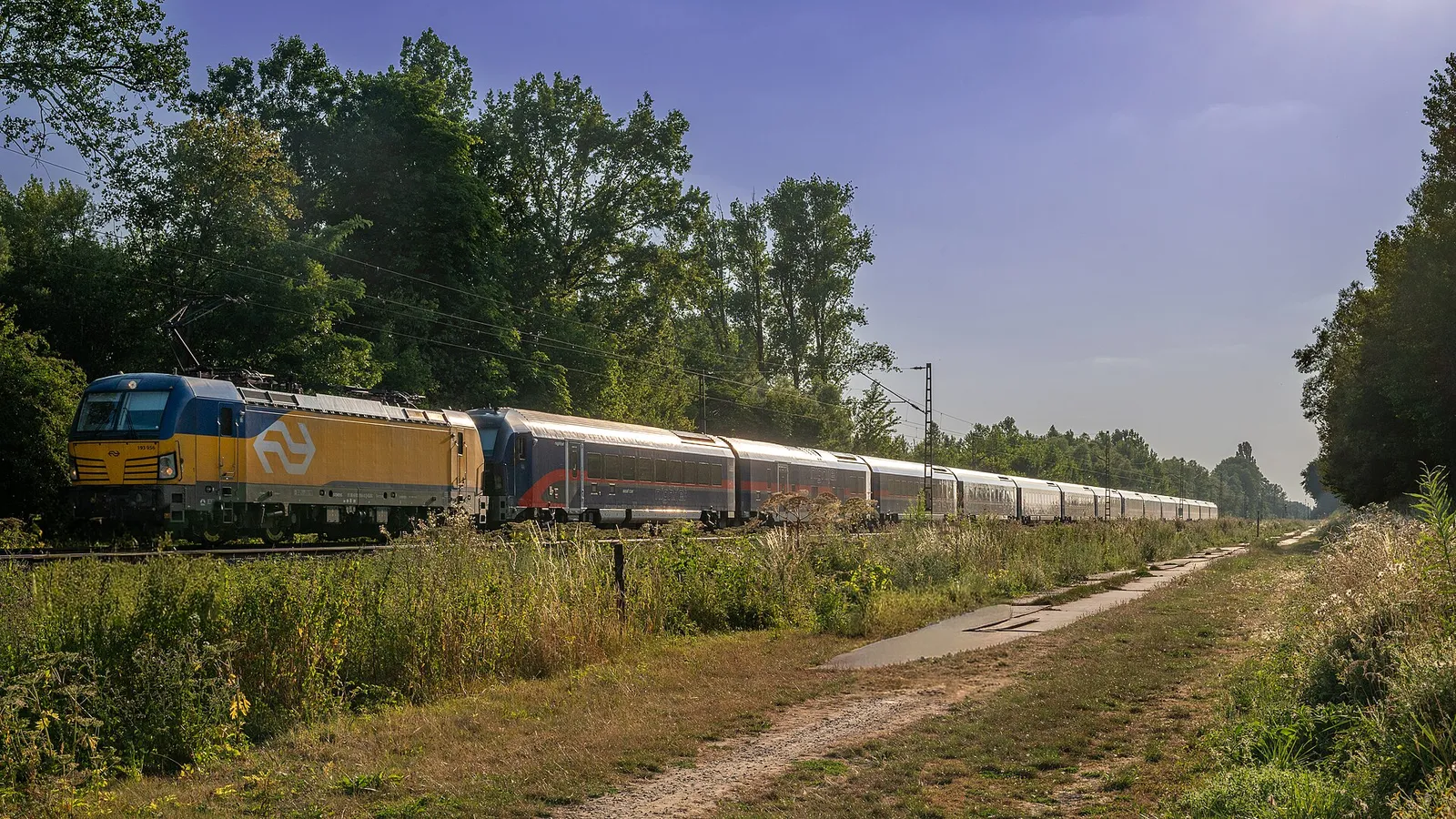
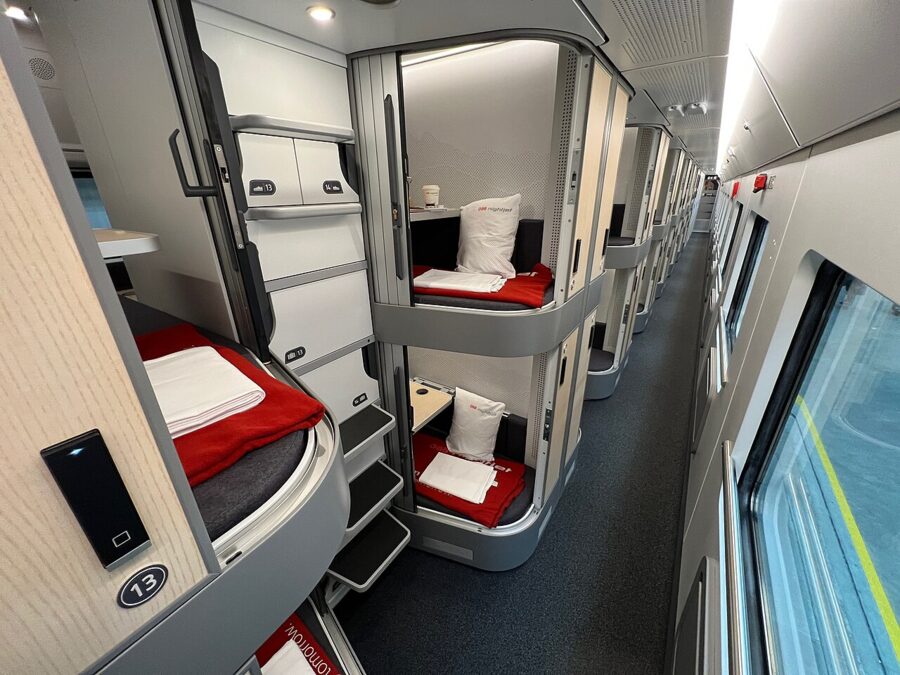
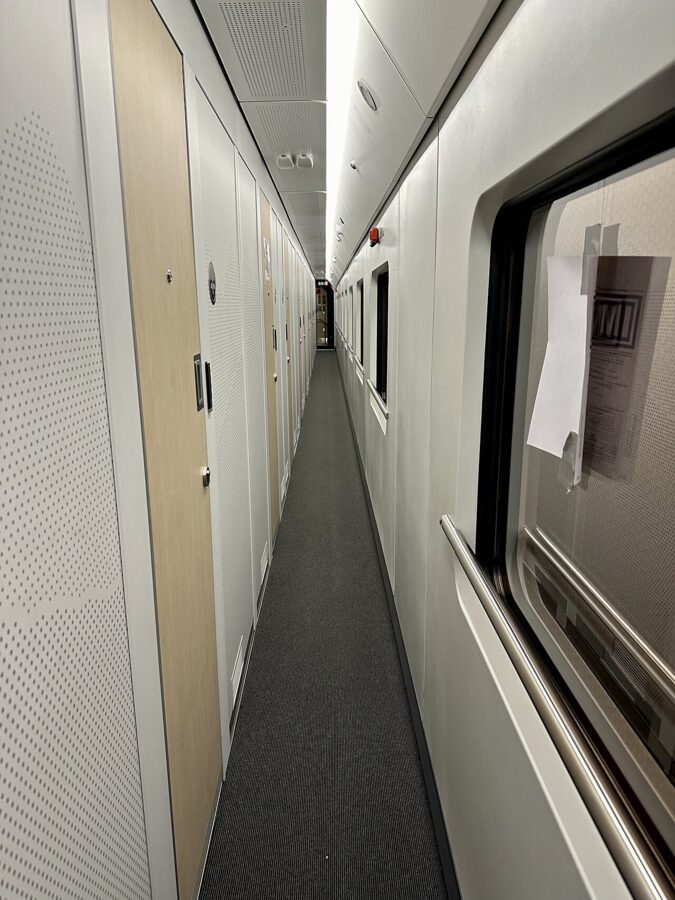
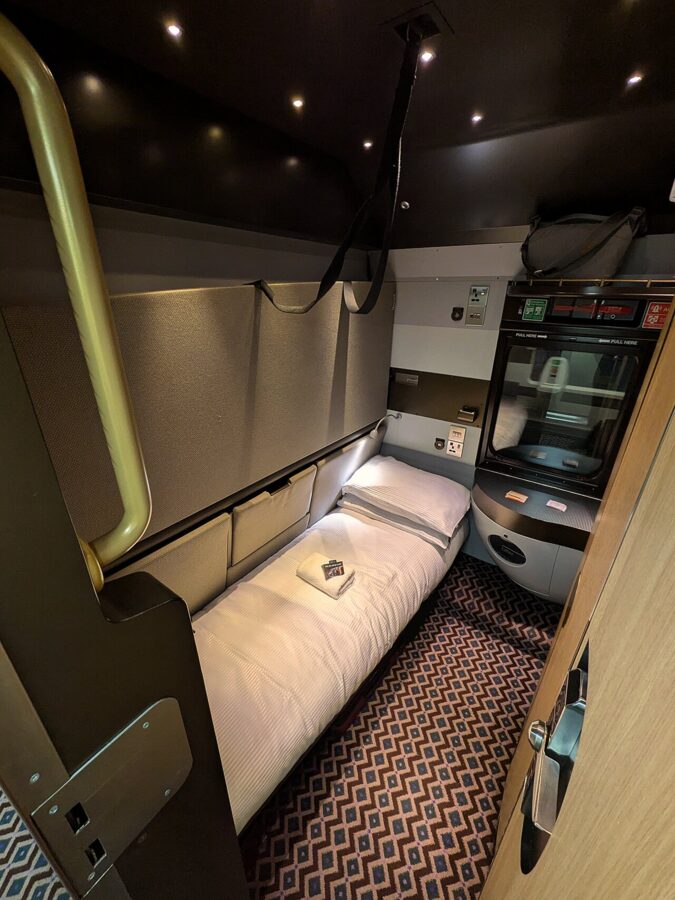
A Mini Cabin on ÖBB’s new Nightjet is 6 feet 3 inches long, 25 inches wide and just under 3 feet high (190 x 63.5 x 90 cm). Your shoes go in a locker outside, a tray folds down for breakfast, and a sliding door closes you off from the corridor. You lie down in one country, and when you open that door again there is coffee, two bread rolls and a different language on the station signs.
Europe’s night trains have spent a decade rebuilding that promise. When Deutsche Bahn gave up its sleepers in December 2016, Austrian Railways (ÖBB) took over about half its night routes and some of its cars, called them Nightjet, and grew them into a network that now runs from Amsterdam and Brussels to Rome, Venice and Zagreb. A Dutch-Belgian cooperative, European Sleeper, put old couchette cars back on the rails between Brussels, Berlin and Prague, and Britain kept its two sleepers to Scotland and Cornwall running every night but Saturday.
The revival has also gone backward in places. Paris lost its Nightjets to Vienna and Berlin in December 2025 when French subsidies ended, a Swiss night train to Copenhagen and Malmö was canceled before its first run, and track work will empty some Italian routes for months in 2027. So the choice is not just which city: it is which operator, which berth, and which night the train actually runs.
The revival, and where it stalled
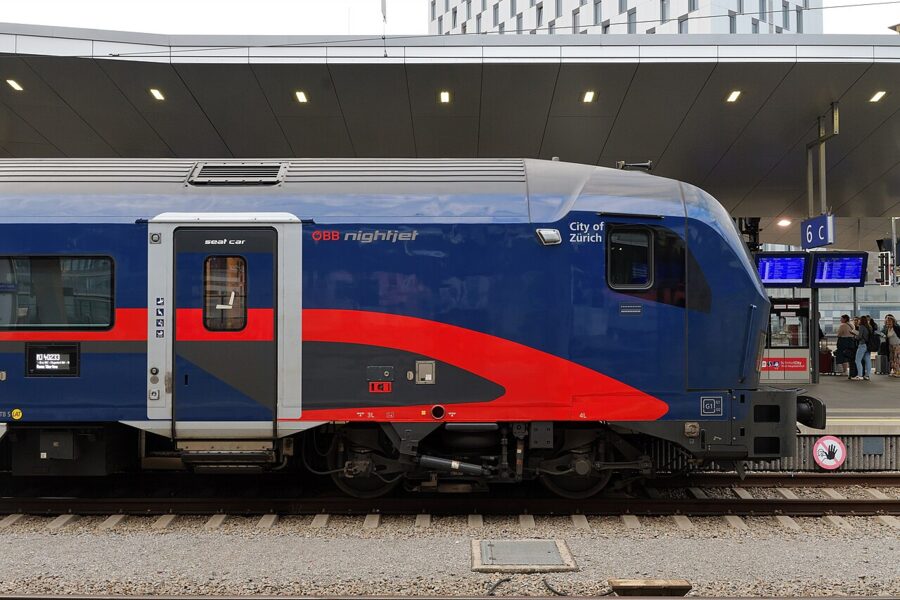
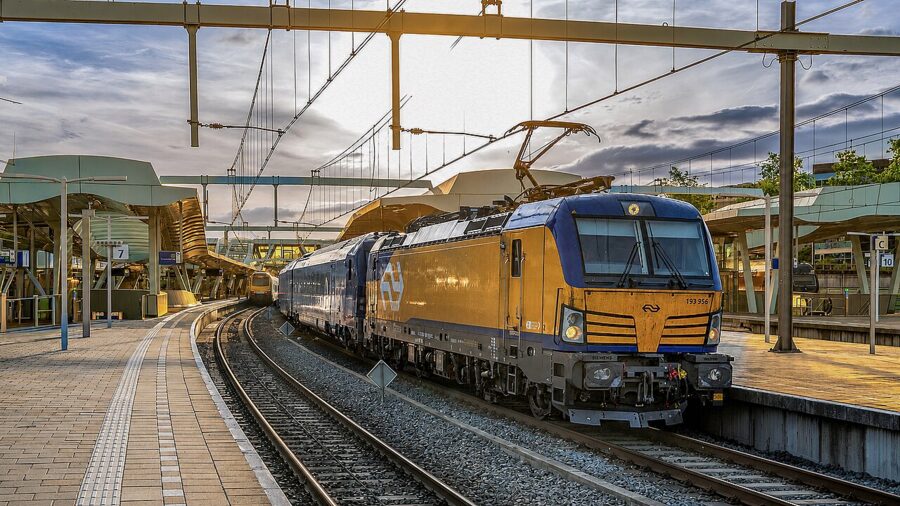
The number of night trains in western Europe fell sharply in the 2010s, as cheap flights and long-distance buses took their passengers. ÖBB bet that a well-run night train would fill, and it did; it ordered new trains from Siemens, and the first went into service on 10 December 2023 between Vienna, Innsbruck and Hamburg.
The trouble is money. Many international night trains depend on public money, so they run where a government pays part of the bill, and they stop when it doesn’t. The Paris Nightjets ended on 14 December 2025 after France cut its subsidy, and the Swiss parliament withdrew funding for SBB’s Basel to Malmö train before it launched, after tickets had gone on sale, as Euronews reported in January 2026. Sweden stopped paying for SJ’s Stockholm to Berlin train, and SJ pulled out at the end of August 2026.
The other enemy is track work. Night trains run when engineers want the line, and Germany and Italy are rebuilding a great deal of railroad at once. ÖBB suspended its Vienna to Milan and La Spezia Nightjets for 2026 because of construction, and its 2027 timetable already carries months of gaps on the Italian routes.
Some of the news is good. European Sleeper took over Paris to Berlin on 26 March 2026 and opened Brussels to Milan in June. Snälltåget is adding winter departures from Berlin to Stockholm. And with the timetable change on 13 December 2026, the Amsterdam to Zurich Nightjet switches to the new cars.
The operators and routes, as of 2026
These are the main operators as of the 2026 timetable and the published plans for 2027. Days and stops change with track work, so the operator’s own timetable for your date is the last word.
| Operator | Main night routes | How often | Classes |
|---|---|---|---|
| ÖBB Nightjet | Vienna to Brussels, Amsterdam, Hamburg, Berlin, Zurich, Bregenz, Venice and Rome; Innsbruck to Amsterdam and Hamburg; Munich to Rome; Stuttgart to Venice; Zurich to Hamburg, Berlin and Amsterdam | Varies by line; check the date | Seat, couchette, Mini Cabin (new cars), sleeper |
| EuroNight partners (sold by ÖBB and others) | Zurich to Prague, Budapest and Zagreb; Munich to Warsaw, Kraków and Przemyśl; Budapest to Berlin; Vienna to Split; Vienna to Bucharest | Varies by route and season | Seat, couchette, sleeper |
| European Sleeper | Brussels to Prague via Amsterdam, Berlin and Dresden; Paris to Berlin via Brussels and Hamburg; Brussels to Milan via Cologne, Lugano and Como | Three times a week each way on each route | Seat, couchette, sleeper |
| Caledonian Sleeper | London Euston to Edinburgh, Glasgow, Aberdeen, Inverness and Fort William | Every night except Saturday | Seat, Classic, Club and Caledonian Double rooms |
| GWR Night Riviera | London Paddington to Penzance | Every night except Saturday | Seat, cabin |
| SNCF Intercités de Nuit | Paris Austerlitz to Briançon, Nice, Toulouse, Latour-de-Carol, Cerbère, Lourdes and Tarbes, Rodez and Albi, Aurillac | Daily on most; some lines not daily | Seat, couchette |
| Snälltåget | Berlin and Hamburg to Copenhagen and Stockholm; Malmö to the Jämtland mountains | Seasonal, more departures in winter 2026/27 | Seat, couchette, sleeper |
| RDC Deutschland with SJ | Stockholm to Hamburg and Berlin | Three times a week from December 2026 | Seat, couchette, sleeper |
| SJ (for Trafikverket) | Stockholm to Umeå, and to Luleå, Kiruna and Narvik | Daily | Seat, couchette, sleeper |
| Trenitalia Intercity Notte | Milan and Rome to Sicily; Milan to Lecce; Rome to Reggio Calabria; trains to Bolzano | Daily on the main lines | Seat, couchette, cabin |
ÖBB Nightjet and the EuroNight partners
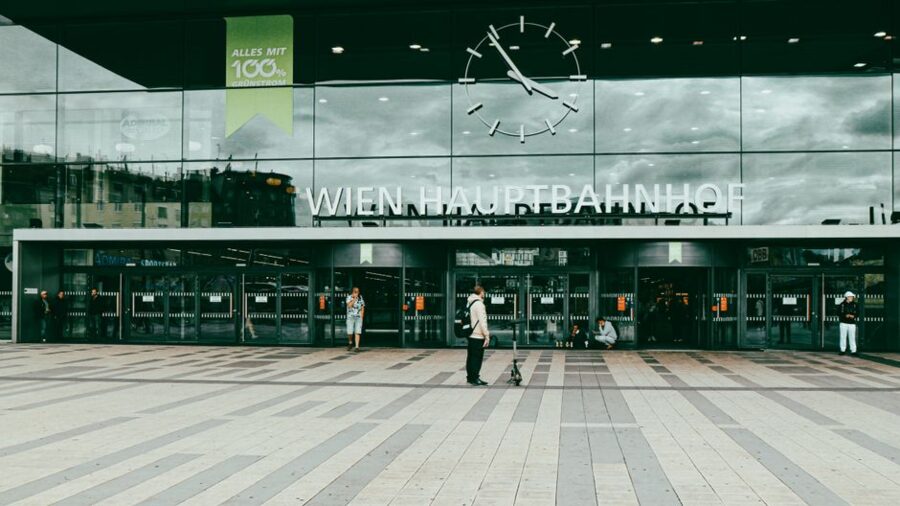
ÖBB’s own 2026 network map lists sixteen Nightjet lines, nine EuroNight lines run with partner railways, and three more trains to Kyiv, Uzhhorod and Bucharest. Vienna is the hub: from Wien Hauptbahnhof you can sleep your way to Brussels, Amsterdam, Hamburg, Berlin, Zurich, Venice or Rome.
EuroNight trains are a different thing. They are run by the railways of Croatia, the Czech Republic, Hungary, Poland and Slovakia, with their own cars and their own standards, and ÖBB sells them on nightjet.com. Breakfast is included in their couchettes and sleepers except on Zurich to Prague and on Munich or Vienna to Warsaw. Expect older cars and lower prices.
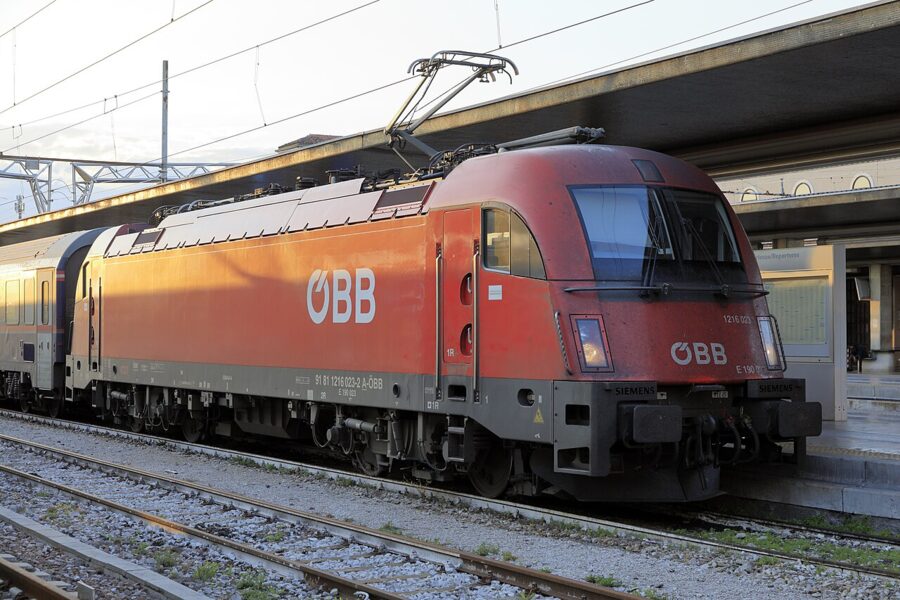
The new-generation Nightjet, and where it runs
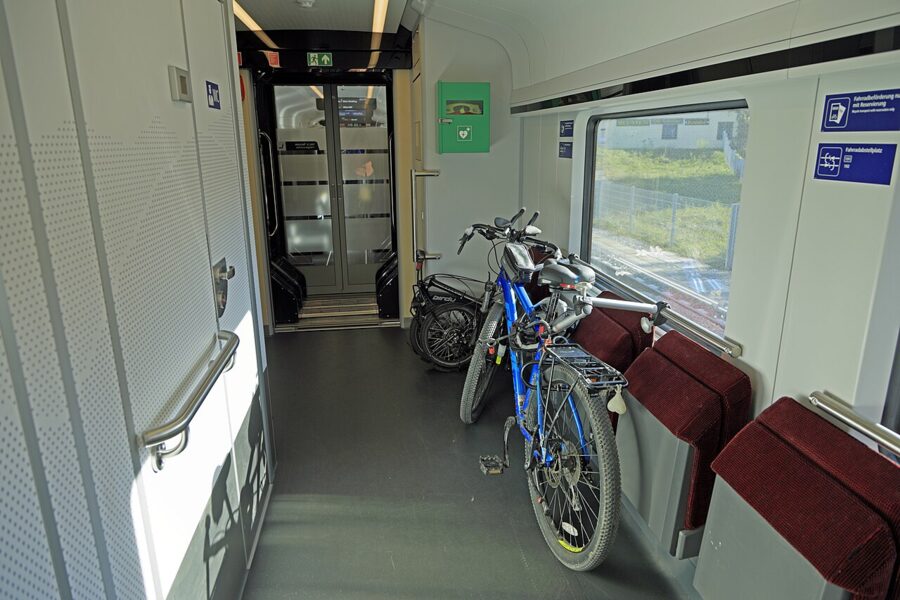
The new trains have seven cars: two seat cars, three couchette cars and two sleeping cars, up to 254 places in all. Every sleeper compartment has its own toilet and shower, the couchettes have fixed beds in four-berth compartments, there is free Wi-Fi, and a low-floor car carries bicycles, skis and a step-free couchette compartment for wheelchair users. The booking pages mark the new cars with the word “comfort” in the category name.
They went first to Vienna and Innsbruck to Hamburg, and have since reached the Italian routes and Amsterdam to Vienna and Innsbruck. SBB presented its first one on Zurich to Hamburg in December 2025, Vienna to Zurich followed on 14 June 2026, and Amsterdam to Zurich gets them from 13 December 2026. That made nine lines by mid-2026, with ÖBB aiming for 24 new trains by the end of the year. If you can choose between two Nightjets, pick the one with “comfort” categories on sale.
European Sleeper: Brussels to Prague, Paris to Berlin, Brussels to Milan
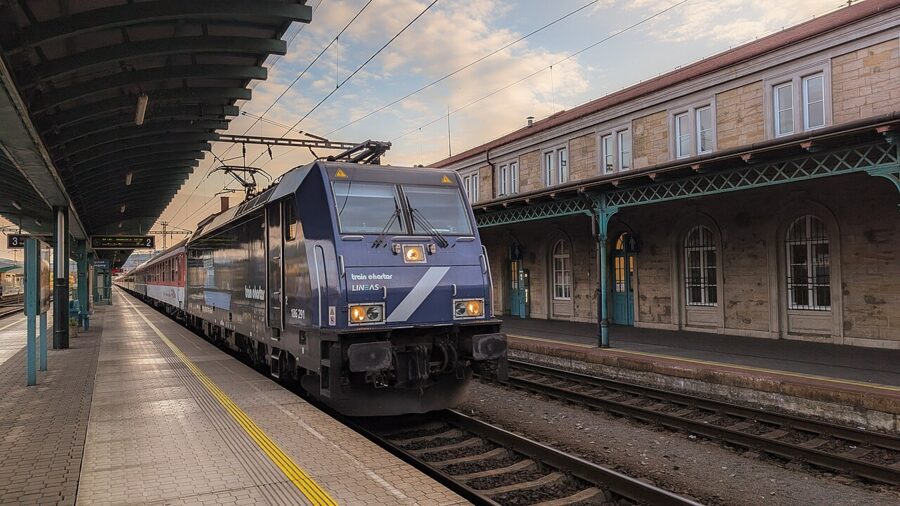
European Sleeper is a cooperative that raises money from its own passengers, and it runs couchette and sleeping cars that have been crossing Europe since the 1990s. It runs three routes, each three times a week in each direction, according to its standard timetable. The original line goes from Brussels by Antwerp, Rotterdam, The Hague and Amsterdam to Berlin, then along the Elbe through Dresden, Bad Schandau and Děčín to Prague.
Paris to Berlin, restored on 26 March 2026, leaves Paris Nord on Tuesday, Thursday and Sunday and runs by Mons, Brussels, Liège and Hamburg; Berlin to Paris leaves Monday, Wednesday and Friday. Brussels to Milan goes by Cologne, Aarau, Bellinzona, Lugano and Como, leaving Brussels on Monday, Thursday and Saturday, and from 13 December 2026 it also calls at Antwerp, Breda and Eindhoven.
The classes are Budget (a seat), Classic (a couchette in a compartment for four to six), Comfort Standard (a bed in a compartment of up to three, with a duvet) and Comfort Plus (a proper sleeping car compartment with a washbasin, breakfast, towel and a wake-up call). Fares start at €49.99 (about US$56) to Amsterdam or Berlin and €59.99 (about US$68) to Paris, Milan or Prague, and a private compartment starts at €209.99 (about US$237).
Britain: the Caledonian Sleeper and the Night Riviera
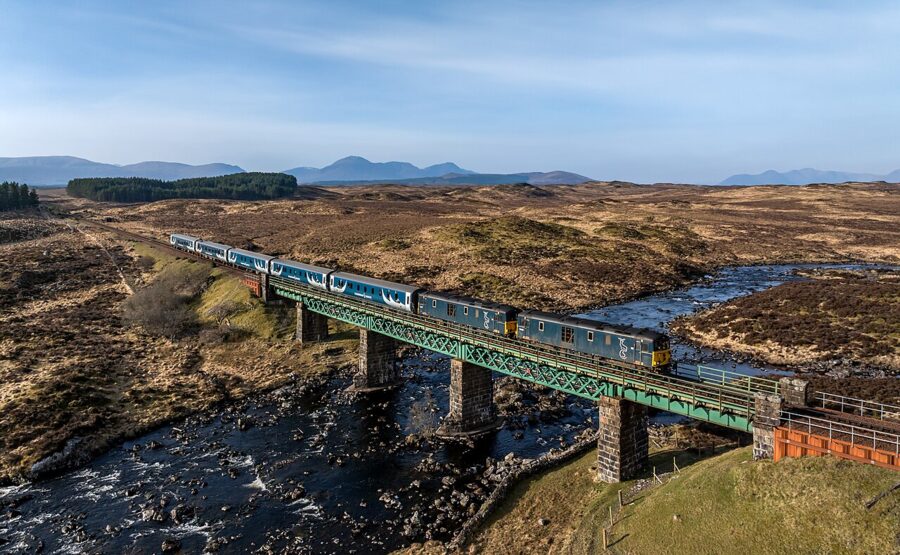
The Caledonian Sleeper runs from London Euston to Scotland every night except Saturday, with one train for Edinburgh and Glasgow and another for Aberdeen, Inverness and Fort William. Since 15 January 2026 the trains for Aberdeen, Inverness and Fort William also pick up at Birmingham International.
The rooms are sold per room, like a hotel. A Classic room has bunk beds and a washbasin; a Club room adds an en-suite shower and toilet, breakfast and station lounges; the Caledonian Double has a real double bed. Seat passengers to Fort William have to change coaches at Edinburgh Waverley in both directions.
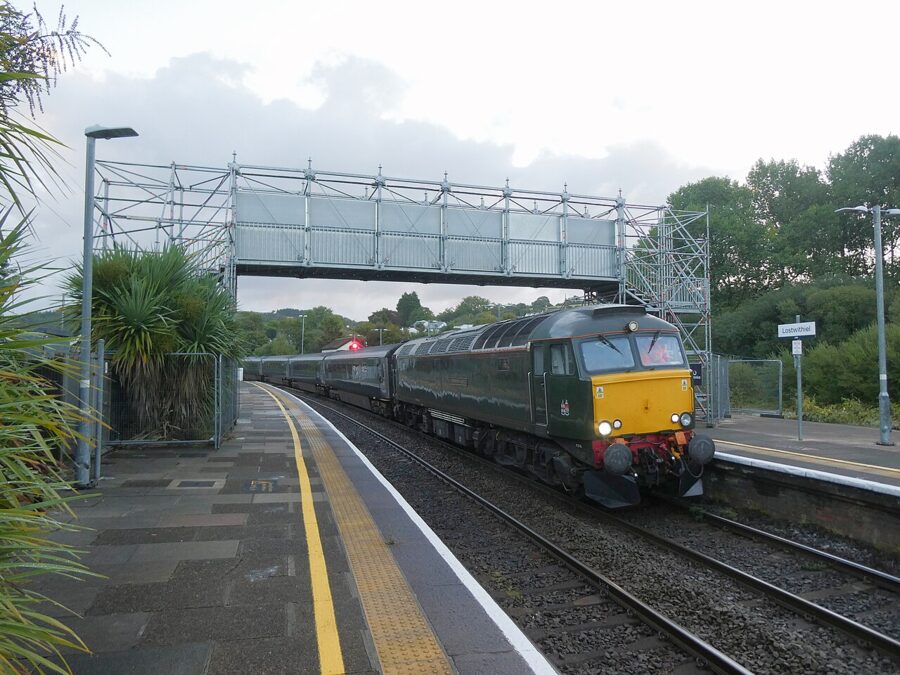
GWR’s Night Riviera is the other one. It leaves London Paddington at 11:45 p.m. Monday to Friday and 11:50 p.m. on Sunday, and reaches Penzance at 7:50 a.m. (7:54 a.m. on Monday morning), letting people off at Truro, St Austell and the other Cornish stations on the way. Cabins come with access to the First Class lounges at Paddington, Truro and Penzance, which have showers.
France: Intercités de Nuit to the Alps and the Pyrenees
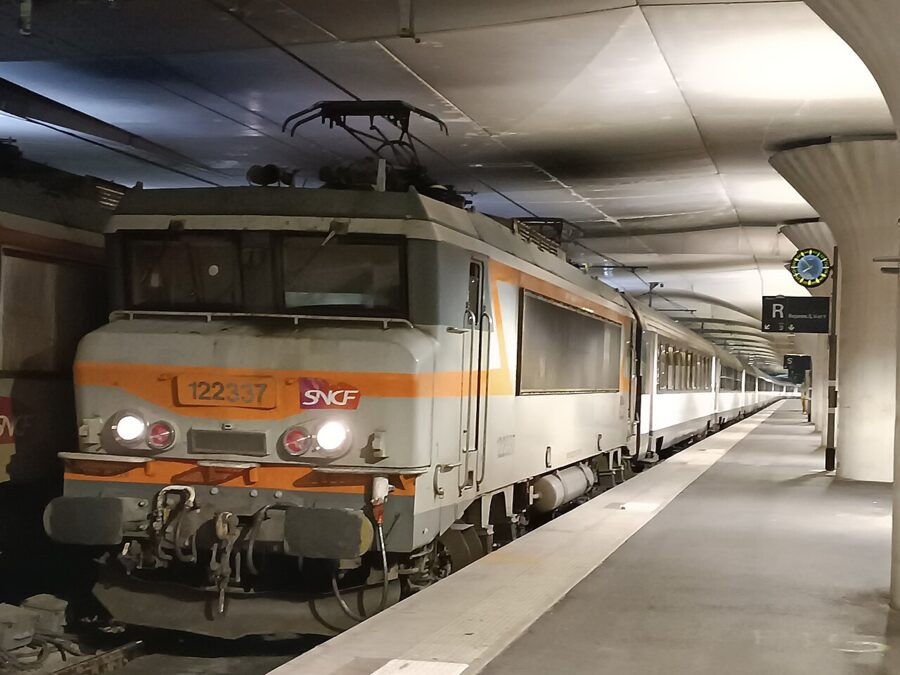
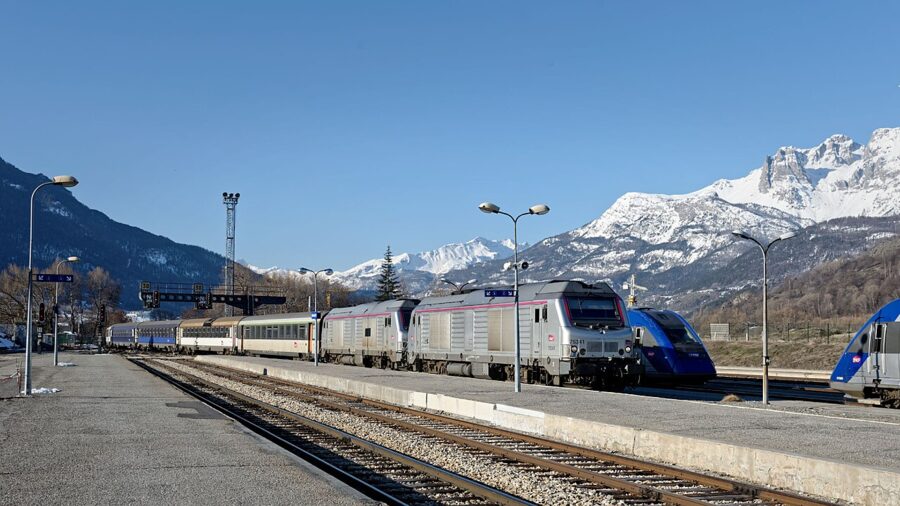
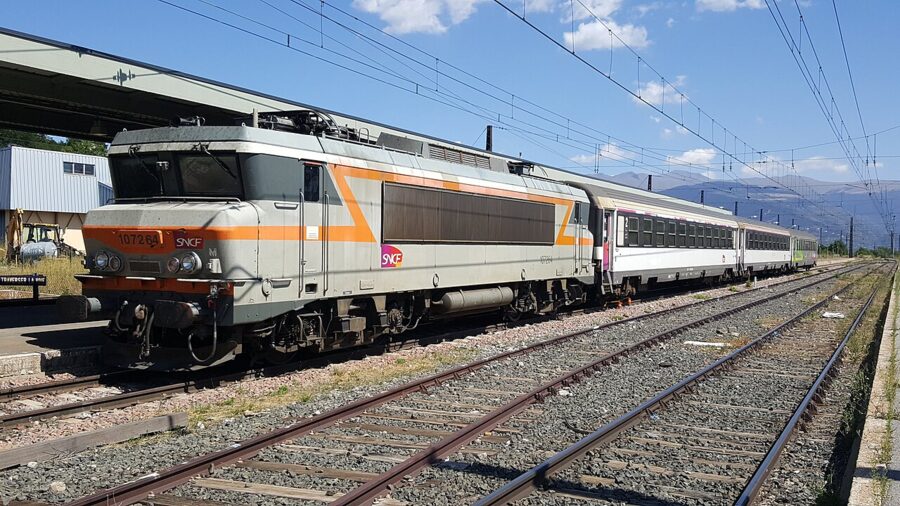
SNCF runs eight night lines for the French state, all from Paris Austerlitz: to Briançon in the Alps, to Nice on the Riviera, to Toulouse, to Latour-de-Carol in the Pyrenees, to Cerbère on the Spanish border, to Bayonne, Lourdes and Tarbes, to Rodez and Albi, and to Aurillac. Cerbère runs daily only in summer, and Briançon, Rodez and Aurillac do not run every night. Track work changes the days so often that SNCF publishes its plans night by night.
These trains have couchettes only, no sleeping cars: four-berth compartments in first class and six-berth in second, plus reclining seats. They are among the cheapest beds in western Europe, from about €19 (about US$21) for a seat and €29 (about US$33) for a couchette as reported in February 2026. None of them crosses a border; to reach Barcelona from Cerbère or Latour-de-Carol you continue on Spanish trains.
Sweden: Snälltåget, SJ and the train to Narvik
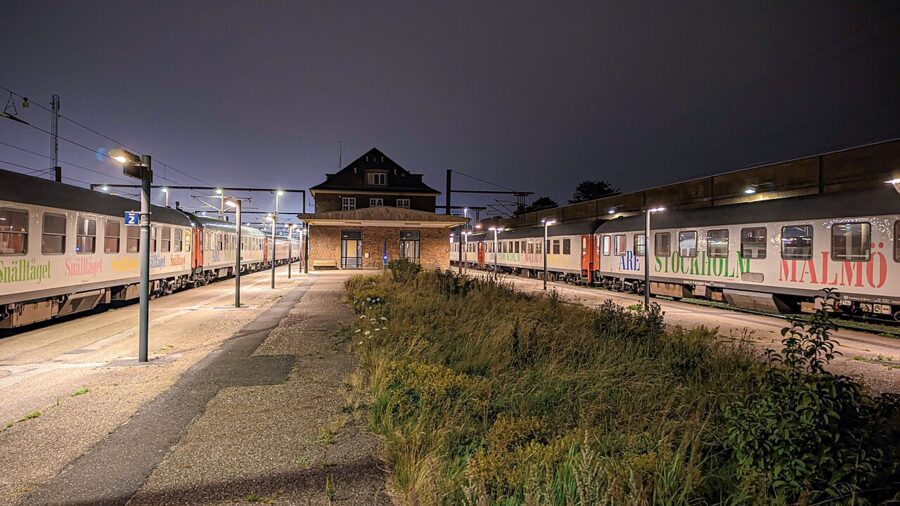
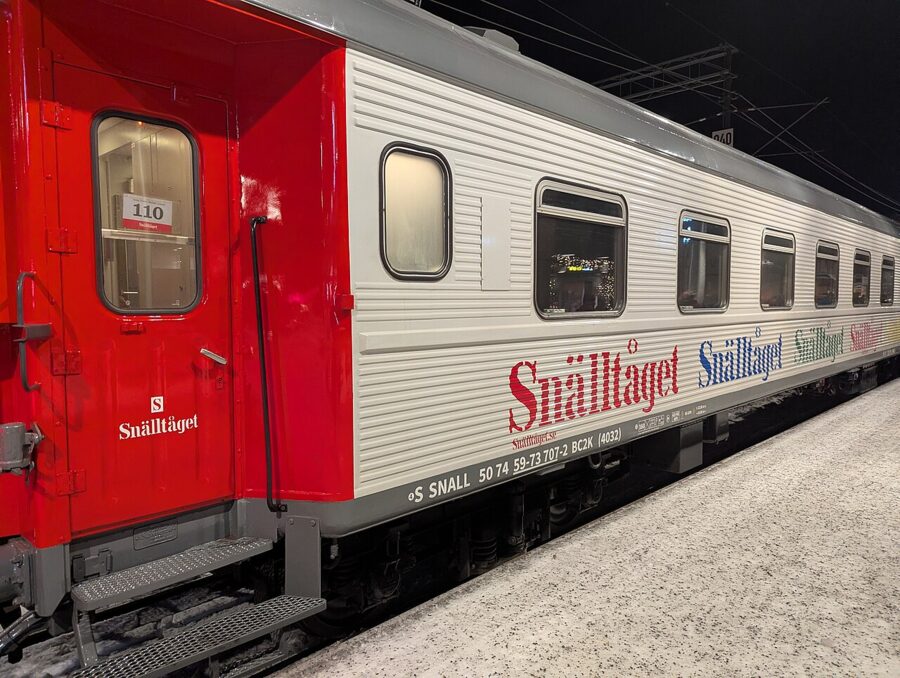
Sweden is where the night train never went away. Snälltåget runs Berlin and Hamburg to Copenhagen and Stockholm on about 180 days a year, adds departures in the winter of 2026/27, and runs ski and hiking trains from Malmö to Åre and Storlien in the Jämtland mountains. The rival Stockholm to Berlin EuroNight is run by the German company RDC; SJ left it in August 2026 and comes back in December 2026 with three departures a week, only some of them going all the way to Berlin.
North of Stockholm, SJ runs the state-contracted night trains to Umeå and to Luleå, Kiruna and Narvik in Norway. Under the contract that starts in December 2026, sleepers and couchettes run through to Narvik again, so you no longer change at Boden for Kiruna, Abisko and the fjord.
Italy: Intercity Notte to Sicily, and Venice by Nightjet
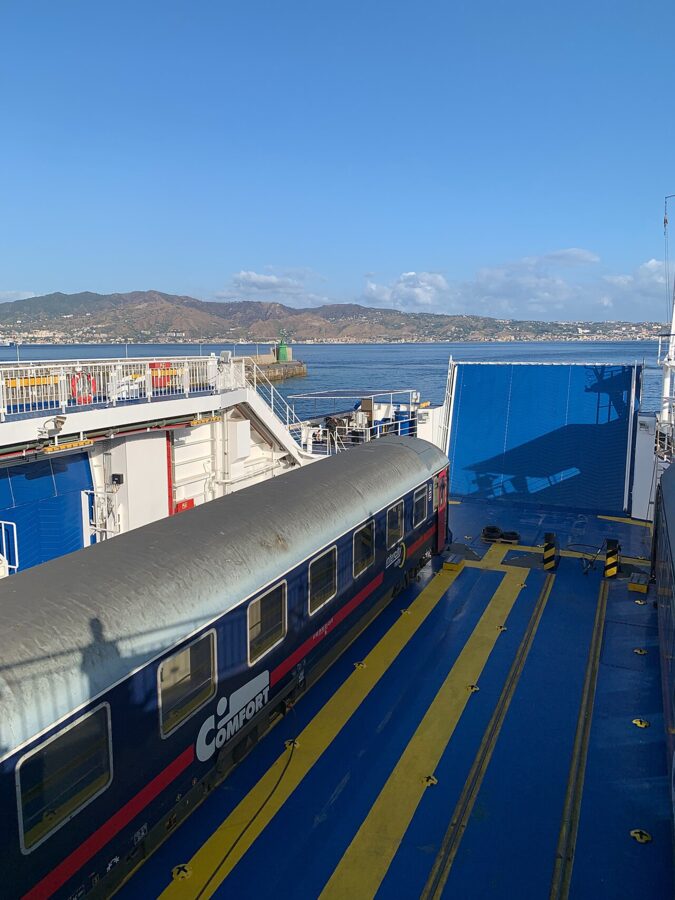
Trenitalia’s Intercity Notte trains run the length of Italy: from Milan and Rome to Palermo and Syracuse in Sicily, from Milan to Lecce in the heel, from Rome to Reggio Calabria, and up to Bolzano. You can take a seat, a four-berth Comfort couchette, or a cabin for one, two or three with breakfast included; a top cabin adds a private toilet. The Sicily trains still roll onto a ferry across the Strait of Messina, which is reason enough to take one.
For Venice and Rome from the north, the Nightjet is the train. Vienna and Munich both have Nightjets to Rome, and Vienna and Stuttgart to Venice.
The Balkans and Romania
East and south of Vienna the trains are older, slower and cheaper. The Dacia runs from Vienna through Budapest to Brașov and Bucharest, and the Ister from Budapest to Sibiu, Brașov and Bucharest; pass reservations on both cost between about €13 and €42 (about US$15 to US$47) a person as of June 2026, depending on the berth. From Zurich, Munich and Stuttgart, EuroNights run to Ljubljana and Zagreb, and a Vienna to Split train reaches the Adriatic by way of Graz.
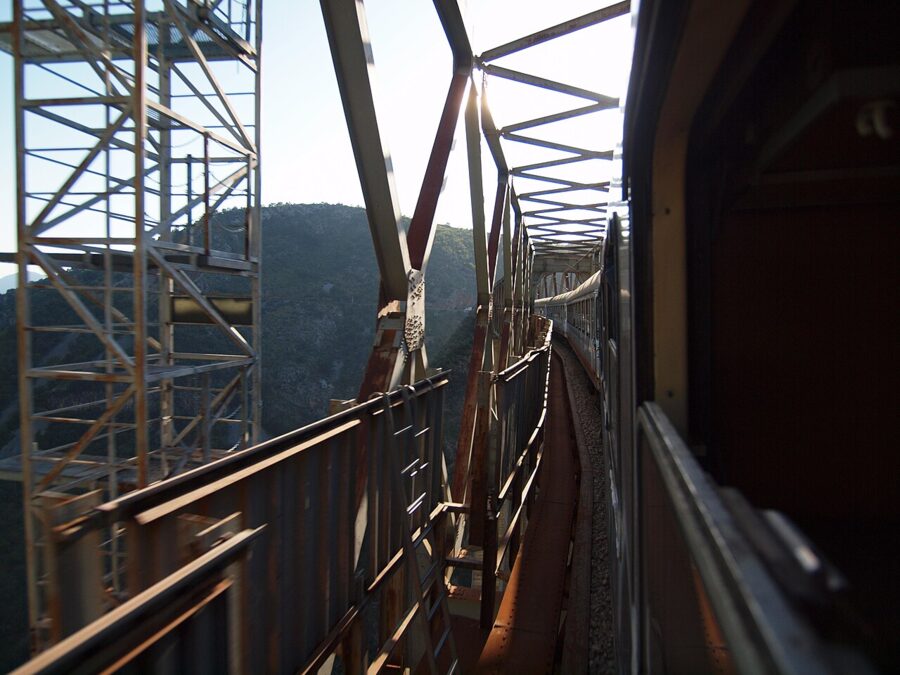
Farther south, an overnight train runs from Belgrade to Bar on Montenegro’s coast, over one of the most dramatic lines in Europe; check Serbian Railways’ current timetable before you plan around it.
Routes worth taking
My picks, each a night where the morning is part of the trip:
- London to Fort William, Caledonian Sleeper. You go to sleep at Euston and wake up to Rannoch Moor. Book a Club room for the shower and the breakfast; the Classic room is fine if you only want a bed.
- Vienna to Rome or Venice, Nightjet. The classic night train south, and the new cars now run to Rome. Watch the 2027 gaps: Vienna to Venice is not scheduled from 24 or 25 May to 11 July.
- Brussels to Prague, European Sleeper. The last part of the run to Prague follows the Elbe through the sandstone gorge at Bad Schandau and Děčín.
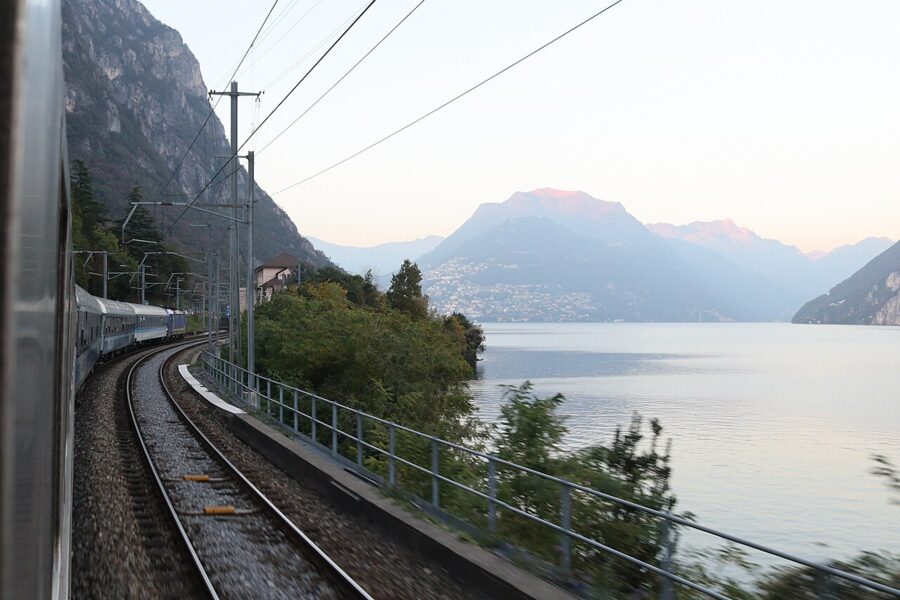
- Brussels to Milan, European Sleeper. The cooperative’s newest line, through Switzerland to Lugano and Lake Como.
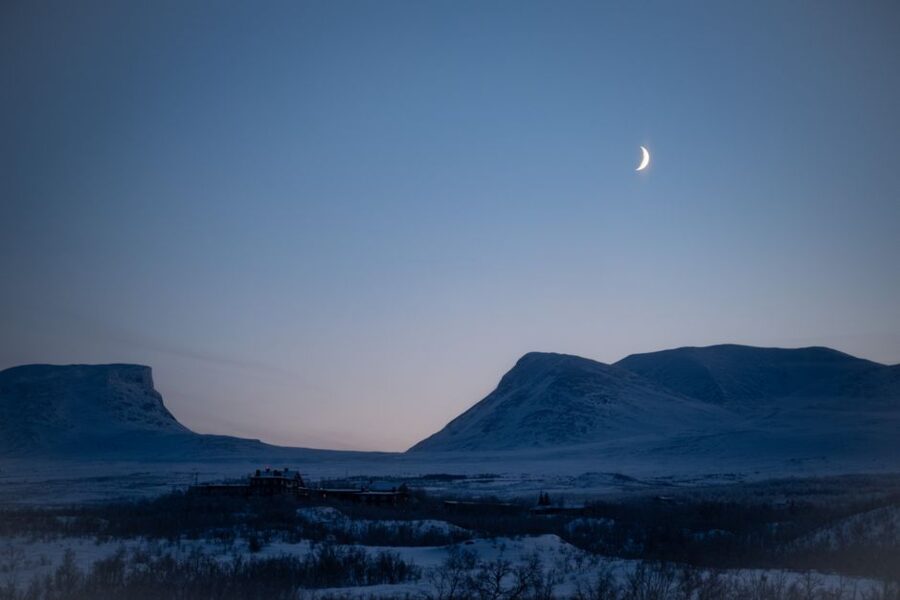
- Stockholm to Narvik, SJ. From the capital to the Norwegian coast north of the Arctic Circle, through Kiruna and Abisko, with through sleepers again from December 2026.
- Paris to Briançon, Intercités de Nuit. Cheap, simple and practical: a couchette, then the mountains at breakfast.
- Vienna to Bucharest, the Dacia. Slow, inexpensive and nothing like the Nightjet, which is the point.
If you want the luxury version of the long way to Venice, the Orient Express trains are a different trip at a different price.
Seats, couchettes, sleepers and mini cabins
Every night train sells some mix of four things, under names that change by operator. In order of price:
Seats
A seat in a six-seat compartment or an open car, sometimes reclining. It is the cheapest way across, and you will not sleep much. On the Nightjets from Zurich to Hamburg, Berlin and Amsterdam, which carry German seat cars, pass holders do not even need a seat reservation. I would only take a seat for a short night, say Brussels to Cologne.
Couchettes
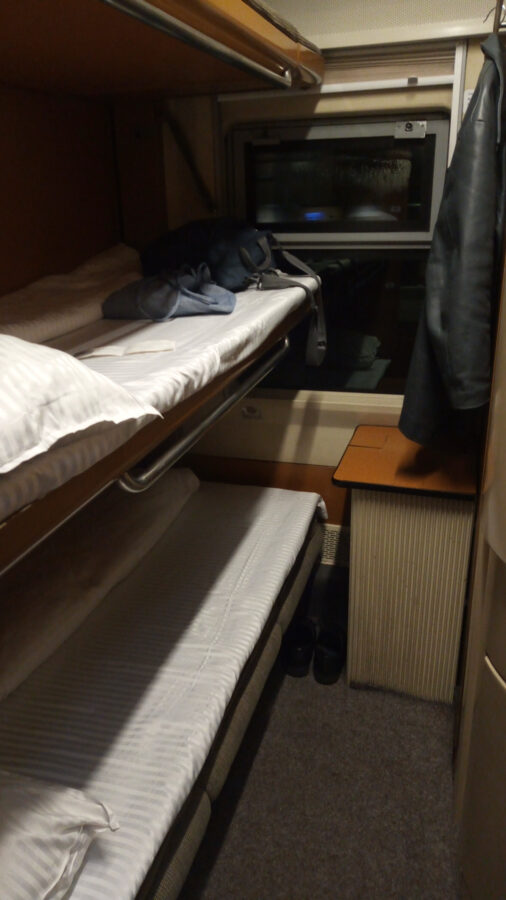
A couchette (Liegewagen in German) is a bunk in a shared compartment of four or six, with a blanket, sheet and pillow, and washrooms at the end of the car. It is not a bedroom: you sleep in your clothes and share with strangers, and the compartments are mixed unless you book a ladies-only one, which Nightjet, European Sleeper and others offer. On a Nightjet, couchette and sleeper fares include breakfast; on European Sleeper only Comfort Plus does.
Families and small groups can book a whole couchette compartment at a flat price. On the Nightjet that means one to three adults with up to five children under 15. Dogs travel on a Nightjet only if you book a whole compartment.
Mini Cabins
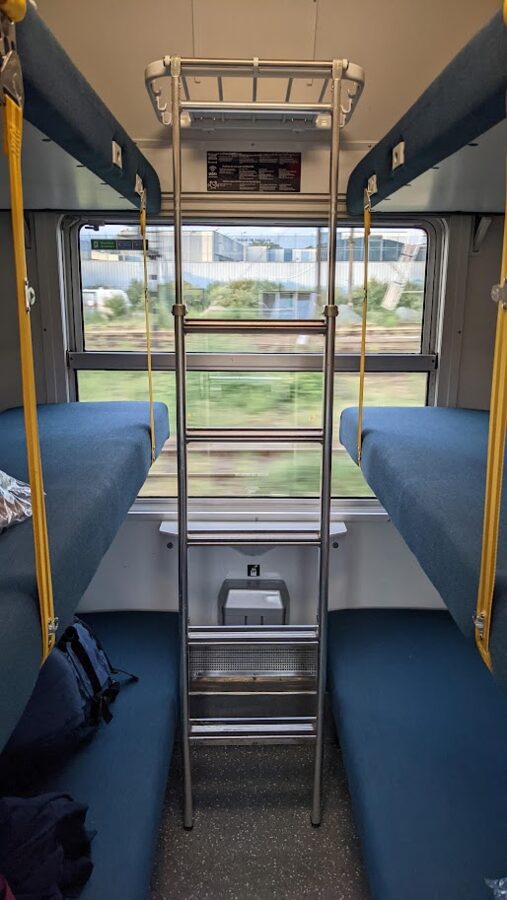
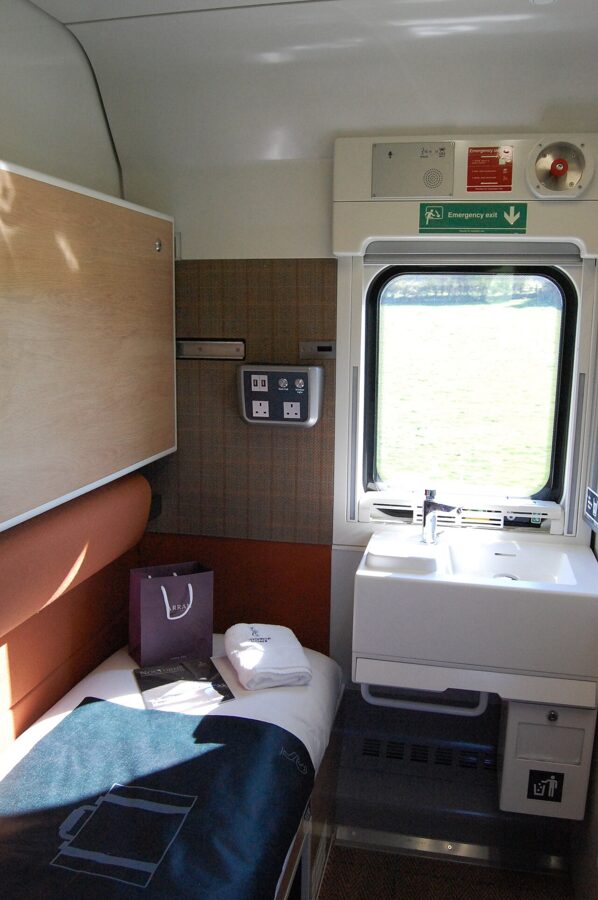
The Mini Cabin is the new Nightjet’s answer to the solo traveler who wants a door. It sits in the couchette car, costs the same as a couchette at the cheapest fares, and is a capsule with a bed, a lamp, a mirror and a folding table. Children must be 10 or older and with an adult, and a small child cannot share as they can in a couchette. It is a place to lie down, not to sit up and read.
Sleepers
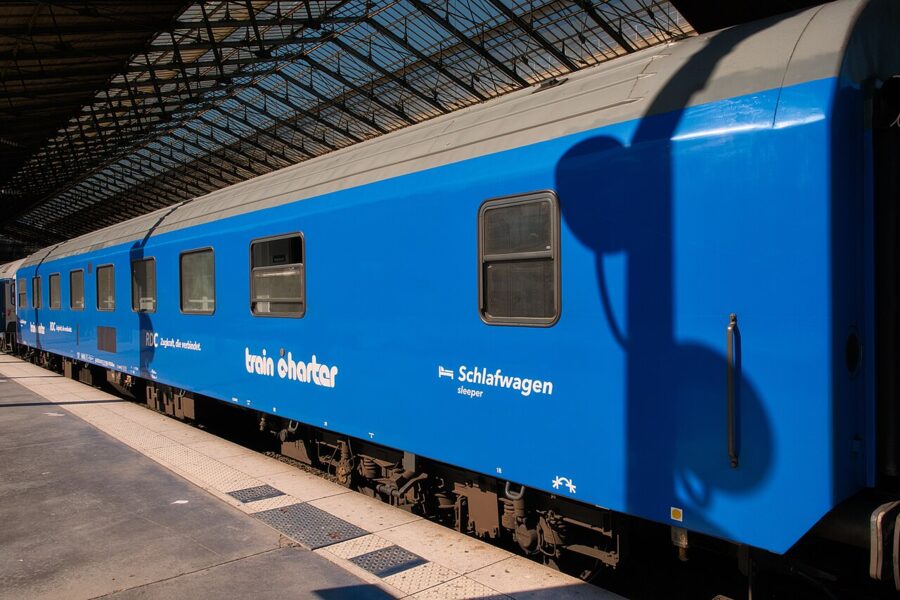
A sleeper (Schlafwagen) is a real compartment with made-up beds for one, two or three, a washbasin, towels and a lockable door. The difference from a couchette is privacy and bedding: in a sleeper you book the room or a berth in a room with a duvet and breakfast served to you; in a couchette you book a bunk among strangers.
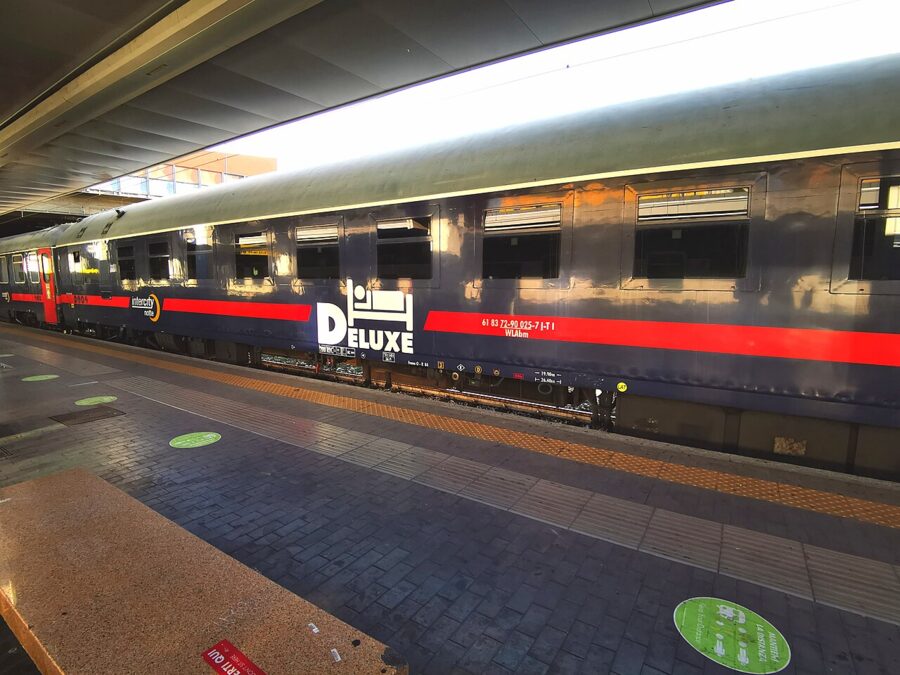
The top grades add a toilet and shower: “plus” on the old Nightjet, “comfort” and “comfort plus” on the new one, “deluxe” on EuroNights, Club and Caledonian Double on the Caledonian Sleeper. Compared with an Amtrak roomette, a European sleeper is built for one night, not two or three.
Prices, and when night trains are cheap
Night train fares work like airline fares now: a few cheap berths go on sale first, and the price climbs as the train fills. The figures below are the lowest published starting fares for one adult, one way, as of 2026.
| Train | Seat | Couchette or Mini Cabin | Sleeper or room |
|---|---|---|---|
| ÖBB Nightjet (early booking for 2027) | from €34.90 (about US$39) | from €54.90 (about US$62) | from €89.90 (about US$102) |
| European Sleeper | from €14.99 (about US$17) | from €49.99 to €59.99 (about US$56 to US$68) | private compartment from €209.99 (about US$237) |
| Caledonian Sleeper | £54 to £100 (about US$70 to US$130) | none | Classic room for one £210 to £305 (about US$273 to US$397) |
| SNCF Intercités de Nuit | from about €19 (US$21) | from about €29 (US$33) | none |
The Nightjet starting fares are from ÖBB’s 2027 sales, unchanged from 2026. The Caledonian figures are the operator’s published ranges: a Club room for one runs £270 to £420 (about US$351 to US$546), and the Caledonian Double for two £495 to £570 (about US$644 to US$741).
Book early, because the lowest Sparschiene (saver) fares on the Nightjet are limited per train. Travel Monday to Thursday, which ÖBB says is cheaper. Share a compartment, which costs far less per head than separate sleepers. And compare a sleeper against the hotel night it replaces.
Read the refund rules before you click. The cheapest Nightjet Sparschiene cannot be changed or refunded; Sparschiene Komfort can be refunded free until 15 days before travel; the full-price ticket until the day before. Caledonian Sleeper tickets are fully refundable until seven days before travel and half refundable until noon the day before.
Booking: who sells what
Book each train with its own operator where you can. The operator has every berth type, the private compartment and ladies-only options, and handles changes when the train is canceled.
- ÖBB Nightjet: nightjet.com or the ÖBB app. Direct Nightjets for the 2027 timetable can be booked up to 360 days ahead; EuroNight and connecting trains open about 180 days ahead. ÖBB also sells European Sleeper tickets.
- European Sleeper: europeansleeper.eu. It does not sell domestic journeys, so you cannot book Brussels to Amsterdam on it.
- Caledonian Sleeper: sleeper.scot or any British station ticket office, up to 12 months ahead, as single tickets.
- Night Riviera: GWR’s website, where you add a cabin to the journey.
- Intercités de Nuit: SNCF Connect. Pass holders can reserve up to 90 days ahead.
- Intercity Notte: trenitalia.com.
Interrail and Eurail passes cover night trains, but you always pay a reservation for the seat or berth. As of June 2026, Nightjet reservations ran from €4.90 to €24.90 for a seat, €19.90 to €64.90 for a six-berth couchette, €29.90 to €94.90 for a four-berth couchette or Mini Cabin, and €69.90 to €224.90 per person in a double sleeper. European Sleeper’s pass reservations are fixed all year: €11 to €21 for a seat and €64 to €74 for a couchette, refundable in full until 30 days before. On the French night trains it is €11 for a seat and from €21 for a couchette.
On a pass, a direct night train counts only the day you leave, even after midnight. If you change trains after midnight, the next train needs a new travel day, and your arrival must still fall inside the pass’s validity.
What goes wrong
Night trains change more often than most people expect, and the change is often announced months ahead.
The train is canceled for track work. Night is when engineers close lines. In 2027 ÖBB has already announced that Munich to Rome will not run from 7 February to 4 or 5 May and will stop short at Bologna until late August, that Stuttgart to Venice will not run from 7 February to early July, and that Vienna to Venice will not run from late May to 11 July. Book with the operator, and check its notices again a week before you travel.
The train runs, but not where it should. In November and December 2026, European Sleeper’s trains skip Berlin Hauptbahnhof and stop at Gesundbrunnen or Spandau instead, and on several nights the Prague train ends at Dresden, with buses for the rest of the way. Nightjets between Amsterdam and Germany spent 80 weeks routed away from Arnhem during works between Emmerich and Oberhausen. Read the operator’s texts and emails: that is how you hear about a changed station.
The train is late. A night train that loses an hour behind freight or works arrives an hour late in the morning, so keep that morning free of flights and tight connections. Within the EU, rail passenger rules give you 25 percent of the fare back for a delay of one to two hours and 50 percent for two hours or more, and if the railway has not offered you a new route within 100 minutes you may arrange your own and claim the cost. In Britain, the Caledonian Sleeper pays Delay Repay from 30 minutes.
The route disappears. Paris to Vienna, Paris to Berlin by Nightjet, Basel to Malmö and Stockholm to Berlin with SJ all ended or never started within about a year. If you are booking a long trip around one night train, keep a daytime fallback in mind.
Planning a night-train trip
Start with the night, not the city. Find the night trains that run on the day you want, then build the days around them.
- Check the days. European Sleeper runs three times a week on each route, the British sleepers never on Saturday night, and many French and Swedish trains only on some nights or in some seasons.
- Look at the arrival time. Morning arrivals between 7 and 10 a.m. are the sweet spot. Some intermediate stops come at 2 or 4 a.m.; avoid boarding or leaving there if you can.
- Choose the berth for the person, not the price. Light sleepers and couples should book a sleeper. A solo traveler on a budget does well in a Mini Cabin or a four-berth couchette.
- Pack a small night bag. Water, food if there is no restaurant car, earplugs, an eye mask, slippers, and a charger. Big suitcases are hard to stow in a couchette.
- Carry a passport or ID card. Border checks can happen inside the Schengen area too, and Britain is outside it.
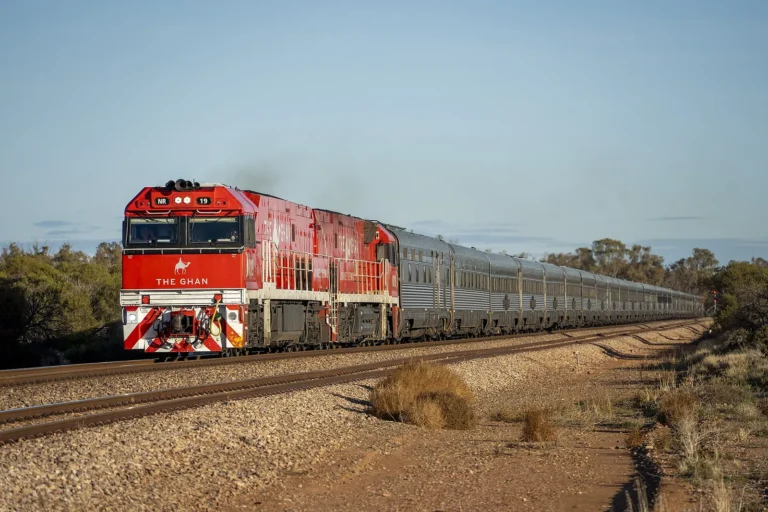
For two or three nights in the same bed, go to Amtrak or to the Ghan and the Indian Pacific in Australia. From London, the Eurostar reaches Brussels and Paris, where several of these trains start, and the scenic day trains of Europe fit around them.
Book the Nightjet when the window opens, take the Mini Cabin if you are traveling alone and the sleeper if you are not, and leave your first morning free. Then slide the door shut somewhere outside Vienna and let the train find the other country.