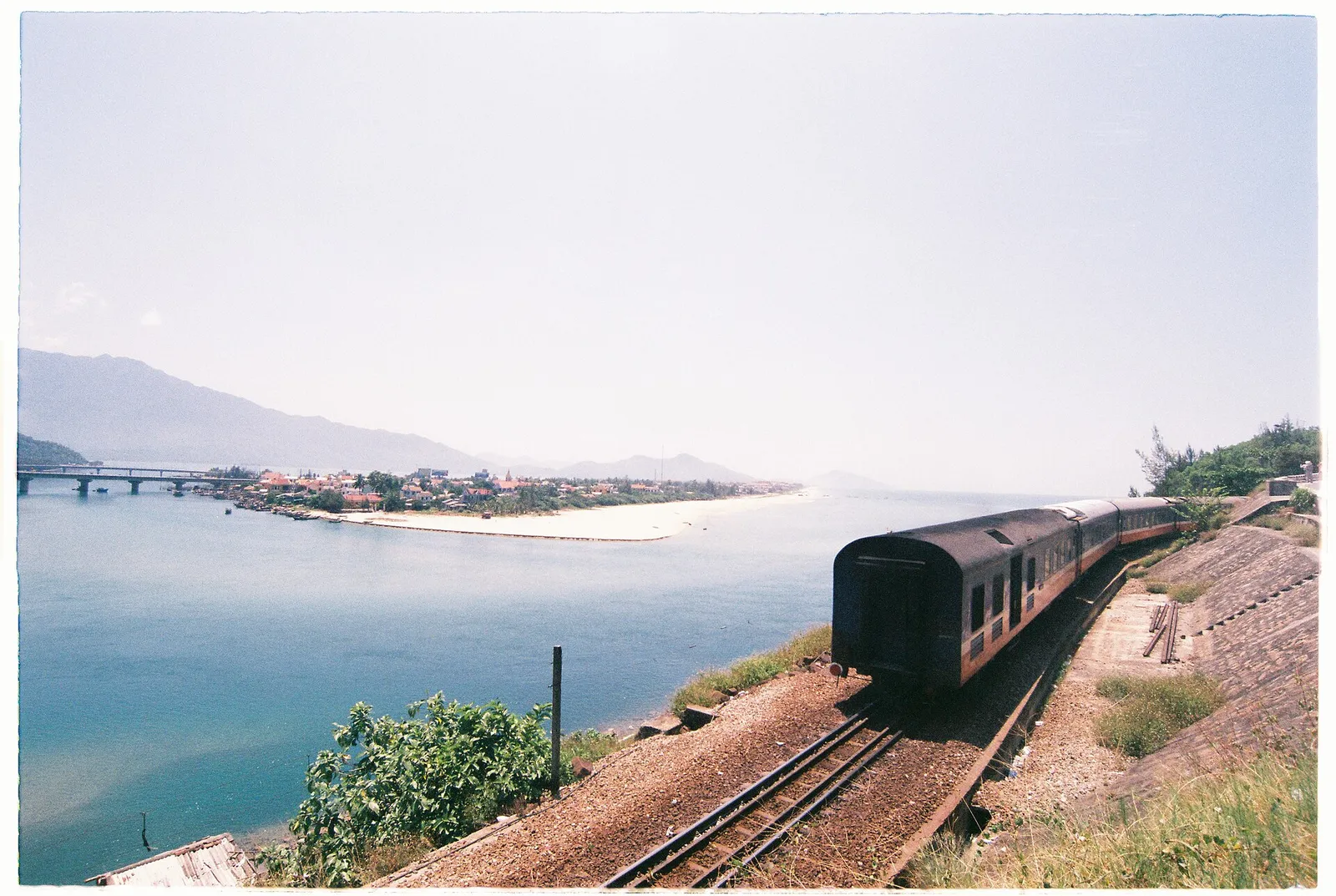
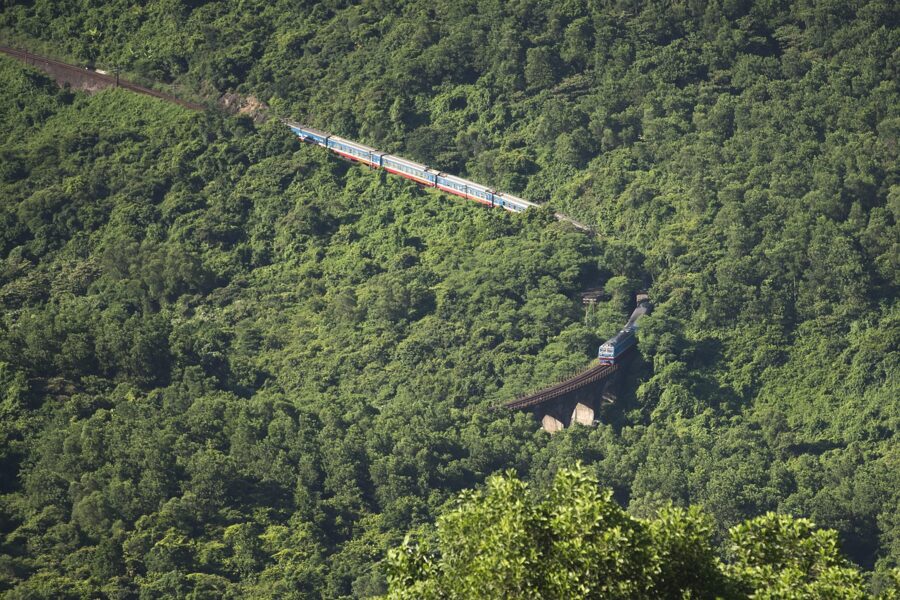
The morning trains out of Hue reach the sea at Lang Co a little over an hour after they leave, and from there to Da Nang the best seat on the train is on the left. The track climbs off the beach, runs along the seaward side of the Hai Van headland through a string of short tunnels, and for twenty minutes or so the window is mostly water: fishing boats far below, surf on black rocks, the bay of Da Nang opening ahead.
That ride costs less than a sandwich at home, and it is why most people take a train in Vietnam at all. The full run from Hanoi to Ho Chi Minh City is 1,072 miles (1,726 km) on a single meter-gauge track, and the fastest train takes about 33 hours. A flight takes two. So the real choice is not train or plane for the whole country, but which pieces of the line are worth a night or a morning of your trip.
My answer, for 2027: the overnight sleeper from Hanoi to Hue, a daylight train from Hue to Da Nang, the night train to Lao Cai if you are going to Sapa, and the little line out of Da Lat if you are in the highlands anyway. Here is how each works, what it costs as of late 2026, and how to book it.
Stops in this article9
- 01The line from Hanoi to Saigon
- 02Sleepers, seats and what they cost
- 03Booking with Vietnam Railways, an agent or the station window
- 04Hue to Da Nang over the Hai Van Pass
- 05The night train to Lao Cai for Sapa
- 06Da Lat's seven miles of railway
- 07What is coming: the high-speed line
- 08When things go wrong
- 09How I would book it
The line from Hanoi to Saigon
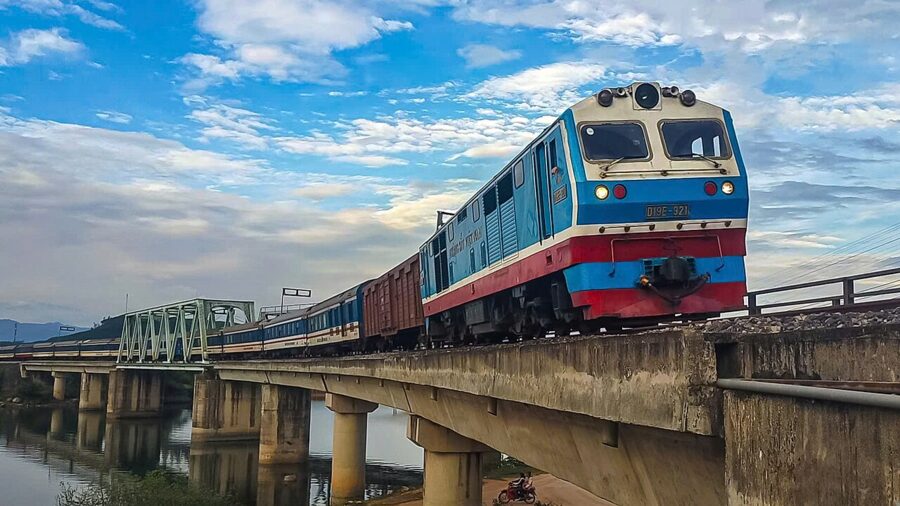
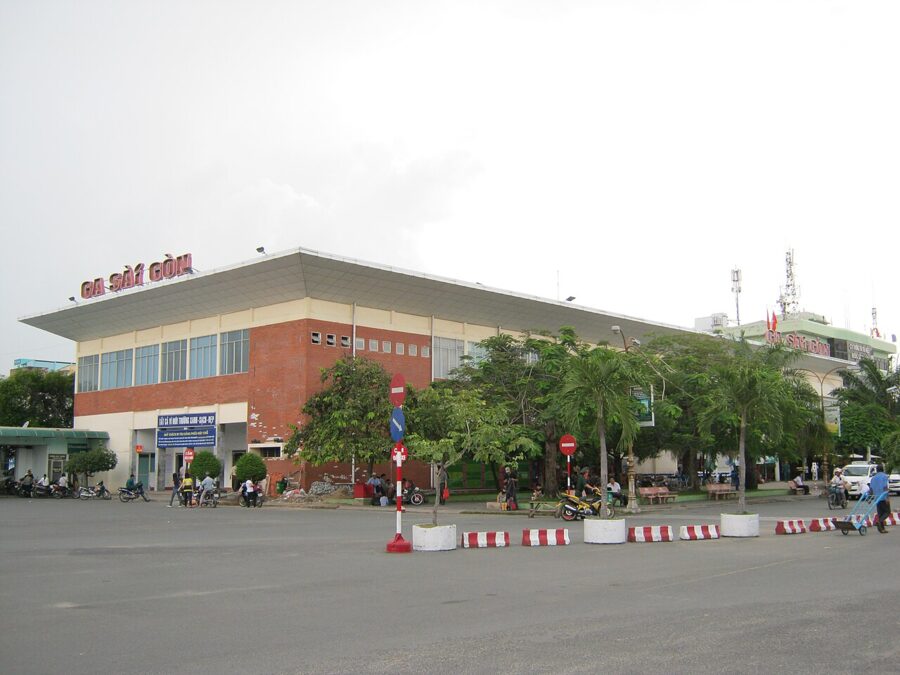
The French finished the Hanoi to Saigon railway in October 1936, and the war cut it into pieces. It reopened end to end on December 31, 1976, a year and a half after the war ended, and the through trains picked up the name the Reunification Express. Nobody in Vietnam calls a train that: tickets and departure boards say SE1, SE3 and so on, odd numbers running south and even numbers north.
The track is meter gauge, mostly single, and runs within sight of the coast for long stretches south of Hue. Trains wait in passing loops for each other and cross old steel bridges slowly, which is fine in a sleeper and wearing in a seat.
Which trains, and when they leave
As of the timetable for December 2026, five SE trains a day run the whole way from Hanoi. SE7 leaves at 6 a.m., SE5 at 8 a.m. and SE9 at 1 p.m.; the two evening trains are SE3 at 7:20 p.m. and SE1 at 9:45 p.m. SE1 is the quickest, at about 32 hours 45 minutes, arriving in Saigon at dawn on the second morning. Two slower trains, SE23 and SE11, take 38 to 41 hours and are for people going somewhere in between.
Northbound, the pattern mirrors it: SE8 leaves Saigon at 6 a.m., SE6 at 8:45 a.m., SE10 at 1:15 p.m., and the evening pair SE4 at 7:20 p.m. and SE2 at 8:35 p.m. Shorter trains fill the gaps. SE19 runs overnight from Hanoi to Da Nang only, leaving at 7:45 p.m. and arriving late morning, and on October 12, 2026 Vietnam Railways relaunched the overnight Saigon to Nha Trang pair, SNT2 and SNT1, with 32 refurbished carriages: SNT2 leaves Saigon at 9:45 p.m. and reaches Nha Trang at 5:40 a.m.
Times move with the seasons, and the Tet timetable changes them again. Treat any published time, including these, as a guide, and go by the one printed on your ticket.
The sections worth riding
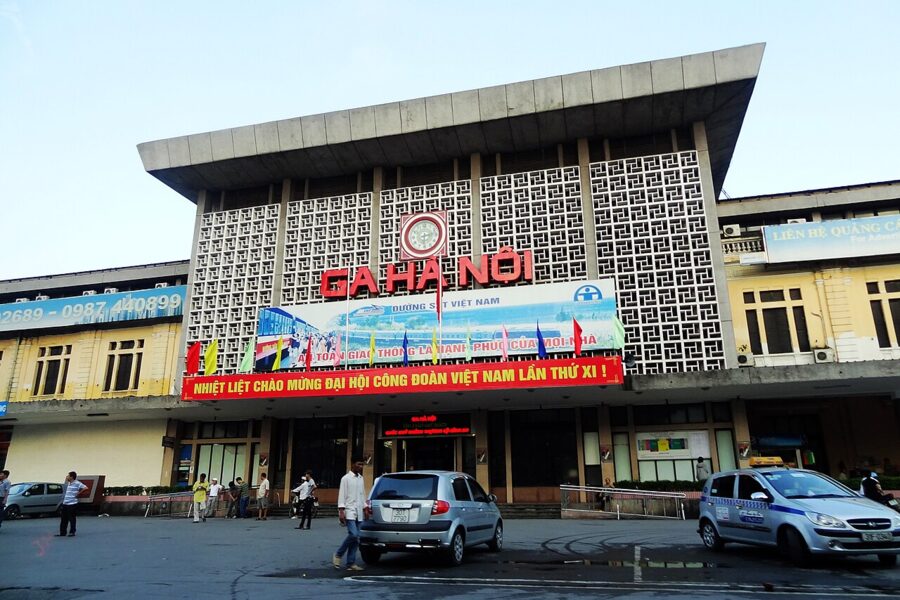
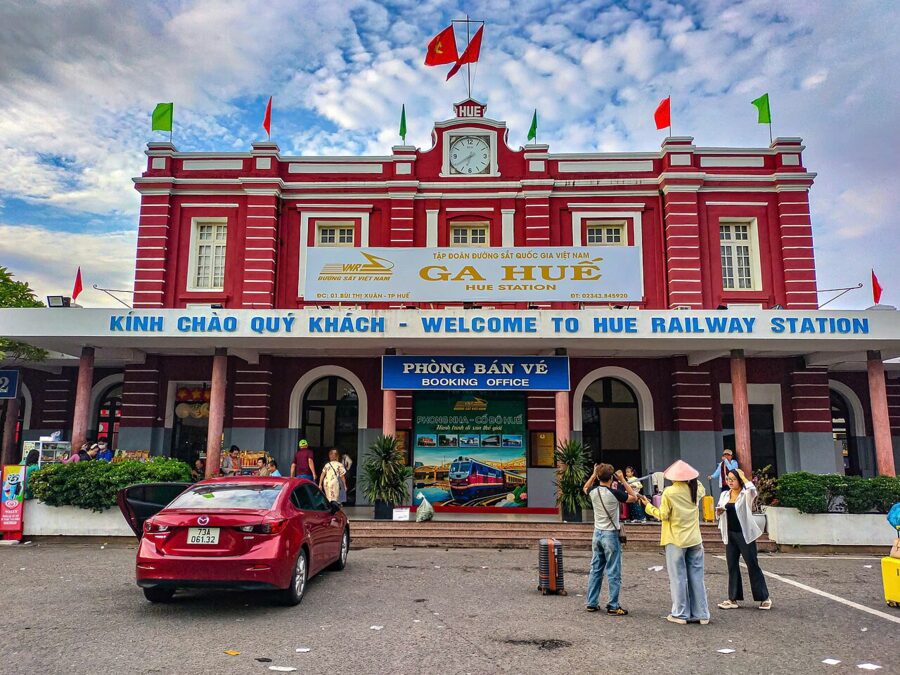
Hanoi to Hue is the best use of a night. On SE3 you leave Hanoi at 7:20 p.m., sleep through the flat north, and wake for the last stretch through Quang Tri, reaching Hue a little before 8 a.m. after roughly 12 and a half hours. That saves a hotel night and an airport run, and the citadel is ten minutes from the station.
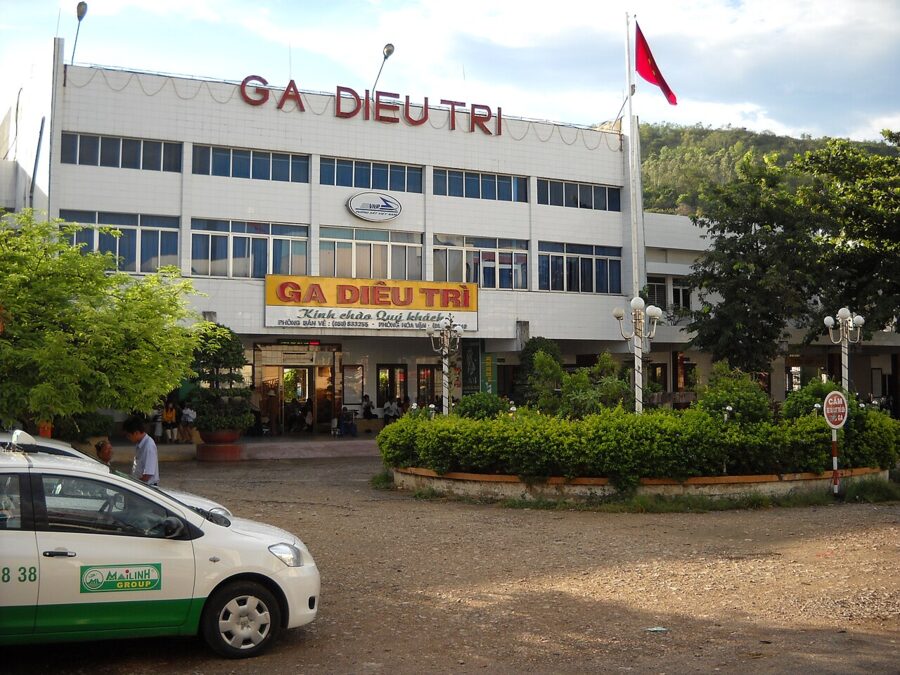
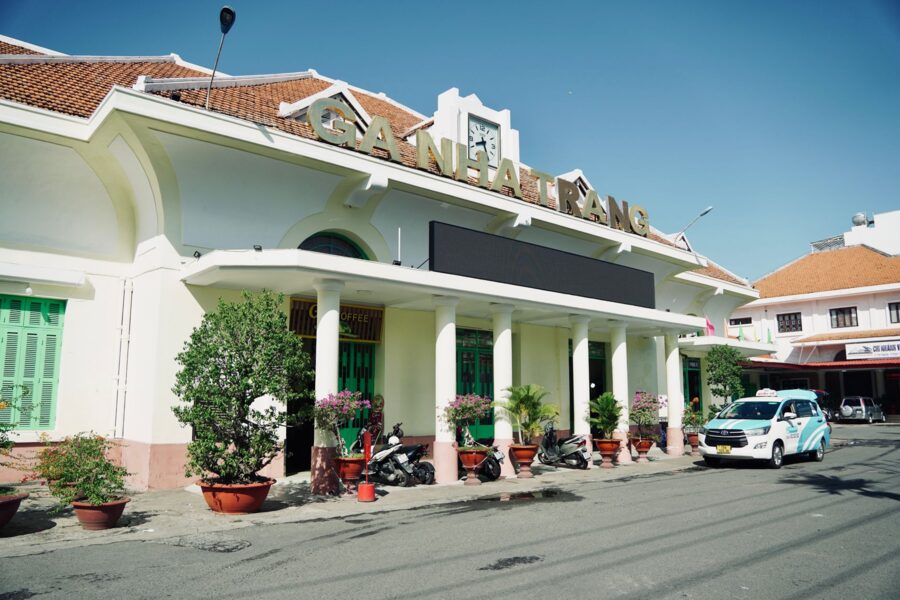
Hue to Da Nang is the one everybody should ride, by day, and it gets its own section below. South of Da Nang the line goes inland for a while and then back to the coast past Dieu Tri, the station for Quy Nhon, and Nha Trang, a long day ride that is pleasant rather than special. The overnight run from Nha Trang to Saigon makes sense for the same reason the Hanoi to Hue night does.
Would I do the whole thing in one go? Only if the train itself is the point. Two nights and a day in a four-berth compartment, with the scenery’s best hours falling wherever your train’s timetable puts them, is a lot of sitting for the money and time saved. Break it at Hue and Da Nang and every leg is either a night or a morning.
Sleepers, seats and what they cost
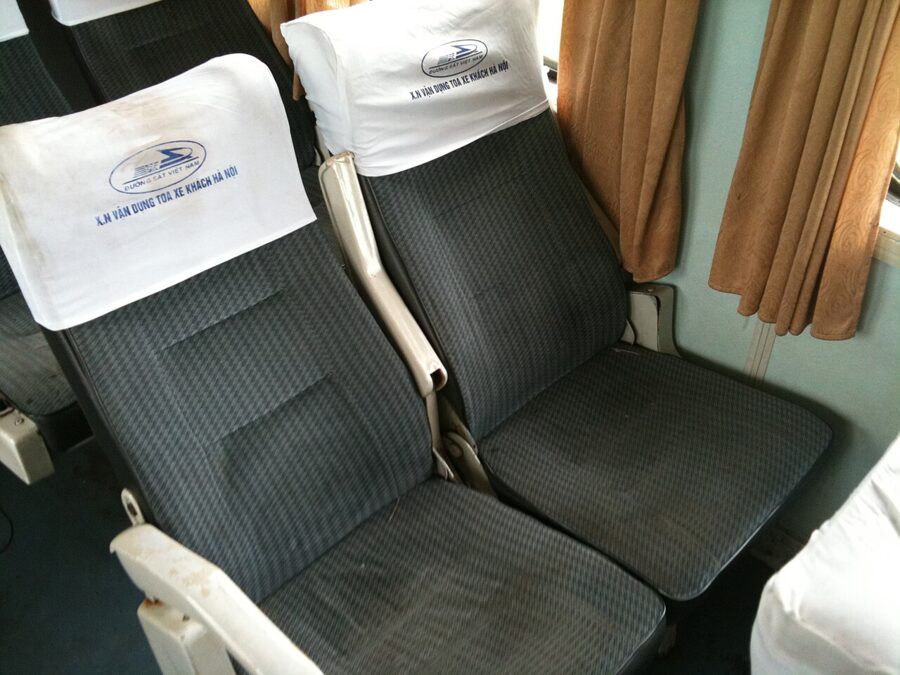
Every SE train carries the same handful of classes. A soft seat is an air-conditioned reclining seat in an open car, fine for Hue to Da Nang and tiring after eight hours. A hard sleeper is a six-berth compartment with no door, three bunks a side; the top bunk sits right under the ceiling and is the cheapest. A soft sleeper is a four-berth compartment with a door that locks from the inside, two bunks a side, each with a reading light, pillow, sheet and duvet, a layout anyone who has slept on the night trains in Europe will recognize and nothing like the open-aisle sleepers of the Bangkok to Chiang Mai train.
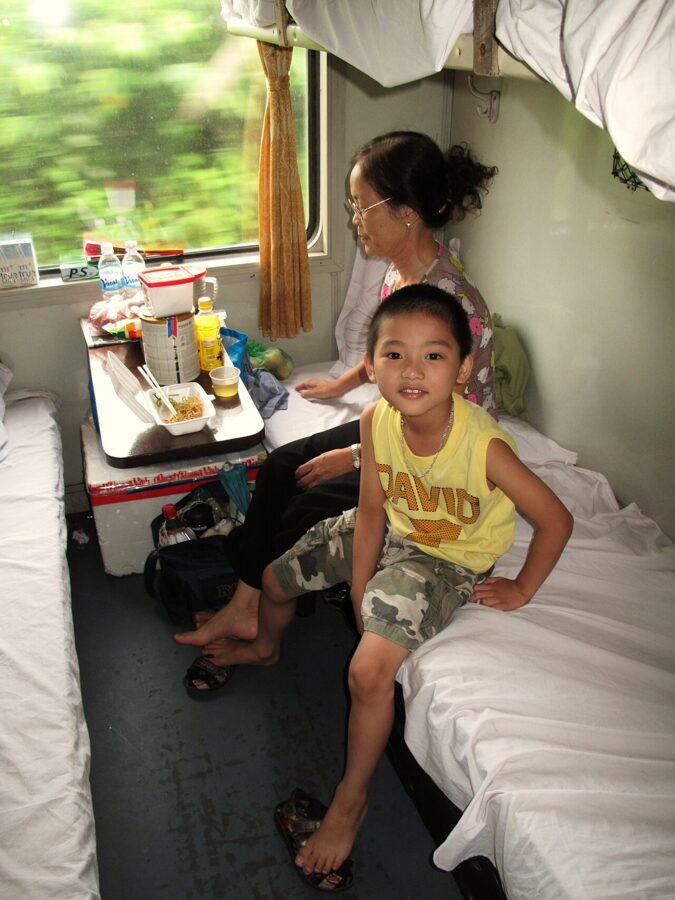
Some trains add a two-berth VIP compartment, and there are only a few of them. Fares change with the train, the date and how early you book, and lower bunks cost a little more than upper ones. Here is the range on the Vietnam Railways system for a full Hanoi to Saigon trip, as of 2026, with dollar figures at roughly 25,800 dong to the US dollar.
| Class | Layout | Hanoi to Saigon, as of 2026 |
|---|---|---|
| Soft seat | Reclining seat, air-conditioned car | 970,000 to 1,110,000 dong (about US$38 to $43) |
| Hard sleeper | 6 berths, open compartment | 1,170,000 to 1,760,000 dong (about US$45 to $68) |
| Soft sleeper | 4 berths, lockable door | 1,620,000 to 2,010,000 dong (about US$63 to $78) |
| VIP | 2 berths, on some trains | 2,570,000 to 4,010,000 dong (about US$100 to $155) |
Shorter legs scale down. In mid-2026 a lower soft-sleeper berth from Hanoi to Hue was about 1,218,000 dong (US$47), and a soft seat from Hue to Da Nang was 70,000 to 106,000 dong (about US$3 to $4). Children under 6 ride free if they share an adult’s berth or seat, one child per adult.
Which to book? A lower berth in a soft sleeper for any night, and buy all four berths if you are three or four people, which turns the compartment into a private room. Hard sleeper is fine for one night if soft is sold out, but take the bottom bunk. In the daytime, soft seat on the left side going south.
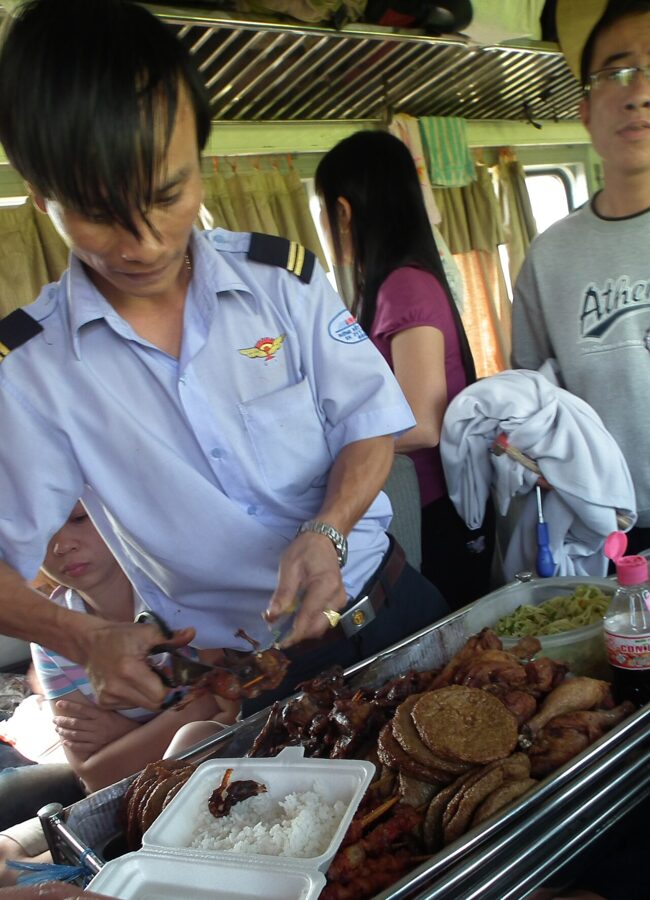
Food is simple. A trolley comes through with coffee, soft drinks, beer and snacks, and at mealtimes the staff sell rice-and-something meals from the kitchen car that are brought to your berth. Soft-sleeper cars have a hot water dispenser at the end of the corridor, which makes instant noodles and tea easy, and long stops at the bigger stations bring vendors to the platform.
Private and tourist carriages
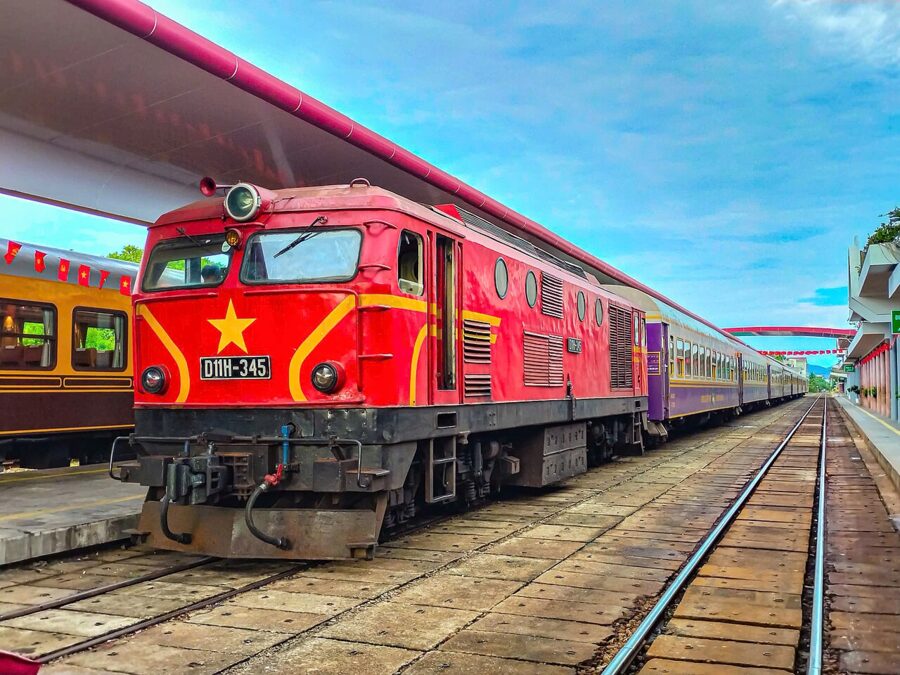
On some routes private companies own the carriages and Vietnam Railways pulls them. The train, the times and the track are the same; what changes is the cabin: better mattresses, cleaner linen, a bottle of water and a snack, staff who speak some English, and a higher fare. You book these through the company or an agent, not through Vietnam Railways.
They are most common, and most worth it, on the Hanoi to Lao Cai night trains, covered below. On the main line, a regular soft sleeper on an SE train is good enough that I would not go looking for a private car, and I would rather spend the difference on a hotel in Hue.
Booking with Vietnam Railways, an agent or the station window
The official place to book is the Vietnam Railways ticket site, dsvn.vn, which has an English version and a phone app. You pick the train, the car and the exact berth from a seat map, enter each passenger’s name and passport number, and pay. Foreign cards do not always go through; when one is refused, the agents are the fallback.
Several websites with “Vietnam Railway” in their names are travel agencies, not the railway, which is why their prices are higher. The big agents that resell Vietnam Railways seats show live availability, take foreign cards and add a fee. For a private carriage to Lao Cai you need an agent or the carriage company.
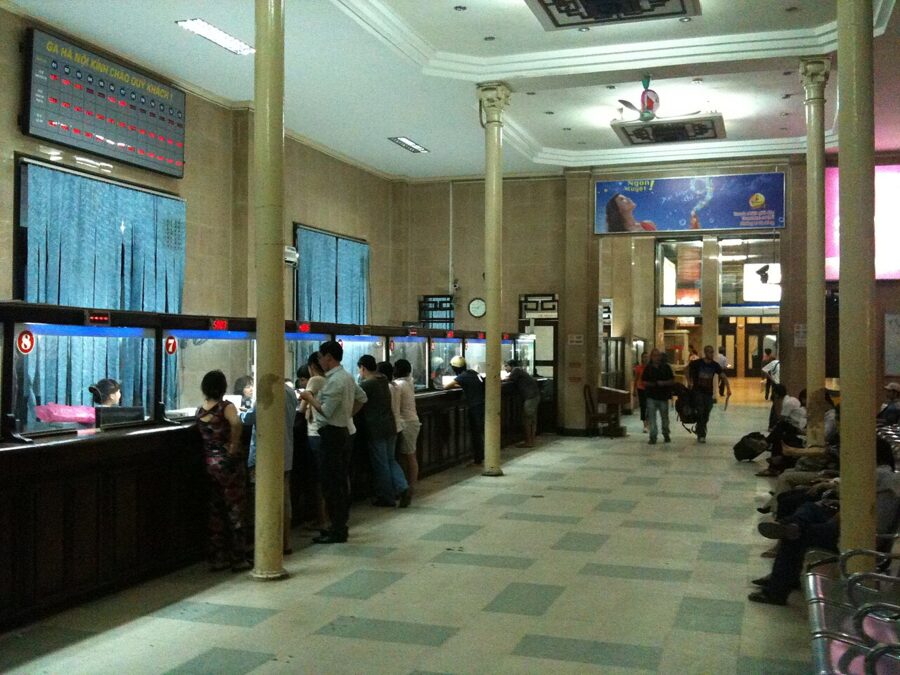
Station windows sell tickets in dong only, cash or Vietnamese cards. Bring your passport, have the train number and date written down, and expect little English outside Hanoi, Hue, Da Nang and Saigon. Buying a few days ahead is normally fine outside holidays. Tickets bought less than 48 hours before departure carry a 5 to 7 percent surcharge under the fare rules in force in 2026.
Changing your mind costs money. Under the rules Vietnam Railways’ passenger company published in September 2026, an individual ticket can be changed once, at least 24 hours before departure, for a 5 percent fee. A refund costs 10 percent of the fare 72 hours or more ahead and 20 percent closer in, and nothing is refunded inside four hours. The minimum charge is 20,000 dong per ticket.
Tet and the other weeks that sell out
Tet, the Lunar New Year, falls on February 6 in 2027, and the railway treats January 23 to February 25 as its holiday season. Tickets for that period went on sale at 8 a.m. on September 5, 2026, with a limit of ten tickets per person each way, and the best seats on the evening trains went fast. Between January 29 and February 17 the Tet 2027 refund rules keep 30 percent of the fare on changes and returns for the trains carrying the holiday rush.
Before Tet the rush runs north, as people who work in the south go home; in the week after, the southbound trains fill. If your trip touches those weeks, book as soon as you have dates, and if you cannot get a berth, fly that leg. Summer school holidays and the long weekends around April 30 and September 2 are busy too, though nothing like Tet.
Hue to Da Nang over the Hai Van Pass
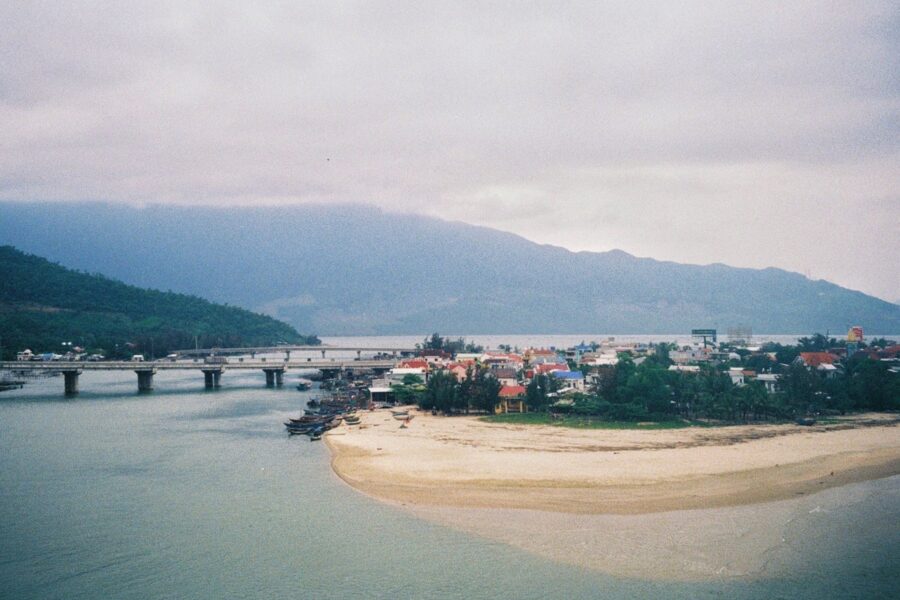
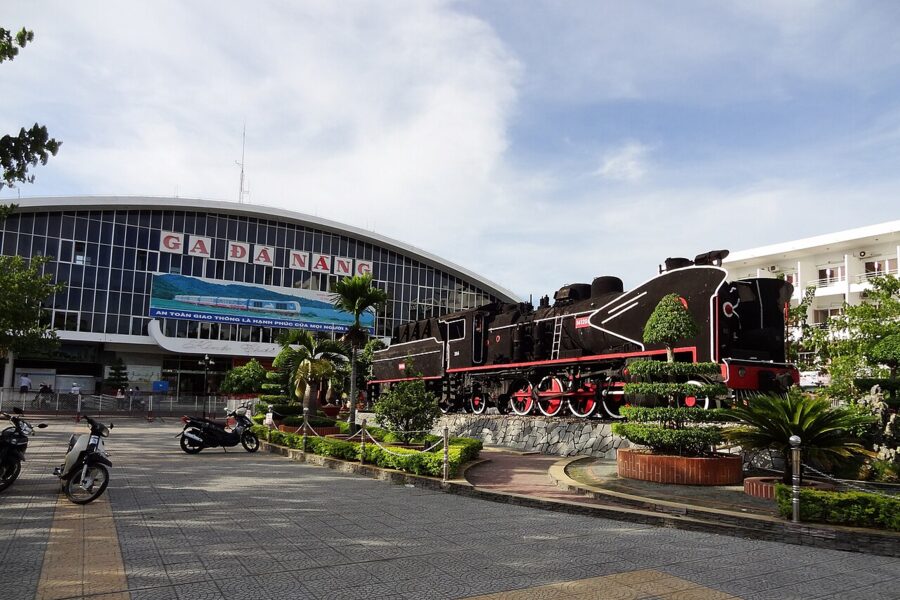
This is about 64 miles (103 km) and two and a half to three hours on an ordinary SE train. South of Hue the line crosses rice country, then meets the sea at Lang Co, a fishing town on a sandbar between a lagoon and the ocean. From there it climbs around the Hai Van headland, the mountain spur that has divided the north and south of central Vietnam for centuries, and down the other side to the bay of Da Nang.
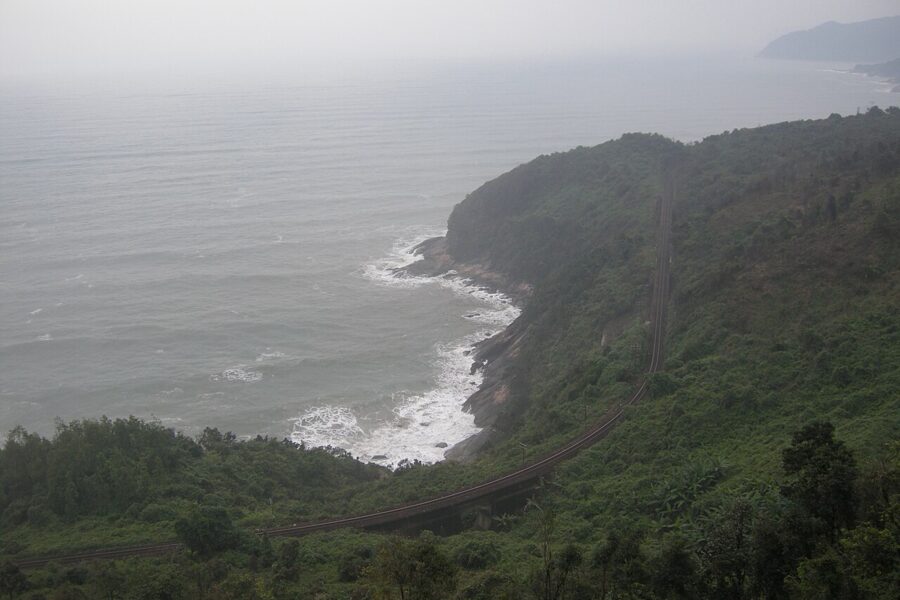
Sit on the left going south and on the right going north. On the headland the sea is on that side for most of the climb, and on the far side you look down the curve of the bay toward Da Nang. Pick a daylight train: as of the December 2026 timetable, the southbound choices included SE3 leaving Hue at 7:55 a.m., SE19 at 8:50 a.m. and SE1 at 10:30 a.m., and northbound from Da Nang SE10 at 8:59 a.m., SE4 at 12:28 p.m. and SE2 at 1:21 p.m.
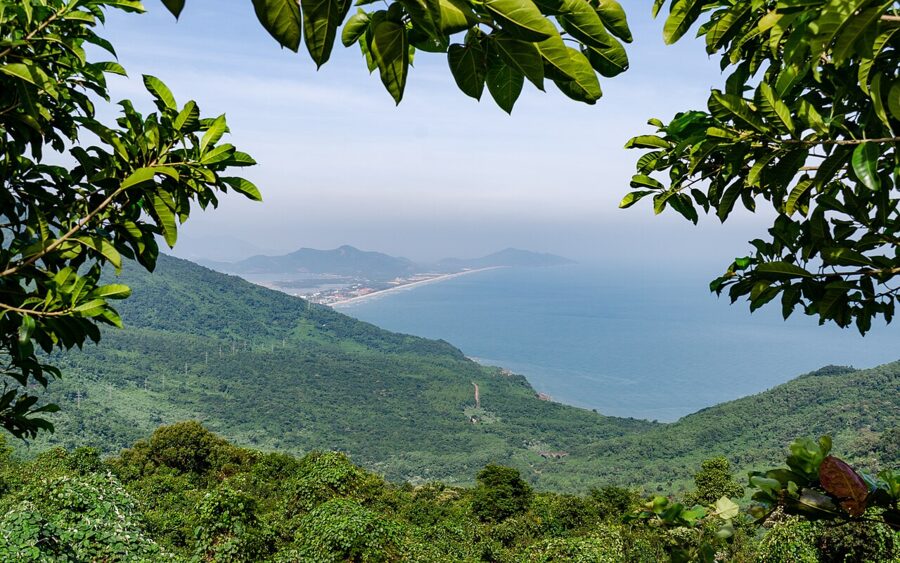
A soft seat is all you need for this ride, and a berth in a sleeper car works too if the seats are gone; you can sit on the lower bunk by the window. Book it as a separate ticket even if you are going further, so you can choose the train by its daylight hours.
The heritage train
Since March 26, 2024, Vietnam Railways and the cities of Hue and Da Nang have run a tourist train between the two, sold as the Central Heritage Connection (Ket noi di san mien Trung). It is a dedicated short train with its own numbers, HD1 to HD4, two round trips a day, and it stops at Lang Co lagoon on the way, so the run takes three to four hours instead of two and a half.
In its first two years it carried more than 440,000 passengers, and in March 2026 it got a purple and grey repaint and a refitted 32-seat VIP car with tables along the windows and live music. As of the December 2026 timetable, HD1 left Hue at 7:05 a.m. and reached Da Nang at 10:10 a.m., and HD2 left Da Nang at 7:05 a.m. for Hue. Standard seats were selling for about 300,000 dong (about US$12) through agents in late 2026, more for the VIP car.
Is it better than the regular train? For a first ride, yes, because of the stop at Lang Co and because everyone on board is there for the view. If you only want the scenery and a seat on the sea side, a soft seat on SE1 or SE3 does the same stretch for a third of the price.
The night train to Lao Cai for Sapa
Sapa has no railway. The trains run from Hanoi to Lao Cai, the border town on the Red River across from China, and Sapa is about an hour’s drive up the mountain from there. The night train has competition now, since the expressway made the limousine buses quick, but it is still the better way to arrive rested, and the morning drive up from Lao Cai is a good one.
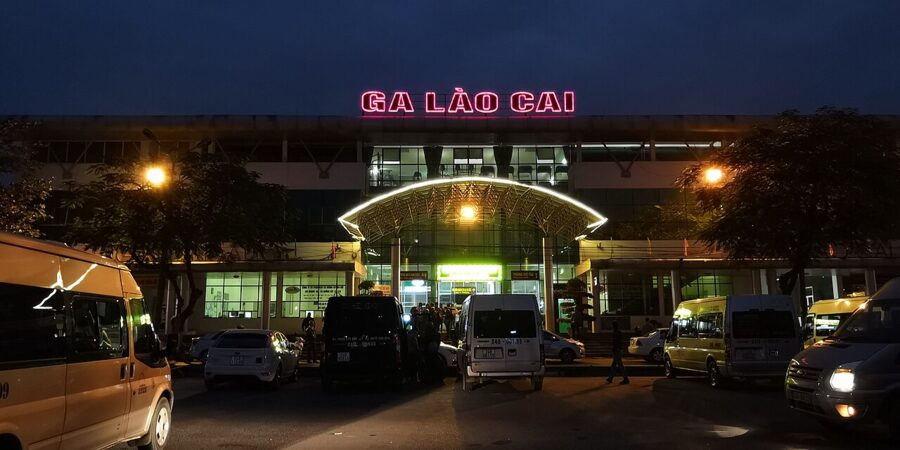
Vietnam Railways added a third nightly pair from October 10, 2026. As of then, the Hanoi to Lao Cai trains were SP15 at 9:45 p.m. (Lao Cai 5:20 a.m.), SP3 at 10 p.m. (5:50 a.m.) and SP7 at 10:40 p.m. (6:27 a.m.). Coming back, SP16 leaves Lao Cai at 9:25 p.m., SP4 at 9:50 p.m., and the daytime SP8 at 12:05 p.m., reaching Hanoi at 7:30 p.m. The run takes seven and a half to eight hours.
A Vietnam Railways berth in a four-berth soft sleeper costs about 440,000 to 460,000 dong (about US$17 to $18) as of 2026, and round-trip tickets on some Lao Cai trains earn 15 percent off. The private carriages coupled to SP3 and SP7 are the reason most visitors book this train. In November 2026, agents were selling berths in four-berth cabins from Laman Express, Sapaly, Fanxipan Express, King Sapa and Chapa Express for roughly 860,000 to 1,250,000 dong (about US$33 to $48), with whole two-berth cabins from about 1.7 million dong (US$65) and the fanciest suites far above that.
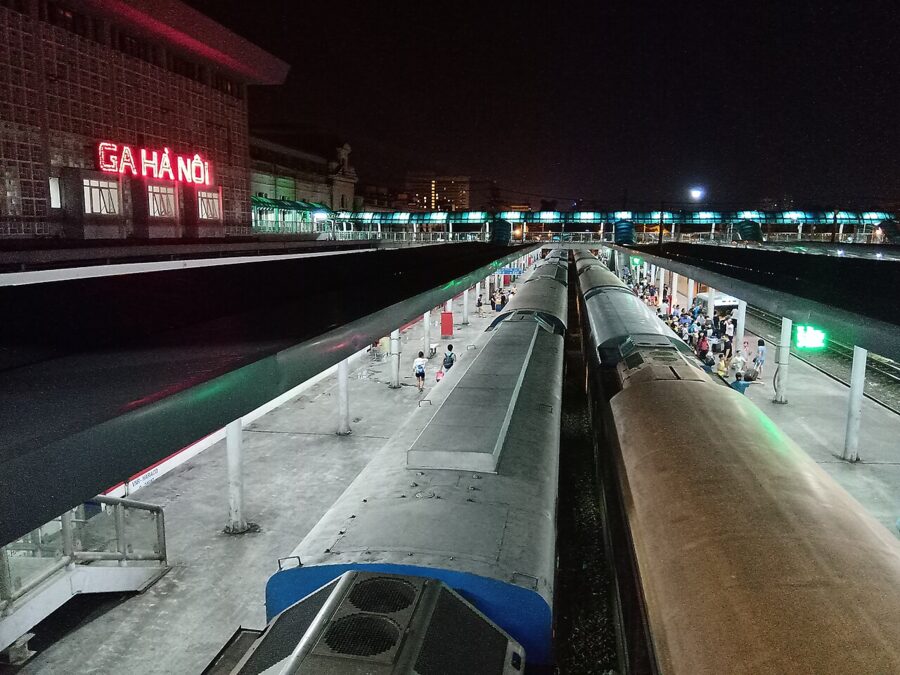
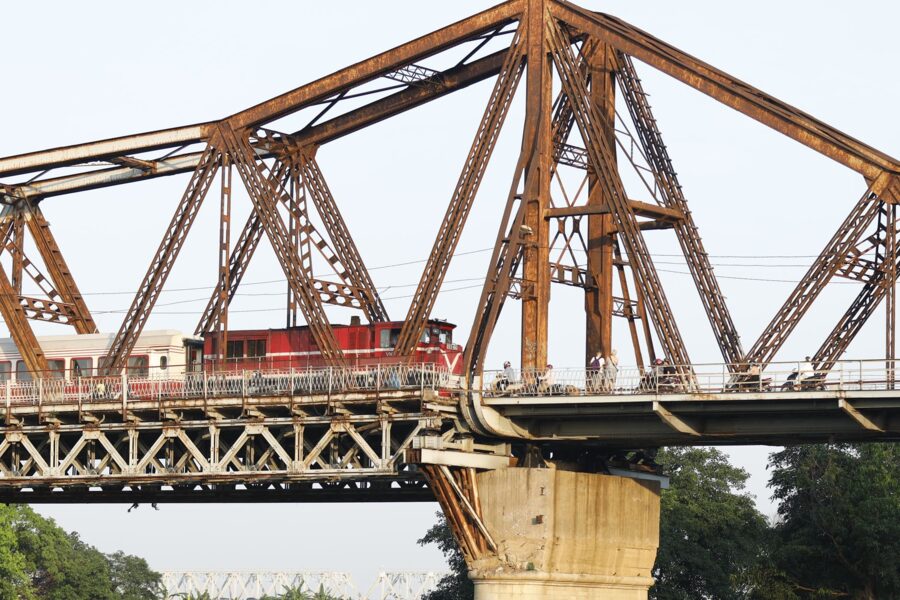
The Victoria Express, a name many older guides still give, no longer runs as such. Which carriage you get matters less than the cabin: pay for a lower berth, or for the whole compartment if you are a couple and the price gap is small. The northbound trains usually board on the Tran Quy Cap Street side at the back of Hanoi Station, so check your ticket for the entrance.
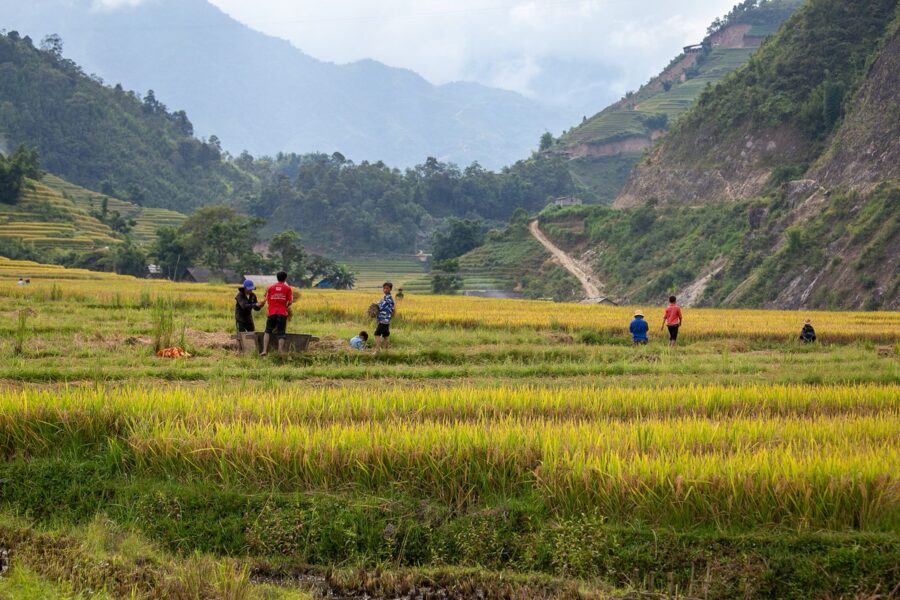
I would take SP3 or SP7 up and the daytime SP8 down. The night train gets you to the mountains in time for breakfast, and the day train back follows the Red River valley in daylight, with paddies and the slow brown river beside the line for much of the afternoon. It also leaves your last evening in Hanoi free.
Da Lat’s seven miles of railway
Da Lat once had a cog railway. The line from Thap Cham on the coast climbed 52 miles (84 km) into the highlands, nearly 4,600 feet (1,400 m), with three rack sections and five tunnels, and its station in Da Lat, finished in 1938, is one of the best-looking in Asia: Art Deco, with three steep gables said to echo the peaks of Lang Biang mountain. The war closed the line in the 1960s and most of it was torn up after 1975.
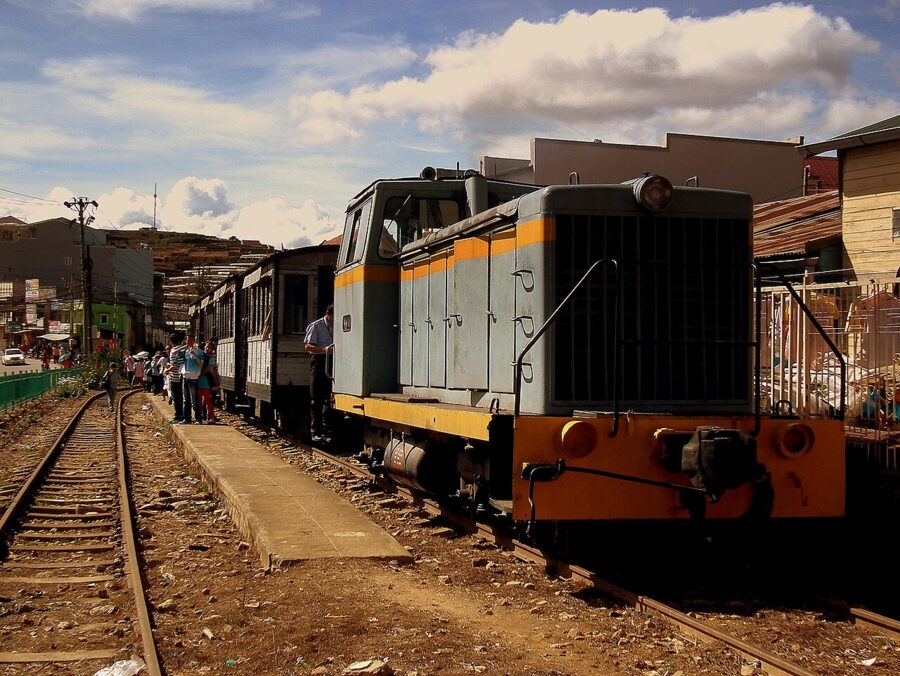
What runs now is the first 4.5 miles (7 km), from Da Lat station east to Trai Mat, a village of vegetable gardens and greenhouses. Vietnam Railways runs several trips a day; each way takes about 30 minutes, with a stop at Trai Mat long enough to look around before the return. Fares on the Trai Mat line run from 98,000 to 191,000 dong (about US$4 to $7) as of November 2026, depending on the car and the time, and a departure can be cancelled when too few people turn up.
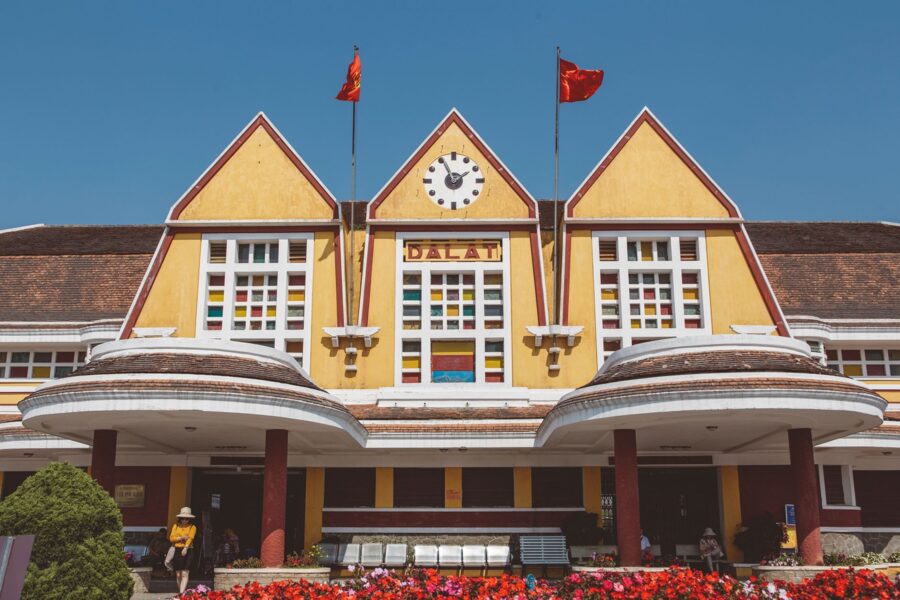
As a train ride it is short and slow, but the station alone justifies the stop. Reopening the full line to Thap Cham has been discussed for years; nothing beyond Trai Mat runs, and I would not plan around it.
What is coming: the high-speed line
Vietnam has approved a new North-South high-speed railway, a separate double-track, standard-gauge line of about 958 miles (1,541 km) from Ngoc Hoi in Hanoi to Thu Thiem in Ho Chi Minh City, designed for 217 mph (350 km/h). The government puts the cost at US$67.34 billion and the eventual trip at about five and a half hours. As of September 2026 the Ministry of Construction was aiming to start construction in December 2027, a year later than the target it had set before.
Nobody will ride it in 2027, or for years after, and the same goes for the new standard-gauge line from Lao Cai through Hanoi to Hai Phong, which broke ground on December 19, 2025. For now, the meter-gauge line is what you get, and its slow pace is part of why the Hai Van section is worth doing. Across the border, China high-speed rail already runs trains at those speeds.
When things go wrong
Delays of an hour or two are normal on a single-track line, and they stack up on the long runs. Build slack into anything that follows a long train, especially a flight. Late autumn is the risky season in central Vietnam: in November 2025, floods closed the line through the south-central coast for eight days, from November 17 to 25, and more than 60 passenger trains were cancelled. If you travel between October and early December, keep the booking flexible and watch the forecasts.
Air-conditioning runs cold at night, so keep a warm layer in your day bag, and carry toilet paper and wet wipes. Luggage goes under the lower bunks or on the shelf over the door, with little room for big suitcases.
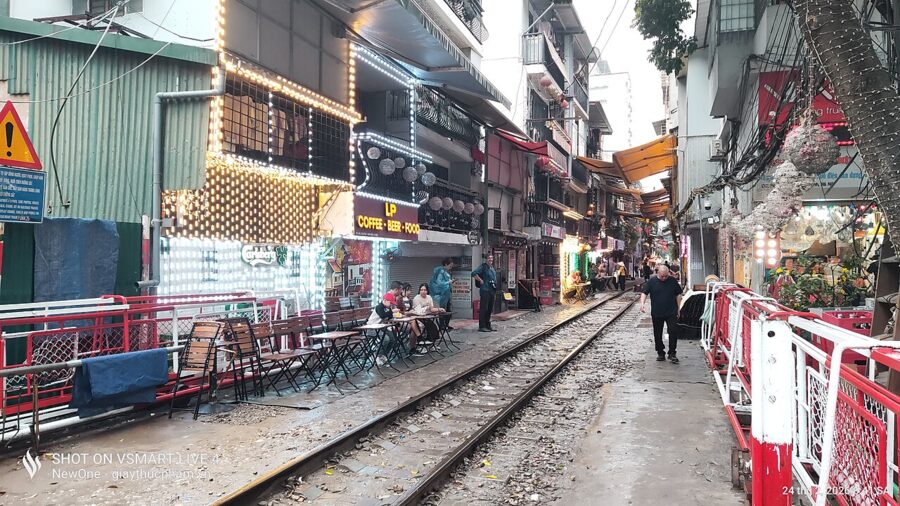
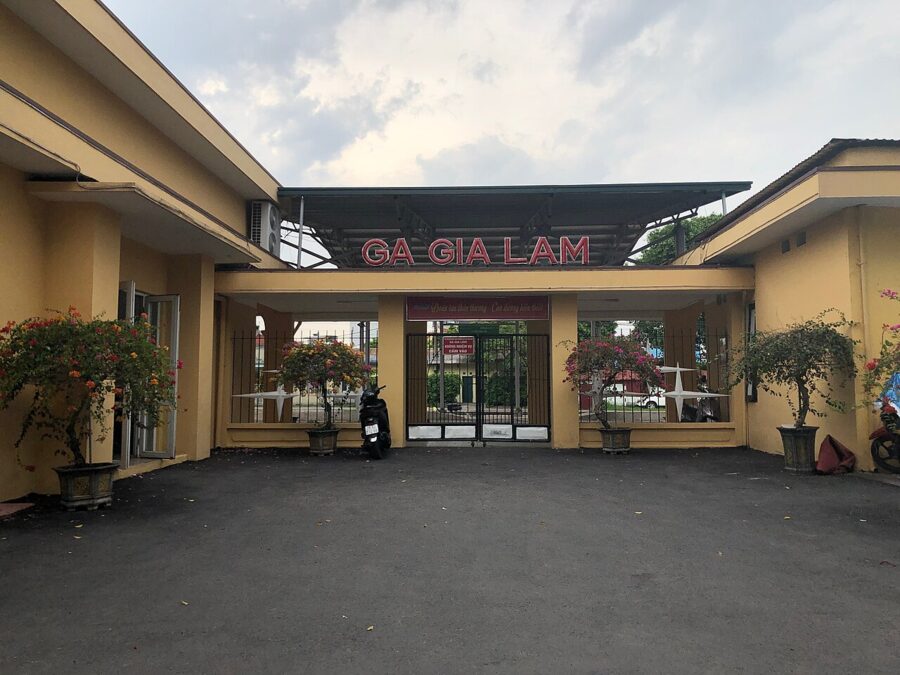
Hanoi’s Train Street, where the line squeezes between houses on its way through the city, is closed to visitors on paper and full of them in practice. On February 2, 2026, police cleared the cafes and walked tourists off the line after a video showed a woman sitting about 20 inches from a passing train; within weeks the cafes had reopened. In January 2026 the city asked the national government to stop passenger trains between Hanoi Station and Gia Lam, which would end the scene altogether, but as of October 2026 the Lao Cai trains still called at Gia Lam. If you go, stay off the rails and leave when you are told.
How I would book it
For a first trip, I would book three train tickets and fly the rest. SE3 from Hanoi at 7:20 p.m. in a lower soft-sleeper berth to Hue. A soft seat on the left side of SE1 or SE3 from Hue to Da Nang a few days later, or the heritage train if I wanted the stop at Lang Co. And, if the trip goes north, SP3 or SP7 to Lao Cai in a private four-berth cabin, with SP8 back by day.
Book on dsvn.vn when you have dates, use an agent only for the private Lao Cai carriages or if your card is refused, and avoid the Tet weeks unless you booked in September. Then, on the morning out of Hue, take the left-hand seat and keep your camera in your lap from Lang Co onward.