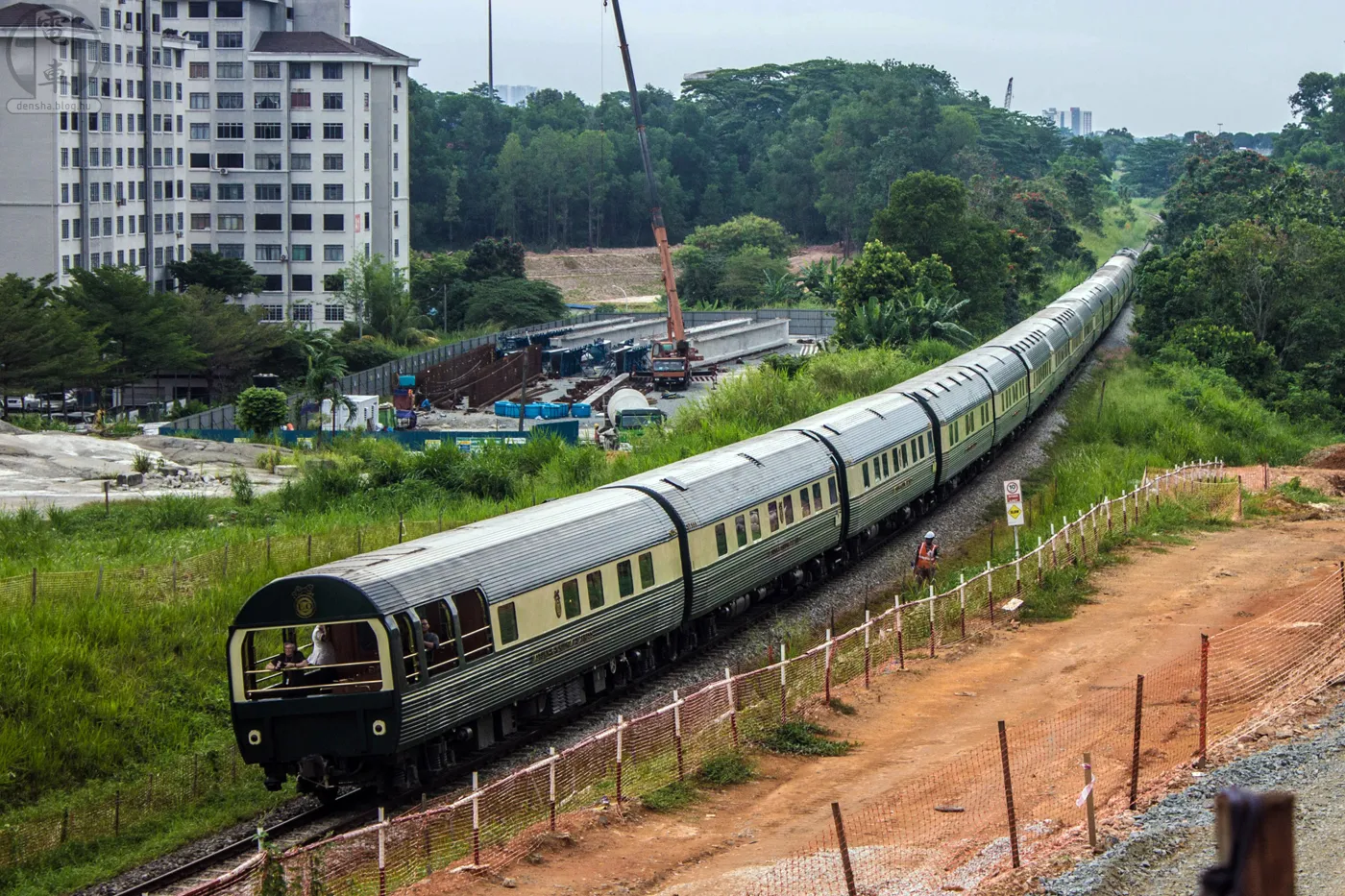
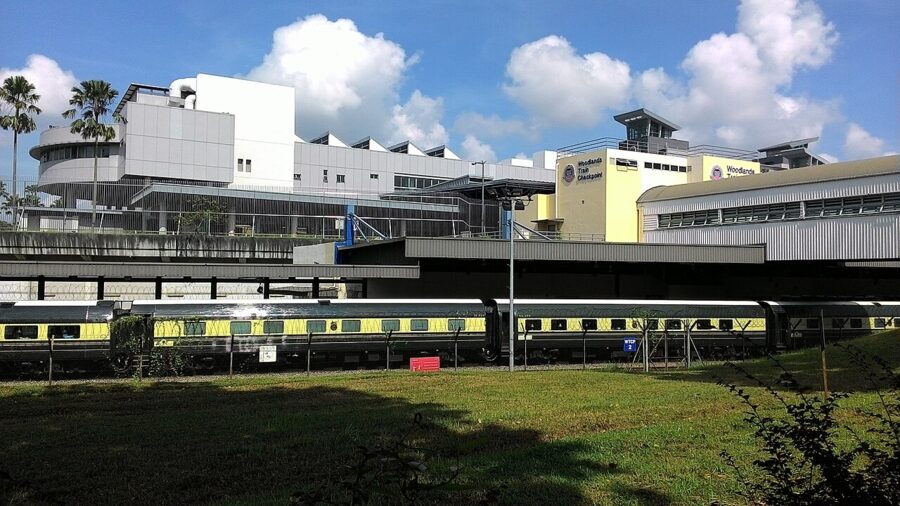
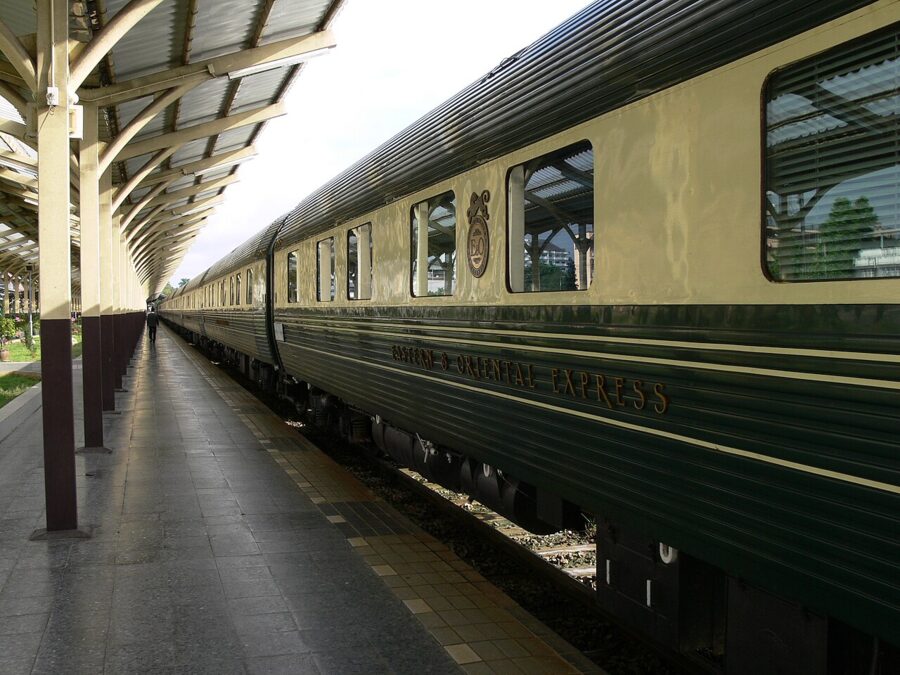
At three o’clock on a Monday afternoon a green and cream train pulls out of Woodlands, the last railway station in Singapore, and the first thing it does is cross a border. At the immigration stop everyone gets off with hand luggage, shows a passport and climbs back aboard, and then the steward brings afternoon tea. That is how every journey on the Eastern & Oriental Express begins now, and it ends the same way three nights later, at about 10:20 on Thursday morning, back where it started.
The train used to run from Singapore to Bangkok. Since its return in February 2024 it has stayed inside Malaysia, on round trips that leave and finish at Woodlands. For 2027 the cheapest cabin, a Pullman for two, is listed by Belmond from $10,400 to $11,000 per cabin as of late 2026, which is about $5,200 to $5,500 a person for three nights, with meals, house drinks and the off-train excursions included.
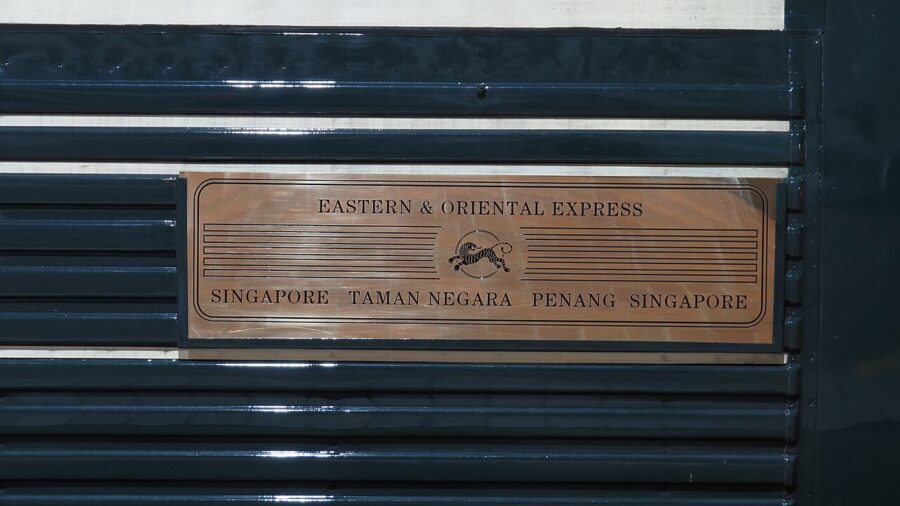
The choices are fewer than they look. There are two regular journeys, one through Perlis and Penang in the northern winter and one into the rainforest of Taman Negara for most of the rest of the year, plus a handful of holiday departures. The real decision is the cabin, and whether you want to sleep in a bunk.
Stops in this article8
- 01What changed when the train came back
- 02The journeys for 2027
- 03Cabins and suites, and what they cost
- 04Dining, drinks and what the fare includes
- 05Boarding at Woodlands, the border and your luggage
- 06Season, booking and the small print
- 07The Singapore to Bangkok years, 1993 to 2020
- 08Against the Venice Simplon-Orient-Express and the other luxury trains
What changed when the train came back
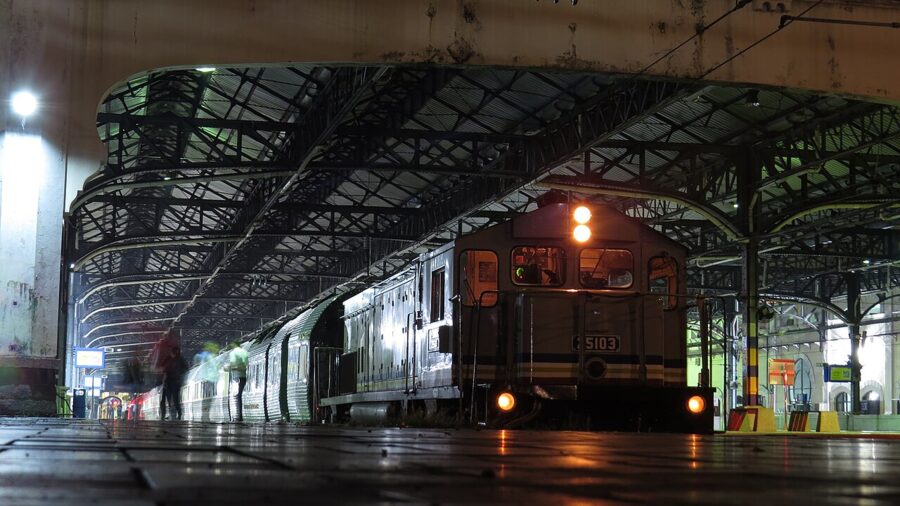
The Eastern & Oriental Express stopped running in 2020, when the pandemic closed borders across the region. Belmond announced its return in July 2023, and the first passengers in almost four years boarded in February 2024. Thailand was gone from the map. In its place came two seasonal journeys, both starting and ending in Singapore, so that the train could spend all of its time in one country.
The interiors were redone in Malaysian colors and fabrics, and the menus handed to André Chiang, the Taiwanese chef whose Restaurant André in Singapore held two Michelin stars before it closed in 2018. In July 2024 a spa car joined the train, run with Dior, the first Dior Spa in Southeast Asia. Belmond put the train at 16 carriages after that.
The price moved too. At the 2024 restart, three-night fares started from $3,410 a person. For 2027 the lowest published fares work out at roughly $5,200 a person, so the train costs about half as much again as it did in its first season back.
The journeys for 2027
Everything leaves from Woodlands and, apart from the Tiger Express, comes back there. The regular trains run on Mondays. Belmond marks every timing as approximate, because the train runs on the national network of Keretapi Tanah Melayu (KTM) and fits around its traffic.
| Journey | When it runs (2027) | Days | Off the train | From, per cabin for two (as of 2026) |
|---|---|---|---|---|
| Essence of Malaysia | January to March, November to December | Mon 3 p.m. to Thu 10:20 a.m. | Perlis, Penang | $11,000 (Pullman) |
| Wild Malaysia | April to May, July to October | Mon 3 p.m. to Thu 10:20 a.m. | Taman Negara at Merapoh, Penang | $10,400 (Pullman) |
| Festive Celebration in Malaysia | December 23 to 26 | Thu to Sun in 2027 | Perlis, Christmas in Penang | $12,200 |
| New Year Celebration in Malaysia | December 29 to January 1 | Wed to Sat in 2027 | Perlis, New Year’s Eve in Penang | $12,200 |
| Tiger Express | May 9 to 15 | 6 nights: hotel, train, resort | Taman Negara, Penang, Langkawi | $22,600 (State Cabin) |
Those are the dates Belmond was selling in late November 2026. Wild Malaysia has no departures in June 2027, and the Essence of Malaysia season for late 2027 opens on November 1.
Essence of Malaysia
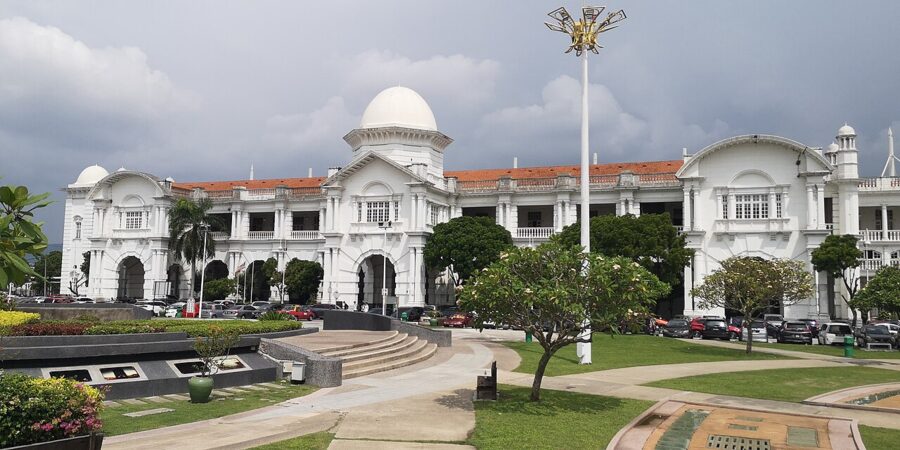
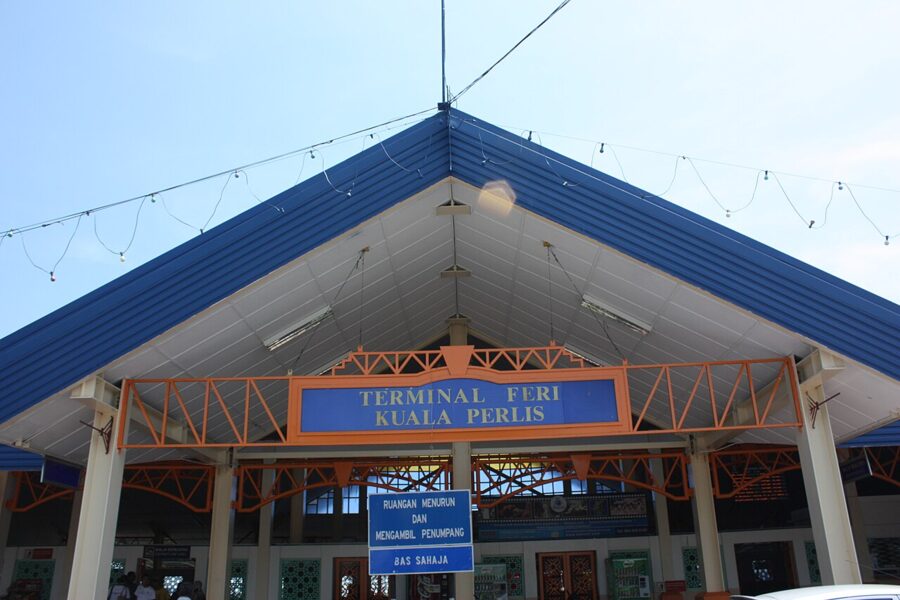
This is the winter journey, and the one to pick if you care more about towns and food than about jungle. The first evening is afternoon tea in the cabin and dinner as the train runs north through Johor. Day two is the long run up the west coast past Kuala Lumpur, rice paddies and villages, with an afternoon stop in Perlis, the smallest state in Malaysia, on the Thai border.
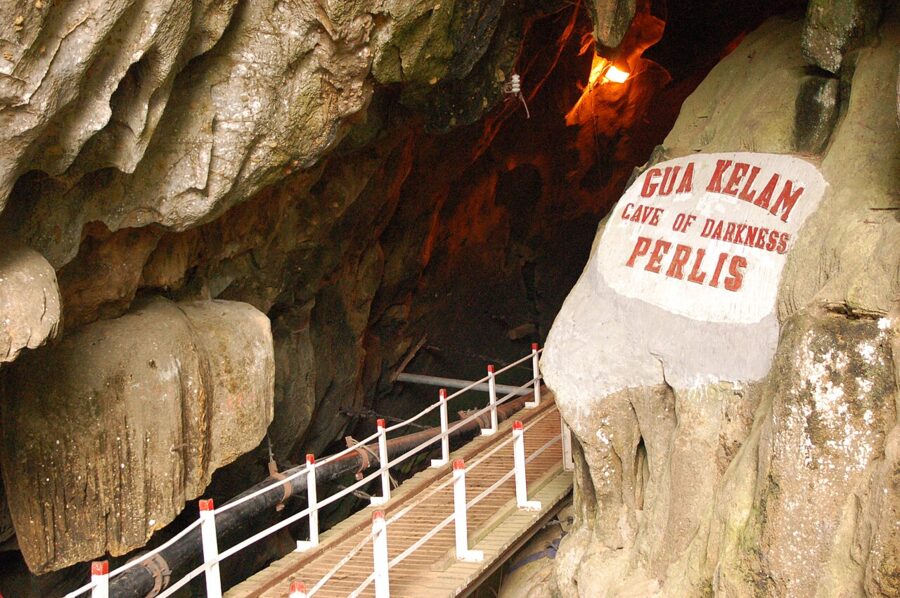
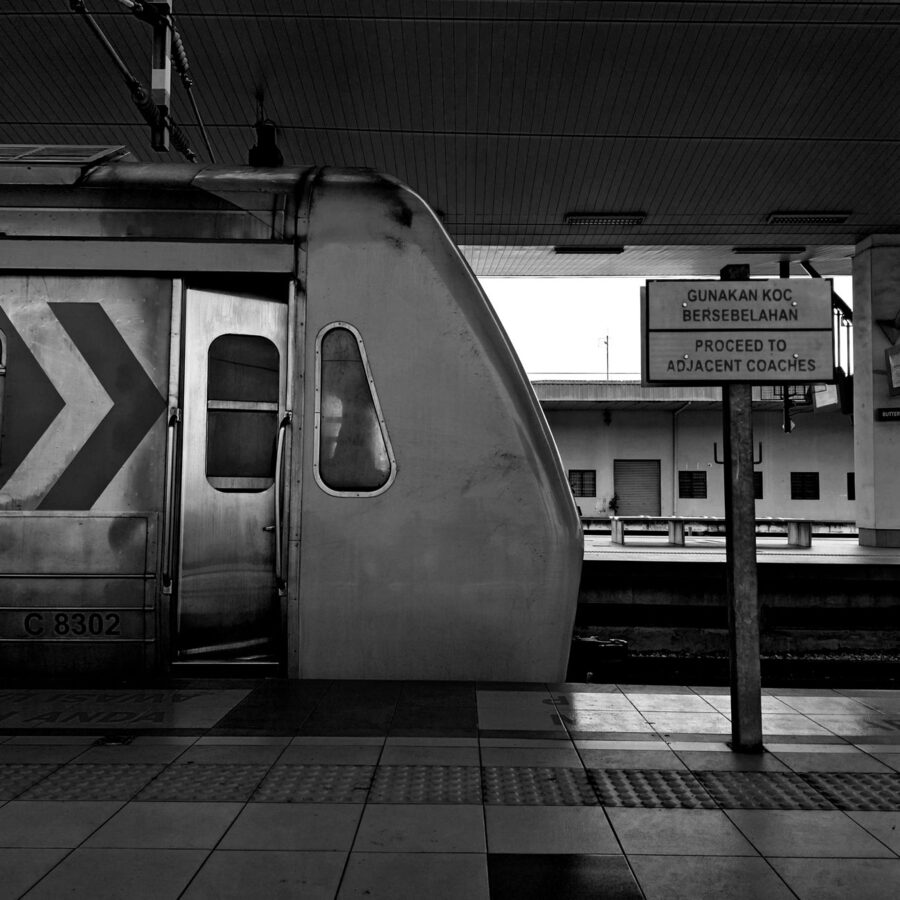
In Perlis you choose one of three outings: an e-bike ride through the valleys of the Nakawan Range ending at the Gua Kelam cave, an afternoon of batik painting, traditional houses and Malaysian cooking, or aromatherapy, incense-making and a sound bath in a forest retreat. The train then stables overnight at Butterworth, across the water from Penang.
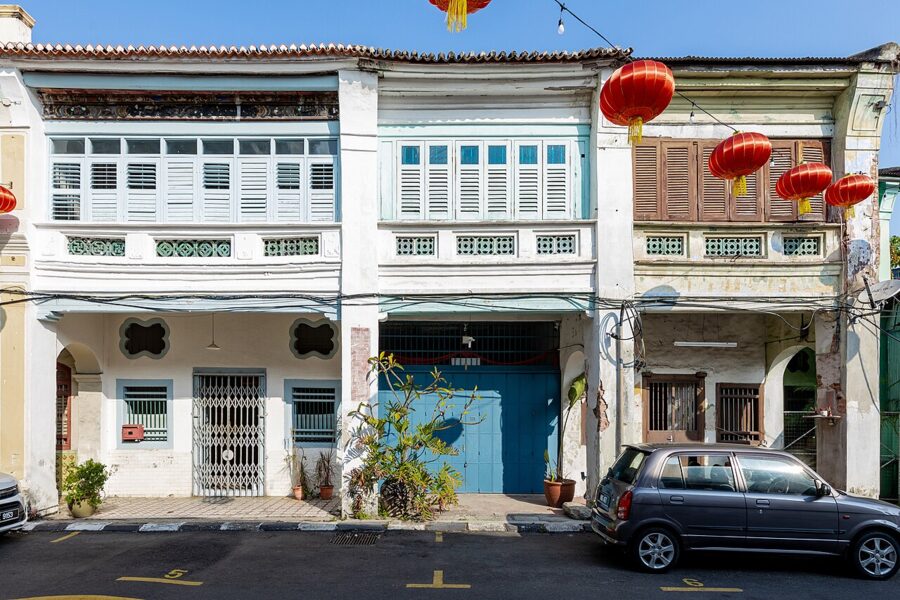
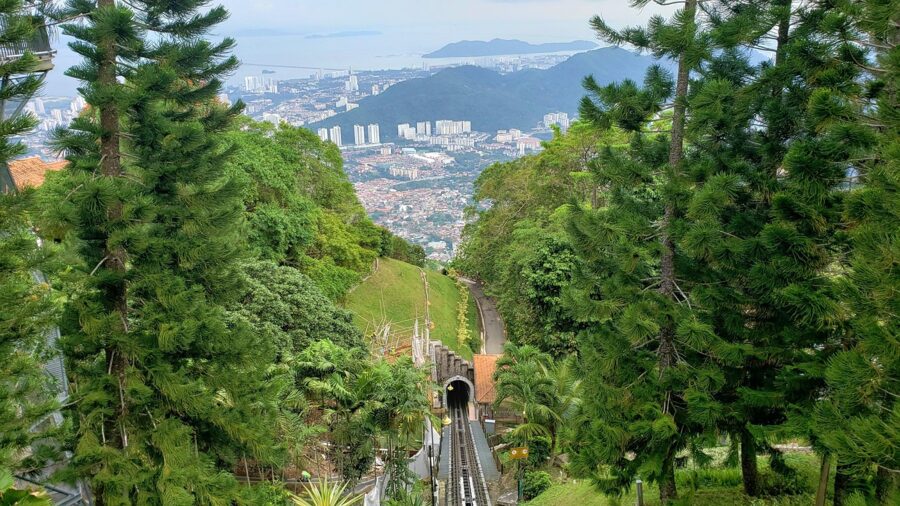
Day three is Penang. George Town by Vespa with local artists, a food morning of markets, a cooking class and the view from Penang Hill, or a trishaw and the day to yourself. You rejoin the train for lunch, and the afternoon brings either the spa or a walk in Ipoh as the train heads south. Breakfast on Thursday is served in Johor, and the train crosses back into Singapore mid-morning.

Wild Malaysia
The other journey turns inland. Overnight the train leaves the main line at Gemas for the East Coast Line, the single track through the interior popularly known as the Jungle Railway, and breakfast on day two is served as it winds through the forest. After lunch it stops at Merapoh, in Pahang, for the Merapoh side of Taman Negara.
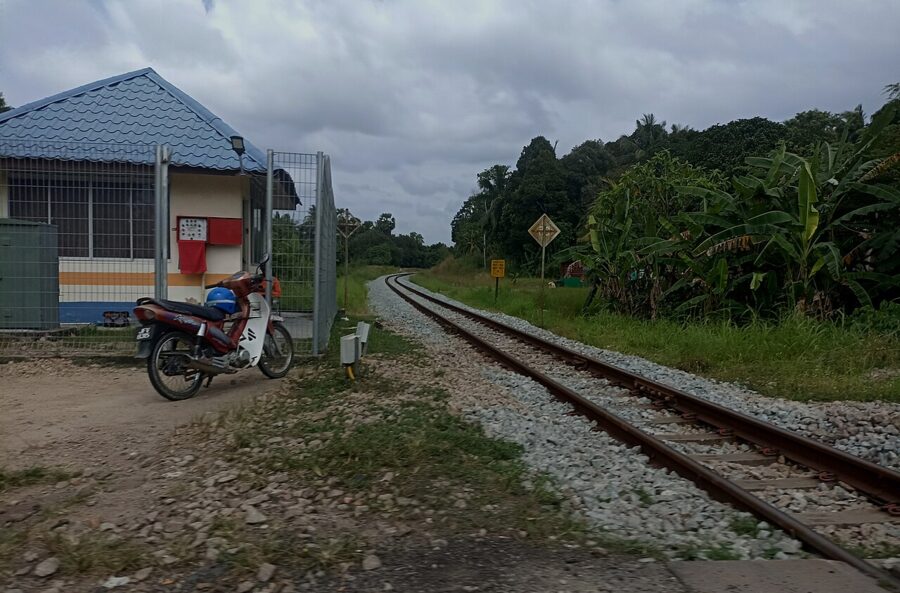
Taman Negara is the national park that covers the forest where Pahang, Kelantan and Terengganu meet, and Belmond calls it one of the oldest tropical rainforests in the world. The outings from Merapoh are a conservation walk, a photography outing, caves by e-bike, or a slower wellness session. Day three is the same Penang day as the Essence journey, and the train is back at Woodlands on Thursday morning.
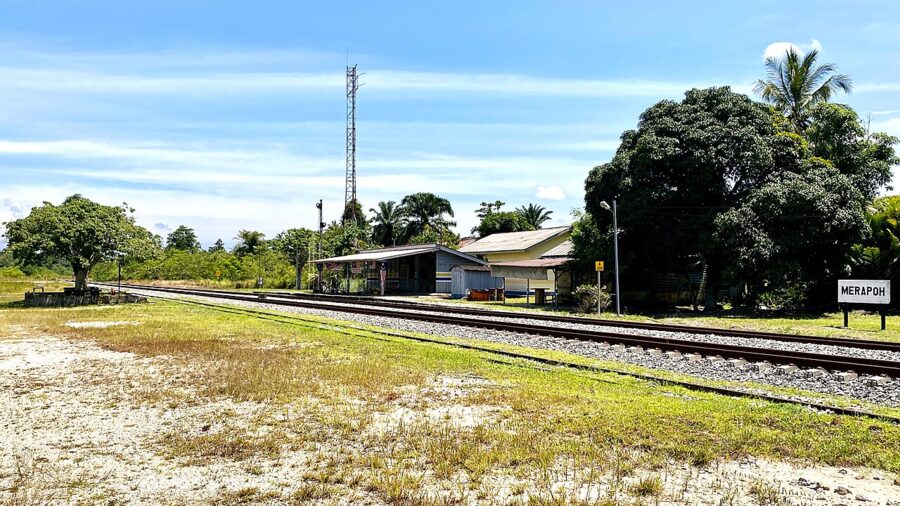
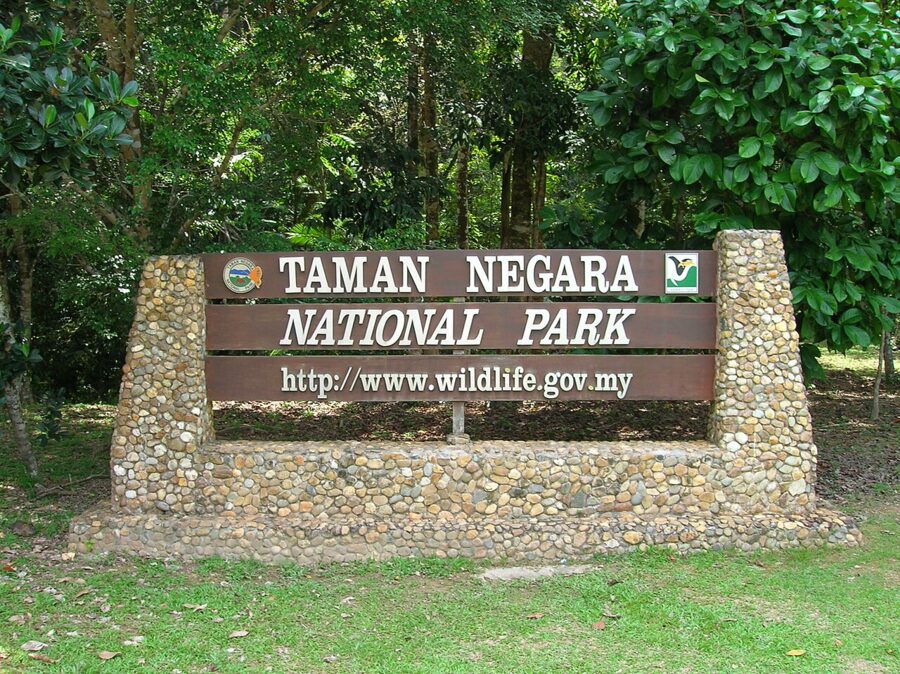
Which one? I would take Wild Malaysia. The Jungle Railway is the more interesting stretch of track, Penang is on both, and the cheapest Wild Malaysia dates in 2027 undercut the cheapest Essence dates by $600 a cabin. Take Essence if your dates fall between November and March, or if a cave and a rainforest walk sound like work.
Christmas, New Year and the Tiger Express
The two holiday trains follow the Essence route with a party on top. The Festive Celebration journey spends Christmas Day in Penang and ends with a champagne dinner as the train passes Kuala Lumpur. The New Year journey spends December 31 in Penang and sees the year in on board, with Kuala Lumpur’s fireworks out of the window. For December 2026 the only fares left in late November were $16,500 a cabin, so for holiday dates book a year ahead.
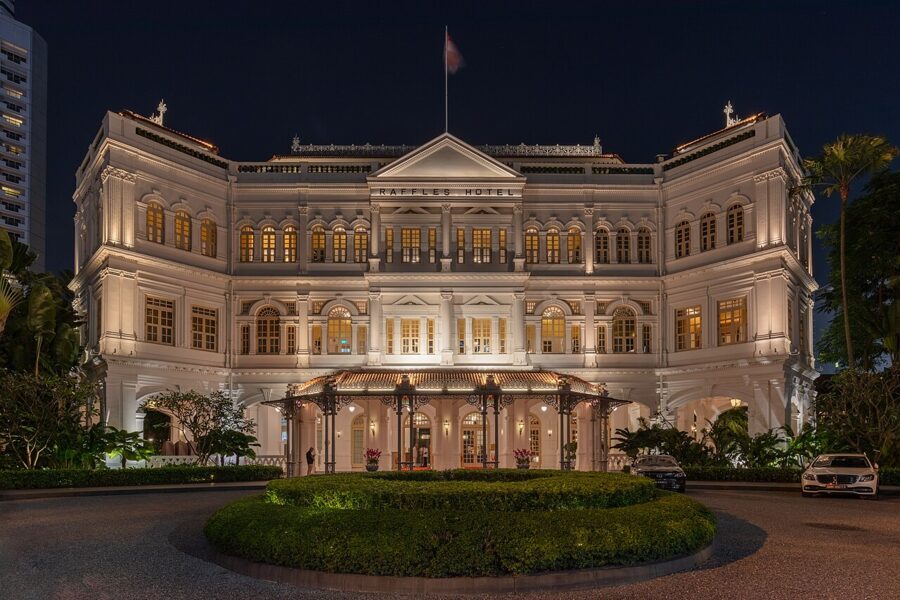
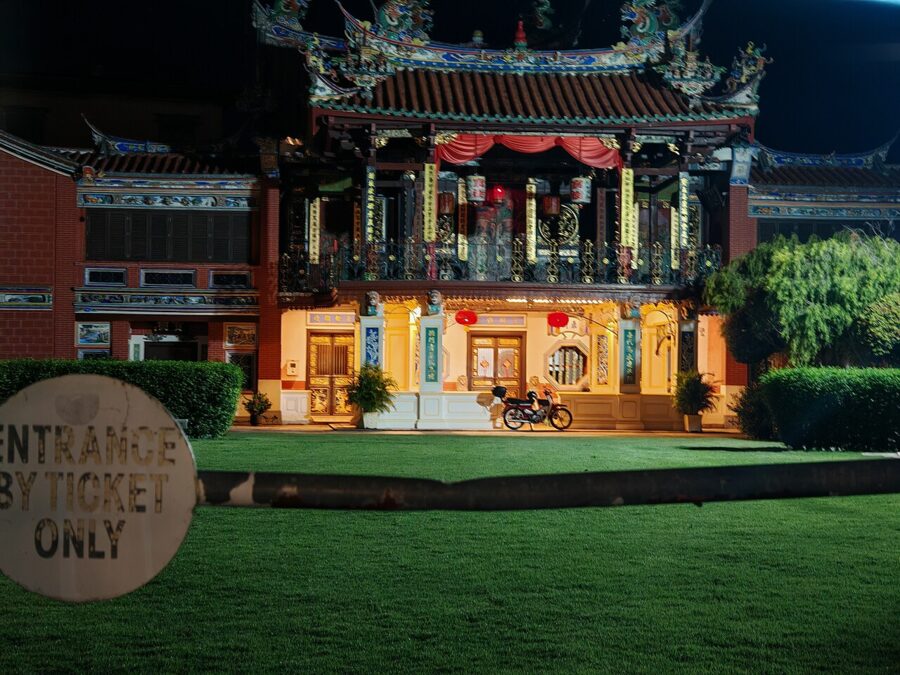
The Tiger Express is the once-a-year long version, run with the conservation group Save Wild Tigers. For 2027 it starts with a night at the Raffles Hotel on Sunday, May 9, boards at Woodlands on Monday, spends two nights on the train with a morning of excursions in Taman Negara, tiger habitat among them, and tours George Town with a visit to the Cheah Kongsi clan temple and the Blue Mansion. From Kuala Perlis a boat takes you to Langkawi for three nights at The Datai, and you fly home from Langkawi on Saturday, May 15.
Belmond also sells a few departures called Tastes of Tomorrow, on both routes, on which Chiang cooks with a visiting chef. The route is the same and the dinners change; they are worth a look if food is the point of your trip.
Cabins and suites, and what they cost
Every cabin on the train has its own shower and toilet, a safe, a hairdryer and British three-pin sockets at 220 volts. The differences are size and how you sleep. Belmond’s three categories are these.
- Pullman Cabin, 62 square feet (5.8 square meters). A sofa by day that becomes an upper and a lower berth at night, with a ladder to the top bunk. Decorated in reds and blues after Kuala Lumpur.
- State Cabin, 84 square feet (7.8 square meters). Daytime seats that become two single beds at floor level, in blues and greens after Penang, with cherrywood marquetry.
- Presidential Suite, 125 square feet (11.6 square meters). Two single beds at floor level, a bigger bathroom, a free minibar and a Nespresso machine, room to have friends in for a drink, and a 45-minute Dior Spa treatment for each guest.
As of late 2026, Belmond lists the Pullman for two from $10,400 a cabin on Wild Malaysia and $11,000 on Essence of Malaysia. The lowest fare on a given date varies, and on several 2027 departures it is $12,200 or more a cabin. Fares quoted for 2027 put a State Cabin at about $7,000 to $7,200 a person and a Presidential Suite at about $12,400 to $12,800 a person.
The fares are per cabin for two people. Belmond has a solo fare, but it carries a single supplement and is sold through its reservations offices rather than online, so ask before you assume a Pullman to yourself costs half.
Which to book: the State Cabin, if the budget stretches. The Pullman is a fine place to sit, but a top bunk reached by a ladder on a moving train gets old by the third night, and the State Cabin’s floor-level beds solve that for about a third more. The Presidential Suite costs more than twice the Pullman, and on a three-night trip I would not pay it unless the spa treatment and the extra room matter to you.
Dining, drinks and what the fare includes
The fare covers the hotel pickup in Singapore and the drop-off afterward, three nights in your cabin with a steward on call around the clock, and every meal. Breakfast is continental, lunch is three courses and dinner is four, and breakfast and afternoon tea can come to your cabin or be taken in the restaurant car. House wine, house spirits and local beer are included, and so are the excursions at each stop.
The sample menus show where Chiang’s cooking goes: a sixteen-hour braised beef cheek, steamed red snapper and mapo tofu at dinner, kimchi niçoise and wagyu sukiyaki at lunch, and a vegetarian “Jungle Bouillon” of tempura vegetables. The in-cabin menu runs to dim sum and satay. Tell Belmond about any dietary needs at least 14 days before you travel; the kitchen does not prepare meals that need strict religious observance.
There are two restaurant cars. The Malaya car is done in corals and greens with a batik-patterned carpet, and the Adisorn car in greens with a carpet that borrows from Thai ikat silk. Meals have more than one sitting, and you can state a preference when you book, but tables are settled on board.
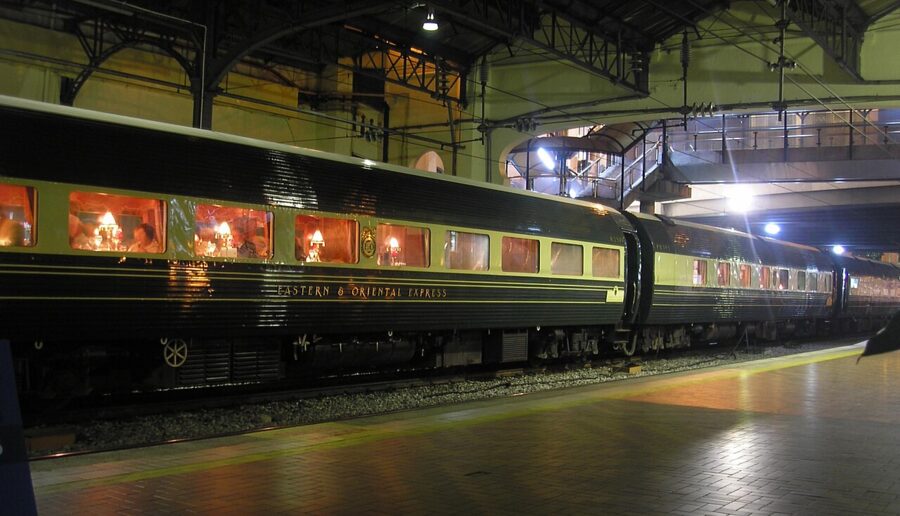
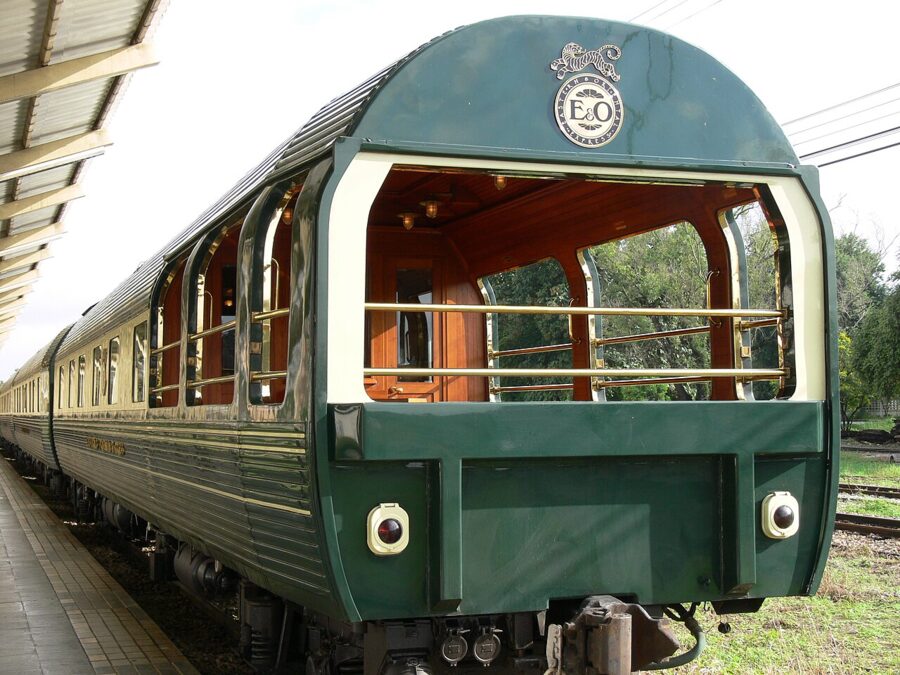
At the front of the train, the bar car has a resident pianist and stays open as late as guests do. At the back, the observation car has an open deck and its own bar from 7 a.m. to 11 p.m., and tea and coffee are served there from 7 a.m. for early risers.
The open deck is also the only place on the train where you may smoke or vape.
What costs extra: premium wines and spirits, any drink brought to your cabin, and the spa. The four Dior Spa treatments listed for the train cost MYR 860 to MYR 950 (about US$210 to US$230), and the signature D-Jungle massage runs 45 minutes. Everything on board is priced in Malaysian ringgit and paid by card; the train takes American Express, Mastercard, Visa and JCB, and no cash. Tipping the staff and guides is up to you.
Boarding at Woodlands, the border and your luggage
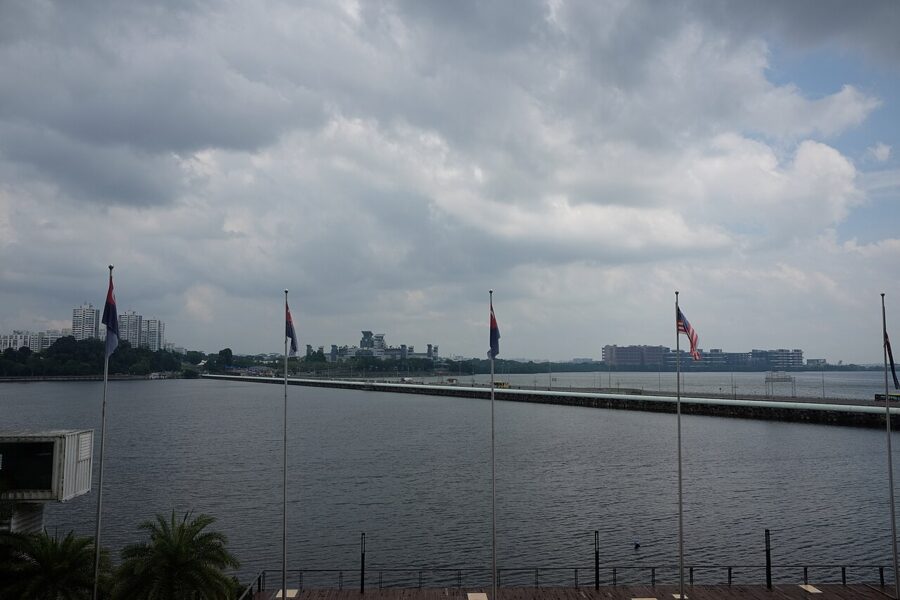
Belmond collects you from your Singapore hotel and drives you to Woodlands. At the border the train stops at the customs and immigration facility, every passenger gets off with hand luggage to clear immigration, and the main bags come off the train for security screening. You need a passport valid for six months, and you clear Singapore yourself on the way out and on the way back.
Luggage is tight. Each passenger gets one bag of up to 66 pounds (30 kilograms) plus one piece of hand luggage that lives in the cabin. Belmond suggests packing what you need for three nights in a soft bag and checking a hard suitcase as “through luggage,” which you will not see again until Woodlands. Passports, medicine, cameras and jewelry stay in your hand luggage and then in the cabin safe.
Plan the end of the trip with slack. The scheduled arrival is about 10:20 a.m. on Thursday, but the train runs on KTM’s network around KTM’s own trains, and Belmond says plainly that times can change at the last minute. Do not book a flight out of Changi on Thursday morning; book an evening one, or another night in Singapore.
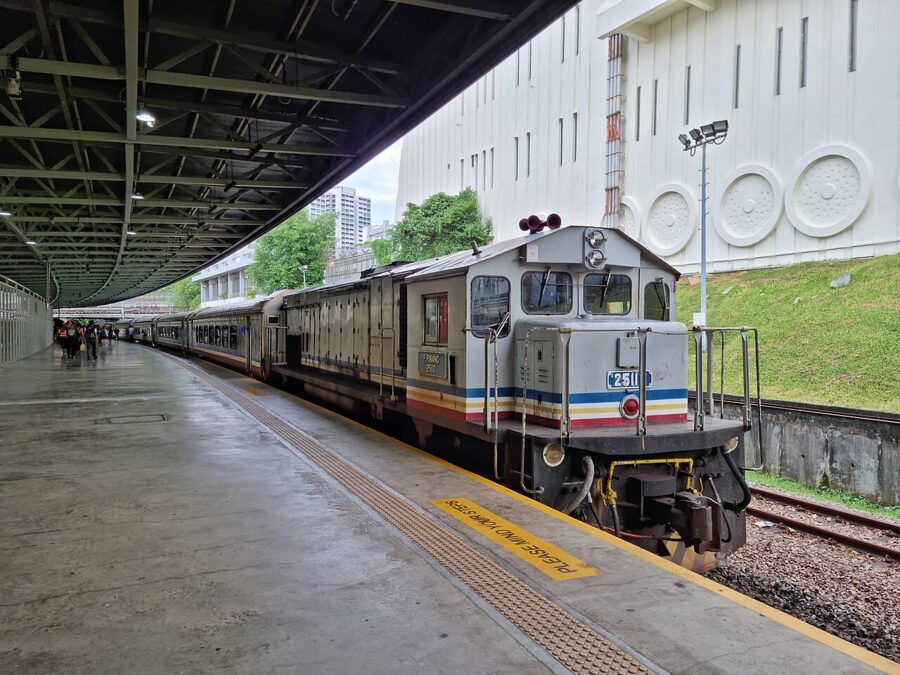
If you need help with mobility, write to Belmond before you book; the cars date from the early 1970s, and the reservations team will talk through what is possible on each journey. There is a first aid kit on board, and if someone needs a doctor the train manager puts them off at the next station.
Season, booking and the small print
The pattern for 2027 is simple. Essence of Malaysia runs on Mondays from January through March and again from November, Wild Malaysia runs on Mondays from April into May and from July through October, and Belmond lists nothing at all in June. The holiday trains and the Tiger Express are single departures. Belmond’s listings hide sold-out dates, so a date that is missing is often a date that is gone.
Book directly with Belmond, online or through its reservations team, or through a travel advisor. Belmond takes a deposit, and the balance falls due well before travel, 120 days ahead on its standard terms; inside that window you pay in full. Take out travel insurance when you book, which Belmond also recommends.
Check the offers page before you pay. In late 2026 it carried two free nights at the Mandarin Oriental in Singapore with a journey, subject to availability, and the offers cannot be combined. Belmond’s FAQs cover the rest, from the luggage categories to the dining car rules.
The Singapore to Bangkok years, 1993 to 2020
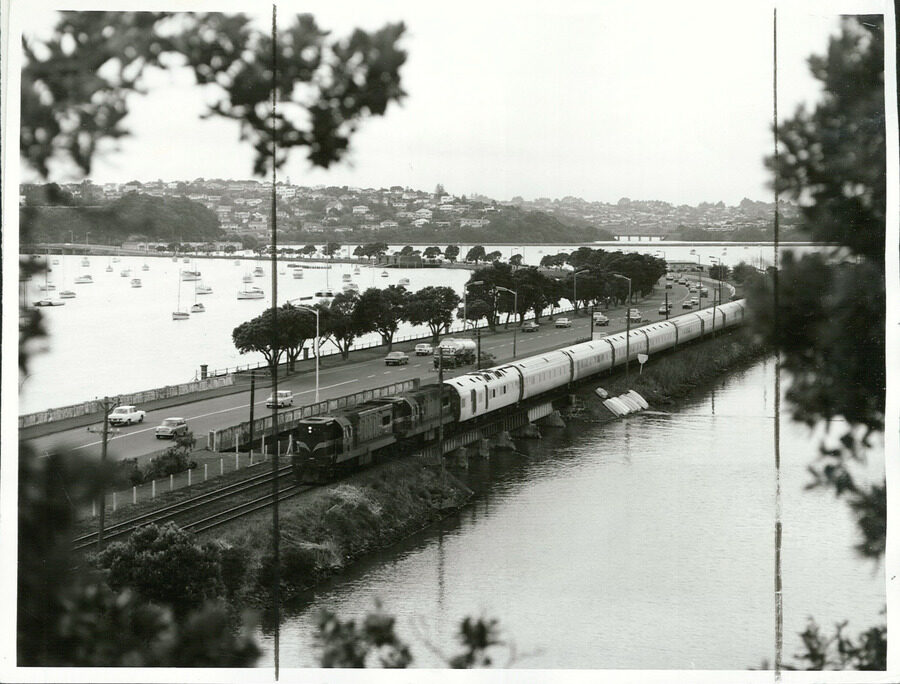
The carriages were never new to luxury. They were built in Japan for the Silver Star, a New Zealand sleeper train between Auckland and Wellington that ran from 1971 until 1979 and was never a success. Orient-Express Hotels, the company James Sherwood had built around the Venice Simplon-Orient-Express, bought them, had them regauged from New Zealand’s 3 ft 6 in track to the meter gauge of Malaysia and Thailand, and had them refitted to designs by Gérard Gallet.
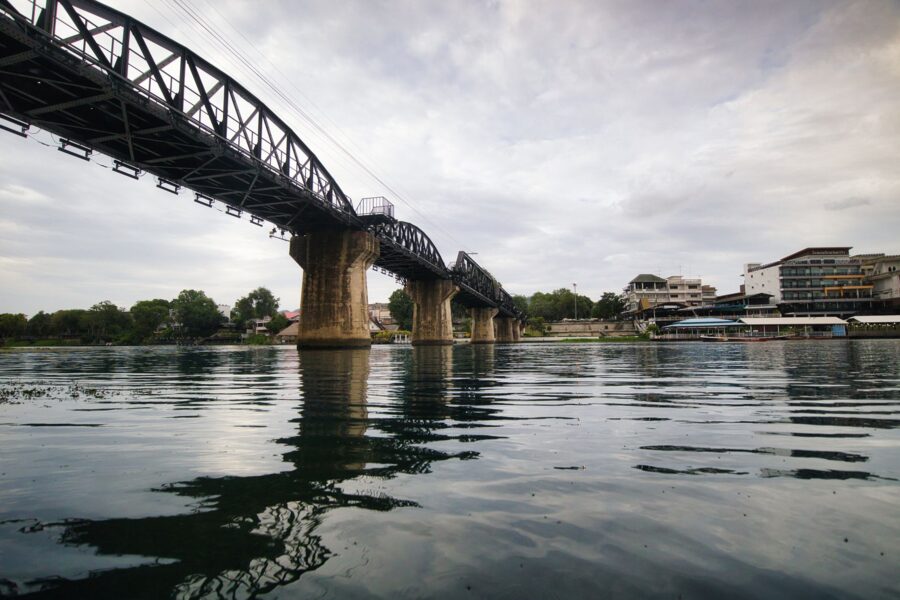
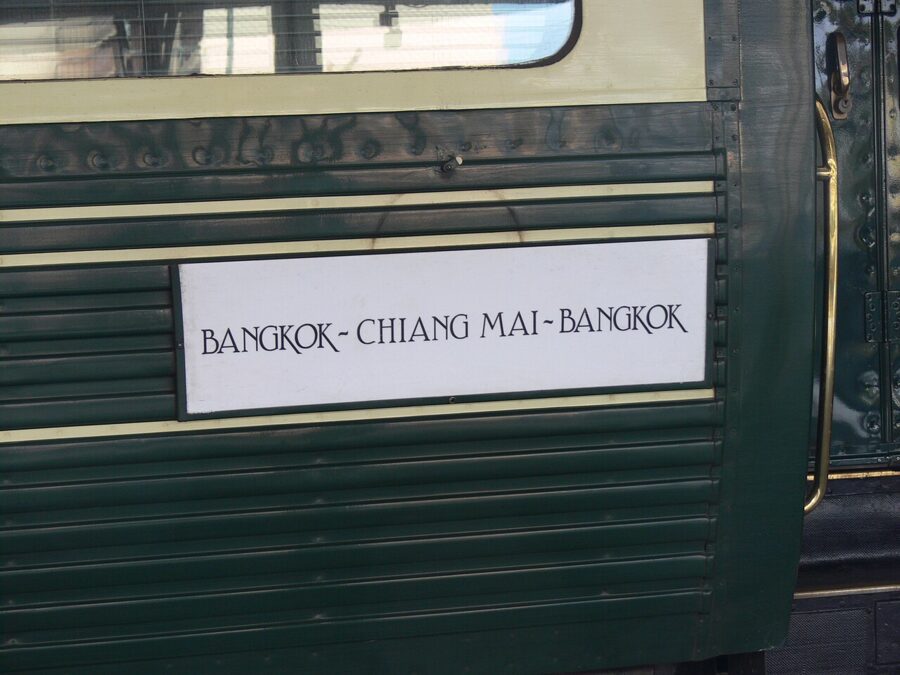
The first Eastern & Oriental Express left Singapore for Bangkok in September 1993, from the old Tanjong Pagar station near the city’s docks. For most of its first life the train ran that line in both directions, with stops in Kuala Lumpur and Butterworth, for Penang, and a call at Kanchanaburi for the bridge on the River Kwai. In later years it added trips north to Chiang Mai and, from 2010, across the Mekong to Vientiane in Laos.
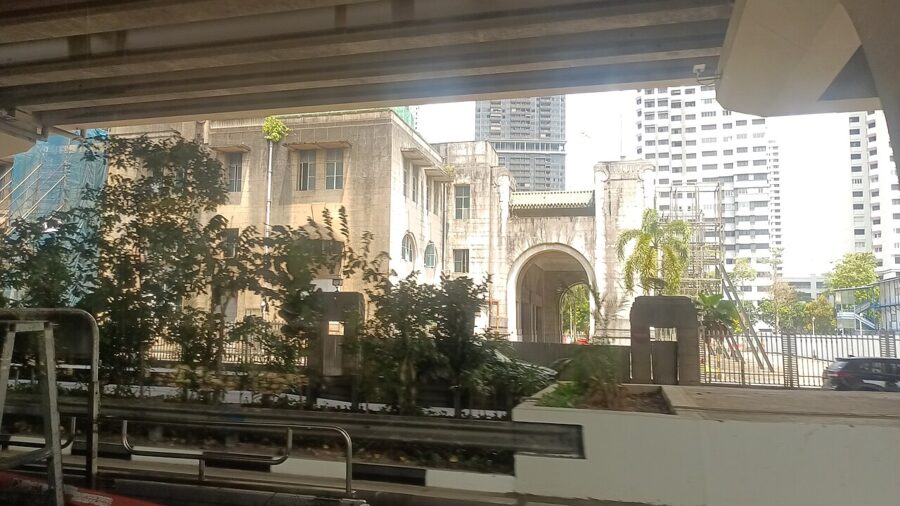
In 2011 Malaysia’s railway gave up Tanjong Pagar and moved its Singapore terminus to Woodlands, at the border, and the train went with it. Orient-Express Hotels renamed itself Belmond in 2014, and the French luxury group LVMH bought Belmond in 2019. A year later the pandemic stopped the train.
Against the Venice Simplon-Orient-Express and the other luxury trains
The Eastern & Oriental Express is the Asian sister of the Venice Simplon-Orient-Express, with the same owner, the same designer behind its first fit-out, and the same dress-for-dinner evenings. The money works very differently. The cheapest 2027 trip on the European train, one night from Paris to Venice in a Historic Cabin, starts from €4,510 a person (about US$4,950) as of late 2026, and that cabin has a washbasin but no toilet or shower.
On the Eastern & Oriental Express the cheapest cabin costs about $5,200 a person for three nights, with a private shower, excursions and house drinks. That is roughly $1,730 a person a night against about $4,950 for the night to Venice. The European train has the older cars, the Alps and Venice at the end; the Asian one gives you more time on board, more included, and a jungle instead of a mountain pass.
Within Belmond, the closer match in style is the Royal Scotsman, which also has a Dior Spa car and also mixes nights on board with excursions off the train. Outside Belmond, the journeys that sell the same idea of several nights, everything included, are India’s Palace on Wheels, Australia’s the Ghan and the Indian Pacific, and the daytime-only Rocky Mountaineer in Canada. The Eastern & Oriental is the only one of them in Southeast Asia.
If the Orient Express name is what drew you here, it still exists, on two trains in Europe run by two different companies. If it is Southeast Asia by rail on a smaller budget, Vietnam by train is the place to start.

So: a Monday afternoon at Woodlands, a Thursday morning back there, and three nights between. Take Wild Malaysia in a State Cabin if you can, book the holiday trains a year out, and leave Thursday free for the train to be late.