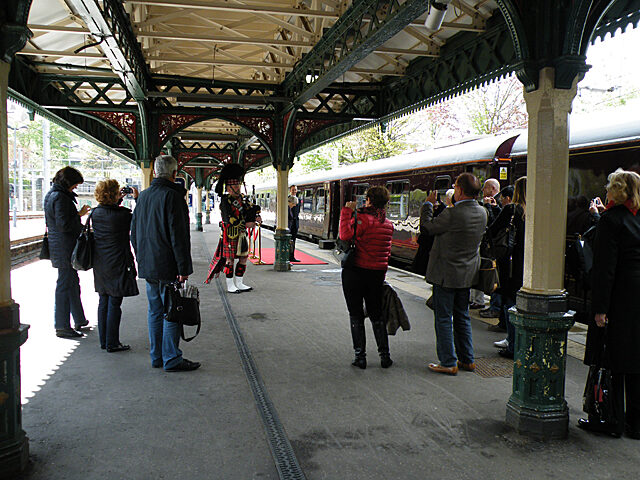
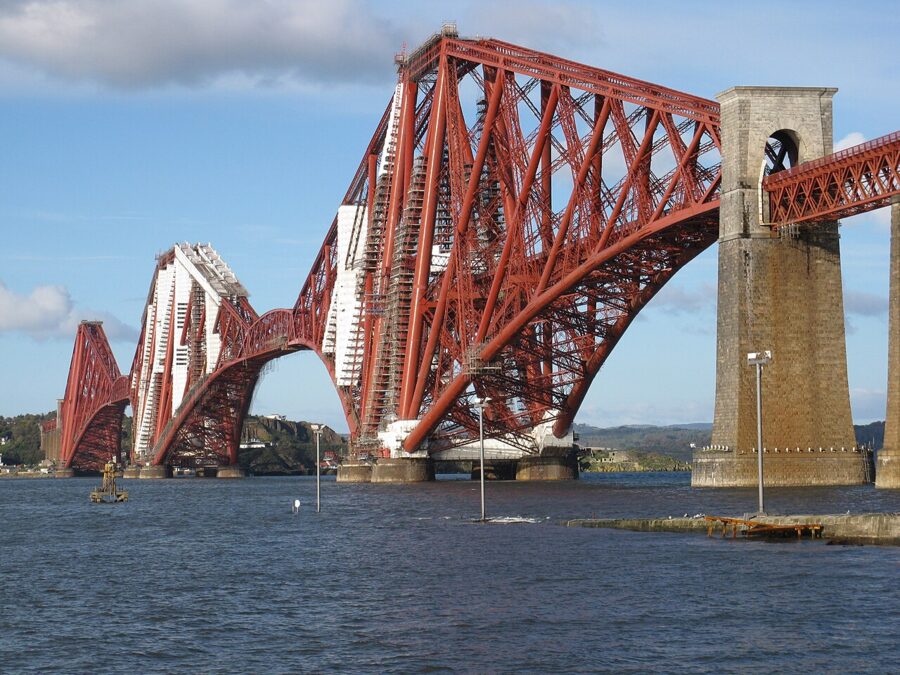
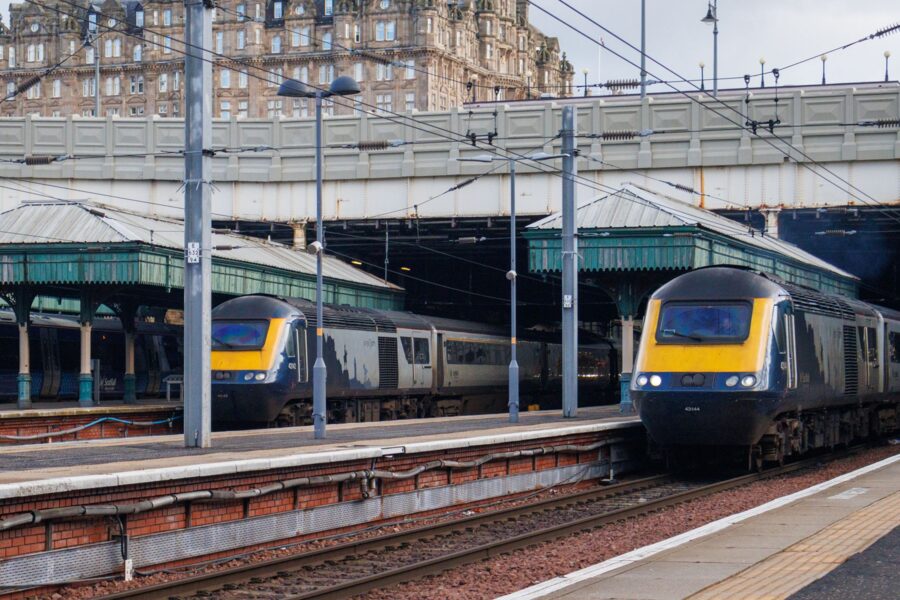
The Royal Scotsman leaves Edinburgh Waverley at about a quarter to two in the afternoon, after a piper has played its passengers down the platform. By teatime it is over the Forth Bridge and heading north with no more than three dozen guests aboard, and for the next two to seven nights you sleep in a wood-paneled cabin, eat every meal on the train and step off each day for a castle, a distillery or a walk while it waits for you.
Two nights cost from £13,500 (about US$17,700) for a Double Cabin, as of late 2026, and that price is for the cabin, so two people. On the same four-night trip, the cheapest cabin left in 2027 costs £7,700 more in one week than in another, so the real decisions are which journey, which cabin and which Monday.
For 2027 Belmond is also changing the train, with a new class of Suites from April that sits between the plain cabins and the four Grand Suites. And if the sums do not work, ScotRail runs the two lines the Royal Scotsman is proudest of, to Kyle of Lochalsh and to Mallaig, for the price of a rail pass.
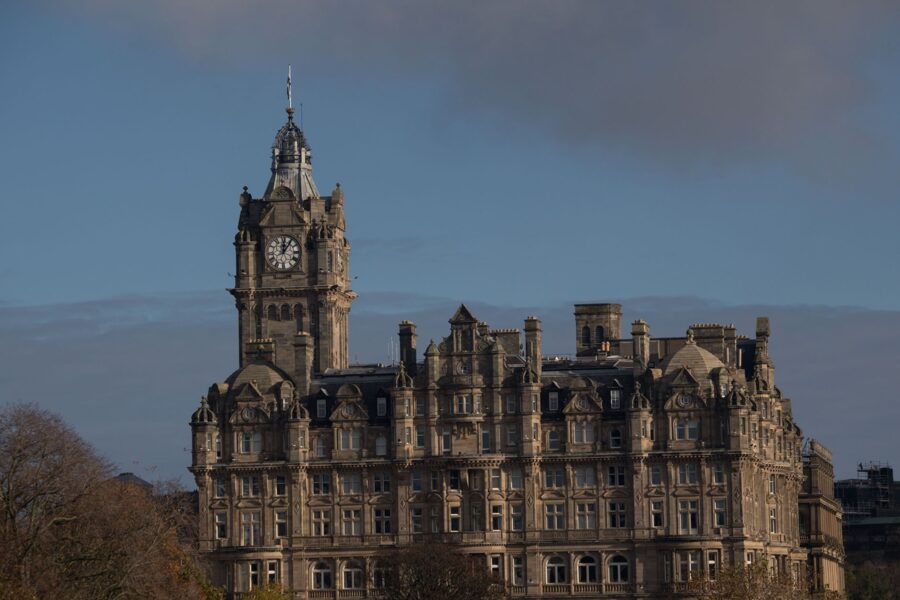
You do not check in at the station. Belmond runs check-in at The Balmoral, the hotel beside Waverley, and asks you to leave your bags with the concierge between 11 a.m. and 12:15 p.m. so they can be loaded before you board.
The train and its journeys in 2027
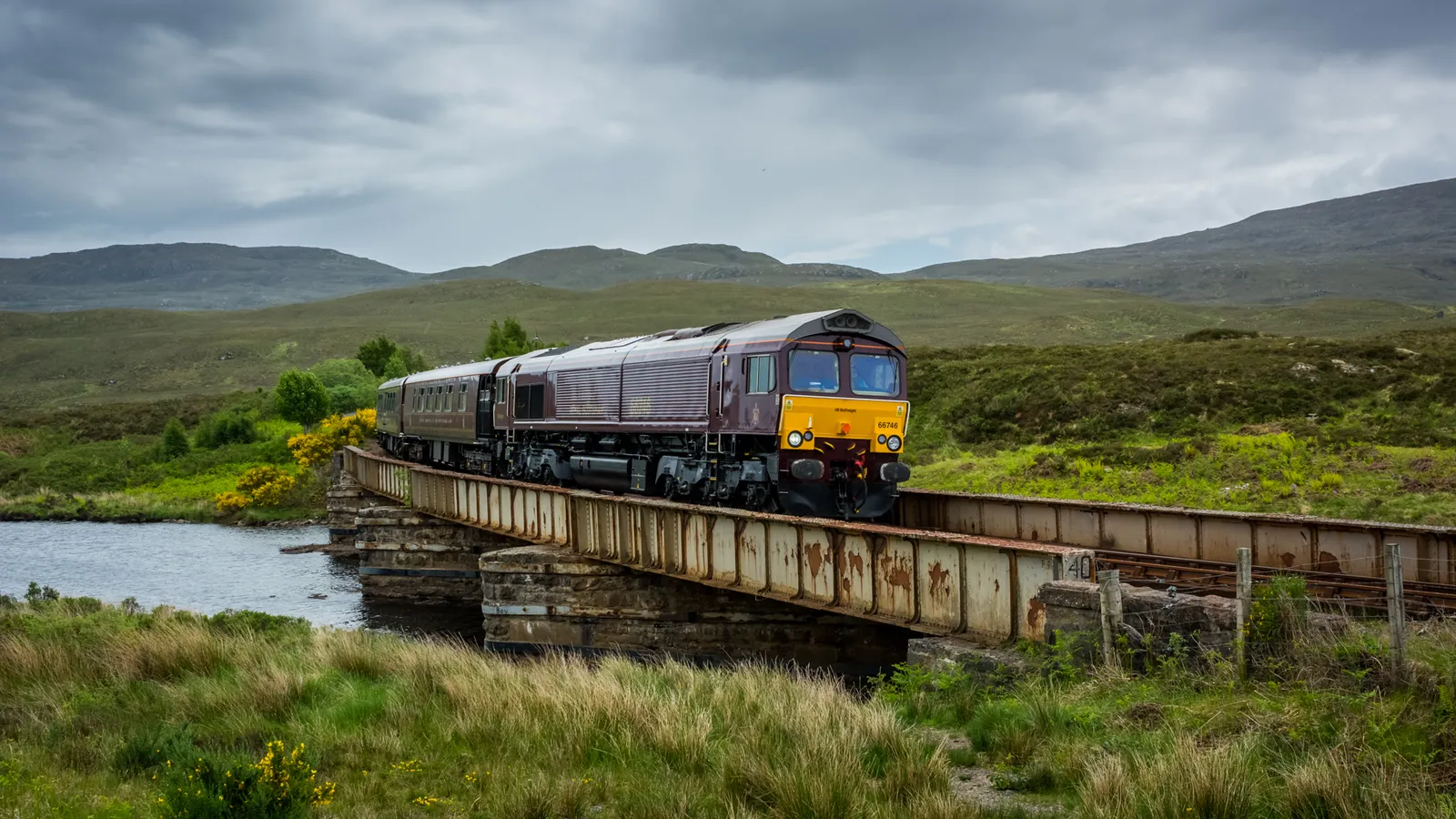
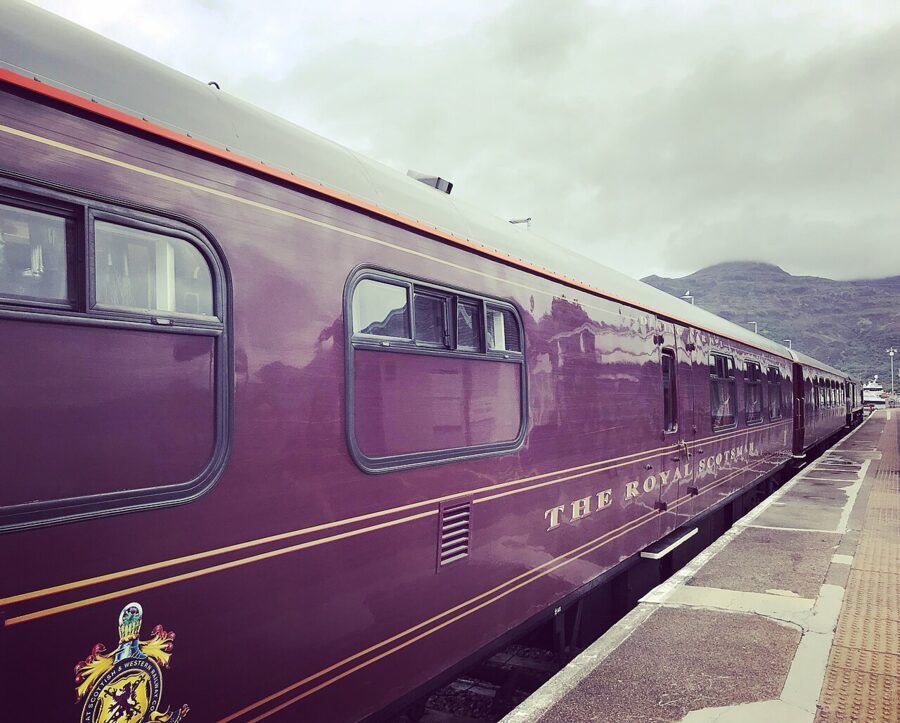
Every journey is a round trip from Edinburgh Waverley, and Belmond sells them as packages rather than tickets: the cabin, all meals, the drinks, the evening music and the excursions in the itinerary are in the price. The train has run since 1985 and carries about 36 guests in 18 cabins and suites, behind a diesel locomotive painted to match.
The 2027 season runs from early April to the first days of November, with the four-night Highlands trip leaving on Mondays from April 5 to November 1. The 2028 dates are already on sale. Belmond publishes guide prices per cabin, for two people sharing, and these were the lowest on its Royal Scotsman journey list in late November 2026:
| Journey | Nights | Where it goes | From, per cabin |
|---|---|---|---|
| The Highlands | 2 | Fife, the Cairngorms, Boat of Garten, Rothiemurchus, Dundee | £13,500 (about US$17,700) |
| A Taste of Scotland (guest chef) | 2 | The Highlands with Tom Kitchin, Lorna McNee or Mark Donald cooking | £15,500 to £16,215 (about US$20,300 to US$21,200) |
| The Highlands | 3 | Perth, Boat of Garten, the Kyle line, Rothiemurchus | £17,900 (about US$23,400) |
| Scotland: The West Coast | 3 | West Highland Line, Fort William, Arisaig, Isle of Bute | £18,800 (about US$24,600) |
| Wild Scotland | 3 | Outdoor days with the explorer Levison Wood and RVIVAL | £22,100 in a Suite (about US$29,000) |
| The Highlands | 4 | East coast to Keith, the Kyle line, Ballindalloch, Rothiemurchus, Perth | £23,200 (about US$30,400) |
| Scotch Malt Whisky Tour | 4 | A classic route hosted by the Scotch Malt Whisky Society | £25,200 (about US$33,000) |
| Heritage Homes & Gardens | 4 | Private estates, often shown by their owners | £31,600 (about US$41,400) |
| Clans, Castles & Isles | 5 | Fort William, Oban, Drumlanrig Castle, Stirling Castle | £34,900 (about US$45,700) |
| Highlands and the West | 5 | The Cairngorms, then the West Highland Line and Bute | £32,400 (about US$42,400) |
| The West and the Highlands, or the reverse | 7 | The West Coast trip and the four-night Highlands trip joined | £44,000 (about US$57,600) |
| Grand Tour of Scotland | 7 | Tain, Wick, Orkney, Skye, Royal Deeside, St Andrews, Loch Lomond | £52,300 (about US$68,500) |
Those are the floor prices across every date on sale, and several of them belong to 2028. For 2027 departures the cheapest cabins Belmond still showed were higher on the longer trips: £37,300 (about US$48,900) on the July 21 Highlands and the West, £47,300 (about US$62,000) for the seven-night West and Highlands in late September, and £62,400 (about US$81,700) on the only 2027 Grand Tour, leaving June 11. Divide by two for the price per person.
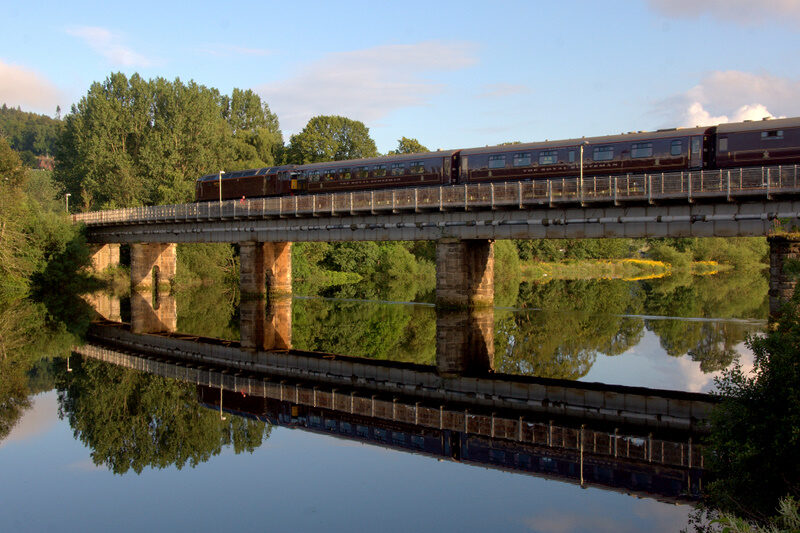
The Highlands in two, three or four nights
The two-night trip is the short version: north through Fife into the Highlands, a night at Boat of Garten, a day at Rothiemurchus Estate in the Cairngorms with a barbecue lunch, and an optional visit to Strathisla Distillery before the gala dinner. You are back at Waverley at about 9:40 a.m. on the third morning. It is a fine taste, but you spend a good share of it in the dining car rather than out in the hills.
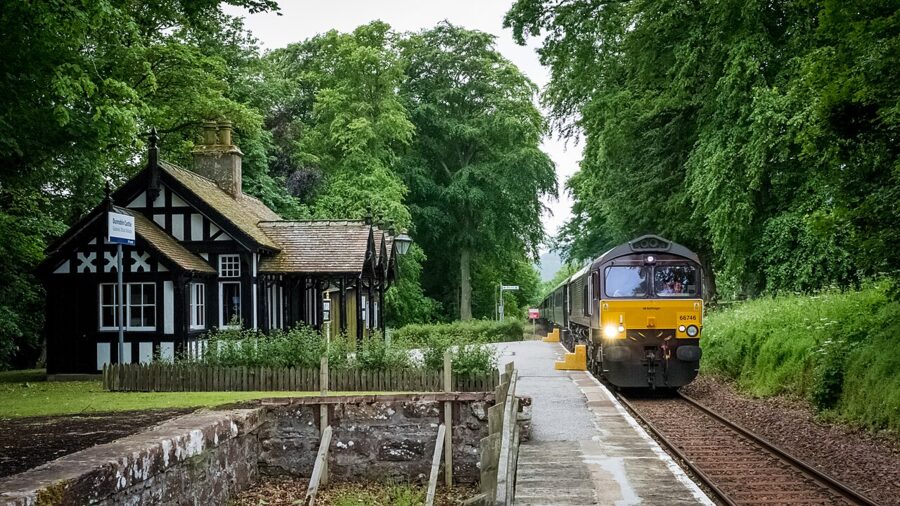
The four-night Highlands journey is the classic, and the one I would book. Day one crosses the Forth Bridge and runs up the east coast through Arbroath, Montrose and Aberdeen to Keith. Day two goes west along the Moray Firth to Inverness and out on the Kyle of Lochalsh line, with lunch on board, then a choice of Attadale Gardens or the seals at Plockton.
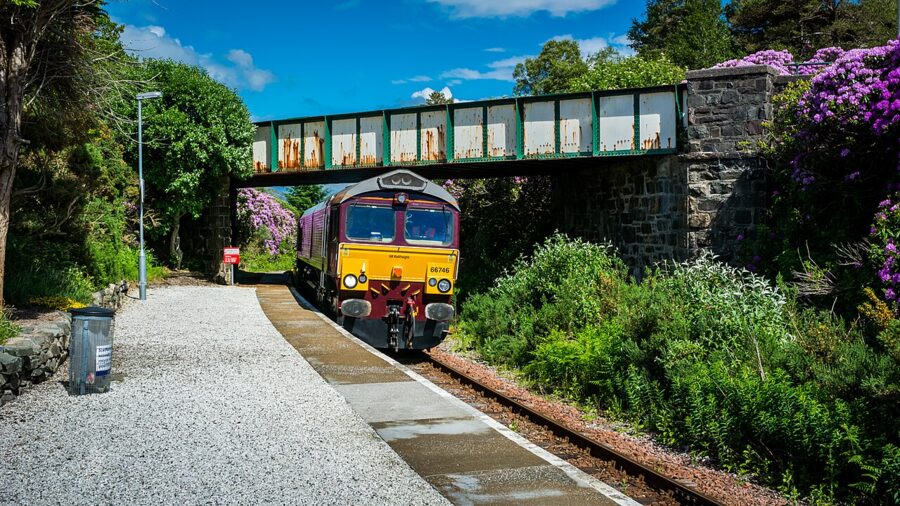
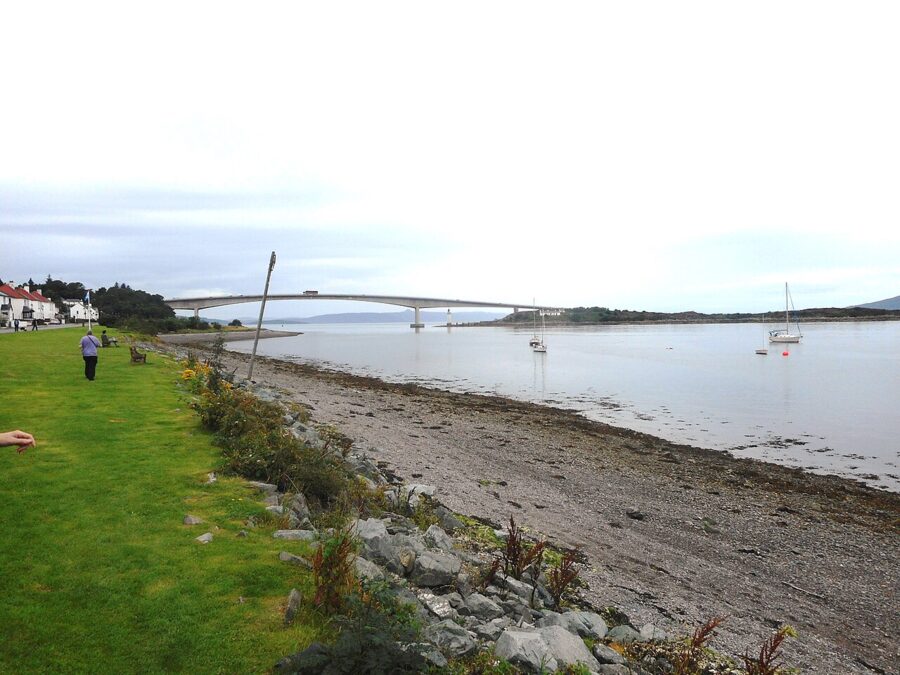
Day three starts with an early walk onto the Skye Bridge, then the train runs back past Plockton to Garve and on to Ballindalloch Castle. Day four is Rothiemurchus again, then Scone Palace or Pitlochry and the Blair Athol distillery, and the gala dinner from Perth to Dundee. The three-night version keeps the Kyle line and Rothiemurchus but drops the east coast.
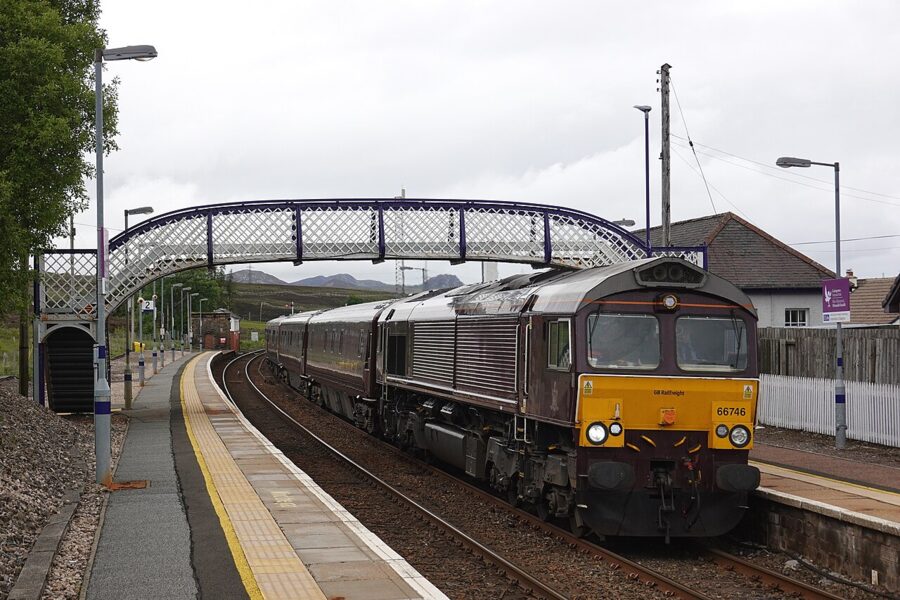
The west: Fort William, Arisaig and Bute
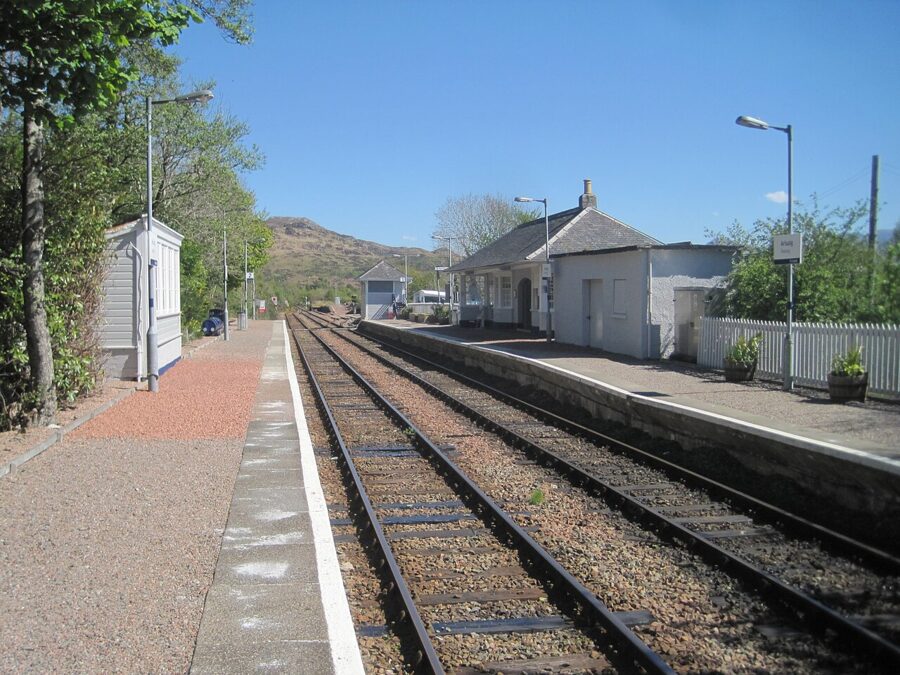
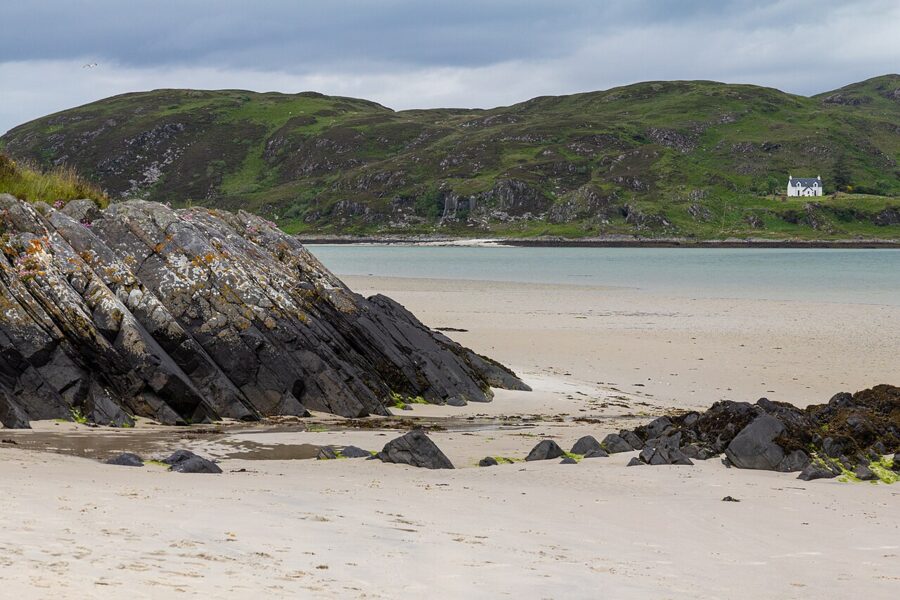
The three-night West Coast trip leaves Edinburgh in the early afternoon, goes west past Falkirk and joins the West Highland Line at Craigendoran, with Loch Lomond in sight over afternoon tea and the climb up Glen Falloch before dinner. It sleeps at Spean Bridge. Day two runs past Ben Nevis to Arisaig for a walk on the white sands of Morar, back over the Glenfinnan Viaduct and on to a guided visit at the Glenfinnan Monument.
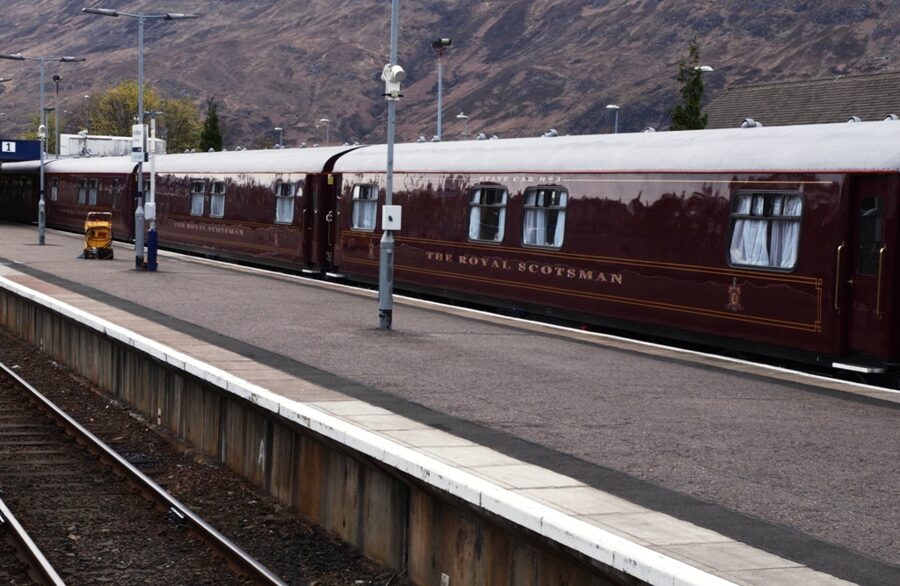
Day three is brunch on board and the short ferry from Wemyss Bay to the Isle of Bute for Mount Stuart, a Victorian Gothic house with one of the great private portrait collections in Scotland. The gala dinner is served on the way to Kilmarnock, where the train stops for the night, and you are back in Edinburgh for breakfast.
Five and seven nights, and the Grand Tour
The seven-night trips are the West Coast and the four-night Highlands joined by a day in Edinburgh, with a private tour of the city and lunch at Brasserie Prince in The Balmoral before the train sets off again for Keith. The five-night versions swap a few days around: Clans, Castles & Isles goes to Oban and Kerrera, Drumlanrig Castle and Stirling Castle, while Highlands and the West starts in the Cairngorms and finishes on Bute.
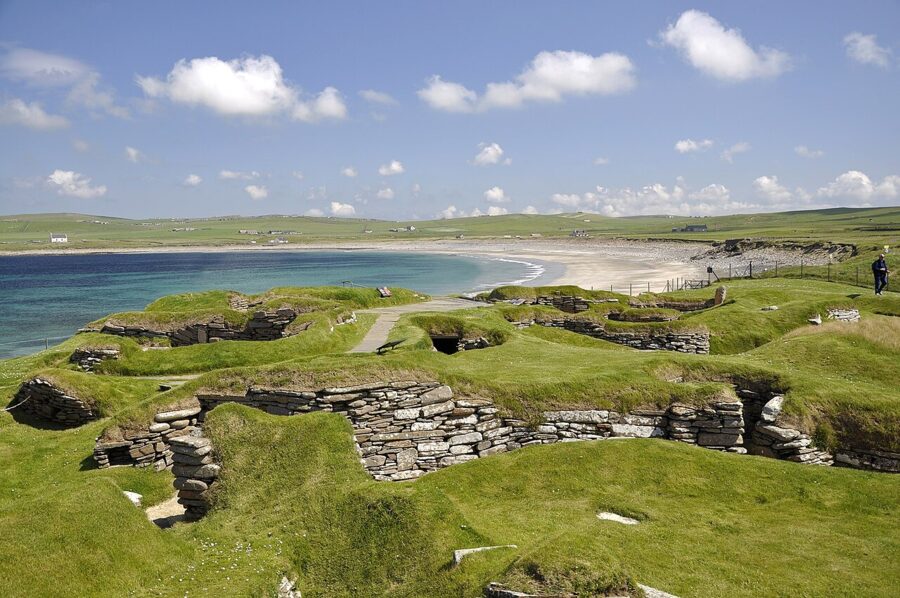
The Grand Tour of Scotland goes where nothing else on the program does. It runs north to Tain for Glenmorangie and on to Wick, crosses to Orkney by ferry for Skara Brae, spends a day on Skye, then Crathes Castle on Royal Deeside, St Andrews, a boat on Loch Lomond and Drumlanrig. Belmond lists one 2027 departure, and it is the most expensive week the train sells.
Cabins and suites, and what they cost
From April 2027 there are four kinds of room, and every one has its own shower room. Belmond prices them per cabin, so a single price covers two people.
| Room | Beds | What you get |
|---|---|---|
| Twin Cabin | Two single beds | Wardrobe, desk, en-suite shower room; storage under each bed |
| Double Cabin | A double bed | Large wardrobe, en-suite shower room |
| Suite (new, April 2027) | Double or twin, folding away by day | Sofa or two armchairs by day, a large picture window, more floor space |
| Grand Suite | A fixed double bed | Sitting room, larger marble bathroom, butler, transfers, one spa treatment each |
The cabins are the train’s original rooms: mahogany and marquetry, a ceiling fan, a window you can open, and your name written on a card by the door. They are small. Belmond asks for one suitcase and one carry-on per person, and the space under each bed in a Twin Cabin is 28 by 9 inches (71 by 23 centimeters), so pack soft bags.
The new Suites are Belmond’s answer to the obvious complaint about the cabins, which is that there is nowhere to sit but the bed. By day they have a sofa or a pair of armchairs, by night a double or twin bed, and the interiors are built around Scottish themes such as heather and gorse in wool and timber. Belmond prices them above the cabins, and on some 2027 journeys, such as Wild Scotland and two of the chef trips, a Suite is the cheapest room Belmond lists.
The Grand Suites, added from 2024, are the only rooms with a separate sitting area. The fare adds a butler, champagne on request, Glenmorangie Signet, private transfers to and from the train, a spa treatment each and a marble bathroom. They cost far more than any other room on the train, and with only four of them they go first.
Prices move by date more than by season. On the four-night Highlands trip in 2027, the cheapest cabin Belmond showed ranged from £23,200 on October 4 to £30,900 (about US$40,500) on September 20, with most summer Mondays between £25,400 and £26,700. If your dates are flexible, check Belmond’s calendar week by week before you choose.
Traveling alone, you book a whole cabin and pay a sole-occupancy supplement, because there are no single cabins. Belmond runs solo offers from time to time, and as of late 2026 its offers page also listed a free night at The Balmoral for new bookings. Offers cannot be combined and Belmond can withdraw them without notice.
My pick is a Double Cabin on the four-night trip, on the cheapest Monday that suits you. The new Suites are worth the extra if you are on a five- or seven-night journey and will spend afternoons in the room. I would not pay for a Grand Suite unless the butler and the transfers matter to you, because the scenery and the meals are the same from every room.
Life on board: dining, the observation car and the Dior Spa
The dining cars
Meals are served in two dining cars, Raven and Swift, under the executive head chef Mark Tamburrini. Belmond’s dining pages describe a full Scottish breakfast with Loch Duart salmon, a two-course lunch with wines chosen by the sommelier on board, and in the evening drinks and canapés, three courses with wine, a cheeseboard and petits fours. Tell Belmond about any allergy or diet when you book, with details; the chefs can only improvise with what is on board.
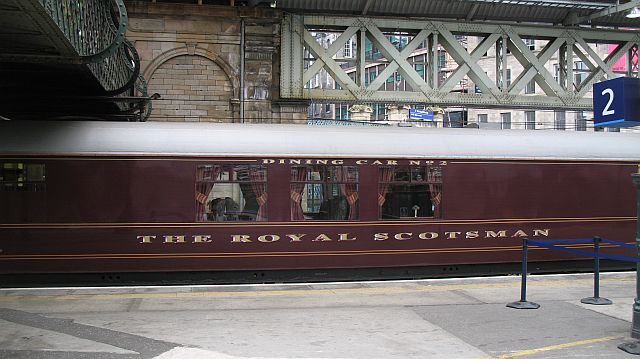
The dress code is the question people ask most, and the answer depends on the night. Belmond asks for smart casual at ordinary dinners. For the formal and gala dinners it suggests a dark suit and tie, a tuxedo or a kilt for men, and a cocktail dress or tartan for women. By day you need a warm waterproof jacket and walking shoes for the excursions.
The observation car
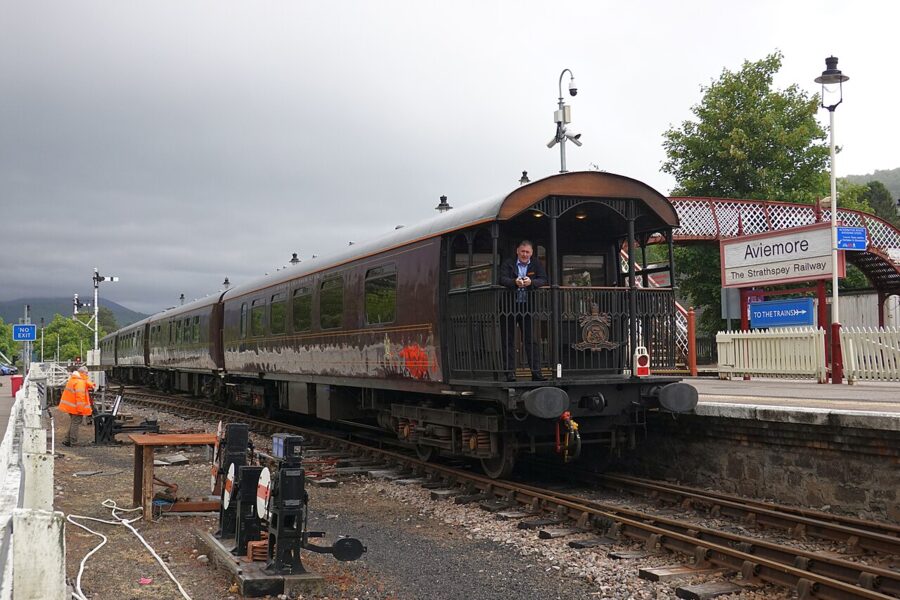
The last carriage is the observation car, with armchairs, the bar and an open veranda at the back where you can stand in the wind and watch the line unwind behind you. It is where the evening music and the ceilidhs happen, and it is where the Wi-Fi is, though the signal comes and goes in the hills. Smoking and vaping are banned everywhere aboard, the veranda included.
The Dior Spa
Since 2023 one carriage has been a spa run with Dior, finished in the house’s Toile de Jouy pattern. Dior’s menu for the Royal Scotsman has three treatments: the D-Travel body massage in 30 or 60 minutes, the D-Elements face and body ritual in 60 minutes, and the D-Highlands facial in 45 minutes, made for this train. Grand Suite guests get one treatment each in the fare; everyone else books on board.
Children, mobility and the small print
Children are allowed, and infants under two travel free, but the parents bring the food and a bassinet, and the train manager decides whether children may join you in the bar and dining cars. Belmond suggests interconnecting cabins or a Grand Suite for families. Pets are not allowed, though Belmond will discuss an assistance dog.
This is a historic train, and Belmond is candid about it in its Royal Scotsman FAQs. There is a step up into every carriage, a ramp only at major stations such as Edinburgh, corridors 57.7 centimeters (about 23 inches) wide at the narrowest, and no grab rails in the bathrooms. Cabin A, a Twin Cabin next to the dining cars and the observation car, is the most accessible room, and walkers must be no wider than 15 inches (38 centimeters).
Off the train: the visits and the nights
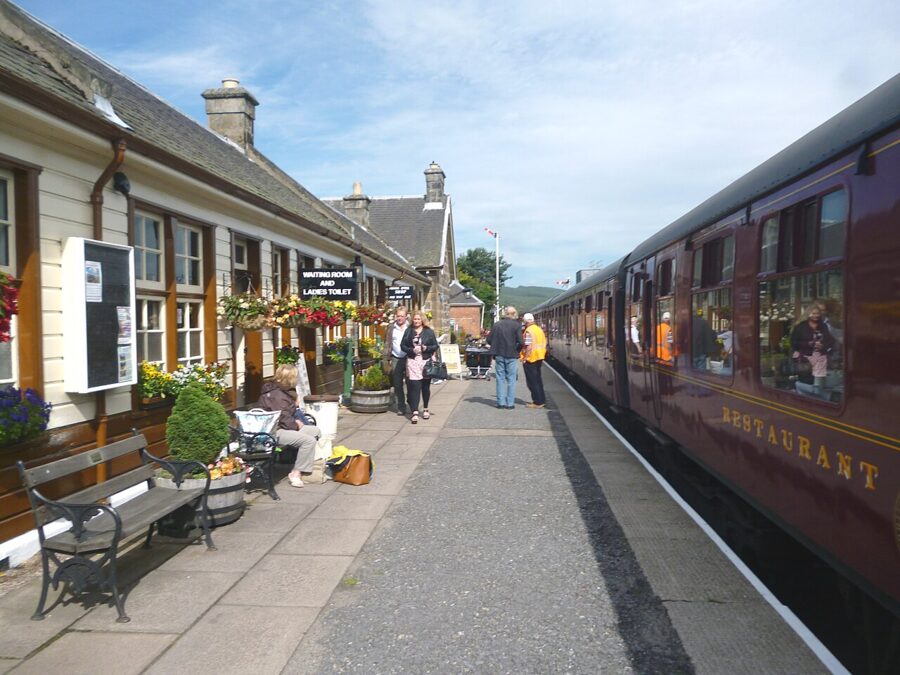
The train runs by day and stops at night. Every evening it pulls into a quiet station or a siding and stays there, so you sleep in a stationary carriage: at Boat of Garten, Keith, Kyle of Lochalsh, Dundee, Spean Bridge or Kilmarnock, depending on the trip. Coaches meet the train for the excursions, and the times are guides, because the Royal Scotsman runs among ScotRail and freight trains on the national network.
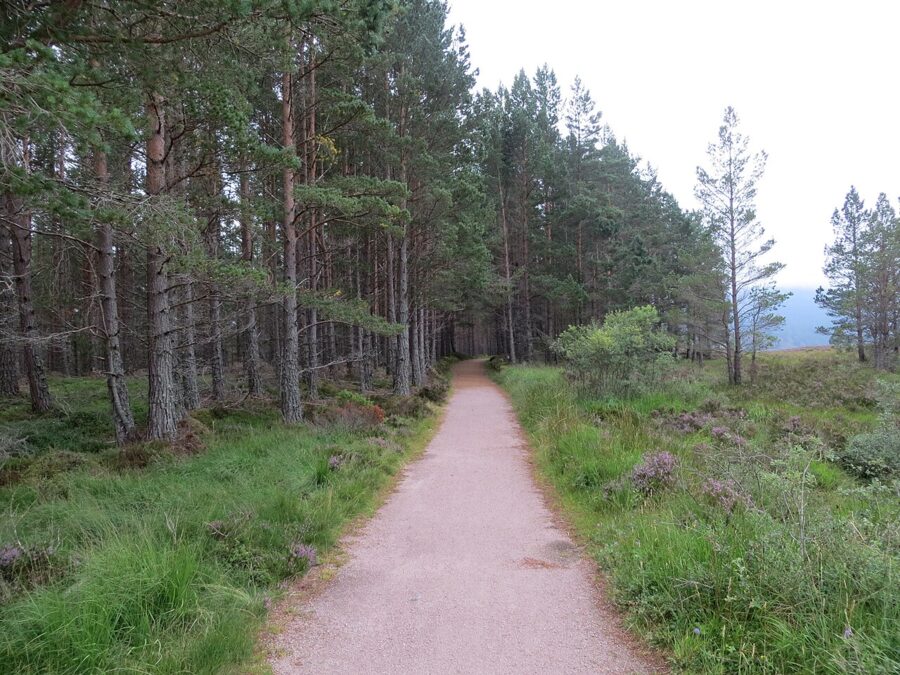
Rothiemurchus Estate in the Cairngorms turns up on almost every Highlands trip. The day there is a choice of fishing, clay shooting, archery, a guided hike or an estate tour, and on the shorter trips the food anthropologist Ghillie Basan and her son talk about wildlife and Highland food before a barbecue lunch. Take the hike if the weather allows; the old Caledonian pinewood is the reason to be here.
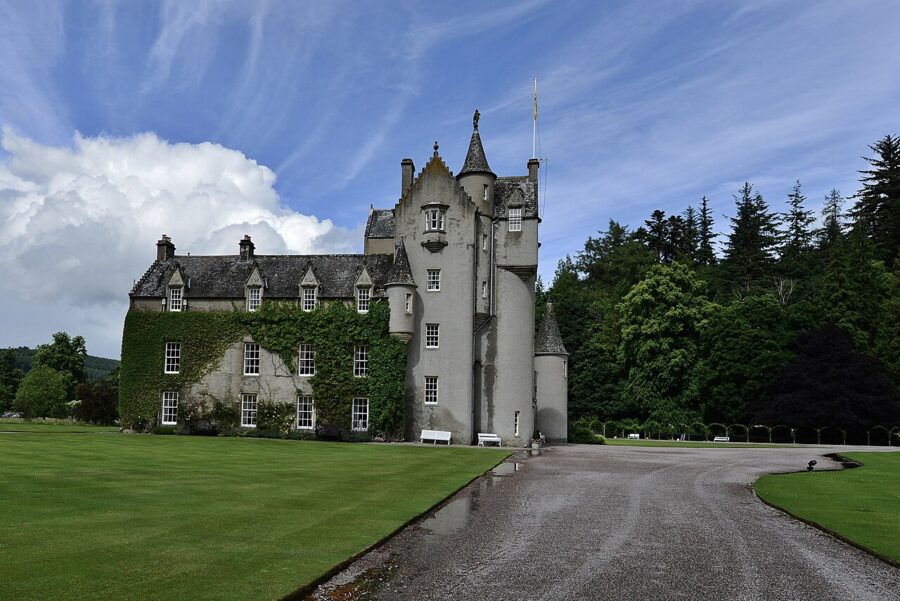
Ballindalloch Castle, in Speyside, is the four-night trip’s castle: a private tour of the house, or a visit to its single-estate distillery instead. It is still a family home, which is why the rooms feel lived in.
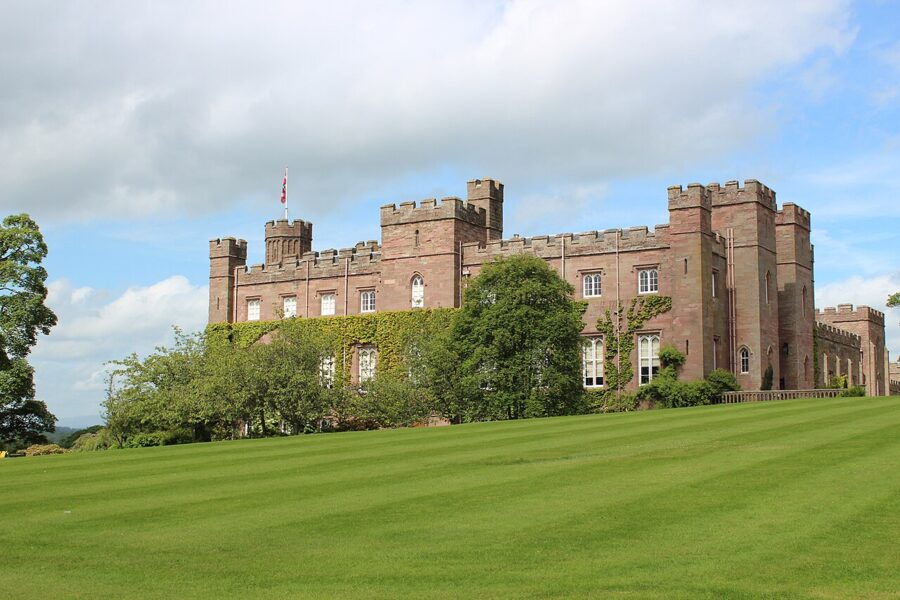
On the last full day of the Highlands trips the choice is Scone Palace, near Perth, or Pitlochry and a distillery. Scone is the better pick for a first visit, for Moot Hill, where the kings of Scots were crowned.
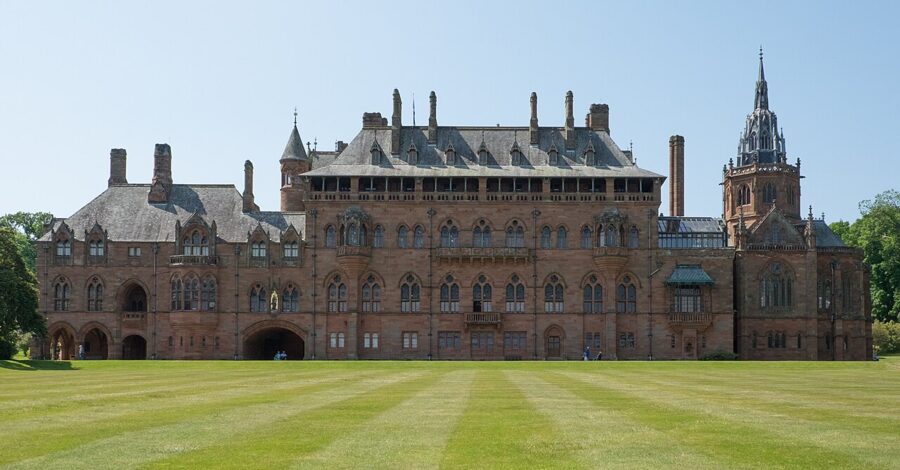
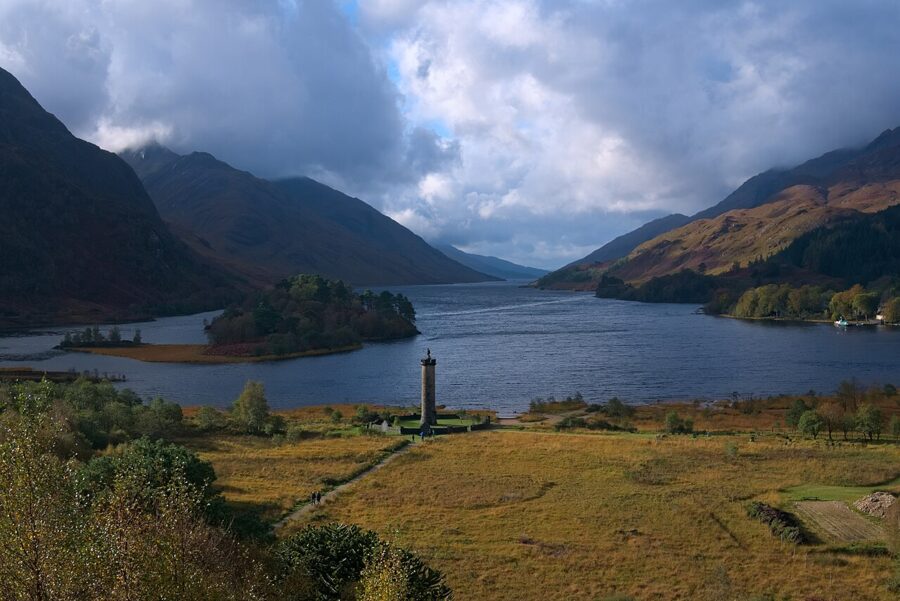
The western trips trade castles for coast. Mount Stuart on Bute is the big house, home of the Marquess of Bute, with afternoon tea in the Drawing Room on the longer journeys. At Glenfinnan you choose between a guided visit, a rewilding walk or, in good weather, the hike through Nevis Gorge to Steall Waterfall.
Season, booking and what goes wrong
When to go
The train runs from early April to early November. May and June give the longest evenings and the rhododendrons at Plockton; late summer brings the heather out, and October has some of the cheapest four-night dates of 2027. July and August are busy on the roads at Glenfinnan, but not on the train, which never carries more than its three dozen guests. I would choose late May or early October, and avoid April if you mind cold on the veranda.
How to book and pay
You can book on Belmond’s site, by phone with its reservations office, or through a travel agent. Under Belmond’s booking conditions for guests outside the UK and Europe, the Royal Scotsman takes a 25 percent deposit, with the balance due 120 days before departure; inside 120 days you pay in full. Cancel 120 days or more out and you lose 25 percent of the price, 90 to 119 days 50 percent, 30 to 89 days 70 percent, and inside 30 days all of it.
The fare covers the cabin, all meals, alcoholic and other drinks, the entertainment and the excursions in your itinerary. It does not cover insurance, gratuities or souvenirs. Buy travel insurance with cancellation cover the day you pay the deposit, given those charges.
What goes wrong
Belmond says plainly that timings are approximate and can change at the last minute, because the train shares the national network. Late running costs you time at an excursion, not a connection, unless you have booked a flight for the morning you get back. Do not.
Rain is the other certainty, and the excursions go ahead in it. Bring a proper waterproof and something warm for the veranda, even in July.
The cheaper cabins sell first, especially on the summer Mondays and the one-off trips such as the Grand Tour. If you want a particular week in 2027, book it now; if you can wait, 2028 is on sale and, as of late 2026, the five- and seven-night journeys showed lower prices for 2028 than for the 2027 dates still open.
Scotland by rail for less
None of the great lines the Royal Scotsman uses is private except the last few miles to Boat of Garten. ScotRail runs ordinary trains over the Kyle line, the West Highland Line and the Highland Main Line every day, and you can see most of what the luxury train sees for a few hundred dollars.
The Kyle line and the West Highland Line
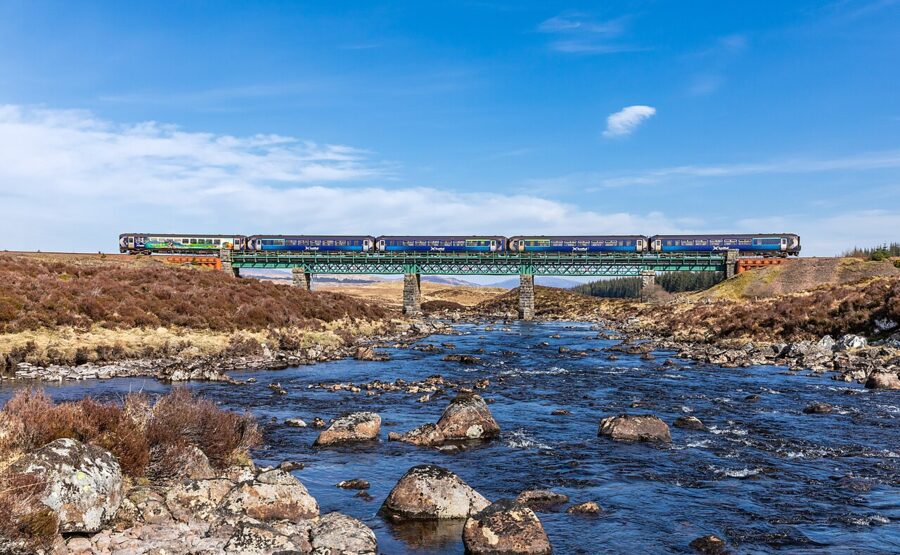
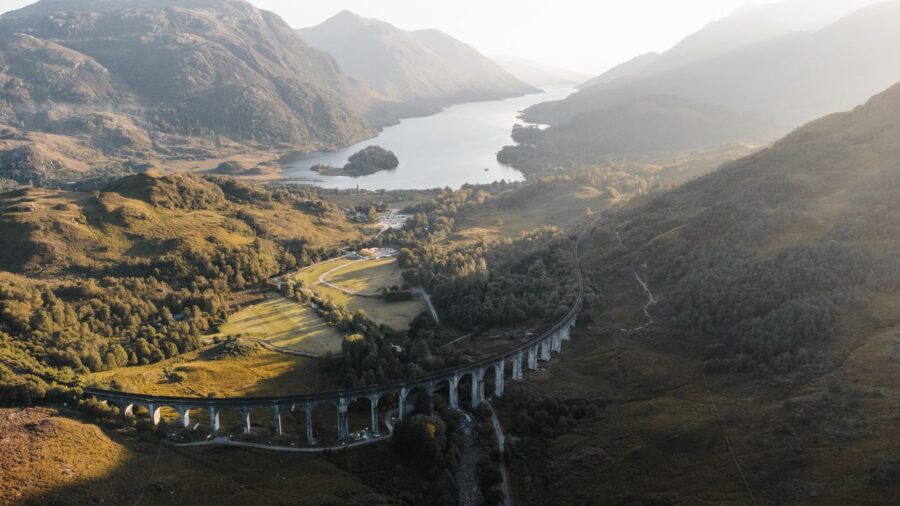
The train from Inverness to Kyle of Lochalsh is the line Belmond itself calls Britain’s most scenic railway, past Achnasheen and Strathcarron to the sea. The West Highland Line from Glasgow Queen Street to Fort William and Mallaig crosses Rannoch Moor and the Glenfinnan Viaduct; it ranks among Europe’s great scenic train rides. Both are regular ScotRail services you can take without booking.
ScotRail’s Spirit of Scotland pass is the simplest way to do it: £155 (about US$200) for four days of travel in eight, or £196 (about US$260) for eight days in fifteen, in standard class, on trains, buses, coaches, Edinburgh Trams and the Glasgow Subway. It is valid after 9:15 a.m. on weekdays and all day at weekends. The CalMac ferries are not included.
Here is a Royal Scotsman week for the price of a pass and some hotels. Take the train from Edinburgh to Inverness, ride the Kyle line, stop at Plockton for the seals, cross the Skye Bridge by bus, take the CalMac ferry from Armadale to Mallaig, then ride the West Highland Line from Mallaig over Glenfinnan to Fort William and south across Rannoch Moor to Glasgow.
The Jacobite
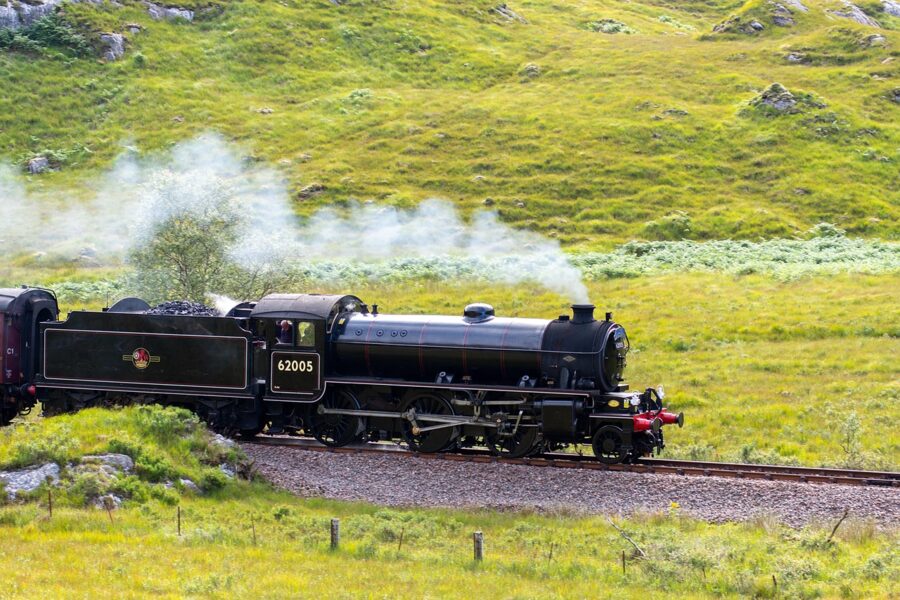
West Coast Railways runs the Jacobite, a steam train from Fort William to Mallaig and back, 84 miles over the Glenfinnan Viaduct, in the spring-to-autumn season. As of late November 2026 its 2027 fares page said dates, fares and times would be announced soon, so register for the alert. Seats on the Jacobite steam train are few, so book the day the season opens.
The Caledonian Sleeper
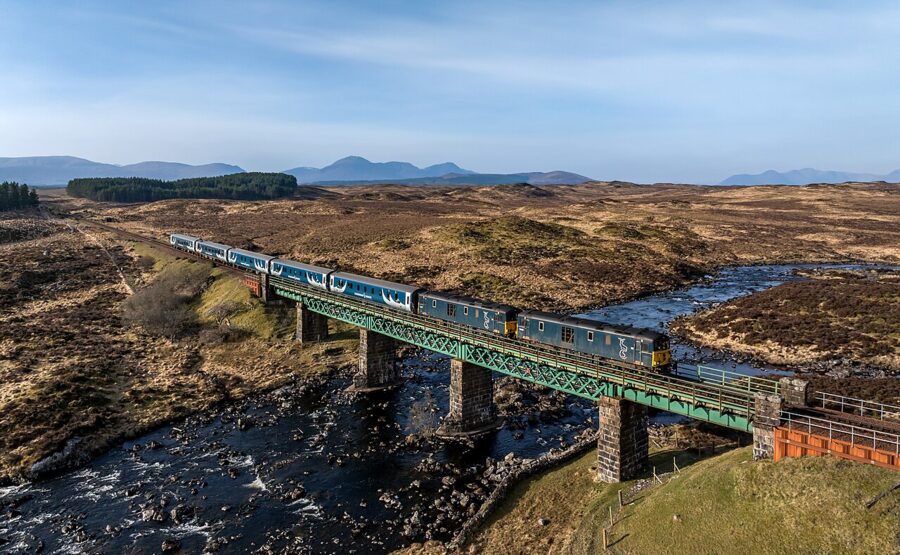
If what you want is to wake up in the Highlands, the Caledonian Sleeper does it overnight from London Euston to Inverness, Aberdeen and Fort William, and a Sleeper ticket also brings 20 percent off ScotRail tickets. Its rooms compare well with the other night trains in Europe. At the other end of the scale, Belmond’s best-known train is the Venice Simplon-Orient-Express, and its Asian sister is the Eastern & Oriental Express.
So: if you are going to spend Royal Scotsman money, book the four-night Highlands trip in a Double Cabin on the cheapest Monday Belmond shows, and stand on the veranda along the Kyle line. If you are not, take the Kyle line anyway on a ScotRail ticket, and save the piper on the Waverley platform for another year.