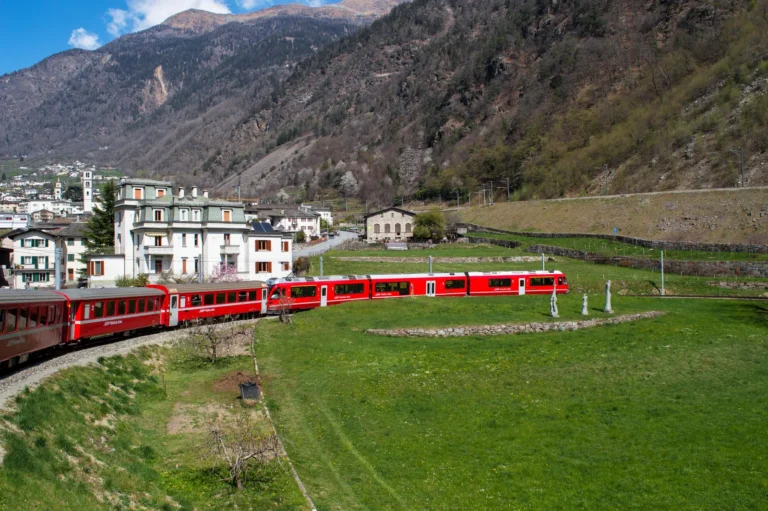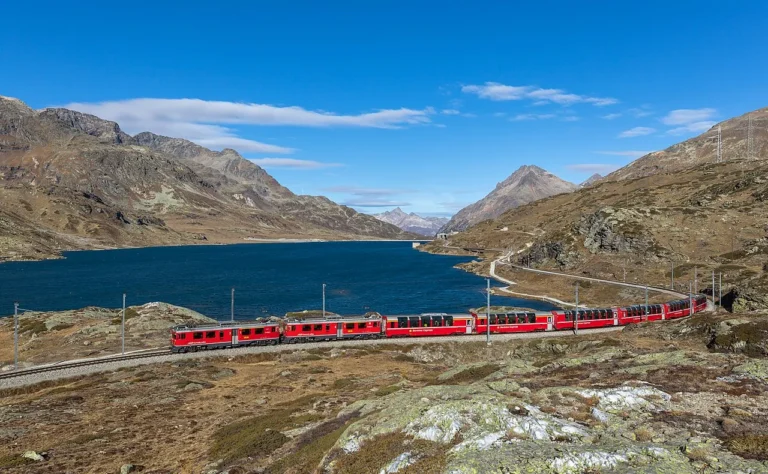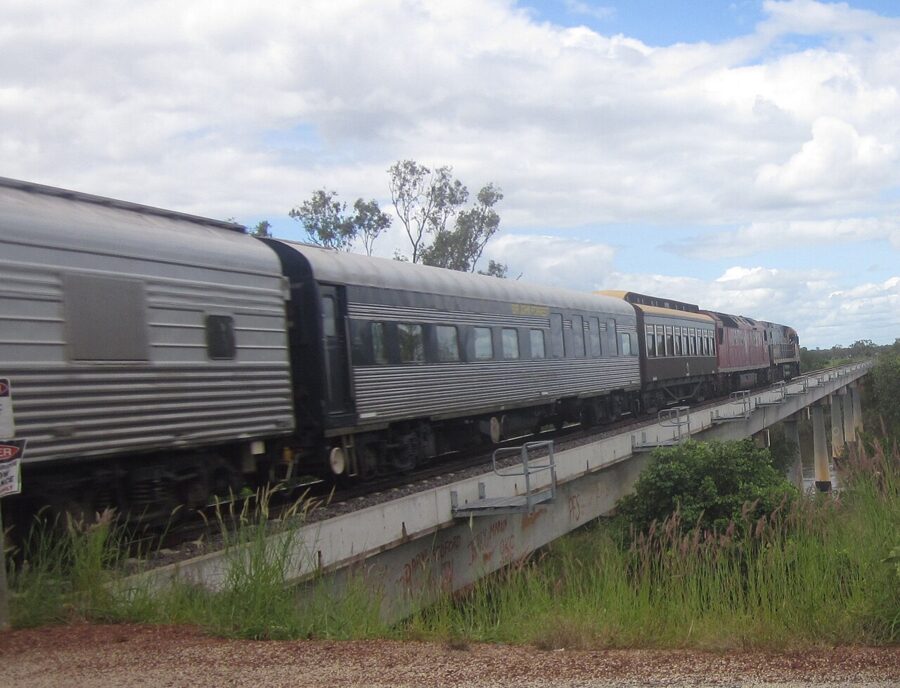
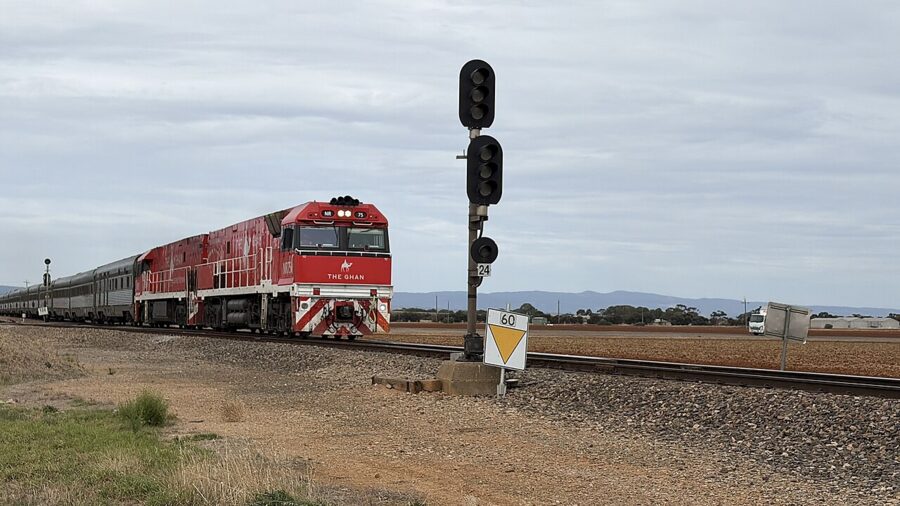
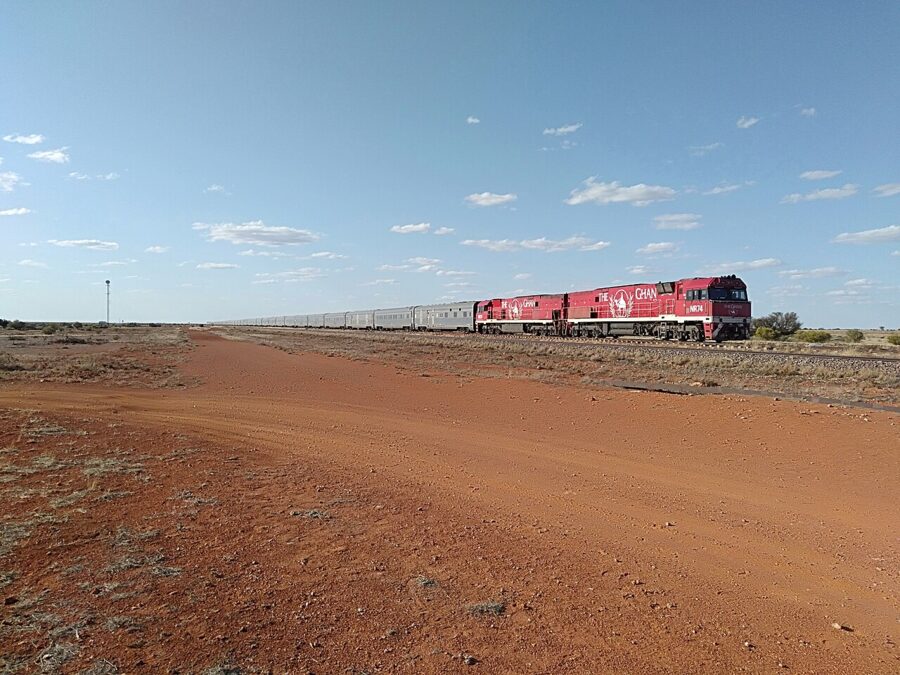
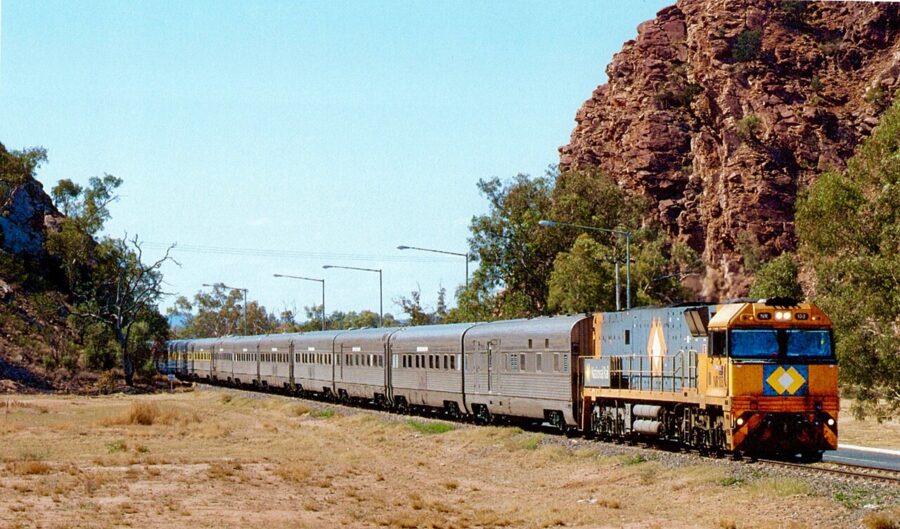
On an average run The Ghan is close to half a mile long: two red locomotives and as many as three dozen silver carriages, power vans and crew cars. From 2027 it will also take its time leaving South Australia. The northbound train now stops the first evening for dinner in the Clare Valley and gives a whole second day to the Flinders Ranges, so both directions of Australia’s best-known train take four days and three nights.
That changes the old question. For years the choice was a quick three-day run north or the slower four-day Expedition south, and the Expedition won almost by default. Now the two cost within a few hundred dollars of each other, and the real decision is what you want to get off the train for: a winery dinner and the Flinders Ranges going north, or a whole day in Alice Springs and a day underground in Coober Pedy going south.
Then come the cabin and the month, which between them can move the fare by thousands of dollars. Every meal, every drink and most of the outings are included, and the price is set like a small cruise, so it pays to know exactly what you are buying before Journey Beyond, the Adelaide company that runs the train, takes your deposit.
The route, and how the line got there
The Ghan covers 1,851 miles (2,979 km) between Adelaide on the south coast and Darwin on the Timor Sea, with Alice Springs roughly in the middle. Going north you leave farmland and vineyards, cross the saltbush country of northern South Australia overnight, wake in red desert below the Northern Territory border and finish among the tropical woodland and mango farms of the Top End. The average speed is 53 mph (85 km/h): this is a train for looking.
The name comes from the old narrow-gauge train north from Port Augusta, nicknamed the Afghan Express after the cameleers, known generally as Afghans, who carried freight into the interior before the railway. Some accounts say the nickname began as a crew joke at the train’s expense rather than a tribute. Either way, the first Ghan left Adelaide on August 4, 1929, and reached Alice Springs, then still called Stuart, two days later.
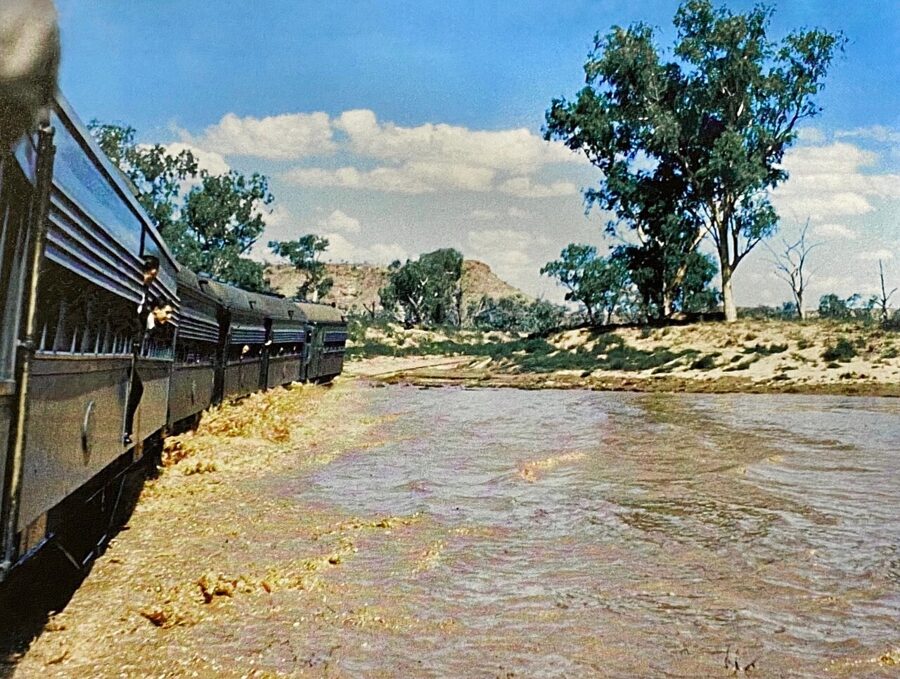
The original line followed the old Overland Telegraph route for its water, which steam engines needed, and that put it on floodplains. Trains were stranded for days, and the timetable was more of a hope. In October 1980 a new standard-gauge line opened from Tarcoola, on the line to Perth, to Alice Springs, roughly 100 miles (160 km) west of the old one, and the narrow gauge closed.
The last gap took longer. Construction of the 880 miles (1,420 km) from Alice Springs to Darwin began in 2001, and the first passenger Ghan reached Darwin on February 3, 2004, completing a line first promised in 1911. The Pichi Richi Railway still runs heritage trains out of Quorn on the original Ghan alignment.
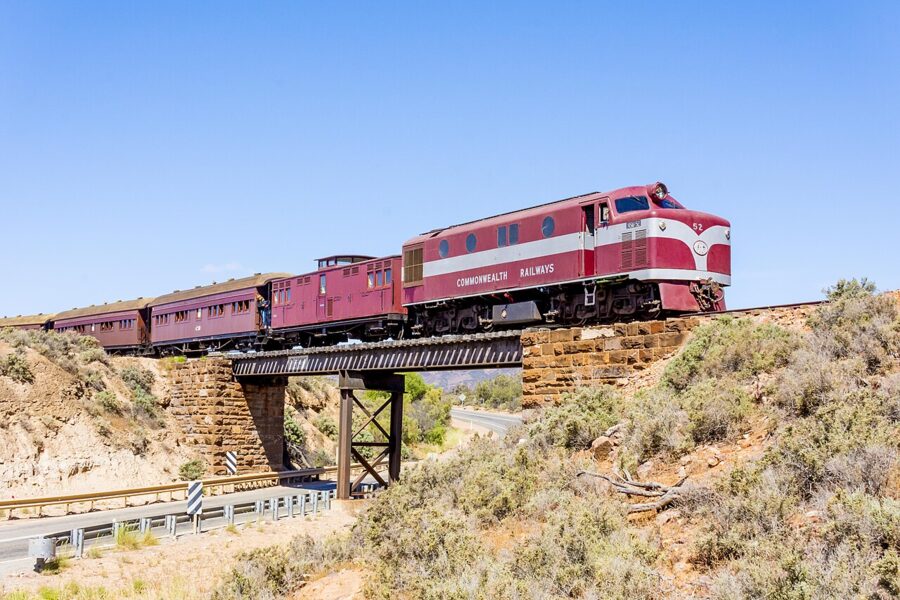
Journey Beyond also runs the Indian Pacific between Sydney and Perth, with the same carriages and classes, and the country’s cheaper daytime trains are part of Australia and New Zealand by train.
The journeys in 2027
The Ghan runs from March to November; there is no train in December, January or February, when the Top End is in its wet season and the center at its hottest. From April to October a second weekly departure runs in each direction. Besides the full trips, Journey Beyond sells two halves that ride the northbound trains. These are the 2027 timetables as published in November 2026, which the operator says may still change.
| Journey | Days / nights | Departs (2027) | Off-train stops |
|---|---|---|---|
| The Legendary Ghan, Adelaide to Darwin | 4 / 3 | Saturdays 3:00 p.m. (March–November); Tuesdays 3:00 p.m. (April–October) | Clare Valley dinner, Flinders Ranges (full day), Marla sunrise, Alice Springs (afternoon), Katherine (morning) |
| The Ghan Expedition, Darwin to Adelaide | 4 / 3 | Wednesdays 10:00 a.m. (March–November); Saturdays 9:00 a.m. (April–October) | Katherine (afternoon), Alice Springs (full day, dinner at the Telegraph Station), Coober Pedy via Manguri (full day) |
| Adelaide to Alice Springs | 3 / 2 | Saturdays and Tuesdays, as the full northbound trip | Clare Valley, Flinders Ranges, Marla |
| Alice Springs to Darwin | 2 / 1 | Mondays (March–November) and Thursdays (April–October), 6:15 p.m. | Katherine |
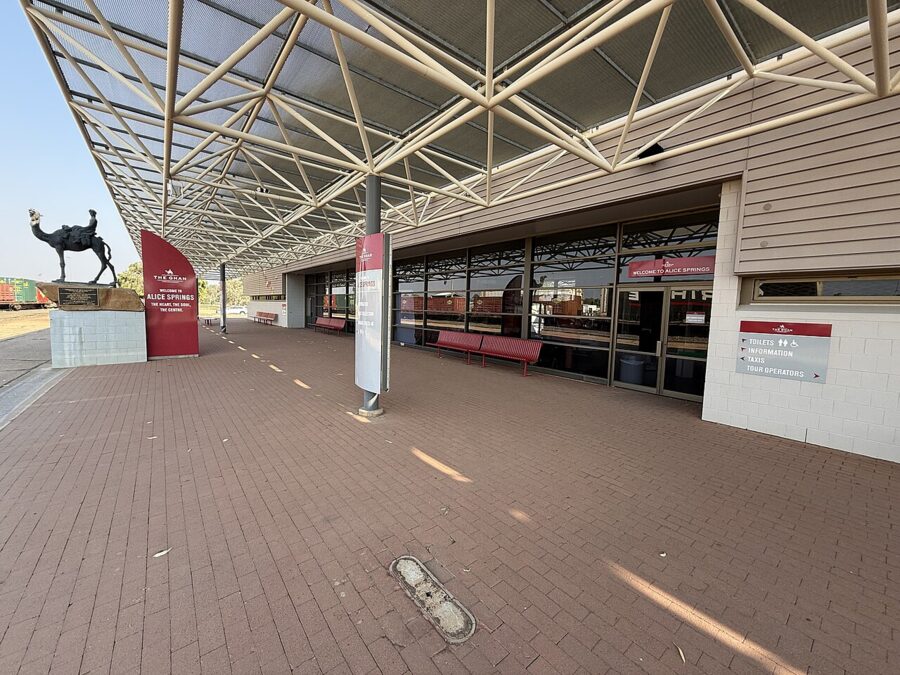
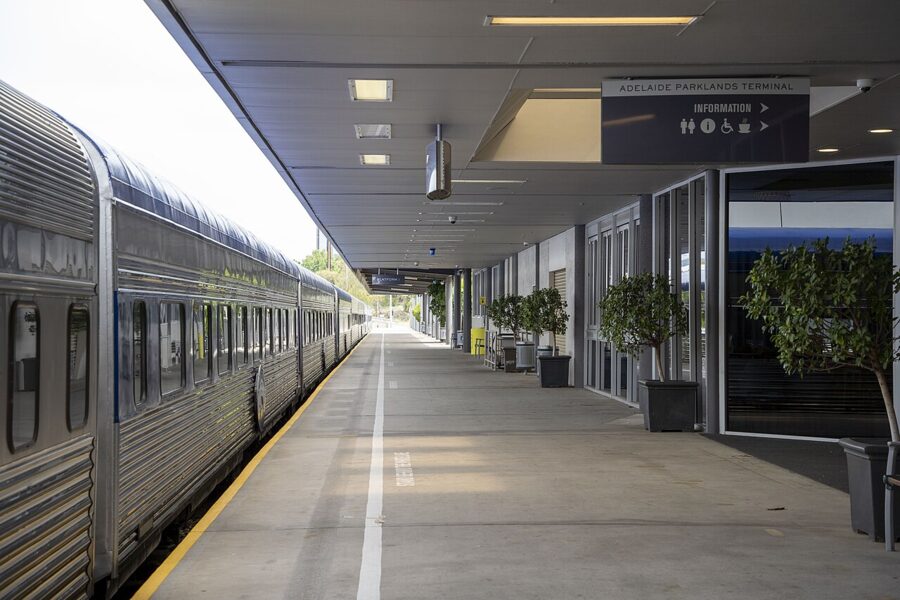
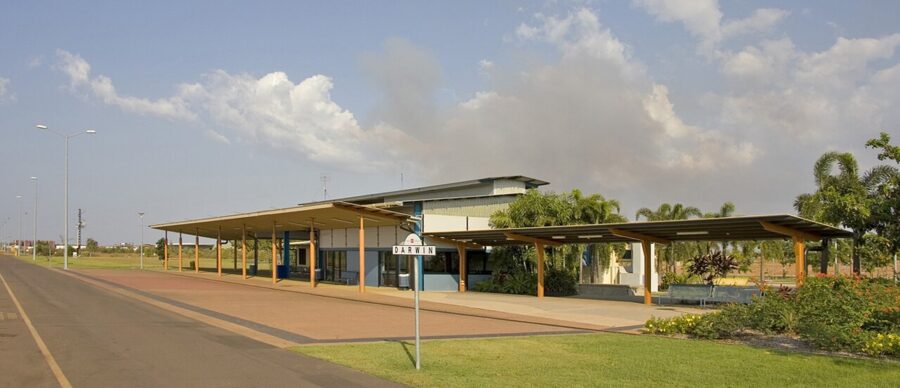
The train uses Journey Beyond’s own terminals: the Adelaide Parklands Terminal at Keswick, about 2 miles (3 km) from the city center, and the Berrimah terminal at East Arm, 11 miles (17.5 km) outside Darwin, with a free shuttle to selected city hotels for Gold passengers and transfers for Platinum.
The Legendary Ghan: four days north
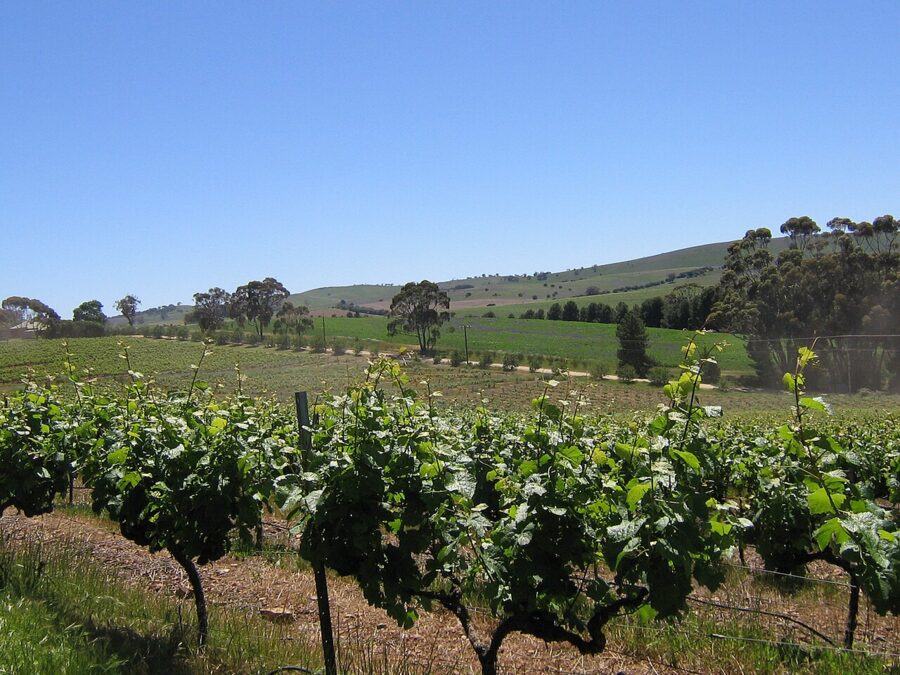
The new northbound trip leaves Adelaide at 3:00 p.m. By early evening the train stops at Long Plains, and coaches take everyone into the Clare Valley for dinner in a converted woolshed, with the valley’s Riesling on the table. You sleep aboard while the train runs north to Port Augusta at the top of Spencer Gulf.
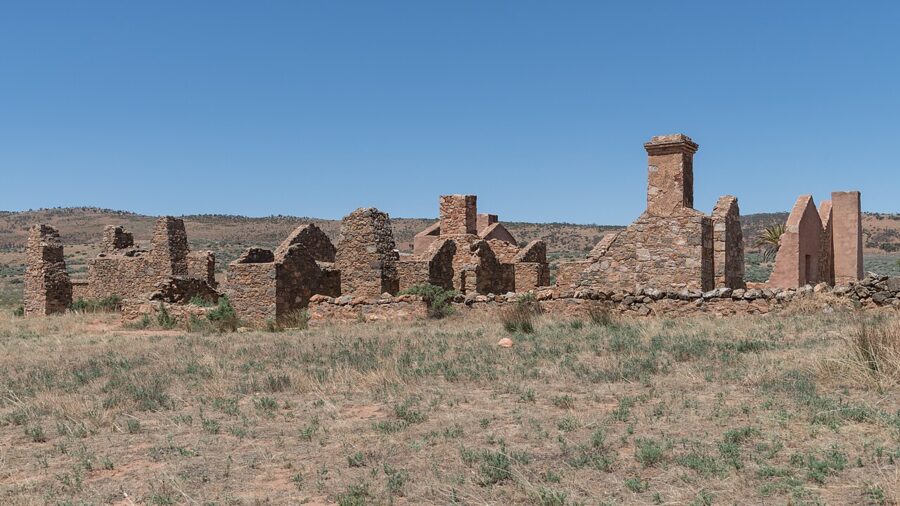
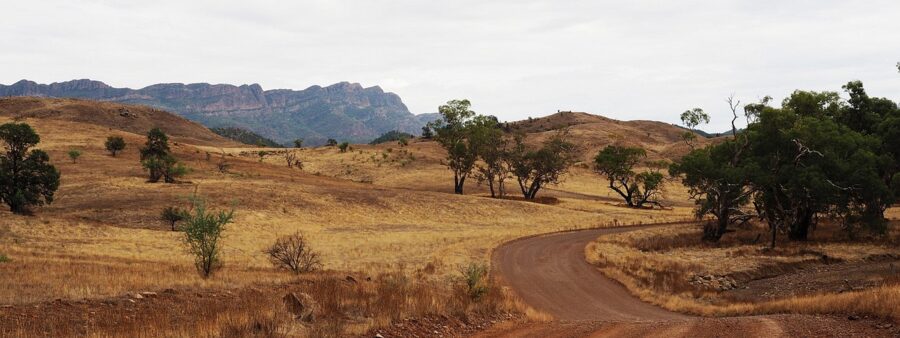
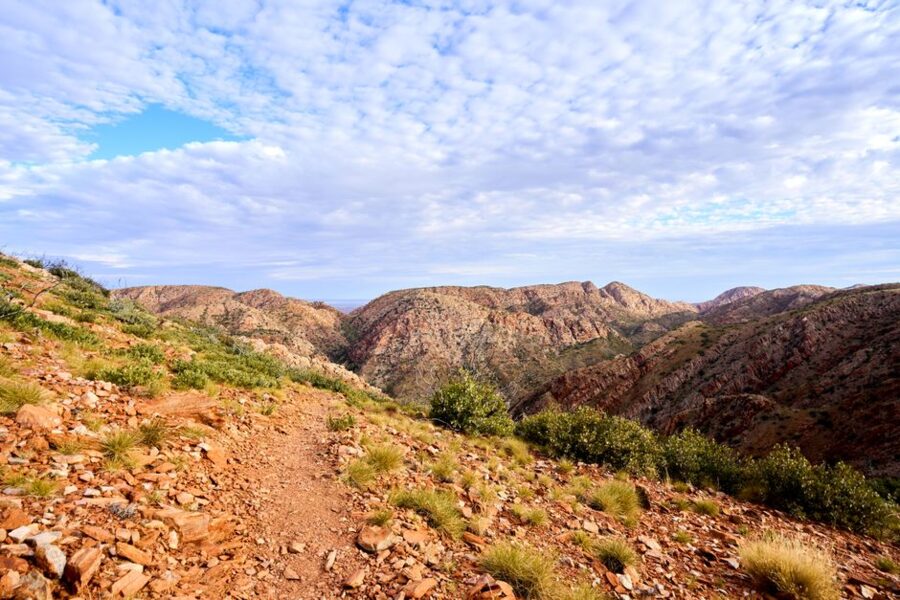
Day two is all Flinders Ranges. From Port Augusta the coaches head into the southern ranges, stop at Quorn for lunch with Flinders Gin, and visit the ruins of Kanyaka Station, an abandoned nineteenth-century pastoral station. The old three-day trip never had this day, and I think it is the best reason to ride north in 2027.
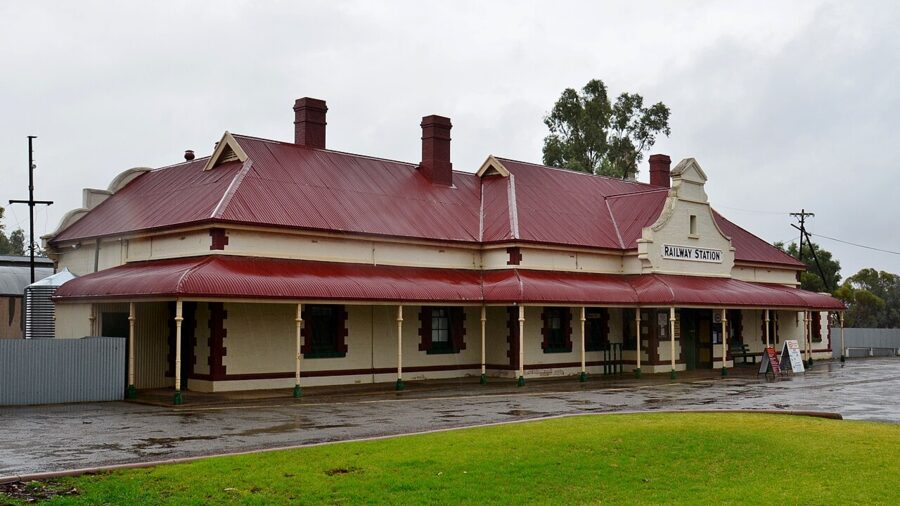
The third morning is Marla, a roadhouse settlement about 100 miles (160 km) short of the Northern Territory border. The train arrives in the dark, and you step down for coffee and a bacon-and-egg roll by a fire while the sun comes up. Alice Springs comes at 1:45 p.m., with an afternoon of outings before the 6:15 p.m. departure.
The last morning is Katherine. The train reaches Darwin at 5:30 p.m. on Tuesdays or 7:50 p.m. on Fridays.
The Ghan Expedition: four days south
The Ghan Expedition has run since May 2015. It leaves Darwin in the morning, stops at Katherine in the afternoon, and reaches Alice Springs at 9:10 a.m. on the Wednesday-departure train (11:15 a.m. on the Saturday one), with the whole day there. That evening everyone eats outdoors at the Alice Springs Telegraph Station before the train leaves late at night.
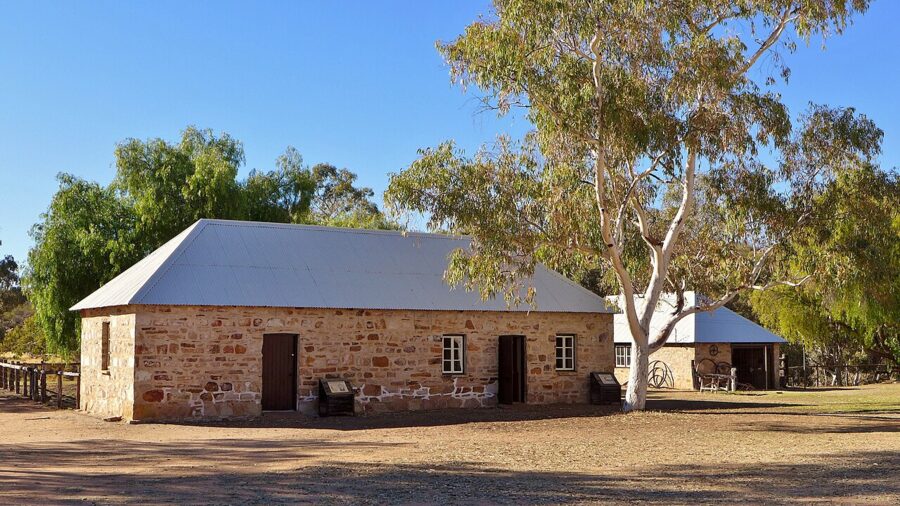
Day three is Coober Pedy. The train stops at Manguri siding at 9:00 a.m., coaches carry you into the opal town for the day, and the train leaves Manguri again at 7:40 p.m. You arrive in Adelaide at 9:00 a.m., though Journey Beyond recommends a night in the city before any flight in case the train runs late.
The half journeys
Adelaide to Alice Springs keeps the Clare Valley dinner and the Flinders Ranges day. Alice Springs to Darwin is a single night: board at 6:15 p.m. and reach Darwin the next evening after a morning at Katherine. It is the cheapest way to try the train, and with a few days at Uluru beforehand it makes a good shorter trip.
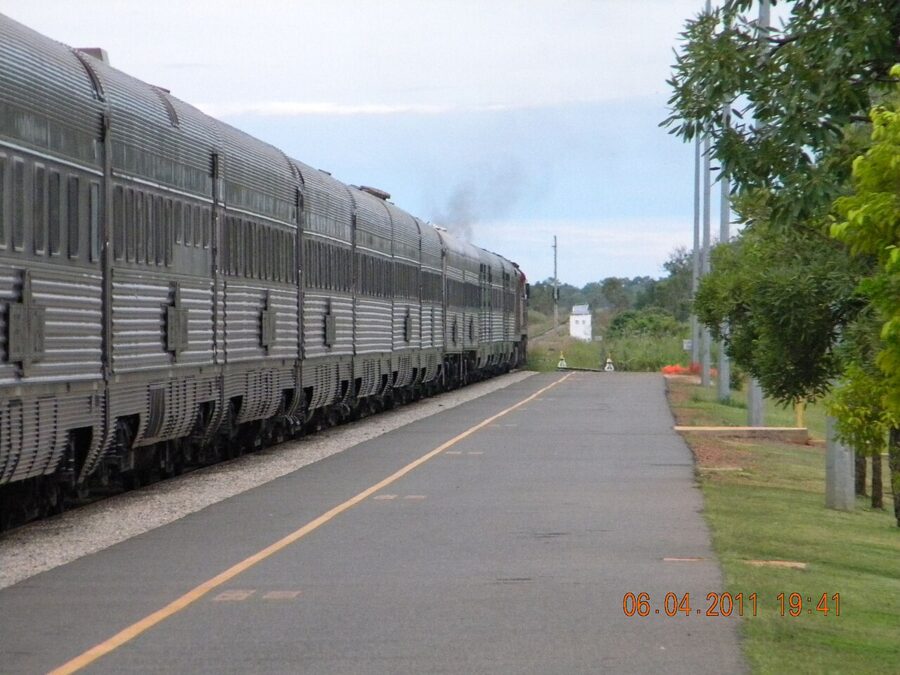
You cannot leave the train at a regional stop and stay. Those stops are for the outings or for operations only, and a journey can end only in Adelaide, Alice Springs or Darwin.
Gold, Gold Premium and Platinum
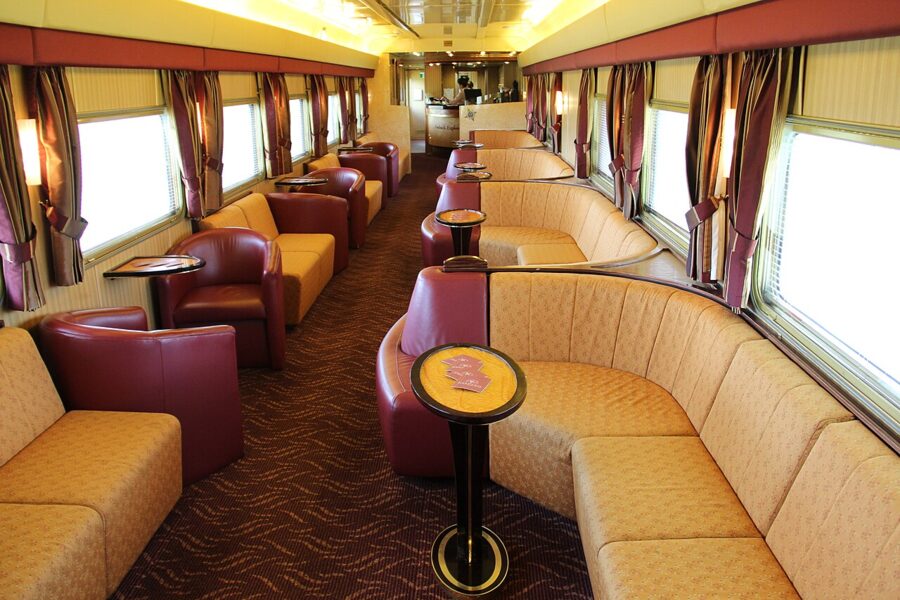
The Ghan has three main levels of service, plus a pair of suites at the top. Each level has its own restaurant and lounge, and you cannot walk into another level’s carriages, even to eat with friends who booked differently, so a group should book the same level.
Gold
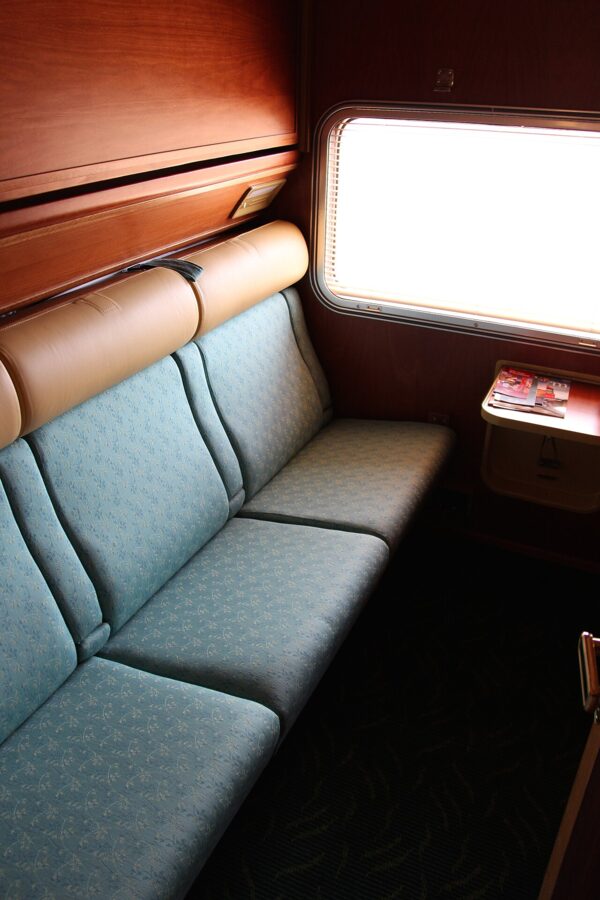
Gold is what most people book. A Gold Twin is a small private cabin with a three-seat sofa by day that becomes an upper and a lower berth at night, reached by a ladder, and a compact en suite with shower and toilet. A Gold Single has a seat that folds into a bed and uses shared showers and toilets at the end of the carriage. A few Gold Suite cabins have a three-quarter double bed and a fold-down upper berth.
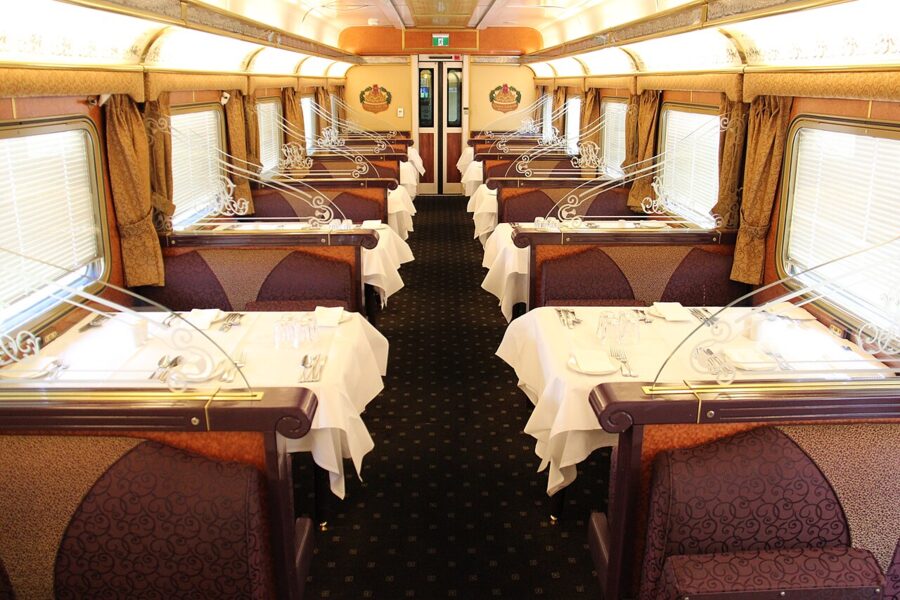
Gold passengers eat in the Queen Adelaide Restaurant: hearty breakfasts, two-course lunches and three-course dinners, with Australian wine, beer, base spirits and barista coffee included. The Outback Explorer Lounge is where the social life happens. You can check two bags of up to 66 lb (30 kg) each, which go in the baggage car and cannot be reached during the trip.
Gold Premium
Gold Premium is the newer middle level. Its twin cabins keep the Gold sofa-and-bunk layout, ladder included, in a new fit-out of walnut and brass with colors taken from the paintings of the Arrernte artist Albert Namatjira. The real differences are outside the cabin: a separate lounge and dining car, four-course dinners, better wines, first pick of outings and three checked bags of 55 lb (25 kg).
Platinum
Platinum cabins are almost twice the size of a Gold Twin, set up by day as a lounge with a table and two ottomans and at night as a double or two single beds, so nobody climbs a ladder. The en suite has a separate shower, and the windows give you both sides of the train.
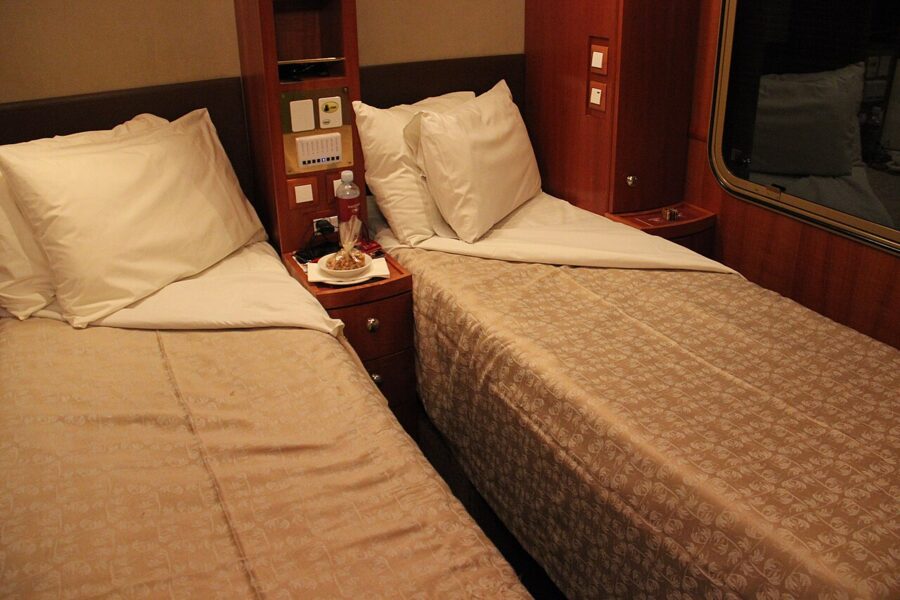
Platinum passengers eat in the Platinum Club, with five-course dinners and Champagne Bollinger, and get a nightcap at turndown, transfers within 37 miles (60 km) of the terminal (shared vehicles in Alice Springs and Darwin) and three checked bags of 66 lb (30 kg). Journey Beyond counts about 25 Platinum beds on an average train, against more than 250 in Gold.
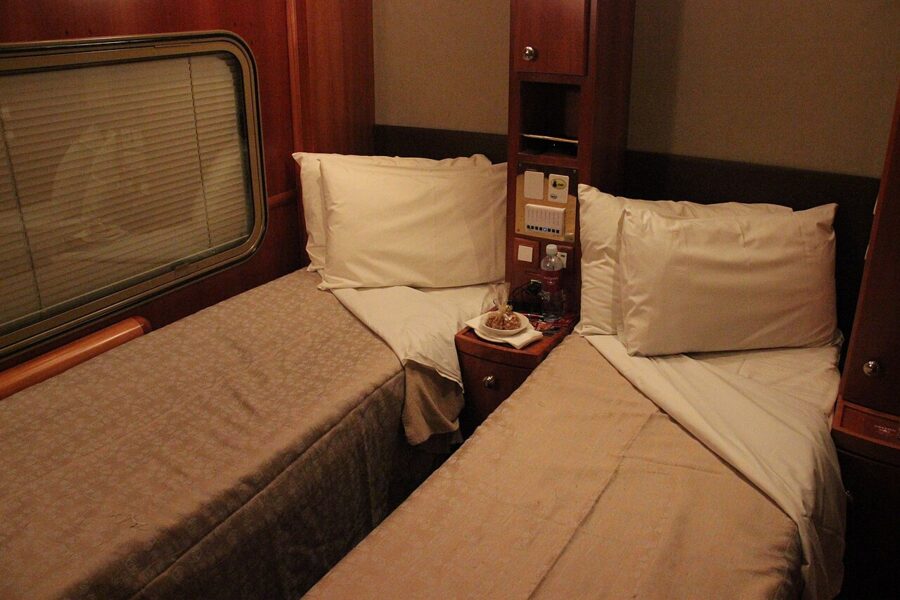
Is Platinum worth it? I think the dividing line is the ladder and the bathroom. If either of you would struggle with an upper berth, or you want to spend time in your cabin, Platinum earns its price. If you will live in the lounge and off the train, Gold Twin is the better buy, and Gold Premium is the one I would skip unless a sale brings it close to Gold.
Above Platinum are the Aurora and Australis Suites, added in April 2026, which Journey Beyond calls the most luxurious accommodation on an Australian train. There are two per train. The Aurora is double the size of a Platinum cabin and the Australis three times, both with a separate bedroom, a butler, a private bar and their own outings.
What it costs, as of 2026
Fares are per person, sharing a cabin except in Gold Single. Advance Purchase is cheapest, paid in full at booking and the hardest to change; Everyday takes a deposit; Flexible costs more and is refundable until 24 hours before departure. Platinum and the suites have no Advance Purchase fare. These are the lowest published 2027 fares, in Australian dollars, as of late November 2026.
| Cabin (fare type) | Legendary Ghan, March & November | Legendary Ghan, May–August | Expedition, March & November | Expedition, May–August |
|---|---|---|---|---|
| Gold Single (Advance Purchase) | A$3,090 | A$3,890 | A$3,590 | A$4,490 |
| Gold Twin (Advance Purchase) | A$3,590 | A$4,590 | A$4,190 | A$5,390 |
| Gold Twin (Everyday) | A$4,190 | A$5,290 | A$4,890 | A$6,190 |
| Gold Premium Twin (Advance Purchase) | A$4,390 | A$5,390 | A$5,090 | A$6,290 |
| Platinum (Everyday) | A$6,490 | A$8,090 | A$7,590 | A$9,390 |
| Aurora Suite | A$10,890 | A$12,090 | A$12,490 | A$13,990 |
| Australis Suite | A$16,390 | A$18,290 | A$18,890 | A$20,990 |
At about US$0.66 to the Australian dollar in late November 2026, the cheapest Gold Twin north is about US$2,370 a person and a winter Platinum Expedition about US$6,200. April, September and October fall between the two columns. Alice Springs to Darwin starts at A$2,090 (about US$1,380) in Gold Twin, and Adelaide to Alice Springs at A$2,990.
Prices have been climbing: Journey Beyond’s FAQ cites energy and operating costs for increases on new 2026 and 2027 bookings. Sales do come round. In November 2026 a Black Friday offer took 30 percent off Everyday Gold Twin and Gold Premium Twin fares north for January to June 2027, so check the Ghan special offers before you book.
The off-train experiences
At each long stop you choose one outing from a short list, submitted online when Journey Beyond emails you before departure. They are included, run by coach, and most involve walking on rough ground. Each stop also has a paid upgrade, usually a flight, which replaces the included outing rather than adding to it; these sell out, so book them by phone in advance.
Katherine
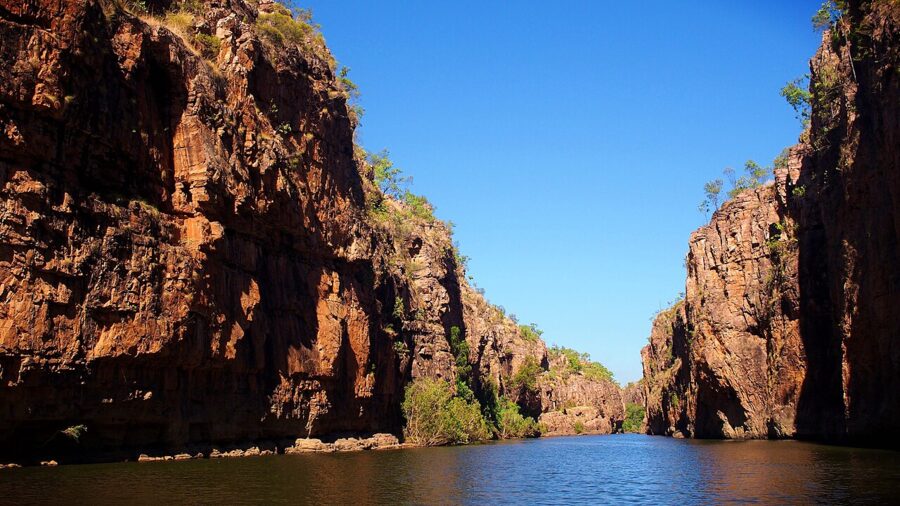
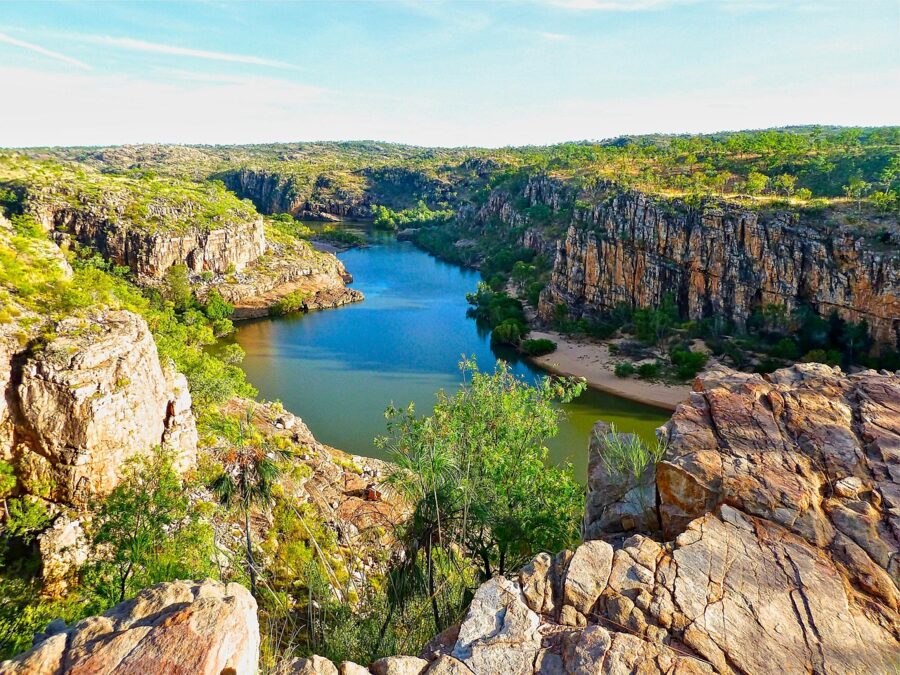
Katherine is the stop in both directions, and the choices there are good. The Nitmiluk Gorge cruise goes through the first two gorges of the Katherine River, with a walk of about two-thirds of a mile (1 km) over rocky paths and the Jawoyn story of the place from the guide. A rock art cruise to a site above the First Gorge runs in mid-year (May 6 to October 10 in 2026).
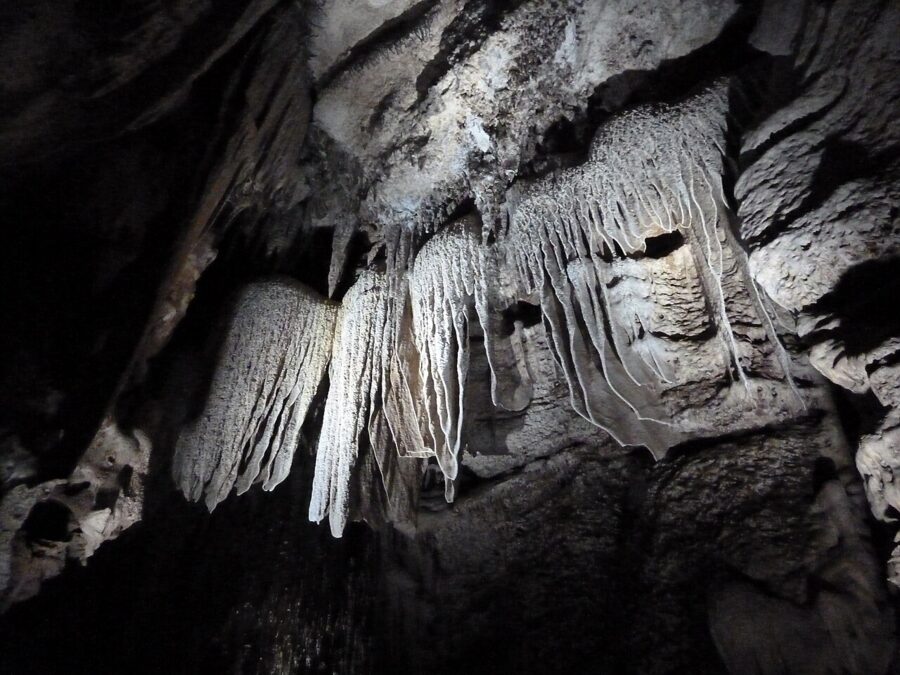
The Katherine Outback Experience, a horse-training and working-dog show run by country singer Tom Curtain in a covered, seated arena, is the easy option (late April to late September in 2026). Cutta Cutta Caves, about 19 miles (30 km) south of town, is a limestone cave about 50 ft (15 m) underground, reached by steep stairs, with limited places; it reopens on May 1, 2027.
Alice Springs
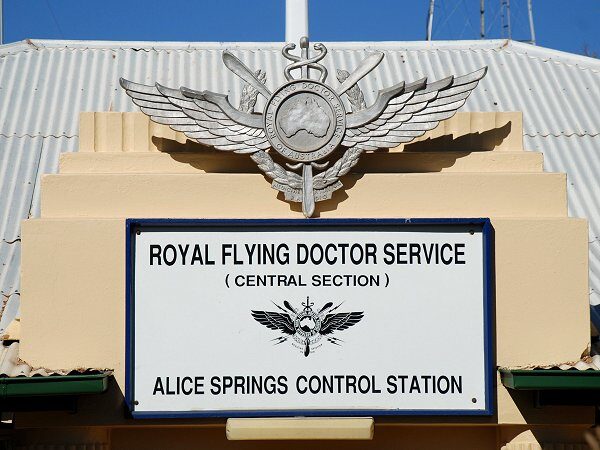
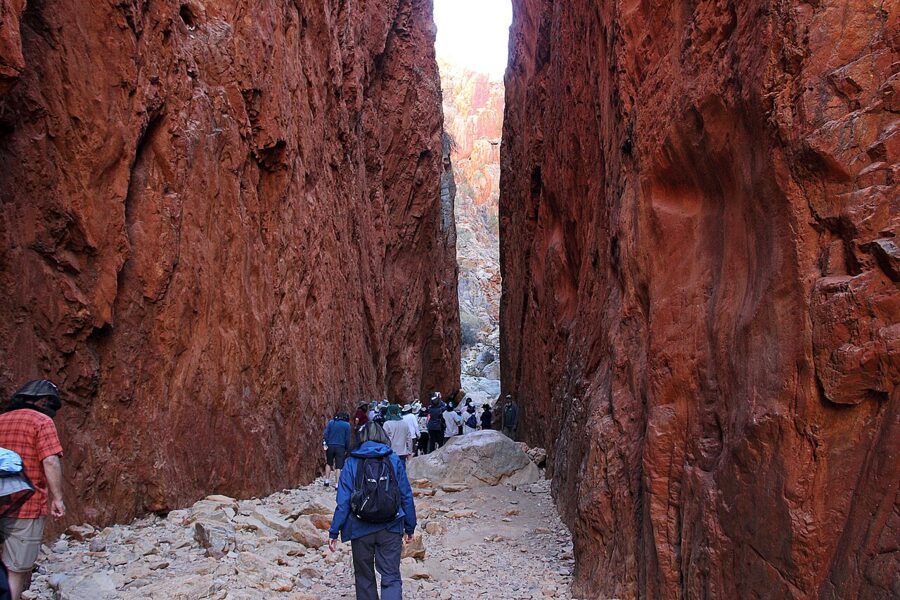
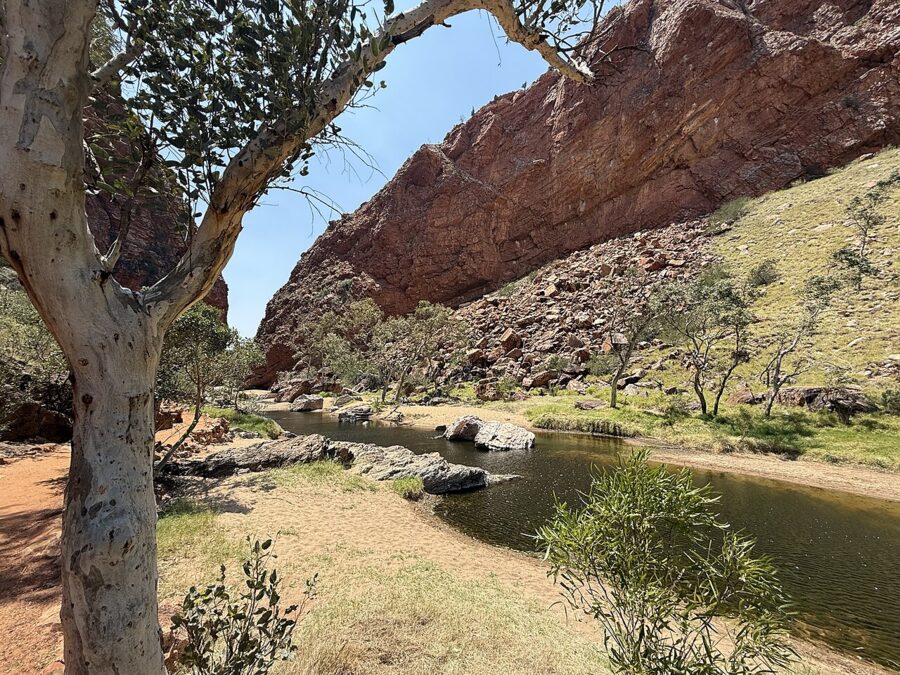
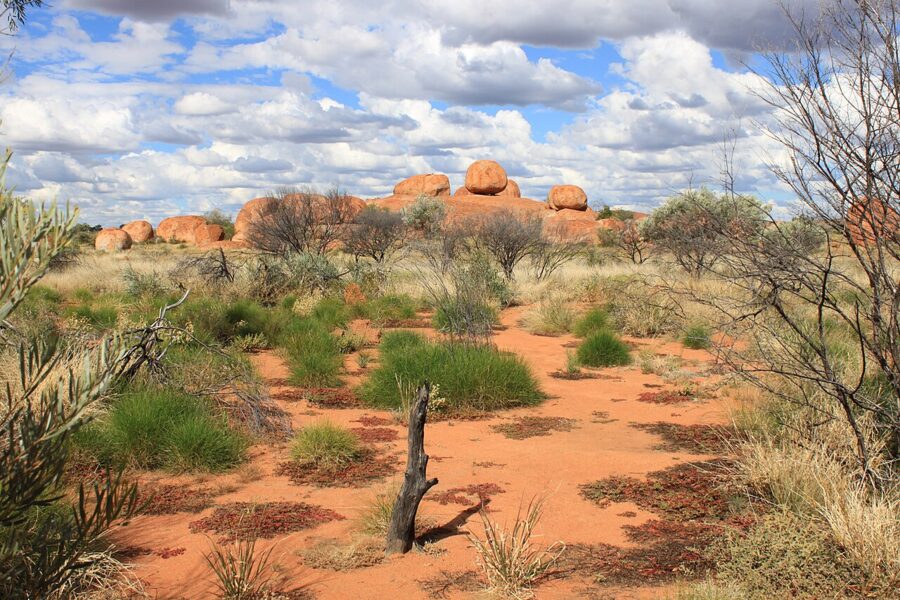
Going north you have an afternoon in Alice Springs; going south, the whole day. The options include a town tour (the School of the Air, the Royal Flying Doctor Service base and the Reptile Centre), the Alice Springs Desert Park and its free-flying birds of prey, an e-bike ride along the old Ghan line to the Telegraph Station (included in Platinum, extra in Gold), and a 2-mile (3 km) walk at Simpsons Gap and Standley Chasm with an Arrernte guide.
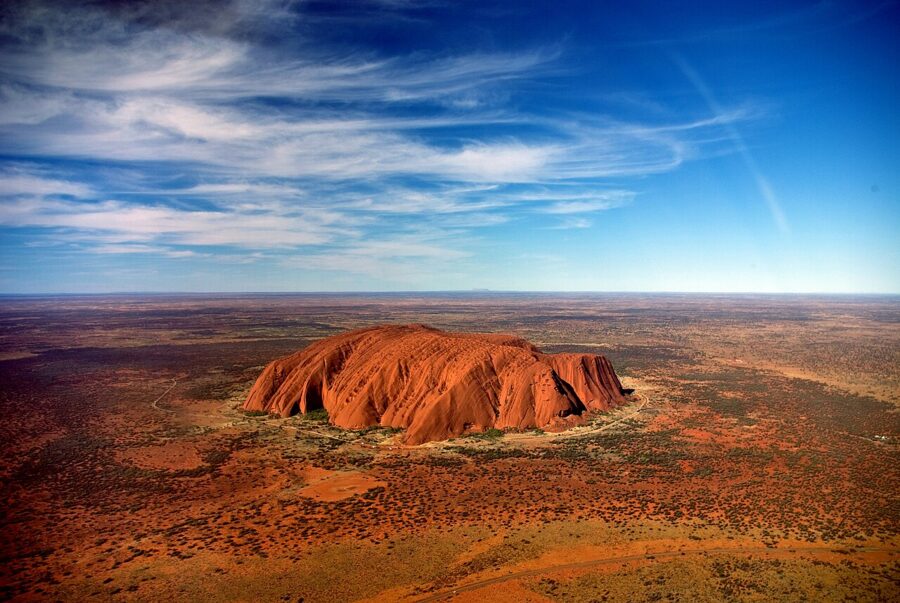
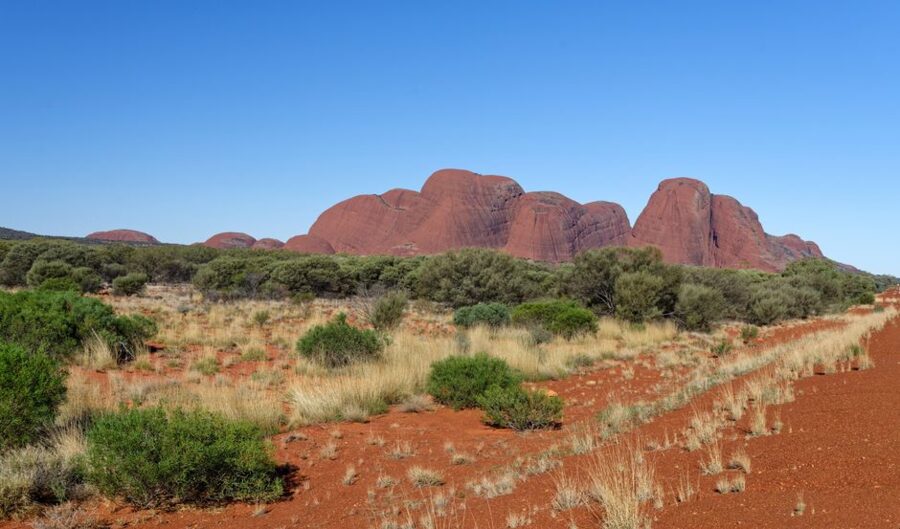
The big upgrades here are flights to Uluru, which you cannot otherwise reach from this train. The Ultimate Uluru Experience, on Thursdays for the Wednesday Expedition, lands at Ayers Rock Airport for a guided walk at the base and lunch (A$1,599, about US$1,060). The Uluru Scenic Flight on Sundays flies over Uluru, Kata Tjuta and Kings Canyon with a lunch stop (A$1,249, about US$820; not in March or November); both are 2026 rates.
Coober Pedy and Manguri
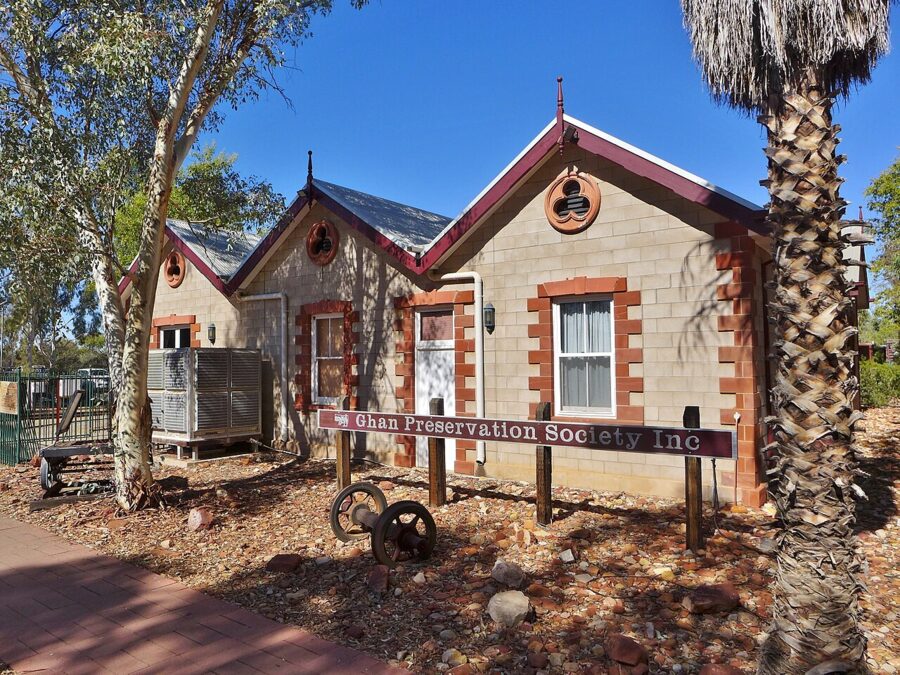
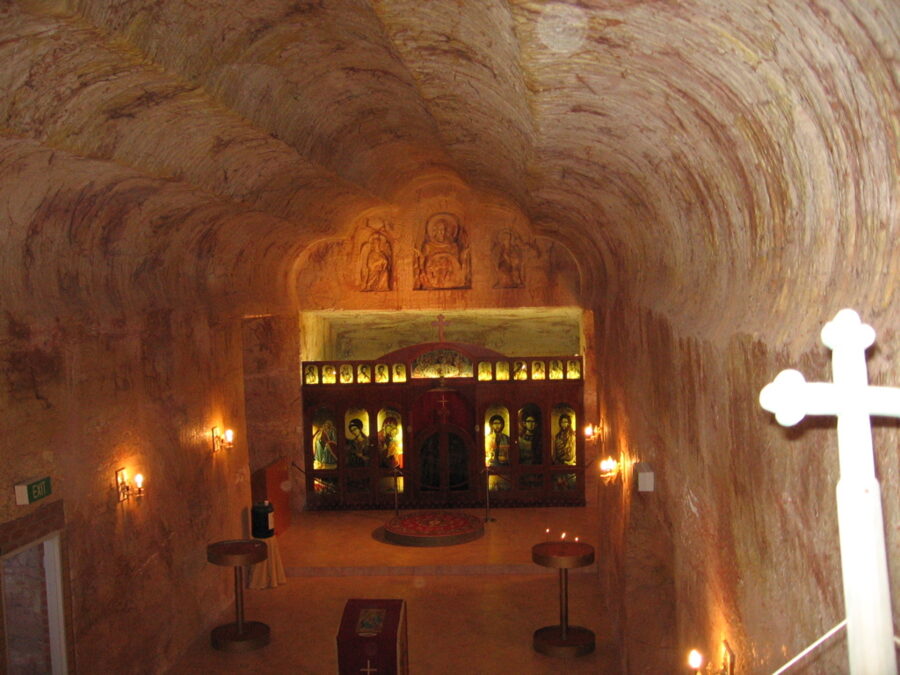
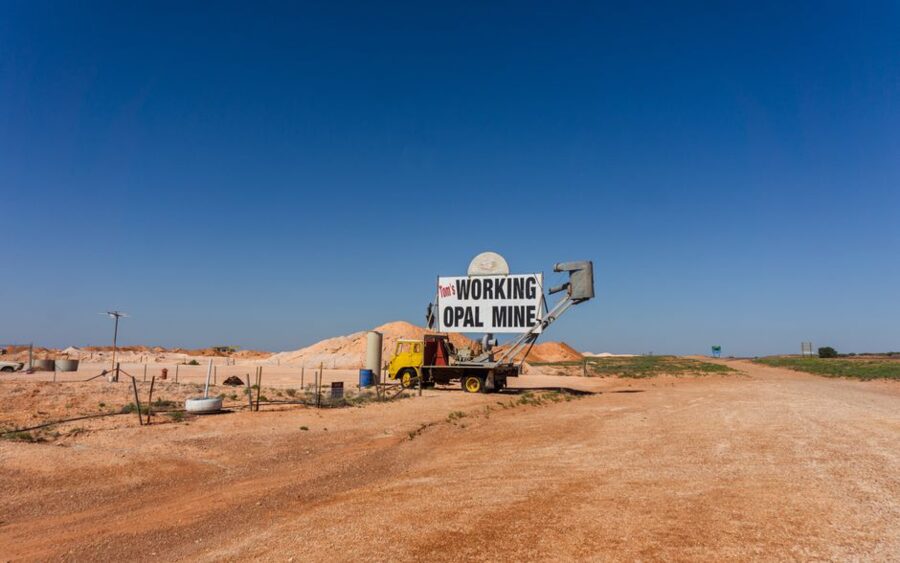
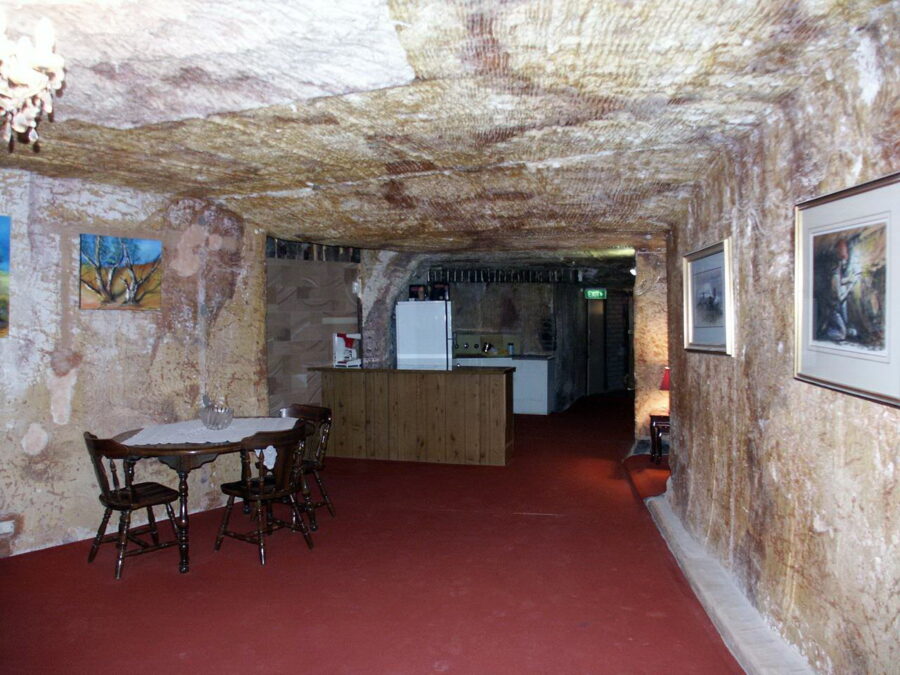
Only southbound trains stop for Coober Pedy, and it is the day I would least want to miss. The full-day tour takes in the underground Serbian Orthodox Church, the Umoona Opal Mine and Museum with its old dugout homes, a go at opal mining in a hard hat, an underground lunch and the Breakaways, a run of flat-topped hills outside town. Shorter versions focus on opals or on the Breakaways.
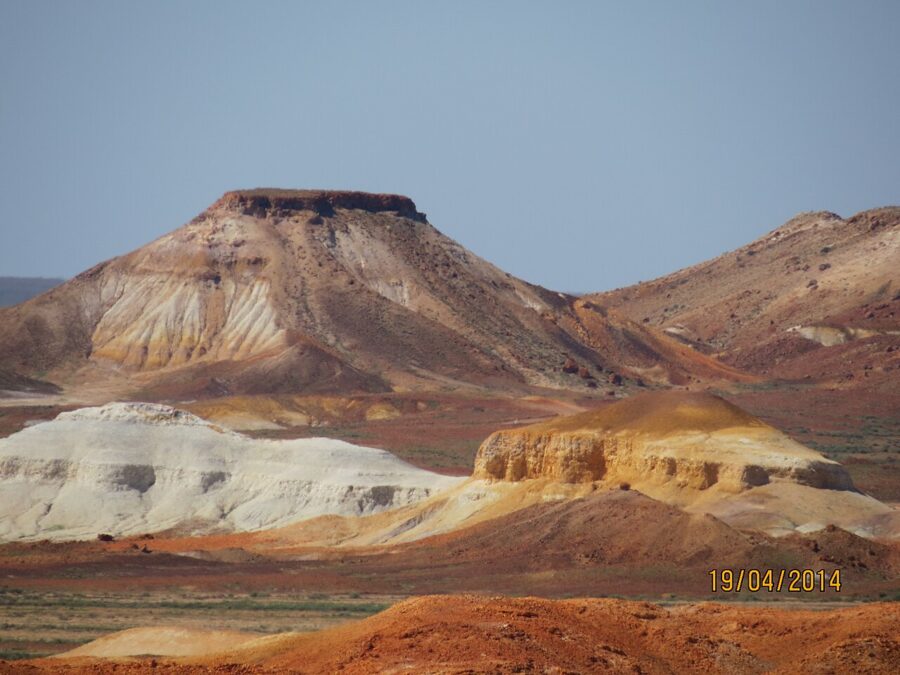
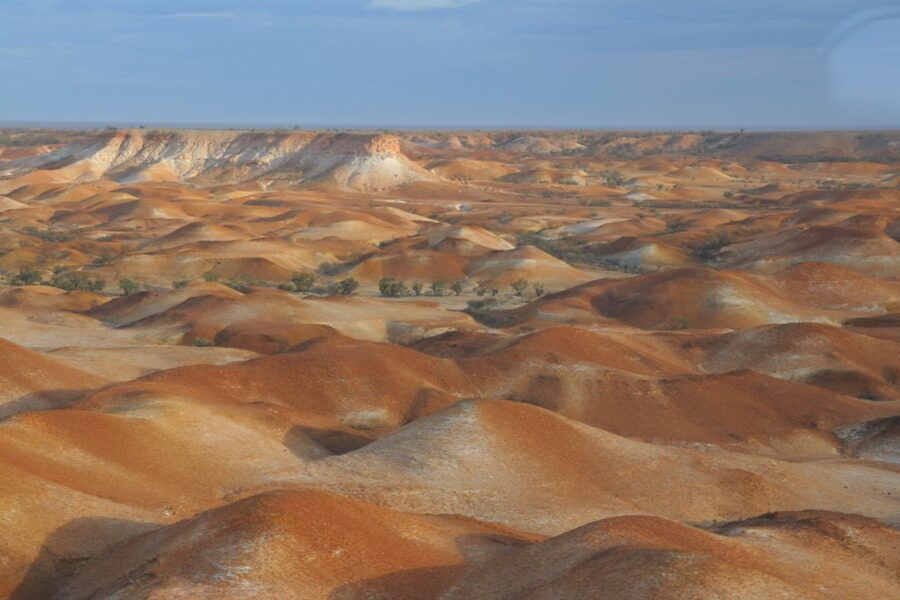
The upgrade here is the Painted Hills and Lake Eyre scenic flight (A$1,349 at the 2026 rate, about US$890), landing at the Anna Creek Painted Hills, with lunch at the William Creek Hotel and a pass over Kati Thanda-Lake Eyre, Australia’s lowest point. I would only book it in a year when the lake has water in it.
Season, direction and booking
The best months for weather are May to August: the dry season in the Top End, warm days in the center and nights down to around 40°F (4°C) at Marla and Manguri. They are also the most expensive. March and November are cheapest, with Darwin and Katherine in the mid-90s°F (mid-30s°C) and some seasonal outings not running. April, September and October sit in the middle on price and weather, and those are the months I would aim for.
On direction, the two four-day trips are A$600 to A$900 apart in Gold Twin, so choose on the stops. Take the Legendary Ghan north for the Clare Valley and the Flinders Ranges, and if you are heading on from Darwin. Take the Expedition for a full day in Alice Springs, the chance to fly to Uluru, Coober Pedy and a morning arrival in Adelaide. If I could ride only once, I would ride south.
Book on Journey Beyond’s own site, by phone or through a travel agent; there is no booking office. 2027 went on sale in late 2025, and the best Advance Purchase fares go to people who book about six months ahead. The suites had almost sold out for 2026 a year ahead, and sold-out dates offer a wait-list.
Read the fare conditions first. For 2027, Advance Purchase is paid in full, can be changed up to 90 days out for A$250 a person and is refundable only within 14 days of booking, if you booked more than 60 days ahead. Everyday takes a deposit of A$1,000 a person (A$1,500 in Platinum), with the balance due 45 days out; cancel before then and you lose the deposit, after it the whole fare.
Dress is smart casual. You can ask for a forward-facing cabin, but only about half face forward, so it is not guaranteed. Pack warm layers, a hat, sunscreen and closed shoes in your cabin bag, since checked bags stay locked away; the guest FAQ covers diets, mobility and the Gold Access cabin.
The Ghan against flying and driving
As transport, The Ghan makes no sense. Qantas and Jetstar fly nonstop between Adelaide and Darwin in under four hours for a fraction of even a Gold Single fare. If you only need to get to Darwin, fly.
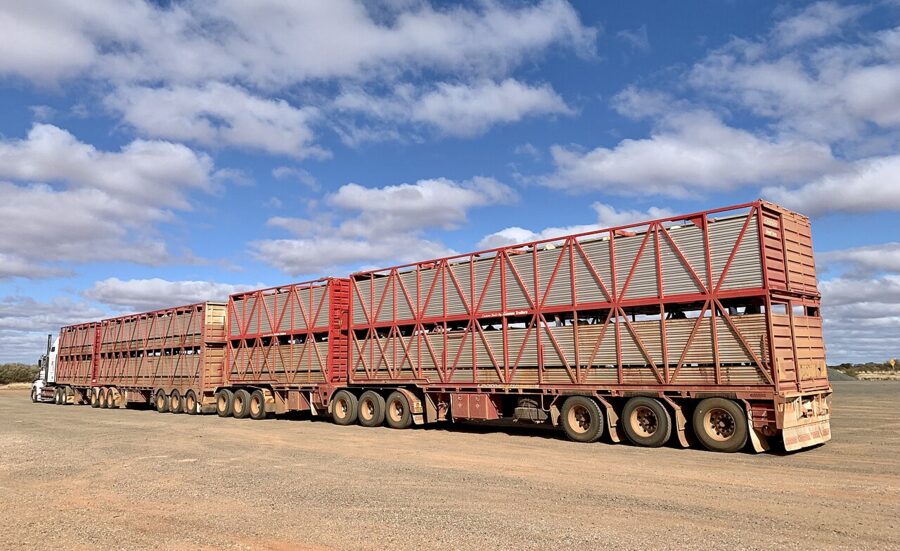
Driving is the fairer comparison. The Stuart Highway is sealed the whole way, and the Explorers Way from Adelaide through the Clare Valley, the Flinders Ranges, Coober Pedy, Uluru and Alice Springs to Darwin is about 1,860 miles (3,000 km). Done properly it takes two weeks or more, with long days behind road trains and a one-way rental, but it reaches Uluru, Kings Canyon and Karlu Karlu, which the train cannot.
The Ghan sits between the two: the length of the continent in four days with nothing to organize, a bed, every meal, and Coober Pedy thrown in. Next to the Eastern and Oriental Express or the Royal Scotsman, Gold is a bargain; next to flying, it is a holiday, not a ticket.
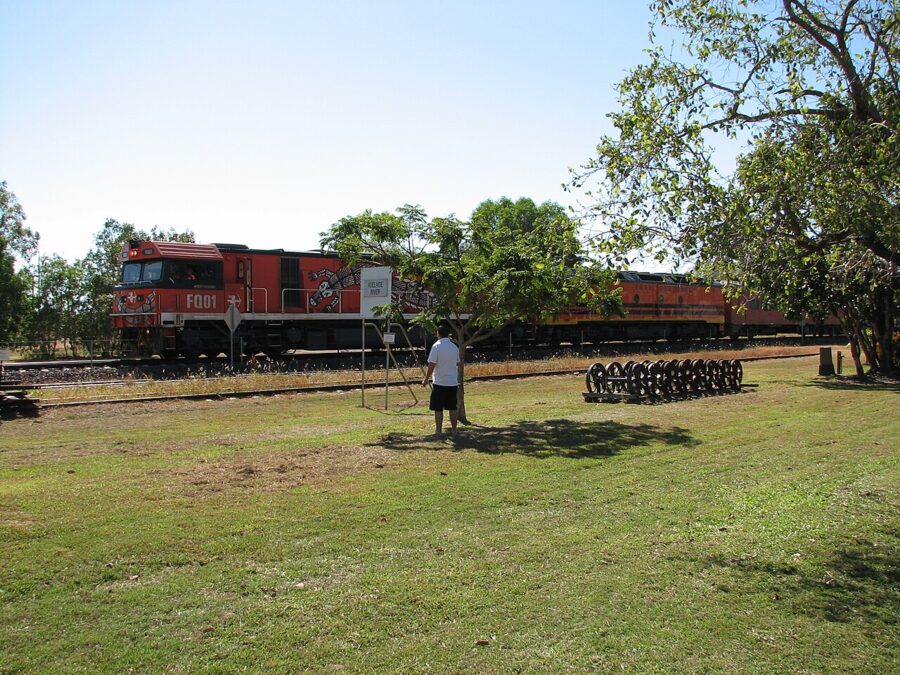
So decide on the stops first, then the cabin, then the month. Book the Expedition in Gold Twin for April or September if you can, six months ahead for the Advance Purchase fare, and bring a jacket for the dinner at the Telegraph Station.