The Nantahala Gorge train leaves Bryson City heading west, follows Alarka Creek for a while, and then walks out onto a trestle high above an arm of Fontana Lake. For a few moments there is nothing on either side of the car but water, wooded ridges and the drop to the lake. Then the train is across, the hills close in, and the line starts climbing the Nantahala River toward the gorge.
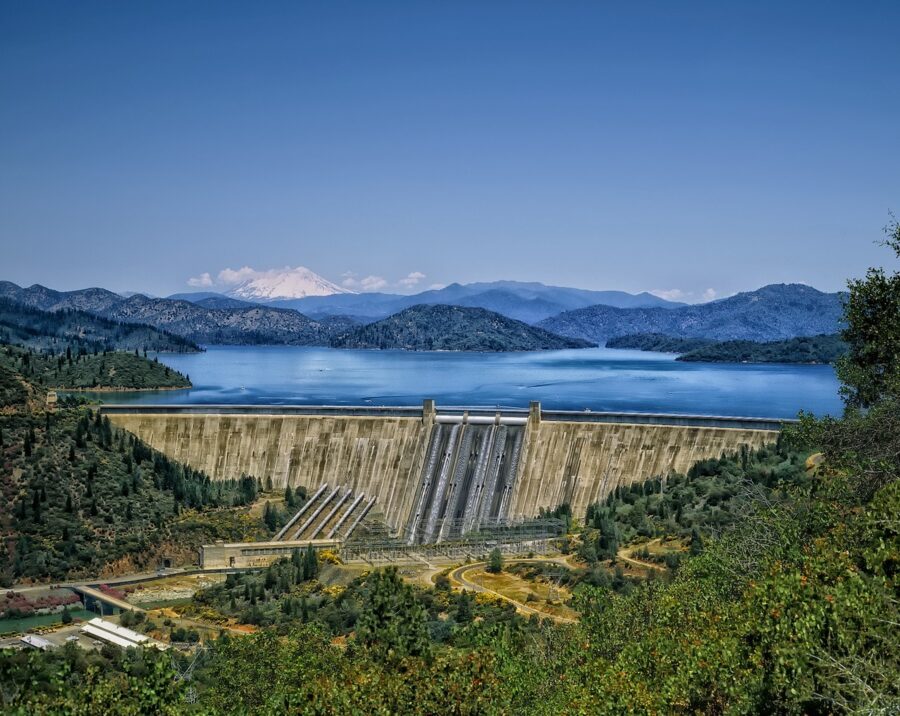
That trestle exists because of a wartime dam. When the Tennessee Valley Authority built Fontana Dam in the early 1940s, the water was going to drown the old Southern Railway line in the valley floor, so the track was moved up the hillsides and carried over the new reservoir. The railroad you ride today, the Great Smoky Mountains Railroad, runs on what survived of that branch line.
The choice in front of you is simple to state and easy to get wrong: two half-day round trips from the same depot in Bryson City, six kinds of seat, steam on some days and diesel on others, and fares that move with the month. Here is how each piece works in 2026, and which ones I would pick.
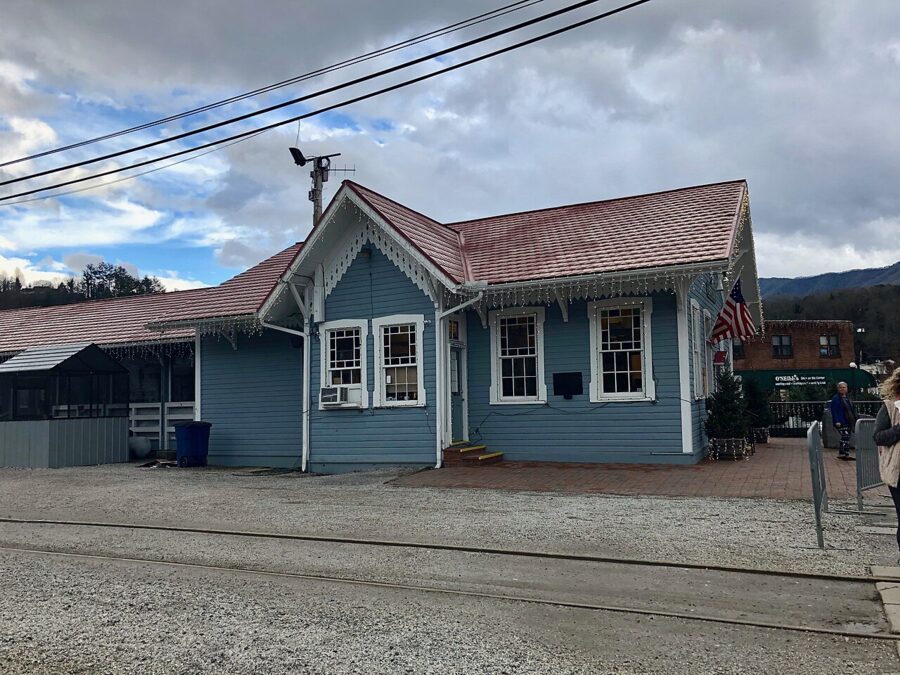
The railroad has 53 miles of track, two tunnels and 25 bridges, and every passenger train starts and ends at the same depot. It is owned by American Heritage Railways, the company that also runs the Durango and Silverton in Colorado, and it carries freight as well as excursions.
Stops in this article9
- 01Two excursions, one depot
- 02Which side to sit on
- 03The classes, and which are worth the money
- 04Steam days behind 1702, and the diesel days
- 05Fares, the preservation fee and booking
- 06Special trains in 2026 and 2027
- 07Bryson City and the national park
- 08Getting there from Asheville and Gatlinburg
- 09The best season
Two excursions, one depot
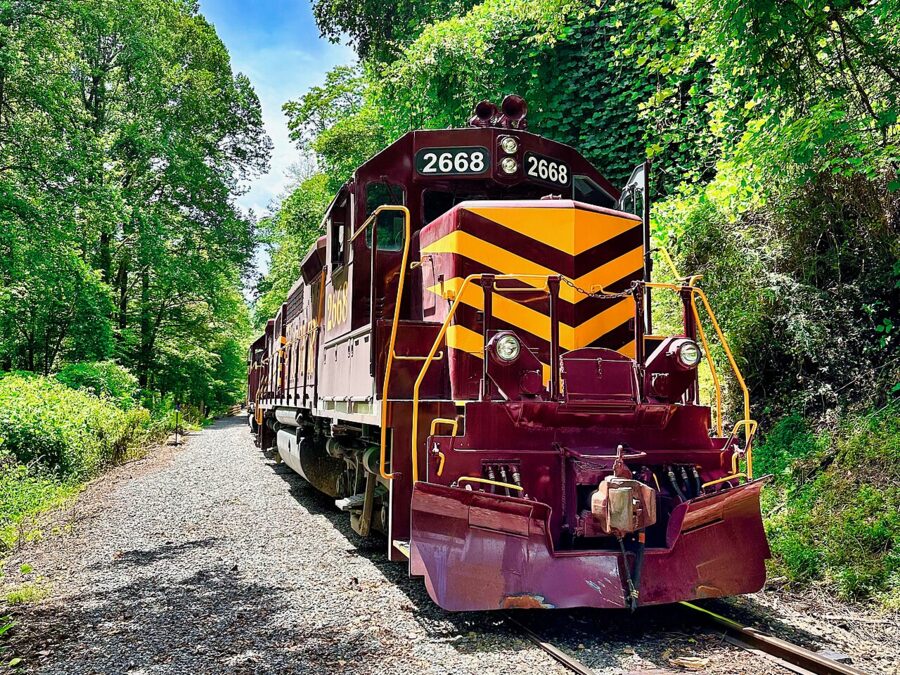
The regular trips are the Nantahala Gorge Excursion, which runs west, and the Tuckasegee River Excursion, which runs east to Dillsboro. They use the same cars and, on most days, the same kind of locomotive, so the real difference is the scenery and what you do at the far end.
| Nantahala Gorge | Tuckasegee River | |
|---|---|---|
| Direction from Bryson City | West | East |
| Round trip | 44 miles | 32 miles |
| Total time | About 4½ hours | About 4 hours |
| Layover | 1 hour at the Nantahala Outdoor Center | 1 hour 20 minutes in Dillsboro |
| Highlights | Fontana Lake trestle, Nantahala River, the gorge | Tuckasegee River, Whittier, Cowee Tunnel, The Fugitive wreck |
| Classes | All six, including Premium Open Air Gondola | Five; no Premium Open Air Gondola |
| Adult coach fare, diesel (as of 2026) | $63.72 | $63.13 |
The Nantahala Gorge Excursion
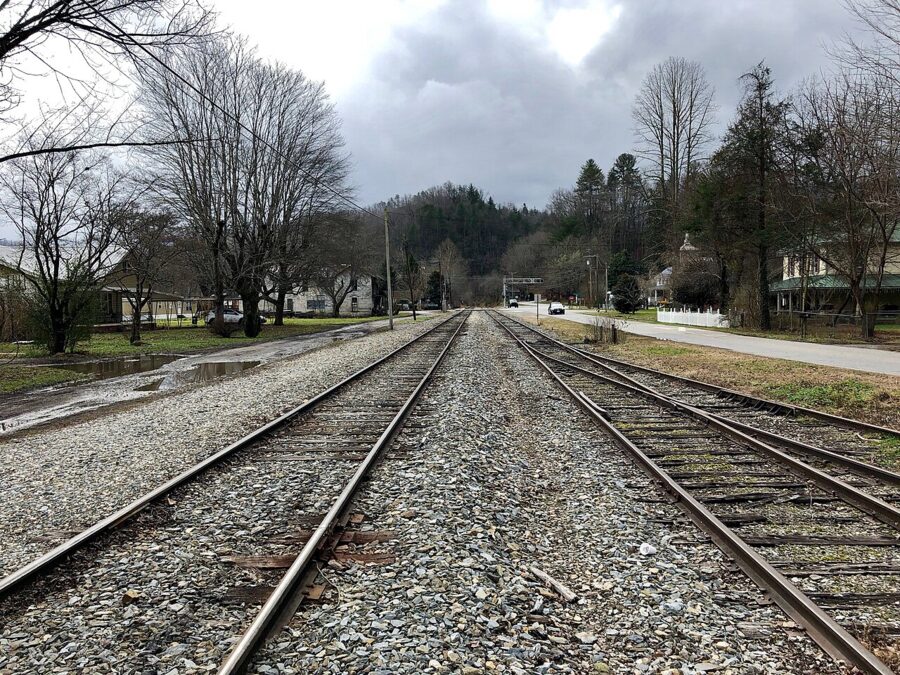
Out of Bryson City the train follows Alarka Creek, crosses Fontana Lake on the trestle, and then climbs along the Nantahala River into the gorge. The railroad’s own timetable puts the top of the line about an hour and three quarters out. The train then drops back to the Nantahala Gorge Excursion‘s layover at the Nantahala Outdoor Center for an hour beside the river, and arrives back in Bryson City four and a half hours after it left.
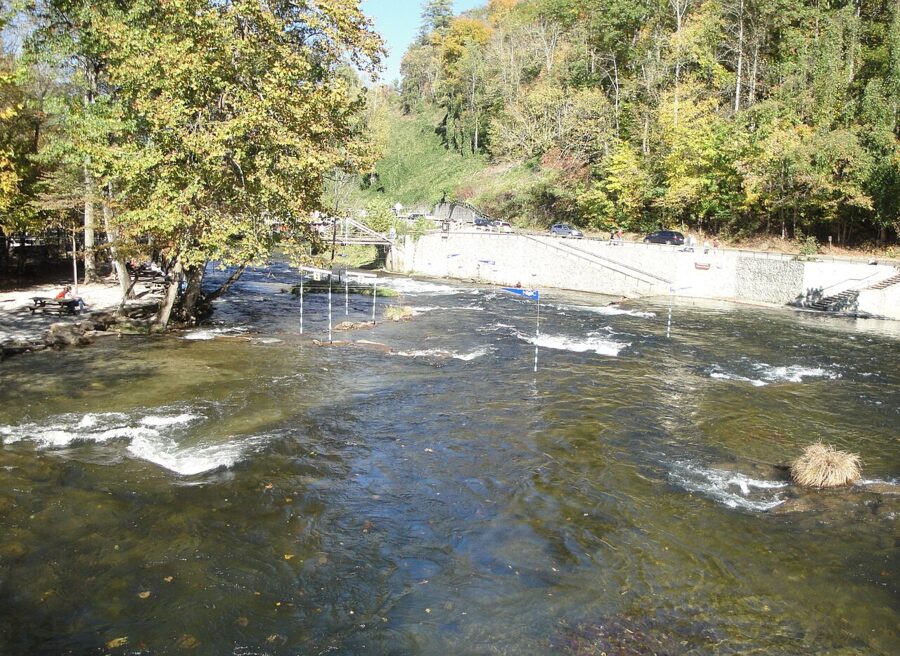
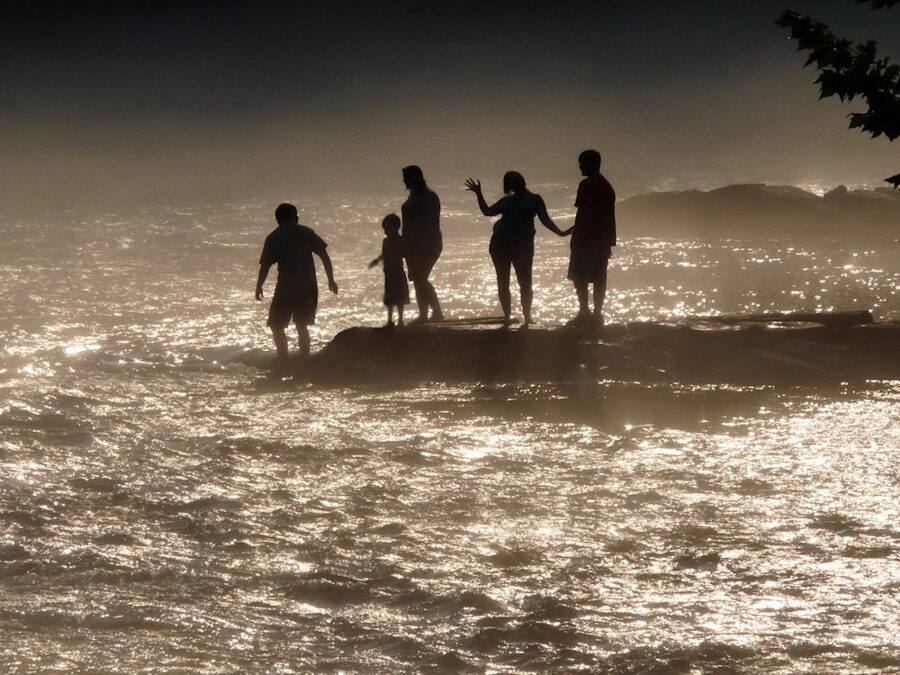
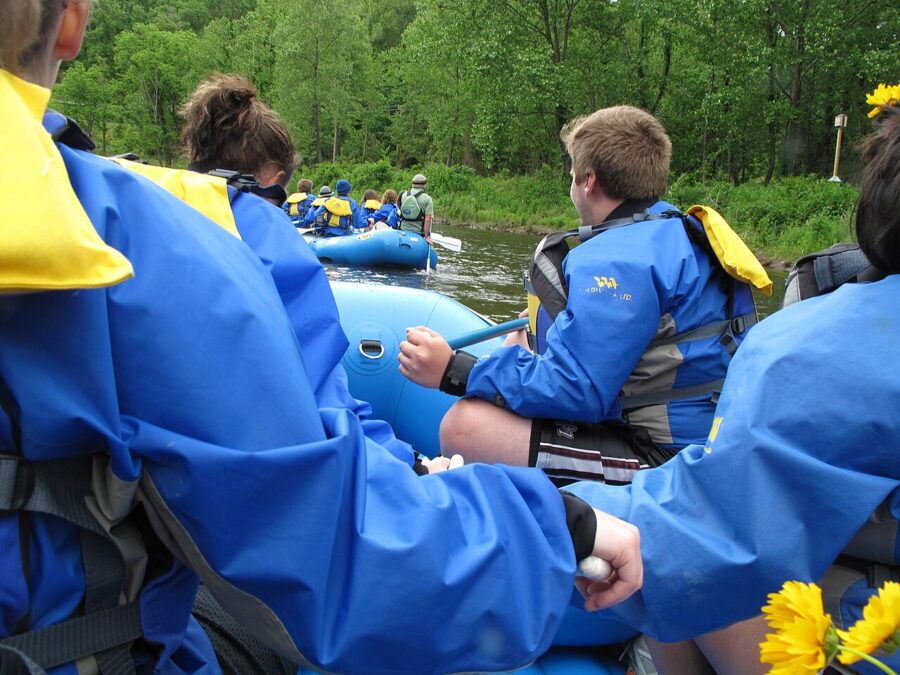
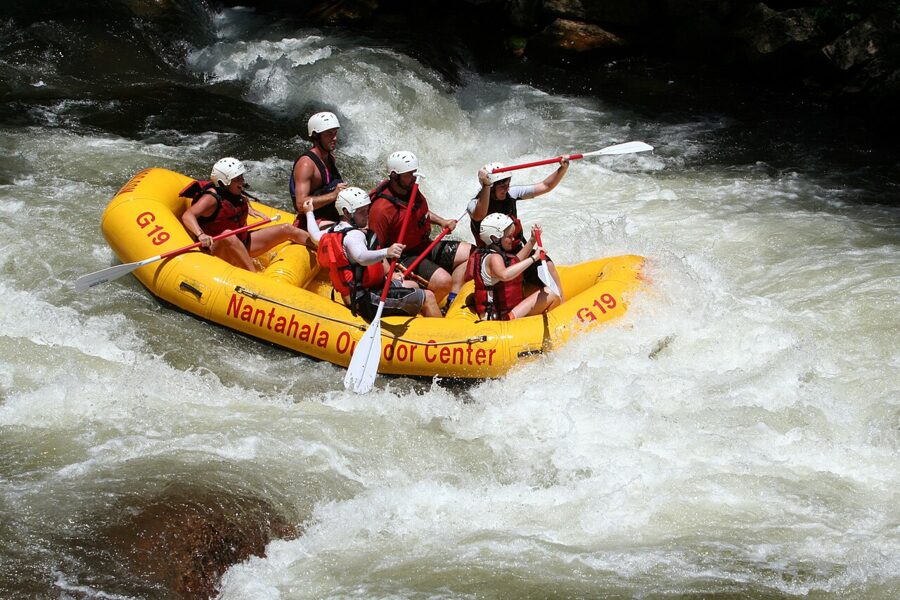
The Nantahala Outdoor Center is a rafting and paddling base where the Appalachian Trail crosses the river, and in summer the water is full of rafts. An hour is enough to walk the river bank, watch the boats come through, and get a coffee or a beer. The outfitter’s riverside places to eat include River’s End, Big Wesser and a coffee-and-donut bus called Slow Joe’s, but an hour does not leave time for a sit-down lunch, so eat on the train.
The Tuckasegee River Excursion
Eastbound, the Tuckasegee River Excursion crosses the river, runs through the small communities of Whittier and Wilmot, and goes through the 836-foot Cowee Tunnel before crossing the river a last time into Dillsboro. It takes about an hour and a half each way, with an hour and twenty minutes in Dillsboro. It is the gentler ride: farm fields, river bottoms and old railroad towns instead of a gorge.
The tunnel has a grim story. The branch was built by convict labor, and during construction a raft carrying shackled prisoners across the Tuckasegee near the tunnel mouth capsized; the railroad’s history counts 19 men drowned. Near Dillsboro the train passes the wreck left behind after the train and bus crash scene in the 1993 film The Fugitive. The derailed locomotive and the prison bus are still lying beside the track on railroad land, and the train rolls past without stopping, so have your camera ready around Dillsboro.
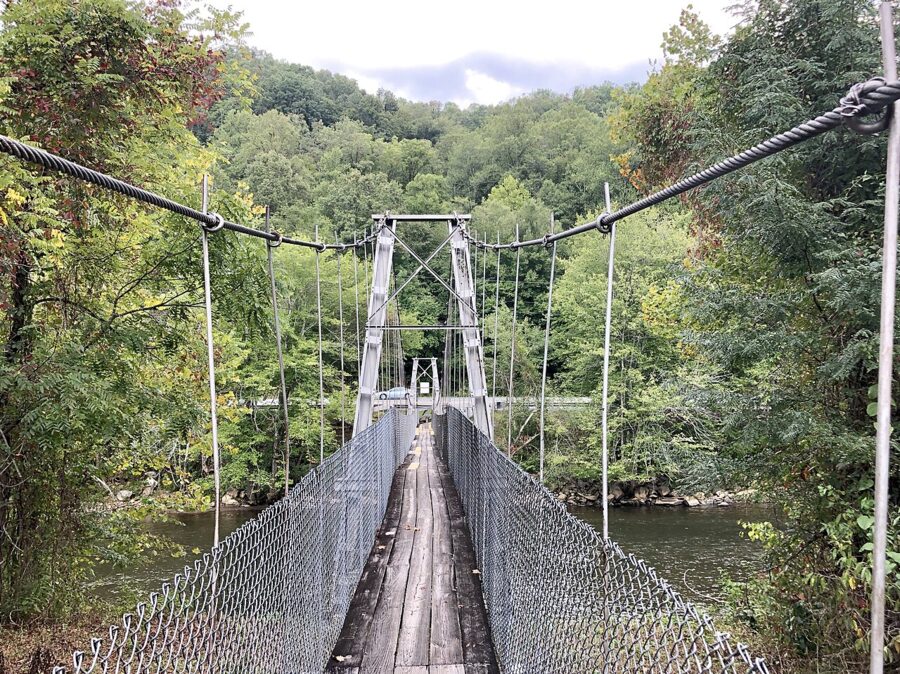
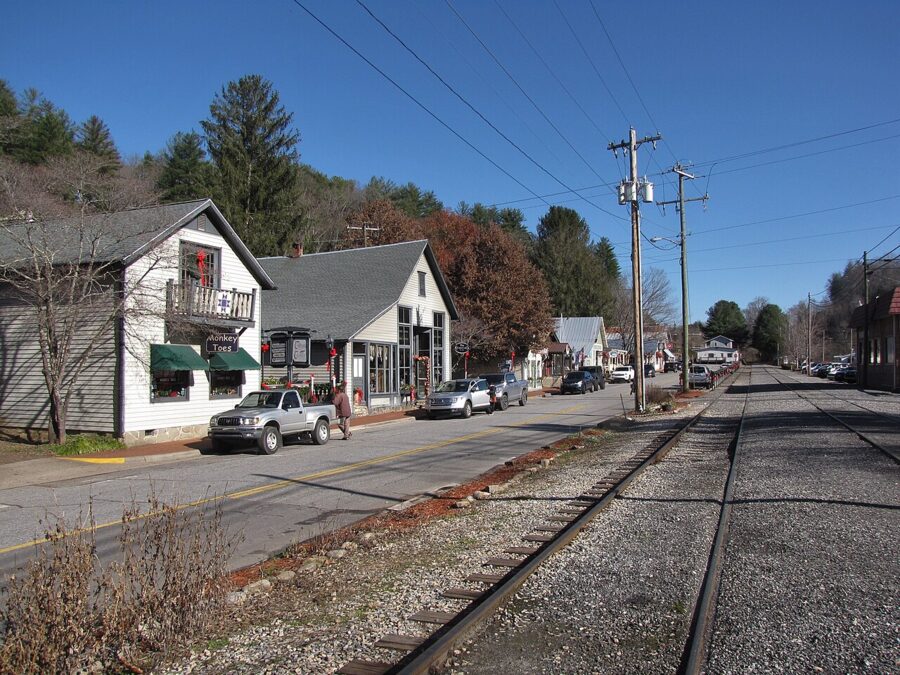
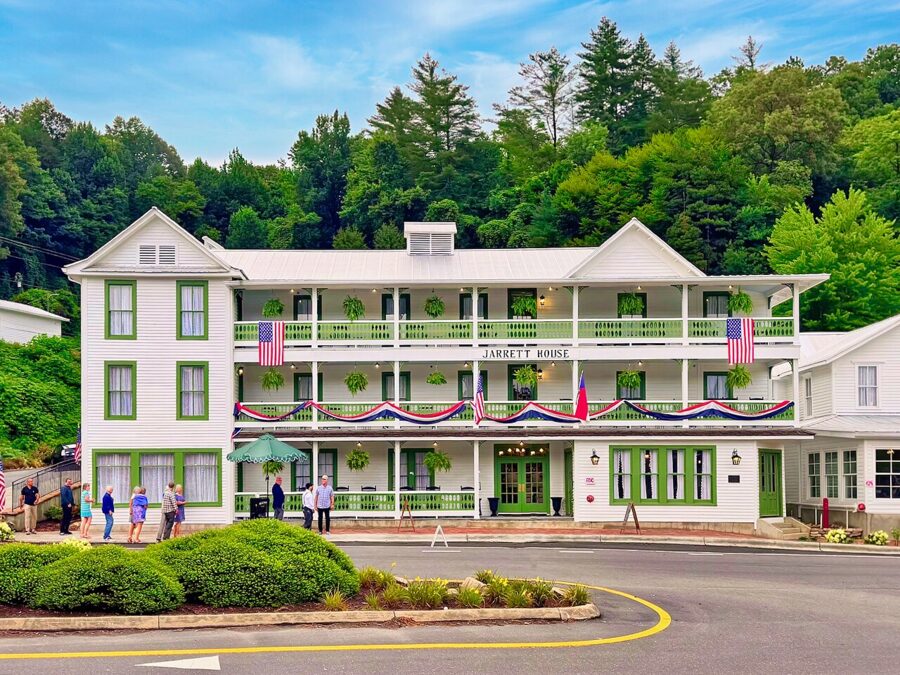
Dillsboro is a small town of craft shops, galleries and places to eat, and an hour and twenty minutes is enough to walk all of it. The railroad’s own Dillsboro map lists a brewery on the river and a long-running crafts cooperative among the stops. The town’s best-known building, the Jarrett House, opened in 1884 as a hotel and reopened in 2026 after a five-year restoration.
Which one to pick
If you are riding once, ride the Nantahala. The trestle, the lake and the gorge are the scenery people come for, and the Nantahala is the trip with steam on most summer and fall days. Pick the Tuckasegee if you have small children who will enjoy a town to walk around more than a river view, if you want the Fugitive wreck, or if you are coming in winter or early spring, when the Tuckasegee runs on far more dates than the Nantahala.
If you have two days, do both, Nantahala first. Each trip takes the best part of a day once you add the hour’s early arrival.
Which side to sit on
On the Nantahala, the river is on the left of the train as it leaves Bryson City for nearly the whole climb through the gorge, and on the right on the way back. Seats are assigned when you book, and the online seat map does not show which side faces the river, so ask reservations which seats are on the left going west. In the open-air gondolas the seats face outward along the sides of the car, so the side you are on matters more there than anywhere else on the train.
On the Tuckasegee, the river is on the right for the first few miles out of Bryson City, then on the left for most of the run past Whittier toward Dillsboro, and on the right again coming into town. The left side going out sees more water. Either way, the trip crosses the river several times, so nobody misses it entirely.
The classes, and which are worth the money
There are six ways to ride, and all seats are assigned. Children are 2 to 12, adults are 13 and up, and the two dining classes are for adults 21 and over only. The railroad’s own comparison runs from an open flatcar to a dining car:
- Open Air Gondola. Converted baggage cars and flatcars with half-height walls, a roof and long padded seats facing outward. Unglassed views; cold in the morning outside summer.
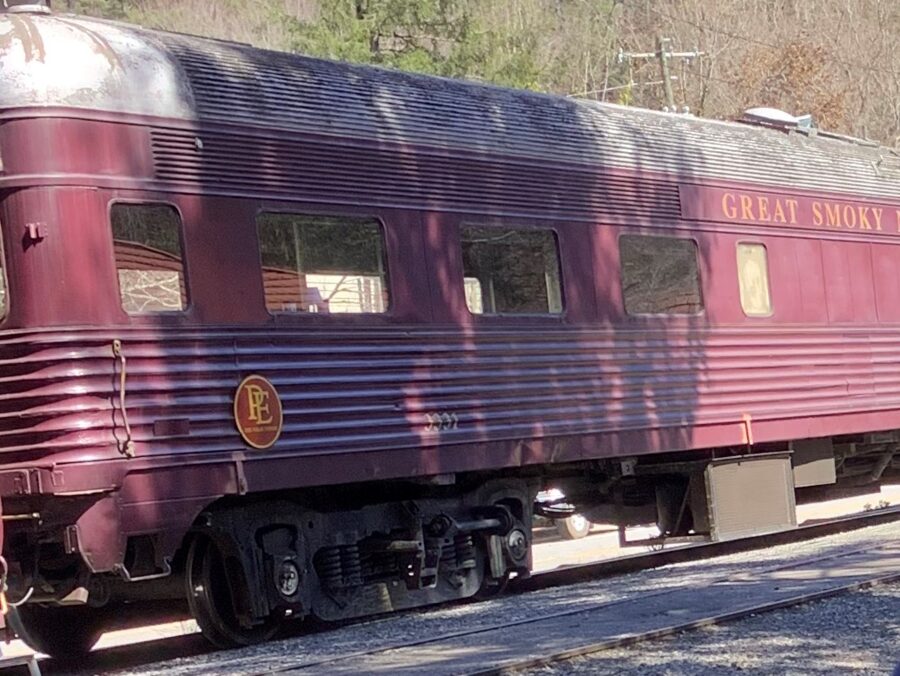
- Coach. Restored enclosed coaches, some dating to 1920, with windows that open, ceiling fans and heat.
- Coach Plus. A wood-trimmed coach with tables and booths for four and sliding windows at every seat.
- Crown Class. Climate-controlled cars with large picture windows; water (and a snack on the Tuckasegee) included, with beer and wine for sale.
- Premium Open Air Gondola. An open car for adults only, with a meal served by the car attendant, limited bar service and a souvenir mug with free refills. Nantahala only.
- First Class. A climate-controlled dining car with picture windows, an assigned table, a meal served by the car attendant and limited bar service. Adults only; on the Tuckasegee it runs only in some seasons.
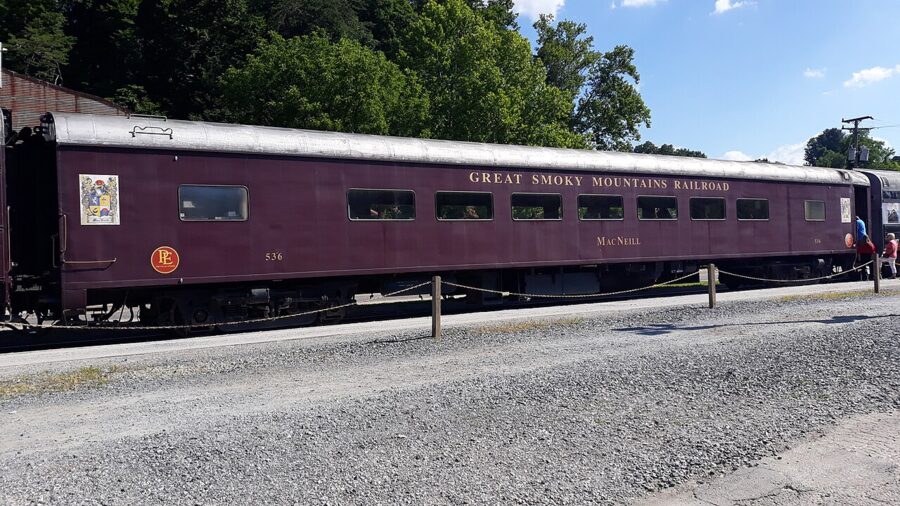
My picks: the standard Open Air Gondola on the Nantahala from late spring to early fall, because the gorge is a view you want without glass, and it costs only a few dollars more than coach. A couple who want lunch served and the same open view should take the Premium Open Air Gondola. On cold days, or with children who need a table, Coach Plus is the best value: tables for four and windows that open for photos.
First class is a meal with a view, not a better view. You see the gorge through glass, and the car is only as good as the side your table is on, so ask for a river-side table. I would skip Crown Class on the Nantahala unless the weather is bad: it costs about $30 more than coach, and what you are paying for is climate control.
Food rules are simple. Coolers and picnic baskets are not allowed on board. You can preorder a boxed lunch when you book (a ham sandwich box was $14 as of 2026) and pick it up at the depot café, or buy hot dogs, snacks, beer and wine in the concession car. In First Class and the Premium Open Air Gondola you may bring one unopened bottle of wine, for a $25 corkage fee.
Steam days behind 1702, and the diesel days
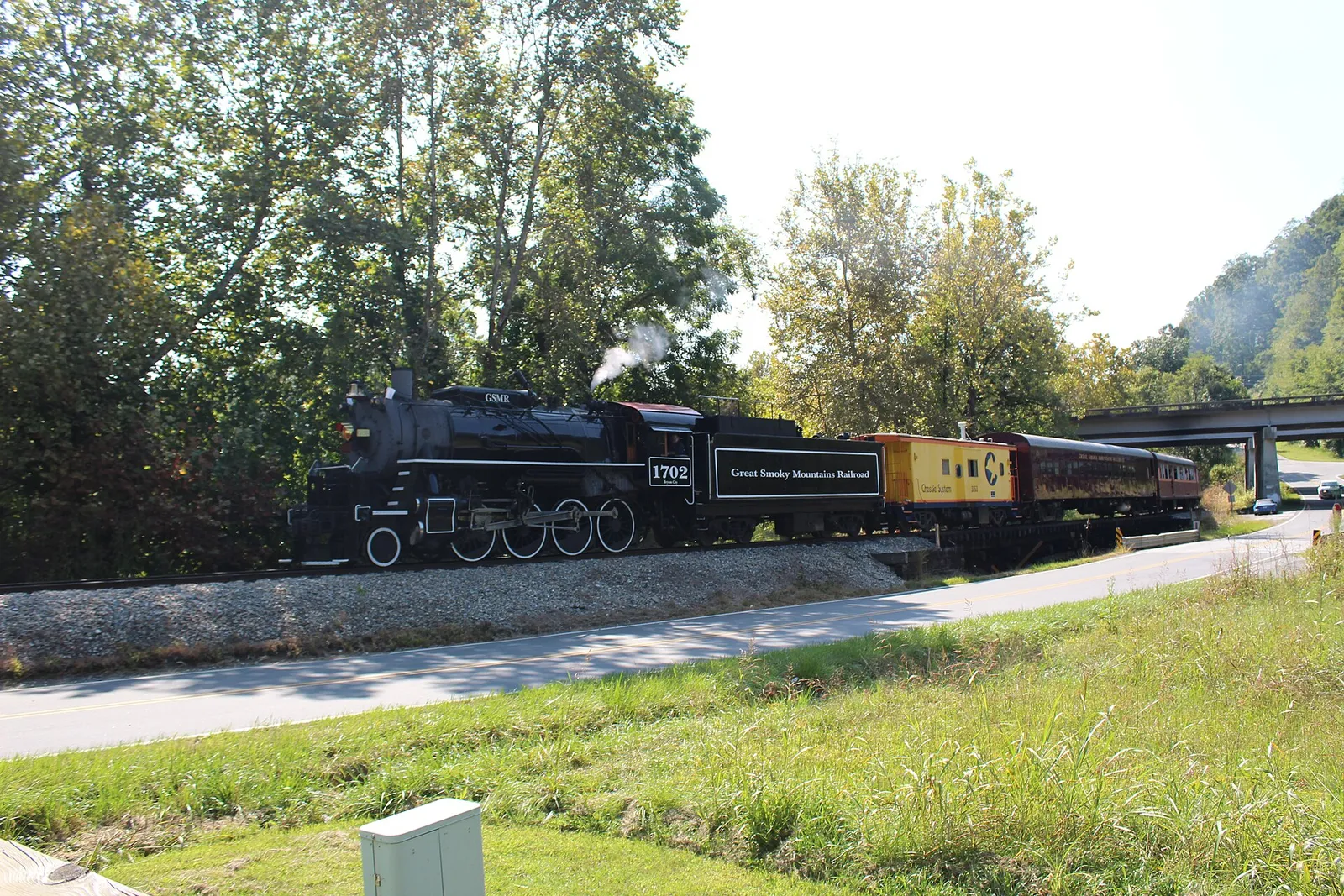
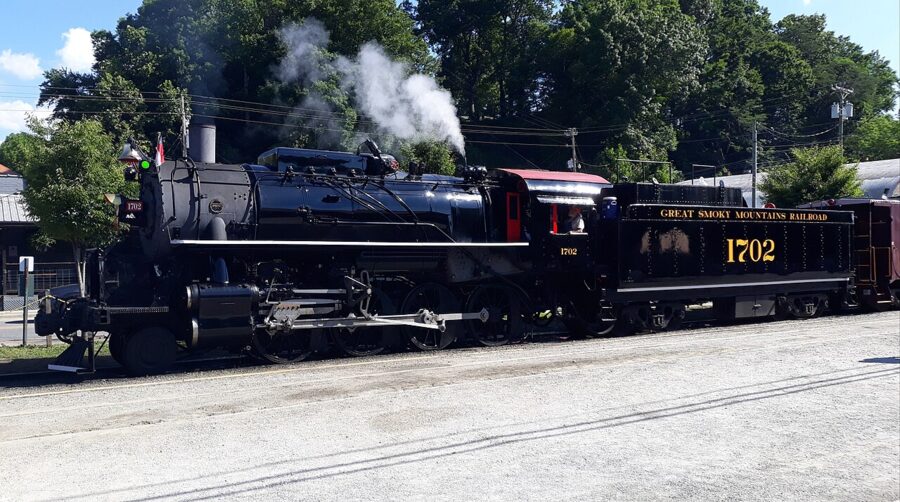
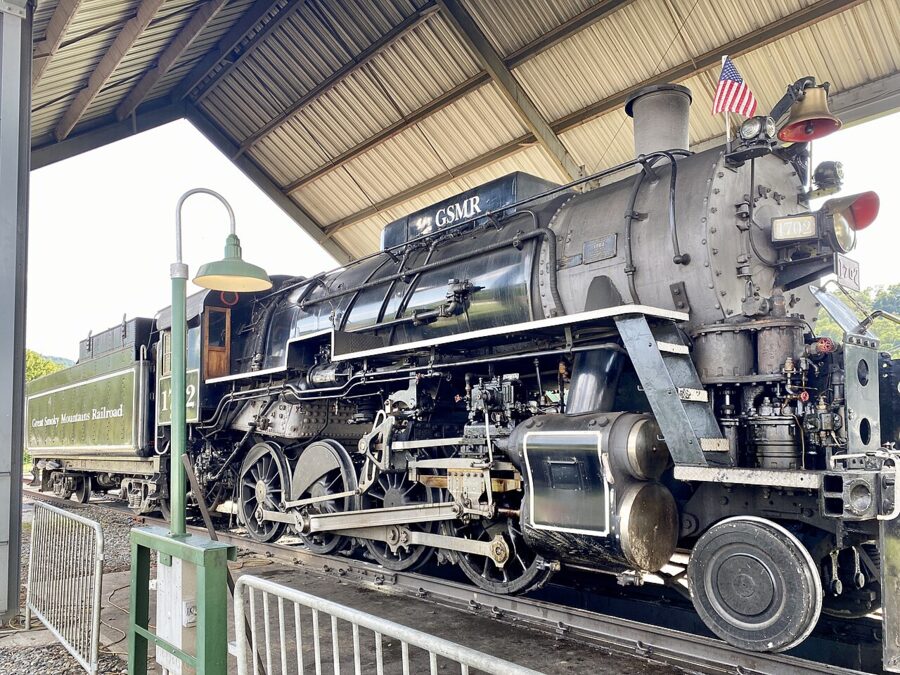
The steam locomotive is No. 1702, a 2-8-0 built by Baldwin in 1942 for the US Army Transportation Corps during the Second World War. The railroad bought it in the 1990s, took it out of service in 2004 with firebox trouble, and put it back on the schedule on July 22, 2016. It once burned coal; it now runs on a mix of heavy diesel fuel and recovered motor oil.
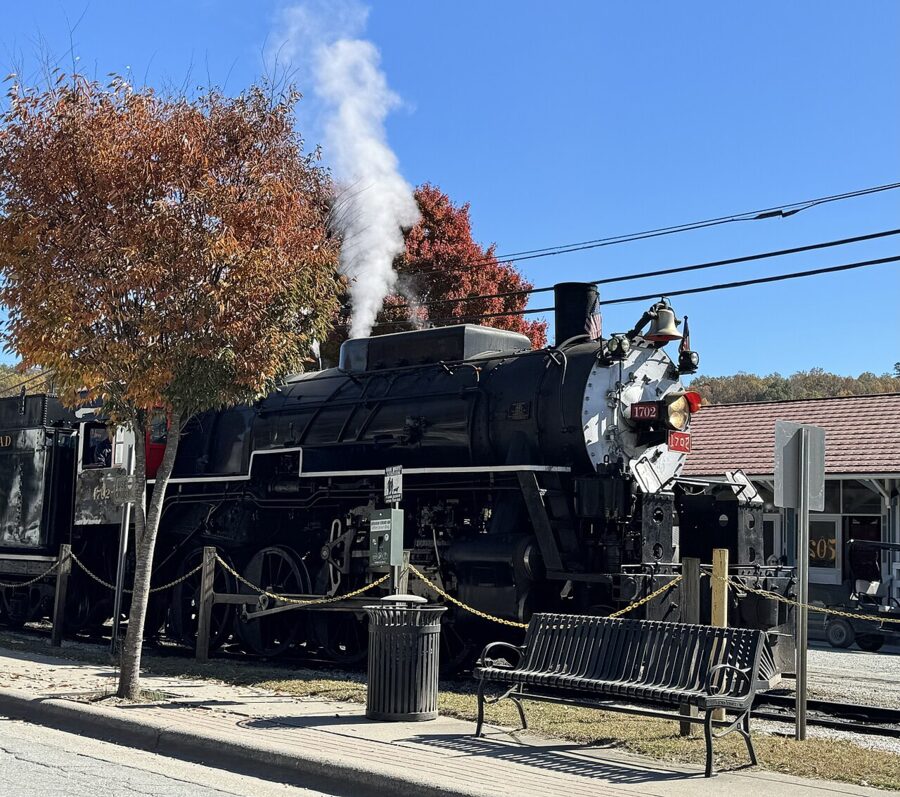
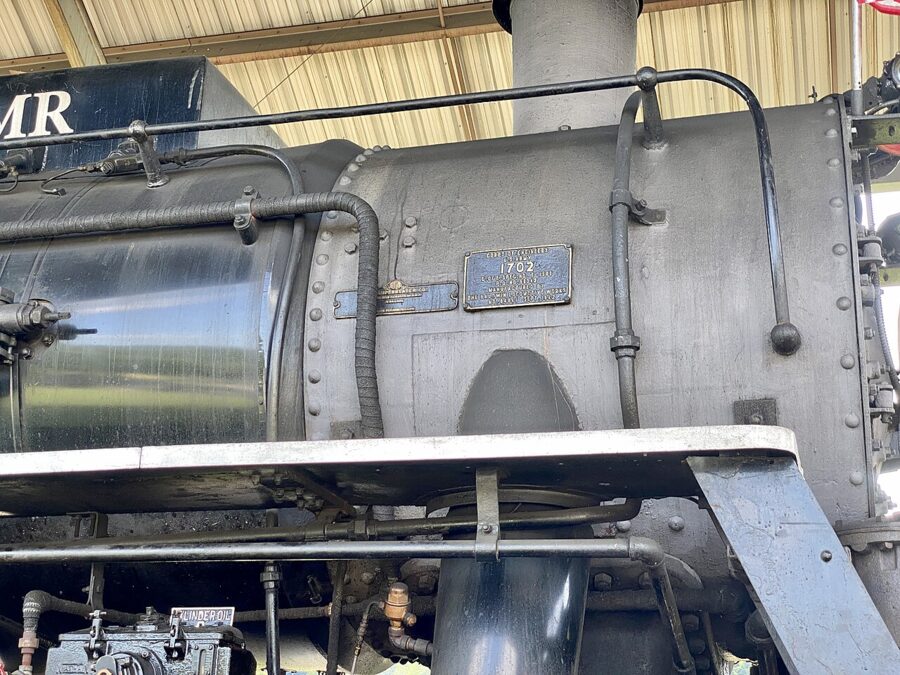
In 2026 the railroad listed steam departures from May 22 through the end of the year, and in practice the Nantahala ran behind steam most days in summer and every day in October. Diesel trains fill the rest of the calendar, behind GP7, GP9, GP30 and GP38 units. The cars, the route and the layover are identical either way; steam adds noise, smoke, a look at the engine before departure and about $11 to an adult coach fare.
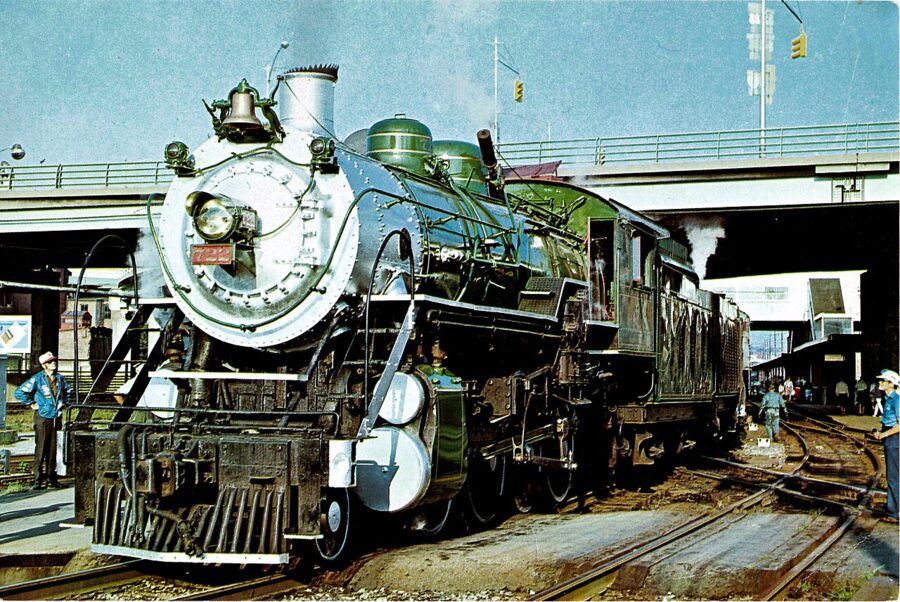
A second steam engine, Southern Railway 722, is in the shop. It is a 1904 Baldwin 2-8-0 that worked this same branch, and the railroad began restoring it in 2023. Its own FAQ still says early 2026, and no return date has been announced since, so do not plan a trip around it.
Fares, the preservation fee and booking
Fares on the railroad’s pages are all-in: they include the 7% Historic Preservation Fee that the railroad adds to every ticket, so the number you see is the number you pay. They change with the locomotive and the month, with October priced above the rest of the year and a higher steam fare on the busiest October dates. Adult fares on the Nantahala, as of 2026:
| Class | Diesel | Diesel, October | Steam | Steam, October | Steam, October peak |
|---|---|---|---|---|---|
| Coach | $63.72 | $71.28 | $74.52 | $82.08 | $86.40 |
| Open Air Gondola | $69.12 | $76.68 | $79.92 | $87.48 | $91.80 |
| Coach Plus | $74.52 | $82.08 | $85.32 | $92.88 | $97.20 |
| Crown | $93.96 | $101.52 | $104.76 | $112.32 | $116.64 |
| Premium Open Air Gondola (21+) | $106.92 | $114.48 | $117.72 | $125.28 | $129.60 |
| First Class (21+) | $123.12 | $130.68 | $133.92 | $141.48 | $145.80 |
Child fares in coach on the Nantahala run from $47.52 on a regular diesel day to $69.12 on a peak steam day, and infants under two ride free except in Crown, which charges $20.52. Adult diesel fares on the Tuckasegee are within a dollar of the Nantahala’s in each class, and child fares are lower. On top of the fare, plan for paid parking in the railroad’s lot across from the depot at 45 Mitchell Street; street parking is limited to two hours, and every trip is longer than that.
You pay in full when you book, online or by phone, and tickets are emailed. You can cancel up to five days before departure for a refund less $14 per adult and $7 per child ticket, or move to another date in the same calendar year for $7 a ticket. Inside five days the ticket is nonrefundable, and the railroad makes no exceptions for weather or road closures. Same-day tickets are sold at the depot, but the railroad warns that a class, or a whole train, can sell out, and October weekends are when it happens.
The railroad’s discount page lists 20% off for active-duty and retired military and disabled veterans in Crown, Coach and the standard Open Air Gondola, for up to four people, excluding October Saturdays. One accessibility note: only one open-air gondola has a wheelchair lift and an accessible restroom, and the layover sites are not wheelchair accessible, so call before you book.
Special trains in 2026 and 2027
The biggest event on the calendar is the Polar Express, run under license, a 1¼-hour round trip from Bryson City to a North Pole stop and back, mostly in the evenings. For 2026 it runs November 6 through January 3, and most weekend departures were already sold out by late November. Bryson City is one of the busier stops among the licensed Polar Express trains, and one of the best-known Christmas trains in the Southeast.
The adult trains are dinner trains in all but name:
- Spirits on the Rail, a bourbon train with three drinks and a four-course meal; next listed for March 13, 2027, from $160.92 (as of 2026).
- Uncorked, a wine train with four pours and a surf and turf meal in the first class cars; March 6, 2027, from $171.72.
- The Valentine Train, evening departures on February 12 and 13, 2027, from $171.72.
- The Carolina Moonshine Experience, an all-adult first class car serving craft moonshine with lunch on the Nantahala; it ran May 15 through October 31 in 2026, from $133.92.
For families there are Day Out with Thomas, licensed like the Polar Express, over two long weekends in late July and early August (from $36 in 2026), the Bunny Hopper Express on March 26 and 27, 2027, and the Freedom Train on the evening of July 4, a 2-hour 15-minute ride timed to get you back for the town’s fireworks, during a three-day festival at the depot called Red, White and Steam.
Two trains you may read about are not on the 2026 calendar. The Peanuts pumpkin train, a fall family favorite in past years, was not offered in 2026, and the page for the Smoky Mountain Beer Run now sells the moonshine car instead. There is also no separate Fontana trestle train: the trestle is part of every Nantahala trip.
The combination packages pair the morning Nantahala train with something in the gorge. Raft and Rail, offered April through October, puts you in the Open Air Gondola to the gorge, then on a guided 8-mile raft trip down the Nantahala with a deli lunch and a ride back to Bryson City, from $150.22 per adult and $131.86 per child as of 2026. Children must be at least 7 years old or weigh 60 pounds. Rail and Trail swaps the raft for a waterfall Jeep tour, the Tarzan Train swaps it for a zip line canopy tour, and KidZip is a zip course for children 4 to 12.
Bryson City and the national park
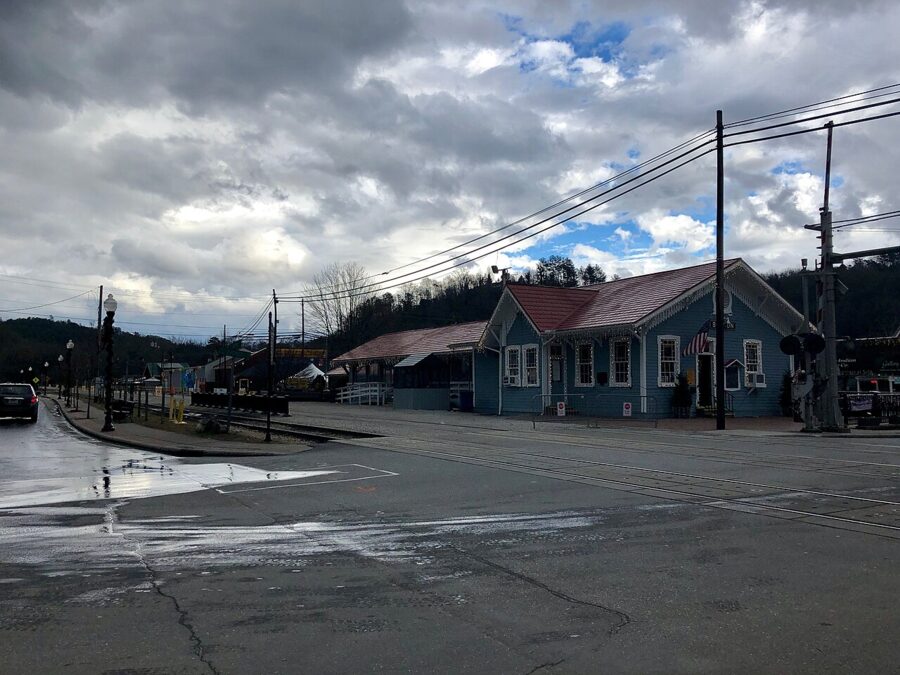
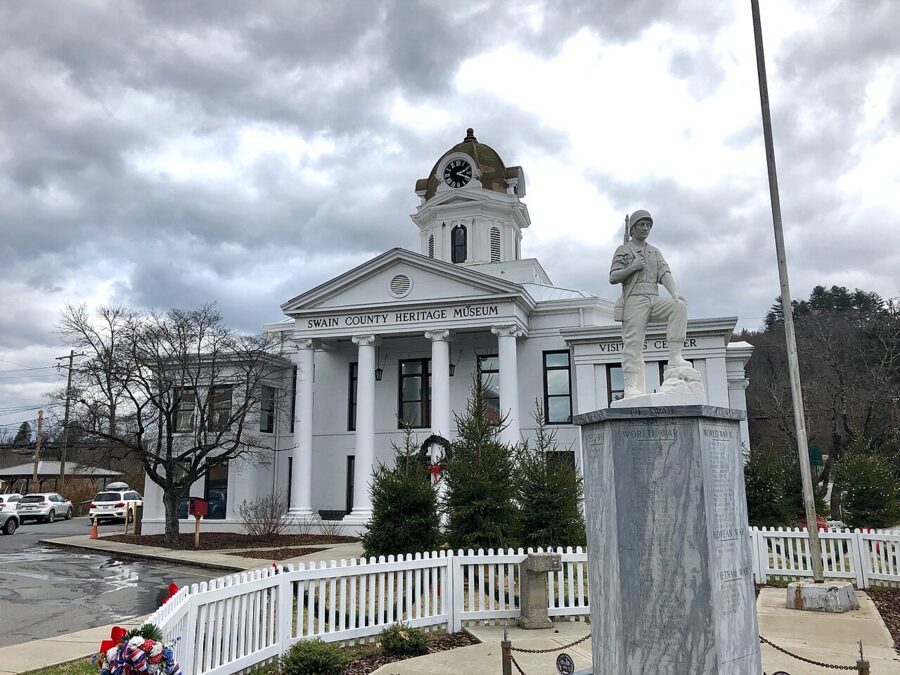
Bryson City is the Swain County seat, a small town on the Tuckasegee with outfitters, breweries and places to eat within a few blocks of the depot. It works well as a base: the Nantahala Gorge is to the west, Fontana Lake to the southwest, and Great Smoky Mountains National Park starts at the edge of town.
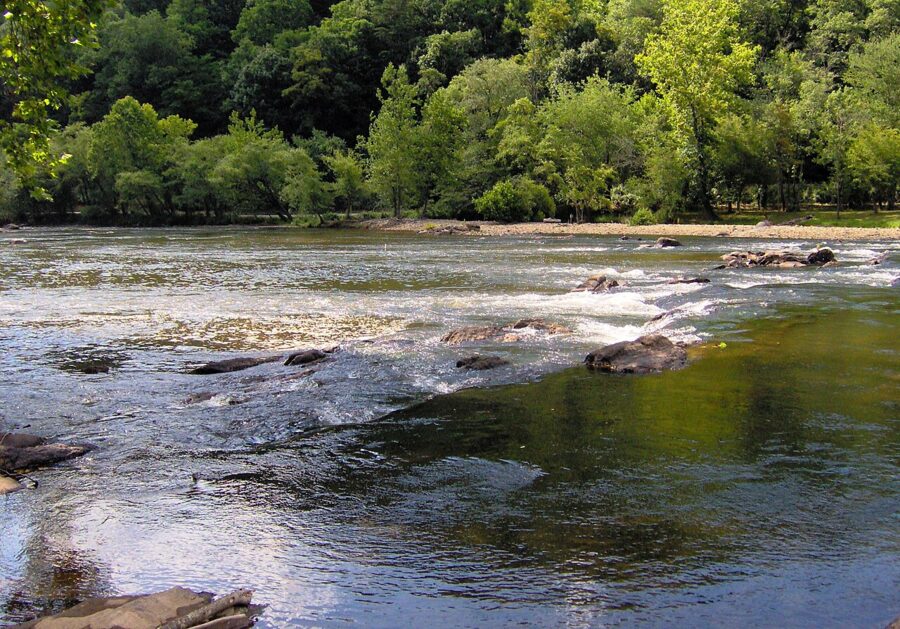
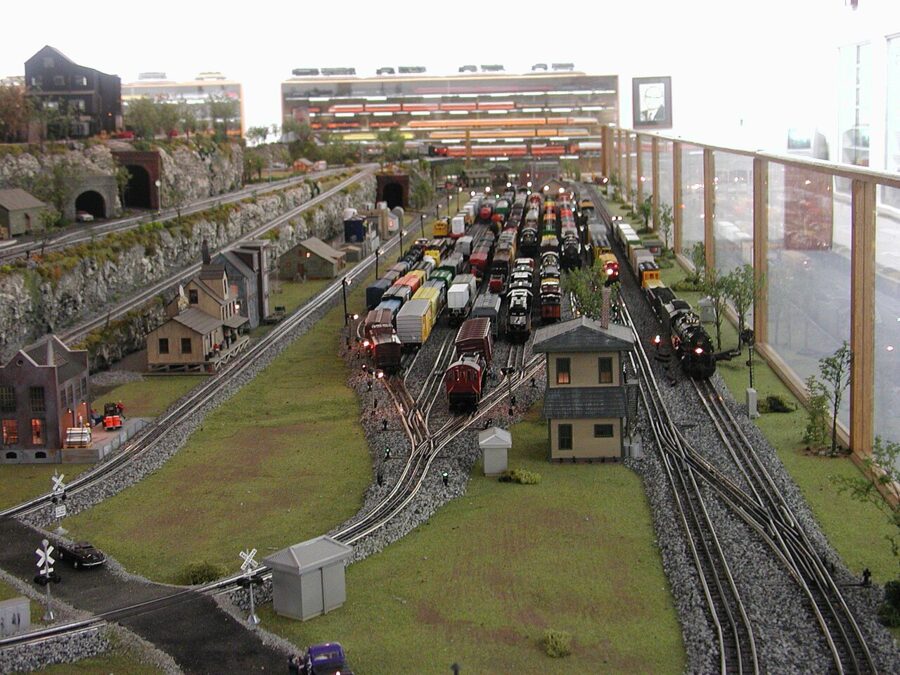
The closest part of the park is Deep Creek, just north of town, with waterfall loops and one of the few park trails open to bicycles. A train in the morning and the Deep Creek waterfalls in the afternoon is a full and easy day. Twenty minutes east is Cherokee and the Oconaluftee Visitor Center, the North Carolina entrance to Newfound Gap Road.
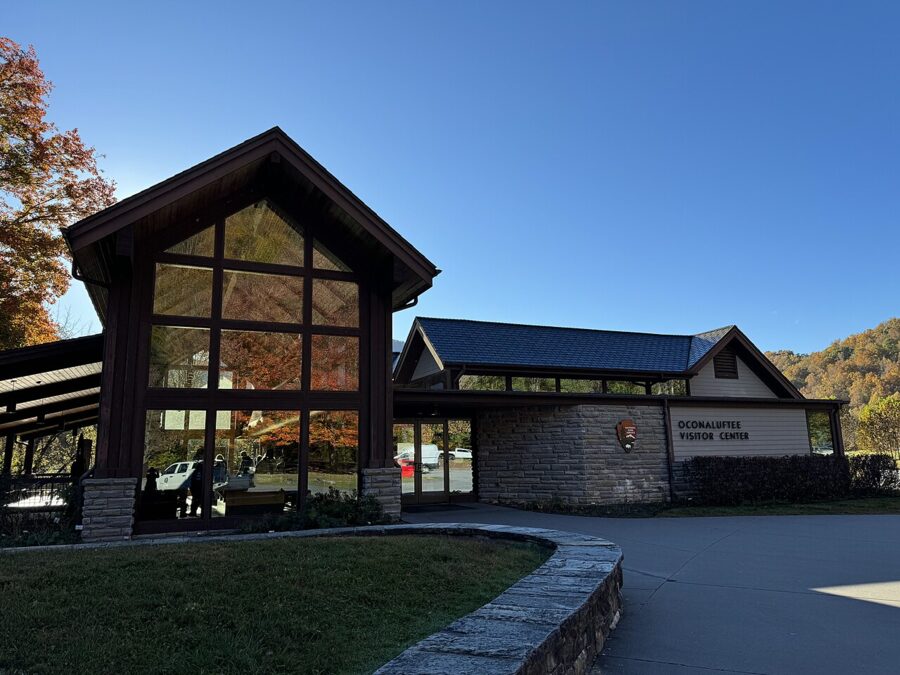
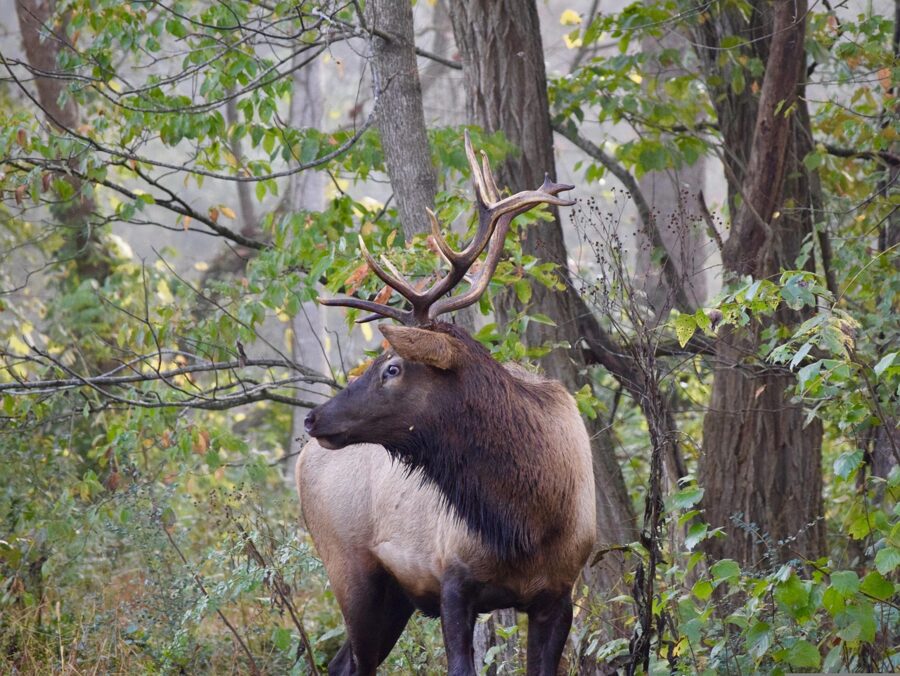
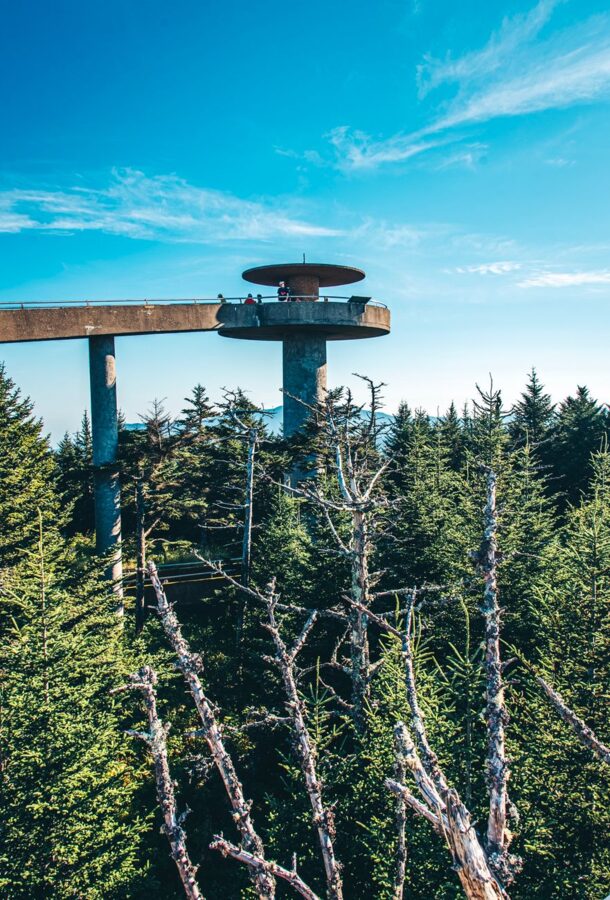
The park has no entrance fee, but you need a parking tag to park anywhere in it for more than 15 minutes: $5 a day, $15 a week or $40 a year, sold online and at visitor centers. National park passes are not accepted in place of the tag. Kuwohi Road, the spur to the park’s highest summit, formerly called Clingmans Dome, was open April 1 through November 29 in 2026.
Getting there from Asheville and Gatlinburg
No passenger train reaches Bryson City, so you drive. From Asheville it is about an hour and ten minutes: take I-40 west to exit 27, then US 74 west for about 40 miles to Bryson City exit 67, and follow signs into town to the railroad’s lot at 45 Mitchell Street. Charlotte is about three and a half hours, and Atlanta a little over three. The nearest Amtrak station is Greenville, South Carolina, on the Crescent, about two hours and twenty minutes away by road.
From Gatlinburg the direct route is US 441, Newfound Gap Road, across the park to Cherokee, then US 74 west to Bryson City. The railroad times it at about an hour and forty minutes, but its own advice is to allow two to two and a half hours, and more in July, October and on holiday weekends. The road is open year-round, weather permitting, but it closes for snow, ice and high wind, and the railroad does not refund tickets for road closures.
US 441 also had a long summer closure in 2025: a washout on the Tennessee side on August 1 closed the road until the park reopened Newfound Gap Road on September 12, 2025. Before a winter or early-morning departure, check the park’s current closures page. The other way around from Tennessee is I-40 through the Pigeon River Gorge, which Hurricane Helene tore up in 2024; the railroad’s travel page still describes it as partially reopened with two lanes at the state line.
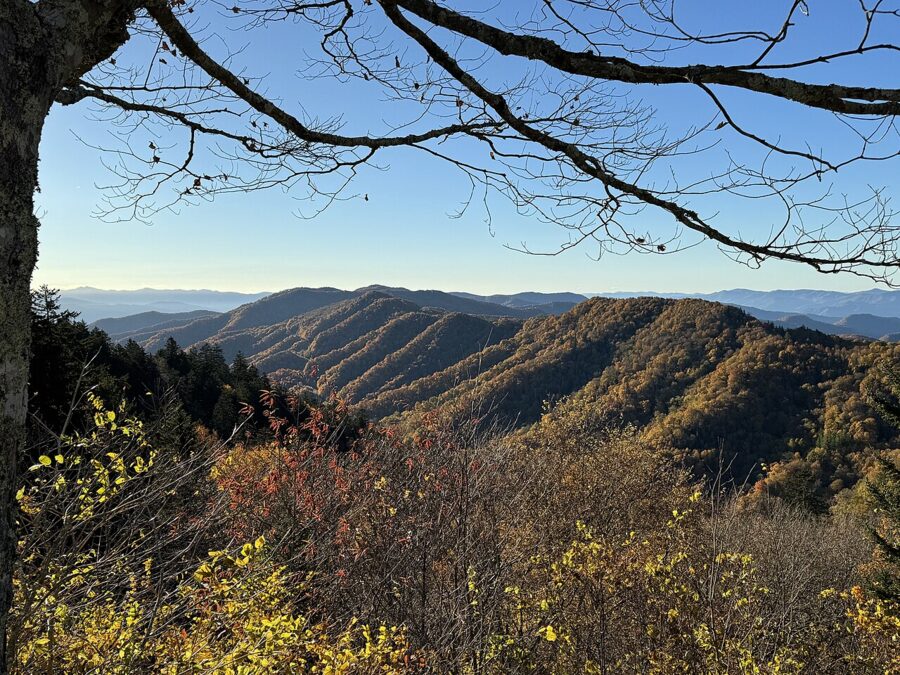
Helene itself largely spared Bryson City: the railroad says the line and Swain County came through the September 2024 flooding without significant damage, and the 2025 and 2026 seasons ran normally.
The best season
Fall color is the reason October is the railroad’s most expensive month. The park says the best color below 4,000 feet usually comes between mid-October and early November, after the high ridges turn in early to mid-October. The railroad follows river valleys far below that line, so the color along the track comes late in that window rather than early.
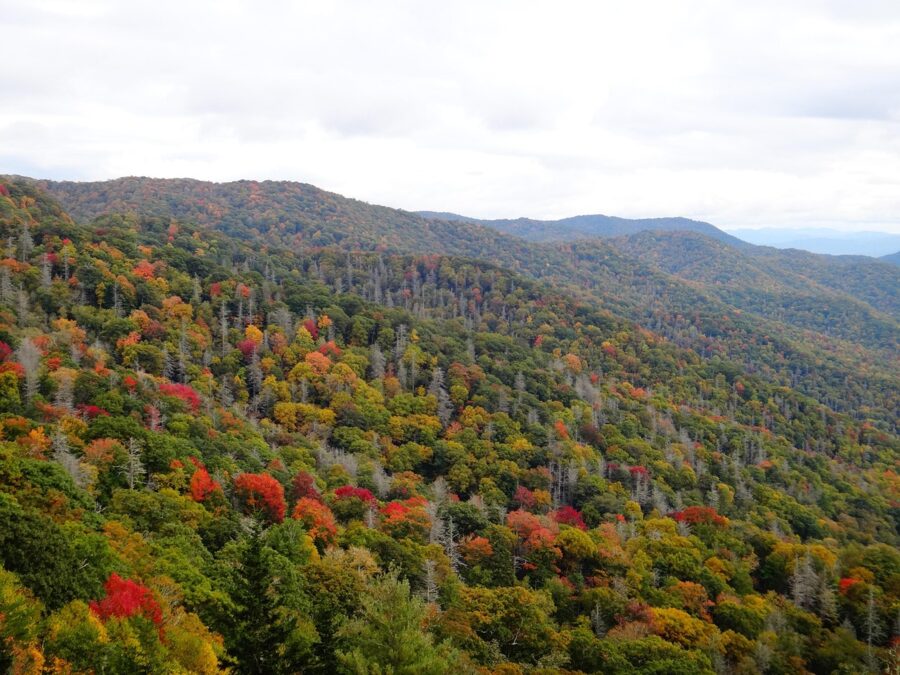
In October 2026 the Nantahala ran twice a day, at 9 a.m. and 2 p.m., behind steam, and the Tuckasegee ran up to three times a day.
October also brings the crowds: it is the busiest month in the national park, travel times on park roads can stretch by hours, and the best seats on October weekends go first. I would book a weekday Nantahala in the second half of October, in the open-air gondola on the 2 p.m. train, after the morning chill has gone.
Summer is the easy season: in June and July 2026 the Nantahala ran daily at 10:30 a.m., mostly behind steam, the river is busy with rafts, and Raft and Rail is on offer. Spring has dogwood, redbud and mountain laurel along the line and lighter crowds. Winter is quiet, mostly diesel and mostly the Tuckasegee; the 2027 schedule so far lists Nantahala trains on only a handful of January and February weekends, at noon, and Tuckasegee trains through March.
Among the US tourist train rides with the same shape, the Grand Canyon Railway is the western cousin, another heritage line with a long layover at the far end.
Book directly with the Great Smoky Mountains Railroad from its train schedule, and early for October. Choose the Nantahala, the open-air gondola and a seat on the left going west, and watch for the moment the car rolls out over Fontana Lake.