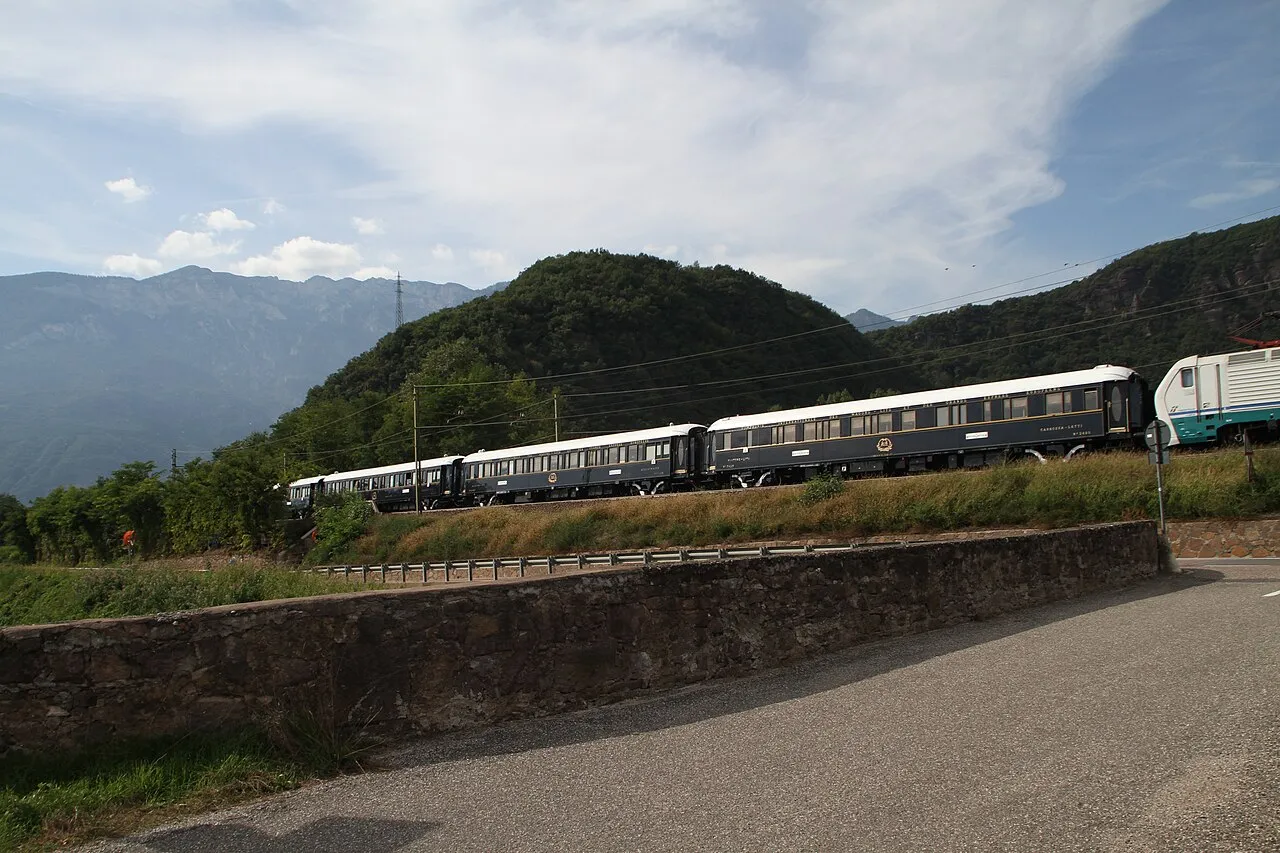
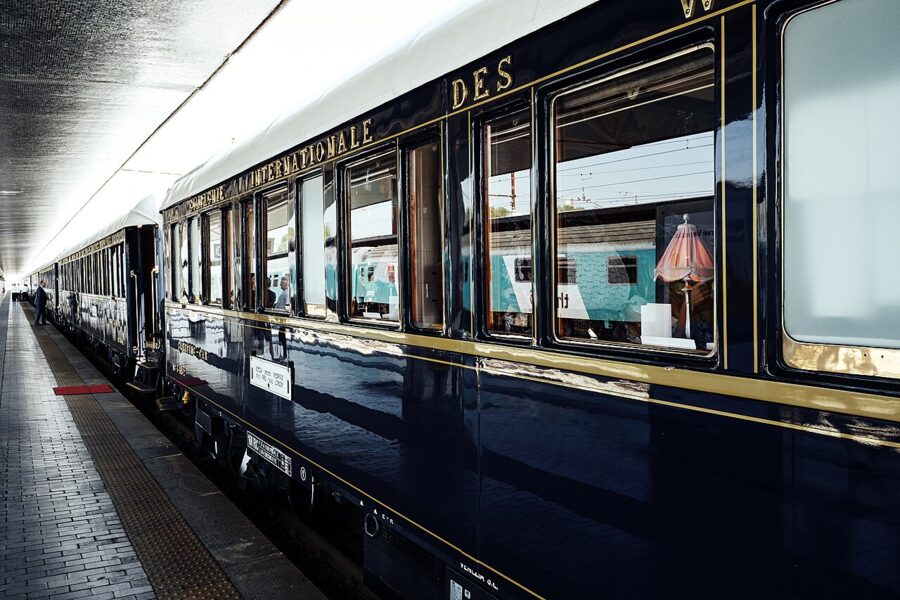
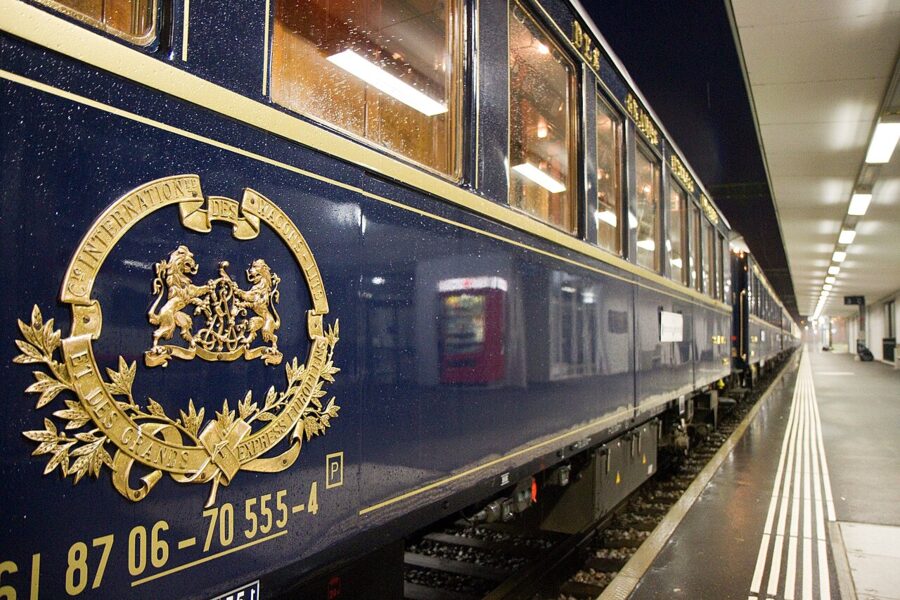
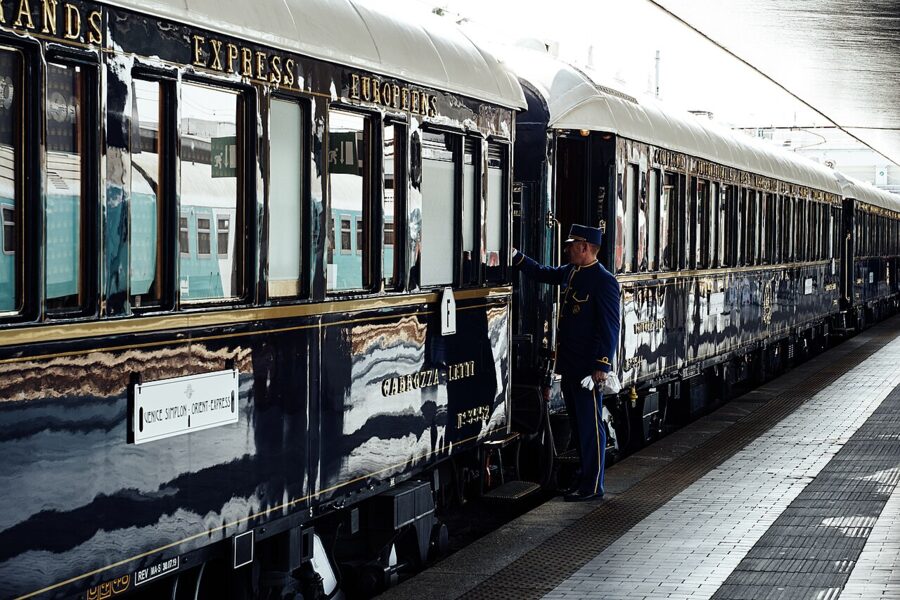
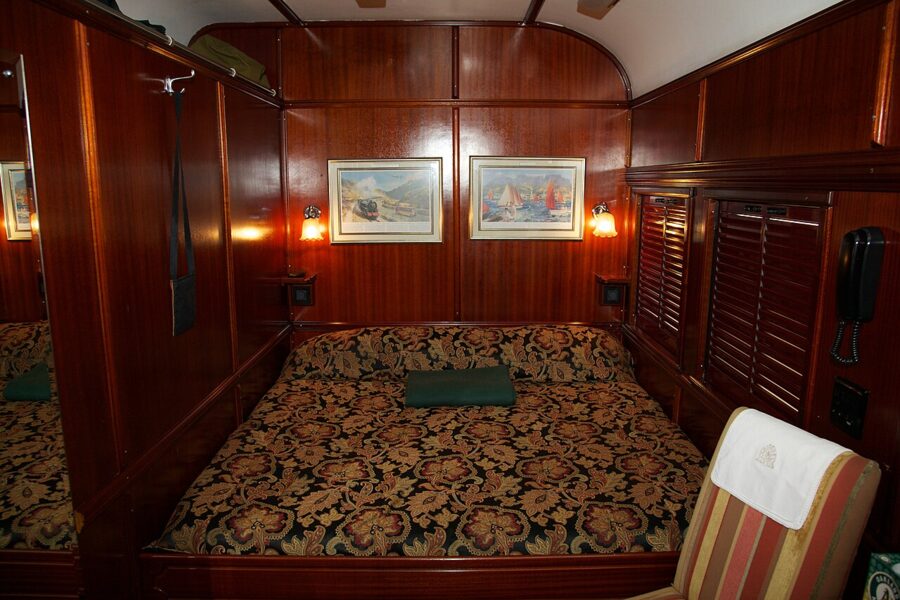
In a Historic Cabin on the Venice Simplon-Orient-Express, the washbasin hides inside a polished wooden cabinet, the banquette becomes two bunks while you are at dinner, and the toilets are at the end of the corridor. That cabin, in a sleeping car built in the 1920s, is the cheapest way aboard. For 2027 it costs from €4,510 per person (about US$4,900) for one night from Paris to Venice, as of 2026.
You are paying for the carriage, not for hotel comfort. The cars are the real thing, restored, with brass, marquetry and three restaurant cars, and the dinner is served as if nobody had invented the airplane. If you want your own bathroom, you book a suite, and the cheapest suites left on 2026 trains start at £10,625 per person (about US$13,900).
There is a second complication: there are now two trains selling the name. Belmond runs the Venice Simplon-Orient-Express, the train most people mean. Accor runs a brand called simply Orient Express, which put La Dolce Vita Orient Express on Italian rails in 2025 and promises a restored 1920s train out of Paris for 2027. If you want the old cars and the Alps, it is Belmond; if you want an en-suite shower in every cabin and a slow loop through Italy, it is La Dolce Vita; and if you want Istanbul, both now go there, at about €20,000 a head.
Stops in this article7
Why there are two Orient Expresses
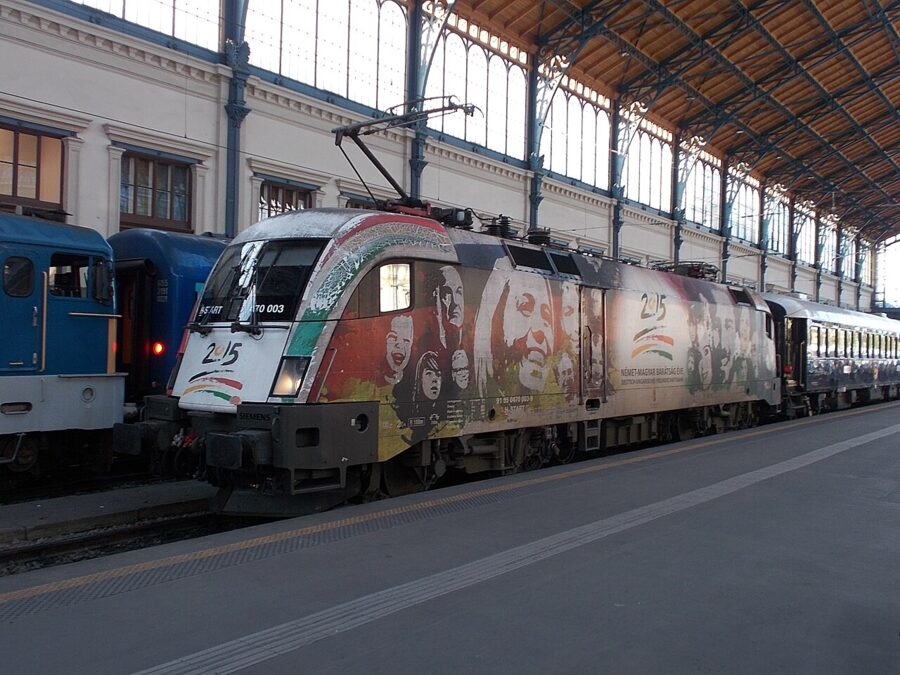
The name and the train went separate ways decades ago. The Venice Simplon-Orient-Express was put together from old Wagons-Lits and Pullman cars bought at auction, and it has run since 1982; Belmond, its operator, has been owned by the luxury group LVMH since 2019. The Orient Express name itself belonged to the French railway SNCF, and the hotel group Accor bought into it in 2017 to build a new luxury brand around trains, hotels and ships.
That brand’s first train is La Dolce Vita Orient Express in Italy. Its second, the one that will carry the original train’s name alone, is a set of 17 restored cars from the 1920s and 1930s that Accor says will run in 2027. The family tree got tangled again in 2024, when LVMH took a half share in Accor’s Orient Express, so the owner of Belmond now co-owns its rival.
The original train, briefly
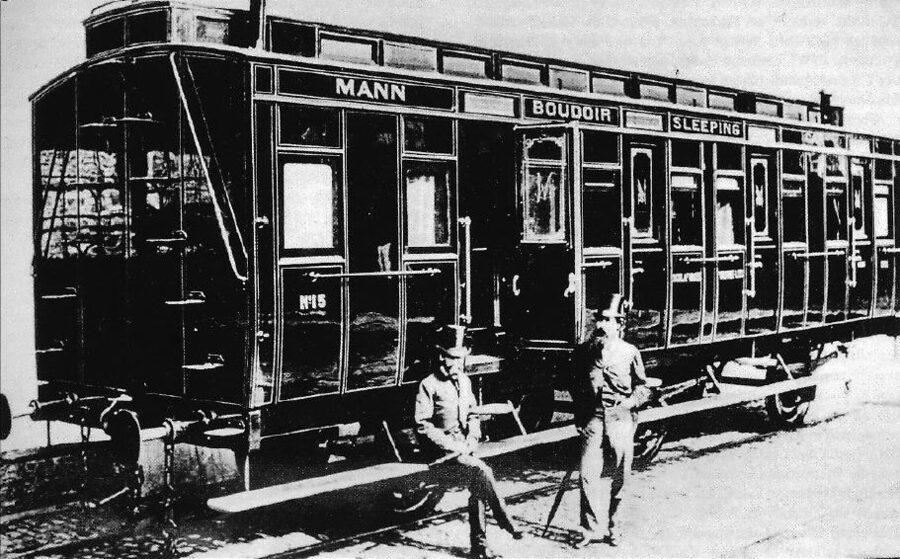
Georges Nagelmackers was a Belgian banker’s son who rode American sleeping cars in the late 1860s and came home convinced Europe needed them, run across borders by one company. His Compagnie Internationale des Wagons-Lits was founded in 1876. On 4 October 1883 its Express d’Orient left Paris for the east, and the Orient Express name stuck within a few years.
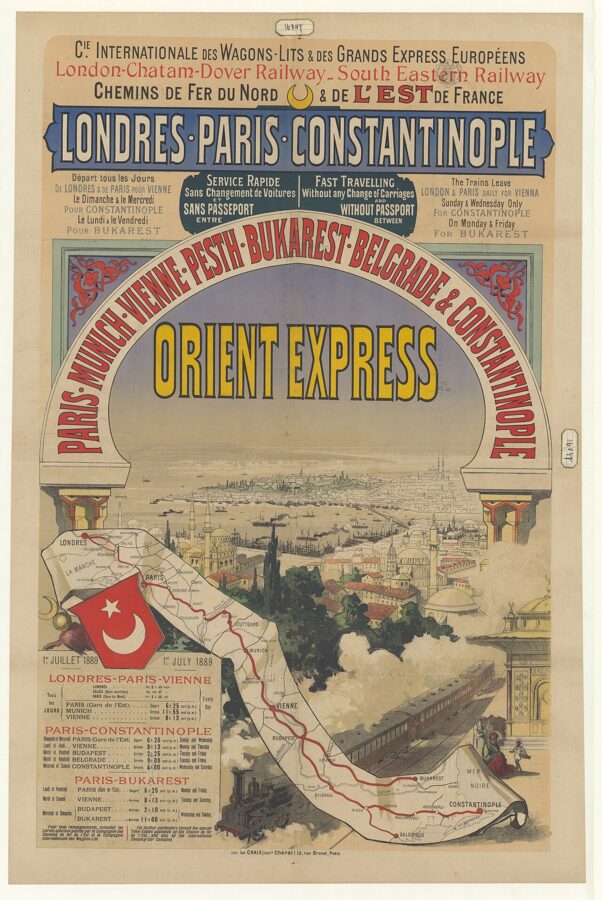
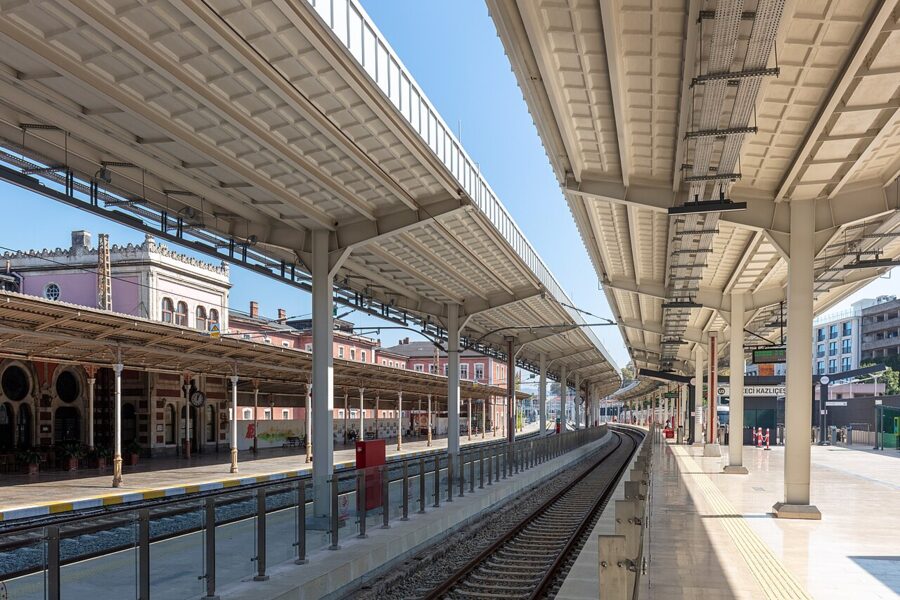
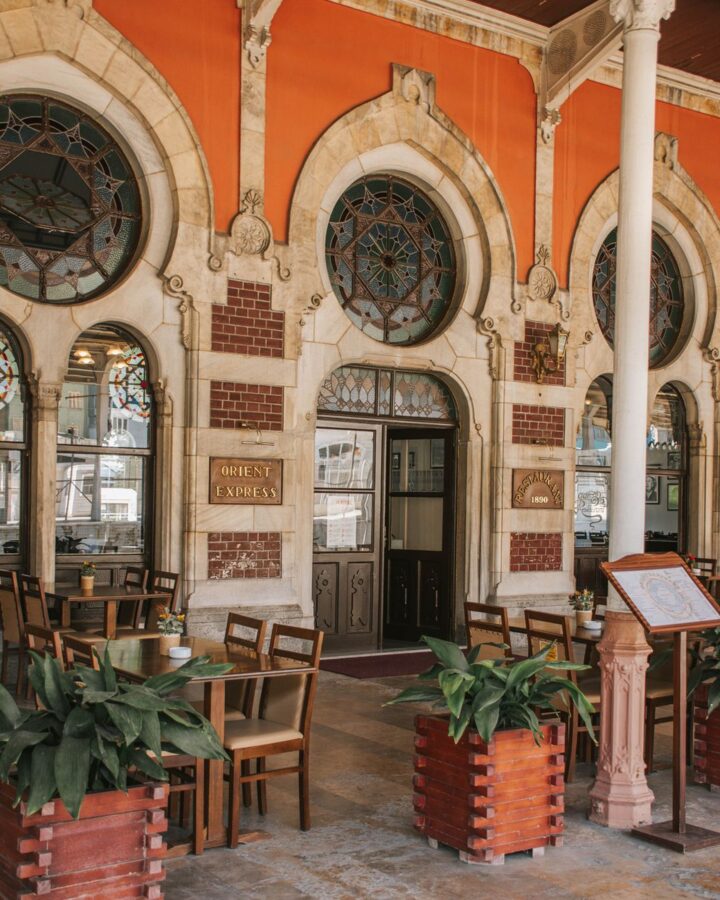
The first trains did not reach Constantinople on rails. Passengers left the train at Giurgiu on the Danube, crossed by ferry to Ruse, took another train to Varna on the Black Sea, and finished by steamer. The through line by way of Belgrade and Sofia opened in 1889, and in 1890 the trains began to arrive at Sirkeci, the new terminus on the Golden Horn.
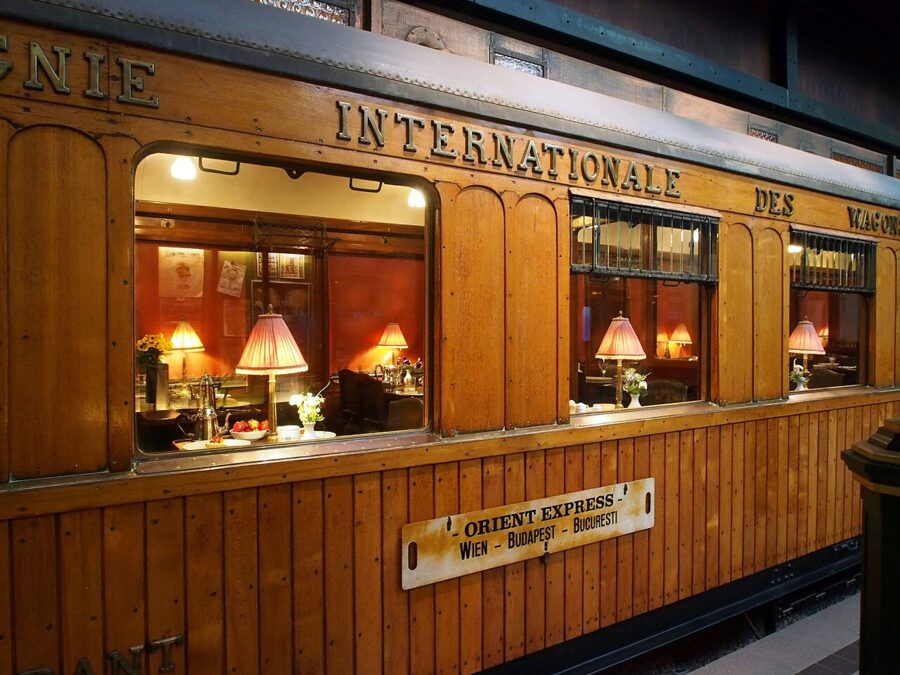
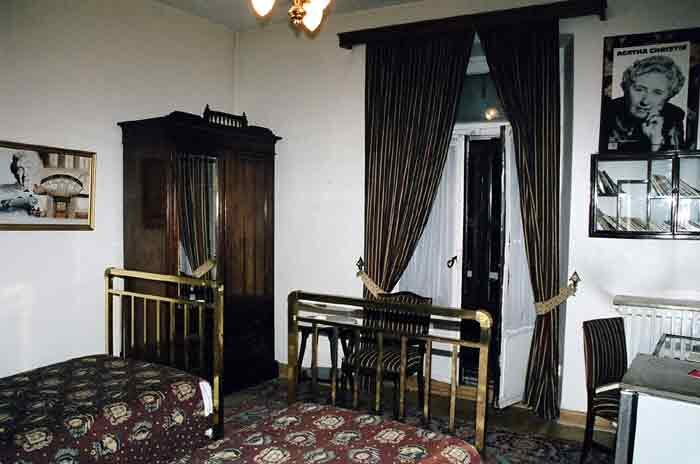
After the First World War the most famous version took a southern route. The Simplon Orient Express, from 1919, ran from Paris through the Simplon Tunnel under the Alps to Milan, Venice, Trieste, Belgrade, Sofia and Istanbul. That is the train Agatha Christie rode and the one she stranded in a snowdrift in Murder on the Orient Express, published in 1934; a real Simplon Orient Express had sat in snow for days in Thrace in 1929.
In Istanbul, the Pera Palace hotel opened in 1895 for exactly these passengers. It still trades on Room 411, where Christie is said to have written part of the book, a story nobody has been able to prove.
Airlines, the Iron Curtain and cheaper sleepers wore the through train down. The last Direct-Orient Express from Paris reached Istanbul in May 1977, and a much shorter train kept the Orient Express name between Strasbourg and Vienna until 2009. In October 1977 Sotheby’s auctioned old Wagons-Lits cars in Monte Carlo, and the American businessman James Sherwood bought two of them. They became the start of the Venice Simplon-Orient-Express.
The Venice Simplon-Orient-Express in 2026 and 2027
Routes
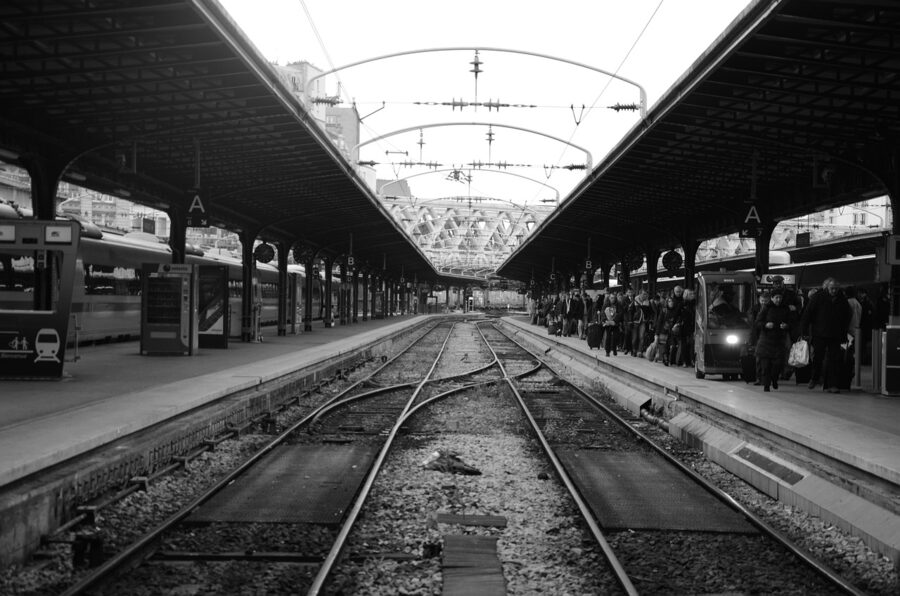
The train’s home is now Paris Gare de l’Est. Belmond dropped the London leg after 2023, when the British Pullman connection to Folkestone ended over border checks, so from Britain you take the Eurostar to Paris and board there. The flagship run is still Paris to Venice: one night, an estimated 4:00 p.m. departure from Paris and a 5:30 p.m. arrival in Venice the next day, with Belmond warning that timings depend on the national railways.
Around that spine Belmond runs one-night trips to Verona, Florence, Vienna, Budapest and Prague, and between Venice or Verona and Amsterdam or Brussels. For 2027 it adds Cannes and Monaco, and a Paris to Venice run along the Riviera. The 2027 calendar runs from March to December.
Once a year the train makes the long run to Istanbul. Paris to Istanbul is a five-night trip with three nights aboard, a city tour in Budapest and Bucharest, a cruise on the Danube and a visit to Peles Castle in the Romanian Carpathians. The June 2027 Paris to Istanbul departure is already sold out, and the October one and the Istanbul to Paris run are still on sale.
Cabins, suites and Grand Suites
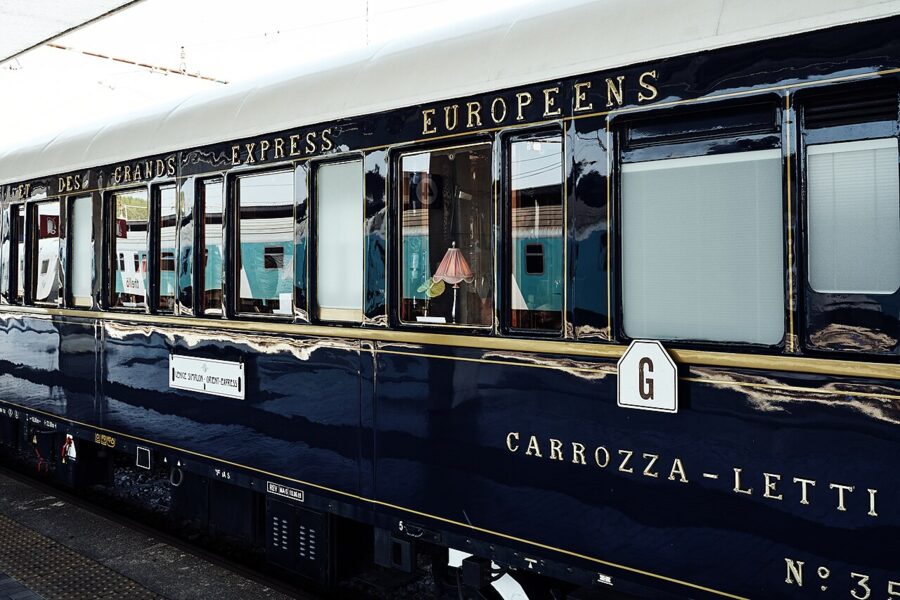
The train has 32 Historic Cabins, eight to a sleeping car: a banquette by day, upper and lower berths at night, a washbasin cabinet, and shared toilets at the end of the car. The 16 Suites, four to a car, come with double or twin beds and a private marble bathroom. Six Grand Suites have a separate sitting room and sleeping area with a marble bathroom, and are named for cities, Istanbul and Venice among them.
Above those sits L’Observatoire, a whole carriage designed by the French artist JR and sold as one private space. Belmond does not publish its price. Infants under two travel free, and their parents bring the food and the bassinet.
Dining and the dress code
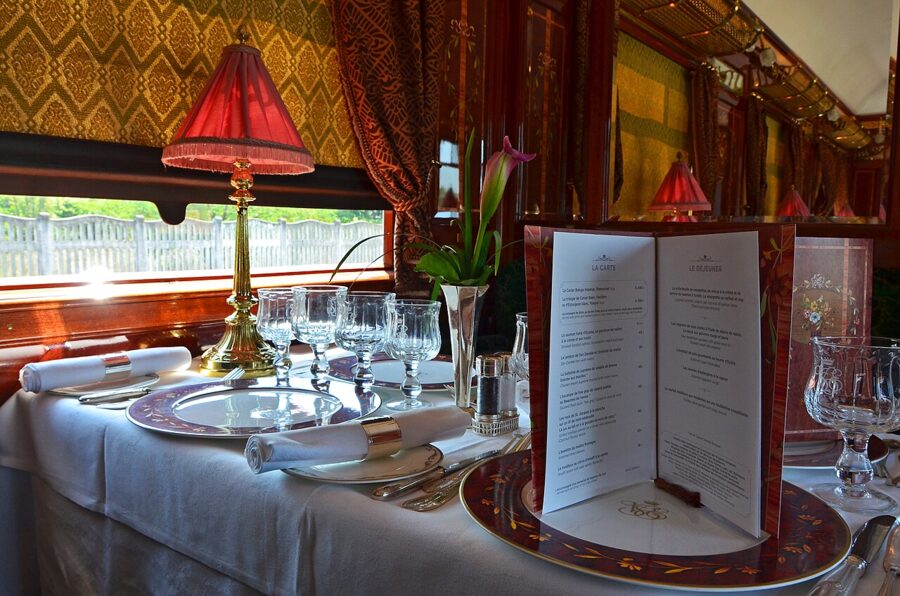
Three restaurant cars serve the meals, and the bar car, Bar 3674, has live music in the evening. On the one-night Paris to Venice trip you get a four-course dinner with the sommelier’s wines, a three-course lunch and a French breakfast. Wi-Fi reaches the cabins, though Belmond says the signal drops out in the countryside.
The dress code is the one rule nobody bends. Belmond’s rules for the Venice Simplon-Orient-Express ask for formal evening wear at dinner and smart clothes by day, and say jeans are not acceptable at any time. Luggage is limited to one piece of hand luggage and one suit carrier or overnight bag per person in the cabin, plus one suitcase in the baggage car, which you will not see until you arrive.
What it costs
Belmond prices 2026 departures in pounds and 2027 departures in euros, per person, as a guide that moves with demand. These are the lowest published fares on the Venice Simplon-Orient-Express journey list as of late 2026.
| Journey (departure year) | Nights | From, per person |
|---|---|---|
| Paris to Venice (2027) | 1 | €4,510, Historic Cabin (about US$4,900) |
| Paris to Venice via Florence (2027) | 1 | €5,120, Historic Cabin (about US$5,600) |
| Paris to Monaco or Cannes (2027) | 1 | €4,870, Historic Cabin (about US$5,300) |
| Paris to Venice (remaining 2026 dates) | 1 | £10,625, Suite (about US$13,900) |
| Paris to Venice with Hotel Cipriani (2027) | 3 | €9,510, Historic Cabin (about US$10,400) |
| Paris to Budapest round trip (2027) | 4 | €9,740, Historic Cabin (about US$10,700) |
| Paris to Portofino with Splendido (2027) | 3 | €14,350, Historic Cabin (about US$15,700) |
| Paris to Istanbul or Istanbul to Paris (October 2027) | 5 | €20,940, Historic Cabin (about US$23,000) |
Belmond now quotes the remaining 2026 trains only from suite prices, so the cheap berth is a 2027 berth. The multi-night packages are mostly a Belmond hotel stay with the train attached.
Accor’s Orient Express: La Dolce Vita and the train from Paris
La Dolce Vita Orient Express
La Dolce Vita is the newer and in some ways more comfortable train. Accor’s Orient Express built it with Arsenale, a Rome hospitality company, and the Italian state railway group’s tourist-train arm, out of old Italian cars rebuilt with interiors by the Milan design studio Dimorestudio in the style of the 1960s and 1970s. The first guests left Rome Ostiense station in spring 2025, and Rome is still the base, with a lounge in the station.
The train has 31 cabins: 12 Deluxe Cabins of 75 square feet (7 m²), 18 Suites of 118 square feet (11 m²), and one La Dolce Vita Suite of about 290 square feet (27 m²) that is also the cabin designed for guests with reduced mobility. Every cabin has its own bathroom with a shower, which is the clearest difference from Belmond’s train. Menus are by Heinz Beck, who holds three Michelin stars at La Pergola in Rome.
Prices on La Dolce Vita’s itinerary pages are per person in double occupancy, as of 2026:
- Venice to Rome by way of a day in Florence, one night: from €4,890 (about US$5,400).
- Rome to Venice by way of Bolgheri in the Tuscan wine country, one night: from €5,060.
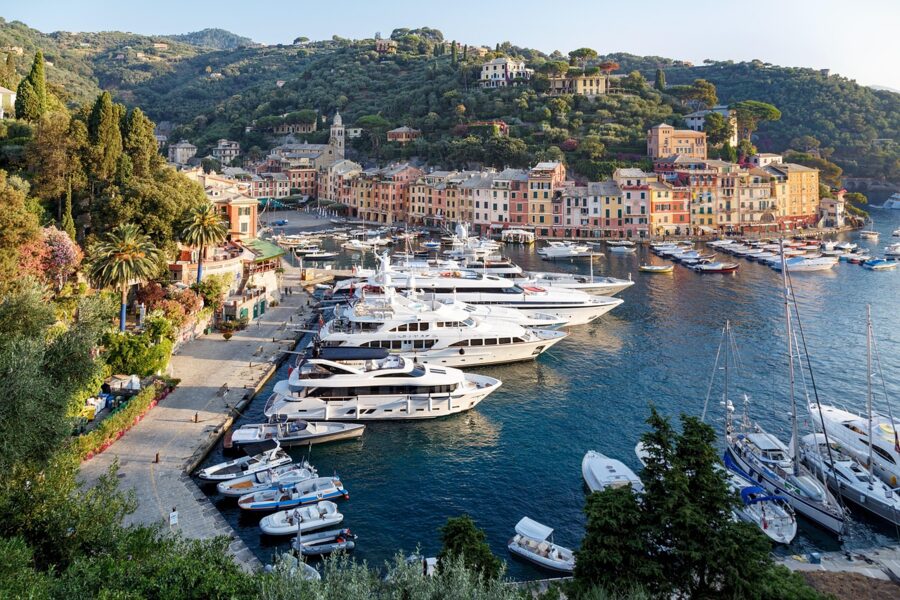
- Rome to Venice with an afternoon in Portofino, reached from Santa Margherita Ligure, one night: from €6,540 (about US$7,200).
- The Truffle Route, Rome to Alba in Piedmont and back, two nights: from €6,560.
- Rome to Palermo, two nights, with the train shunted onto a ferry across the Strait of Messina: from €10,000 (about US$11,000).
- Rome to Istanbul, four nights by way of Venice, Budapest, Brasov and Sinaia: from €20,000 (about US$21,900).
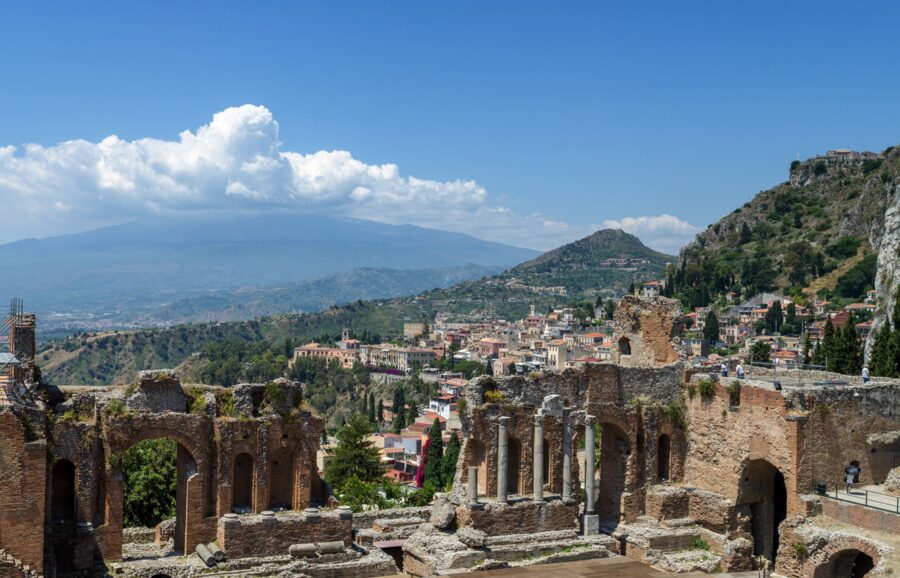
The Rome to Istanbul run was announced for a first departure on 22 October 2026, and its page now lists the next one for October 2027. There is also a day trip, the Gourmet Escape, from Rome at 10:30 a.m. to Venice by 7 p.m. around a long lunch; its fare is not published online.
The La Dolce Vita rules differ from Belmond’s in ways that matter. Children under 12 are not allowed on board. The fare covers the transfer to the station, meals, selected wines and spirits and the entertainment, but off-train excursions cost extra, premium wines carry a supplement, and gratuities are not included. The dress code is softer: elegant clothes, and “refined eveningwear” at dinner.

The Orient Express from Paris
Accor’s other train is the one with the better story. In 2015 the researcher Arthur Mettetal began an inventory of surviving Orient Express rolling stock for SNCF and tracked down a set of 17 cars from the 1920s and 1930s, still carrying their marquetry and Lalique glass. They had last run together as the Nostalgie-Istanbul-Orient-Express, a private train that went as far as Japan.
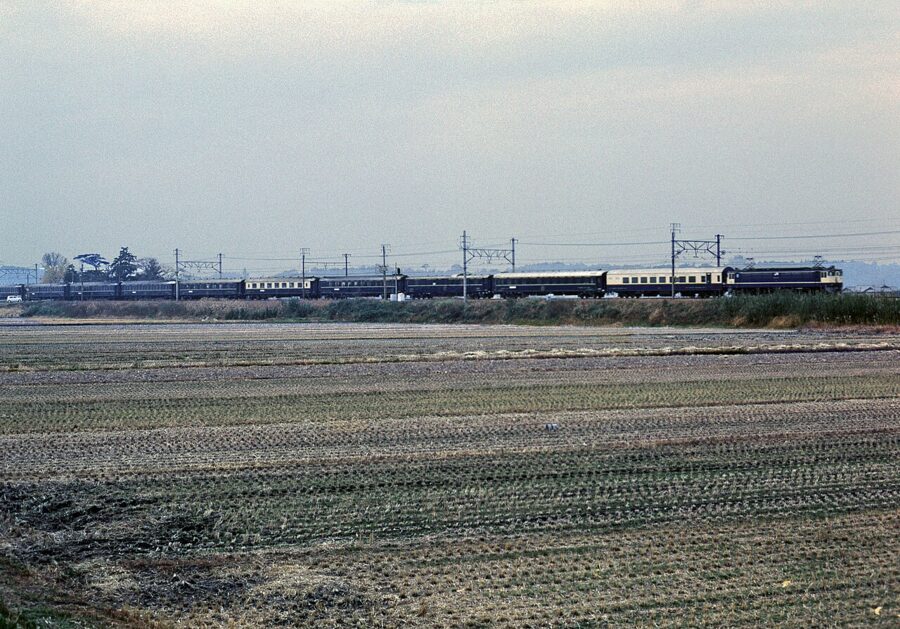
The set is 12 sleeping cars, a restaurant car, three lounges and a service van, redesigned by the architect Maxime d’Angeac. Suites convert by night to a bed 2 meters by 1.40 meters with a private bathroom. Accor’s L’Orient Express page gives 2027 for the first journeys, the route is planned as Paris to Istanbul by Vienna, Budapest and the Balkans, and as of September 2026 the exact launch date and the fares were still unannounced.
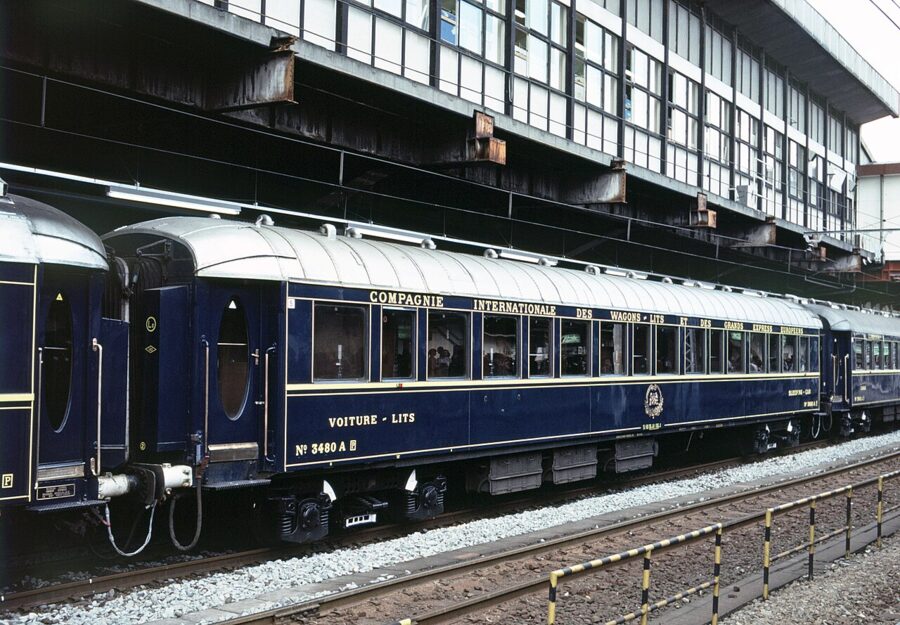
The date has already slipped, from 2025 to late 2026 to 2027. I would not plan a honeymoon around it until fares are on sale.
The other luxury trains, compared
Once you are pricing a €5,000 night on a train, the same money buys three nights across Malaysia, South Africa or Australia. These are the “from” fares per person, as of 2026, on each operator’s own pages unless marked.
| Train | Operator | Where | Nights | From, per person |
|---|---|---|---|---|
| Venice Simplon-Orient-Express | Belmond | Paris to Venice and western Europe; Istanbul once a year | 1 to 5 | €4,510 (about US$4,900) |
| La Dolce Vita Orient Express | Orient Express (Accor) with Arsenale | Italy; Rome to Istanbul | 1 to 4 | €4,890 (about US$5,400) |
| Britannic Explorer | Belmond | England and Wales, from London | 3 or 6 | £7,100 (about US$9,300) |
| Royal Scotsman | Belmond | Scottish Highlands, from Edinburgh | 2 to 7 | £6,750 (about US$8,800) |
| Eastern & Oriental Express | Belmond | Malaysia, from Singapore | 3 or 6 | US$5,200 |
| Andean Explorer | Belmond | Peru: Cusco, Lake Titicaca, Arequipa | 2 | US$6,410 for a bunk cabin (2026 rate sheet, double-occupancy basis) |
| Golden Eagle Danube Express | Golden Eagle Luxury Trains | Paris to Istanbul by the Balkans | 5 aboard, 7 in all | €19,900 (about US$21,800), 2027 |
| Golden Eagle | Golden Eagle Luxury Trains | Silk Road: Uzbekistan to Kazakhstan | 14-day tour | US$26,900 (October 2026) |
| Pride of Africa | Rovos Rail | Pretoria to Cape Town | 3 | about R54,000, Pullman suite (about US$3,100), as resellers list it |
| The Blue Train | The Blue Train | Pretoria to Cape Town | 2 | on request for 2026; R36,325 in 2025 (about US$2,100) |
| Maharajas’ Express | IRCTC | Rajasthan and north India | 3 or 6 | US$5,300 (3 nights), US$8,400 (6 nights), plus 5% GST |
| The Ghan Expedition | Journey Beyond | Darwin to Adelaide, Australia | 3 | A$4,190 (about US$2,800), 2027 |
Belmond’s Britannic Explorer and Royal Scotsman
The Britannic Explorer is Belmond’s newest train and the first luxury sleeper in England and Wales. It made its first trip, to Wales, on 21 July 2025. Every journey is a round trip from London Victoria: three nights to Cornwall, Wales or the Lake District, or six nights combining two of them, in 18 cabins built into rebuilt Mark III coaches, with menus by the chef Simon Rogan.
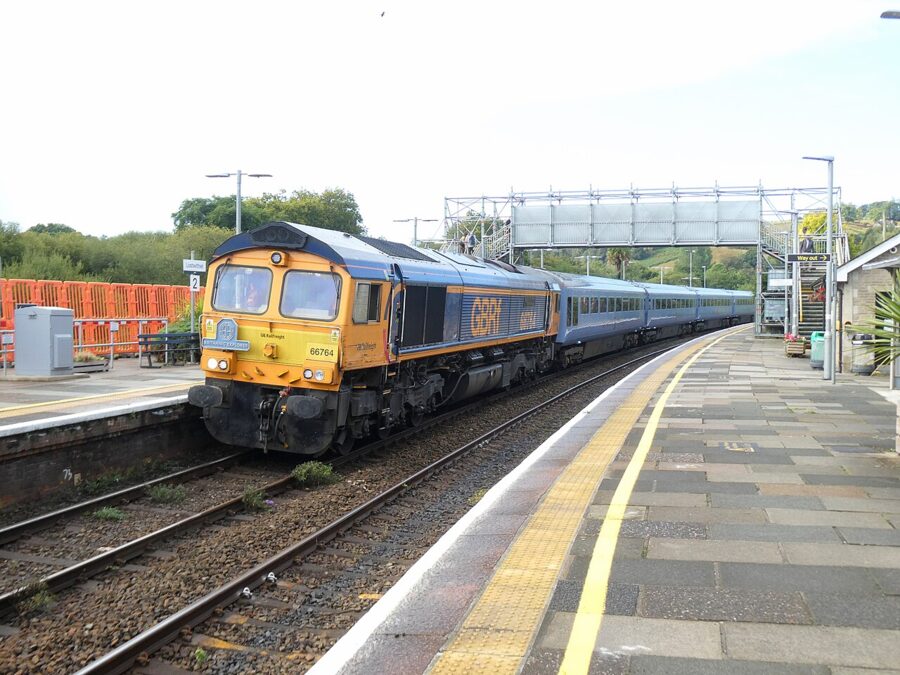
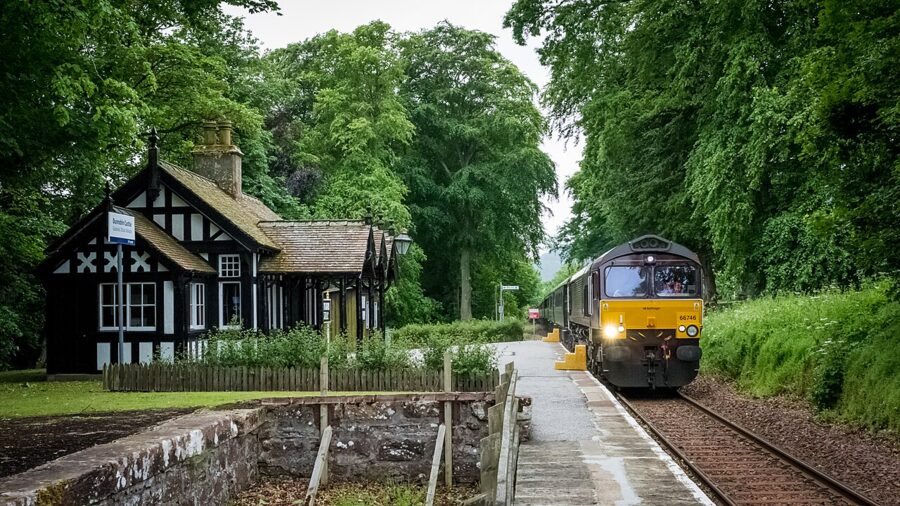
The Royal Scotsman is the older Belmond train in Britain, with 18 cabins, round trips from Edinburgh Waverley of two to seven nights, and an observation car with an open-air veranda at the back. Fares run from £6,750 for two nights in the Highlands to £26,150 (about US$34,300) for the seven-night Grand Tour of Scotland.
The Eastern & Oriental Express and the Andean Explorer
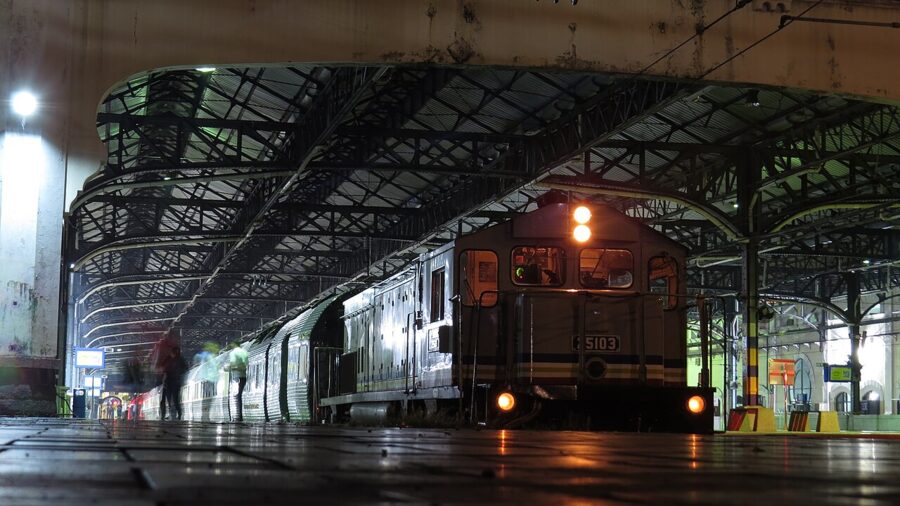
Belmond brought the Eastern & Oriental Express back in 2024 on new routes: three-night round trips from Singapore’s Woodlands station into Malaysia, from US$5,200 for Wild Malaysia, and a six-night Tiger Express from US$11,300. It has 32 cabins and a spa, and its kitchen is overseen by the chef André Chiang.
In Peru the Andean Explorer runs the high line from Cusco to Arequipa by Lake Titicaca. The Peruvian Highlands trip leaves Cusco on Thursdays at 11 a.m. and reaches Arequipa on Saturday at 3:30 p.m., with meals, drinks and excursions included. Belmond’s 2026 Peru rate sheet starts at US$6,410 for a bunk cabin on double-occupancy rates, and the website does not publish a fare.

Golden Eagle, the other way to Istanbul
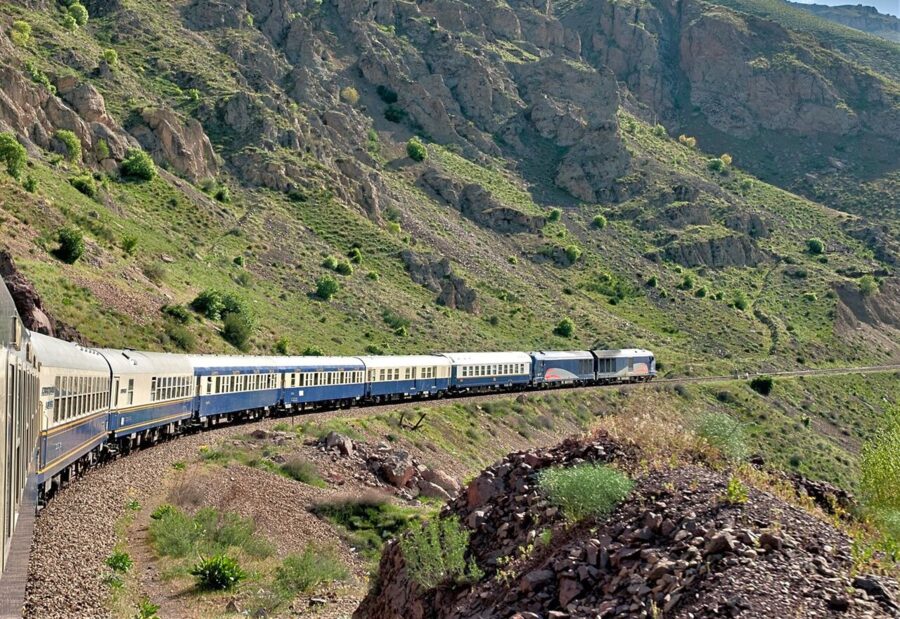
Golden Eagle Luxury Trains runs the direct rival to Belmond’s Istanbul trip. Its Paris to Istanbul journey on the Golden Eagle Danube Express takes eight days, with a hotel night at each end and five nights aboard, by way of Champagne, Vienna, the Postojna Caves in Slovenia, Belgrade and Sofia. For 2027 it leaves on 22 May and 6 October, from €19,900 per person in a Deluxe cabin, with gratuities, drinks and a doctor on board included.
Rovos Rail and the Blue Train
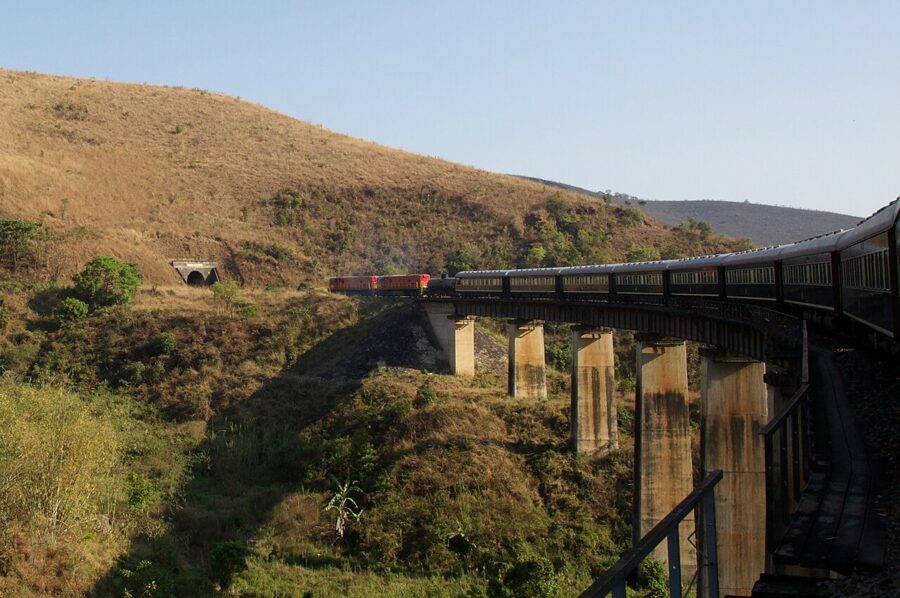
South Africa has two luxury trains on the same Pretoria to Cape Town line. Rovos Rail’s Pride of Africa takes three nights, with stops at the Victorian village of Matjiesfontein and the Big Hole at Kimberley, and its rates change every 1 October. For departures from October 2026, resellers list a Pullman suite at about R54,000 per person sharing, a figure the operator’s own site does not publish.

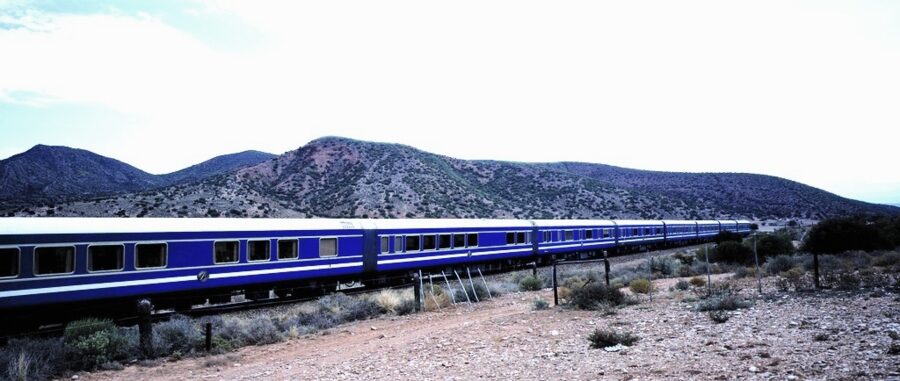
The Blue Train makes the trip in two nights, with De Luxe and Luxury suites and an excursion at Kimberley. It does not publish fares openly; its 2025 rate sheet started at R36,325 per person sharing a De Luxe suite, and rates rise every January.
The Maharajas’ Express and the Ghan
India’s Maharajas’ Express, run by the state railway’s tourism company IRCTC, works a season from October to April. Its 2026-27 fares start at US$8,400 per person in a Deluxe Cabin for six nights on the Indian Splendour or the Indian Panorama, and run to US$26,800 in the Presidential Suite; the three-night Treasures of India starts at US$5,300. Add 5% GST.

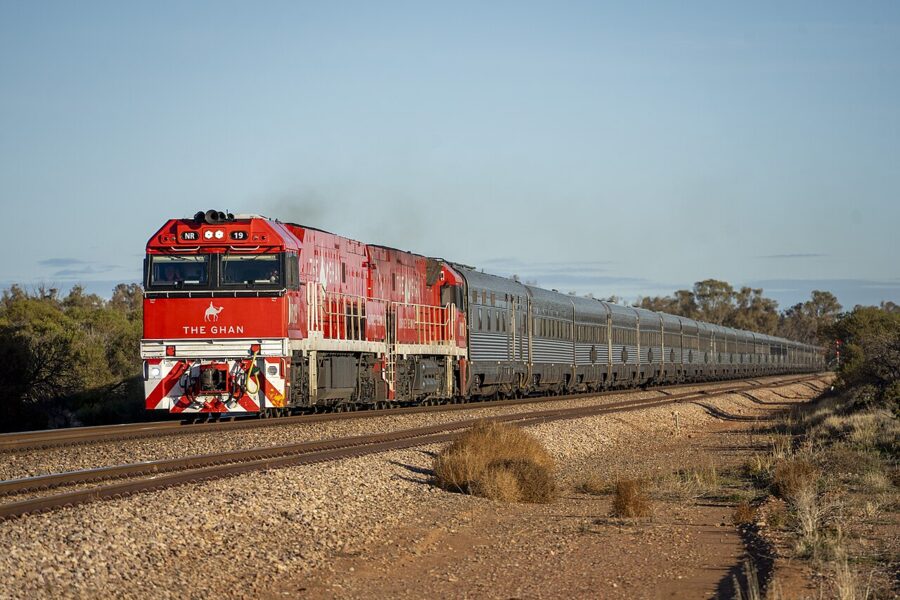
The Ghan is the Australian contrast: a scheduled train across a continent, sold as an all-inclusive trip, rather than a restored antique. The Ghan Expedition leaves Darwin on Wednesdays from March to November, and on Saturdays too from April to October, for three nights to Adelaide, with stops at Katherine, Alice Springs, Manguri and Coober Pedy. For 2027 a Gold Twin cabin starts at A$4,190 per person on an advance-purchase fare in March or November, and the Australis Suite tops out at A$20,990.
What the money buys, and how to book
On every train here you are buying the same four things: a bed that moves, every meal, most of the drink and someone at the end of the corridor who knows your name. What changes is the bathroom and the scenery. The Venice Simplon-Orient-Express sells history, and its cheapest cabin has no private toilet; La Dolce Vita gives you a shower in every cabin; the Ghan and the South African trains give you three nights for roughly the price of one in Europe.
Here is how I would spend it. For one night of Orient Express, book a 2027 Historic Cabin from Paris to Venice, take the morning in Paris, arrive in Venice the next evening, and skip the hotel packages unless you already wanted the hotel. For Istanbul, I would look hard at the Golden Eagle Danube Express: it costs slightly less than Belmond’s trip and gives you five nights aboard instead of three.
Booking rules, train by train:
- Venice Simplon-Orient-Express: book on Belmond’s site or by phone. The 2027 calendar is open and the June 2027 Paris to Istanbul train has already sold out, so book the long runs first.
- La Dolce Vita: book on orient-express.com or by email to its reservations team; the La Dolce Vita Suite is by inquiry only. Budget for tips and excursions on top.
- Maharajas’ Express: book with IRCTC directly; the season is October to April and prices are in US dollars.
- The Ghan: Journey Beyond sells Advance Purchase, Everyday and Flexible fares; Advance Purchase is the cheapest and limited.
For a taste of the format closer to home, an Amtrak sleeper car on one of America’s long-distance trains, such as the California Zephyr over the Rockies, gives you the same fold-down bed, attendant and dining car for a fraction of the fare, and Canada’s tourist trains add the glass domes.
The same route by ordinary train
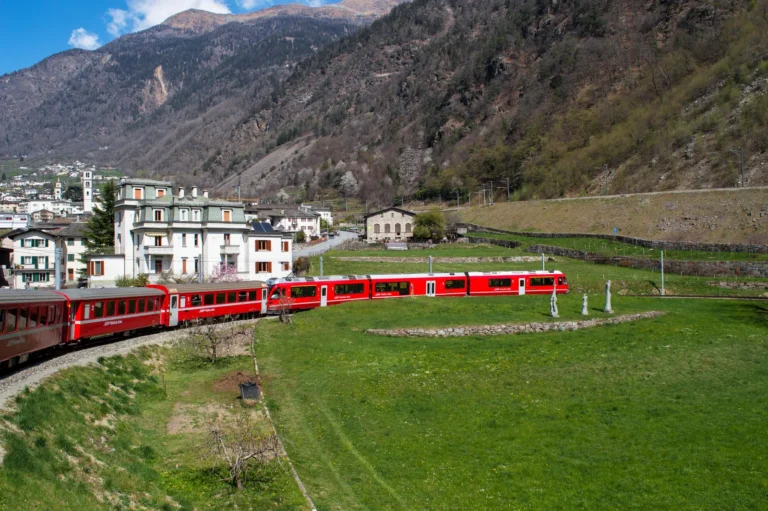
Ordinary trains use the same rails every day, and they are fast. The scenic lines in their own right, the Bernina and the Glacier Express among them, are Europe’s great train rides of a different kind.
Paris to Venice in a day
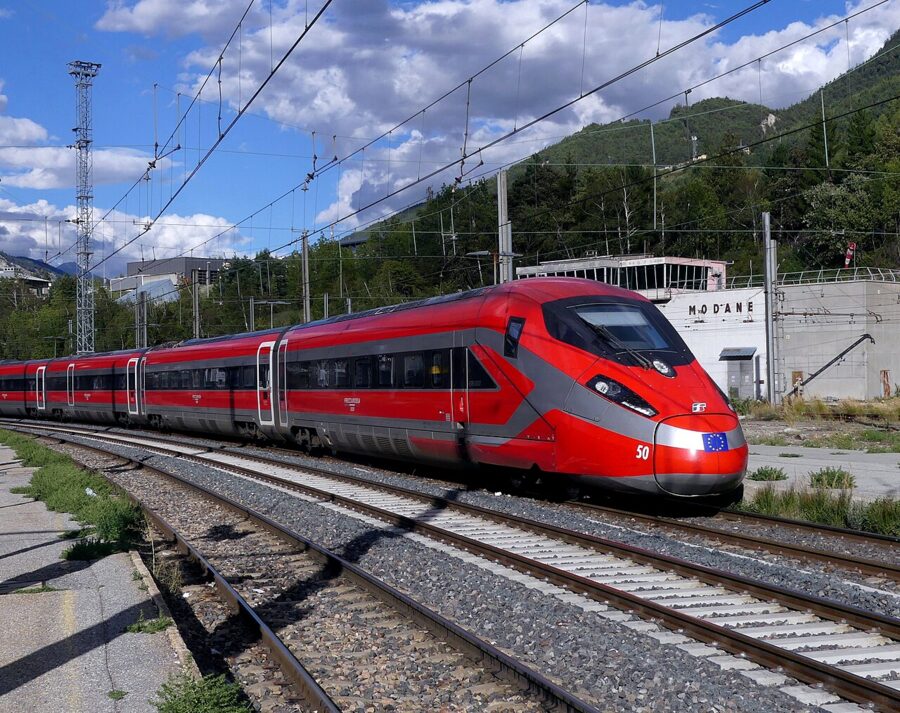
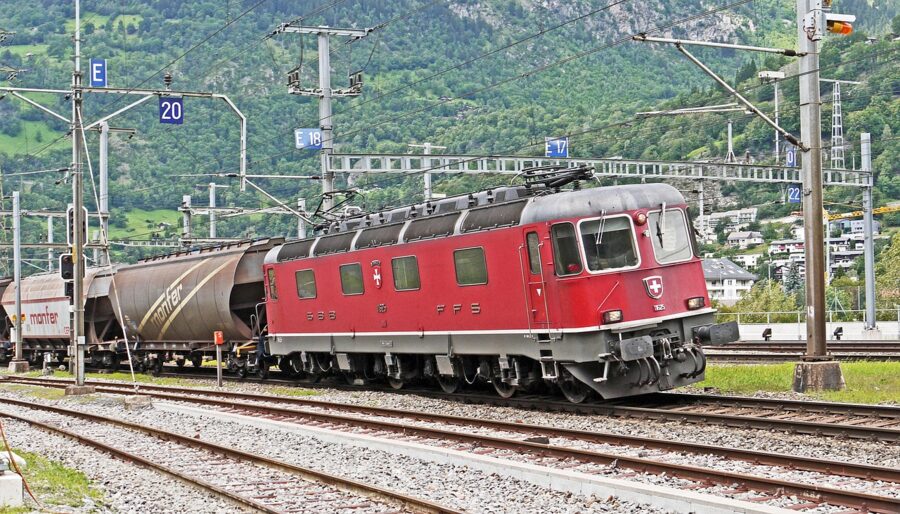
The direct line from Paris to Milan through the Maurienne valley reopened on 31 March 2025, after a landslide shut it in August 2023. SNCF’s TGV inOui and Trenitalia’s Frecciarossa both run through, in about seven hours, and the Frecciarossa leaving Paris Gare de Lyon at 7:30 a.m. reaches Milano Centrale at 2:11 p.m. A Frecciarossa at 2:45 p.m. reaches Venezia Santa Lucia at 5:12 p.m., the same platforms the Venice Simplon-Orient-Express uses.
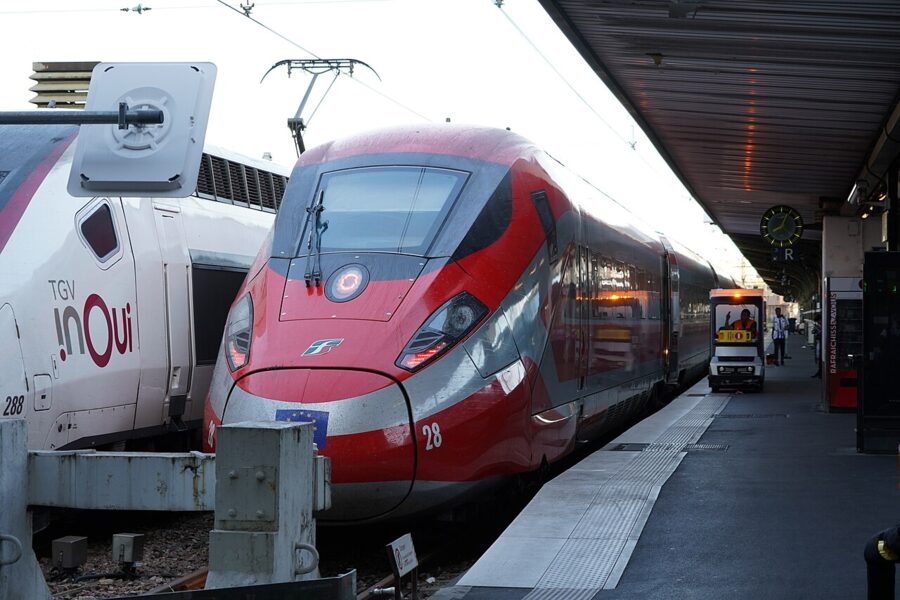
Booked early, Paris to Milan starts at €35 in standard class (about US$38) and Milan to Venice at €19.90, so the whole day costs from about €55 (about US$60), as of 2026. The best of the scenery is the climb up the Maurienne valley to Modane and the Alps beyond.
To follow the real Simplon Orient route, go by way of Switzerland instead: TGV Lyria from Paris to Geneva or Lausanne, then a EuroCity along Lake Geneva and the Rhône valley and through the Simplon Tunnel to Milan. Each of those legs starts at €29 booked early. There is no through sleeper from Paris to Venice any more, and ÖBB’s Nightjet from Paris to Vienna ended in December 2025, so the overnight option is a Nightjet from southern Germany to Venice; it is not scheduled to run from 7 February to 9 July 2027 because of track work.
Paris to Istanbul in four days
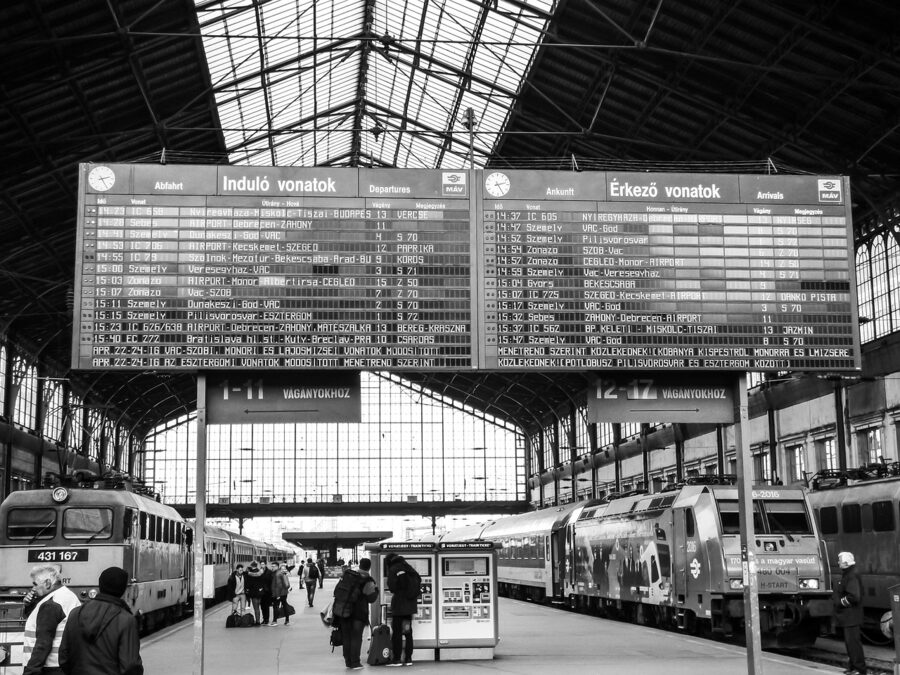
The long route is still possible by ordinary train, and it is one of the best rail trips left in Europe. Take a TGV from Paris to Munich, a railjet from Munich to Budapest, and one of the overnight trains from Budapest to Bucharest, the Dacia or the Ister. Hungary’s MÁV and Romania’s CFR sell those tickets, and reservations on the night trains are compulsory.
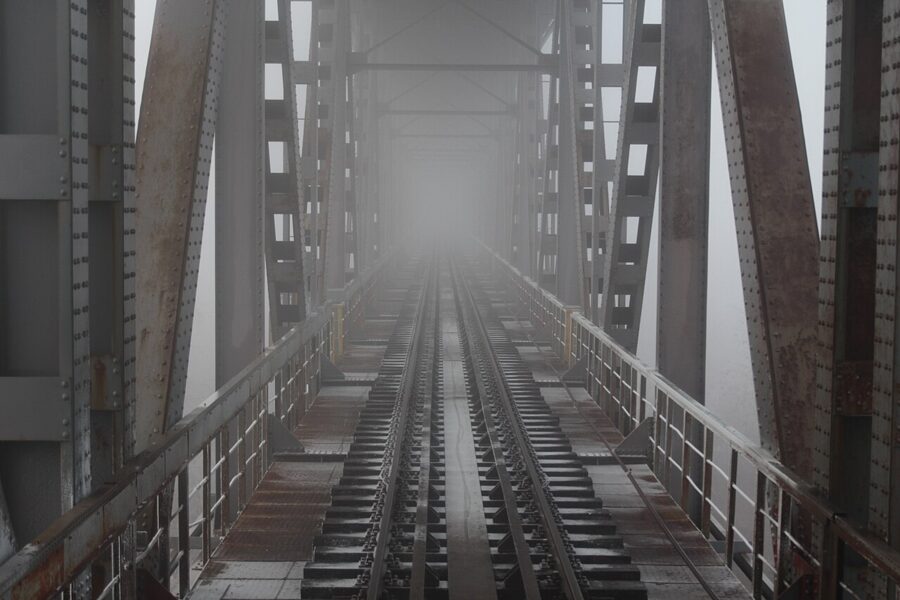
From Bucharest, a direct couchette car runs to Istanbul in summer: in 2026 it ran from 13 June to 12 October, leaving Bucharest Nord at 10:46 a.m., for €42 plus €14 for a four-berth couchette (about US$61 in all). Outside summer you ride to Dimitrovgrad in southern Bulgaria and change to the Sofia to Istanbul sleeper, from €38 in a couchette and €44 a head in a two-bed sleeper. The train crosses into Turkey in the small hours.
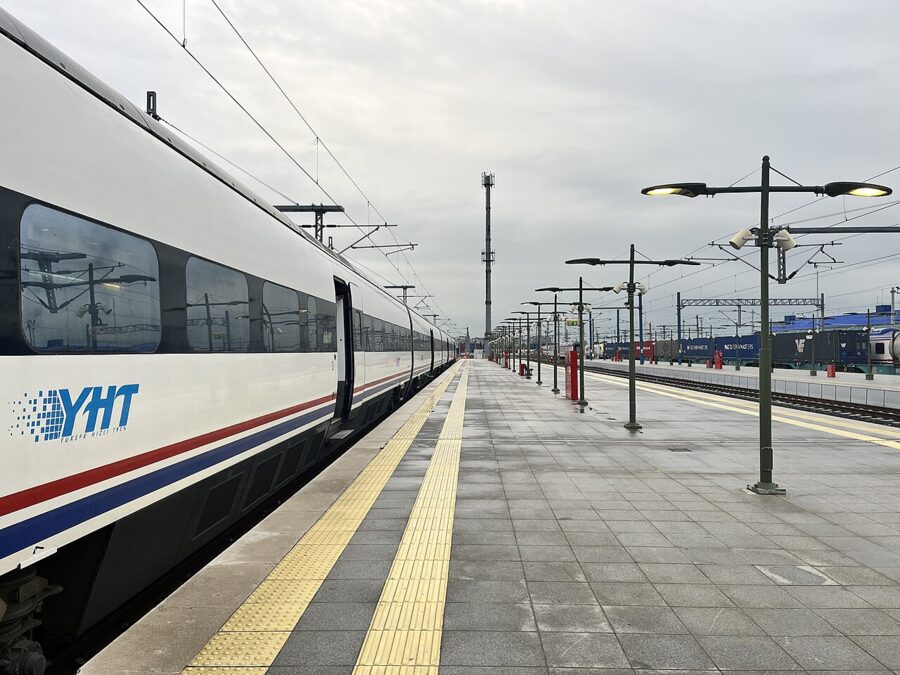
Every train from Europe now ends at Halkali, about 16 miles (26 km) west of the old city. The Marmaray suburban line runs from there to Sirkeci, the Orient Express terminus, under the old station itself.
So the choice is the one the washbasin in the wooden cabinet poses. Pay €4,510 for one night in a 1920s cabin with the steward and the dress code, or take the 7:30 a.m. Frecciarossa from Gare de Lyon and be eating dinner in Venice for €55 and the price of the meal.