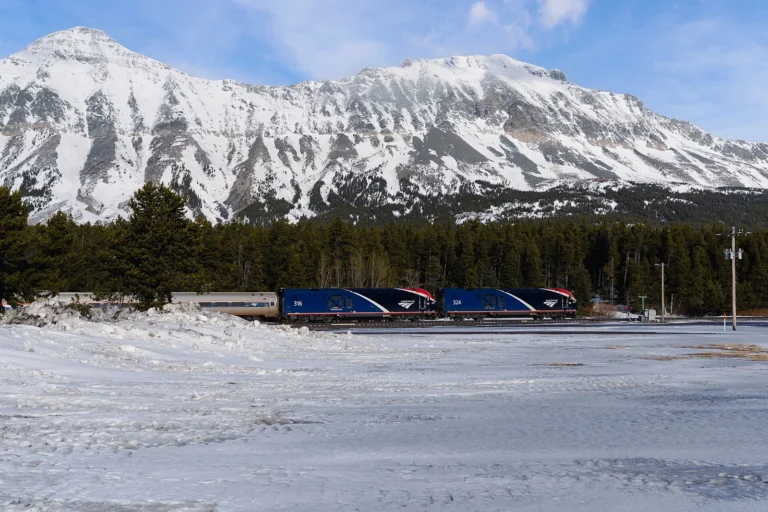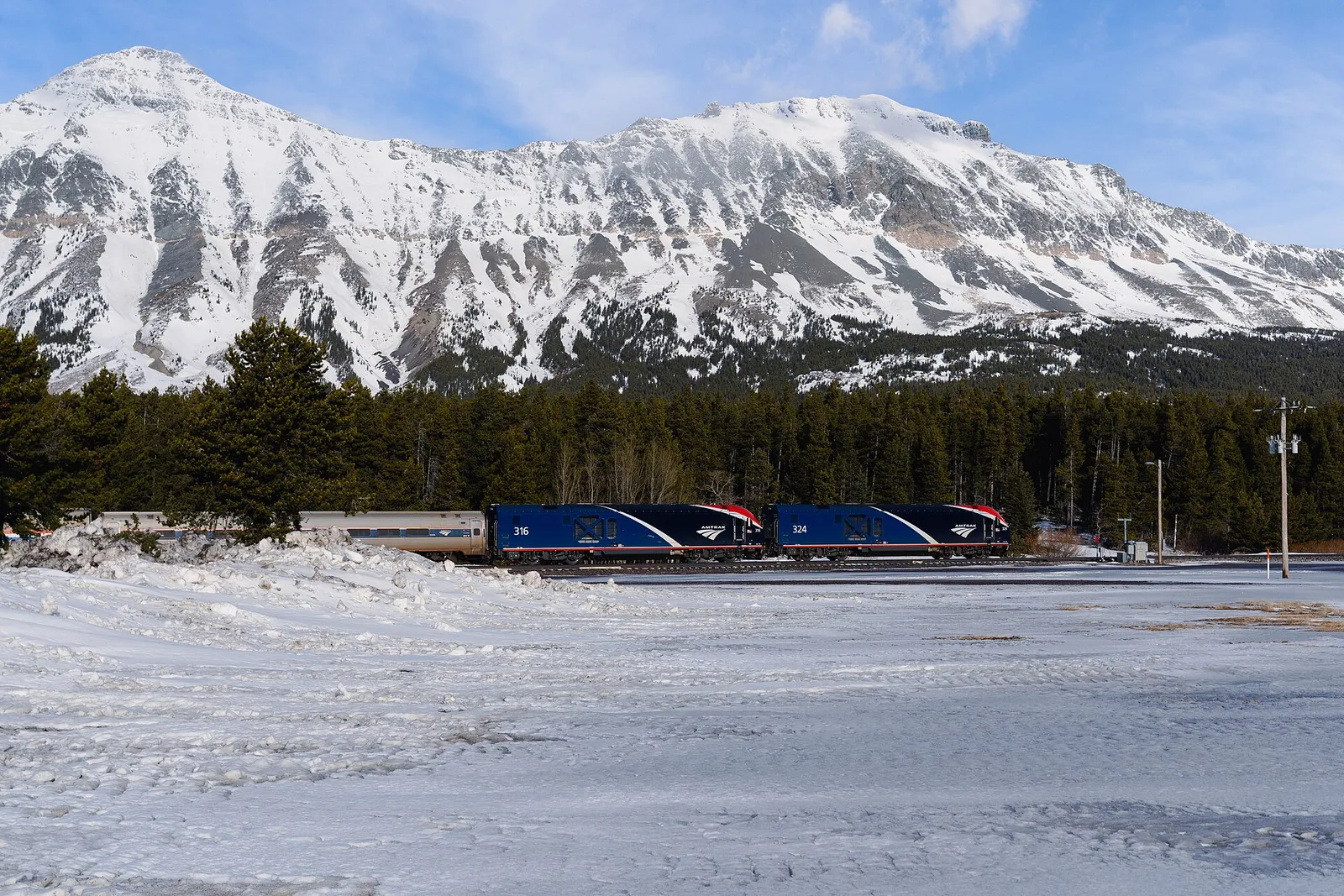
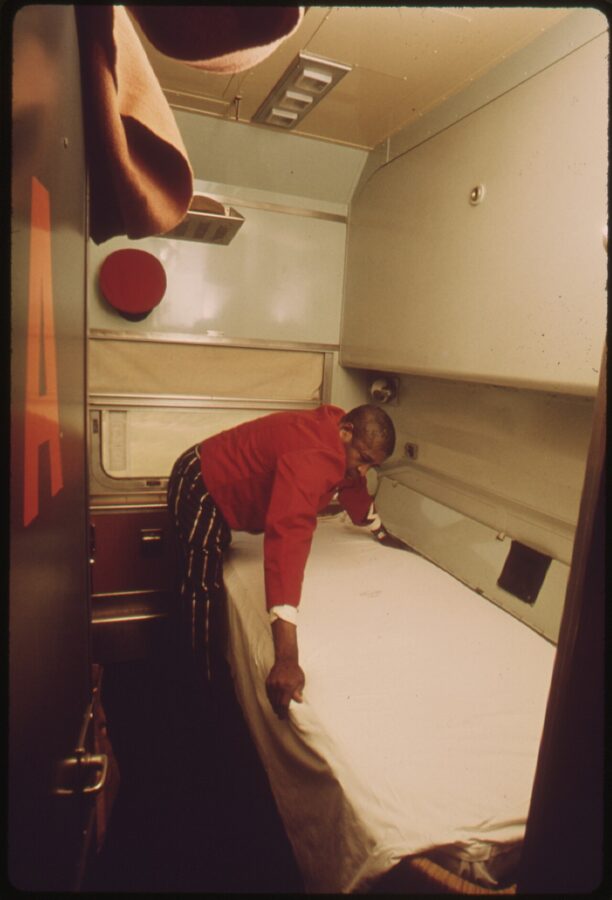
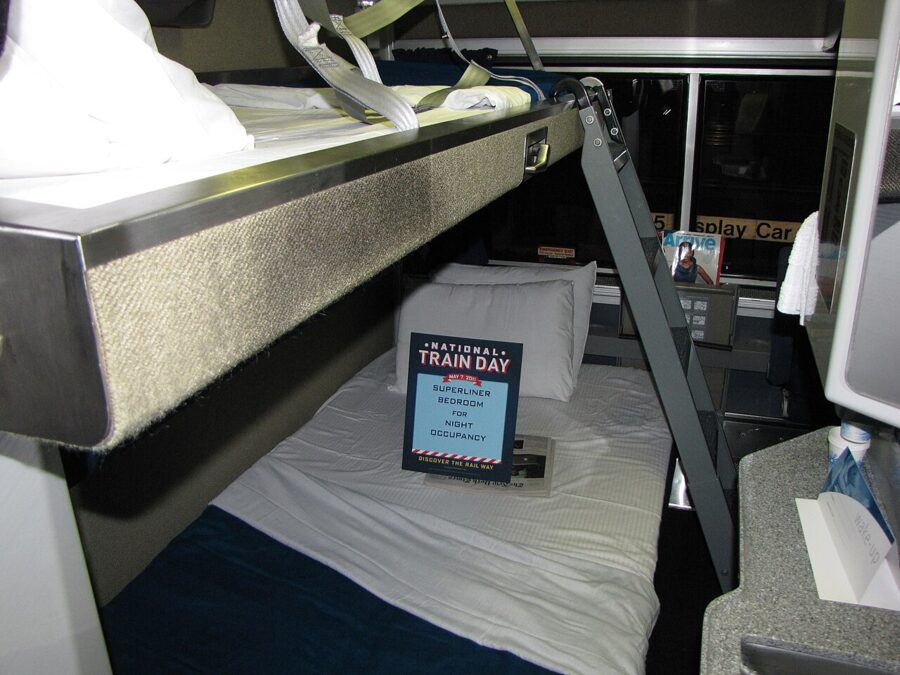
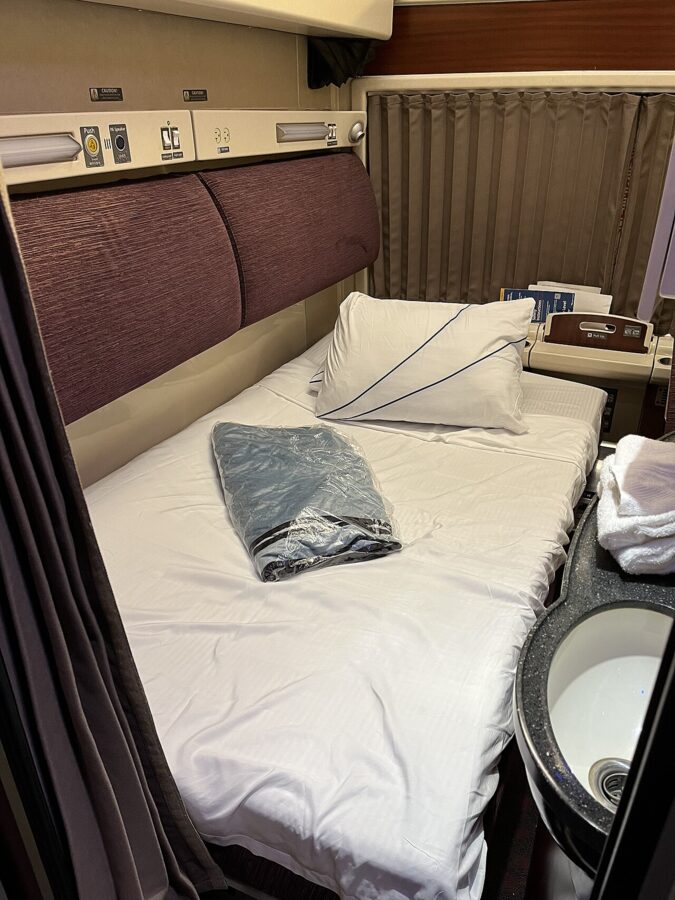
Somewhere after dinner the attendant knocks, and in about two minutes the room you have been sitting in all afternoon stops being a room. The two facing seats slide together into a flat bed, sheets and a blanket go on, and a second bed swings down from the ceiling on its straps. The curtain draws across the window, the hallway lights dim, and the train carries on across Nebraska or Montana without you having to watch it.
That small act of rearranging is most of what you pay for in a private room on Amtrak. The rest is meals, a shower, a quiet lounge before you board, and an attendant who knows which stop has time for a walk on the platform. Amtrak now sells all of it under the name First Class on its long-distance trains.
The choice comes down to four kinds of room, two kinds of sleeping car, and a price that climbs with every room sold. Here is how each part works in 2026, and when coach and a good neck pillow are the smarter buy.
The four rooms, side by side
Every Amtrak sleeping car sells some mix of the same four rooms, and two adjoining bedrooms can be joined into a suite. The sizes below are Amtrak’s own for the roomette and bedroom and the Superliner floor plan for the other two. Prices are per room, not per person, on top of a rail fare for each traveler; the section on pricing explains how the two parts move.
| Room | Sleeps | Beds | Toilet | Shower | Size | Price, as reported |
|---|---|---|---|---|---|---|
| Roomette | 2 adults | Lower bed from the two seats, upper berth from the ceiling | Shared down the hall (in the room on older Viewliner I cars) | Shared, in the car | 3 ft 6 in x 6 ft 6 in | The cheapest room. The lowest Texas Eagle roomette from Chicago to Dallas was $505 in November 2025 |
| Bedroom | 2 adults | Lower bed from the sofa, upper berth | Private, enclosed | Private, combined with the toilet | 6 ft 6 in x 7 ft 6 in | More than a roomette, often by a wide margin. One traveler paid $2,200 for two nights from Chicago to Emeryville in February 2026 |
| Family Room (Superliner only) | 2 adults, 2 children aged 2 to 12 | Two lower, two upper | Shared | Shared | About 5 ft 2 in x 9 ft 5 in, the width of the car | Priced per room; few on each train |
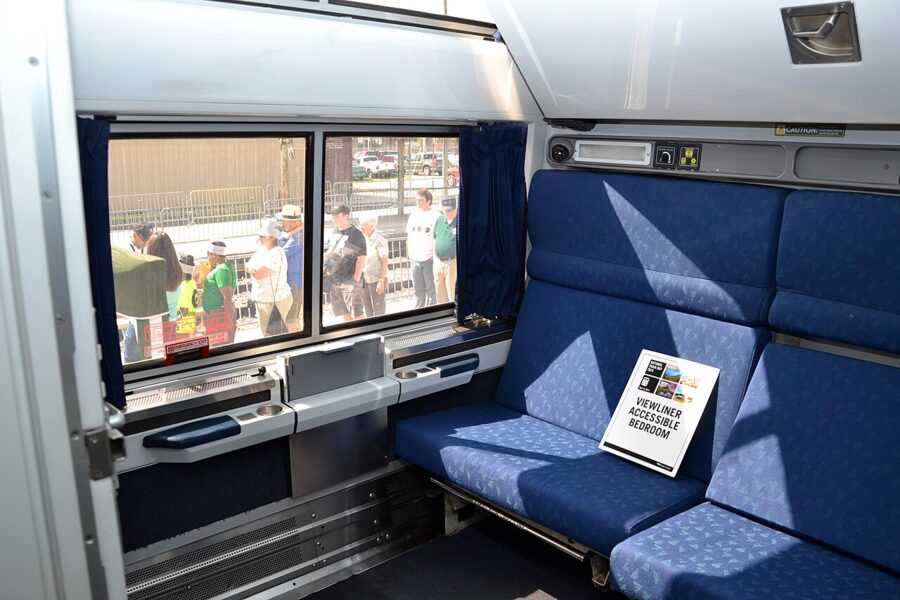
| Accessible Bedroom | 2 | Lower and upper | Private | Private on Viewliners, shared on Superliners | About 6 ft 9 in x 9 ft 5 in on a Superliner | Priced per room; for travelers with a disability |
The roomette
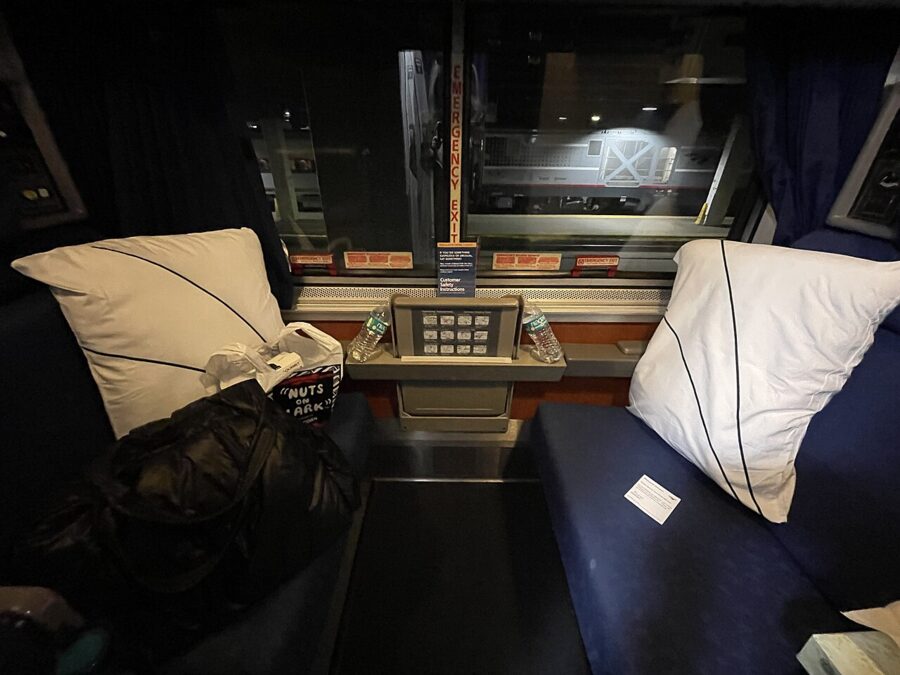
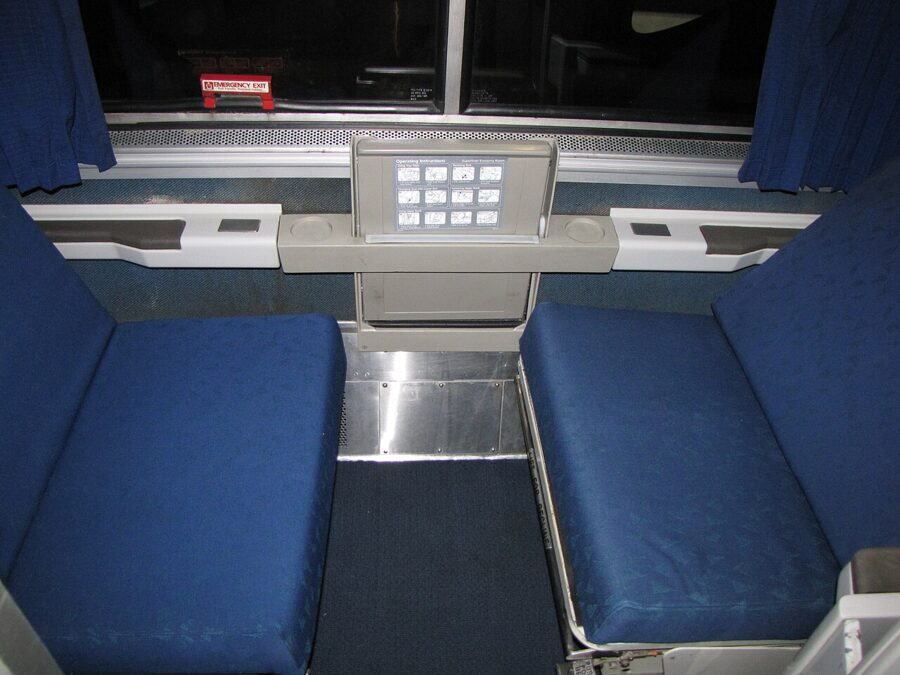
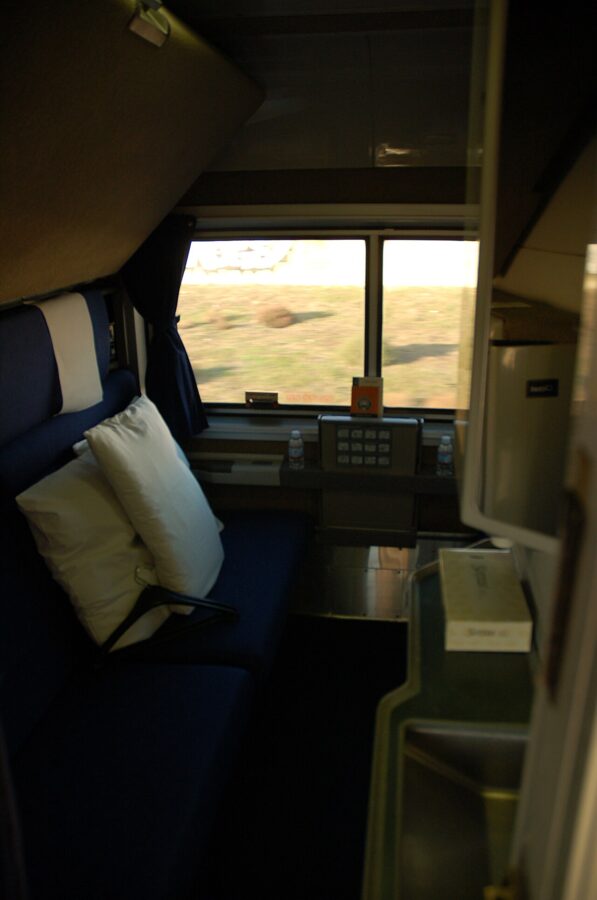
A roomette is two wide seats facing each other across a fold-out table, a sliding door with a curtain, and a big window. By night the seats flatten into the lower bed and the upper berth drops from the ceiling, with a strap harness to keep you from rolling out. It takes two adults, but two in a roomette take turns standing up.
Amtrak says every roomette now comes with its newly upgraded bedding, pillows, towels and linens, a dedicated First Class attendant and lounge access at major stations. The toilet and shower are shared with the rest of the car, with one exception on the older eastern cars that I come to below. For a solo traveler it is the obvious room; for a couple on one night, snug but fine.
The bedroom, and the bedroom suite
A bedroom is about twice the floor area of a roomette. By day you get a sofa and a separate armchair; by night the sofa becomes the lower bed and an upper berth comes down above it. What matters most is the private sink, toilet and shower: on a two-night trip, no queue and no walk down the corridor in a robe.
The lower bed in a bedroom is a little wider than the roomette’s, and the room has a full-length mirror, a small closet and enough shelf space for a carry-on suitcase. Two bedrooms side by side can be opened into a suite for four, with two bathrooms, by folding back the wall between them. The rattle of that folding wall is the bedroom’s best-known flaw, so pack earplugs.
The Family Room
Only Superliner cars have a Family Room, one per car, on the lower level at one end. It spans the full width of the car, with windows on both sides, seating for four by day and two lower and two upper beds at night. Amtrak sells it to two adults and two children aged 2 to 12, and the restrooms and shower are shared.
Because there is only one per car, Family Rooms sell out early in school holidays. If it has gone, two roomettes across the corridor keep the family within a knock.
The Accessible Bedroom
The Accessible Bedroom sits on the entry level of the car with room to turn a wheelchair. On single-level Viewliners it has its own sink, toilet and shower; on double-deck Superliners it has its own sink and toilet, with the car’s shared shower down the hall. Meals come to the room at no charge, and the attendant and conductor can tell you whether the dining and lounge cars on your train are reachable or whether a move between cars at a station stop is possible.
Superliner or Viewliner: which train has which
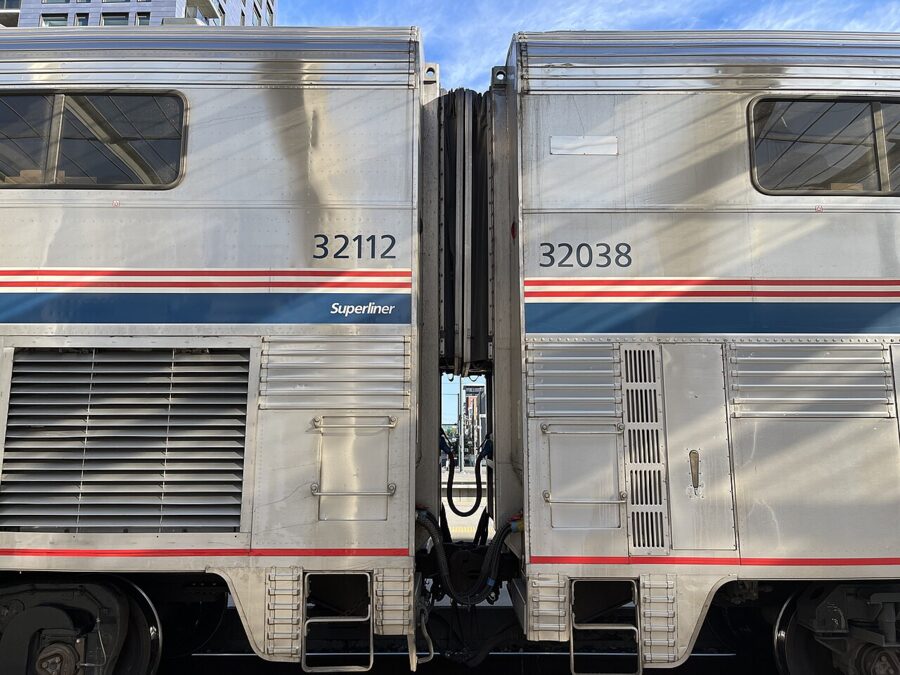
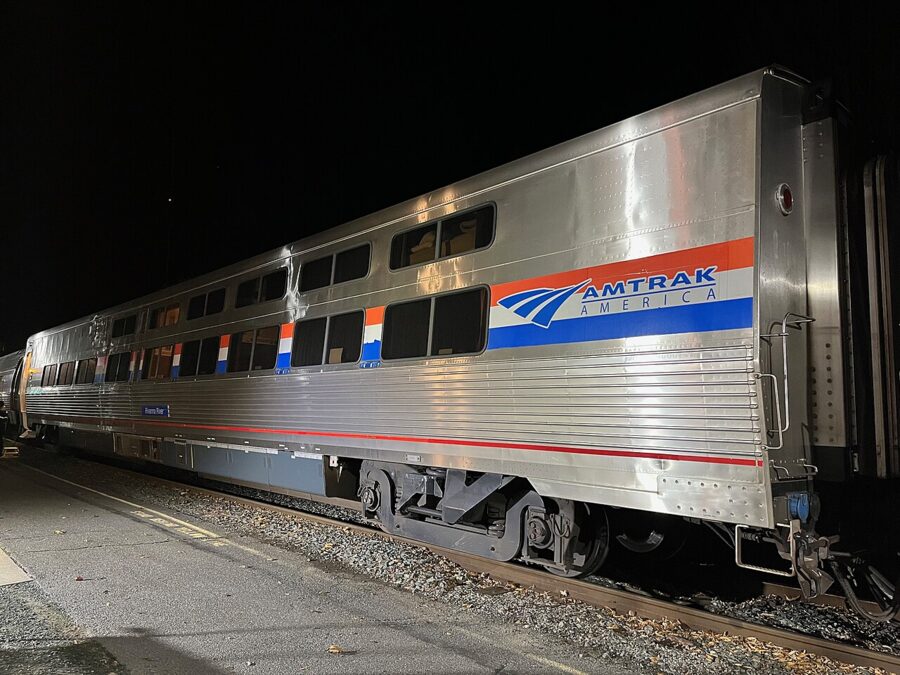
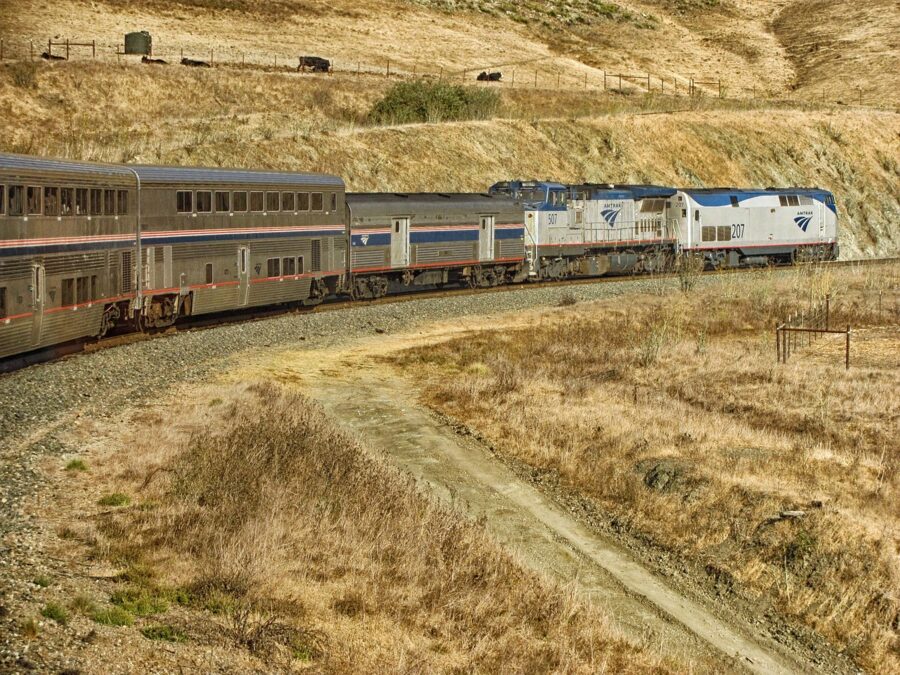
Amtrak’s sleeping cars come in two families, and the route decides which you get. Superliners are double-deck cars, mostly built from the late 1970s to the mid-1990s, that run on the western and Midwestern trains. Viewliners are single-level cars for the eastern trains, where double-deck cars are too tall for the tunnels into New York. Every one of the long-distance trains out of Chicago and beyond runs one family or the other.
Sleeping cars only run on Amtrak’s long-distance trains. Those are the routes of more than 750 miles that Amtrak runs as its national network; the shorter corridor trains that states help pay for carry coach and business class only.
Superliner trains
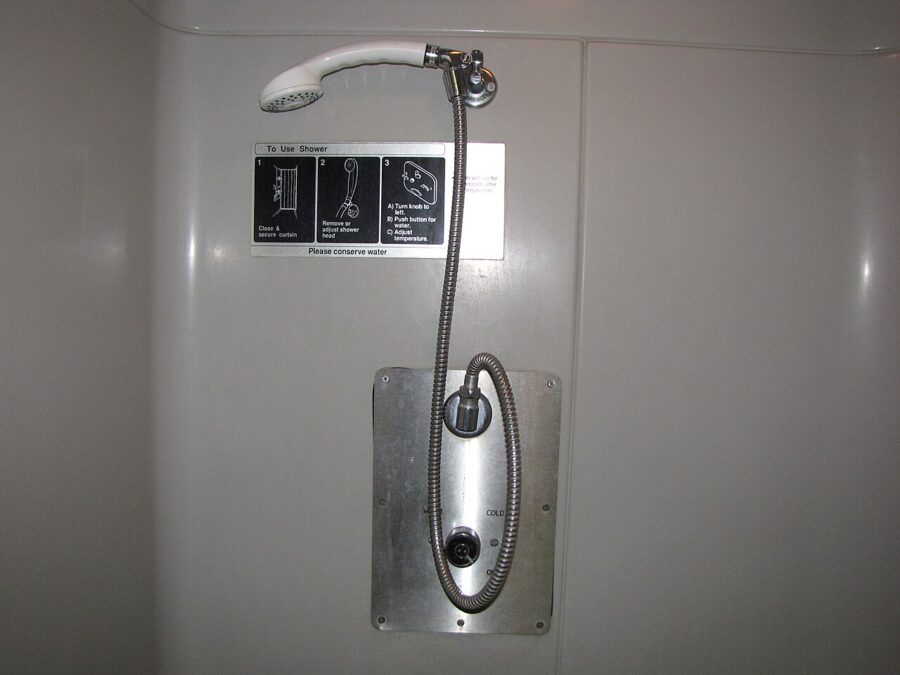
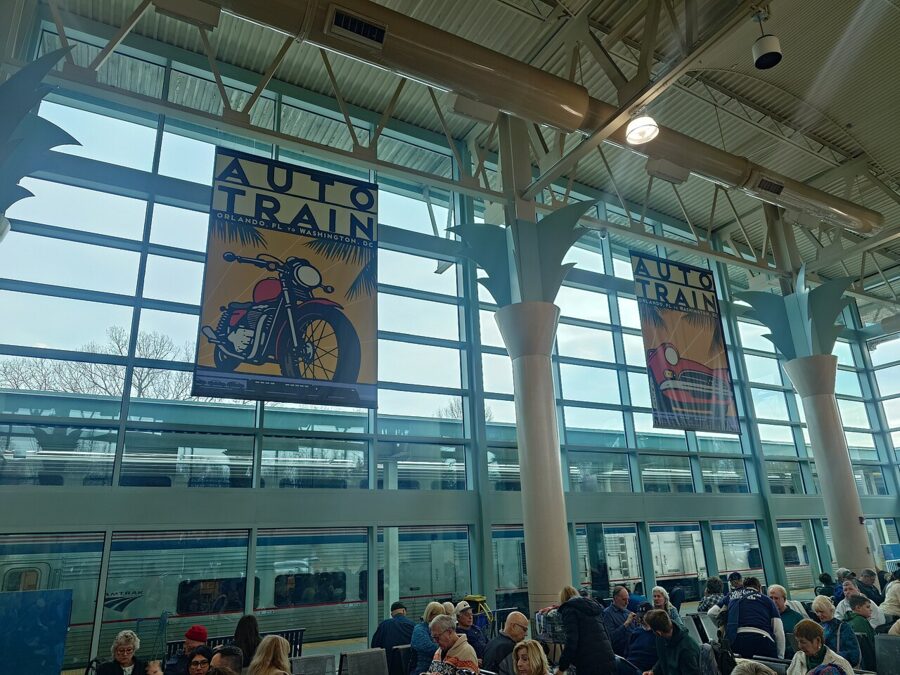
Superliner sleepers run on the Auto Train, the California Zephyr, the City of New Orleans, the Coast Starlight, the Empire Builder, the Southwest Chief, the Sunset Limited and the Texas Eagle. A standard Superliner sleeper has ten roomettes and five bedrooms upstairs, and four roomettes, the Family Room and the Accessible Bedroom downstairs. Upstairs there is one toilet near the stairs; downstairs there are three toilets, the shower and the luggage rack.
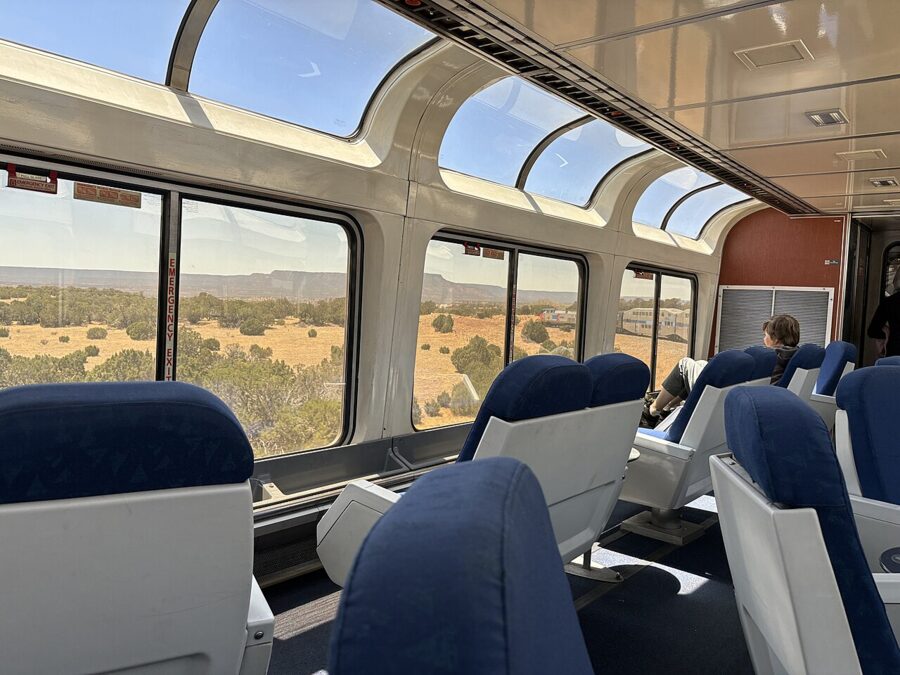
Upstairs is where you see the most; the lower level’s view is half fence and ballast.
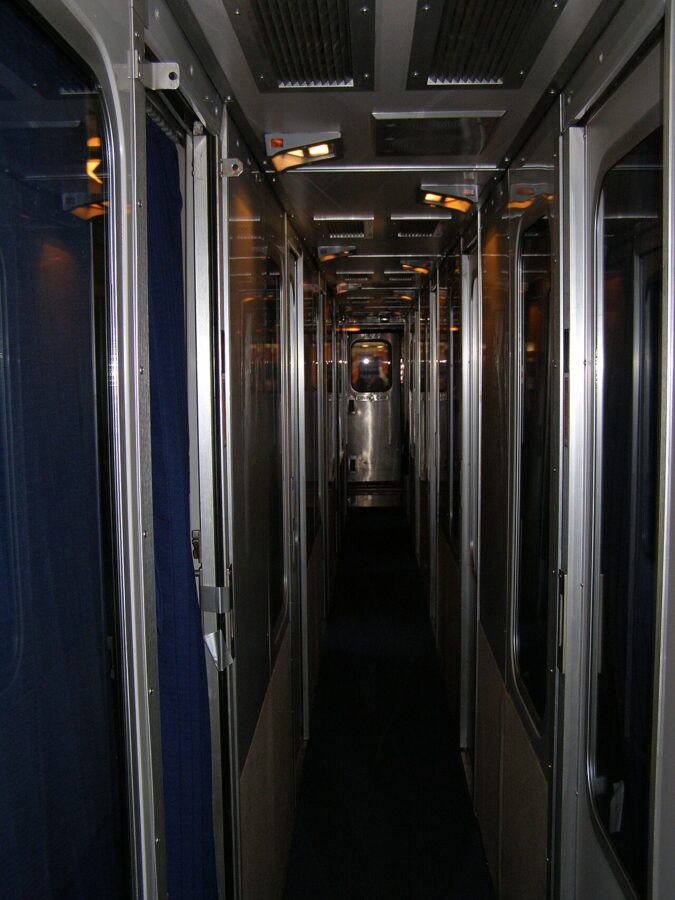
Superliner trains also carry a transition sleeper, the car next to the baggage car where the crew sleeps. Amtrak sells some of its roomettes to passengers, and on a sold-out date those may be the only rooms left. They sit nearer the locomotives and the baggage car, but they are the same roomette with a longer walk to the dining car.
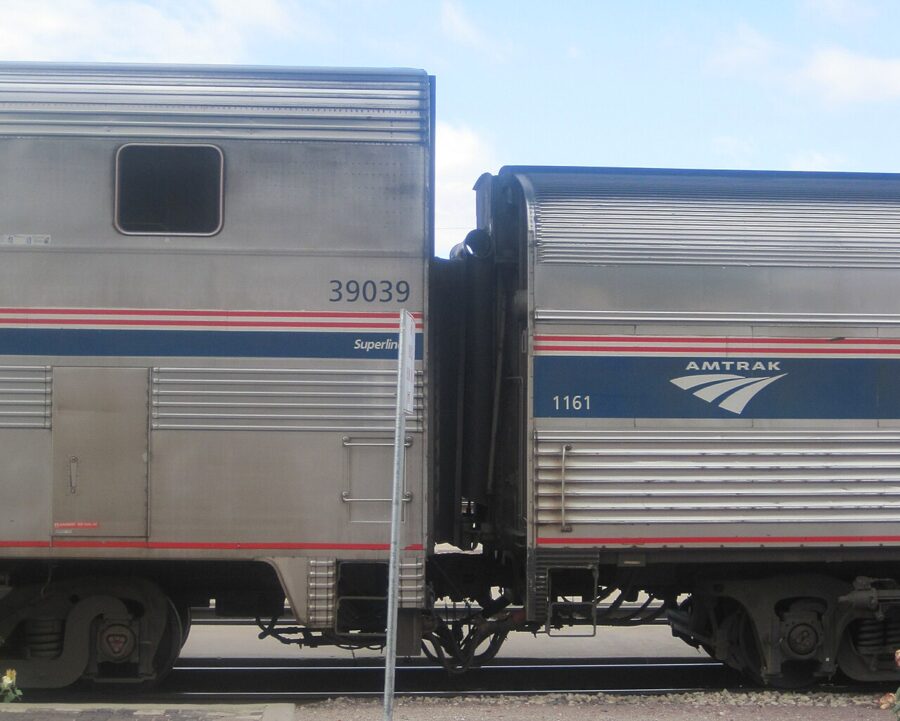
Viewliner trains
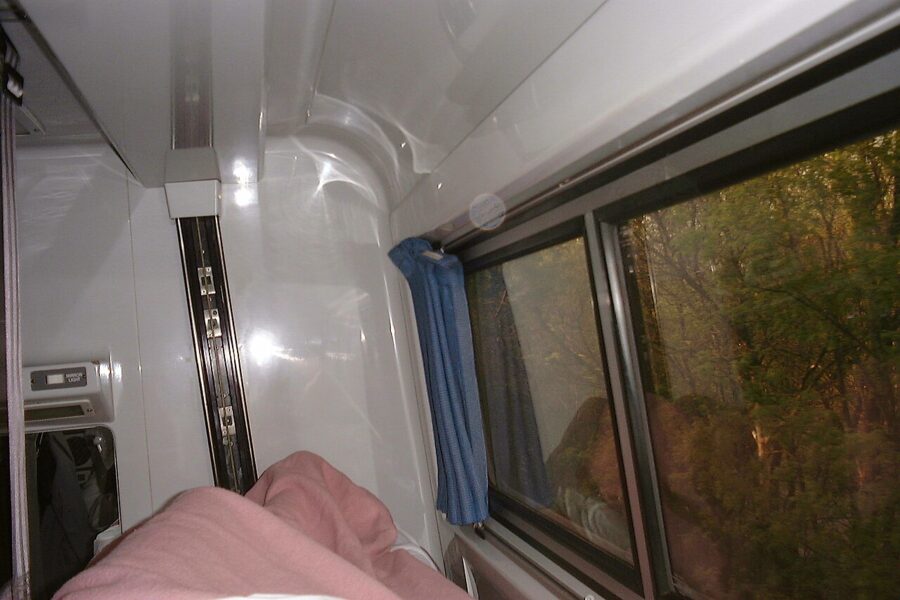
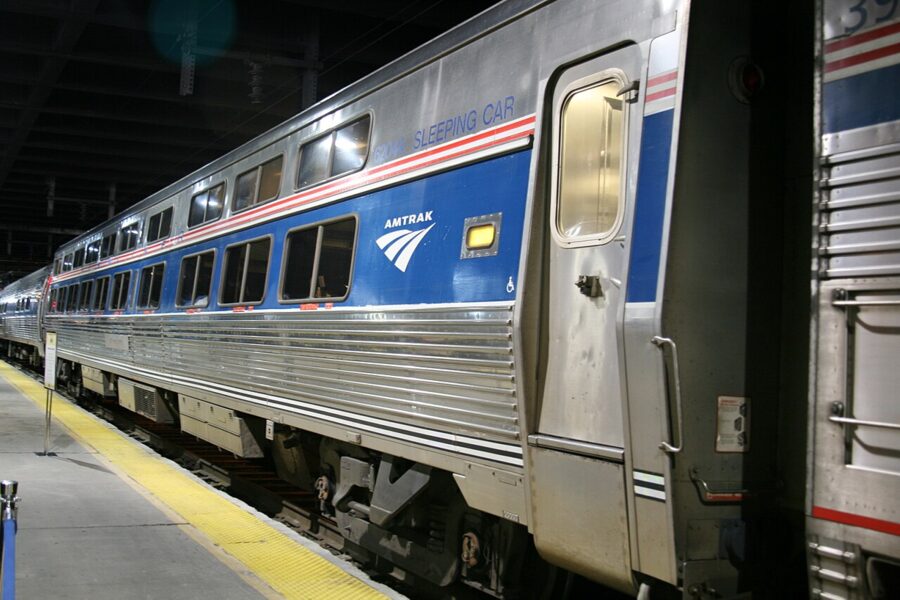
Viewliner sleepers run on the Cardinal, the Crescent, the Floridian, the Lake Shore Limited and the Silver Meteor. Everything is on one level, so there are no stairs to haul a bag up. The car has its roomettes, two bedrooms, the Accessible Bedroom and a shower for the roomettes, and its signature is a second, smaller row of windows high on the side so the person in the upper berth gets a view too.
The toilet question is where Viewliners get confusing. The 50 original Viewliner I cars, in service since 1995, put a toilet and a fold-down sink inside each roomette, next to the seat, with no door. The 25 Viewliner II cars that CAF finished delivering in 2021 removed the toilet: they keep the sink, give the space to a step and a luggage shelf, and add two shared restrooms and a larger shower down the hall.
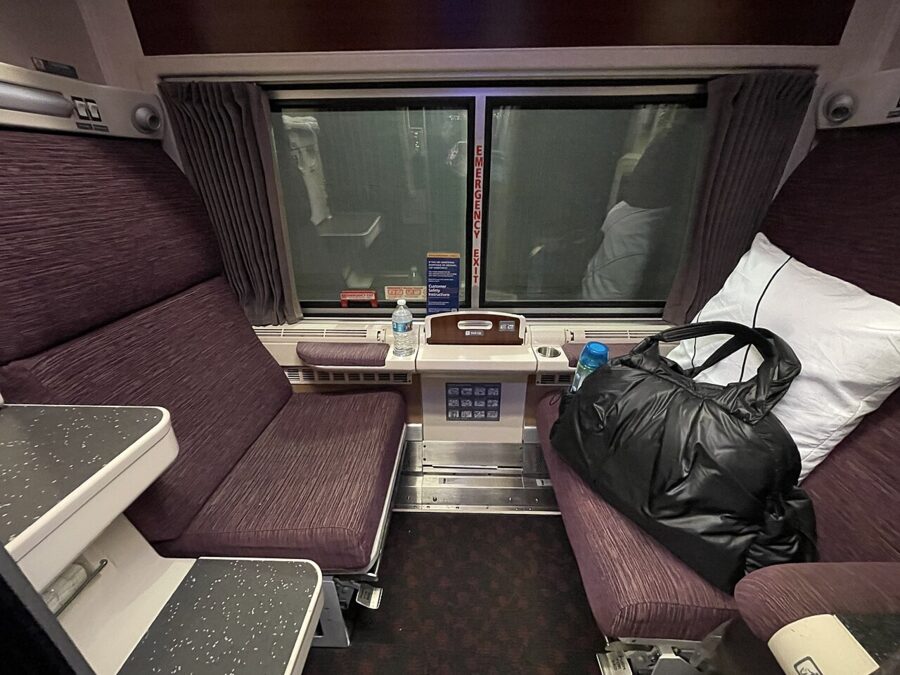
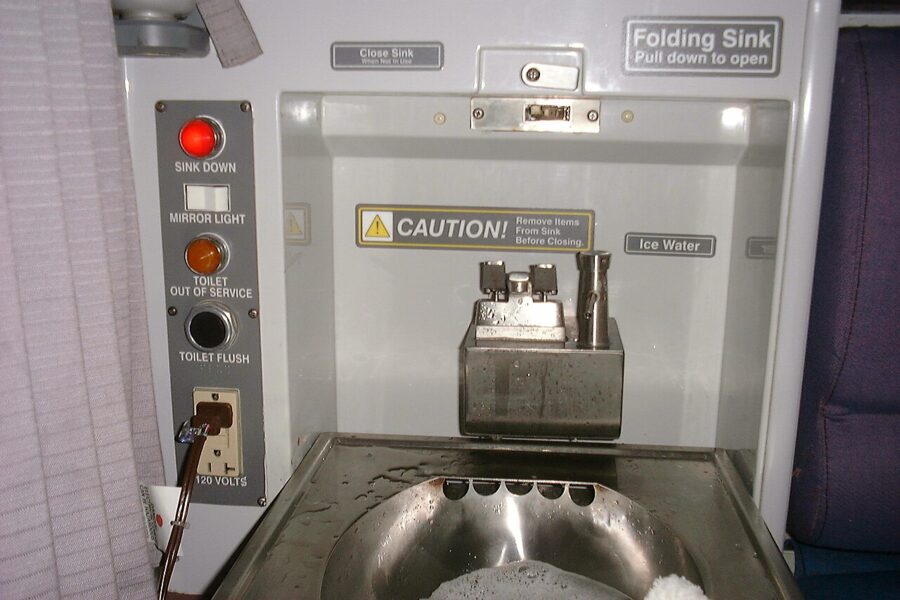
Opinions split on the in-room toilet. Some riders like not walking the corridor at night; others find that a toilet beside the seat, in a room two people share, smells like an airplane lavatory by morning. You cannot pick between the two car types online: Amtrak assigns the room number automatically and prints the car and room on the ticket. If it matters to you, call Amtrak before you pay: agents can move a booking to a particular car or room, though they may not know which type runs in each car line.
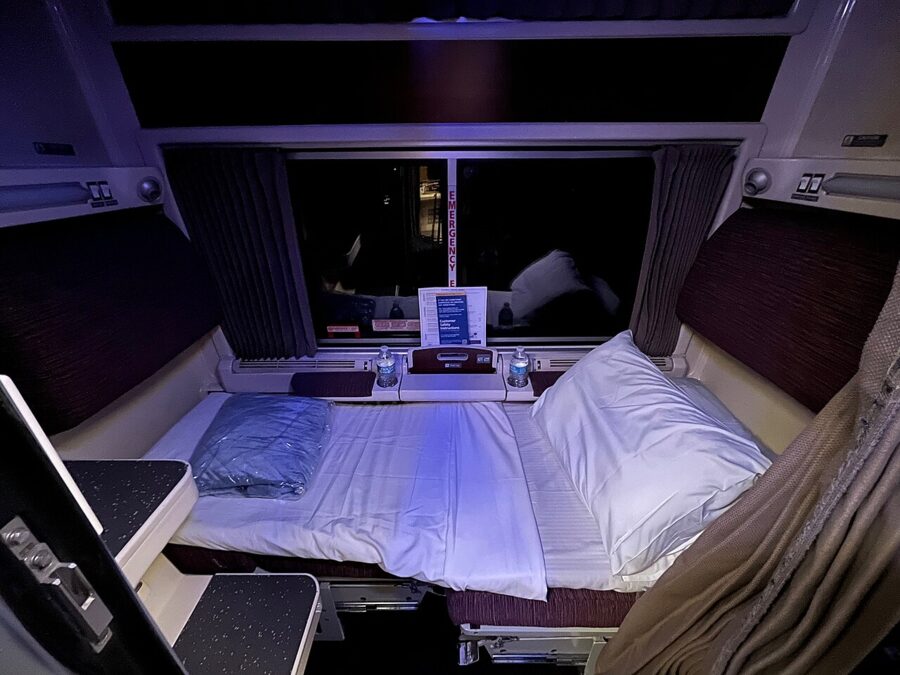
Viewliner bedrooms have their own toilet and shower, but the beds run across the car rather than along the window.
Both fleets are getting old. In February 2026 Amtrak announced that its replacement long-distance fleet will be single-level on every route, double-deck Superliners included, with the first new cars due in the early 2030s. Until then, today’s cars are the ones you will ride.
What the room includes
The room price covers more than the bed. Amtrak lists meals on board, the dedicated attendant, lounge access at major stations and priority boarding for every private room. The attendant helps with bags, makes up the beds, brings meals to the room on request and will wake you for an early station.
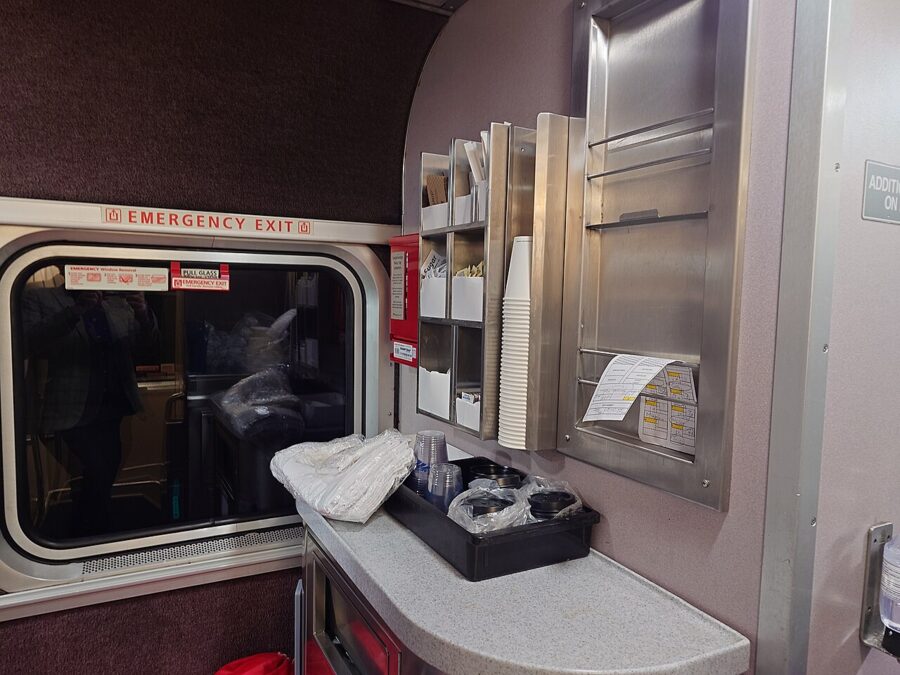
Each sleeping car also has a small coffee station, usually mid-car, with coffee, hot chocolate and bottled water you help yourself to. Towels come with every room, and the bedrooms keep hand towels, soap and toilet paper in the vanity cabinet.
Dining in 2026: Traditional or Flex
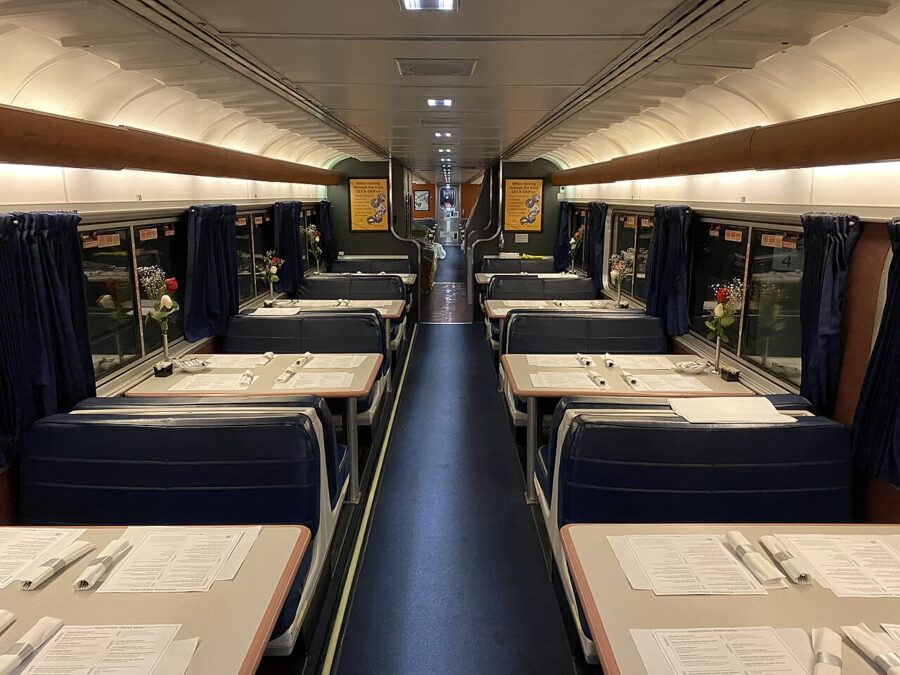
Meals are included for everyone booked in the room, and which meals you get depends on the train. Traditional Dining, with a chef cooking on board, table service and a three-course dinner, runs on the Auto Train, California Zephyr, Coast Starlight, Empire Builder, Floridian, Silver Meteor, Southwest Chief, Sunset Limited and the Texas Eagle between San Antonio and Los Angeles. You reserve lunch and dinner times; last seatings are 9:30 a.m., 2:30 p.m. and 9:00 p.m., and the first alcoholic drink is included.
Flexible Dining runs on the Cardinal, City of New Orleans, Crescent, Lake Shore Limited and the Texas Eagle between Chicago and San Antonio. It is a short menu of ready-made dishes heated on board, served in the dining car or your room at breakfast, lunch and dinner. In February 2026 Amtrak added lunch items, from a turkey sub to a Greek salad, so lunch no longer repeats dinner.
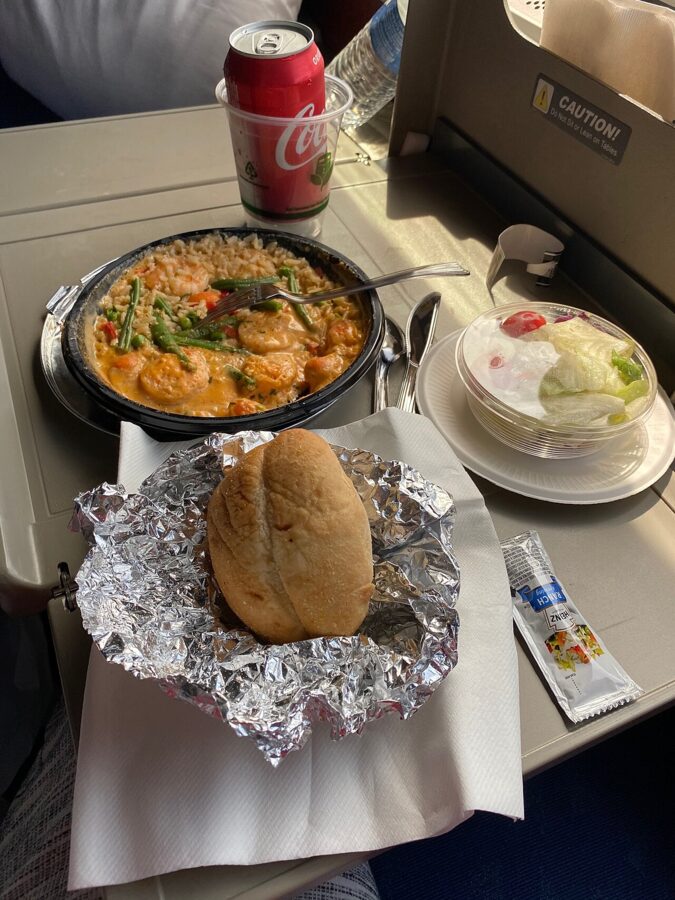
The food is part of the price, and it is a real part. On trains with Traditional Dining, coach passengers can sometimes buy a seat in the dining car once the sleeping car is served, and Trains magazine reported the going rate on the Floridian early in 2026 as $20 for breakfast, $25 for lunch and $45 for dinner. Two people eating three meals a day for two days would spend about $360 at those prices, which narrows the gap between coach and a roomette more than the fare screen suggests.
Lounges before you board
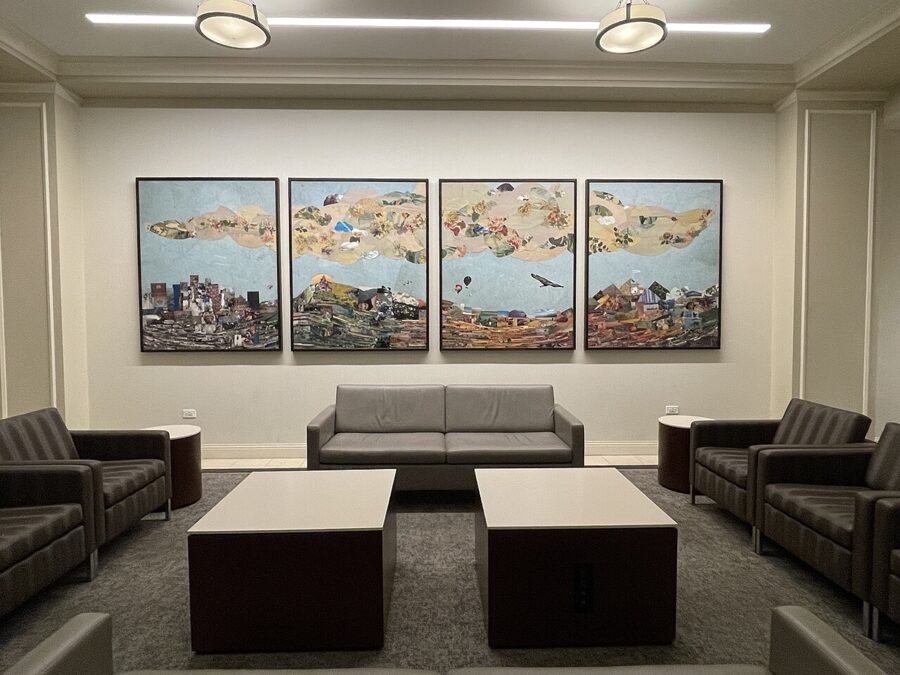
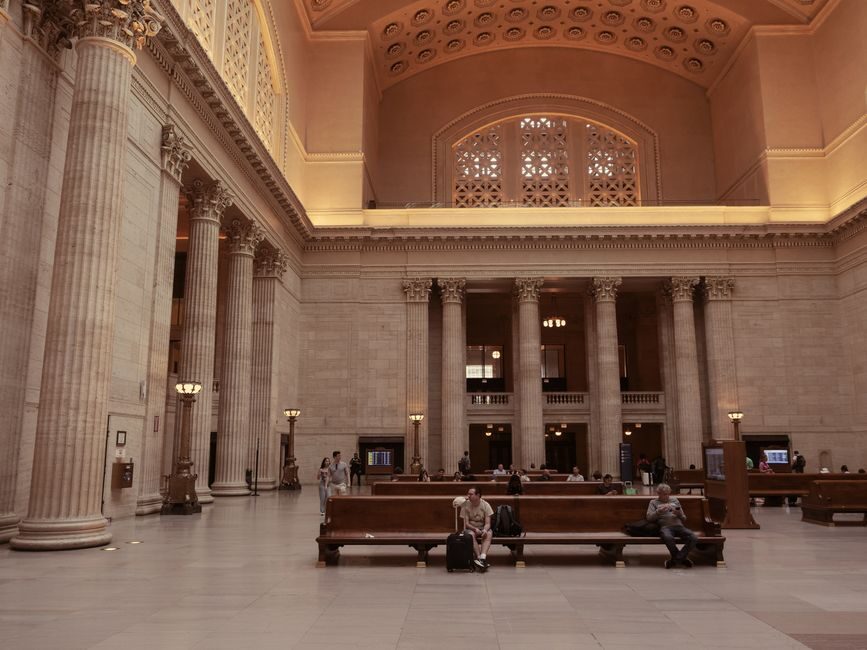
A private room on a train leaving that day gets you into Amtrak’s Metropolitan Lounges in Boston, Chicago, Los Angeles, New York’s Moynihan Train Hall, Philadelphia, Portland and Washington. Older guides still call the Northeast ones Club Acela; all seven now share one name and one rulebook. Inside are quiet chairs, free soft drinks and snacks, Wi-Fi, and staff who help with tickets and questions about the train.
Since July 2025, entry opens three hours before departure, and arriving passengers get in only if they connect to another sleeper or Acela First Class train that day. Unstaffed private waiting rooms in New Orleans, St. Louis, St. Paul and Wilmington also admit sleeping car passengers.
Anyone else can buy a Single Visit Pass for $35, or $50 at Moynihan, as of 2026.
How Amtrak prices a room
A sleeper ticket has two parts. Each traveler pays a rail fare, the same kind of fare a coach passenger pays, and the room carries one accommodation charge whether one or two people use it. So a couple in a roomette pays two rail fares and one room, and a solo traveler pays one rail fare and the whole room.
The room charge is where the money moves. Amtrak sets a ladder of prices for each room type on each train between each pair of stations, and as rooms sell, the cheaper rungs close. Trains magazine described the result in its look at Amtrak’s 2025 results as fares “raised exponentially as coach seats and sleeping car space fill up.” That is why one roomette can be priced at a few hundred dollars on a quiet winter date and well over a thousand on a full summer one, with nothing different about the room.
A solo traveler in a bedroom therefore pays the full price of a room built for two. Adding a second person to a roomette or bedroom usually costs only that person’s rail fare. On long trips that is where a room starts to look like good value.
Room fares follow Amtrak’s private room rules in its guide to fares. Cancel 121 days or more before departure for a full refund; between 120 and 15 days out, you get 75 percent back and lose 25 percent. Inside 14 days, the 75 percent comes back as an eVoucher rather than money. Changes carry no fee, but you pay any difference in fare.
What does not cover a room
Several discounts stop at the rail fare. The senior discount of 10 percent for travelers 65 and over does not apply to sleeping accommodations, and the 50 percent child fare for ages 2 to 12 comes off the child’s rail fare, not the room. The USA Rail Pass, $499 for 10 rides in 30 days as of 2026, is for coach only, and Amtrak says upgrades to private rooms are not available on it.
Amtrak Guest Rewards works differently. Members earn 2 points for every dollar spent on Amtrak travel under the program’s current terms, and you can price a trip in points by switching on “Use Points” in the fare search, or mix points and cash from 100 points. Whether a room is offered for points depends on reward availability, blackout dates may apply, and points cannot pay for a BidUp offer.
How to pay less
Book the moment your dates are fixed. Amtrak opens sales 11 months ahead, and the lowest room prices are the first to go. Travel midweek and outside the summer and the holidays: for booking Amtrak over the holidays, the rooms for Christmas week sell first.
Search the trip in pieces. A room sold out end to end may be free from an intermediate city, and a roomette that opens at Kansas City still beats a night sitting up from Chicago.
BidUp lets coach passengers offer a price for an empty roomette or bedroom. The invitation arrives by email or in the app within four days of departure, you can bid up to four hours before the train leaves, and if you win you are charged per room, not per person. An awarded upgrade makes the whole ticket non-refundable and non-changeable, even if you started with a flexible fare.
Watch for companion sales. Amtrak’s “Twice as Nice” offers in October and December 2025 let a second traveler ride free in a roomette, with a promotion code and a short booking window. Amtrak has run the offer more than once, so it is worth watching for before you pay full price for two.
Choosing the room in the car
Amtrak assigns the room number when you book, and the ticket shows the car and room. You cannot choose on the website, but you can call and ask for a different room in the same car or another car, subject to what is left, and sometimes at a different price because the other car sits on a different rung of the price ladder.
On a Superliner, I would take an upstairs roomette in the middle of the car. Rooms at the ends sit over the wheels and near the doors to the next car, which bang every time someone walks through to breakfast. Upstairs rooms near the stairs and the single toilet hear a steady traffic of feet.
The lower-level roomettes, numbered 11 to 14, divide opinion. The view is lower and the Family Room’s noise carries, but they are tucked out of the corridor traffic, a few steps from three toilets, the shower and the luggage rack.
On a Viewliner, take the upper berth if you are the one who wants to watch the night go by; it is the only upper bunk on Amtrak with its own window. Ask by phone about the car type if the in-room toilet matters to you, one way or the other.
Packing for a roomette
Amtrak’s baggage policy allows each traveler one personal item and two carry-on bags, and most long-distance trains also check bags between staffed stations. On the Auto Train, there is no checked baggage, but you can pack the car you are bringing. The real limit is the room: a roomette has no floor to speak of once two people are in it.
On a Superliner, leave the big suitcase on the lower-level luggage rack and bring a small soft bag upstairs with what you need for the night. On a Viewliner there is no separate rack, so the bag goes in the loft over the corridor, which is easiest with the attendant’s help, or under the step in a Viewliner II roomette.
What I would put in that small bag:
- Slip-on shoes for the walk to the shower.
- Layers; cars run warm or cold by the hour.
- Earplugs and an eye mask.
- A long charging cable.
- A small flashlight.
- Cash for tips.
Tipping the attendant
Amtrak publishes no tipping rule, and the attendant’s job does not depend on it. Tipping is still the custom in the sleeping car, and riders’ own figures cluster around $10 to $20 per night for the room. I would give $10 a night for a roomette, more for a bedroom or a family, and more again if meals came to the room or the attendant handled heavy bags. Cash at the end of the trip is the usual way, with a word of thanks.
In the dining car, many sleeping car passengers leave a few dollars for the server even though the meal is included.
Sleeping well
The first night is often the worst. Long-distance trains mostly run on freight railroads, and the track, the couplers and the slack between cars all make themselves felt, more in the end rooms of a car than in the middle.
Ask the attendant to make up the beds before you go to dinner, so you come back to a dark, ready room. In a roomette for two, the person who sleeps up top should go to bed first and get up last, which keeps the ladder clear. Keep the curtain fully drawn on the corridor side; the hallway lights are dimmed at night, not turned off.
Is a roomette worth it, one night or two?
On a one-night trip, the room buys you a bed, a door and two meals. If the fare difference over coach is under $250 or so, I would take it, because a night sitting up in coach costs you the next day. If it is $600 for one night on a train that arrives by lunch, coach with an eye mask is the sensible call.
On two nights, the arithmetic turns. The room covers about six meals each, two nights’ sleep and a private place to sit, while coach travelers pay for food and lose the second day to tiredness. For the California Zephyr, the Empire Builder, the Southwest Chief or the Floridian end to end, I would book the roomette if you are alone or a couple who do not mind closeness, and a bedroom for two adults who want their own shower.
The bedroom earns its price when you are two people on two nights and the fare is less than about twice the roomette’s. Above that, two adjoining roomettes or a single roomette with a shower down the hall is the better buy. For a family, the Family Room, booked as early as Amtrak allows, beats any combination of other rooms.
Where the trip is short and daytime, skip the sleeper altogether: Brightline covers Miami to Orlando in an afternoon, and no bed is needed for that. For everything that crosses a night, book the room early, ask for the middle of the car, and leave the shoes by the door for the moment the attendant knocks and turns your seats into a bed.