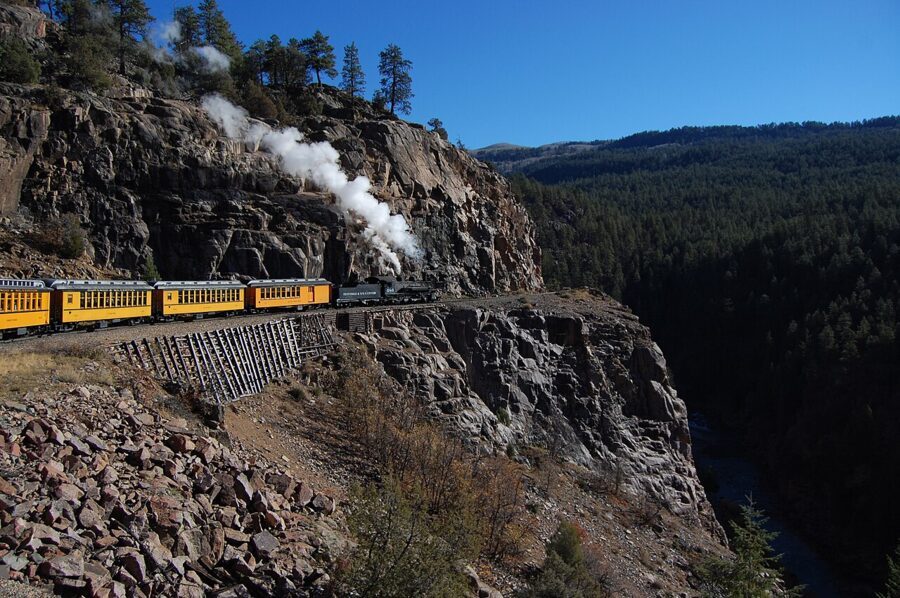
A few minutes north of Rockwood, the last station a road reaches, the Silverton train slows onto the High Line: a shelf cut into the canyon wall, with the Animas River a long way down and nothing between it and the open gondola car but air. Then the track drops toward the water and crosses it on the High Bridge, and for the rest of the morning the only way up the canyon is the train you are on. Trains have run this line to Silverton without a break since 1882.
That is the ride most lists put first, and it earns the place. But count the museum lines, dinner trains, logging railroads and holiday specials, and America has hundreds of tourist trains. The ones worth building a trip around share three things: a line that goes where a road does not, equipment that belongs to the place, and a timetable that puts the best stretch in daylight.
The choice usually comes down to time. A 45-minute steam ride through Lancaster County farmland and an eight-hour day over White Pass into the Yukon are both called tourist trains, and they ask very different things of your day. Steam or diesel matters, and so does the month: several of the best routes close or shorten in winter, and steam departures on the busiest lines sell out well ahead.
Stops in this article8
Heritage railroad, tourist line or Amtrak: what you are choosing between
A heritage railroad runs old equipment on a line kept alive for its own sake: the Durango & Silverton on its 1882 branch, the Cass Shays on a logging grade built in 1901, the Strasburg Rail Road on track it has used since its charter in 1832. These are the rides where steam is the point. Many add a historic preservation fee to the ticket, which is worth knowing when you compare prices.
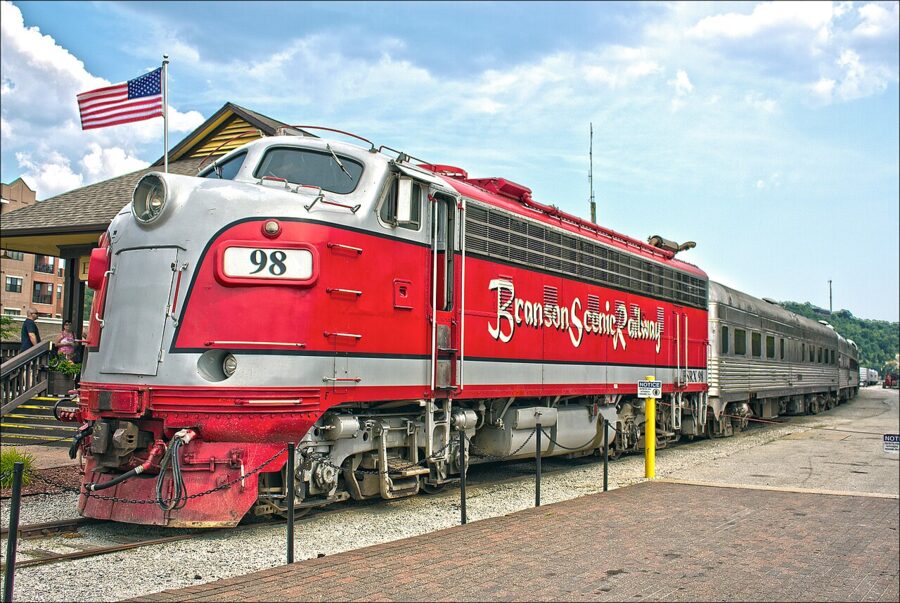
A tourist line is built around the ride rather than the history. The Branson Scenic Railway runs vintage Budd coaches and dome cars over a working freight railroad, and the Napa Valley Wine Train is a three-hour lunch with a valley going past. Judge these on the meal, the cars and the stretch of line, not on steam.
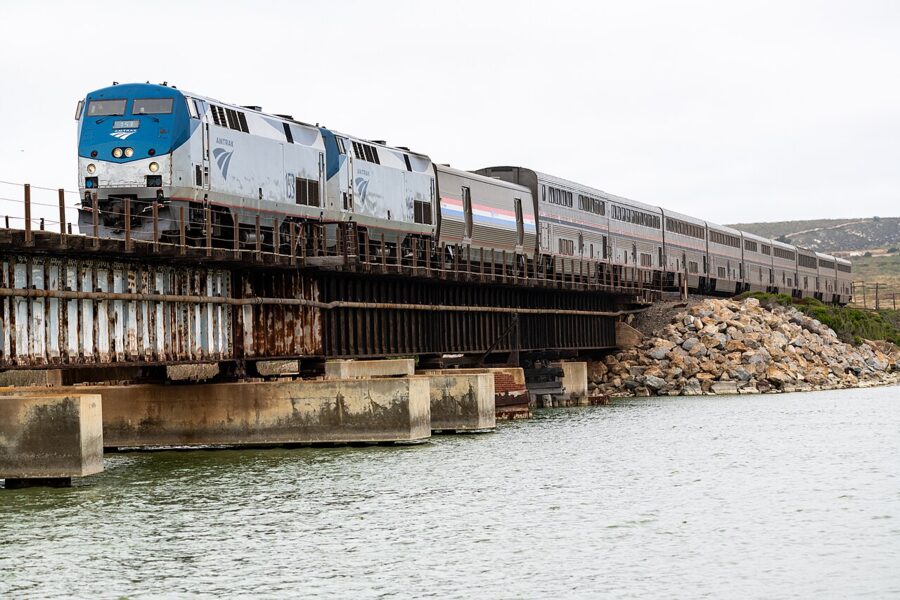
The third kind is the one people forget. Amtrak’s long-distance trains cross some of the best rail scenery in the country on a normal ticket, and on the California Zephyr the canyon stretches come in daylight in both directions. If you want mountains from a window rather than a locomotive on a platform, start there.
The West and the Rockies
Durango & Silverton Narrow Gauge Railroad, Colorado
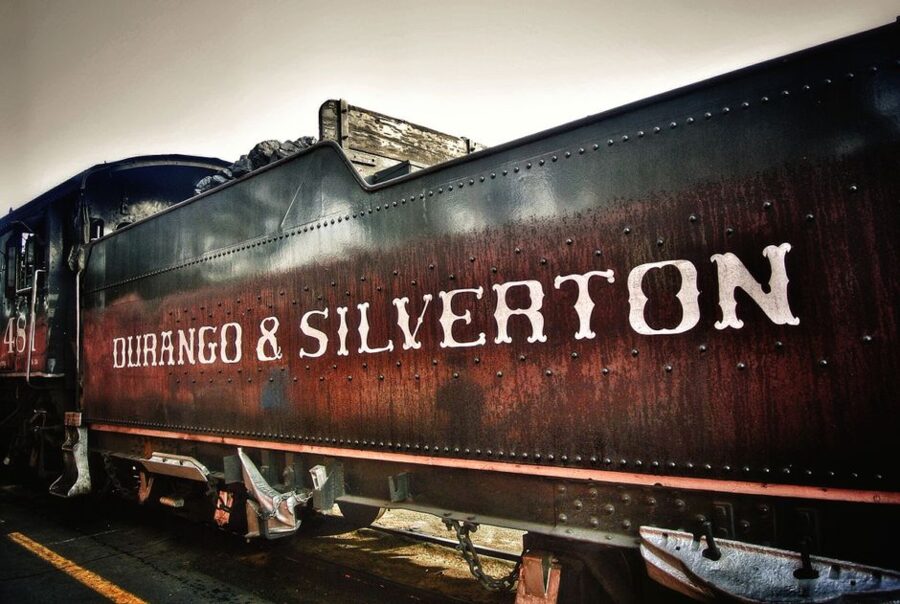
The full ride is 45 miles each way along the Animas River: about three and a half hours up, close to two hours in the mining town of Silverton, and three and a half hours back. In 2026 the Silverton trains ran May 2 to November 1, with a 9:00 a.m. departure all season and extra trains on peak dates. The railroad sells steam and diesel trains on the same route, so check which one you are booking.
The 2026 Silverton fares started at $118 for an adult in a standard coach ($108 for ages 4 to 11) and $129 in an open gondola. First-class cars ran $226 to $259, and the Cinco Animas, a Victorian private car for adults, was $313. Those prices include the railroad’s 8% historic preservation fee. If seven hours on the train sounds like a lot, take the motorcoach one way: $10 for a morning bus up or $32 for the afternoon bus back, on top of a one-way fare.
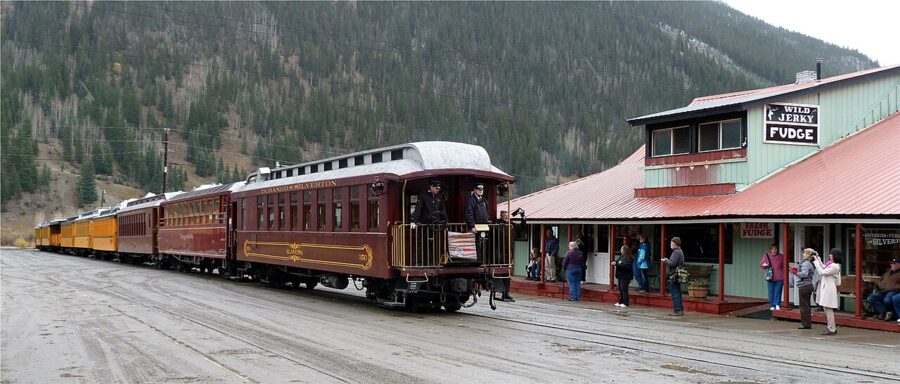
From late November through April the train goes only as far as Cascade Canyon, 26 miles up the line, on the Cascade Canyon winter train, with heated coaches and an hour by the river. The canyon had a hard autumn in 2026: November flooding washed out about 300 feet of roadbed north of the Hermosa Creek bridge, and the railroad’s repair updates reported the line rebuilt for the winter trains on November 20.
Cumbres & Toltec Scenic Railroad, Colorado and New Mexico
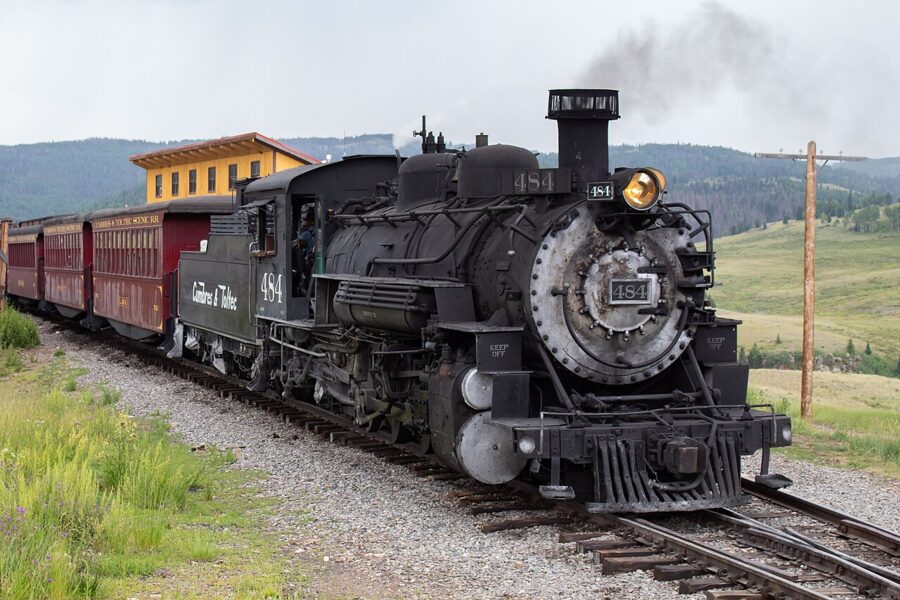
If the Durango line is the famous one, the Cumbres & Toltec is the one rail people argue for. It runs 64 miles between Antonito, Colorado, and Chama, New Mexico, crosses the state line 11 times, goes through two tunnels and over the 137-foot Cascade Trestle, and tops out at Cumbres Pass at 10,015 feet. The two states own it jointly, and every regular train is steam.
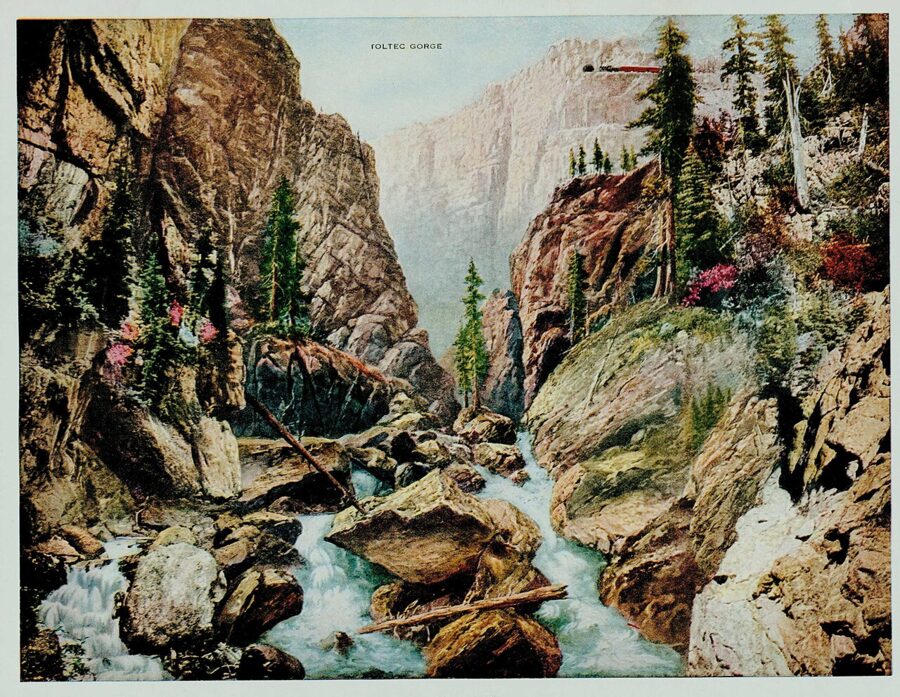
From Chama the engine works up a 4% grade to the pass, and you hear every beat. From Antonito you get the high desert and then the walls of Toltec Gorge. The standard trips are a round trip to Osier with lunch (six to seven hours), the full line with a motorcoach back (about eight), or the three-hour Chama Express to the summit.
The 2027 season runs May 29 to October 17, and tickets are on sale. Coach is padded benches with access to the open gondola, Deluxe has tables and snacks, and the Parlor car is for adults 21 and over. The railroad shows fares only in its booking calendar, so I have not quoted one. Its booking rules add a 7% preservation fee and refund nothing inside 48 hours.
Grand Canyon Railway, Arizona
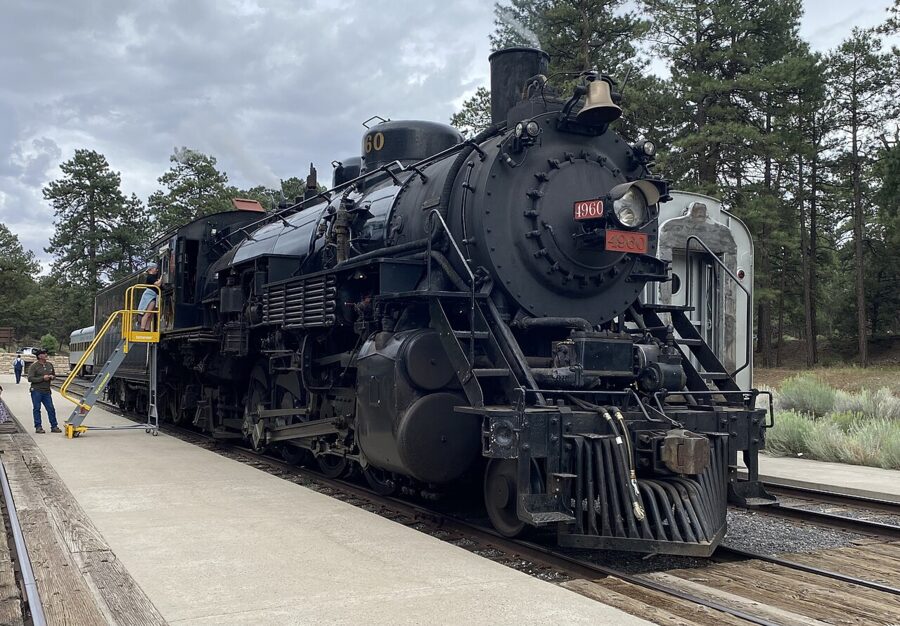
This is a ride with a destination. The train leaves Williams at 9:30 a.m. (an hour earlier in November and December) and covers 65 miles in two hours and 15 minutes to the 1910 Grand Canyon Depot on the South Rim. You get three hours and 45 minutes at the rim before the 3:30 p.m. return. The line first ran in 1901.
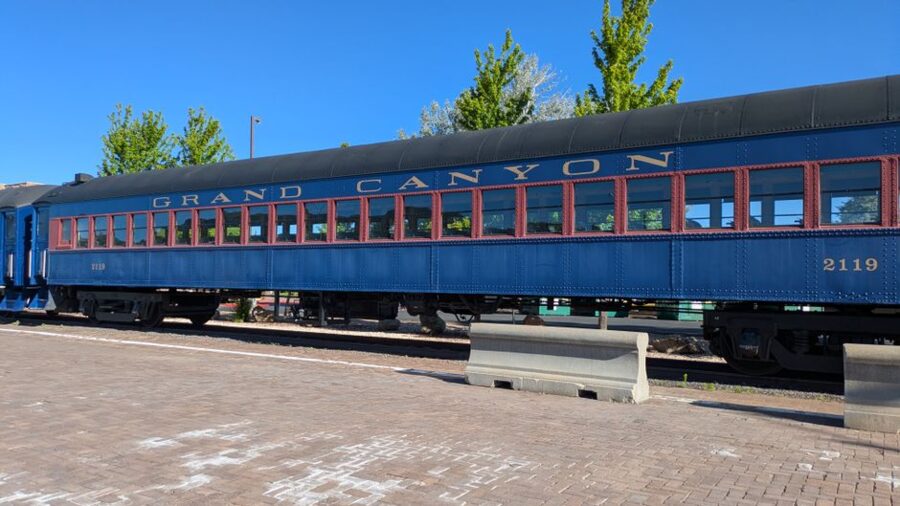
The 2026 class fares ran from $69.98 for an adult in Pullman Class (1923 cars, no air conditioning, March to October) through $89.98 in Coach to $242.98 in the Luxury Dome or Luxury Parlor. The railroad’s booking rules add the park entrance fee ($20 for one adult, $35 for two to nine), and riders who are not U.S. residents pay a further $100 park fee each at 16 and over.
Most days the train is diesel. Steam runs on select dates between March and October, only on the morning train, and three summer steam days were cancelled in 2026. I would book Coach in summer and the Pullman in spring or fall, and save the dome money for a line with more to look at.
The Skunk Train, California
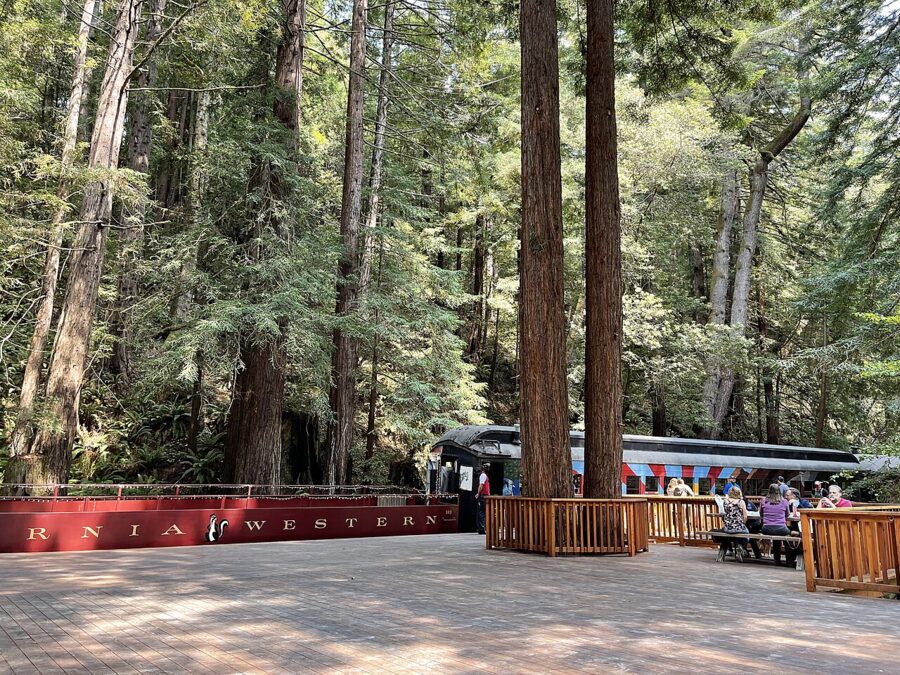
The Mendocino Railway’s Skunk Train works two short rides through the redwoods. From Fort Bragg, the Pudding Creek Express is a 50-minute, 7-mile round trip along the estuary to Glen Blair Junction, and your return is good on any later train that day. From Willits, the Wolf Tree Turn is the better ride: two hours and 16 miles, over the highest point on the line, through Tunnel No. 2 and down into the Noyo River canyon. As listed in 2026, seats were $49.95 and $64.95; steam runs once a year on the Days of Steam trains.
Napa Valley Wine Train, California
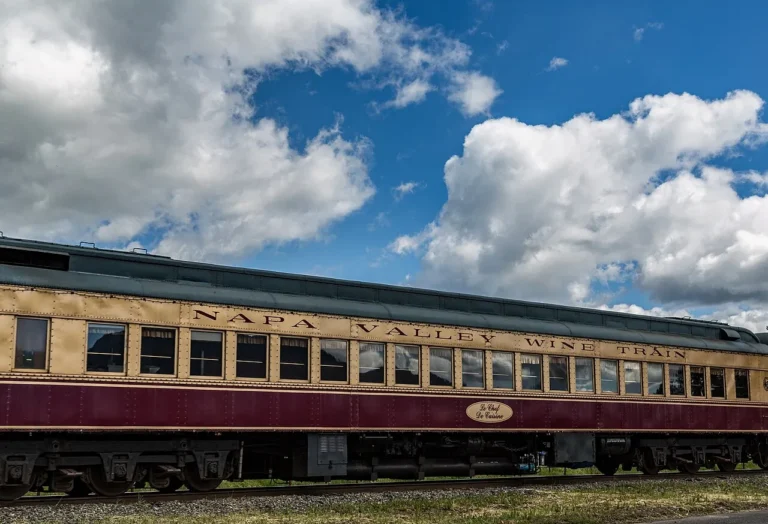
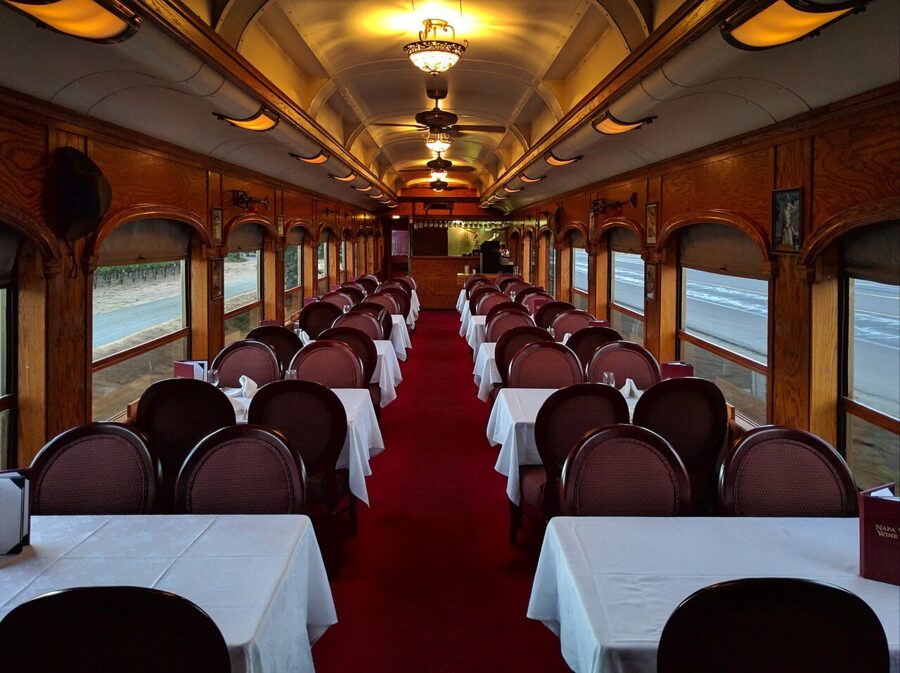
Treat this as a long lunch that moves. The Gourmet Express leaves downtown Napa at 11:30 a.m. for a three-hour, 36-mile round trip to St. Helena, with three courses in 1915 Pullman cars. Fares vary by experience and date and appear only when you book.
Alaska and the Northwest
Alaska Railroad
The Alaska Railroad links Seward, Anchorage, Denali and Fairbanks, with trains on part of the line all year, and in summer it is the best way to see the country between them. Adventure Class is coach with big windows and, in summer, open seats in a Vista Dome car on most trains. GoldStar Service puts you in a glass-domed car with an upper-level outdoor platform, and the fare includes meals.
For one day, take the Coastal Classic from Anchorage to Seward (May 14 to September 12 in 2027). The summer 2027 fares are $133 one way or $226 round trip in Adventure Class, and $289 or $491 in GoldStar. The Denali Star (May 12 to September 16) costs $205 to Denali in Adventure Class or $411 in GoldStar, and $294 or $578 all the way to Fairbanks. Children 2 to 11 pay about half.
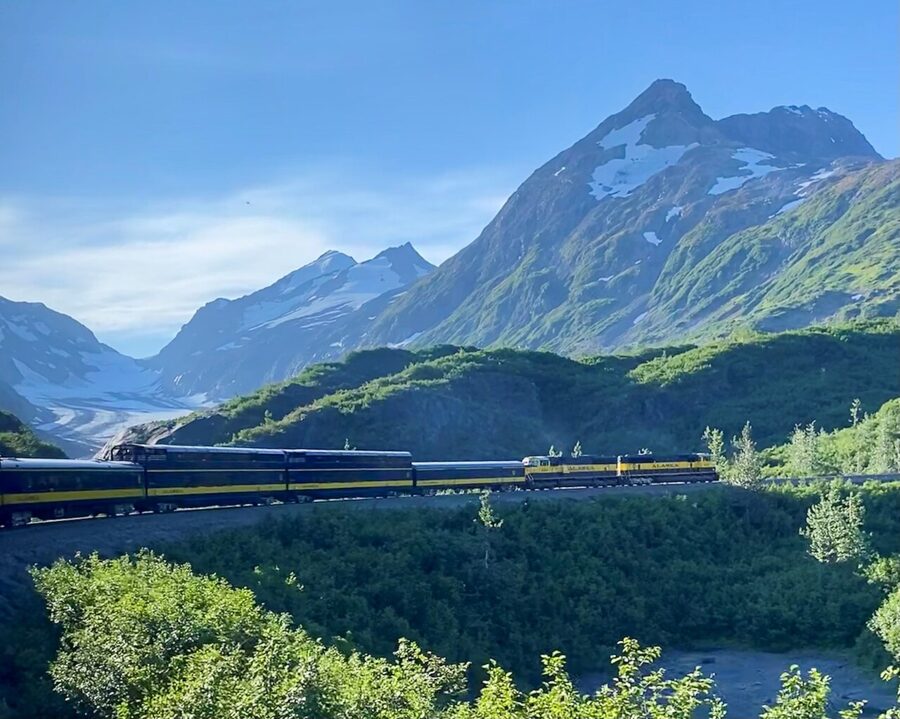
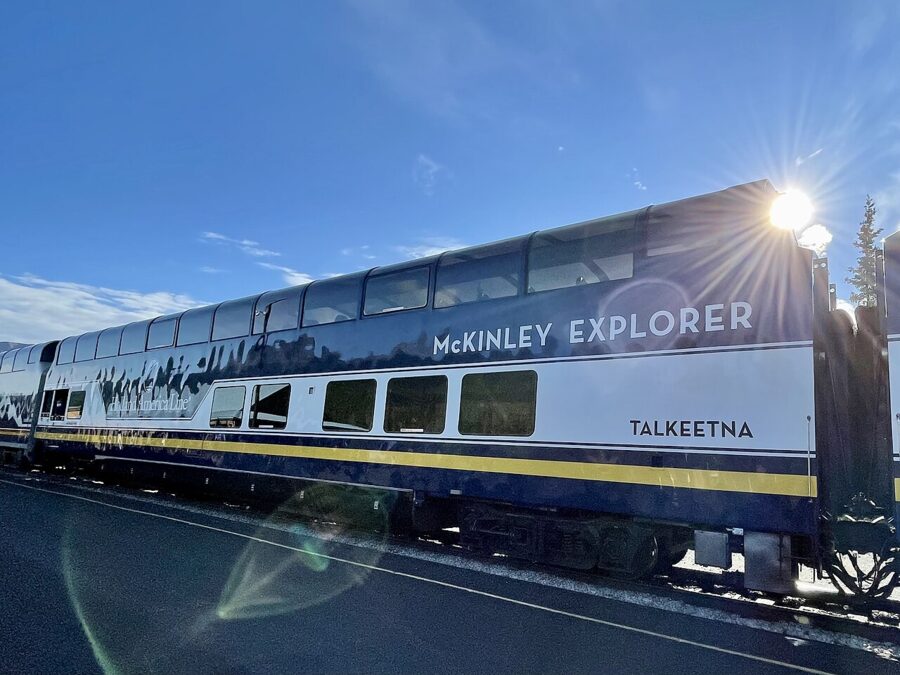
Two smaller trains are the ones I would add. The Glacier Discovery runs from Anchorage to the Spencer Glacier Whistle Stop for $158 round trip, with an optional talk from a U.S. Forest Service ranger. The Hurricane Turn out of Talkeetna is a flagstop train that stops wherever someone waves it down; it runs Thursday to Monday, May 13 to September 12, the round trip to Hurricane is $128, and there is no food on board.
White Pass & Yukon Route, Alaska and Yukon
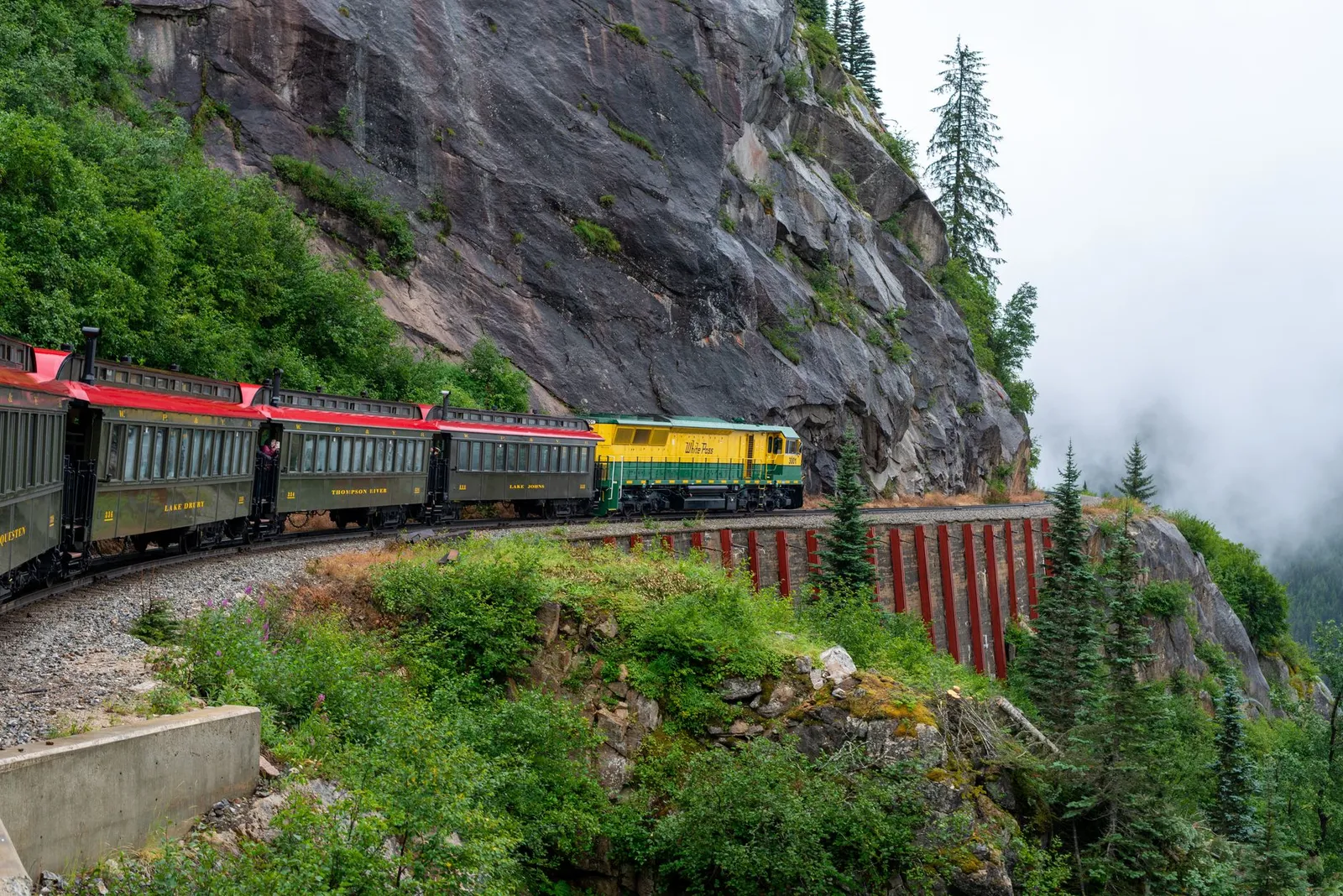
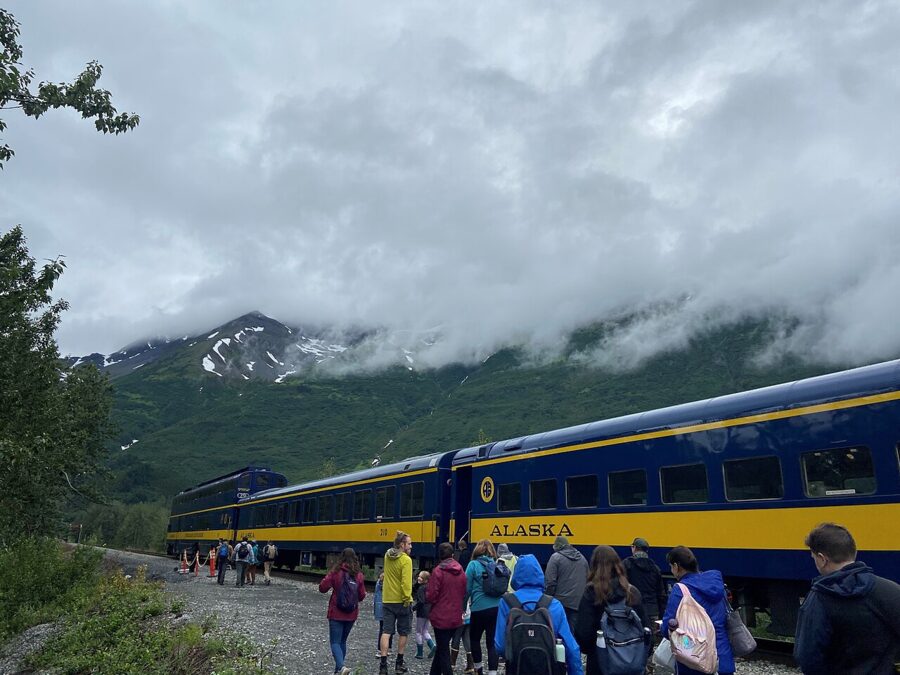
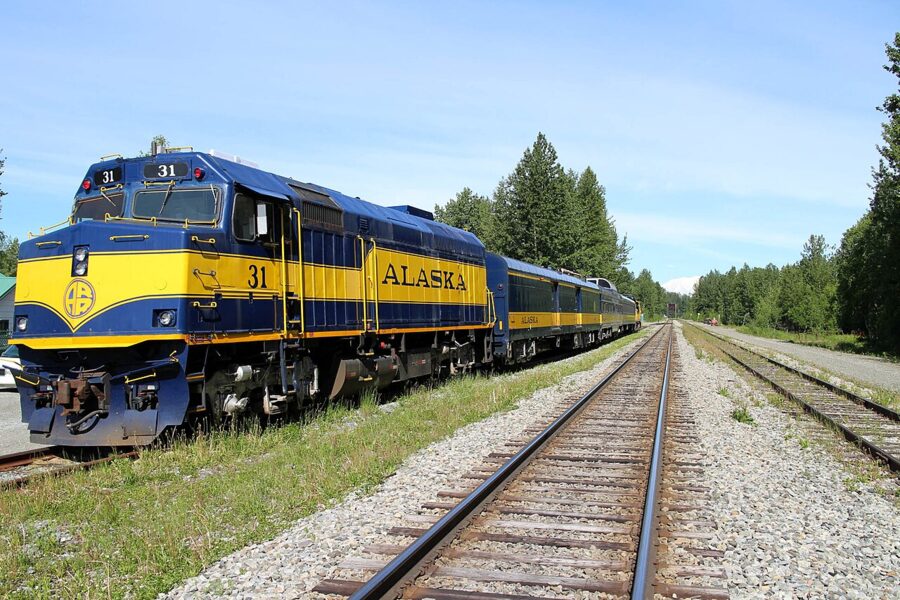
Built in 1898 for the Klondike gold rush, the White Pass & Yukon Route climbs out of Skagway on narrow-gauge track past Bridal Veil Falls and Dead Horse Gulch, where the trail of 1898 is still worn into the rock. Its 2027 excursions are on sale. The White Pass Summit Excursion is a 40-mile round trip of under three hours, April 23 to October 6, for $169 per adult.
The Bennett Scenic Journey rides 67.5 miles by train to Carcross in the Yukon and returns by motorcoach, eight hours in all, May 25 to September 11, for $319. It crosses into Canada, so carry what you need at the border. For steam, the Steam Summit Loop puts you in a vintage parlor car behind a 1947 locomotive for about three hours at $265, no passport needed.
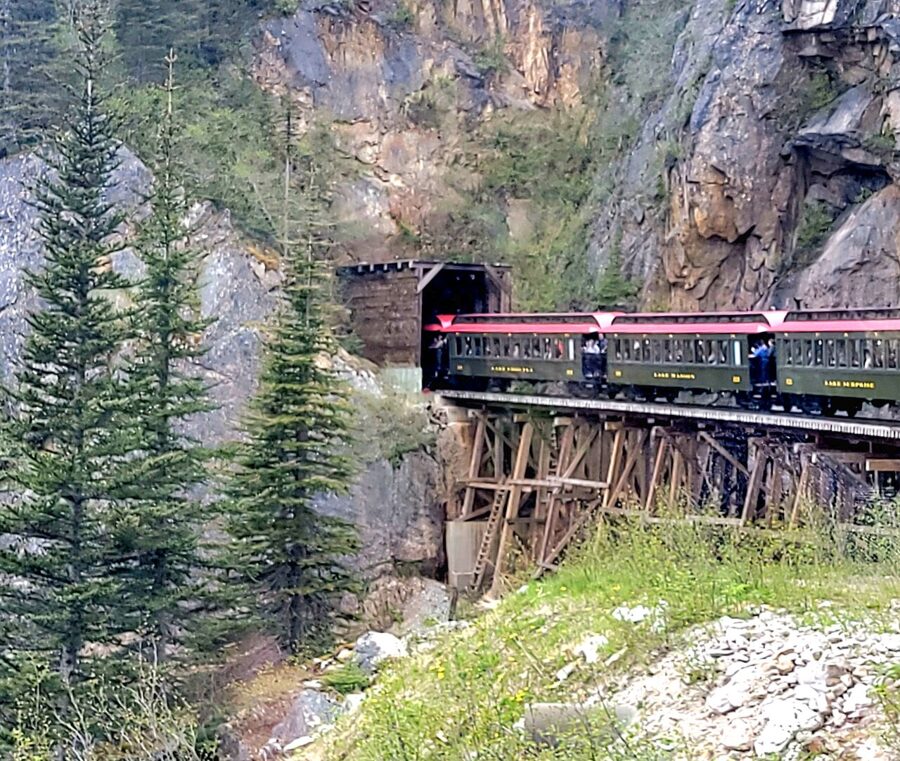
Mount Rainier and the Pacific Northwest lines
The Mt. Rainier Scenic Railroad at Elbe, Washington, is running again and now in its third season back. In 2026 it debuted Porter No. 5, a 1925 steam locomotive restored to run for the first time in decades, and its steam excursions were listed at $34 for adults and $15 for ages 6 to 17.
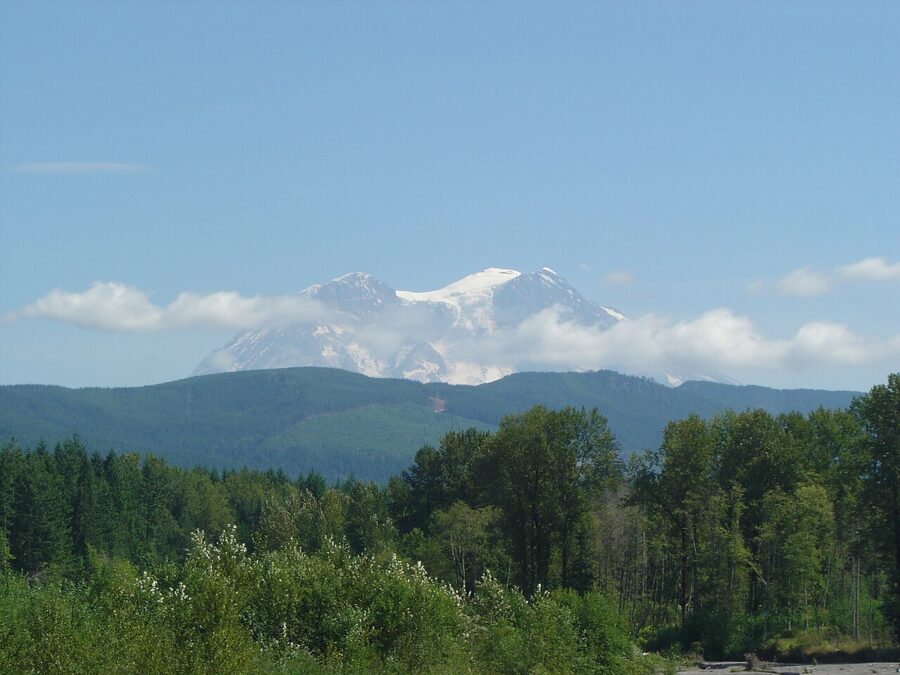
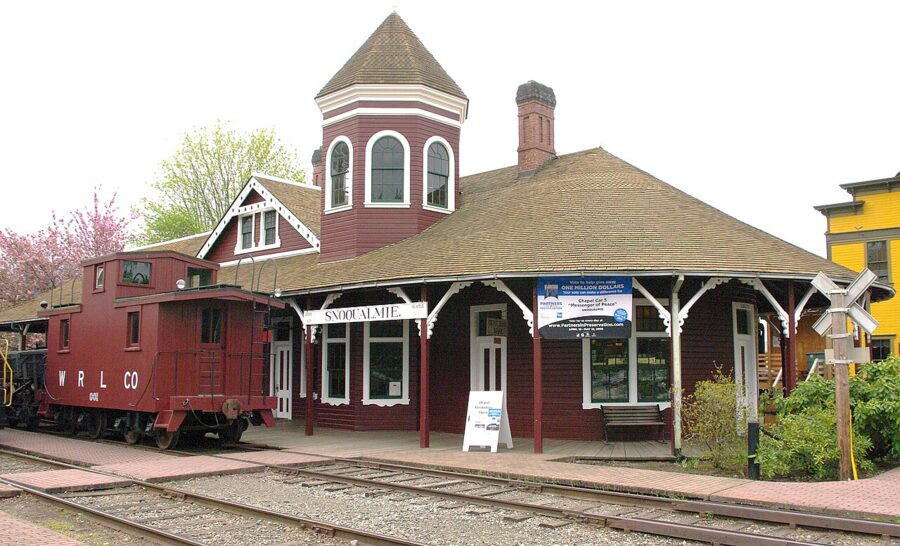
Closer to Seattle, the Northwest Railway Museum’s Snoqualmie Valley Railroad runs just under two hours round trip over 5.5 miles of the original 1880s Seattle, Lake Shore and Eastern line, to the top of Snoqualmie Falls and back. It is diesel and short, the right size for an afternoon with children.
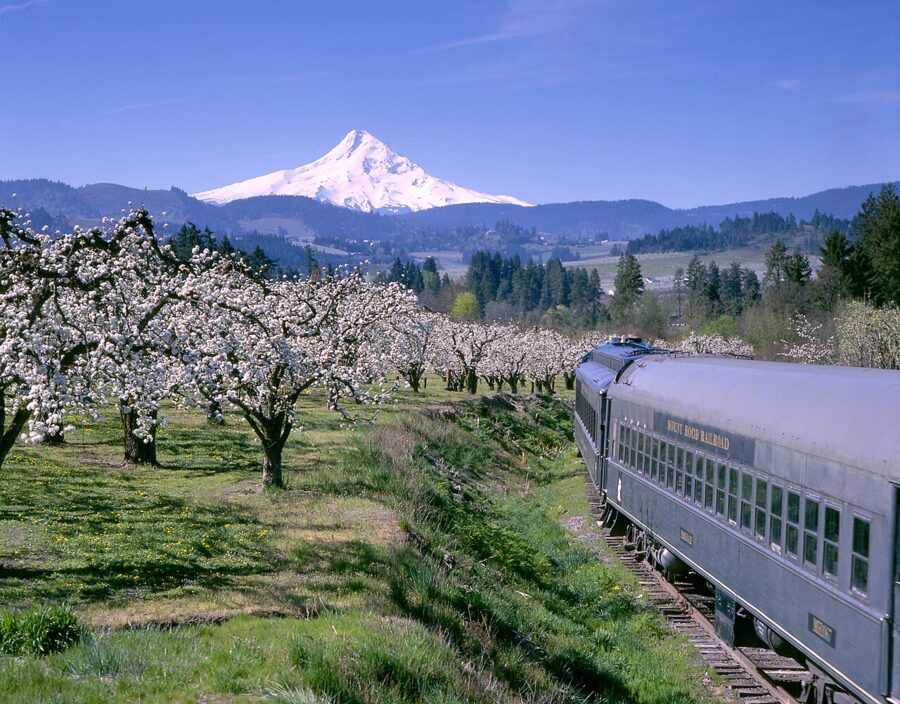
In Oregon, the Mount Hood Railroad’s Hood River summer train climbs through a working switchback and up a 3% grade through orchards, with Mount Hood and Mount Adams in view. Its page said “check back in 2027” in late November 2026, so confirm dates first.
The East and the Appalachians
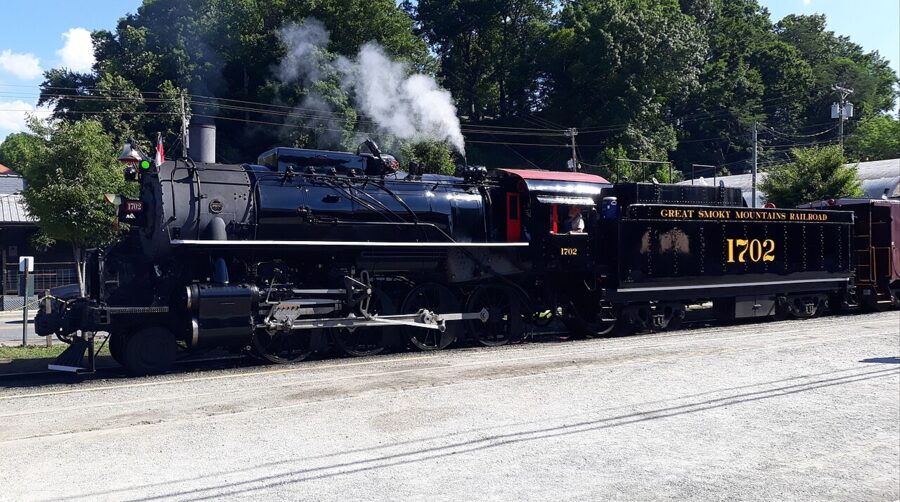
Great Smoky Mountains Railroad, North Carolina
Both regular trips leave Bryson City. The Nantahala Gorge Excursion is the scenic one: 44 miles round trip in four and a half hours, along Fontana Lake, over the Fontana Trestle and into the gorge. The Tuckasegee River Excursion is gentler, 32 miles and four hours to Dillsboro, through the 836-foot Cowee Tunnel and past the wreck set from The Fugitive.
The ticket page lists both from $63.72. Steam-only trips behind No. 1702, built in 1942 for the U.S. Army Transportation Corps, start at $74.52 through December 31, 2026. A 7% preservation fee applies.
Cass Scenic Railroad, West Virginia
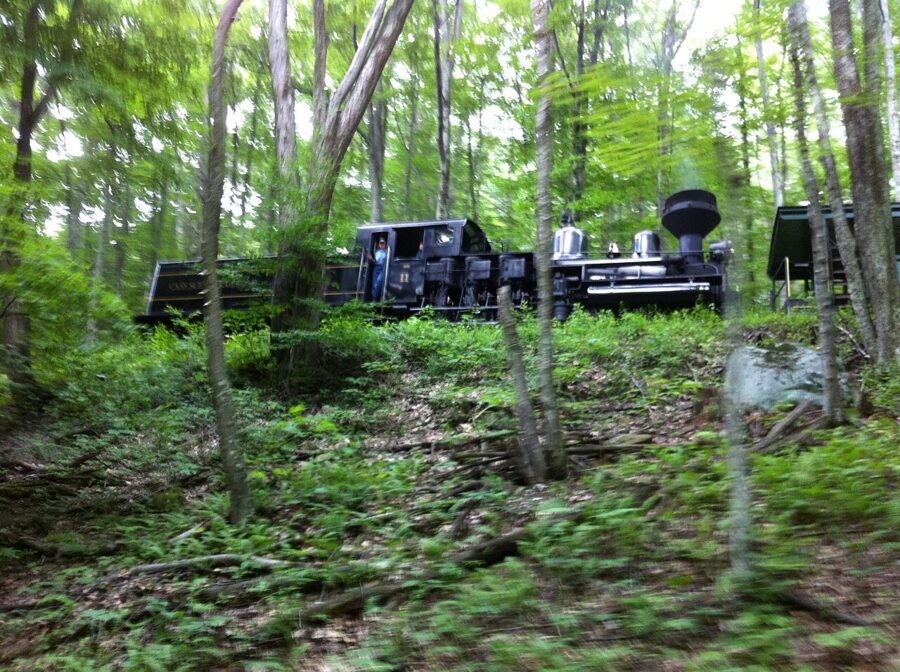
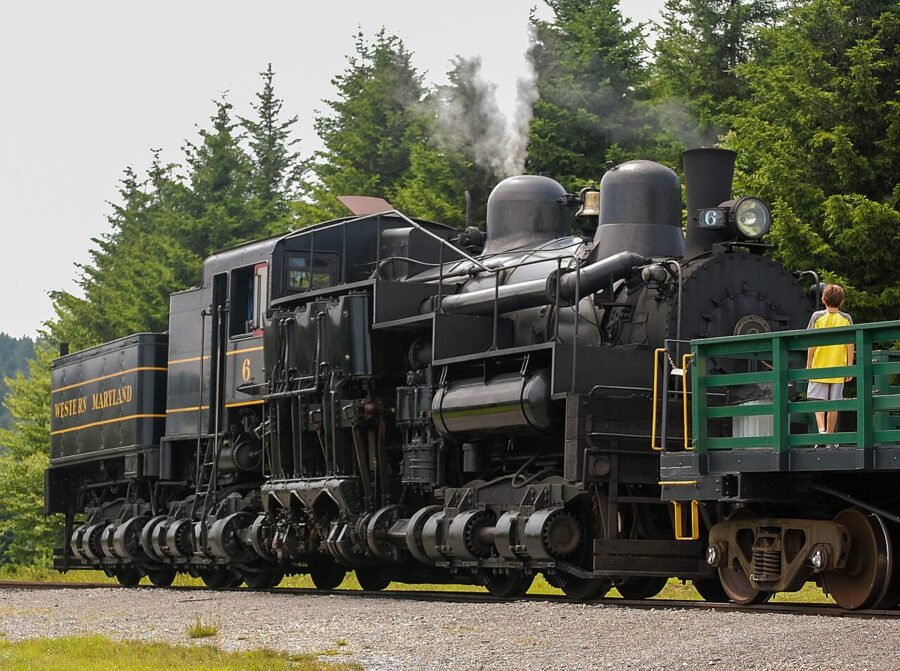
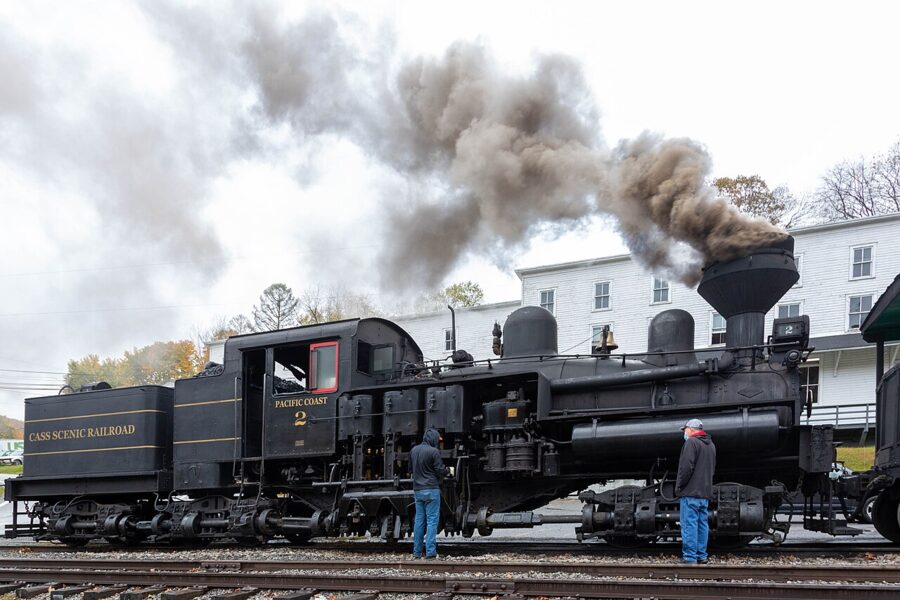
Cass is the reason to drive into the Alleghenies. The line was built in 1901 to haul lumber down to the mill at Cass, the town is now a state park, and the trains still climb Cheat Mountain behind geared Shay locomotives built for steep logging grades. The railroad says its Shay No. 5 is the oldest operable Shay in existence.
The Whittaker Station trip is eight miles and two hours round trip, through two switchbacks to a recreated logging camp, in open-sided cars with wooden benches. The Bald Knob trip is the one to plan around: 22 miles and about five hours, climbing 2,390 feet to 4,842 feet, the third-highest point in West Virginia, with lunch included. Both run May to October, not daily.
Tickets are sold by Mountain Rail WV, and in late November 2026 the 2027 schedule and fares were not yet posted. Fall fares run $10 higher from September 15.
Strasburg Rail Road, Pennsylvania
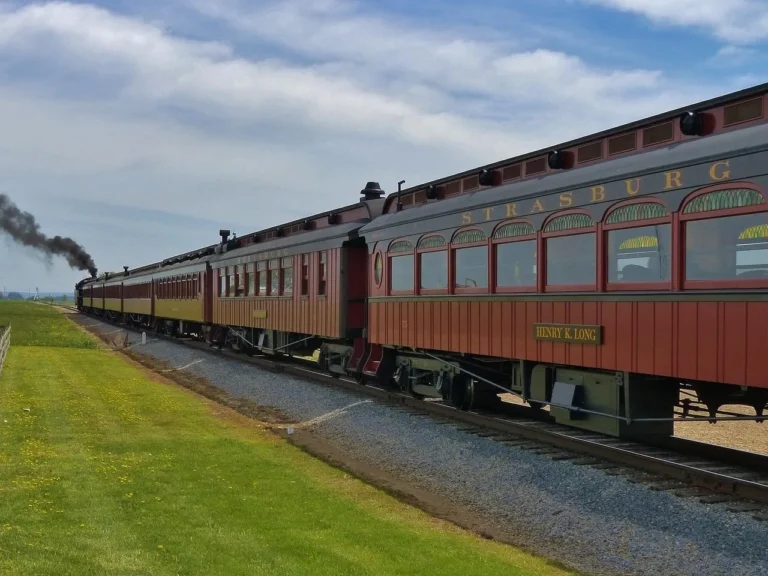
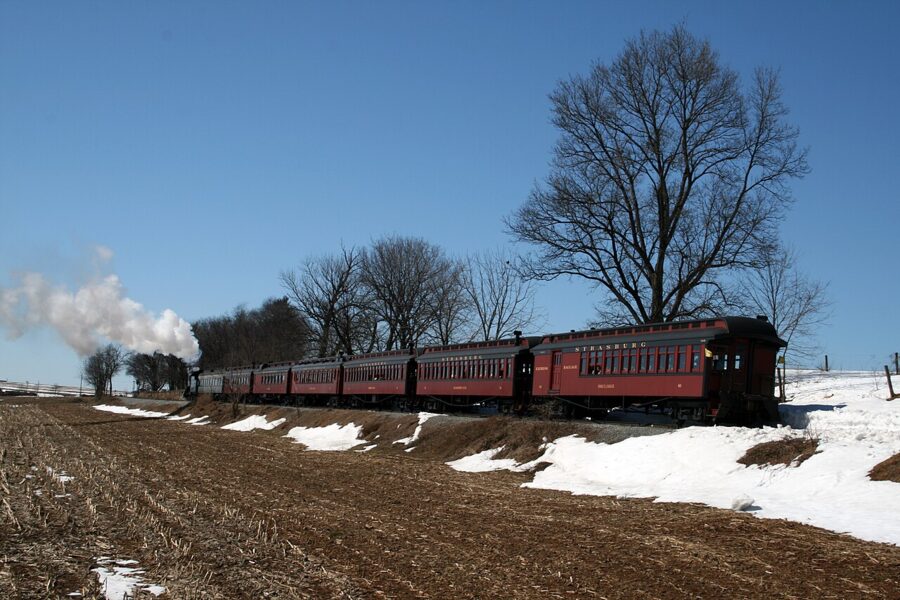
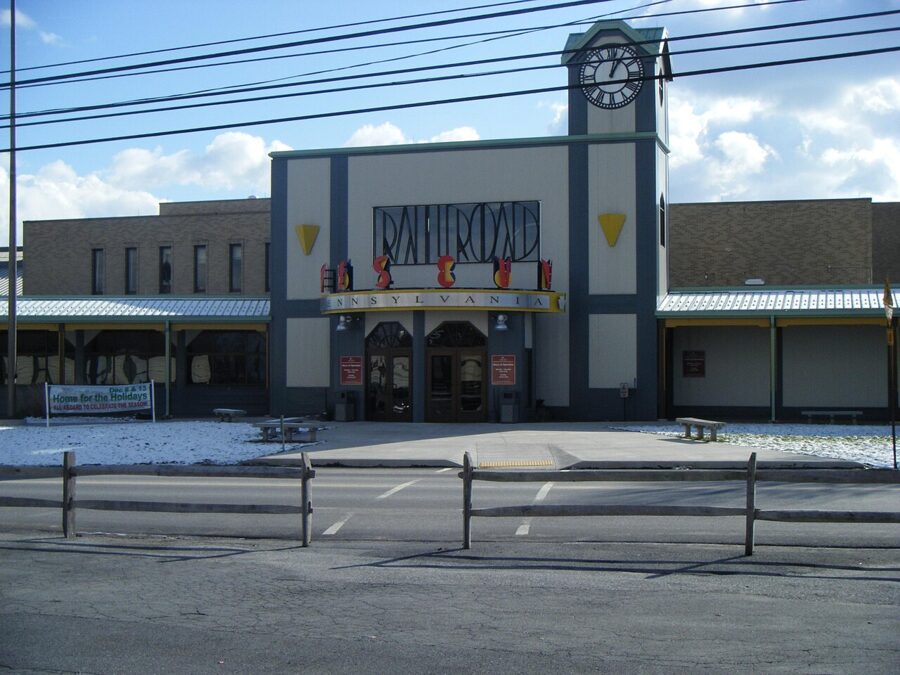
Chartered in 1832, the Strasburg Rail Road calls itself America’s oldest continuously operating railroad. The daily excursion is a narrated 45-minute, 9-mile round trip behind steam through Amish farmland, in restored wooden coaches. Coach fares are $32.40 for adults and $26.62 for children 2 to 11 as of 2026.
Mount Washington Cog Railway, New Hampshire
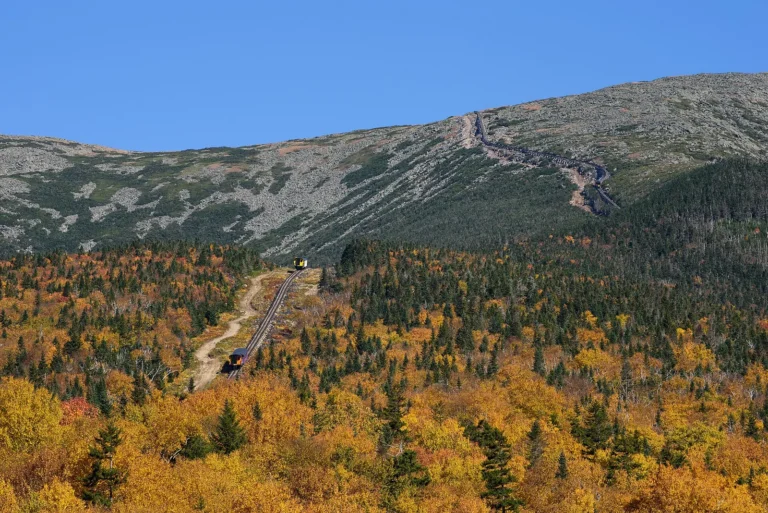
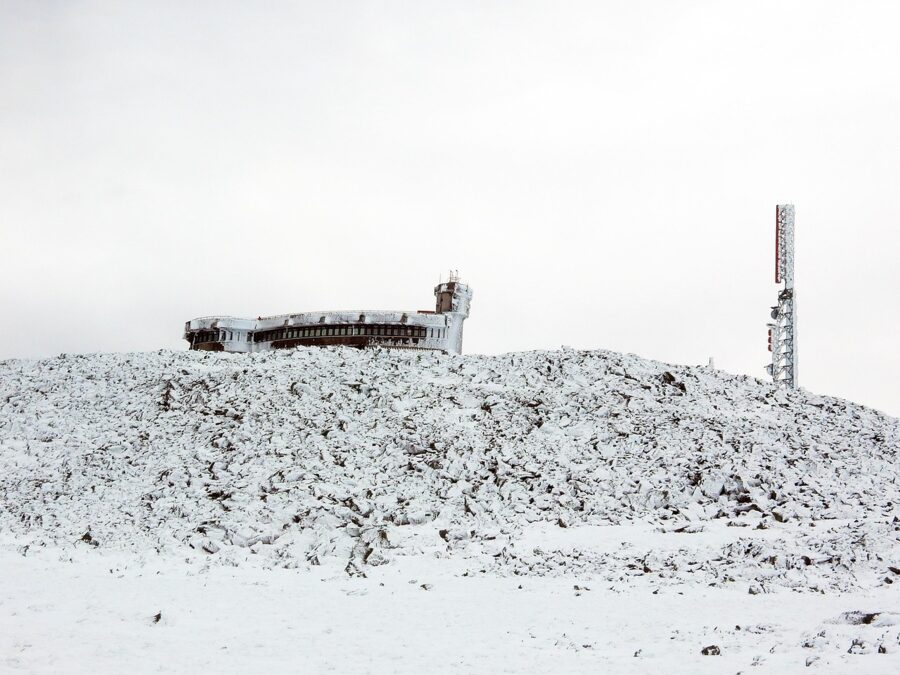
The Cog climbs the western side of Mount Washington from Marshfield Base Station, off Route 302 near Bretton Woods, to the 6,288-foot summit. Biodiesel trains climb in about 45 minutes; the coal-fired steam trains stop once for water and take closer to an hour. The round trip with a stop at the top is just under three hours. Set your GPS for the Base Station, because some apps send drivers to Pinkham Notch, 50 miles away.
Steam is the hard ticket. The railway’s own advice is that steam trains often sell out months ahead, and in peak foliage season the extra steam trips turn at Waumbek Station, at about 4,000 feet, while other trains carry on to the summit. If weather cuts a trip short to Waumbek, the ticket terms reduce the fare to $57 for adults. Cancellations more than three months out are refunded in full; inside 15 days you get credit only.
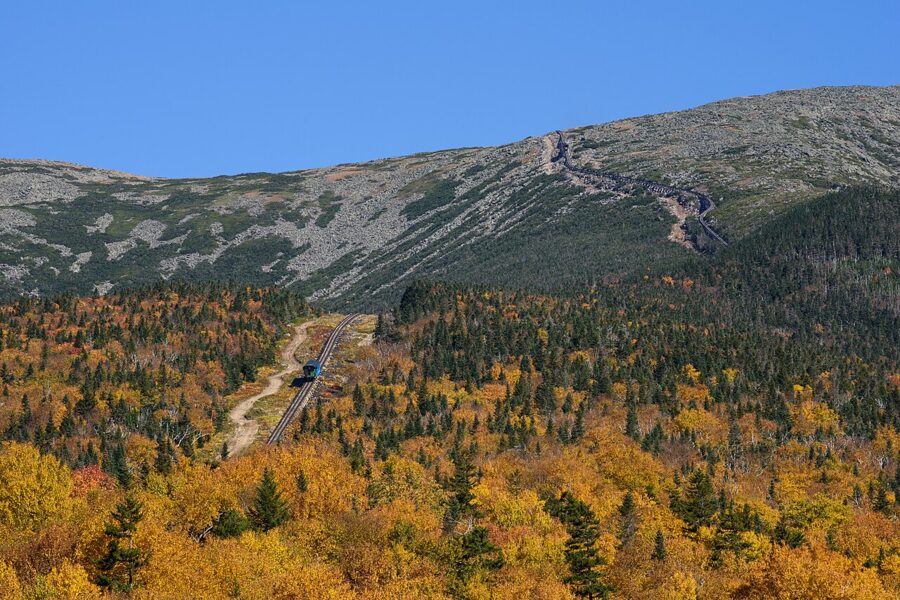
Conway Scenic Railroad, New Hampshire
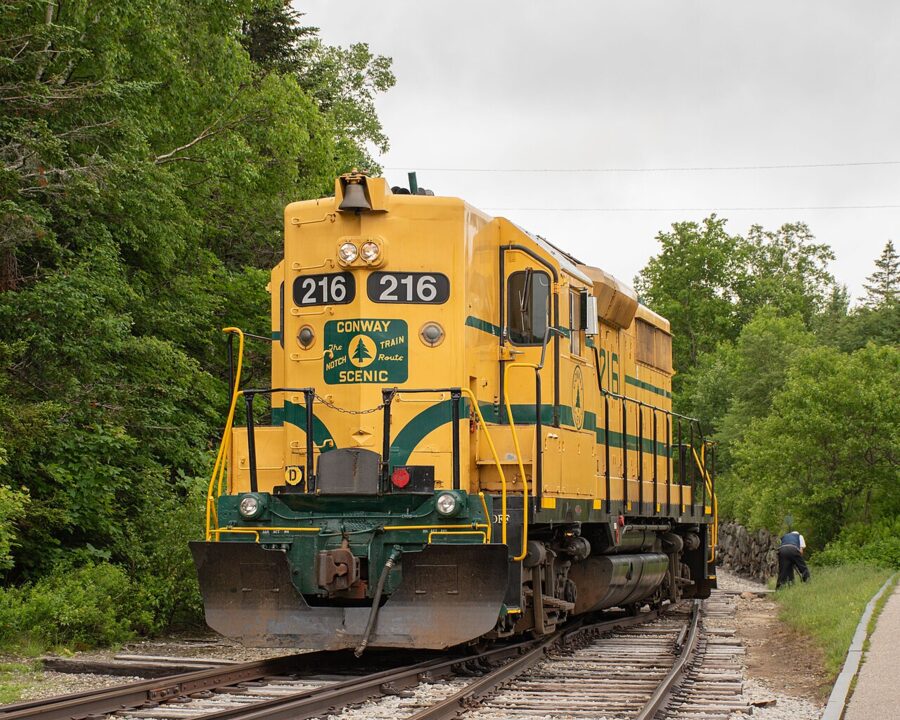
On the other side of Crawford Notch, the Conway Scenic Railroad runs from North Conway village. Its best ride is the Mountaineer, 4.5 hours in 1950s streamlined cars up the valley and over Crawford Notch, where the train reverses. The Winter Mountaineer leaves at 10:30 a.m. on select dates through March 2027, the rare chance to see the notch in snow from a train.
Cuyahoga Valley Scenic Railroad, Ohio
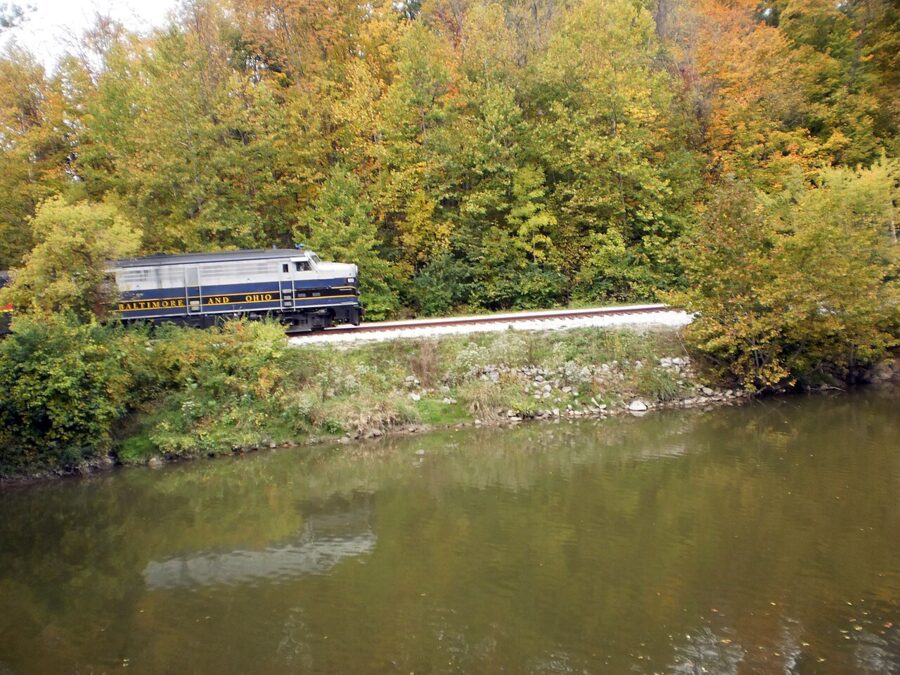
This line runs through Cuyahoga Valley National Park between Cleveland’s southern suburbs and Akron. The classic ride is a 24-mile round trip of about four and a quarter hours, and coach tickets are good all day, so you can get off, walk and catch a later train. Better still is the park’s bike-and-ride program: cycle the Towpath Trail one way and flag the train back by waving both arms over your head. In 2026 it ran June 1 to September 7.
Texas and the Ozarks
Texas State Railroad
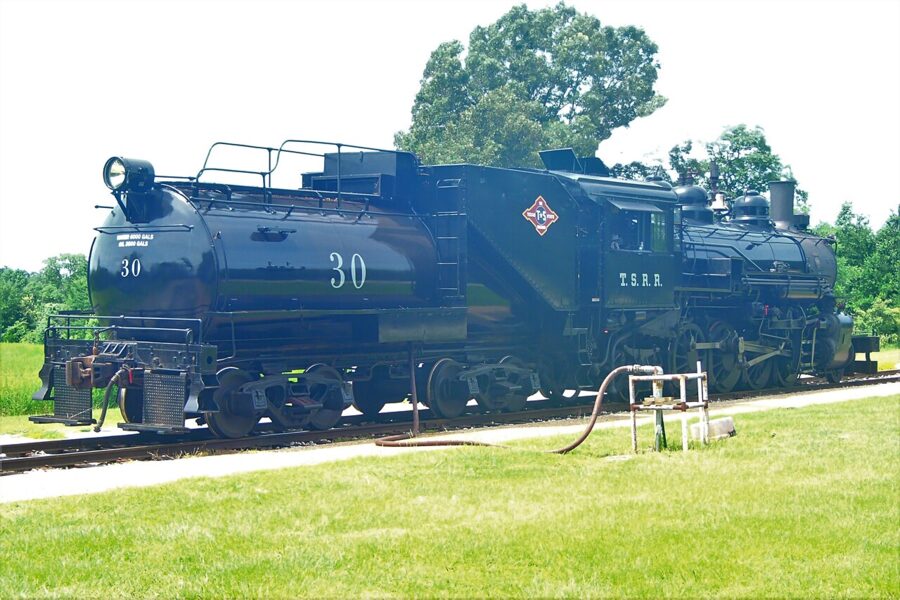
The Texas State Railroad runs 25 miles through the Piney Woods between Palestine and Rusk, a four-hour round trip with lunch at the Rusk depot. Depending on the date, it runs behind restored FP9 diesels or No. 30, a 1917 Baldwin steam engine. The fare list is refreshingly plain: $30 for an adult in the open-air coach, $60 in First Class, $80 in the dome, plus a $3 preservation fee.
Branson Scenic Railway, Missouri
The Branson Scenic Railway leaves the 1905 depot downtown for a one-hour-45-minute trip on the old Missouri Pacific White River Route, in Budd coaches with three dome cars. The freight railroad that runs the line decides just before departure whether the train heads north toward Galena or south into Arkansas. 2026 fares ran $28.34 to $91.81.
Amtrak’s scenic stretches: when the regular train is the scenic ride
America still has sleeper trains: Amtrak’s overnight routes carry sleeping cars as well as coach. Fares move with demand, so the same seat or roomette can cost very different amounts on different days; check several dates. The times below are from Amtrak’s late-November 2026 timetables and can shift by season.
California Zephyr through the Rockies and the Sierra
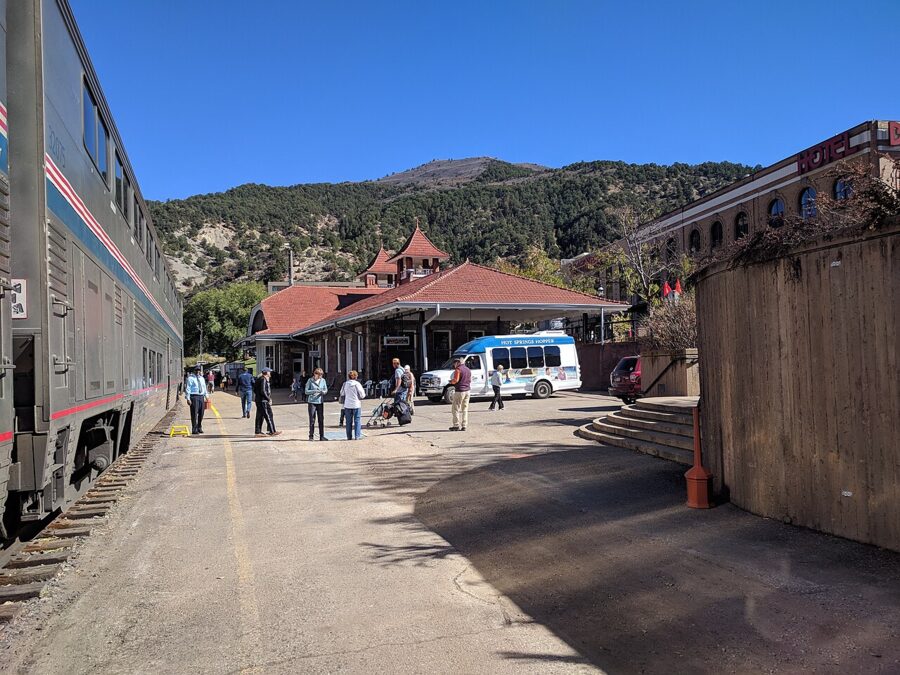
The Zephyr runs daily between Chicago and Emeryville, across the bay from San Francisco, in about 52 hours, and its timetable suits sightseers both ways. Westbound, it leaves Denver at 8:46 a.m., climbs the Front Range and follows the Colorado River canyons to Glenwood Springs at 2:43 p.m.; the next morning it crosses the Sierra Nevada, Truckee at 10:33 a.m. Eastbound, you get the Sierra in the afternoon and Glenwood Canyon the next morning.
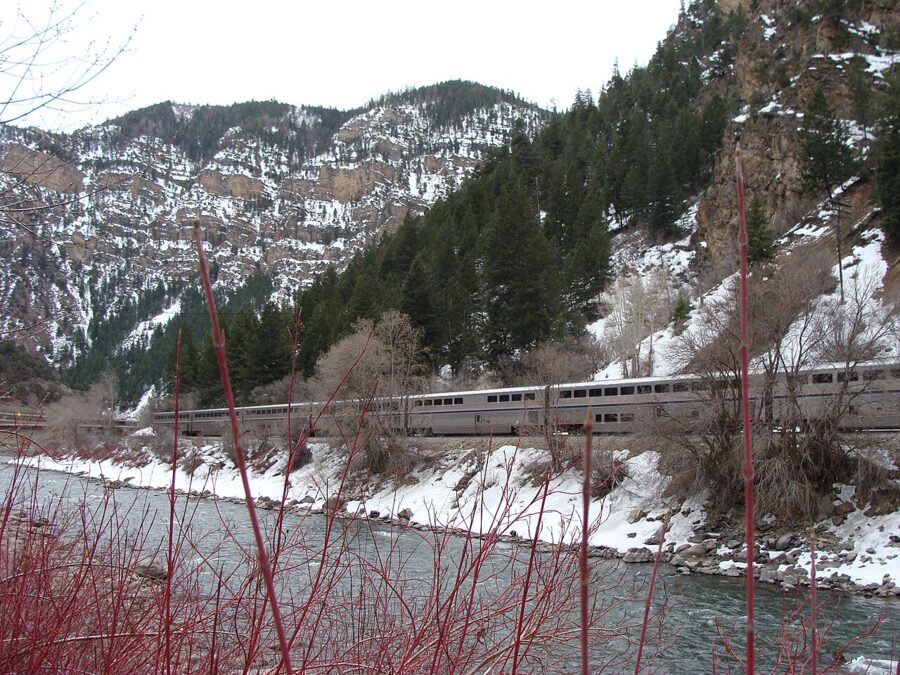
With only a day, ride Denver to Glenwood Springs westbound, six hours of the best of it. For the whole thing, the connection is Chicago, where the Zephyr meets Amtrak’s Midwest trains.
Coast Starlight
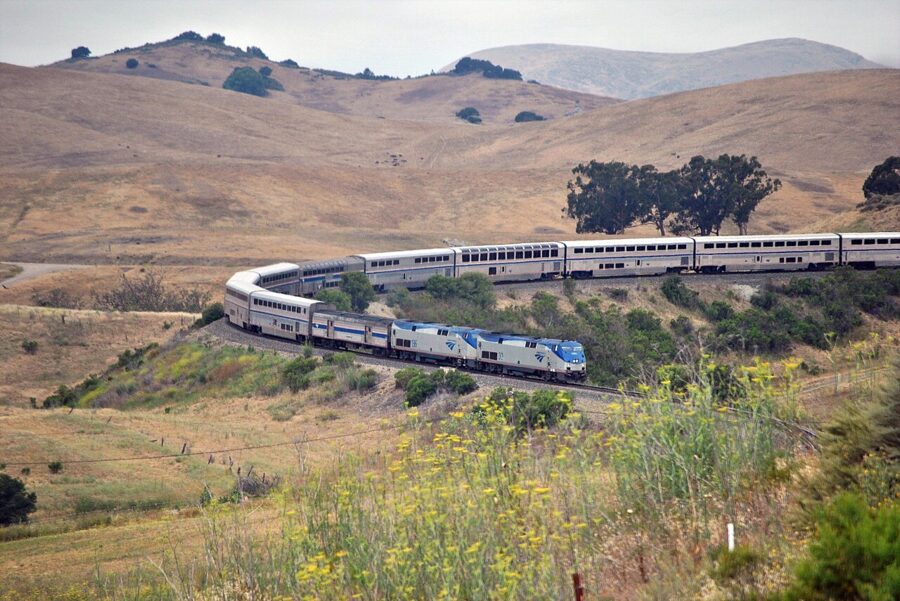
The Coast Starlight runs daily between Los Angeles and Seattle in about 35 hours, and its schedule gives you the coast in daylight northbound. The train leaves Los Angeles at 9:51 a.m. and reaches Santa Barbara at 12:15 p.m. and San Luis Obispo at 3:05 p.m., running along the Pacific with the ocean on the left. Southbound the coast comes late (Santa Barbara at 6:19 p.m.), so in winter you lose it to the dark. The short version is the morning train from Los Angeles to San Luis Obispo, on the left side.
Empire Builder in Glacier
The Empire Builder runs daily between Chicago and Seattle or Portland and skirts the southern edge of Glacier National Park. Its timetable decides the direction. Eastbound, it leaves Whitefish at 7:26 a.m. and passes West Glacier at 7:57 a.m. and Essex at 8:37 a.m., so the park and Marias Pass come in the morning all year. Westbound, Essex is at 8:44 p.m., which works only in high summer.
The park lies north of the line, on the right going west and the left going east. Book eastbound if Glacier is the point. East Glacier Park shows no times in the late-November timetable, so check the summer schedule if you want to stop there.
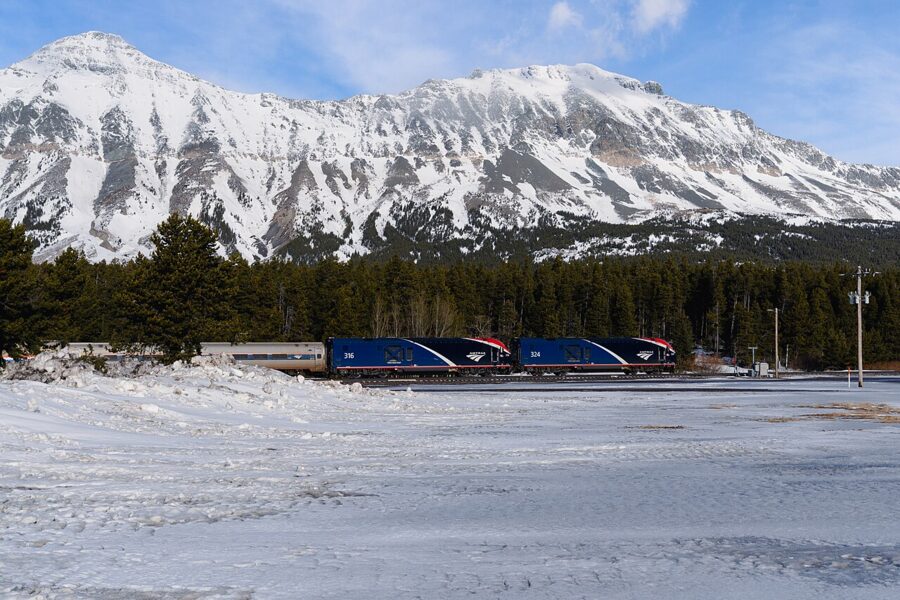
Adirondack along the Hudson and Lake Champlain
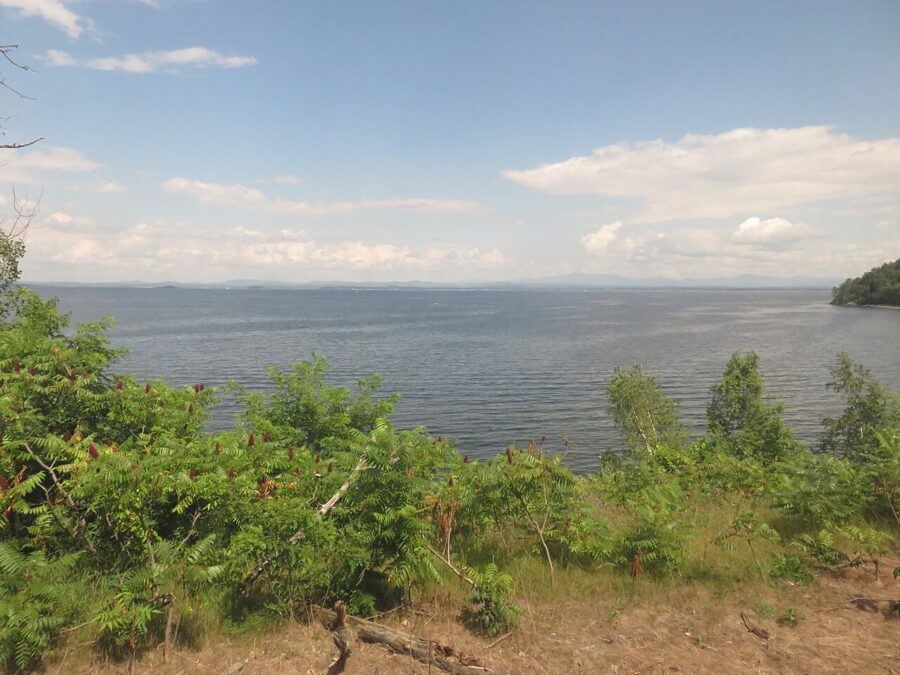
The Adirondack runs daily between New York’s Moynihan Train Hall and Montreal. The northbound train leaves at 8:15 a.m. and follows the east bank of the Hudson to Albany, river on the left. After Whitehall at 1:19 p.m. it runs along the western shore of Lake Champlain, lake on the right, and reaches Montreal at 8:16 p.m. It crosses into Canada after Rouses Point, so bring a passport, or ride only as far as Westport or Plattsburgh.
The rides side by side
Adult fares as published in 2026 (Alaska and White Pass show 2027 summer fares, already on sale). Where a railroad shows fares only in its booking calendar, I say so rather than guess.
| Railroad | Ride | Season | Steam or diesel | Price band (as of 2026) |
|---|---|---|---|---|
| Durango & Silverton, CO | 45 miles each way, about 9 hours | May to early November; Cascade Canyon in winter | Both | $118 to $313 |
| Cumbres & Toltec, CO and NM | 3 hours to a full day | May 29 to October 17, 2027 | Steam | Booking calendar |
| Grand Canyon Railway, AZ | 65 miles each way | All year | Diesel; some steam | $69.98 to $242.98, plus park fee |
| Skunk Train, CA | 7 or 16 miles round trip | Railroad’s calendar | Diesel; steam once a year | $49.95 to $64.95 |
| Alaska Railroad | Seward, Denali, Fairbanks | Mid-May to mid-September; winter weekends | Diesel | $133 to $578 one way |
| White Pass & Yukon Route, AK | 40 to 120 miles round trip | April 23 to October 6, 2027 | Diesel; some steam | $169 to $319 |
| Mt. Rainier Scenic, WA | Steam excursion from Elbe | Seasonal | Steam | $34 |
| Great Smoky Mountains, NC | 32 or 44 miles round trip | Most of the year | Diesel; steam-only trips | From $63.72, plus 7% fee |
| Cass Scenic, WV | 8 or 22 miles round trip | May to October | Steam | 2027 fares not yet posted |
| Strasburg Rail Road, PA | 9 miles, 45 minutes | Railroad’s calendar | Steam | Online ticketing |
| Mount Washington Cog, NH | To the summit, under 3 hours | Summit trips spring to fall | Biodiesel and steam | Online ticketing |
| Conway Scenic, NH | 1 to 4.5 hours | All year | Diesel | Booking calendar |
| Cuyahoga Valley Scenic, OH | 24 miles round trip | Railroad’s calendar | Diesel | Booking calendar |
| Texas State Railroad | 25 miles each way | Railroad’s calendar | Diesel or steam | $30 to $80, plus $3 |
| Branson Scenic, MO | 1 hour 45 minutes | Into December 2026 | Diesel | $28.34 to $91.81 |
| Amtrak scenic routes | Day segments or full routes | Daily | Diesel | Varies by date |
Booking and when to go
Next year’s calendar opens earlier than most people expect. By late November 2026 the Cumbres & Toltec, the White Pass and the Alaska Railroad were all selling 2027 summer trips, and the Durango & Silverton was selling 2027 season passes. Steam trains on the Cog and special dates everywhere go first, so if steam is the reason you are going, book as soon as your date appears.
Summer gives the longest days and the full routes in Alaska, Colorado and over White Pass. Late September and October are the best months in the East, but fares rise (Cass adds $10 from September 15) and steam on the Cog stops short of the summit. Winter is quieter on the lines that keep running: the Cascade Canyon train out of Durango, the Winter Mountaineer and the Alaska Railroad’s Aurora Winter Train, when seniors ride at half fare. Many of these railroads also run licensed Polar Express trips and their own Christmas trains, which sell out on a calendar of their own.
Read the rules before you pay. Nearly every heritage railroad sells assigned seats, charges to change, and refunds little close to departure: nothing inside five days at Durango, 48 hours on the Cumbres & Toltec, 24 hours on the White Pass. Steam can be swapped for diesel at short notice, and several lines will change a booking only by phone, so keep the number from your confirmation.
If your trip crosses the Atlantic instead, the same choices apply to Europe’s scenic and heritage lines. For the American ones, start with the line you would drive farthest for. Book the 9:00 a.m. Silverton train when the 2027 timetable opens, pay for the gondola, and wear sunglasses for the High Line.